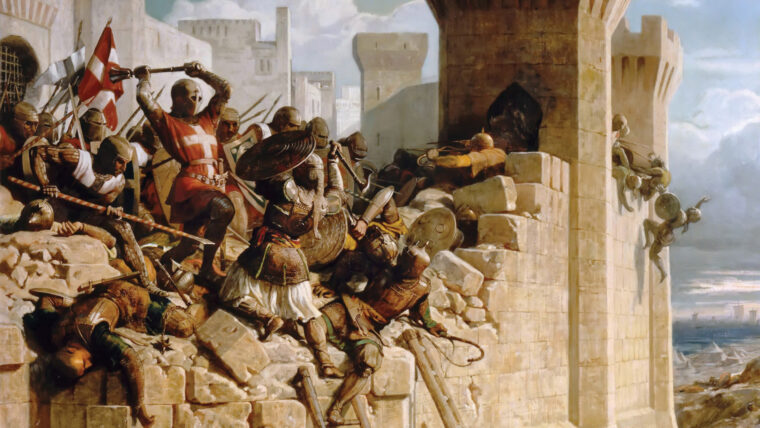
The Last Banner Falls at the Siege of Acre
By William E. WelshThe Latin Crusaders manning the battlements were armed with spears, axes, and crossbows. They shared with each other a desire to fight and die for the Cross. Read more
The Latin Crusaders manning the battlements were armed with spears, axes, and crossbows. They shared with each other a desire to fight and die for the Cross. Read more
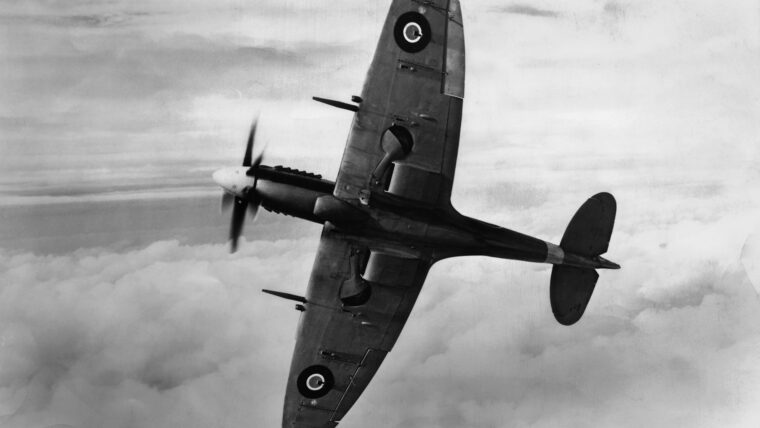
Gerald “Zulu” Lewis peered from his Hurricane and spotted 20 German Bf-110s circling with a heavy escort of fast and deadly Bf-109 fighters over Redhill, south of London. Read more
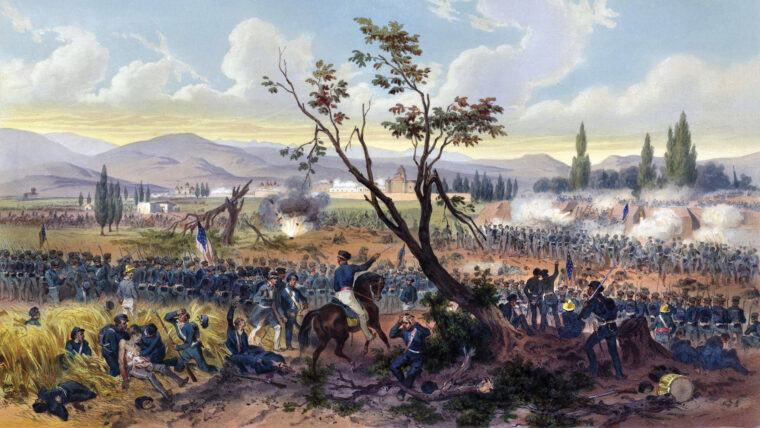
U.S. General Winfield Scott’s army climbed through the mountains of central Mexico, an arduous trek that included blistering hot days and bitterly cold, rain-drenched nights. Read more
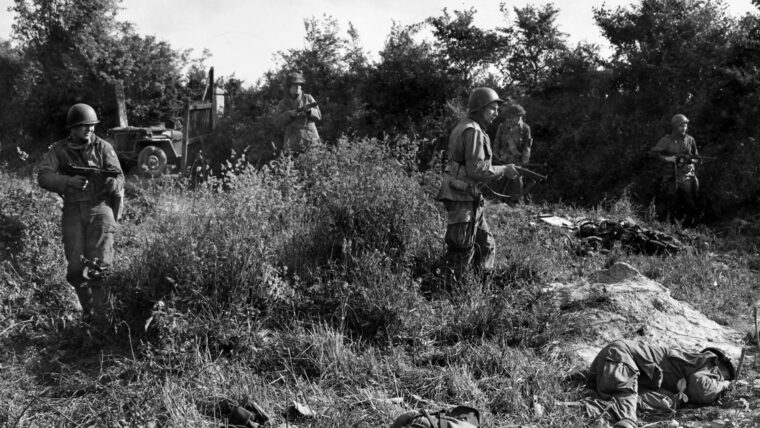
The two exits from the American landing zones at Utah Beach were entrusted to the 502nd Parachute Infantry Regiment, 101st Airborne Division. Read more
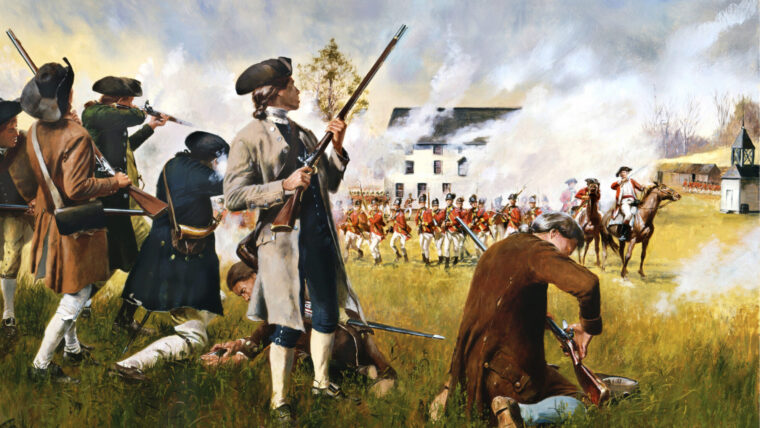
“Soldiers, don’t fire!” In the half light of dawn on April 19, 1775, war was breaking out on a New England town common, and Major John Pitcairn of His Majesty’s Marine Forces was trying to stop it. Read more
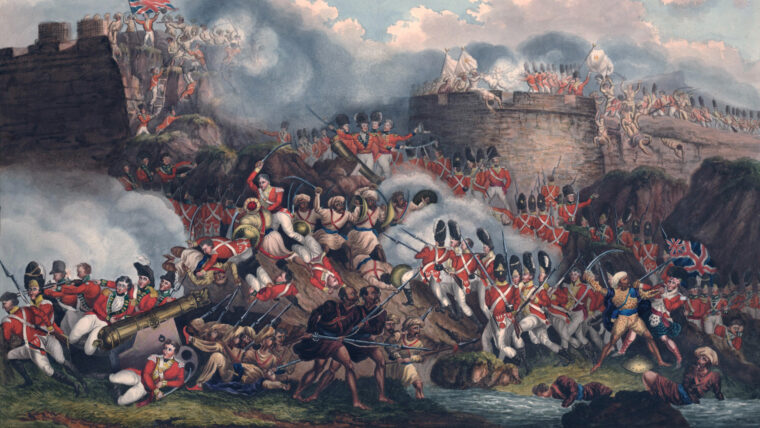
As converging columns of British and native infantry surrounded the inner palace of his capital, Seringapatam, Tipu Sultan did not hesitate. Read more
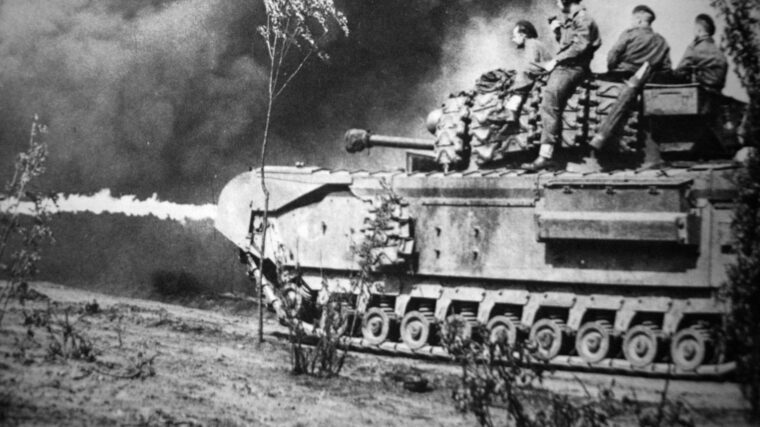
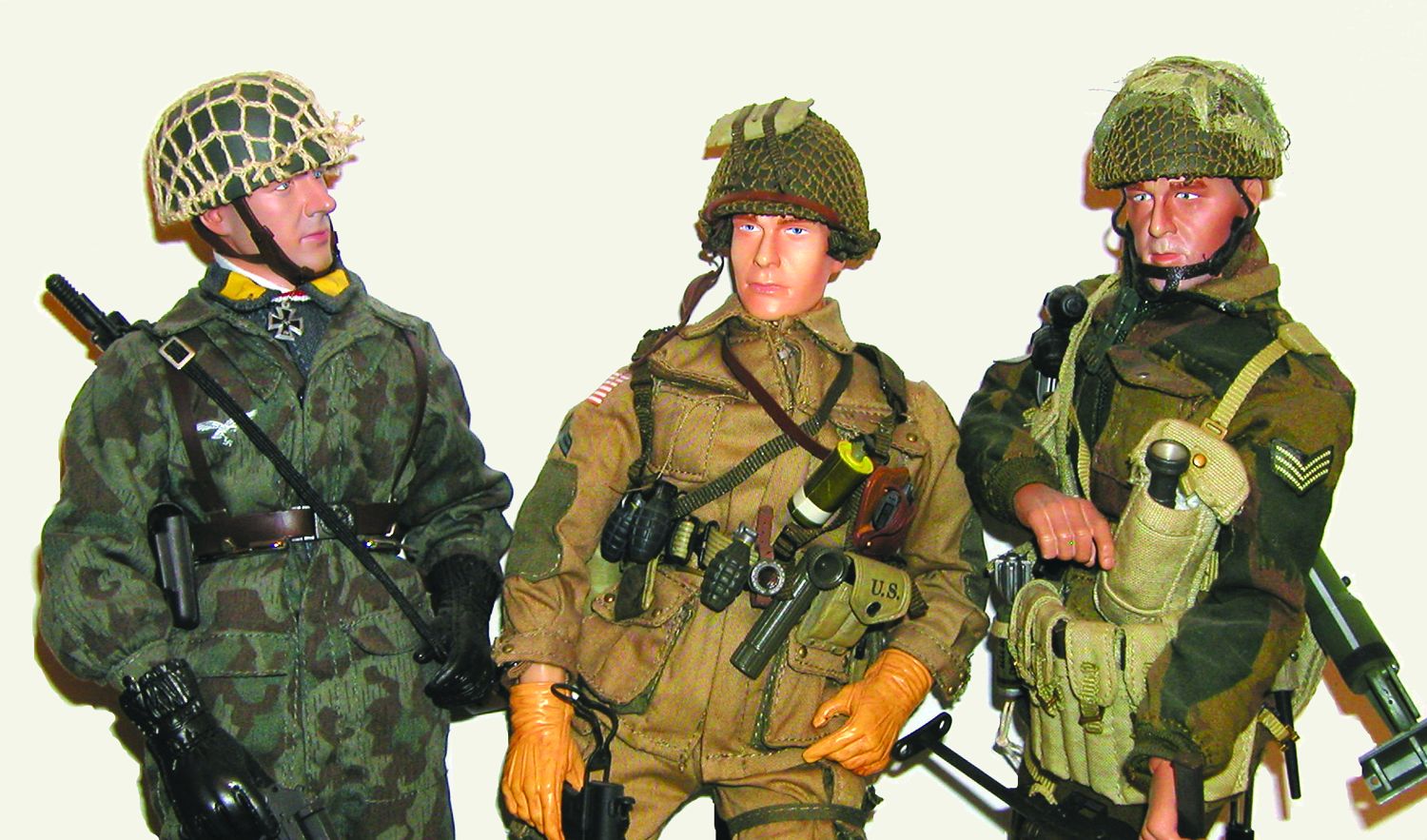
The elite German paratroopers, who were some of the finest fighters in the service of the Third Reich, believed they were exceptionally well prepared to defend the deep water port of Brest on France’s Brittany coast against an impending attack by the Allies. Read more
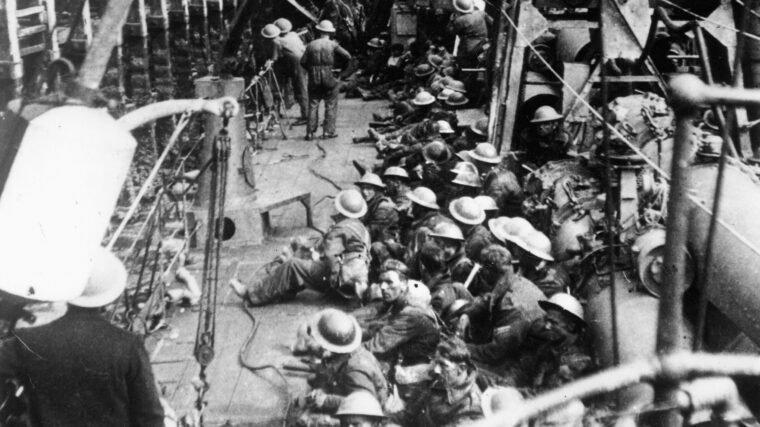
Captain William Tennant stood on the deck of the Wolfhound, grimily observing the progress of a German air raid as his ship approached Dunkirk. Read more
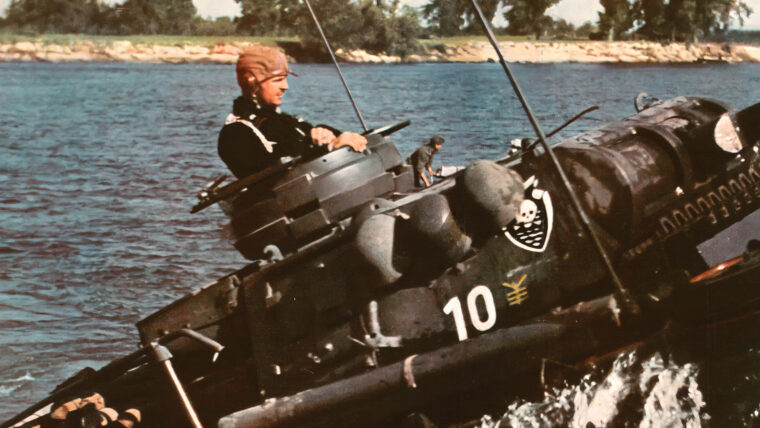
The first time Adolf Hitler ventured into the captured territory of the Soviet Union was six weeks into the campaign on August 4, 1941, when he traveled to Borisov to the headquarters of Army Group Center and its commander, Field Marshal Fedor von Bock. Read more
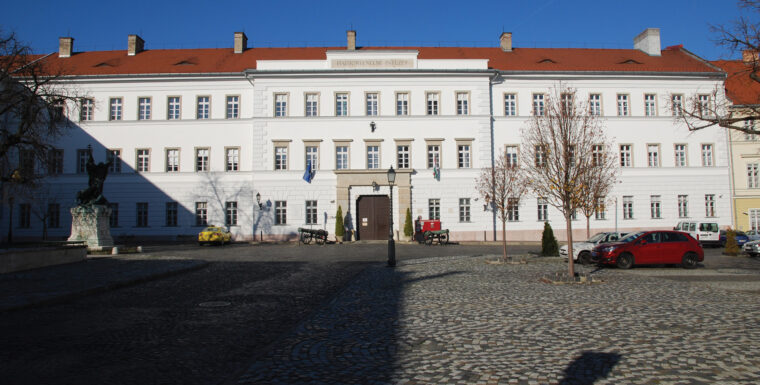
The Hungarian capital of Budapest is more than just a city. It is actually three cities in one, each with just a bit of unique color and flare. Read more
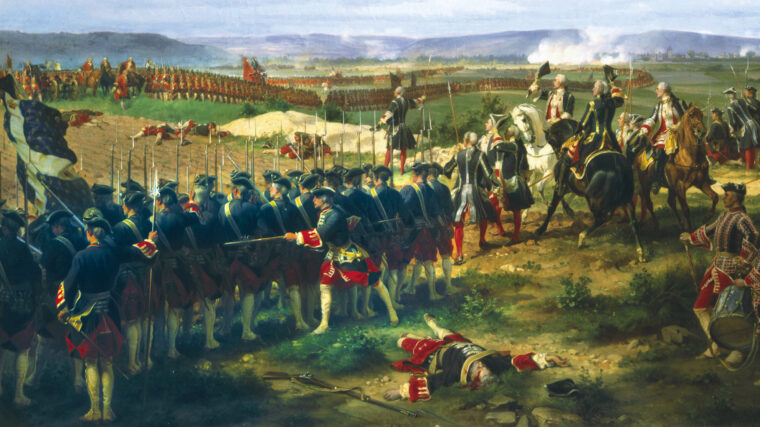
Pikes and most similar pole weapons disappeared from European armies by the early 1700s. After all, bayonets let each man convert his flintlock into a pike that fired bullets. Read more
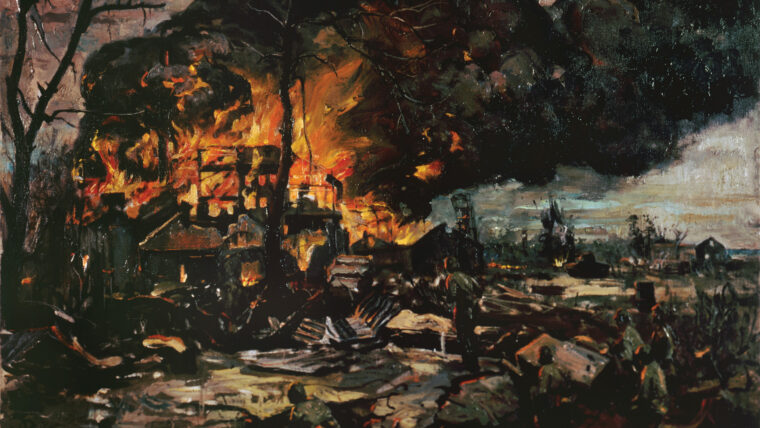
On board one of the transports headed for the island of Saipan in early June 1944, a battalion surgeon gave a group of Marines a lecture on what they could expect when they reached their destination. Read more
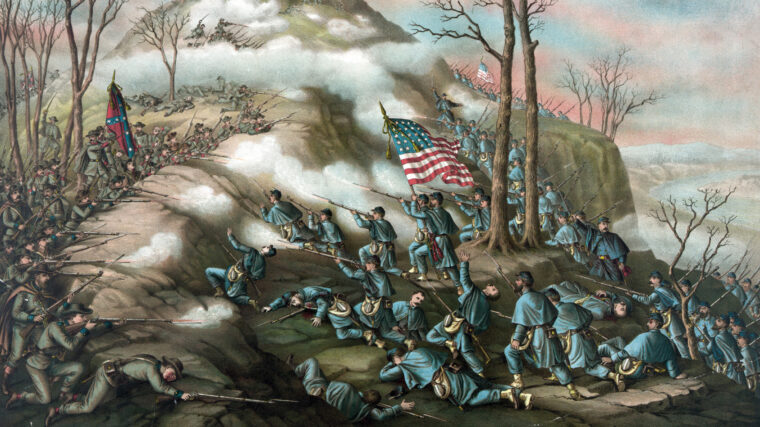
The Battle of Gettysburg was the turning point in the American Civil War. Various parts of the battle have been proposed as pivotal moments for the Union victory, such as the successful defense at Little Round Top or Pickett’s failed charge on the final day. Read more
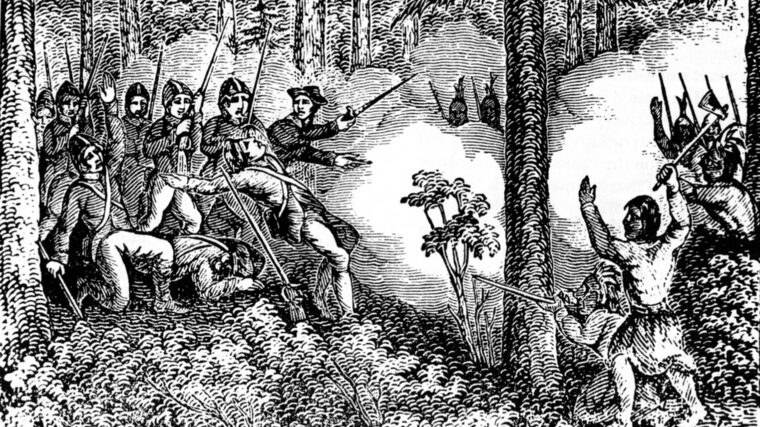
When John Sassamon’s murdered body floated up under the ice of Assawompsett Pond, Plymouth Colony, in January 1675, few Puritan homesteaders could have foretold it would lead to the bloodiest war, per capita, in American history. Read more
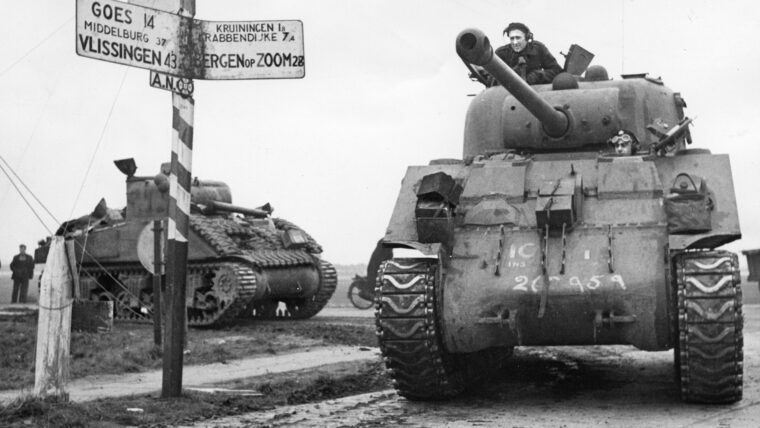
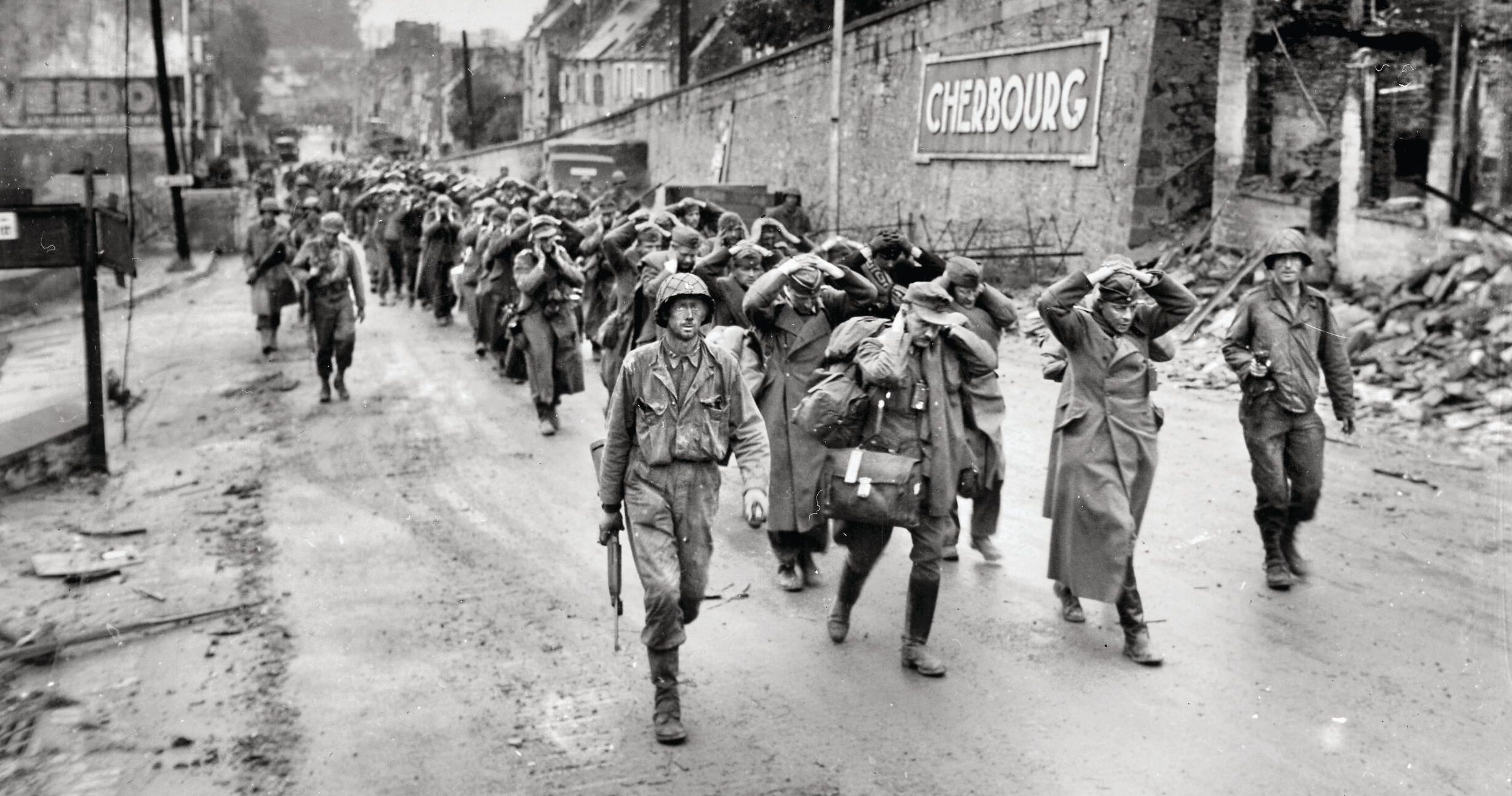
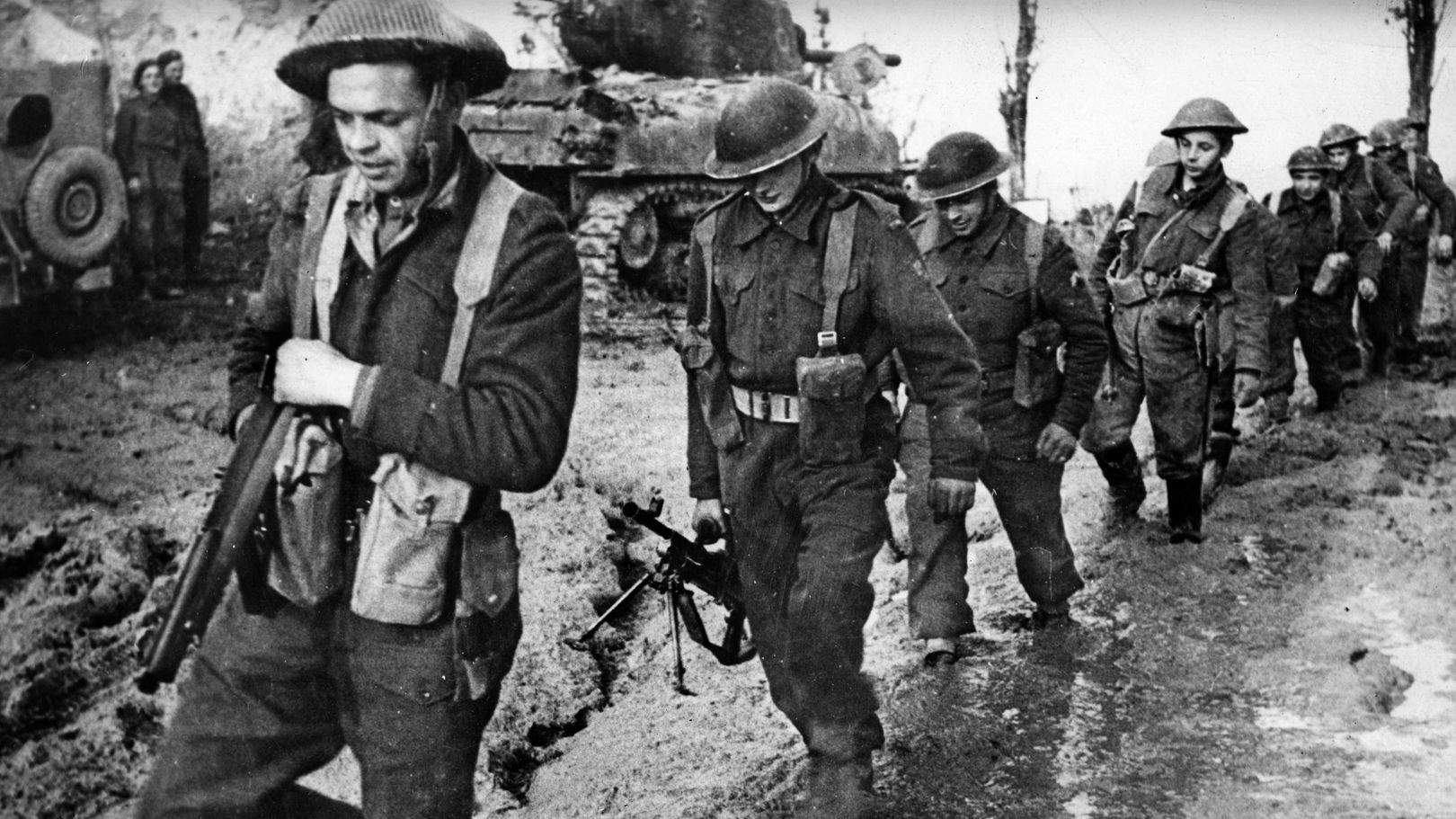
On September 4, 1944, tanks of the British 11th Armored Division lumbered into the outskirts of Antwerp, Belgium. Read more
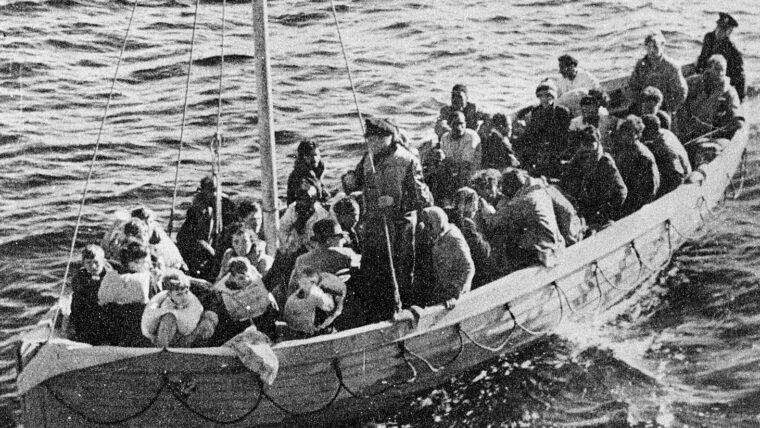
In the summer of 1940, the world watched with rapt attention as the citizens, airmen, sailors, and soldiers of Great Britain steeled themselves for imminent invasion by the victorious German Army. Read more
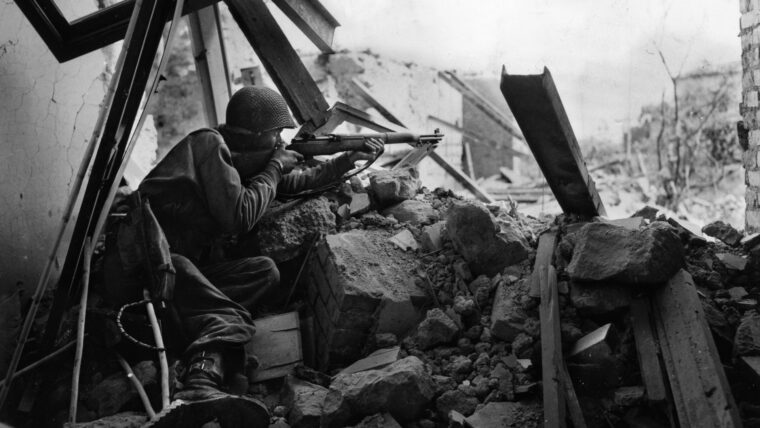
They had been staring at it for the past four months. That small, rubble-strewn town of Cisterna di Littoria in central Italy just inland from the ports of Anzio-Nettuno, had become their nemesis. Read more
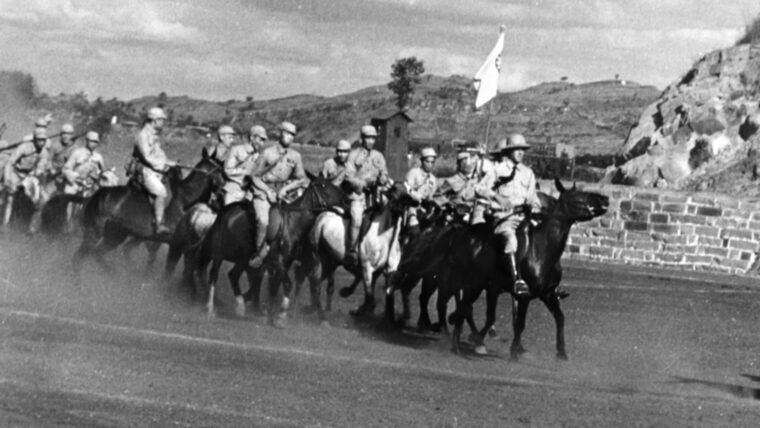
It was at the grand banquet given in his honor that General William “Wild Bill” Donovan told his host, General Dai Li, that the OSS intended to work on its own in China and that he wanted no interference from the Chinese. Read more
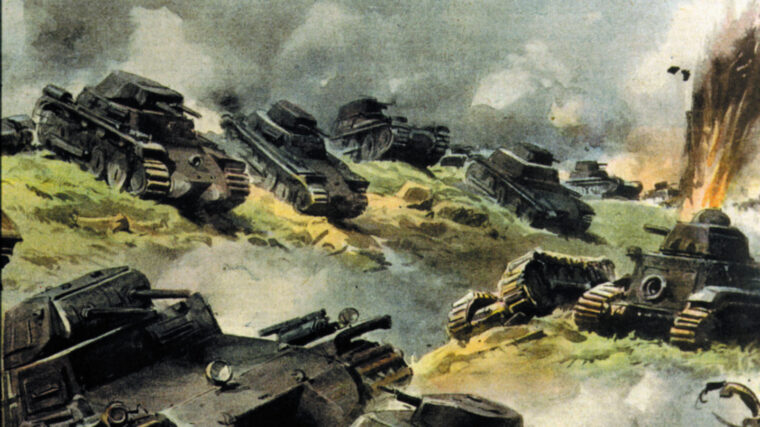
General Dwight D. Eisenhower, the supreme Allied commander in Europe during World War II, considered General Alfonse Juin to be the best French combat general of the conflict. Read more
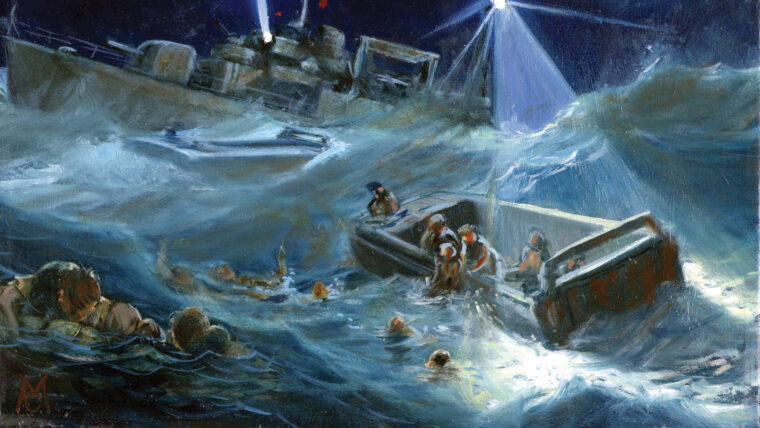
There was tight security and feverish activity on the dock at the Hunters Point Navy Shipyard in San Francisco Bay around 3 am on Monday, July 16, 1945. Read more