Mussolini’s French Invasion

By John W. Osborn, Jr.

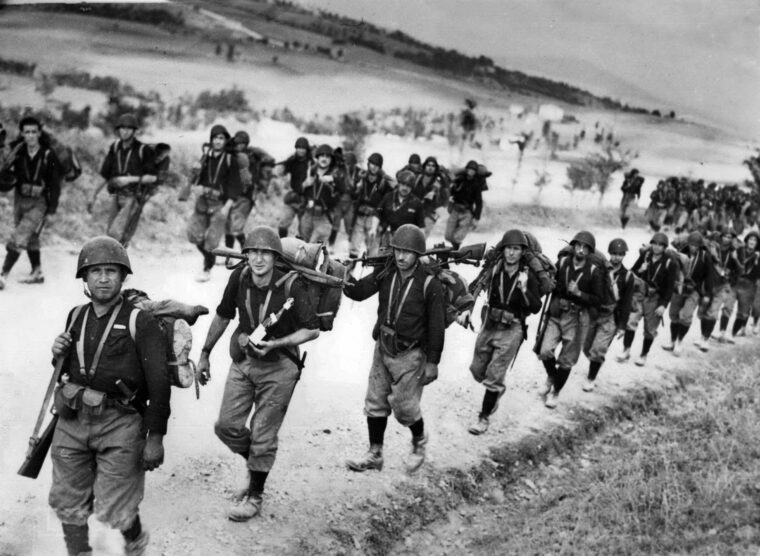
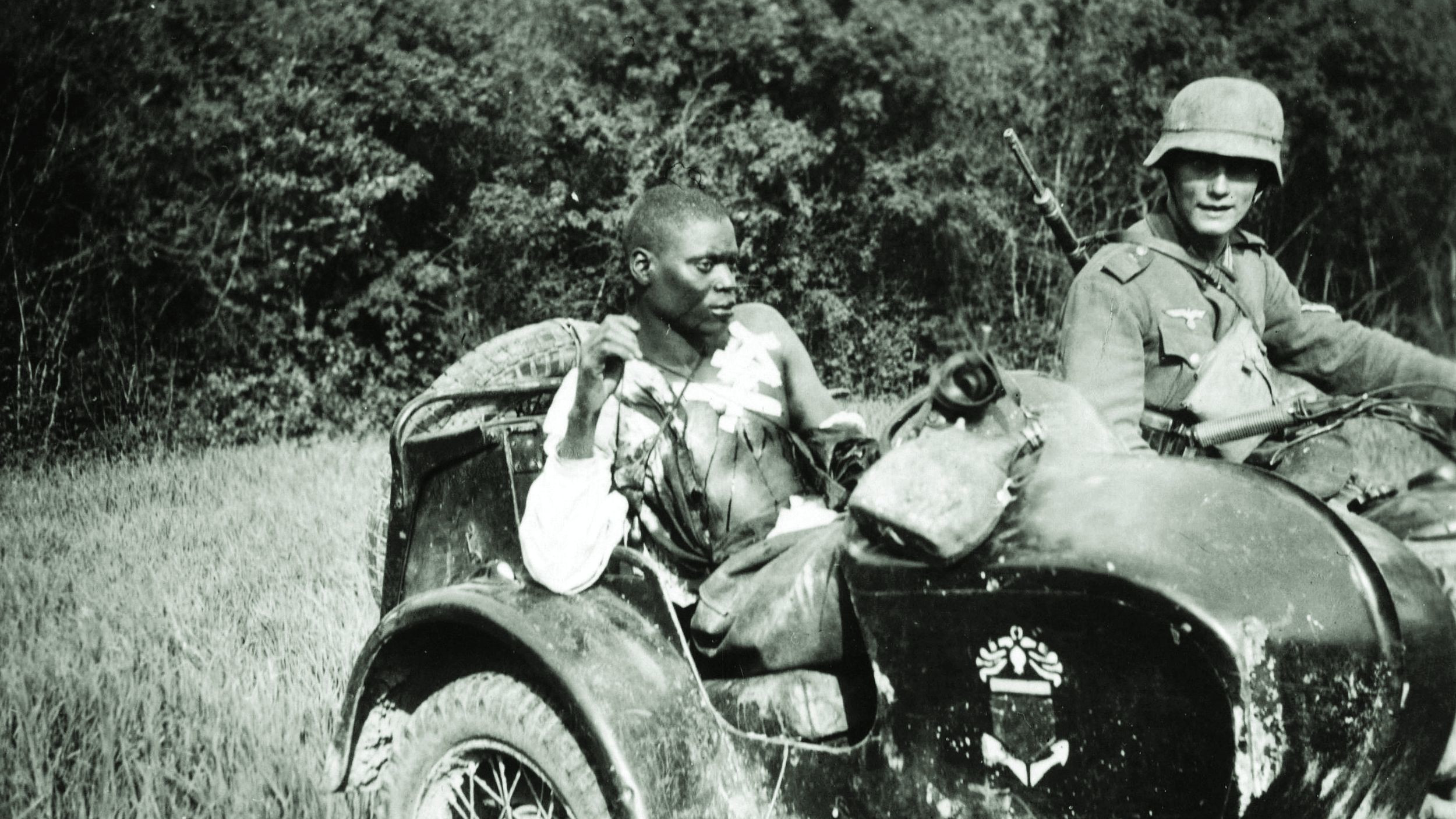
Without warning, from behind his desk in his miniature coliseum of an office in Rome’s Palazzo Venezia, Benito Mussolini on the morning of May 26, 1940, pronounced those words that were to prove fateful for Italy, fatal for him: “I have sent Hitler a written statement, making it clear to him that I do not intend to stand idly by and that from June 5th I shall be in a position to declare war on France and England.” Read more

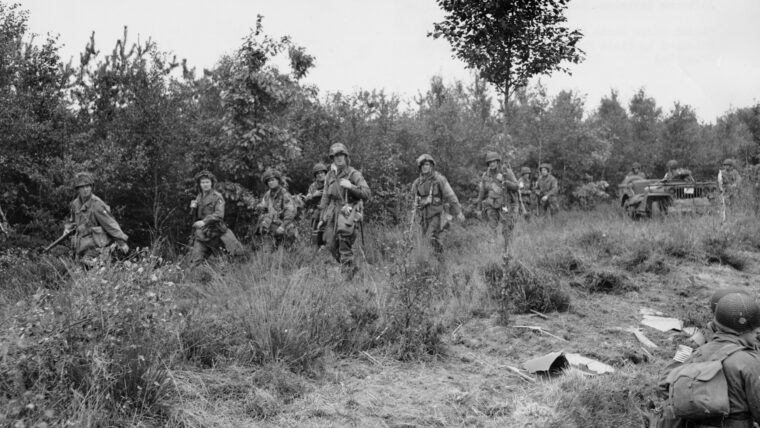
Crucible of Caen

By Michael D. Hull

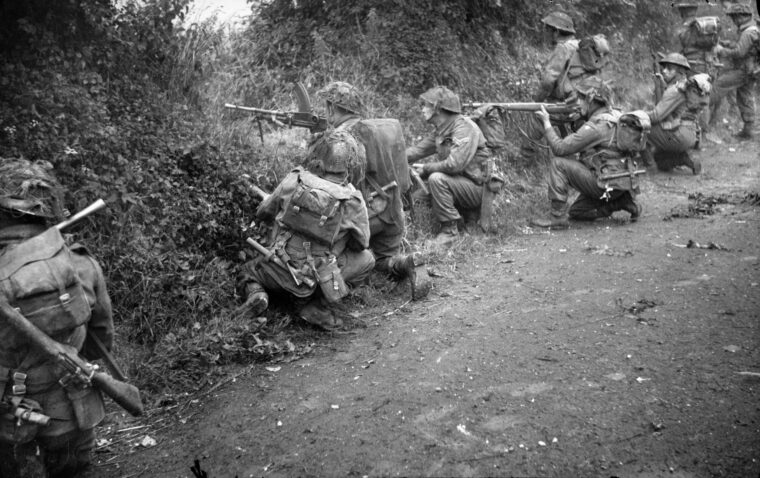
General Bernard L. Montgomery, commander of the British 21st Army Group, was delighted to learn by secret cipher on December 23, 1943, that he had been chosen to lead three Allied armies in history’s greatest invasion, scheduled for the following May. Read more

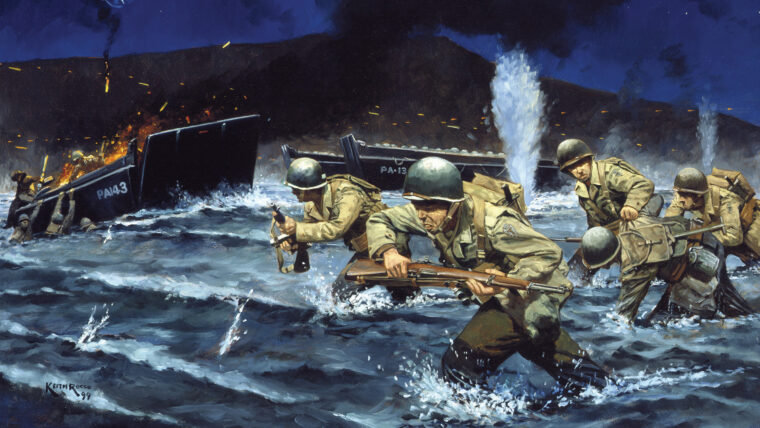
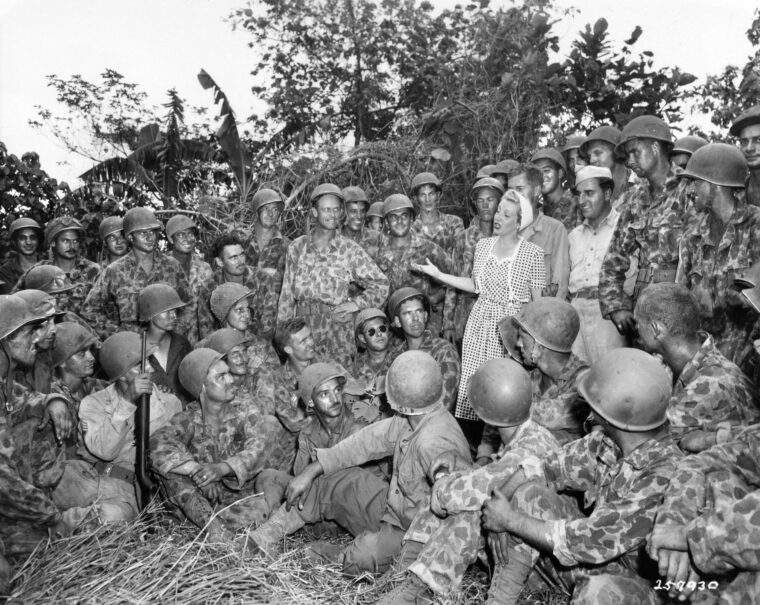
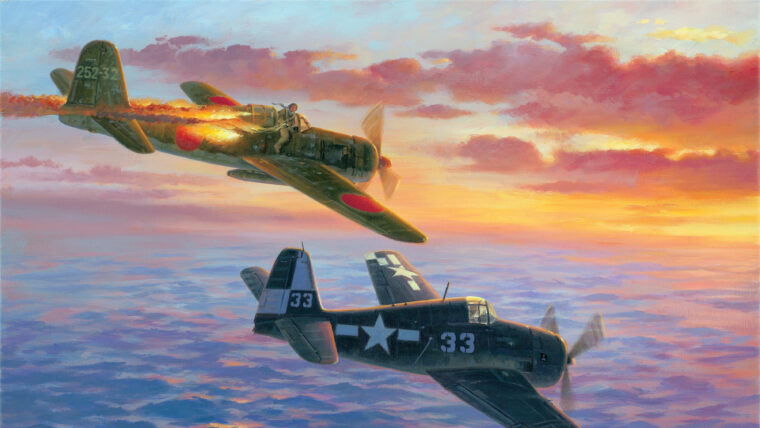
Storming the Point at Peleliu

 By Dick Camp

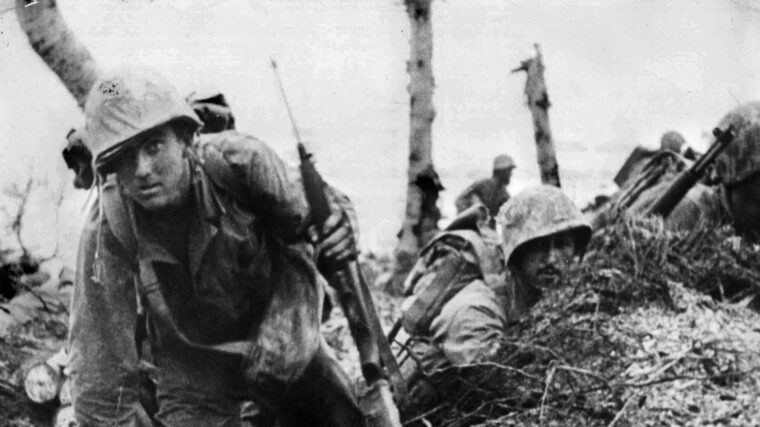
By the summer of 1944, the United States was advancing on Japan’s Home Islands in a two-pronged attack through the Central and Southwest Pacific theaters. Read more

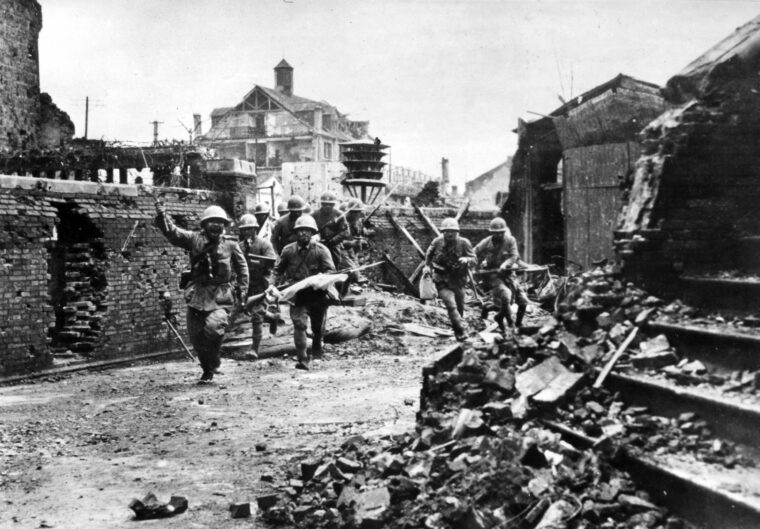
Japan’s Road to War

By Eric Hammel

Japan’s road to World War II was a long one. Throughout the late 19th century, the island nation broke out of its feudal past on a path to modernity with a ruthlessness and singlemindedness that would have scared Western nations had they been paying attention. Read more

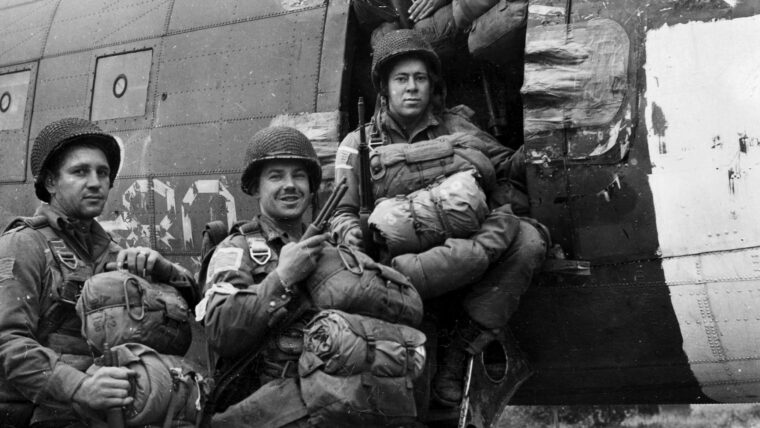
Savagery at Salerno

By Michael E. Haskew

As the 450 ships of the Operation Avalanche invasion force approached Salerno on the evening of September 8, 1943, the Allied troops, packed tightly aboard transport vessels, broke into wild celebration. Read more

Was Rudolf Hess Murdered?

By Mason B. Webb

In 1979, Dr. Hugh Thomas, a British physician, came out with a highly controversial book that made the startling claim that Nazi Germany’s Deputy Führer, Rudolf Hess, did not commit suicide in Berlin’s Spandau Prison in 1987, but actually died in 1941, and that the man who died in prison was, in reality, Hess’s double! Read more

Target: America’s West Coast

By Steven D. Lutz

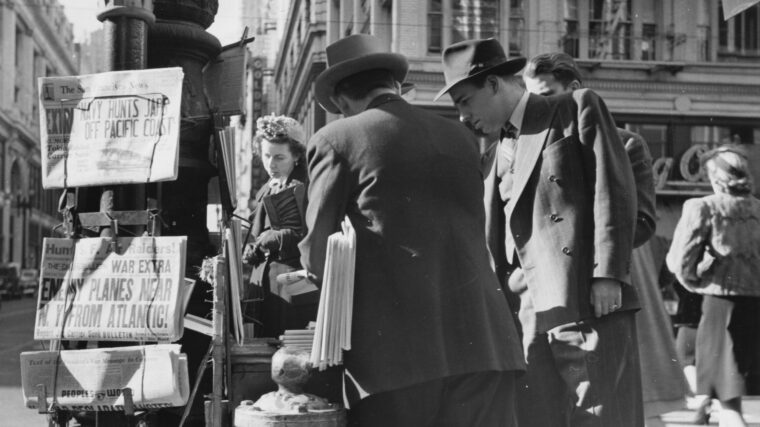
It seemed like just another ordinary day at sea. Early on December 7, 1941, a U.S. Army-chartered cargo vessel, the 250-foot SS Cynthia Olson, under the command of a civilian skipper, Berthel Carlsen, was plying the Pacific waters about 1,200 miles northeast of Diamond Head, Oahu, Hawaii, and over 1,000 miles west of the Tacoma, Washington, port from which she had sailed on December 1. Read more

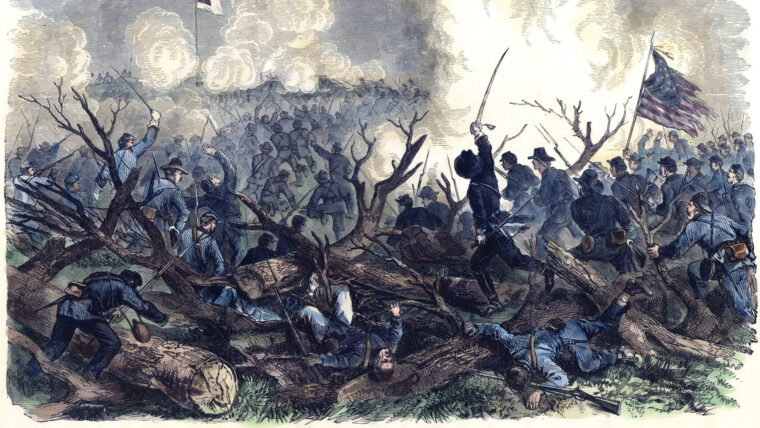
The Disastrous Red River Campaign

By Michael E. Haskew

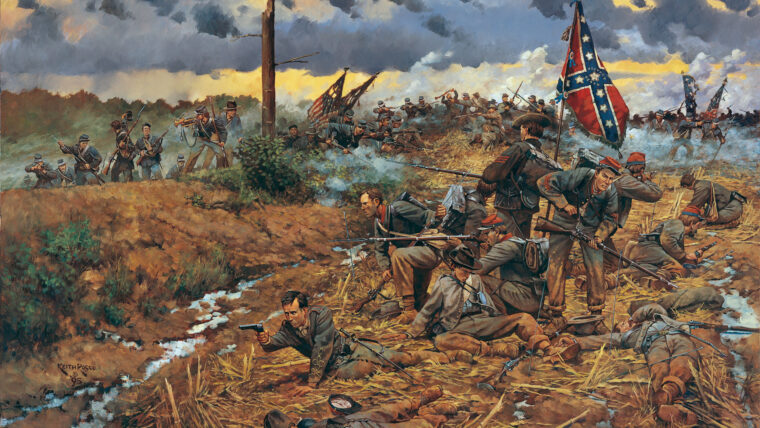
Nathaniel Banks was a political creature, and with his country in the throes of civil war, he now held the politically obtained rank of major general in the Union Army. Read more

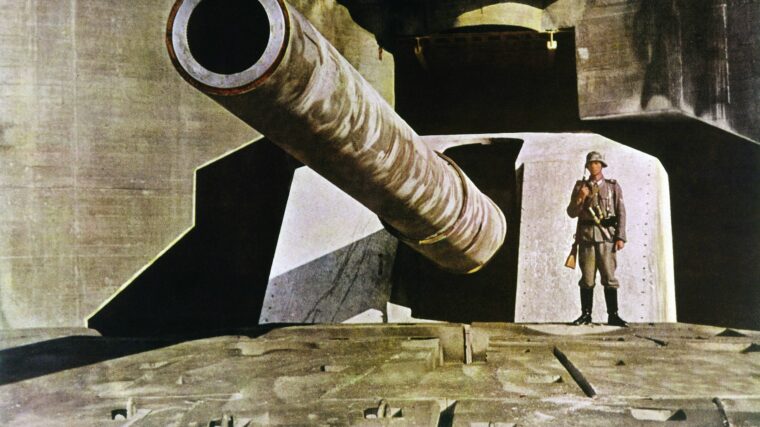
The Germans often published pictures of their Atlantic Wall fortifications for propaganda purposes in hopes of dissuading the Allies from invading. This dramatic photo of a daunting 406mm naval gun at Battery Lindemann, between Calais and Cap Blanc-Nez, appeared in Signal, the German Army magazine.

Building the Atlantic Wall

By Allyn Vannoy

The popular image of Hitler’s Atlantic Wall (Atlantikwall) is one of massive bunkers and huge artillery pieces recessed in concrete casemates stretching the length of the Reich’s coastline. Read more