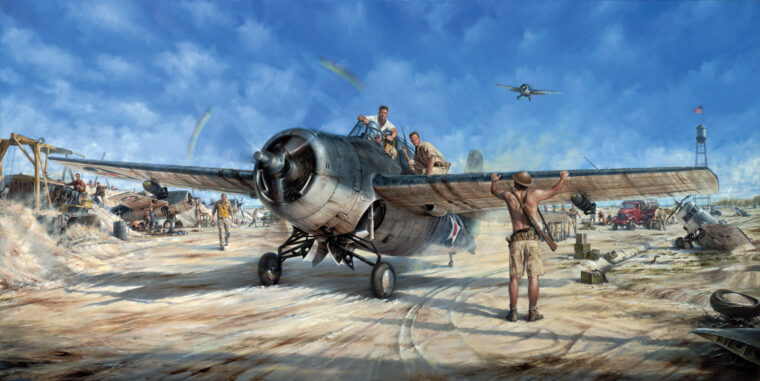
Heroic Fight for Wake Island
By Joshua Donohue“All hands have behaved splendidly and held up in a manner in which the Marine Corps may well tell.” Read more
“All hands have behaved splendidly and held up in a manner in which the Marine Corps may well tell.” Read more
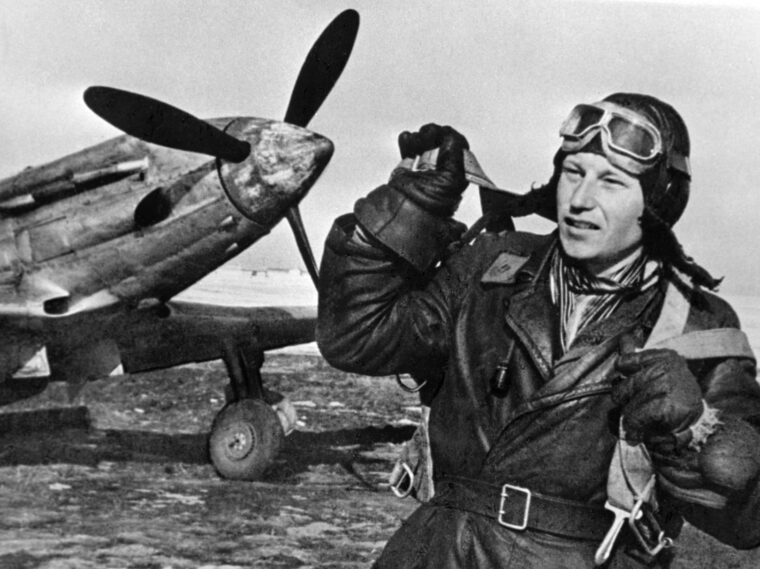
According to contemporary Soviet news sources, fighter Ace Alexander Pokryshkin was the most famous pilot in the Red Air Force during World War II. Read more
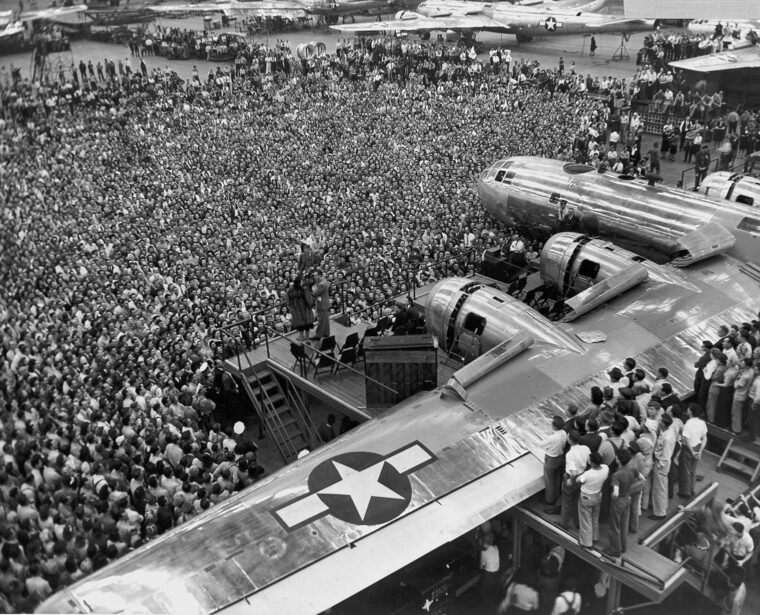
When Maj. Gen. Curtis Lemay, the hard-driving commander of the Twentieth U.S. Air Force based in Guam, decided to change tactics in early 1945 to boost the effectiveness of the B-29 Superfortress, it was the Bell Aircraft plant in Marietta, Georgia, that ultimately provided him with the stripped-down bombers that played such a key role in ending the war in the Pacific. Read more
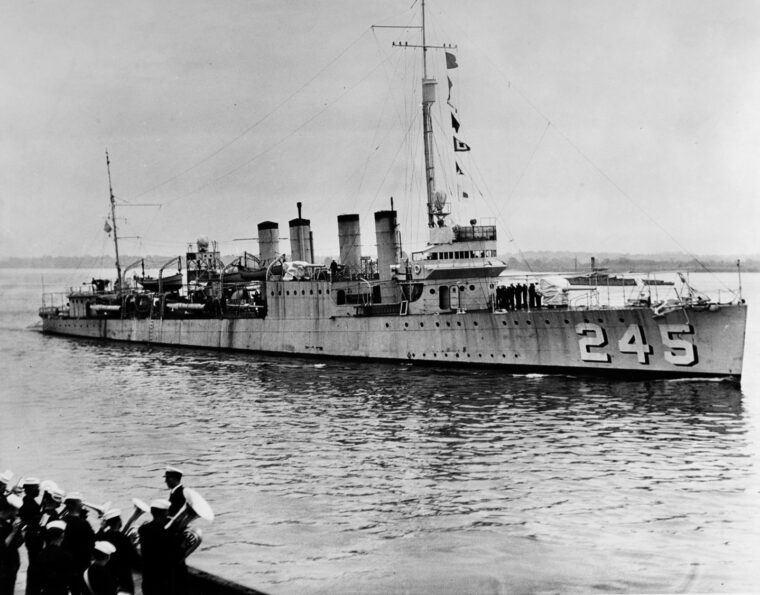
When the destroyer USS Reuben James (DD-245) was assigned to convoy duty in the North Atlantic in the autumn of 1941, its crew had a sense of foreboding and feared the worst. Read more
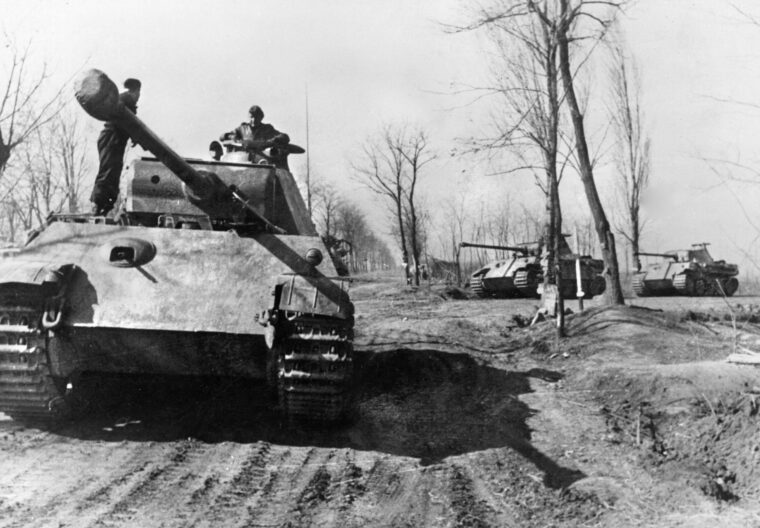
Even in the dark days of March 1945, when the Third Reich was on the brink of collapse, its troops managed to exhibit that grim humor that enables frontline soldiers to endure the horrors of battle. Read more
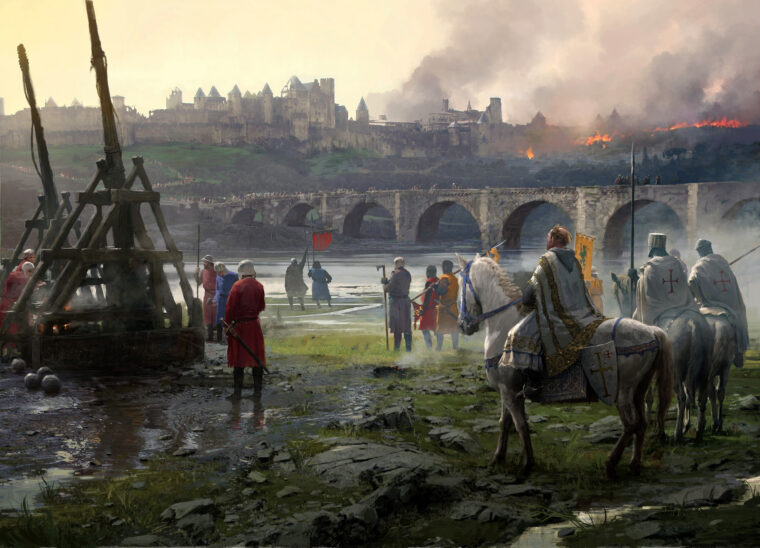
The garrison soldiers of Beziers gazed down from the ramparts at the Crusader army setting up camp outside their high-walled city on July 21, 1209. Read more
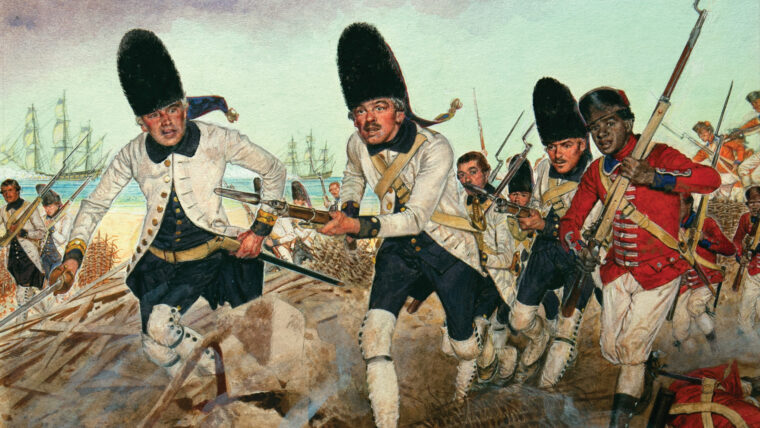
Spanish troops in a redoubt outside Pensacola, the besieged Capital of British West Florida, stacked their arms and waited for their midday meal on May 4, 1781. Read more
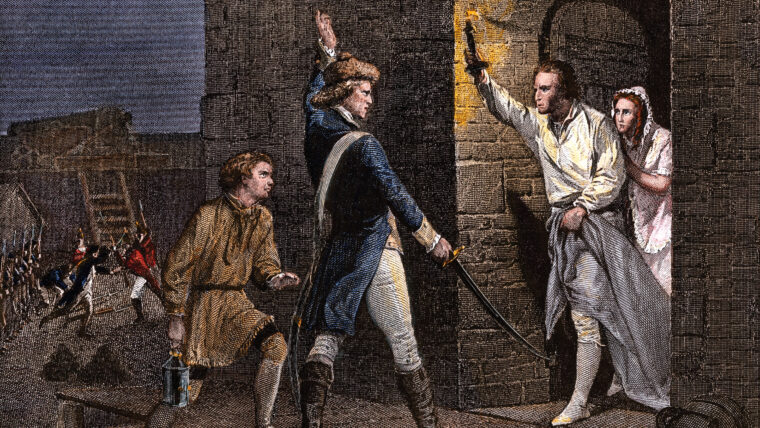
For General Thomas Gage, 1775 was shaping up to be a disastrous year. Gage, who was the supreme British commander in North America, was headquartered in Boston and tasked with the unenviable job of enforcing a blockade of the town’s harbor. Read more
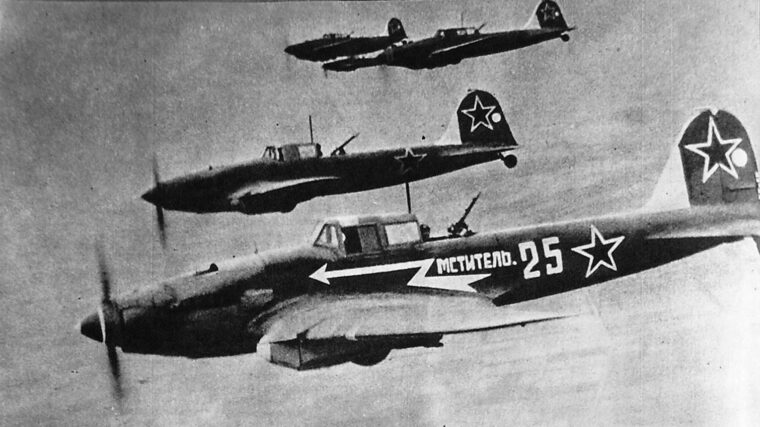
Vasily Emelianenko led a flight of Soviet Ilyushin IL-2 Shturmoviks, or “Storm Birds,” in late June 1942 against a German-held airfield near Artemovsk in eastern Ukraine, flying low up a deep ravine to avoid detection. Read more
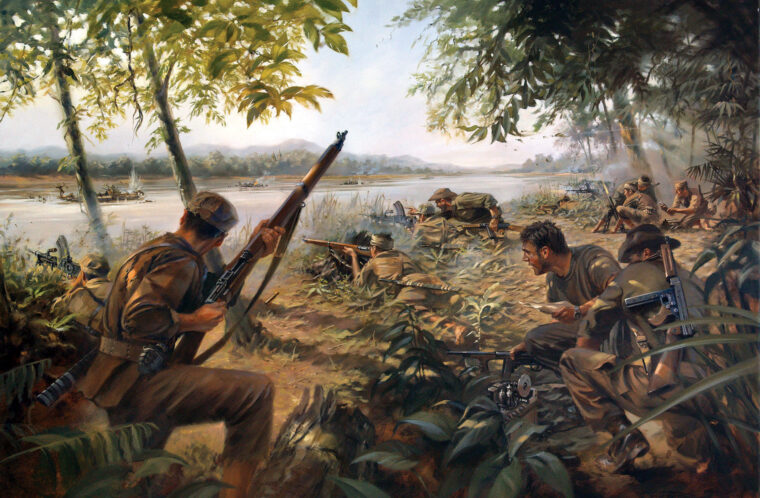
In utter silence, the saboteurs carefully wired their target for demolition. All knew even the slightest noise might alert sentries to their presence underneath the Occoquan Creek bridge in northern Virginia. Read more
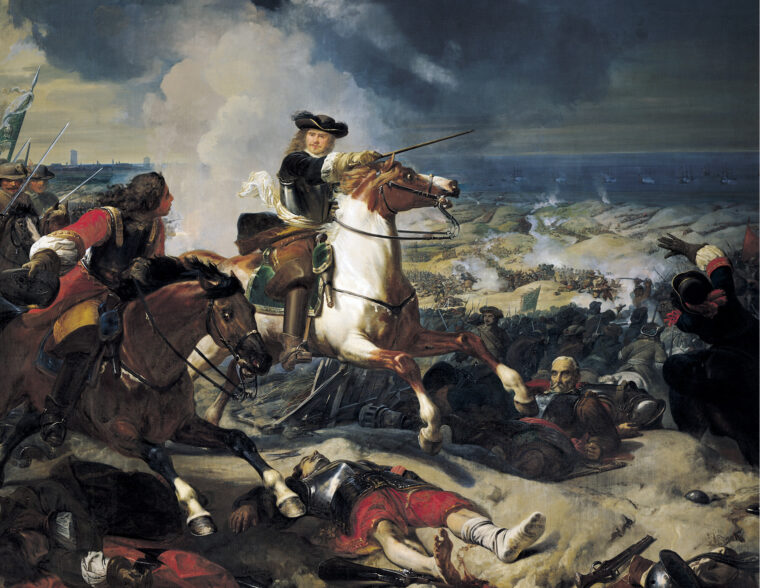
The French conquest of Lorraine was nearly complete by March 1634 during the Thirty Years War. The only place of importance still in the hands of Duke Charles of Lorraine, a Hapsburg commander, was the fortress of La Motte, which was encircled by a French army under Marechal La Force. Read more
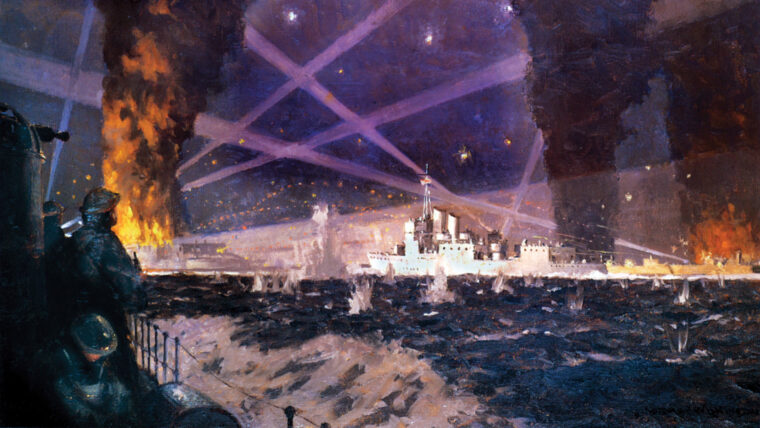
The British flotilla moved with determination into the Loire estuary after midnight on May 28, 1942. Read more
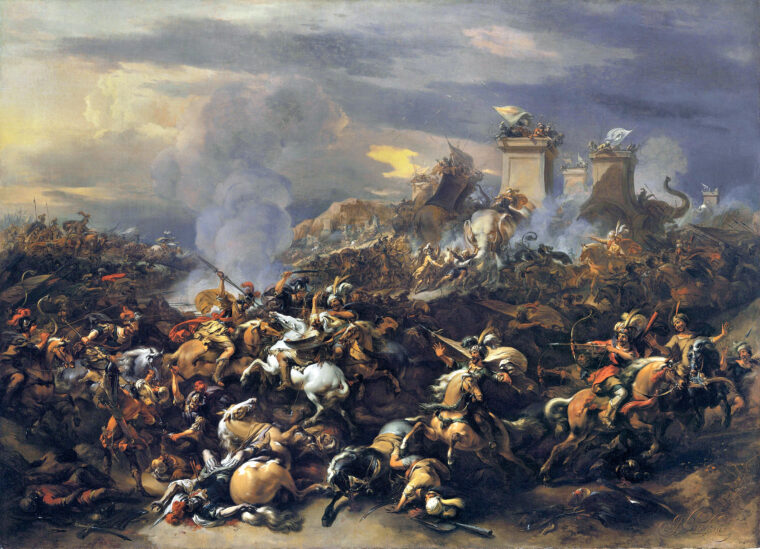
The Macedonian soldiers stood transfixed on the flood plain as the Pauravan army advanced toward them. The ground shook with each step the great lumbering war elephants took as they advanced toward the wide-eyed Greeks. Read more
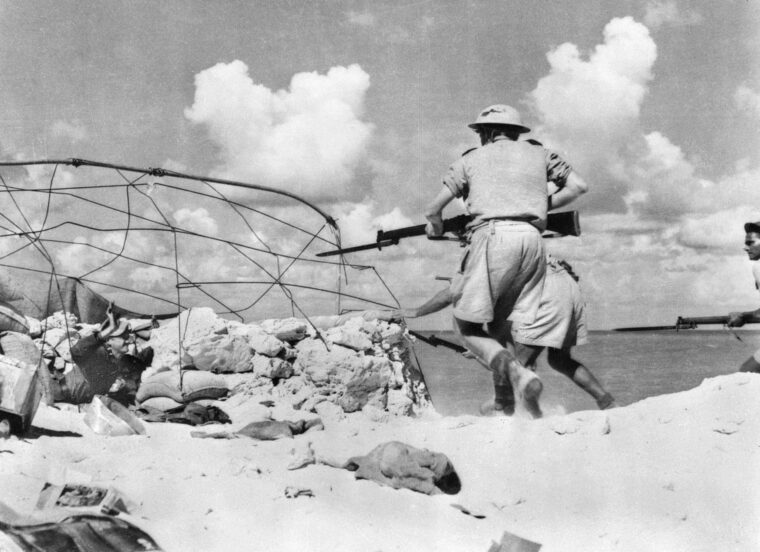
A small party of about 40 German soldiers had infiltrated the Australian lines around the besieged town of Tobruk, Libya, during the night of April 13, 1941. Read more
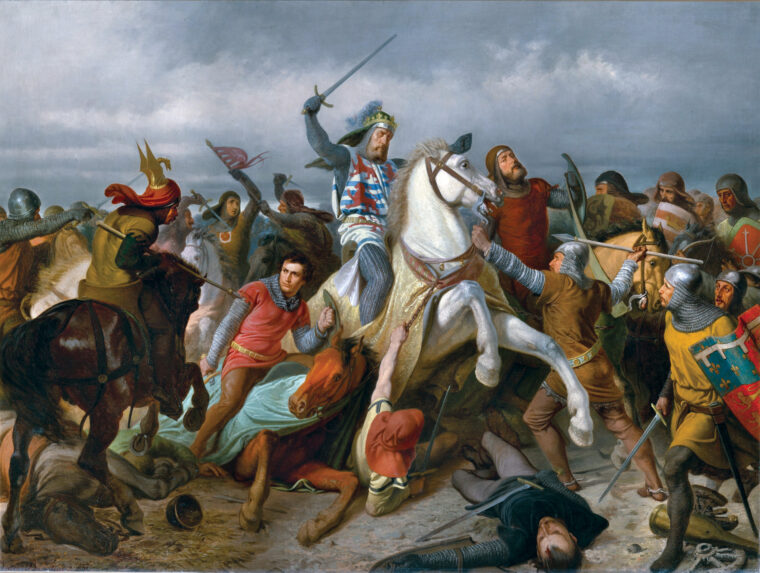
At the age of 50, John of Bohemia was already old for a warrior and completely blind. He not only was the Count of Luxembourg and King of Bohemia, but also claimant to the thrones of Poland and Hungary. Read more
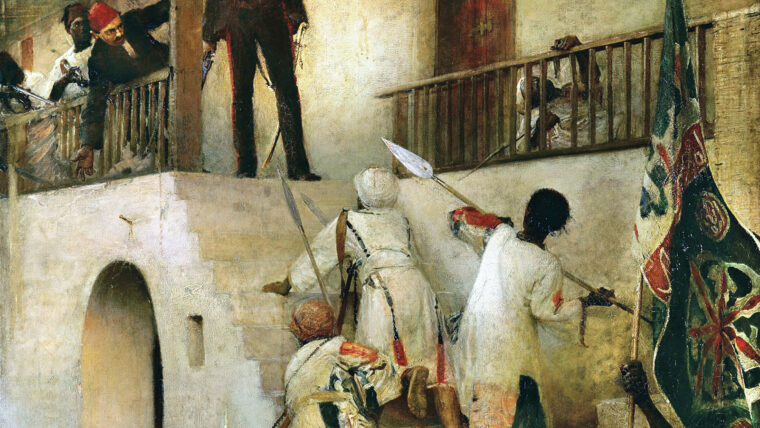
For British authorities in Egypt, the contents of the diary that had been smuggled out of Khartoum, Sudan, contained devastating intelligence. Read more
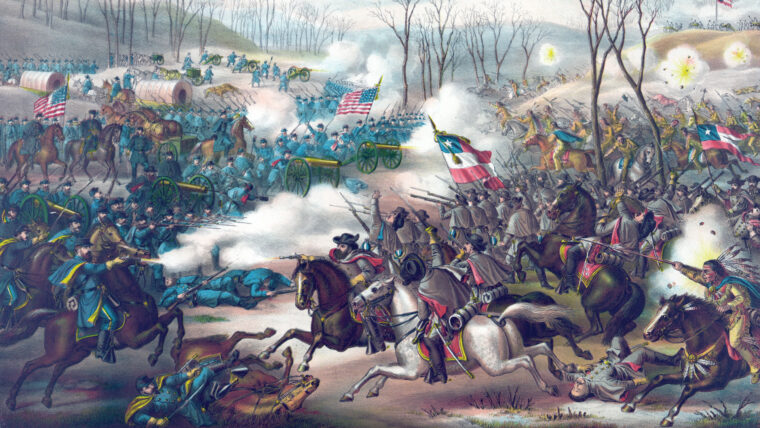
Confederate Maj. Gen. Earl Van Dorn had a glaring flaw. Although the Mississippi-born general had a son and daughter from his marriage to Caroline Godbold, he committed adultery on multiple occasions. Read more
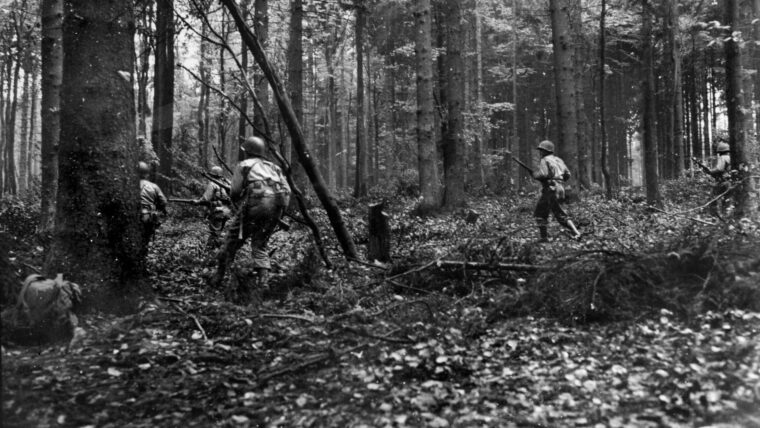
At the town of Schmidt in the Hürtgen Forest, it was hard to see through the thick mist and steady drizzle on the cold and damp morning of Saturday, November 4, 1944. Read more
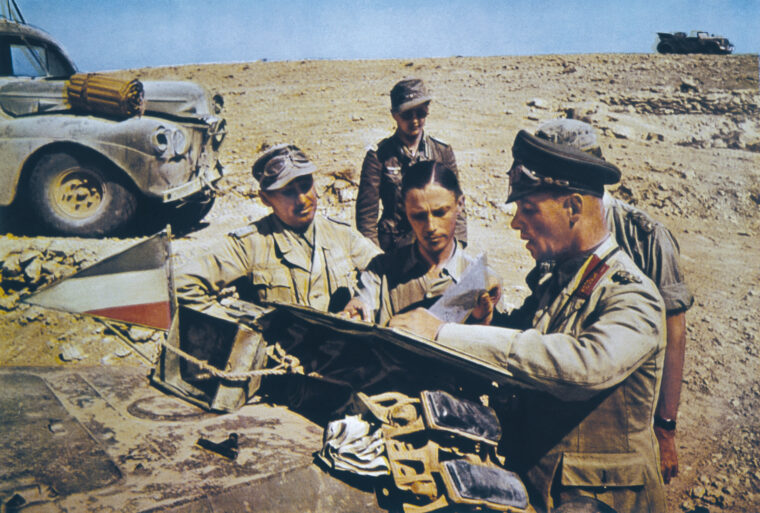
Even before the end of World War II, German General Erwin Rommel’s fame was such that he was already being elevated into the Valhalla of such legendary warriors as Hannibal against the Roman Empire, Napoleon during his defensive campaigns of 1813-1814, and Robert E. Read more
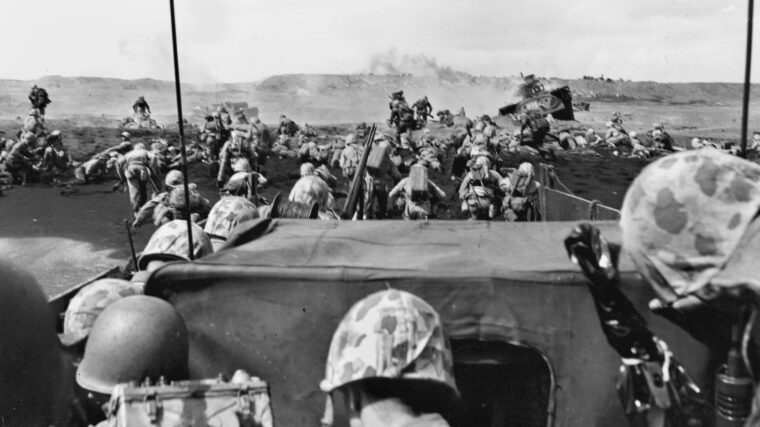
“You know,” said Marine Maj. Gen. Clifton B. Cates to a war correspondent on the eve of Operation Detachment, the invasion of Iwo Jima, “if I knew the name of the man on the extreme right of the right-hand squad of the right-hand company of the right-hand battalion, I’d recommend him for a medal before we go in.” Read more