Winston Churchill
Locating the Altmark: An RAF Rescue Mission Beyond Compare
By Eric NiderostOn the morning of February 16, 1940, two Royal Air Force Lockheed Hudson aircraft lifted off from Thornaby Airfield in northern England. Read more
Winston Churchill
On the morning of February 16, 1940, two Royal Air Force Lockheed Hudson aircraft lifted off from Thornaby Airfield in northern England. Read more
Winston Churchill
By the summer of 1940, Hitler’s Nazi war machine had advanced from victory to victory, crushing Poland, overrunning France and the Low Countries, and ejecting Allied forces from the continent of Europe at Dunkirk. Read more
Winston Churchill
One of Franklin D. Roosevelt’s longtime interests was the hidden world of espionage. In the months before the United States entered World War II, the commander-in-chief was dabbling in the covert world of intelligence-gathering, using a number of trusted personal friends as his own private eyes and ears around the globe. Read more
Winston Churchill
On March 12, 1939, Heroes’ Memorial Day (or Veterans Day) in the Nazi Third Reich, the thousands of onlookers at the giant annual parade in Berlin were treated to an unusual sight as a small monoplane landed on the Unter den Linden between Hermann Göring’s State Opera House and the Neue Wache (New Guardshouse). Read more
Winston Churchill
In early September 1940, the world was in turmoil. The battle of Britain was nearing its climax, and elsewhere global tensions ran high. Read more
Winston Churchill
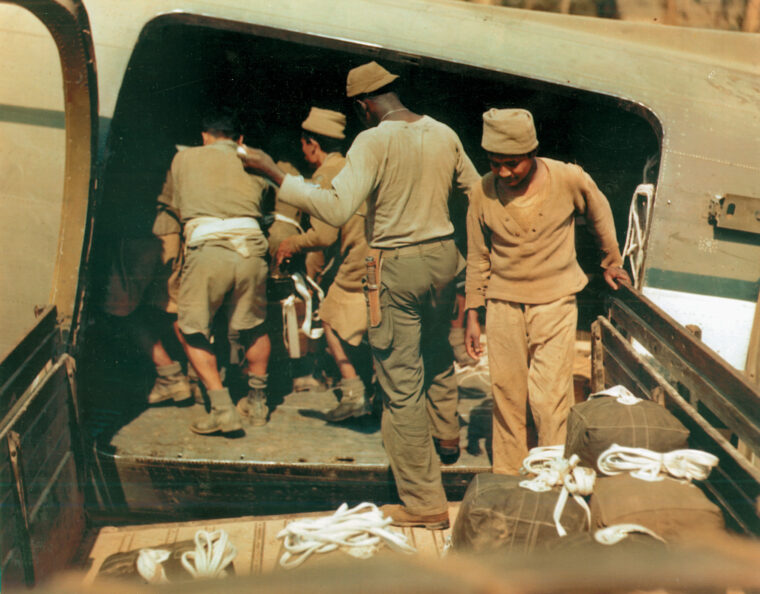
Short, wiry, and with baleful blue eyes and an Old Testament beard, Maj. Gen. Orde Charles Wingate was unorthodox in thought and action. Read more
Winston Churchill
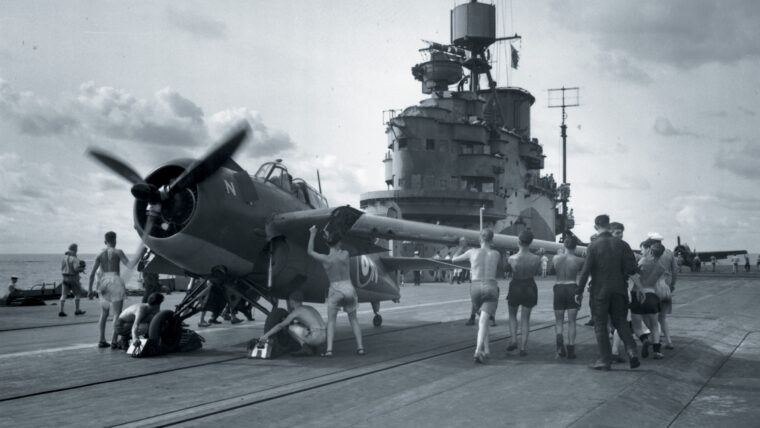
When one thinks of carrier warfare in World War II, the Japanese and U.S. navies usually come to mind. Read more
Winston Churchill
Still stunned by the sneak Japanese onslaught on the Pacific Fleet at Pearl Harbor, American families tried to summon up their Christmas spirit in December 1941. Read more
Winston Churchill
The year 1939 was one of massive military parades across Europe. On April 20, the largest ever was held in Berlin to celebrate Adolf Hitler’s birthday, complete with the paratroopers, wheeled artillery, tanks, half-tracks for motorized infantry, and overhead Luftwaffe fly-bys that would mark the coming campaigns and revolutionize warfare forever. Read more
Winston Churchill
In May and June of 1940 the attacking Germans had a supreme authority, Hitler, and an army that—if skeptical, even in places traitorous—was subdued and followed orders with astonishing competence. Read more
Winston Churchill
The Allied decision to invade North Africa, codenamed Operation Torch, was reached in the summer of 1942 after lengthy—and sometimes bitter—arguments between interested parties. Read more
Winston Churchill
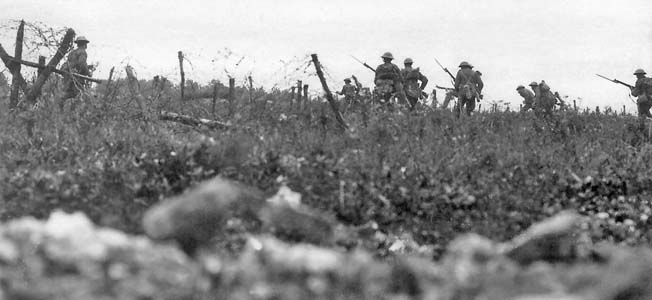
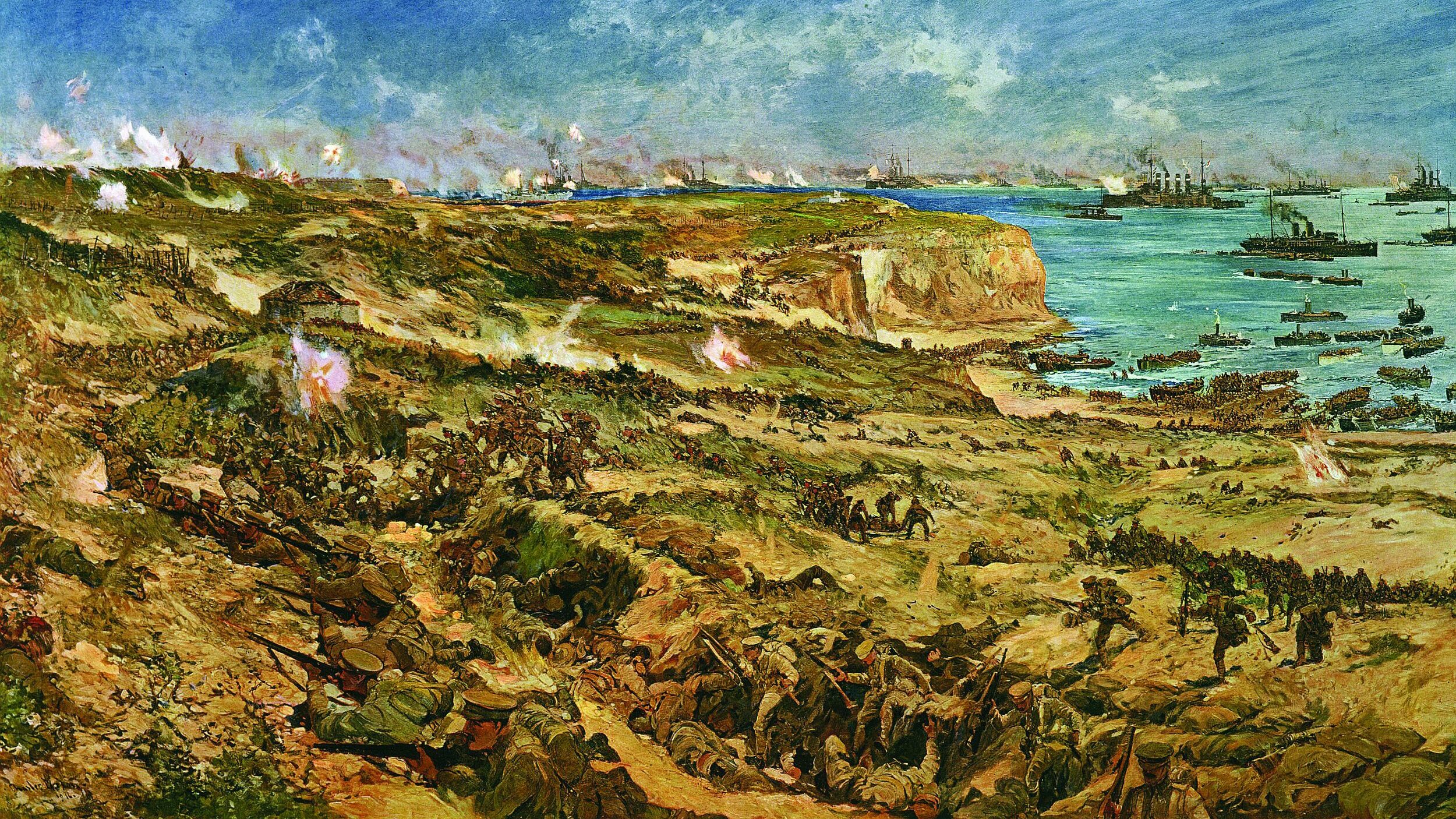
A century after the bloody Battle of the Somme of 1916 left at least 1.2 million British, French, and German soldiers killed, wounded, or captured, General Douglas Haig, commander of the British Expeditionary Force, remains one of the most controversial generals to emerge from World War I. Read more
Winston Churchill
The small craft from the British destroyer HMS Bulldog launched into the choppy, frigid waters of the North Atlantic. Read more
Winston Churchill
Henry Augustus “Harry” Butters, Jr., was born in San Francisco, California, on April 28, 1892. He was educated both in his native country and in Great Britain. Read more
Winston Churchill
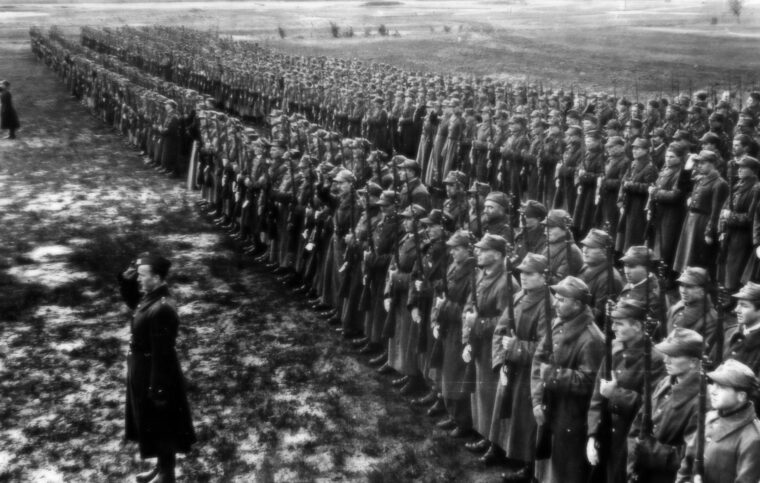
On April 21 1945, the Polish 2nd Corps captured the Italian city of Bologna and from the city’s highest tower flew the flag of Poland. Read more
Winston Churchill
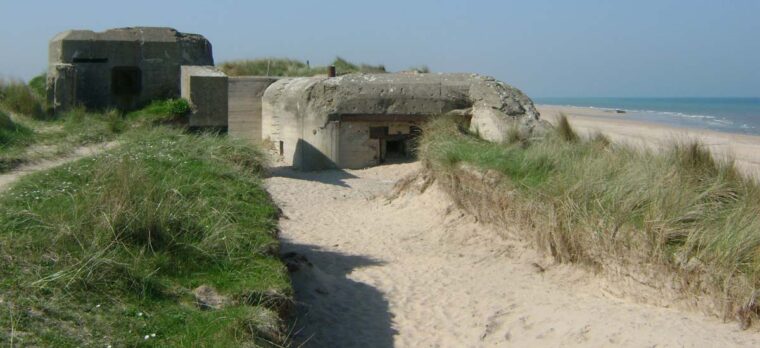
I feel deeply honored to have been chosen by the Smithsonian Institution to lead D-Day trips to England and France (one took place in May; the other two were scheduled to take place in September and October). Read more
Winston Churchill
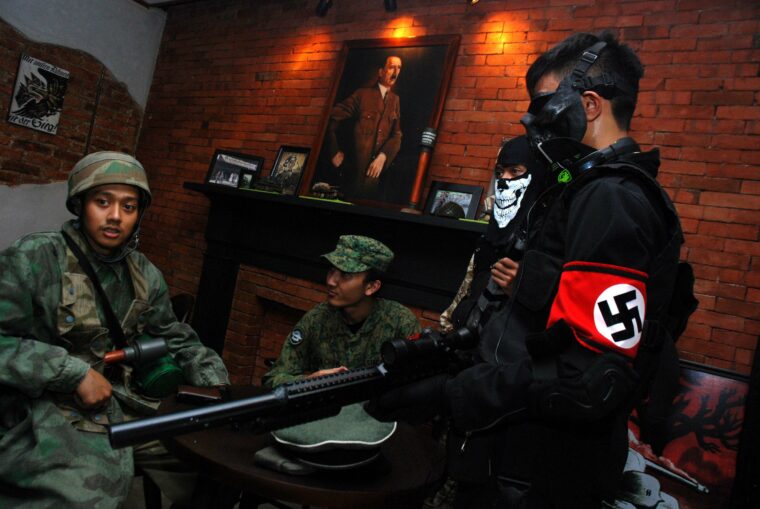
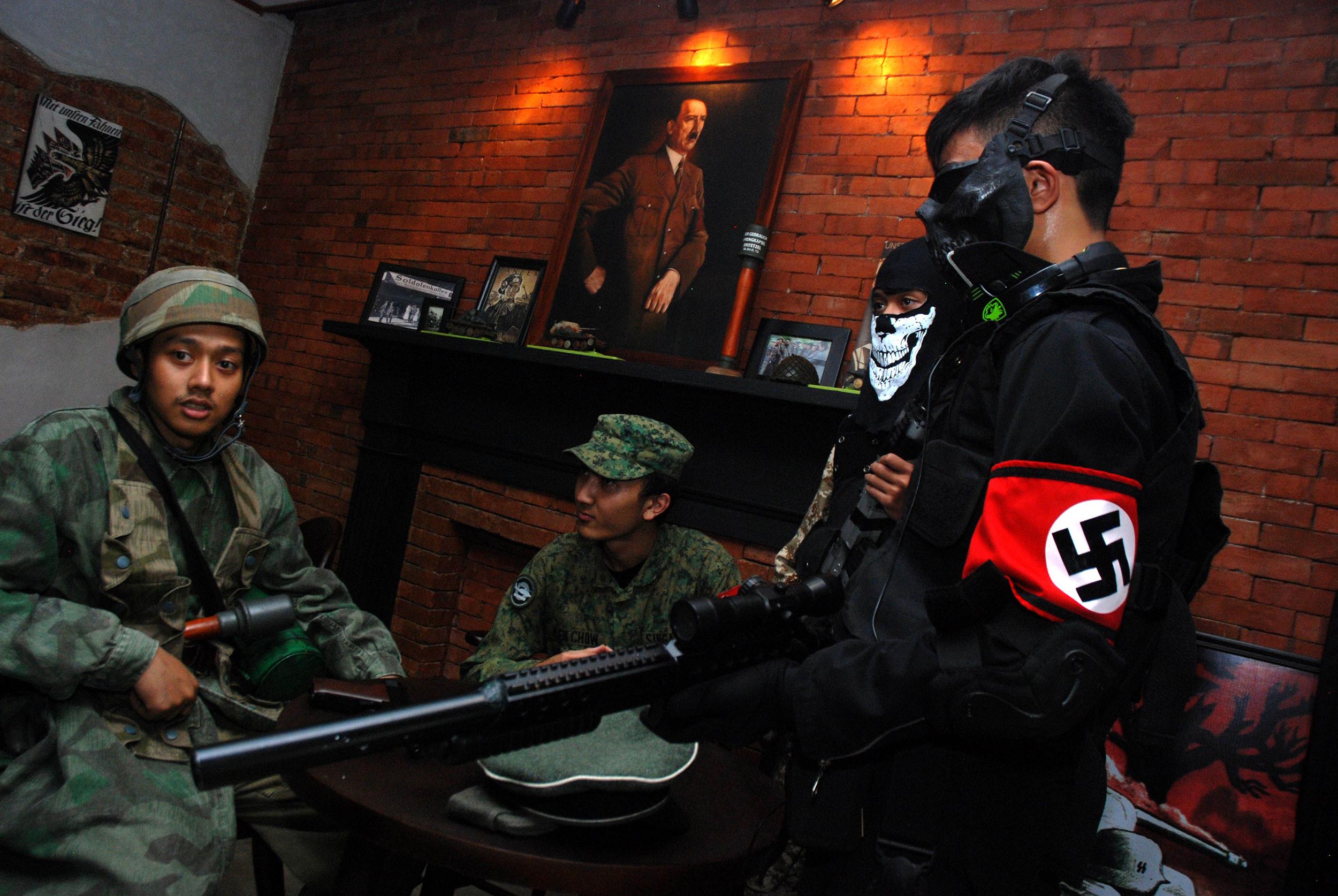
Soldatenkaffee, named after a café frequented by German soldiers in Nazi-occupied Paris during World War II, is, thankfully, one of a number of choices for luncheon fare in Bandung, Indonesia. Read more
Winston Churchill
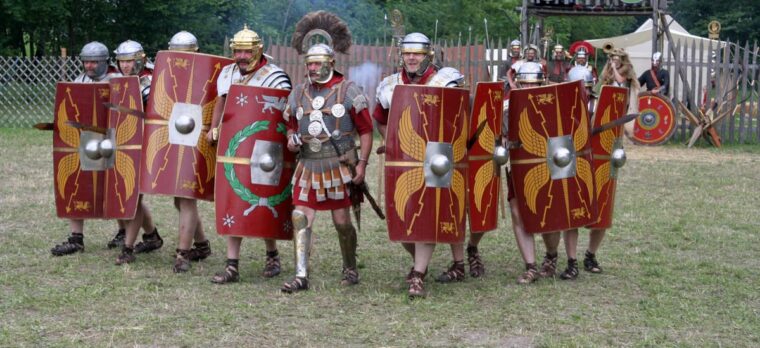
“Augustus found Rome brick and left it marble” is an expression pegged to the first of the Roman emperors. Read more
Winston Churchill
by Brooke C. Stoddard
“Augustus found Rome brick and left it marble” is an expression pegged to the first of the Roman emperors. Read more