Winston Churchill
Winston Churchill’s Two Battles
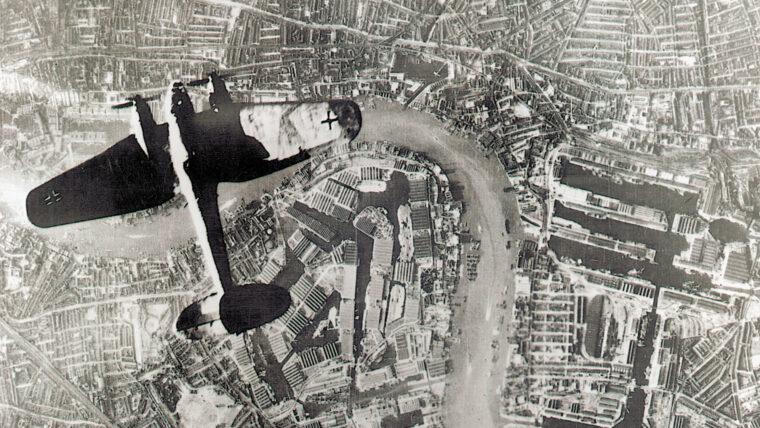
By David Alan JohnsonDuring the summer of 1940, Winston Churchill was fighting a two-front war. The first was against Adolf Hitler and his war machine, particularly his Luftwaffe. Read more
Winston Churchill
During the summer of 1940, Winston Churchill was fighting a two-front war. The first was against Adolf Hitler and his war machine, particularly his Luftwaffe. Read more
Winston Churchill
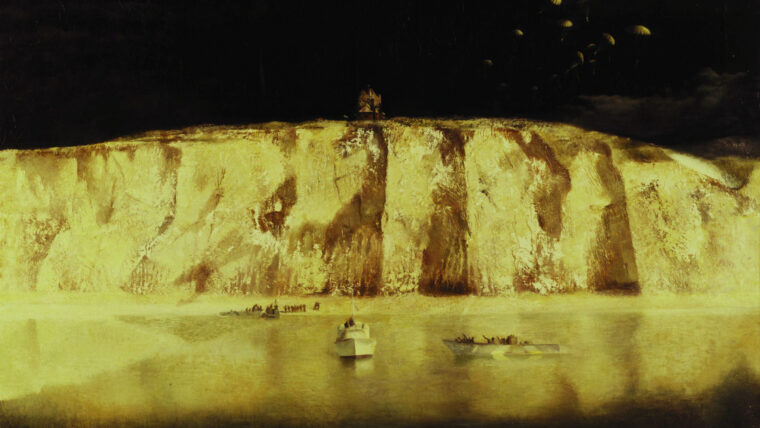
Through the long, lovely days of the summer of 1940, almost two years before Operation Biting or the “Bruneval Raid,” Royal Air Force Spitfire and Hurricane fighter planes turned back the might of the Luftwaffe over southern and southeastern Britain. Read more
Winston Churchill
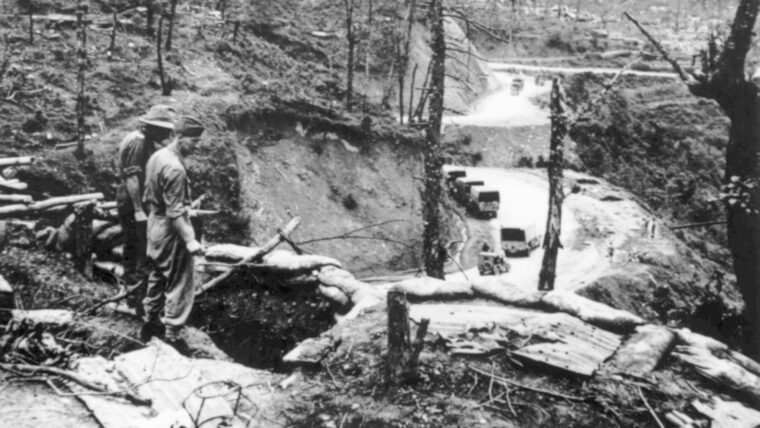
The two regiments from the county of Kent, down in southeastern England, are of both ancient and honorable lineage. Read more
Winston Churchill
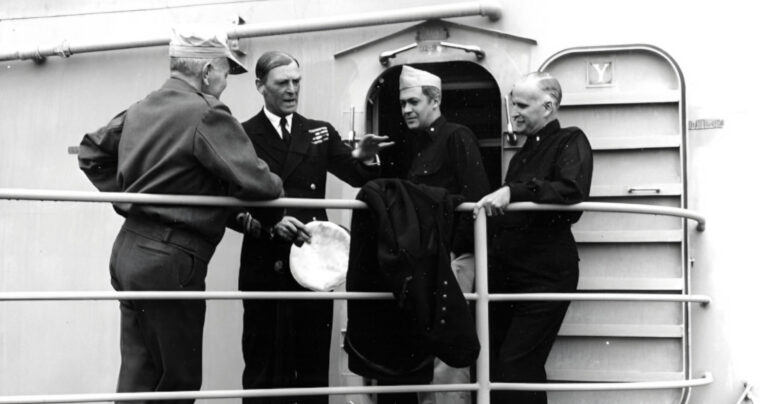
By the time the British Pacific Fleet began staging air strikes against the Japanese in the spring of 1945, its aircraft carrier commander had already seen plenty of naval action since the beginning of World War II. Read more
Winston Churchill
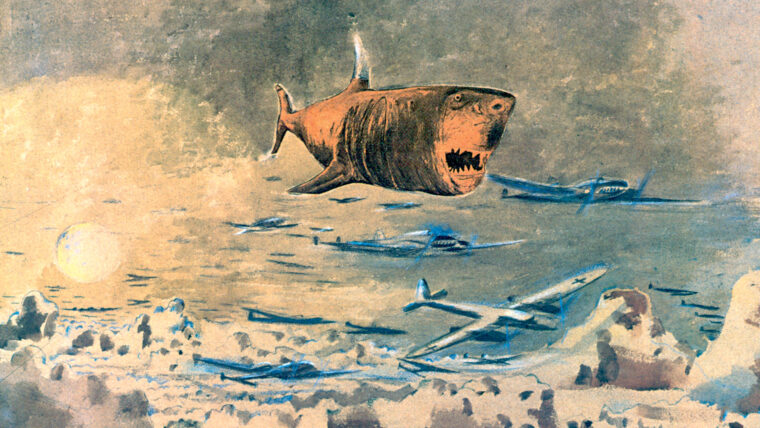
Near the end of World War II, Hitler boasted he was about to unleash Vergeltungswaffen, or “vengeance weapons.” Read more
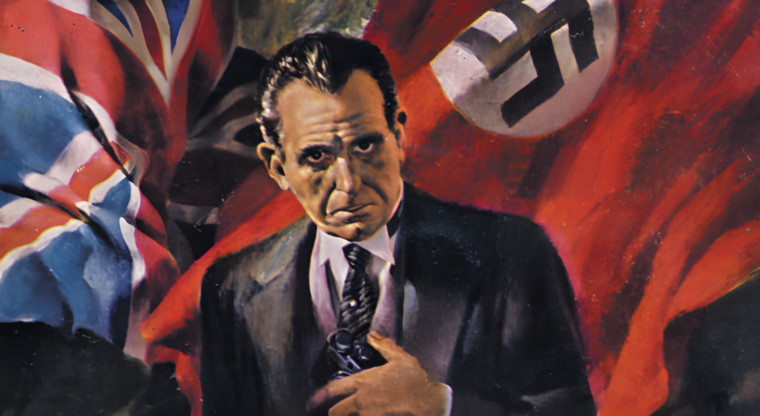
Winston Churchill
On the evening of October 29, 1943, a middle-aged man, innocuous in appearance but for his deep-set, penetrating eyes, appeared at the German embassy in the Turkish capital of Ankara. Read more
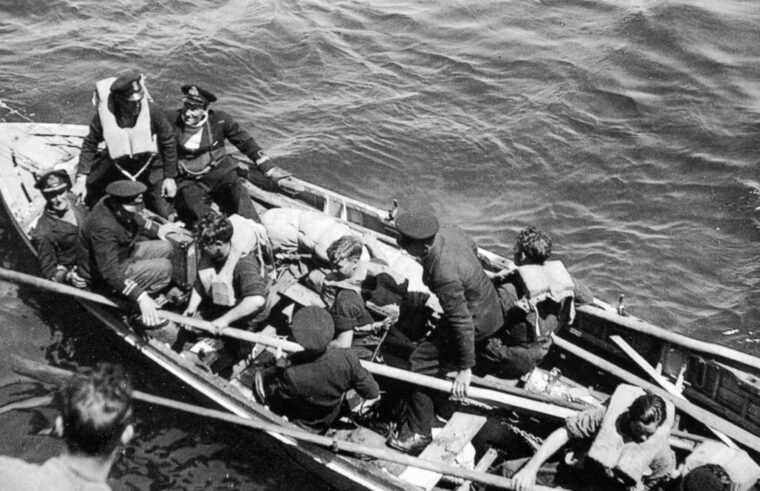
Winston Churchill
On this writer’s desk sits a small, pewter mug, dented and somewhat bat-tered. It is neatly engraved, and the lettering reads: “Wardroom H.M.S. Read more
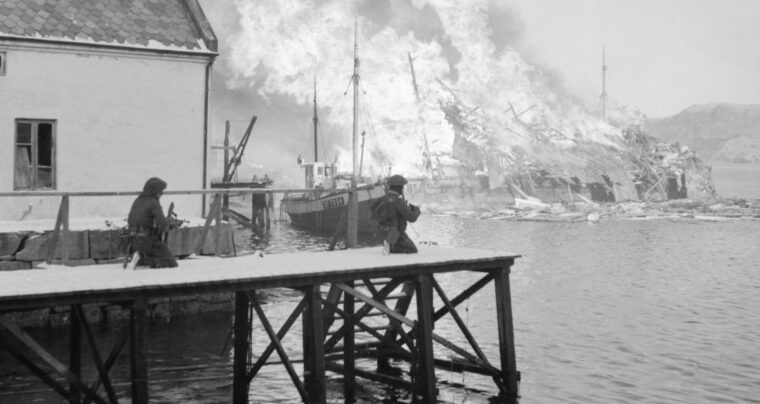
Winston Churchill
Following the forced evacuation of Allied forces at Dunkirk in June 1940, British leaders viewed a dim future. Read more
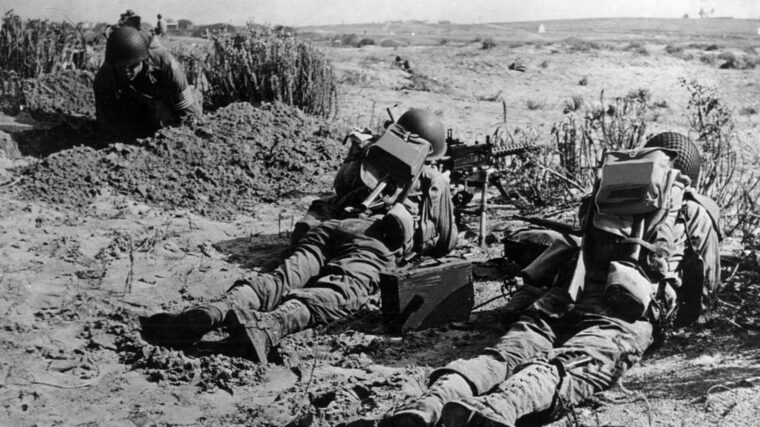
Winston Churchill
Rain battered the shore and the seas were rough on the night of October 21, 1942. Under the surface of the water, a submarine carried the Allies’ best hope for turning the tide of war in 1942. Read more
Winston Churchill
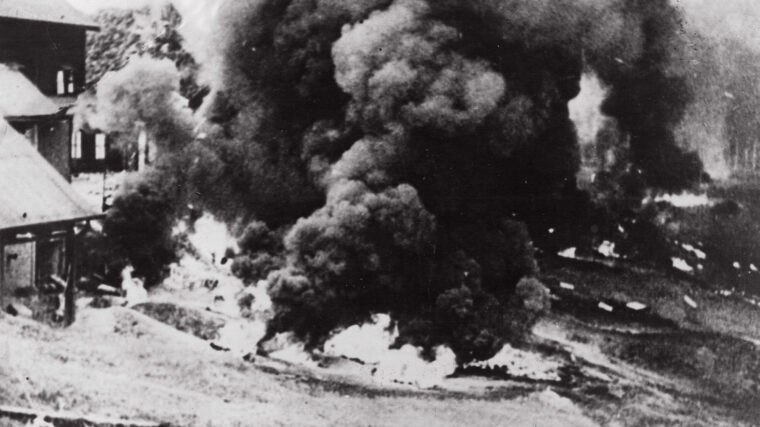
This is a story of what might have been. If Japan had chosen to attack far-off British Malaya on December 7, 1941, instead of Pearl Harbor, Hawaii, President Franklin Roosevelt was prepared to go before Congress and ask—for the first time in American history—for a declaration of war against a nation that had not fired the first shot against us. Read more
Winston Churchill
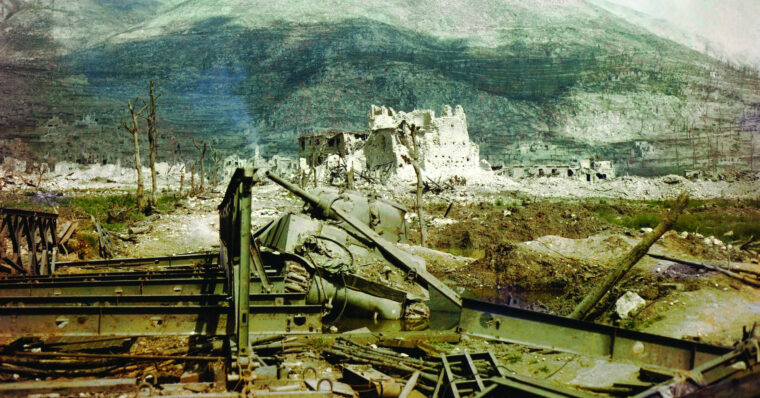
By December 1943, the phrase “sunny Italy” had evolved from being a travel agent’s selling point to becoming an ugly joke for the British and American troops of the Allied Fifth Army, advancing north from Naples to Rome. Read more
Winston Churchill
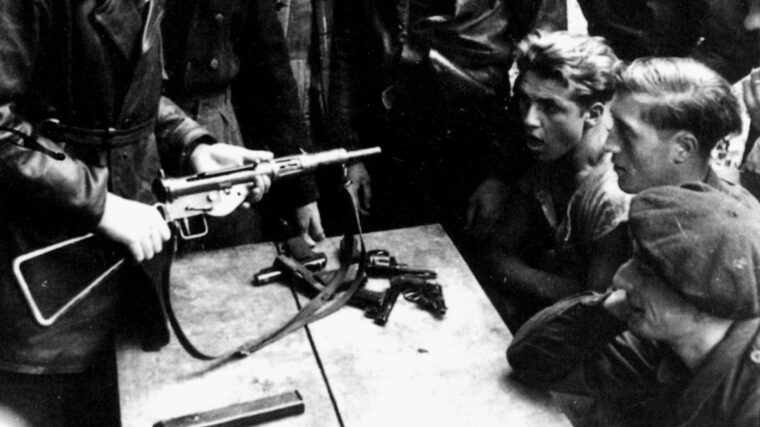
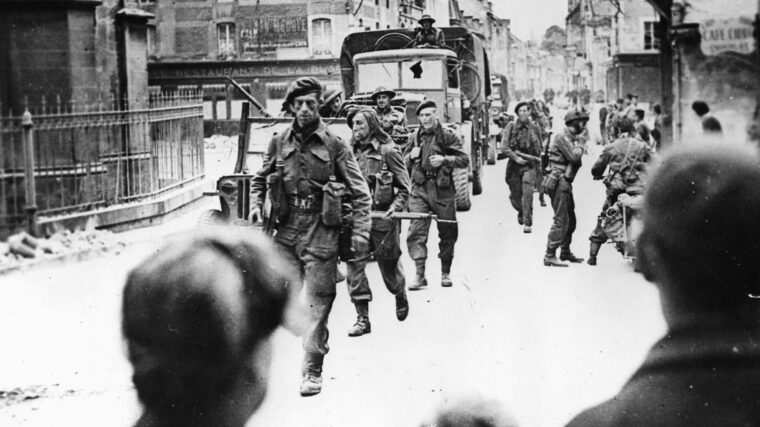
On June 6, 1944, hundreds of thousands of Allied troops, planes, and ships departed from their bases in England bound for the shores of France in what was to be the greatest invasion of all time. Read more
Winston Churchill
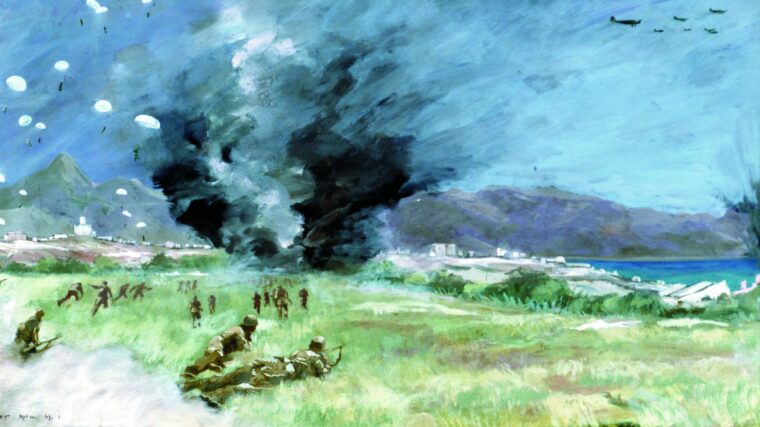
By May 1941, the German Luftwaffe’s fortunes had risen to great heights and plummeted to equally startling depths in the course of a single year of blitzkrieg warfare in Western Europe. Read more
Winston Churchill
Some accounts of Ian Fleming’s life make it seem that only at the age of 44, as an antidote to the shock of finally agreeing to get married, did he suddenly commit himself to the unplanned task of creating his James Bond novels. Read more
Winston Churchill
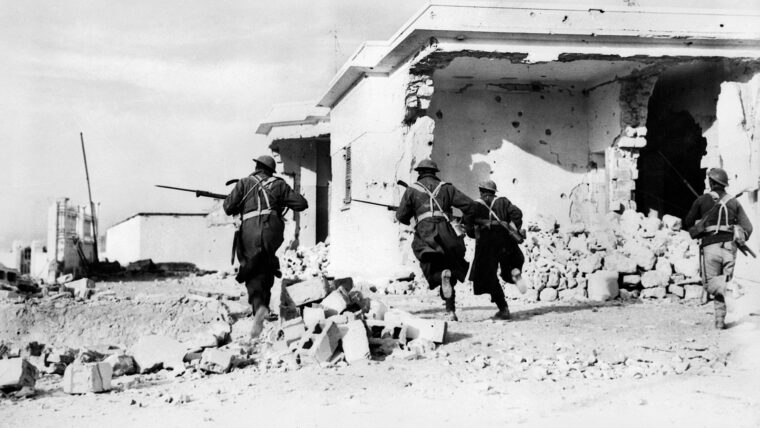
The desert sky lit up like a summer lightning storm on the night of December 31, 1941. The distant thunder of hundreds of guns rolled across the sandy, stony ground. Read more

Winston Churchill
Major George Jellicoe, head of Britain’s Special Boat Squadron, made a last-minute check on his parachute harness to see if all was ready. Read more

Winston Churchill
Joseph Mary Nagle Jefferies, a correspondent for Britain’s Daily Mail, was assigned to cover the opening phases of World War I in Belgium in October 1914. Read more
Winston Churchill
By John W. Osborn, Jr.
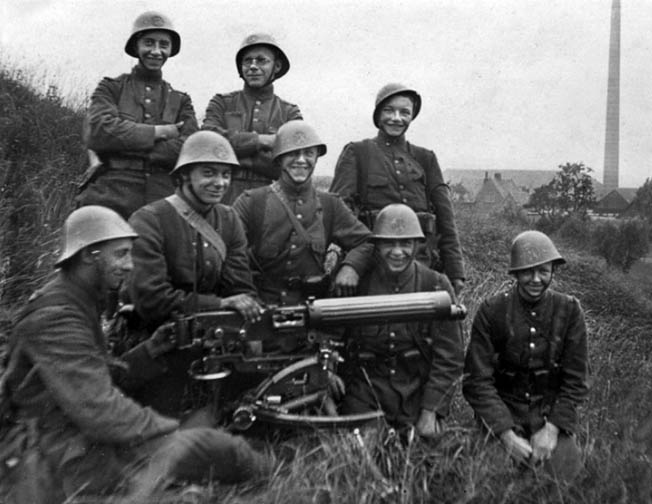
When world war engulfed Europe for the second time in a generation, the Netherlands placed its faith in the diplomatic delusion that it could remain neutral like it had during World War I. Read more
Winston Churchill
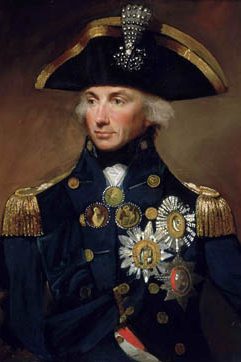
Days before the impending Battle of Trafalgar, a sailor on Horatio Nelson’s flagship Victory was so busy ensuring that each man’s letters home were secured for dispatch on a vessel bound for England that he forgot until after the ship had sailed that he hadn’t included his own. Read more
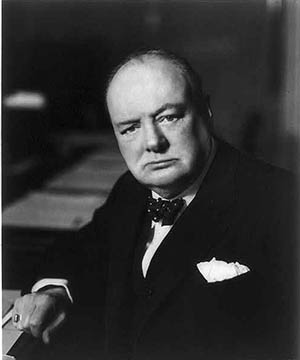
Winston Churchill
Born November 30, 1874, to British politician Lord Randolph Churchill and Jenny Jerome, an American socialite, Winston Churchill rose to serve in Parliament and as Prime Minister of Great Britain from 1940 to 1945 and 1951 to 1955. Read more