U.S. Naval Intelligence
WWII Secrets: The Mysterious Inga Arvad
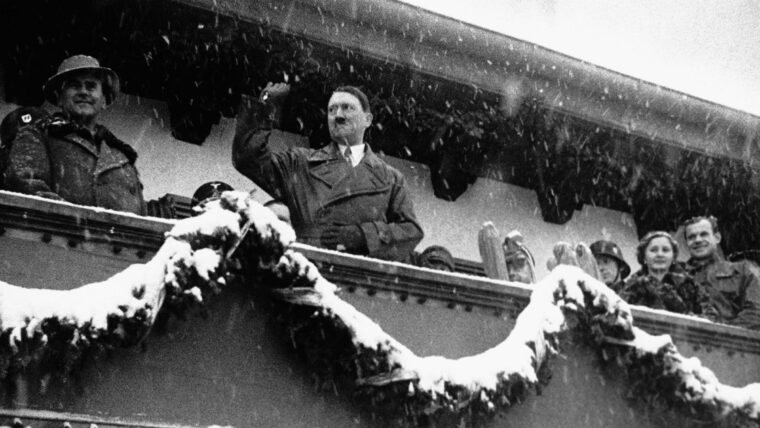
By Peter KrossShortly before Pearl Harbor, an attractive Danish journalist arrived in the United States to pursue a writing career. Read more
U.S. Naval Intelligence
Shortly before Pearl Harbor, an attractive Danish journalist arrived in the United States to pursue a writing career. Read more
U.S. Naval Intelligence
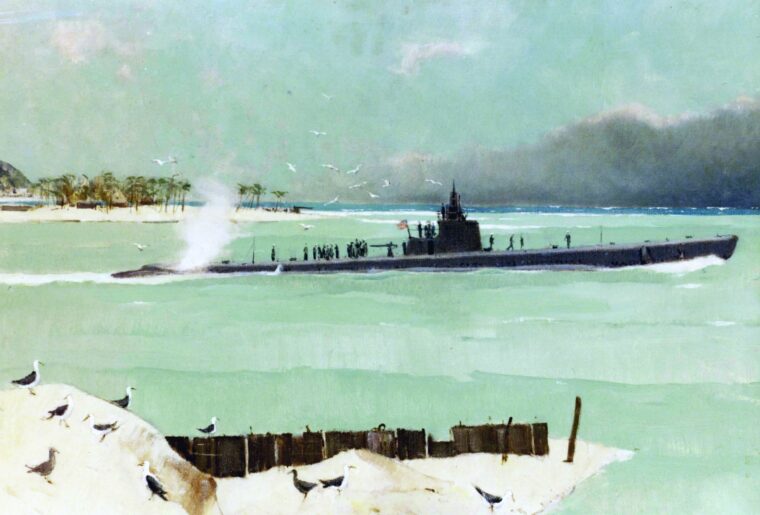
As soon as he arrived on the bridge of the submarine USS Dace, Lt. Cmdr. Rafael C. Read more
U.S. Naval Intelligence
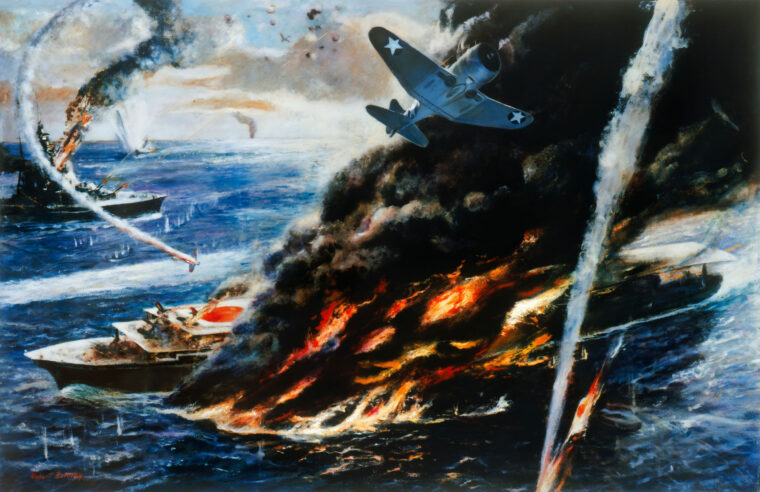
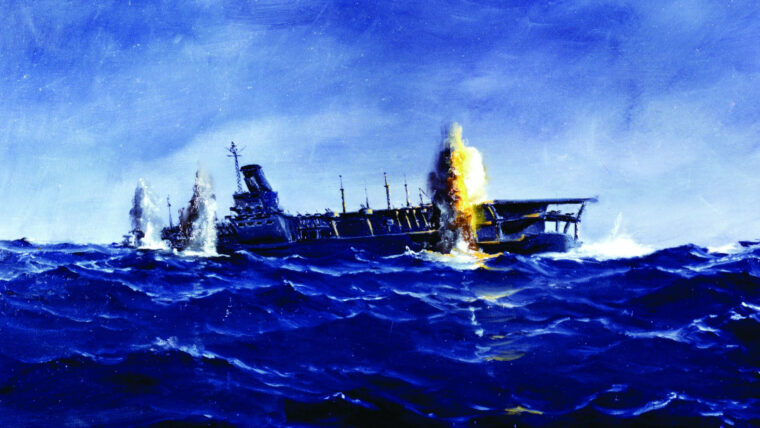
The first torpedo struck the Shinano carrier farthest aft. Over the next 30 seconds three more warheads detonated against the massive aircraft carrier’s hull, working their way forward. Read more
U.S. Naval Intelligence
In the long history of American military intelligence, the names that come to mind most often are those of Nathan Hale, Benedict Arnold, Herbert Yardley, and William Donovan. Read more
U.S. Naval Intelligence
Some accounts of Ian Fleming’s life make it seem that only at the age of 44, as an antidote to the shock of finally agreeing to get married, did he suddenly commit himself to the unplanned task of creating his James Bond novels. Read more
U.S. Naval Intelligence
For decades Americans have been spoiled by the instant coverage of war in the media. Read more
U.S. Naval Intelligence
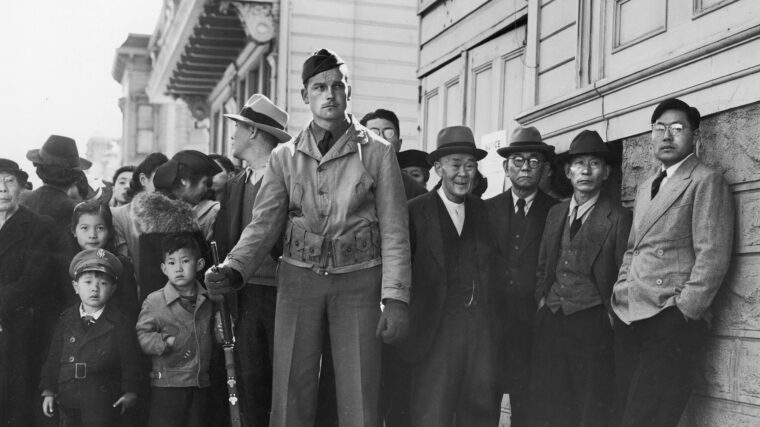
“We were stunned when we entered the camp,” Yoshio “Yosh” Nakamura said, remembering the day when he and his family, from El Monte, California, were herded through the main gate at the Gila River Relocation Center—a Japanese American internment camp 30 miles southeast of Phoenix, Arizona—carrying only suitcases into which their worldly possessions had been crammed. Read more
U.S. Naval Intelligence
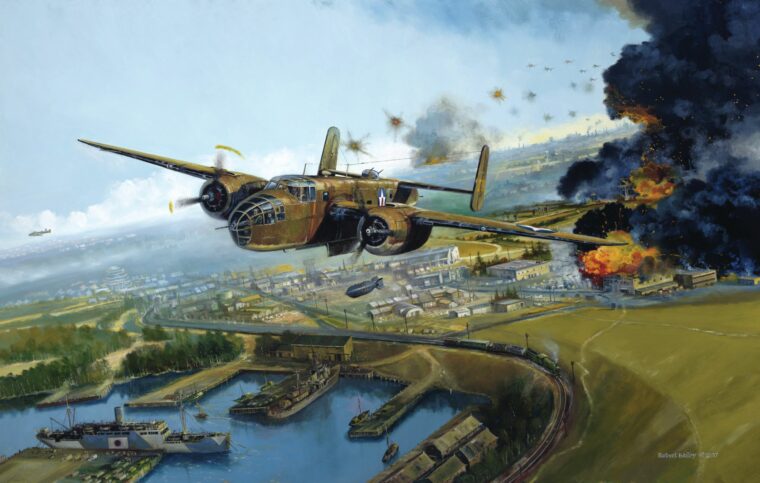
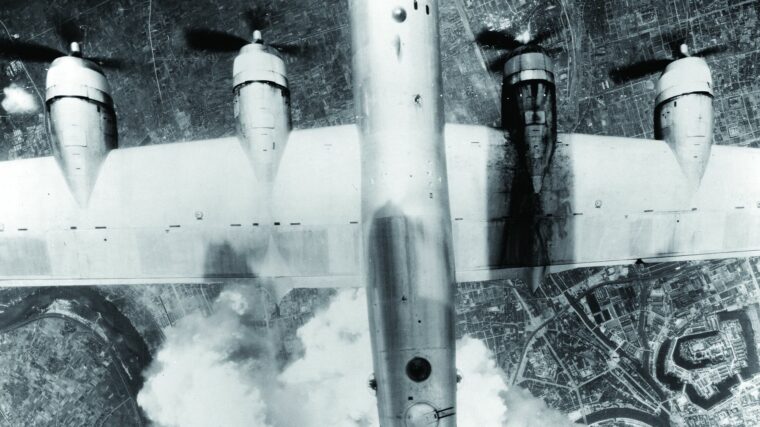
April 18, 1942, will forever live in American military glory as the date of the Jimmy Doolittle Raid on Tokyo––a gutsy, never-before-attempted combat mission to fly North American B-25 Mitchell bombers off the deck of an aircraft carrier and attack an enemy capital. Read more
U.S. Naval Intelligence
On July 14, 1940, William Donovan stood on the pier fronting New York harbor and waited to board the Pan Am flying boat named the Lisbon Clipper for a flight that would take him to Portugal and then to London, his ultimate destination. Read more
U.S. Naval Intelligence
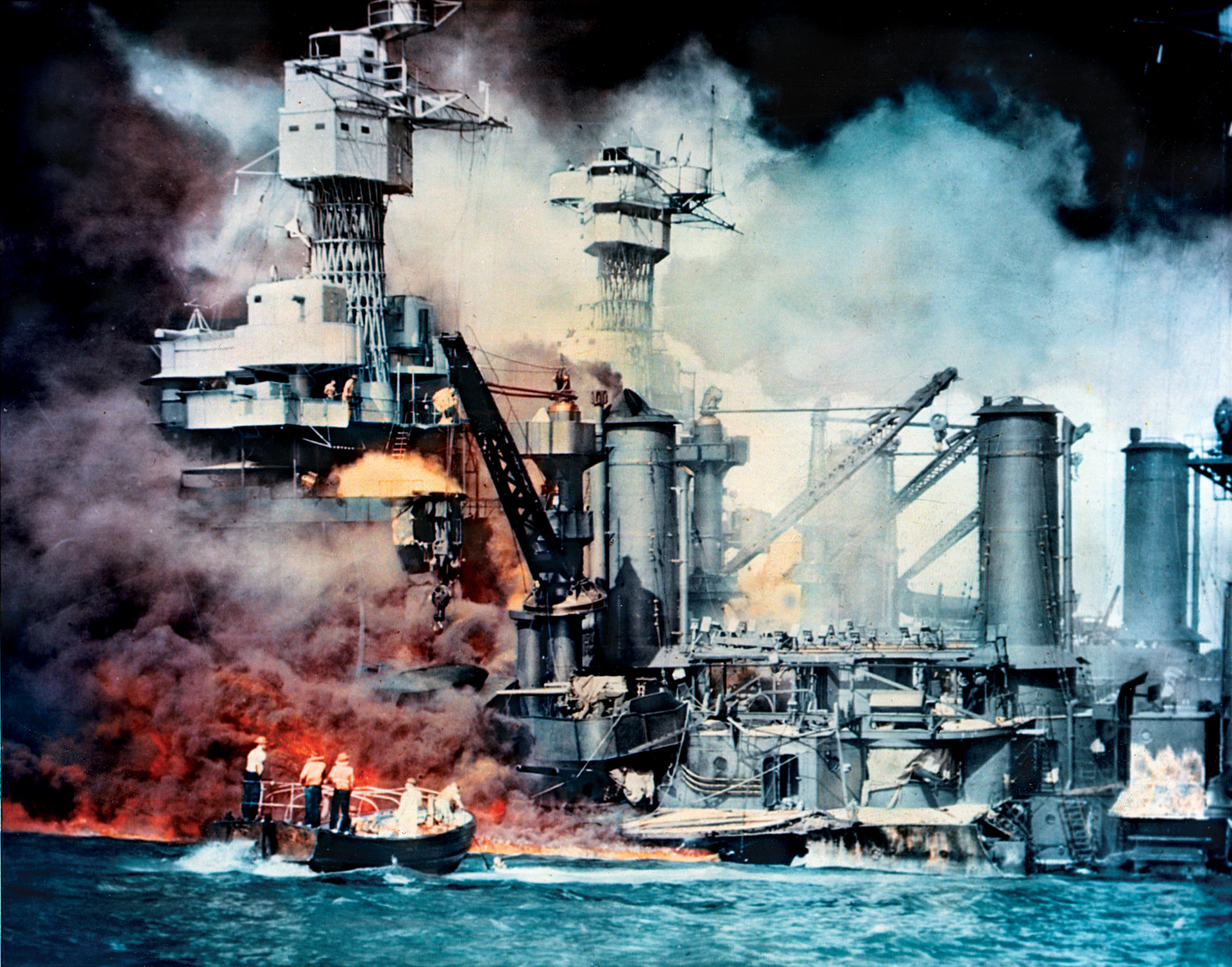
The Japanese strike on Pearl Harbor on December 7, 1941—a “Day of Infamy,” as President Franklin D. Roosevelt described it—left the American Pacific Fleet in almost total ruin, plunged the United States into World War II, and set off a controversy regarding the events that led up to the attack that is still being hotly debated. Read more
U.S. Naval Intelligence
Stanley Johnston, a reporter for the Chicago Tribune accredited to the Navy as a correspondent, had made two forays into the South Pacific aboard the aircraft carrier Lexington. Read more
U.S. Naval Intelligence
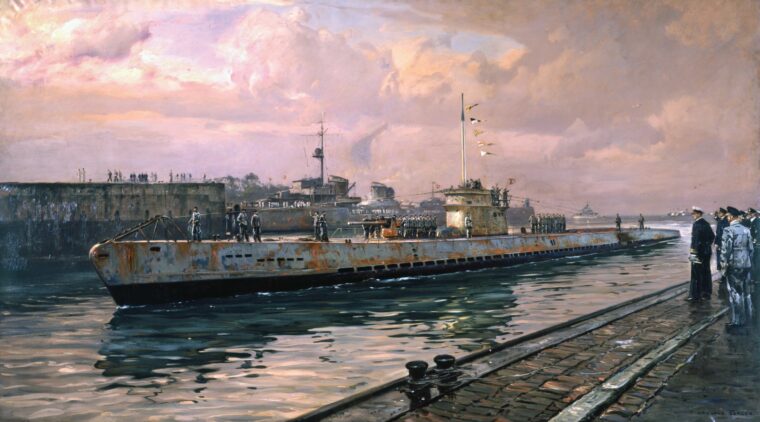
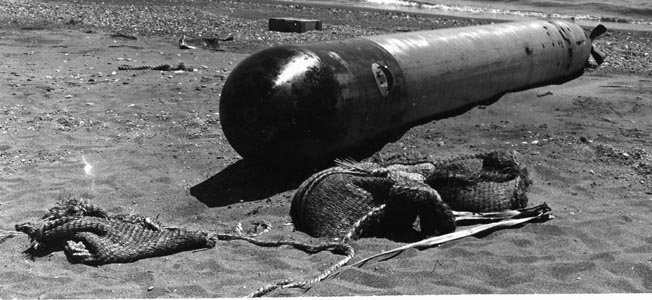
In the opening months of 1942, German U-boats pushed Allied supply lines to the breaking point. In the month of January, Axis submarines claimed over 20 Allied vessels including a tanker just 60 miles off the coast of Long Island. Read more
U.S. Naval Intelligence
On December 9, 1941, Grand Admiral Erich Raeder, the commander of the Kriegsmarine, lifted all restrictions on German naval attacks against American vessels by his surface and submarine fleets. Read more
U.S. Naval Intelligence
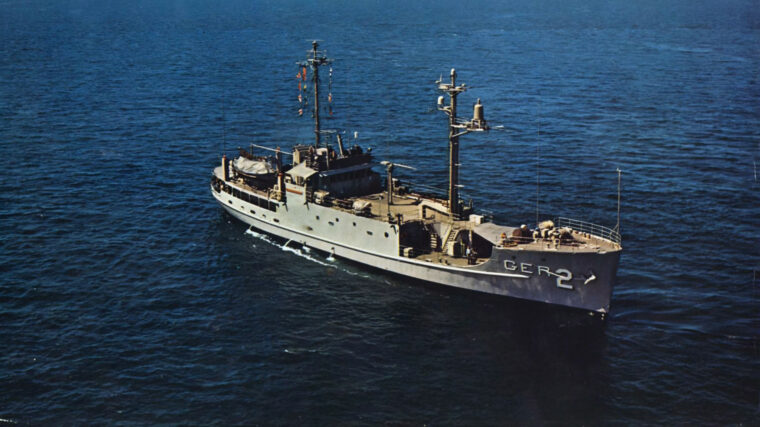
The humiliating seizure of the American spy ship Pueblo on January 23, 1968, by North Korean gunboats proved both an enormous intelligence setback and a searing indictment of America’s Cold War policy. Read more
U.S. Naval Intelligence
World War II was less than six months old when the American public, already stunned by the debacles at Pearl Harbor and Guam, faced one of its darkest moments. Read more
U.S. Naval Intelligence
“I submit that it was the wrong decision. It was wrong on strategic grounds. And it was wrong on humanitarian grounds.” Read more
U.S. Naval Intelligence
The bogey man of the U.S. Navy during the Guadalcanal campaign was not the Zero fighter or the I-class submarine. Read more
U.S. Naval Intelligence
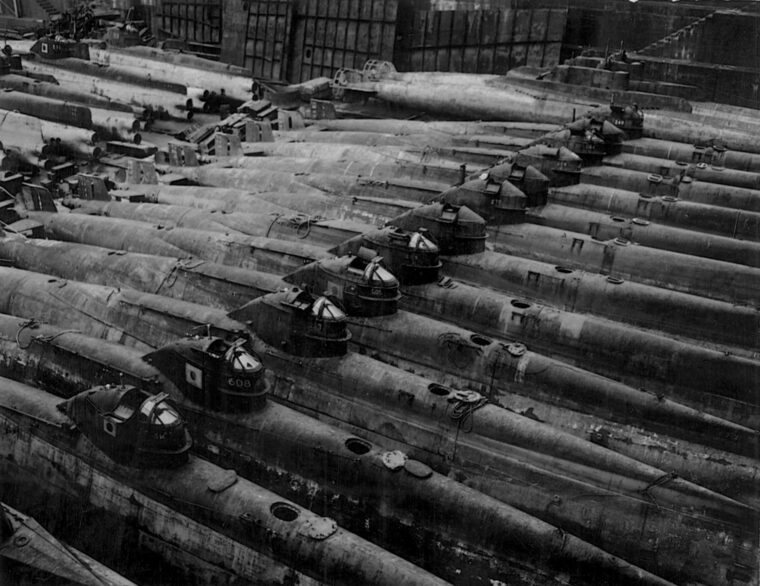
During the early hours of December 7, 1941, five midget submarinesof the Imperial Japanese Navy waited to enter Pearl Harbor, the anchorage of the U.S. Read more
U.S. Naval Intelligence
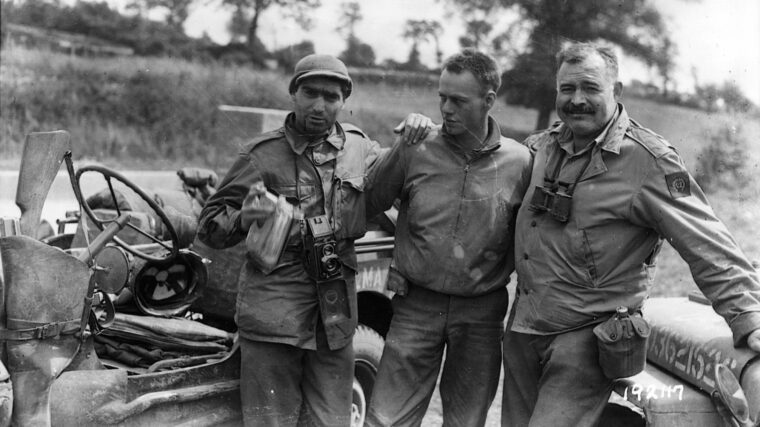
“We are going to have Christ’s own bitter time to win it, if, when, and ever,” commented Ernest Hemingway to his friend and editor, Charles Scribner, at the start of World War II. Read more