Battle of Gettysburg
John B. Gordon: Robert E. Lee’s Man for Fort Stedman
by Joseph LowryIn selecting a leader for the attack on Fort Stedman, Robert E. Lee could scarcely have chosen a better commander than Maj. Read more
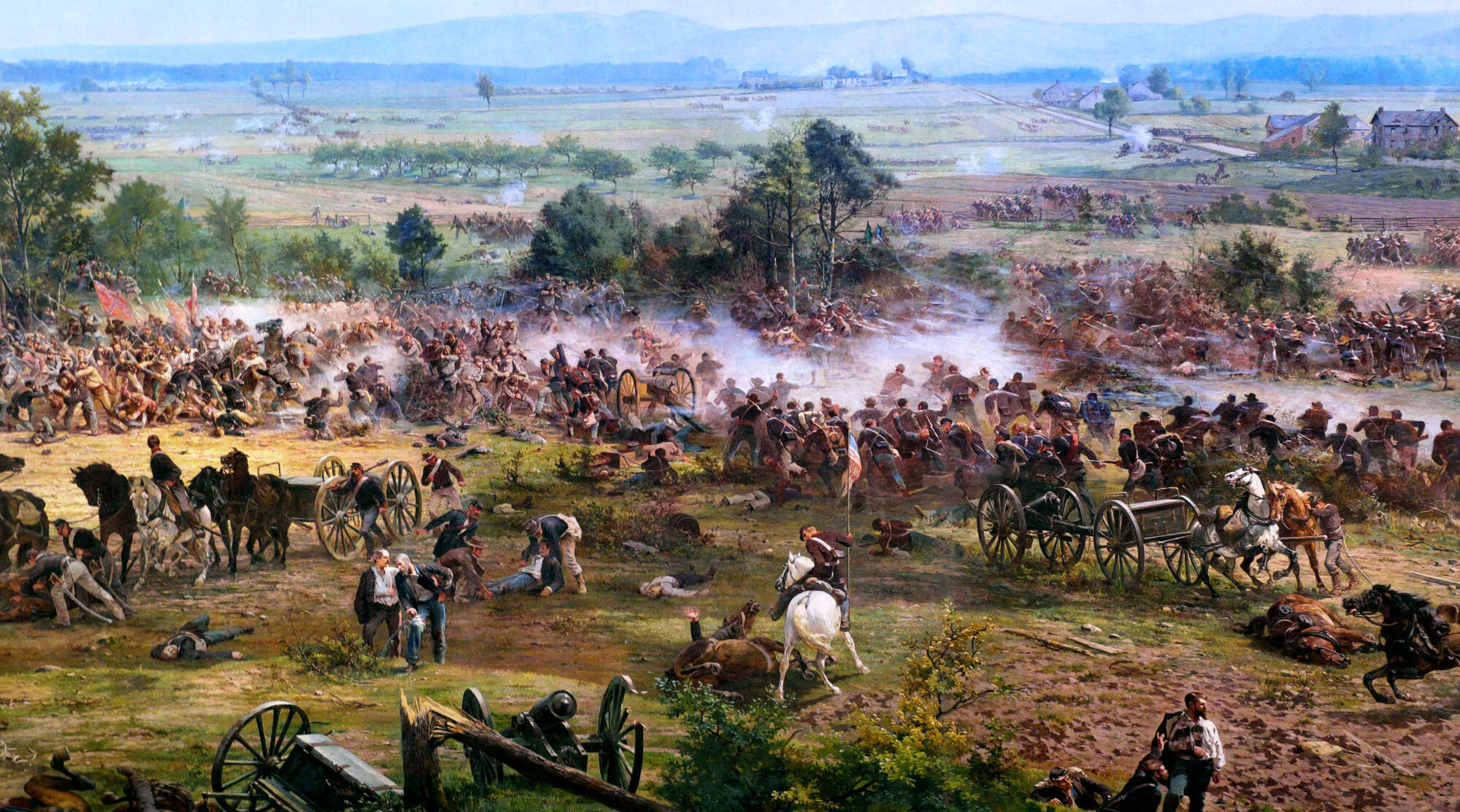
Gettysburg, Pennsylvania, was the site of the Union victory in the decisive battle of the American Civil War, July 1-3, 1863. Gettysburg was the culmination of Confederate General Robert E. Lee’s second invasion of the North with his Confederate Army of Northern Virginia. Lee attacked Union positions at Culp’s Hill, Cemetery Hill, Cemetery Ridge, and Little Round Top, among others, at Gettysburg and failed to break the defensive “fishhook” line along the high ground held by Union General George Meade’s Army of the Potomac. Pickett’s Charge on July 3 at Gettysburg is sometimes referred to as the “high water mark” of the Confederacy.
Battle of Gettysburg
In selecting a leader for the attack on Fort Stedman, Robert E. Lee could scarcely have chosen a better commander than Maj. Read more
Battle of Gettysburg
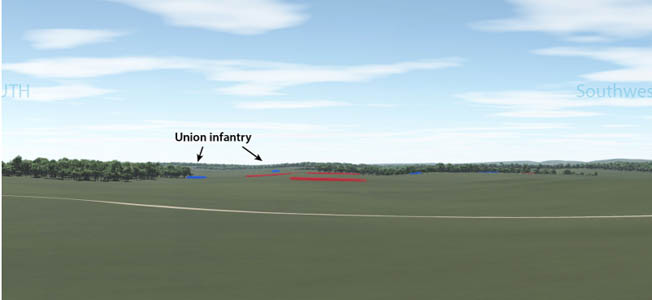
The British Joint Services Command and Staff College defines the “fog of war” as “the uncertainty in situational awareness experienced by participants in military operations.” Read more
Battle of Gettysburg
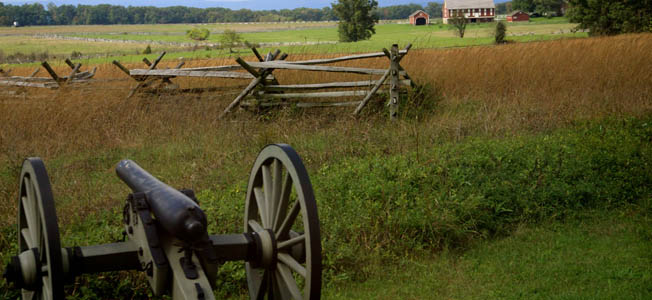
Despite roughly 50,000 casualties reported on both sides during the Battle of Gettysburg, there was only one reported civilian casualty: Mary Wade, a seamstress, was hit by a stray bullet while making bread in her kitchen. Read more
Battle of Gettysburg
The year 1864 was shaping up to be a critical one in the American Civil War. During the previous year, Federal armies had gained control of the Mississippi River and consolidated their grip on Tennessee. Read more
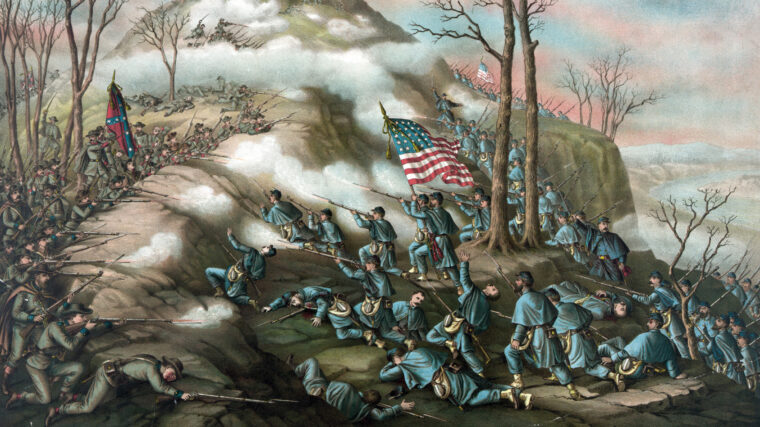
Battle of Gettysburg
The Battle of Gettysburg was the turning point in the American Civil War. Various parts of the battle have been proposed as pivotal moments for the Union victory, such as the successful defense at Little Round Top or Pickett’s failed charge on the final day. Read more
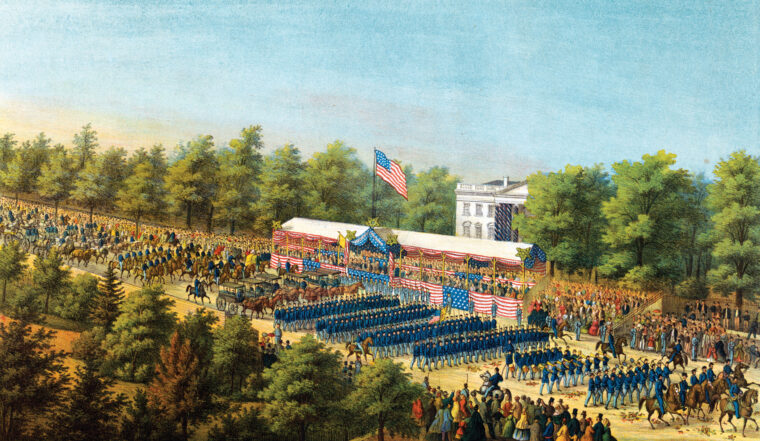
Battle of Gettysburg
Robert E. Lee’s surrender at Appomattox, presaging the subsequent surrender of other Confederate forces in the West and the capture of Southern President Jefferson Davis a few weeks later, marked the triumphant end of the nation’s great sundering. Read more
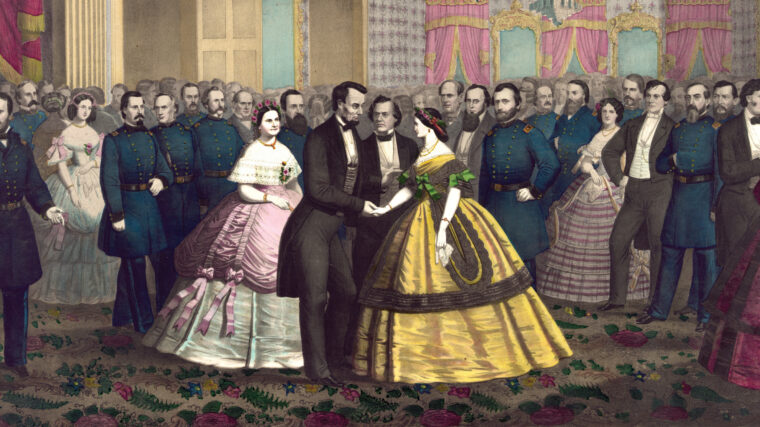
Battle of Gettysburg
On March 8, 1864, a rainy Tuesday, President and Mrs. Lincoln held a reception at the White House in Washington. Read more
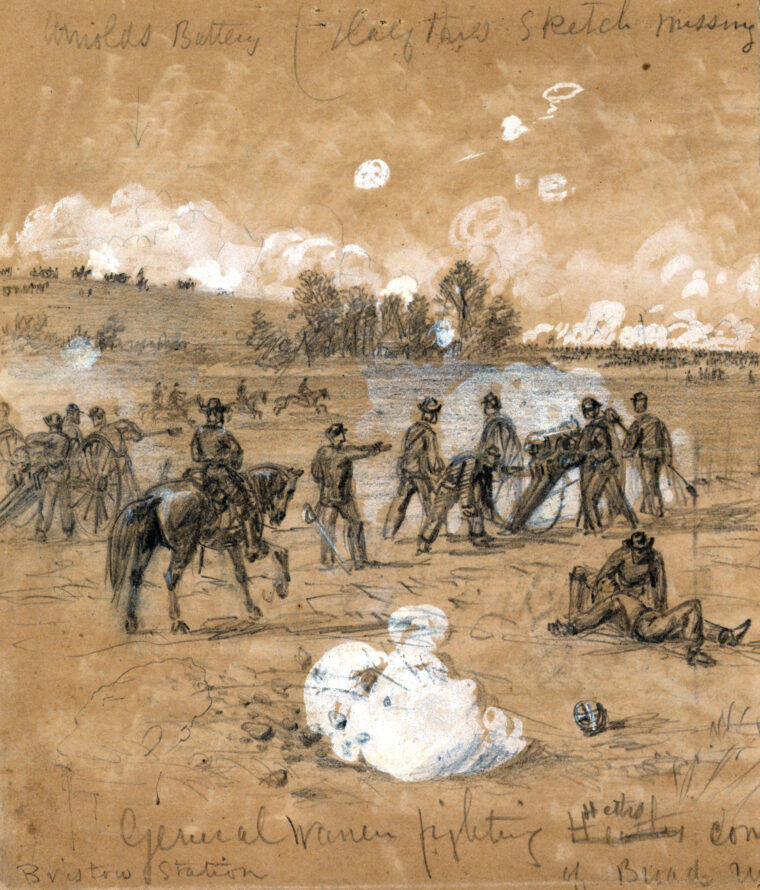
Battle of Gettysburg
In late July 1863, after the conclusion of the Gettysburg campaign, the Union Army of the Potomac, under Maj. Read more
Battle of Gettysburg
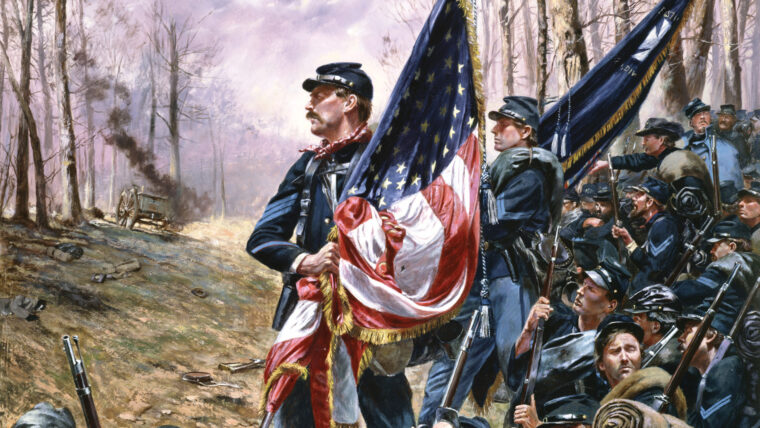
When the Civil War erupted in April 1861, the 10 companies of the 4th U.S. Read more
Battle of Gettysburg
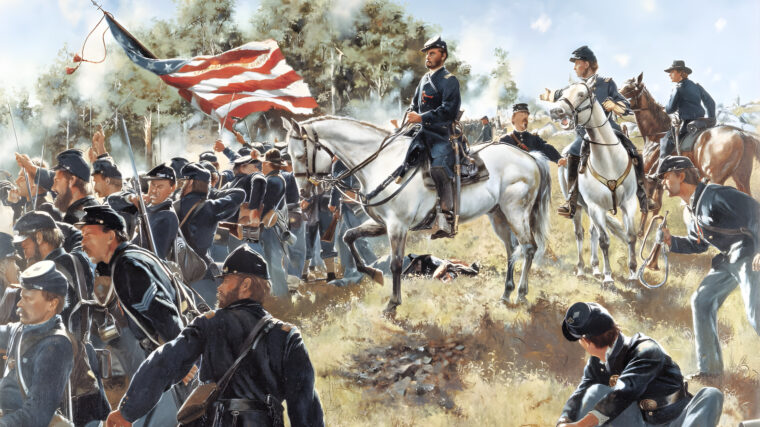
The struggle for the Devil’s Den at Gettysburg occurred on July 2, 1863, under a hot and cloudless afternoon. Read more
Battle of Gettysburg
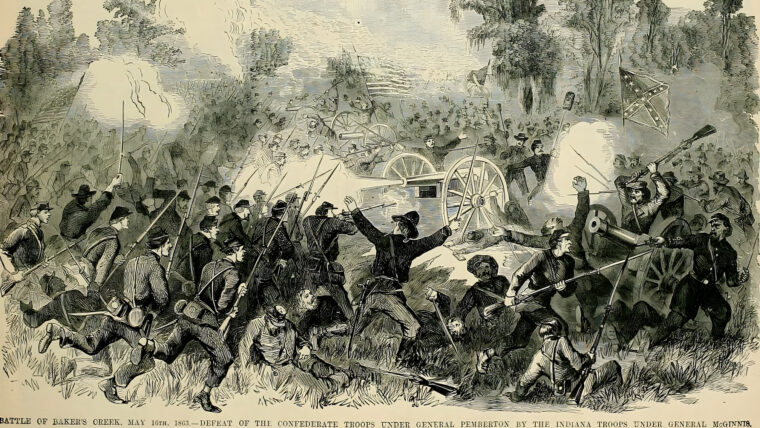
When Confederate general John Bell Hood assumed command of the embattled Army of Tennessee at Atlanta in mid-July 1864, he was already grievously wounded in both body and spirit. Read more
Battle of Gettysburg
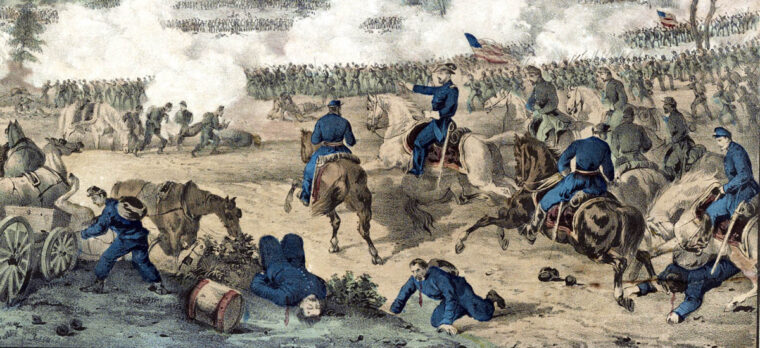
The year 1864 was shaping up to be a critical one in the three-year-long Civil War. During the previous year, Federal armies had gained control of the Mississippi River and consolidated their grip on Tennessee. Read more
Battle of Gettysburg
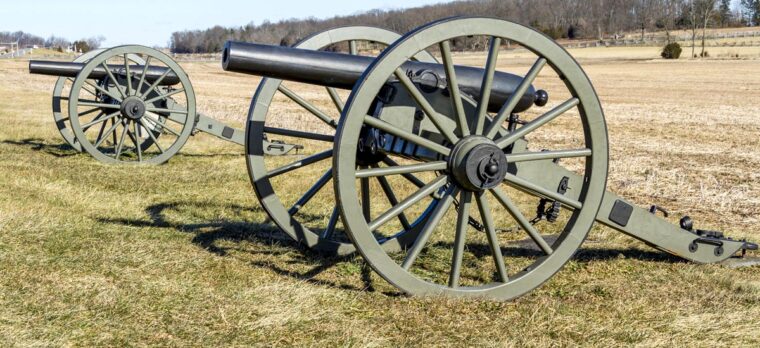
Teams of horses from four Confederate batteries churned the ground with their hooves as they pulled artillery onto the southern crest of Benner’s Hill just east of Gettysburg at 4 pm, July 2, 1863. Read more
Battle of Gettysburg
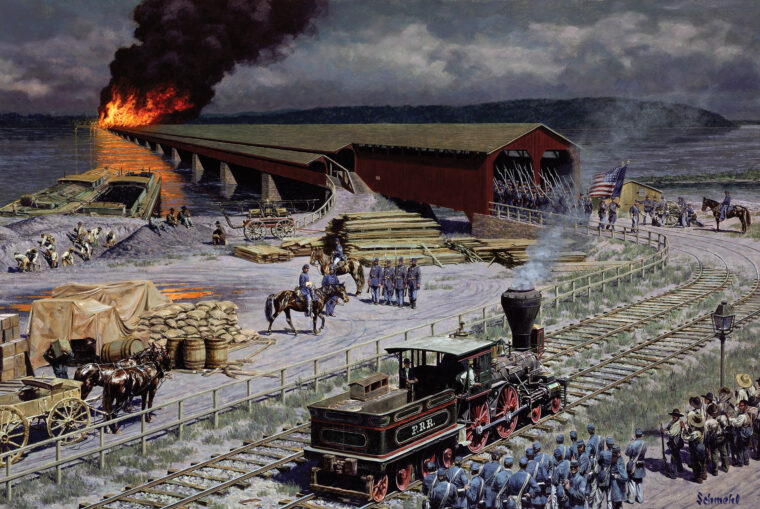
The citizens of Gettysburg, Pennsylvania, awoke one morning in late June 1863 to find the Civil War literally at their doorsteps. Read more
Battle of Gettysburg
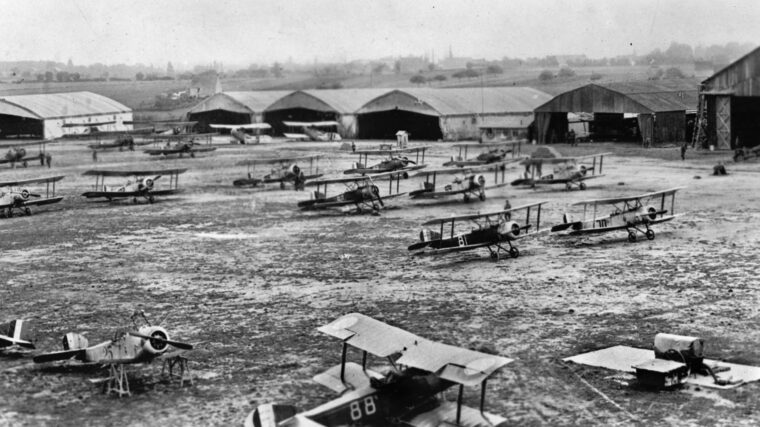
With World War I raging across the muddy battlefields of Europe, the Allies were pressed for personnel to man their ever-increasing air forces. Read more
Battle of Gettysburg
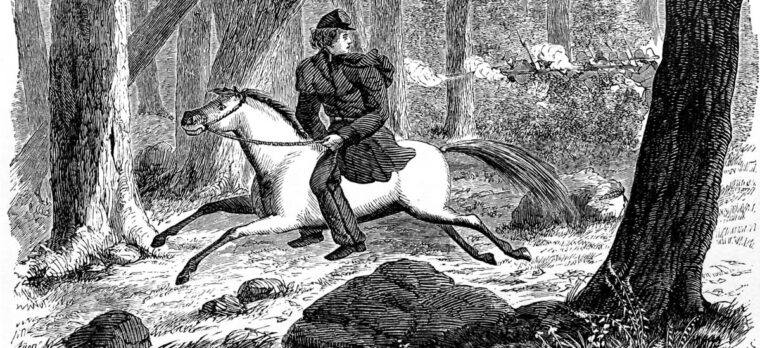
On a warm morning in July 1861, the Union Army marched forth with bands playing and regimental flags flying. Read more
Battle of Gettysburg
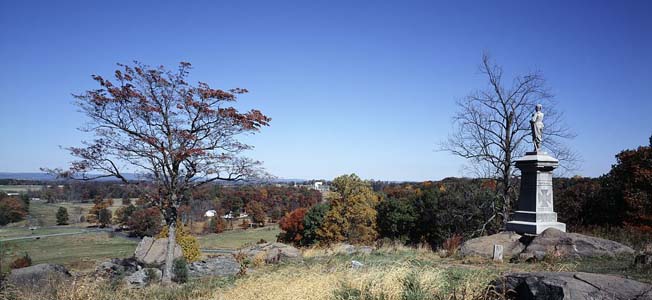
Walking along the Union line of battle at Gettysburg, whether on Little Round Top, Cemetery Hill, Culp’s Hill, or elsewhere is at times overwhelming. Read more
Battle of Gettysburg
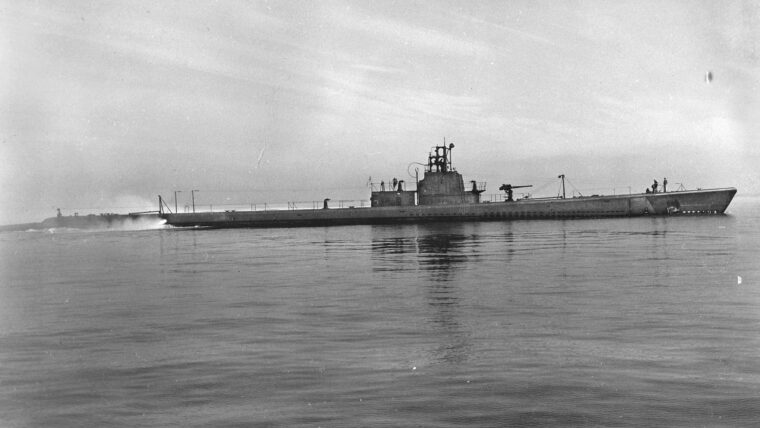
On February 7, 1943, while on patrol in the Southwest Pacific Ocean, U.S. Navy Commander Howard W. Gilmore, commander of the USS Growler (SS-215), and his crew carved out a place for themselves in Navy legend and set a standard of duty that is remembered in the submarine service today. Read more