Latest Posts

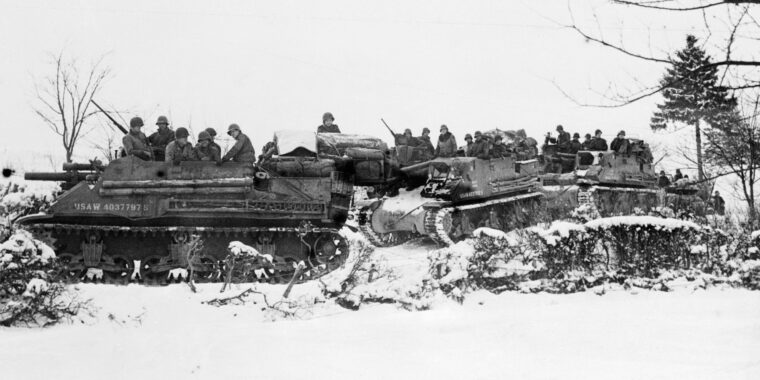
American tanks and armored gun carriers drive over snow-covered terrain to Samree during the Battle of the Bulge. Capture of the city opened the way to Houffallize, heart of the Bulge.

Latest Posts

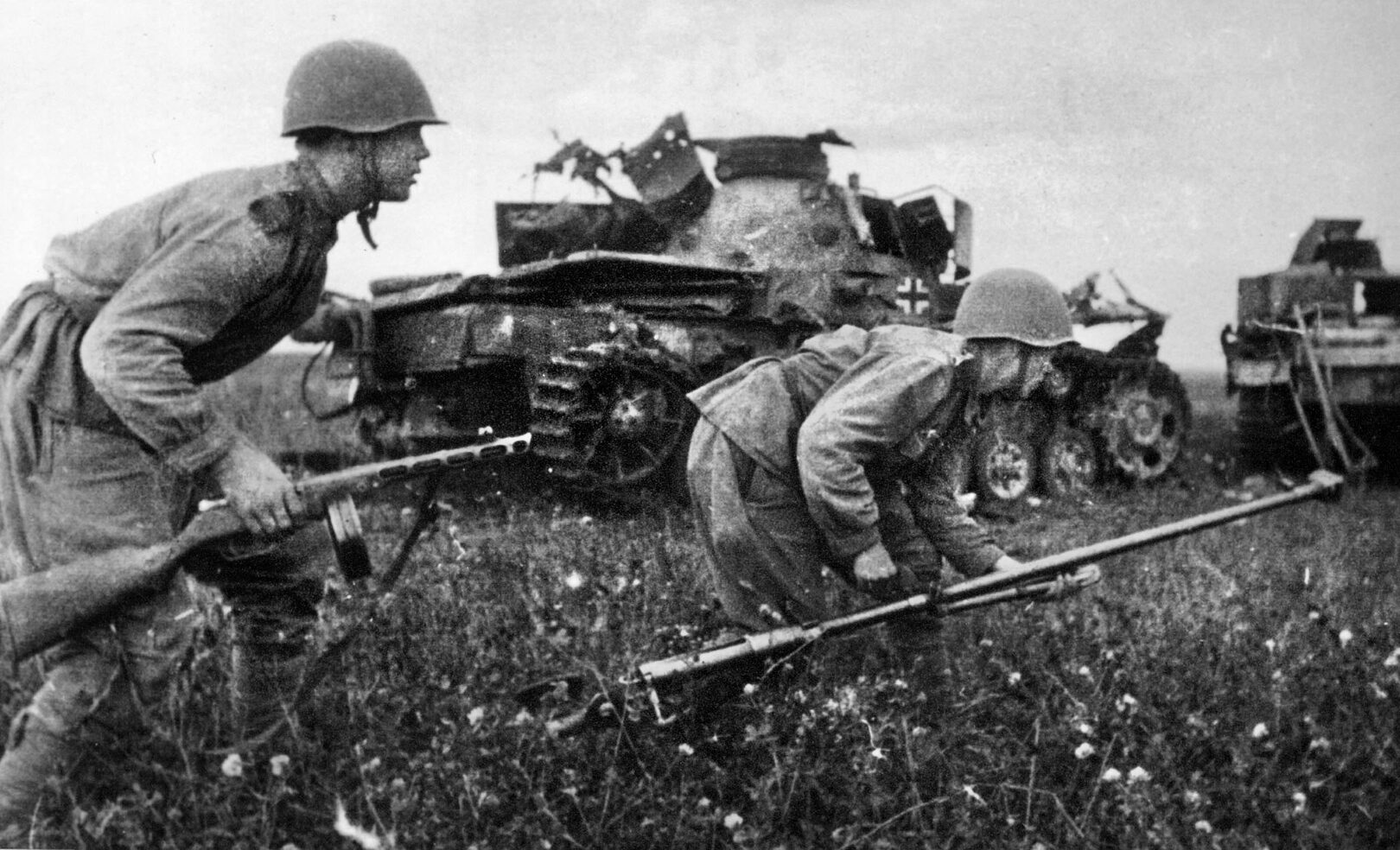
The End of the Battle of the Bulge

By Arnold Blumberg

Wednesday, December 27, 1944, found the military situation in the Ardennes Forest of Belgium stalemated. After 12 days of unrelenting struggle, the American and German forces on this part of the Western Front found themselves locked in brutal combat, unable to drive each other back. Read more
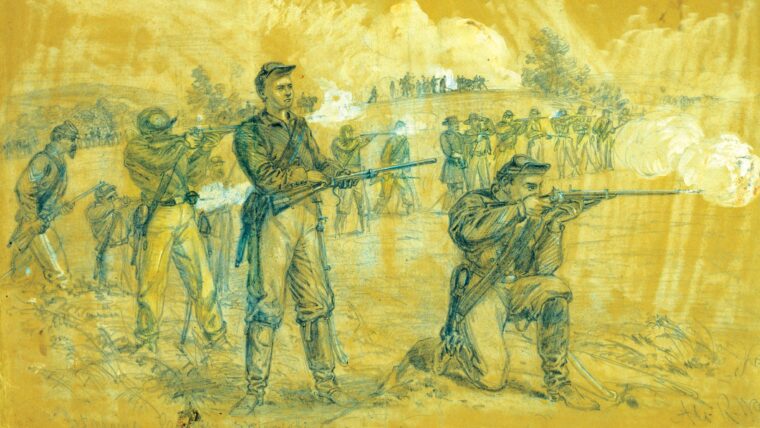
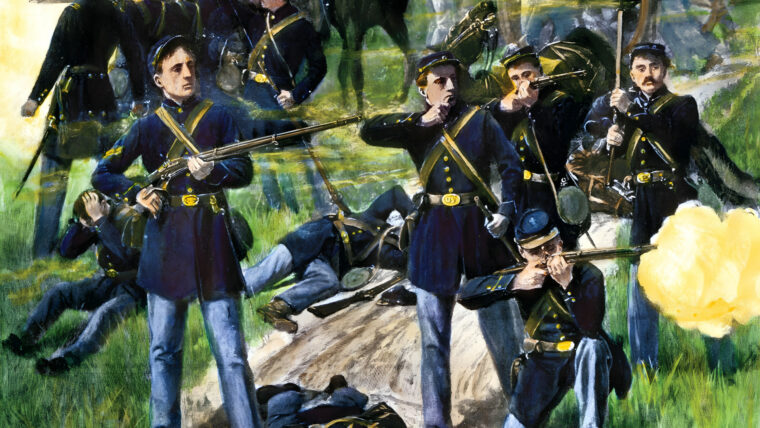
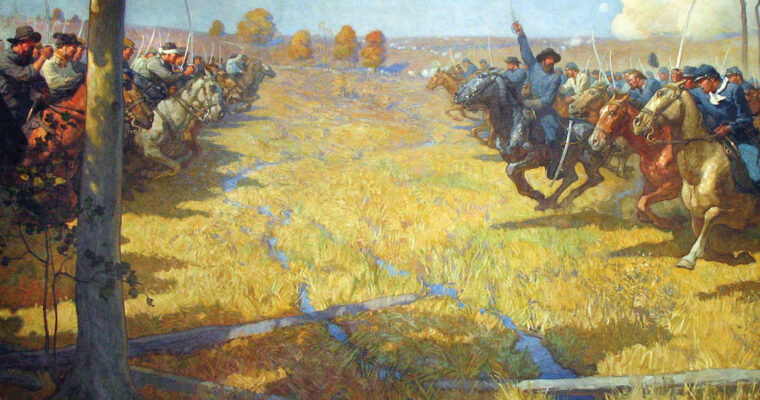
First Maine Cavalry shown skirmishing with Spencer carbines at an unnamed battle in drawing by Alfred Waud.

Latest Posts

The Spencer Carbine

By Kelly Bell

Confederate soldiers bitterly called it “that damned Yankee carbine they load on Sunday, and then fire all week.” Read more

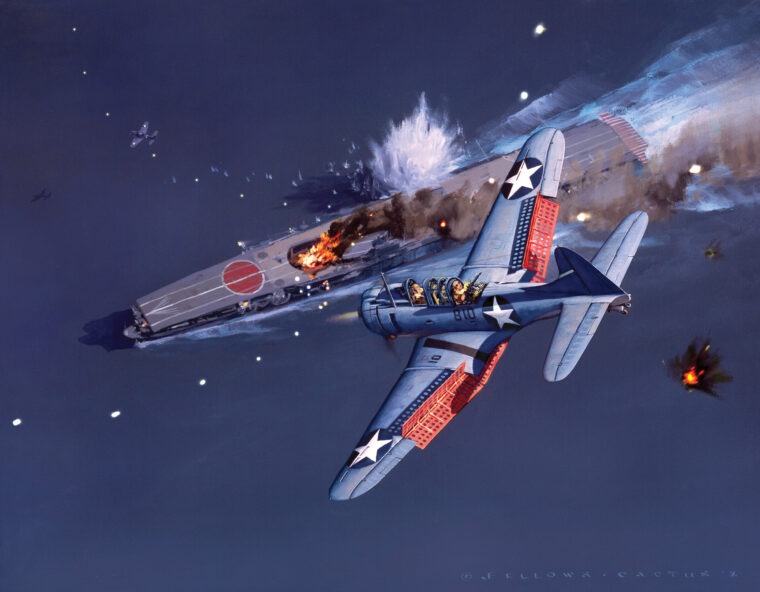
In this painting by artist Jack Fellows, U.S. Navy Lieutenant “Syd” Bottomley pilots his Douglas SBD-3 Dauntless dive bomber in a steep descent, dive brakes extended on the trailing edges of the plane’s wings, during a bombing run against the Japanese aircraft carrier Kaga, the largest of four carriers the Imperial Japanese Navy deployed during the Battle of Midway. Bottomley scored a direct hit during the pivotal action of June 4, 1942, but found his own carrier, USS Yorktown, damaged upon his return.

Latest Posts

Epic Stand at Midway

By Michael E. Haskew

On May 2, 1942, the eve of the Battle of the Coral Sea, a Consolidated PBY-5A Catalina flying boat skimmed the water’s surface and touched down in the lagoon of Midway Atoll, 1,137 miles west of Oahu. Read more

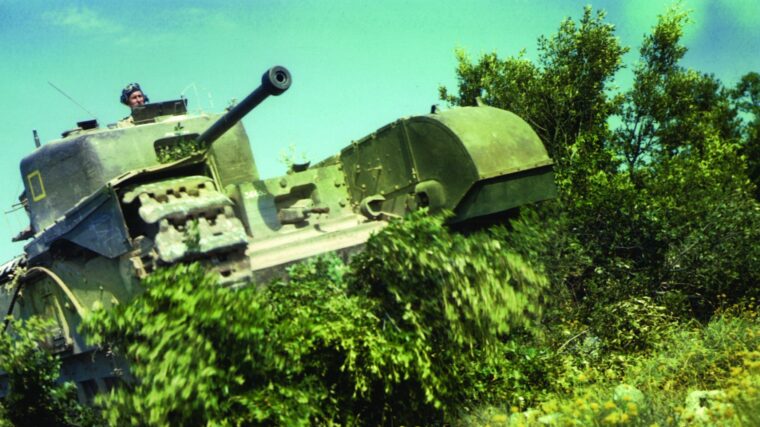
Advancing across the Italian countryside in the summer of 1944, a Churchill tank of B Squadron, 51st Royal Tank Regiment crashes through brush and undergrowth. The Churchill became the basis for a number of innovative armor designs with specialized functions.

Latest Posts

Ordnance: The British Churchill Tank

By Christopher Miskimon

­­The German town of Goch lay east of the Reichswald forest, a scene of heavy fighting for the British Army as it ground its way steadily into the heart of Germany. Read more

Latest Posts

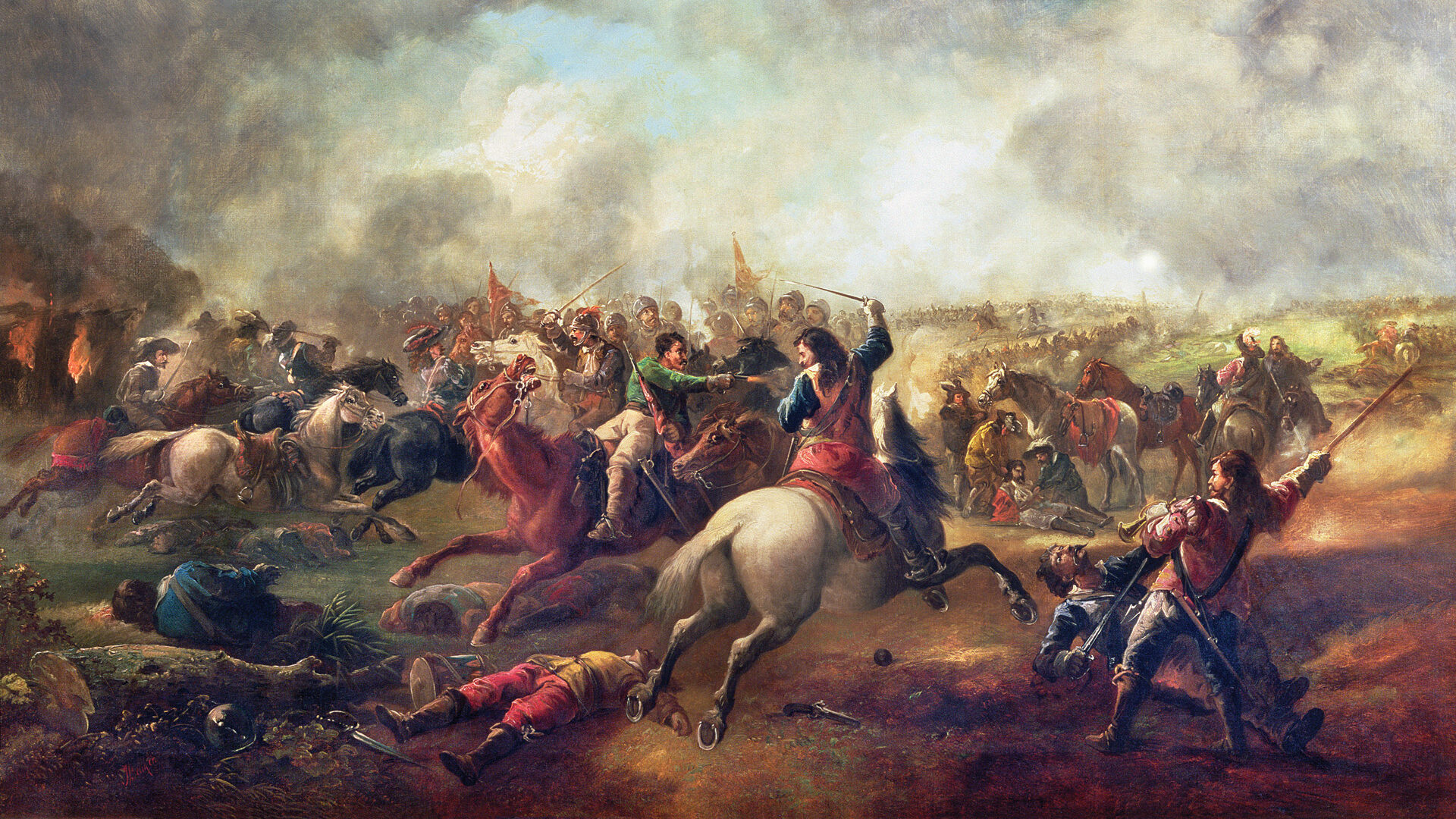
Confederate Cavalry Leader Turner Ashby

Even in an army not lacking for larger-than-life figures, Confederate cavalry leader Turner Ashby stood out from the crowd. Although not particularly tall—about five feet, 10 inches—there was something about Ashby that commanded attention. Read more

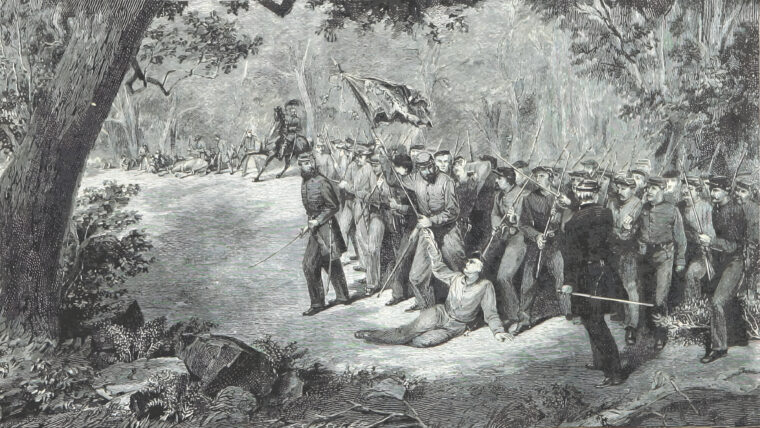
Union soldiers hold the line in the woods behind Boatswain’s Creek at Gaines' Mill. When the Confederates punched through the Union line, Butterfield seized the colors of the 83rd Pennsylvania and waved them aloft to rally his troops.

Latest Posts

Medal of Honor Recipient Daniel Butterfield

By William F. Floyd Jr.

The series of battles that constituted the Confederate offensive against the Union army on the eastern outskirts of Richmond, Virginia, in summer 1862 would thrust a number of Union officers into the limelight. Read more

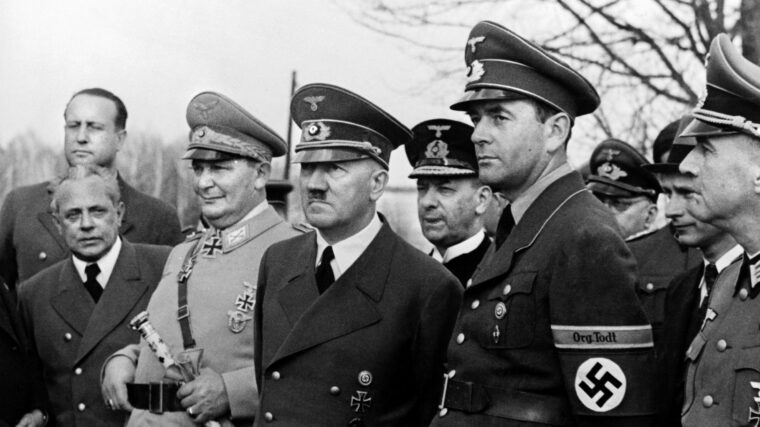
Adolf Hitler flanked by two of his top lieutenants, Reich Minister of Armaments Albert Speer to his left, and Reichsmarschall Hermann Göring, chief of the Luftwaffe on his right. Göring was sometimes vexed by the activities of his “good” brother, Albert.

Latest Posts

The ‘Good’ Göring

By Eric Niderost

On March 12, 1938, German troops entered Austria, part of Adolf Hitler’s plan to incorporate that hapless country into the Third Reich. Read more

Latest Posts

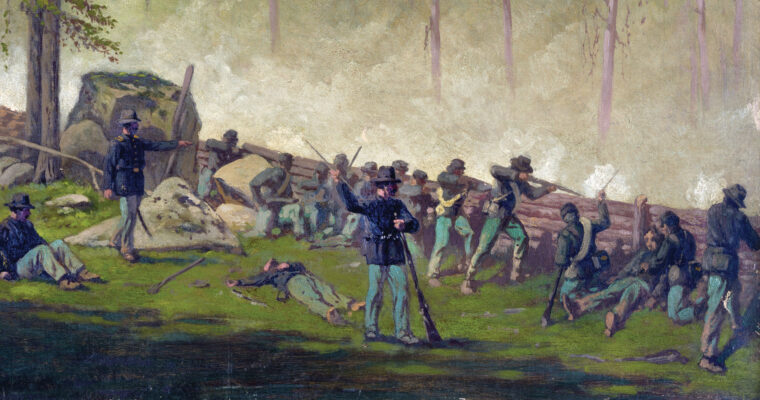
A Murderous Order at Culp’s Hill

By Joshua Sheperd

Although Union Colonel Silas Colgrove had previously led his men through some of the most horrific fighting in the eastern theater of the Civil War, the order he received on the morning of July 3, 1863, in the woods near Culp’s Hill at Gettysburg, was the most unnerving he had ever received. Read more

Latest Posts

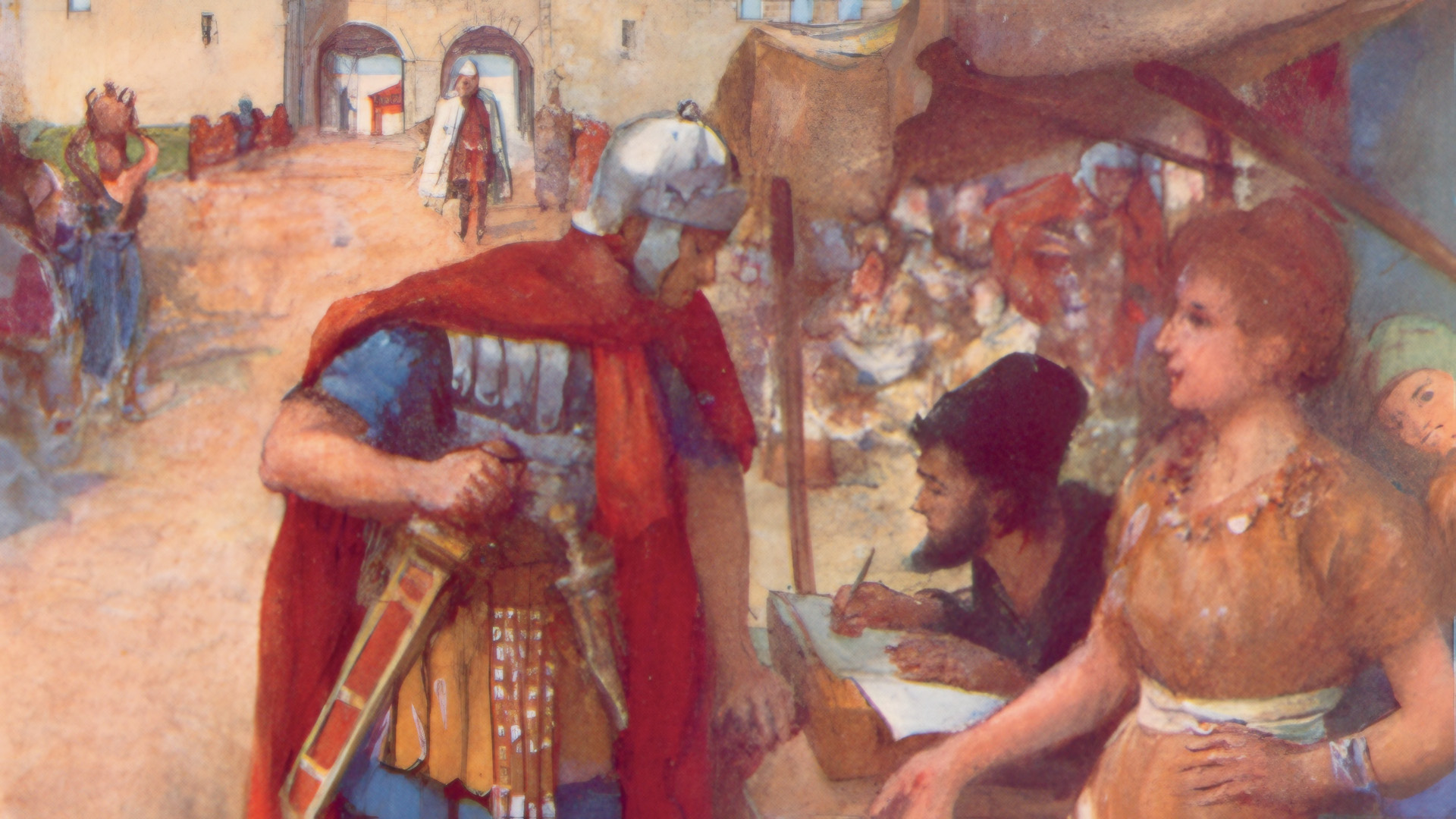
Italian Military Adventurer

By William E. Welsh

An assault on an Alan woman by an Almogavar of the Catalan Company exploded into a skirmish between the two groups of allies in the pay of the Byzantine Empire on April 9, 1303. Read more

Latest Posts

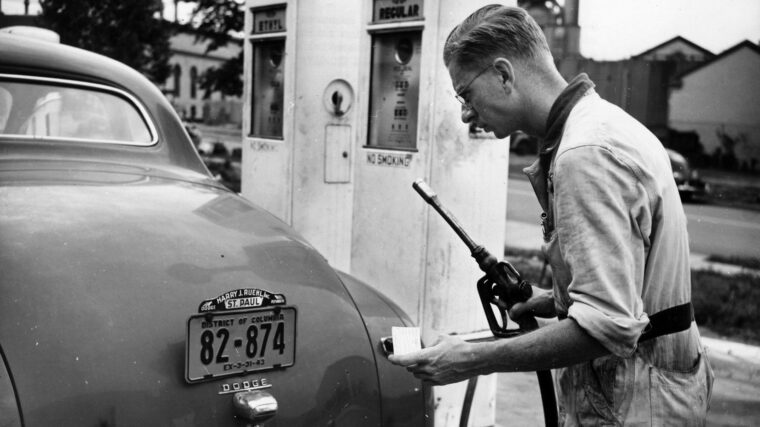
Home Front USA: Rationing

By Herb Kugel

In 1941-1942, British journalist Alistair Cooke traveled through the United States. In his description of his trip, American Home Front 1941-1942, he reported stopping for breakfast at a restaurant in West Virginia where, “the sugar was rationed at breakfast, and there was a note on the menu requesting that … in the interests of ‘national defense,’ keep to one cup of coffee.” Read more

Latest Posts

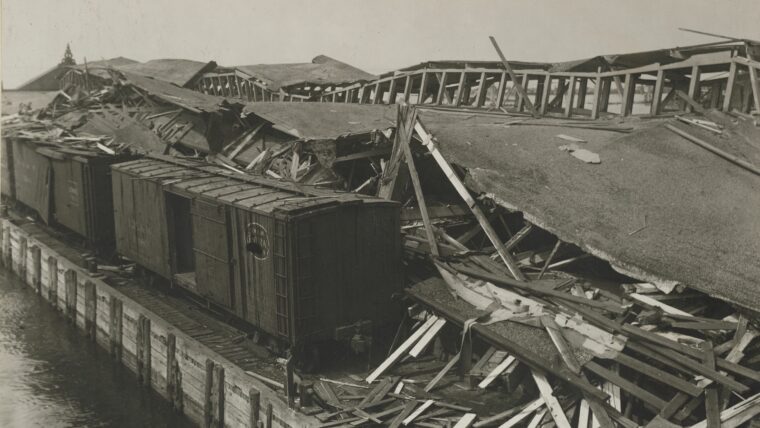
Manhattan’s First Terror Attack: Decades Before 9/11

By Cowan Brew

In the summer of 1916, America was an island of peace in an ocean of war. The guns of August 1914 had been blazing away in Europe for nearly two years now, primed by a booming American munitions industry that found itself growing rich on the long-distance suffering of others. Read more