Latest Posts
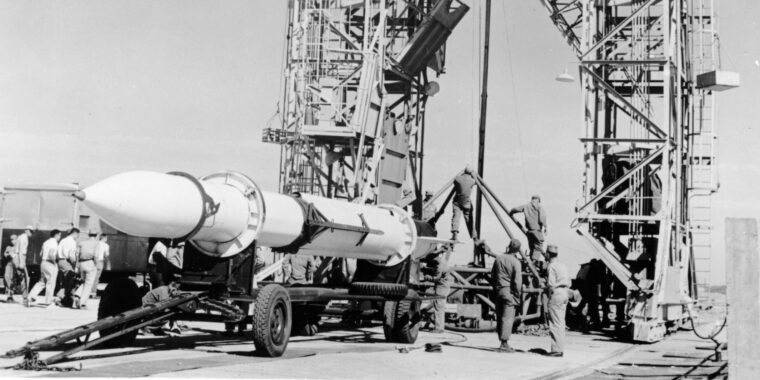
The Corporal M2 Missile
By Peter A. GoetzSix days after the Allies’ D-Day landings on the coast of Normandy in June 1944, Germany retaliated by launching its first Vergeltungswaffe, or Vengeance Weapon, at the city of London. Read more

Latest Posts
Six days after the Allies’ D-Day landings on the coast of Normandy in June 1944, Germany retaliated by launching its first Vergeltungswaffe, or Vengeance Weapon, at the city of London. Read more
Latest Posts
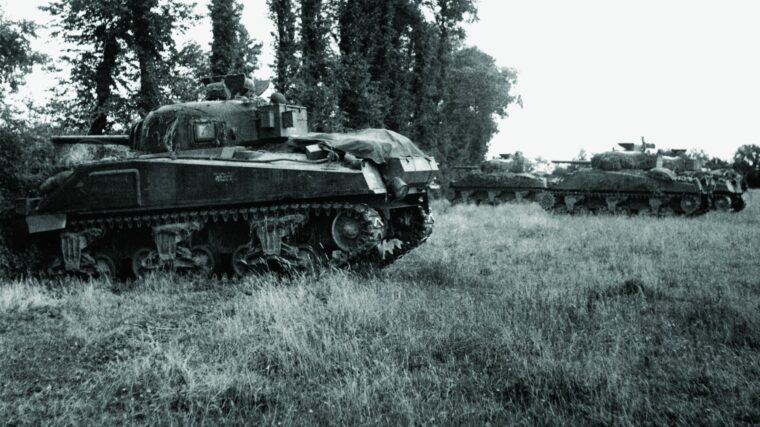
The Allied landings in Normandy on June 6, 1944, produced a bitter struggle for control of the invasion beachhead. Read more
Latest Posts
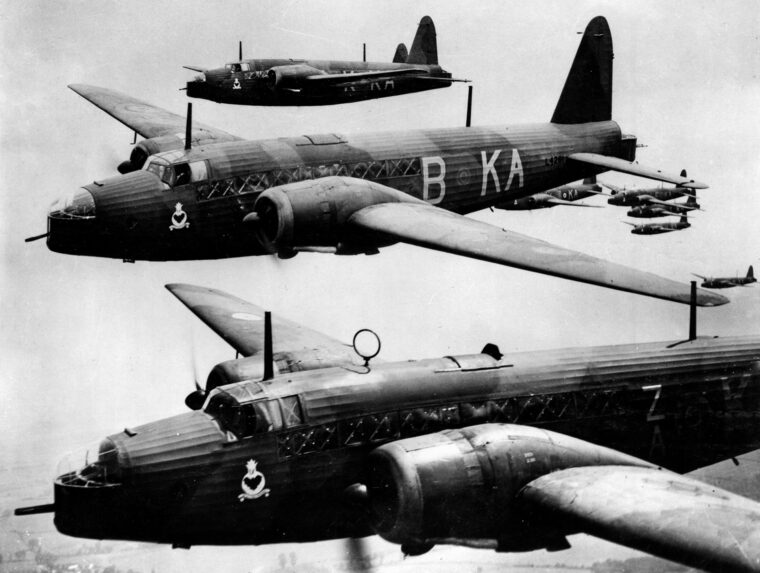
To the crews of the Royal Air Force Bomber Stream Droning Toward Germany in the early morning hours of December 3, 1942, this mission seemed indistinguishable from the countless others that had preceded it. Read more
Latest Posts
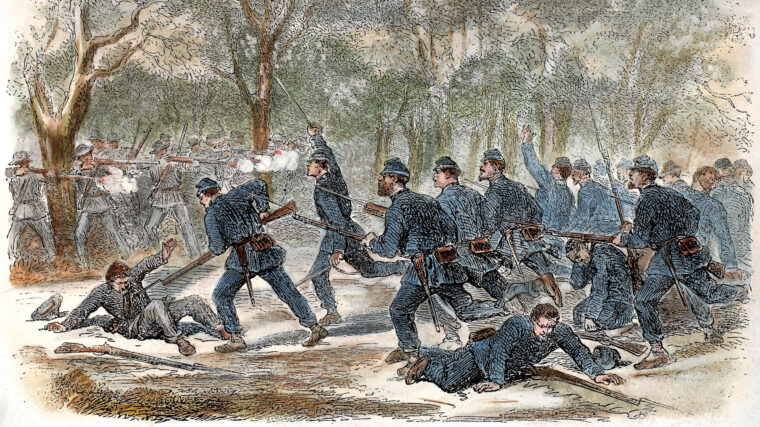
It was almost dark when Captain Chase Philbrick led a reconnaissance party of 20 volunteers from Company H of the 15th Massachusetts Infantry across to Harrison’s Island situated in the middle of the Potomac River. Read more
Latest Posts
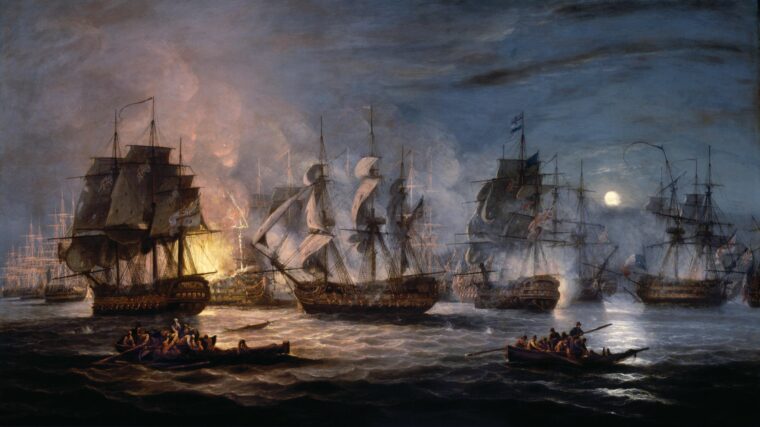
Smoke drifted across the quarterdeck of H.M.S. Vanguard, occasionally obscuring the figure of a slender officer bowed with battle wounds and outright exhaustion. Read more
Latest Posts
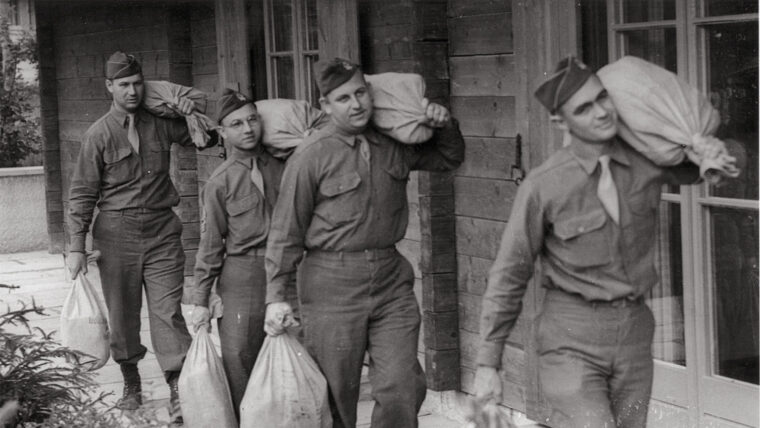
By the spring of 1945, Hitler’s thousand year Reich had come crashing down in flames. The Allied armies that had landed at Normandy almost one year earlier had penetrated deep inside Germany. Read more
Latest Posts
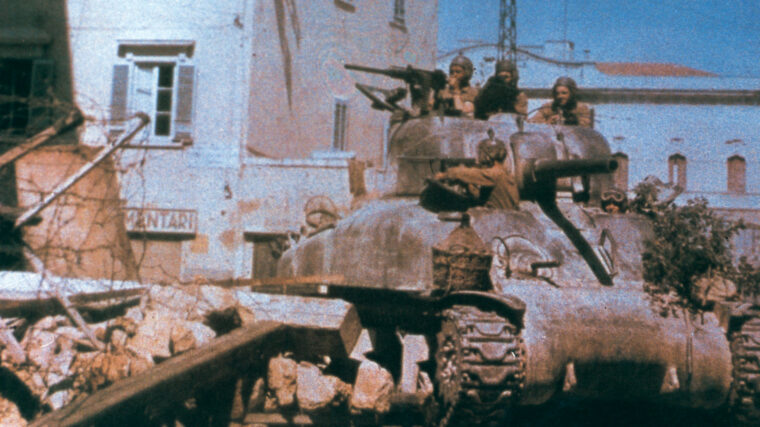
Since the first tanks rolled across the battlefield in World War I, armored crews have required specialized equipment to protect them inside the giant metal beasts. Read more
Latest Posts
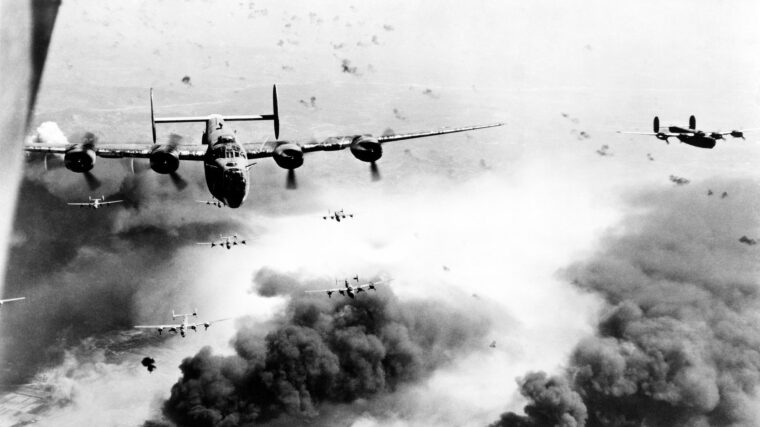
Though the “Mighty Eighth” based in England earned the most headlines, the U.S.A.A.F.’s Fifteenth based in Italy played no less important—and every bit as dangerous—a role in bombing targets in Nazi Germany, France and Eastern Europe. Read more
Latest Posts
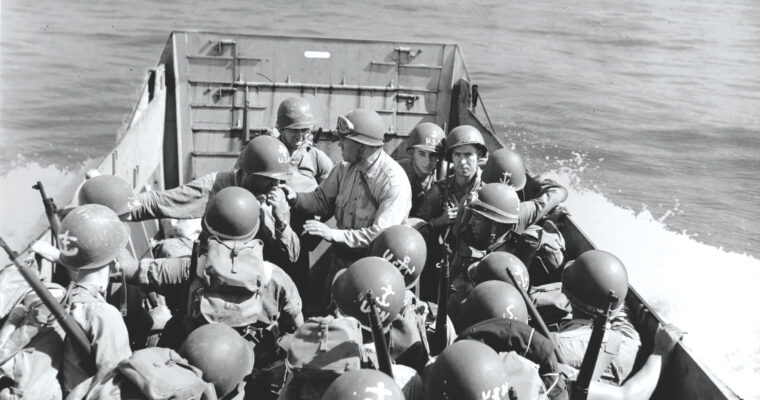
Ghosts of Sicily: The True Story of the Naval Intelligence Agents Who Courted the Mob to Fight Nazis in America and the Battlefields of Italy (Mark Harmon and Leon Carroll, Harper Select, New York, NY, 304 pp., Read more
Latest Posts
Kapitänleutnant Reinhard Hardegen watches through his periscope as the shape of an oil tanker moves dimly past Long Island’s Montauk Point, both the ship and the lighthouse are under blackout orders now that America is in the war. Read more
Latest Posts
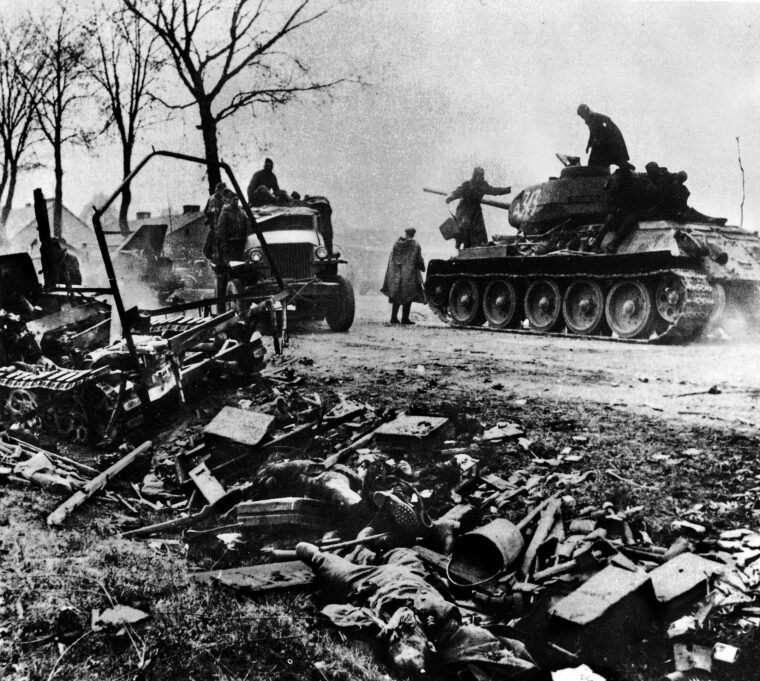
With nearly a million Soviet soldiers taking on the entrenched Germans outside of Berlin, there was little doubt about the outcome in May 1945. Read more

Latest Posts
While the fighting raged in Europe and the Pacific during WWII, those on the homefront had to deal with all manner of threats—both imagined and real, maintaining constant vigilance in the hunt for spies and saboteurs, both homegrown and those landed on America’s shores by German submarines. Read more
Latest Posts
Long and difficult, beset by bureaucracy, xenophobia and suspicion, the process of trading Allied civilians who had become trapped in Axis countries with the outbreak of world war for Axis civilians who had likewise become trapped in the United States was an exhausting process for American diplomat James Hugh Keeley Jr., Read more

Latest Posts
The enigmatic Colonel Evans Fordyce Carlson, a “racially progressive, bleeding-heart communist sympathizer,” returned to China in 1937 for almost two years to observe the Chinese Communist Party’s 8th Route Army, led by Mao Tse-Tung, and spent nearly a year with guerrillas behind Japanese lines. Read more
Latest Posts
Craven first delved into this topic with an investigative article featured in the May/June 2022 issue of Mother Jones with the headline, “Hazing, Fighting, Sexual Assaults: How Valley Forge Military Academy Devolved Into ‘Lord of the Flies.’” Read more

Latest Posts
A pilot since the age of 16, later trained by the RAF, the author has assembled a dashing narrative of the Royal Air Force’s Special Duties pilots, who performed clandestine operations such as inserting or extracting agents, dropping supplies, and flying secret missions into occupied Europe, often using aircraft like the Westland Lysander—noted for its Short Take-Off and Landing (STOLT) capabilities. Read more
Latest Posts
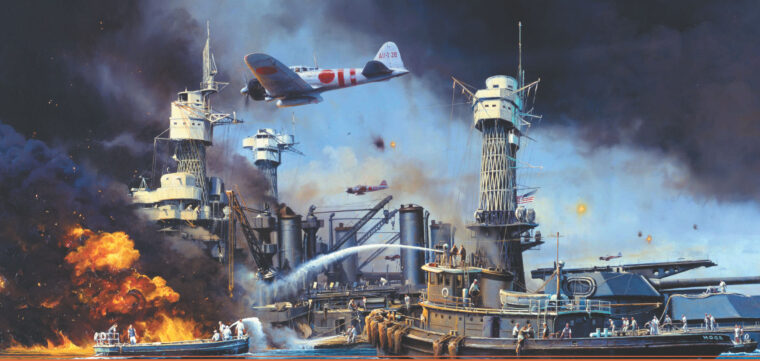
The seaplane tender USS Tangier floated at its moorings that peaceful day at Pearl Harbor. Little disrupted the serenity of the beautiful Sunday morning. Read more
Latest Posts
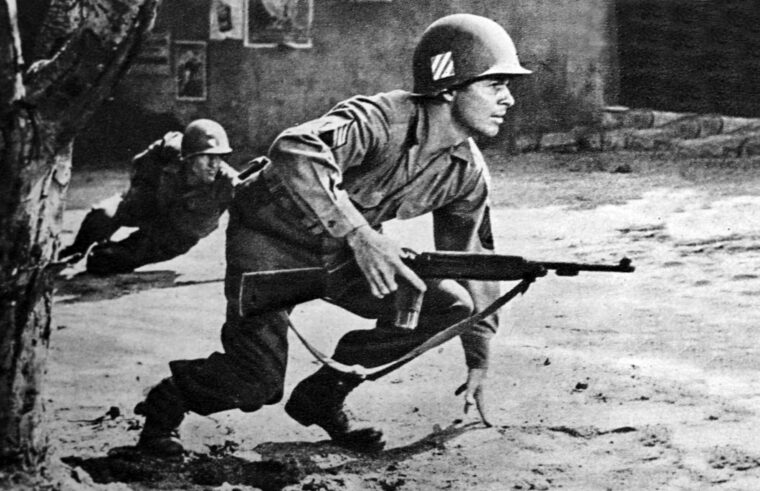
On the morning of October 3, 1944, an all-out assault was launched to drive the enemy from Cleurie Quarry in northeast France. Read more
Latest Posts
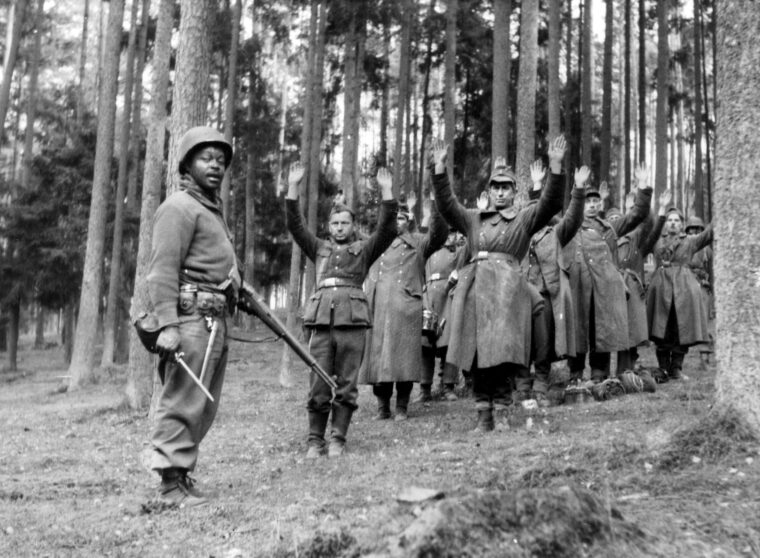
Three German armies surprised the Allies by breaking across the Our River and storming into the Ardennes on December 16, 1944. Read more

Latest Posts
When powerful German forces stormed through the Low Countries and France was about to fall in the late spring of 1940, Great Britain faced the darkest hour in its history. Read more