Latest Posts
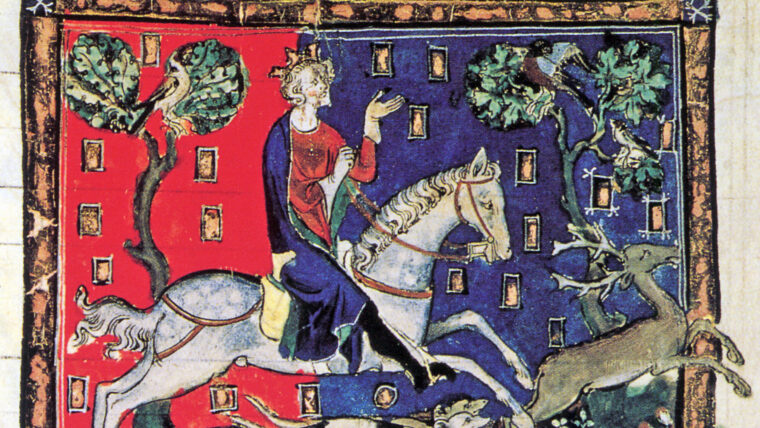
King John the Tyrant
The tension between the king and his barons always seemed to be ready to explode into civil war during the reign of the three Angevin kings of England. Read more

Latest Posts
The tension between the king and his barons always seemed to be ready to explode into civil war during the reign of the three Angevin kings of England. Read more
Latest Posts
We’re at somewhat of an impasse in the world of shooters and the disparity between single-player and multiplayer offerings. Read more
Latest Posts
The morning of February 16, 1944, dawned foggy over the Via Anziate near Anzio, Italy. The 45th Infantry Division’s 2nd Battalion, 157th Infantry Regiment had advanced overnight to take positions on the west side of the roadway, assuming its place on the front lines. Read more
Latest Posts
The last train west chugged across the River Bug to the German-occupied side of the Russo-German border at 0200 on June 22, 1941. Read more
Latest Posts
The word itself was bland. “Motti” is Finnish for a “bundle of sticks,” but the theory was how the tiny armies of Finland would deal with the long columns of Soviet troops that had been storming down the roads and logging the trails of that nation’s sub-Arctic wilderness since the Russo-Finland War broke out on November 29, 1939. Read more
Latest Posts
By Patrick J. Chaisson
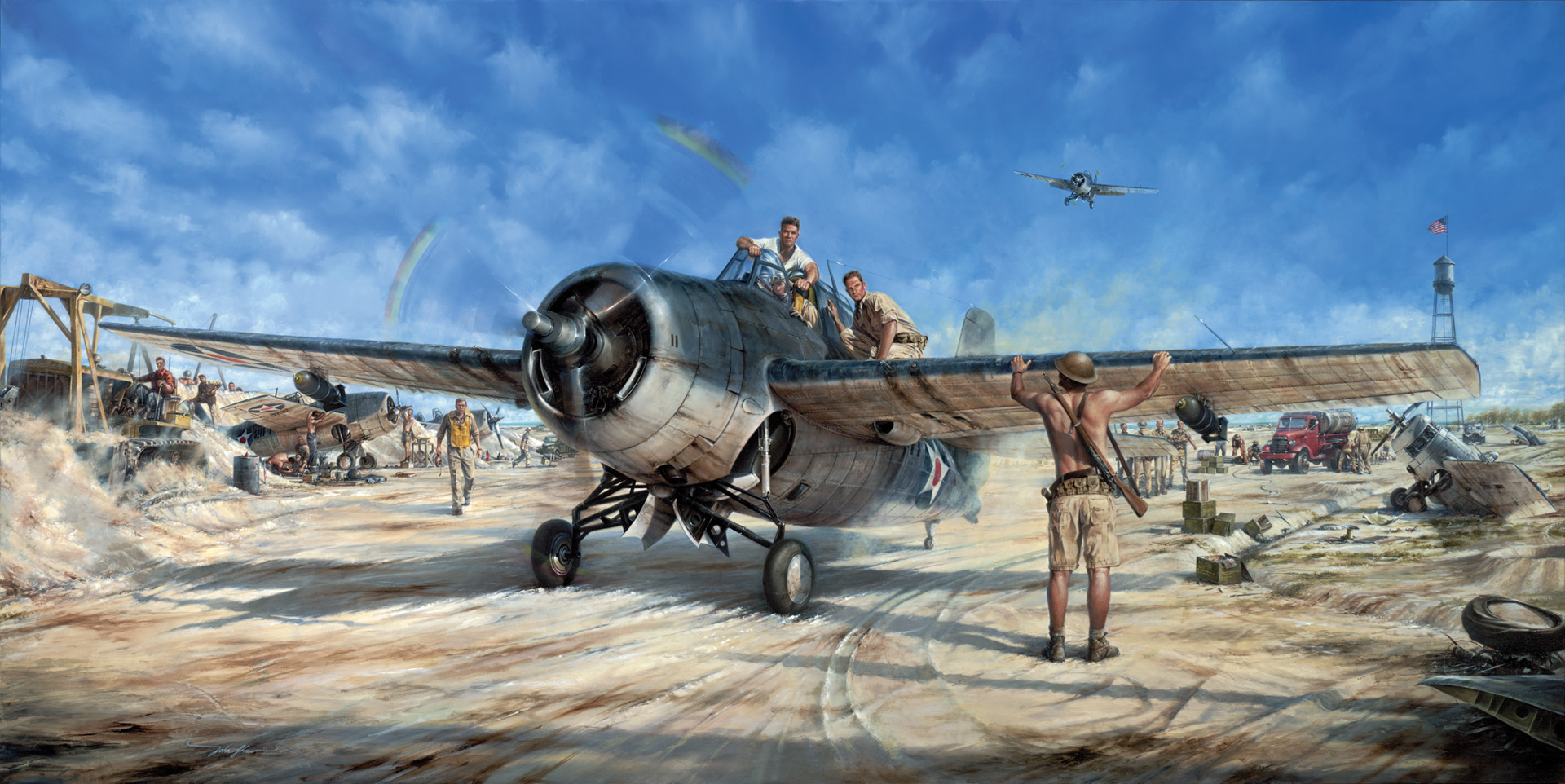
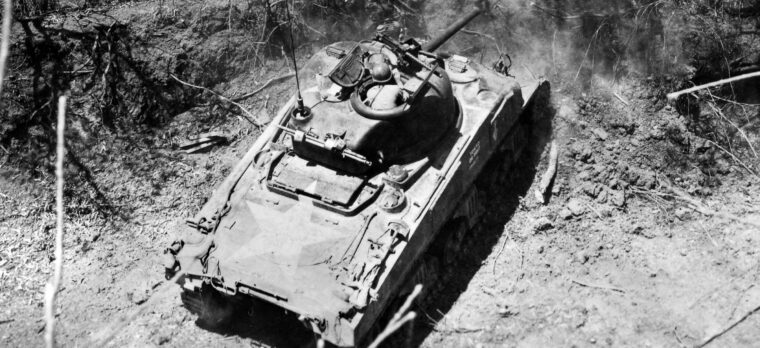
It was an amphibious commander’s worst nightmare—swarms of enemy tanks, spitting death with every cannon shell and machine-gun burst, smashing through the American beachhead. Read more
Latest Posts
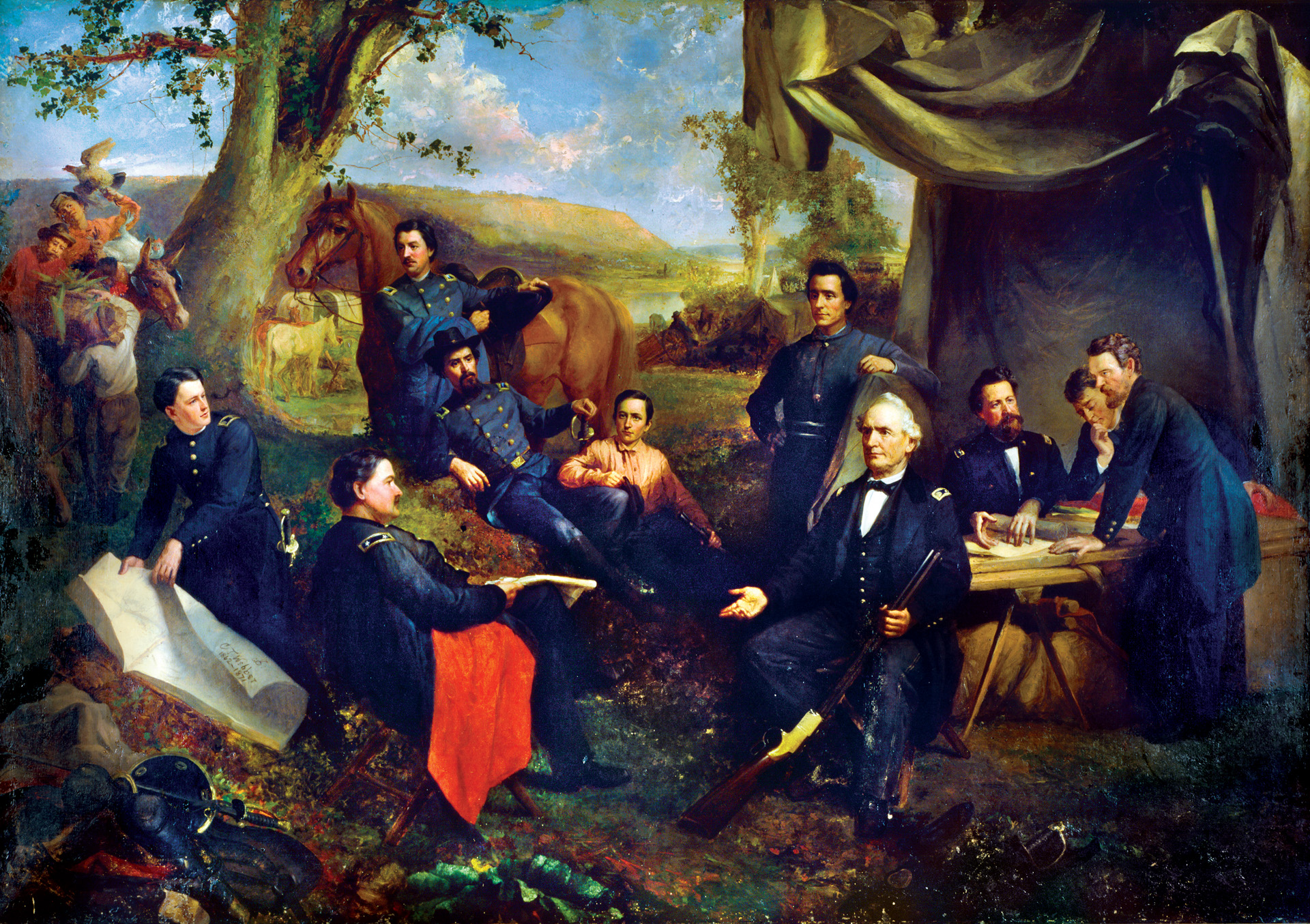
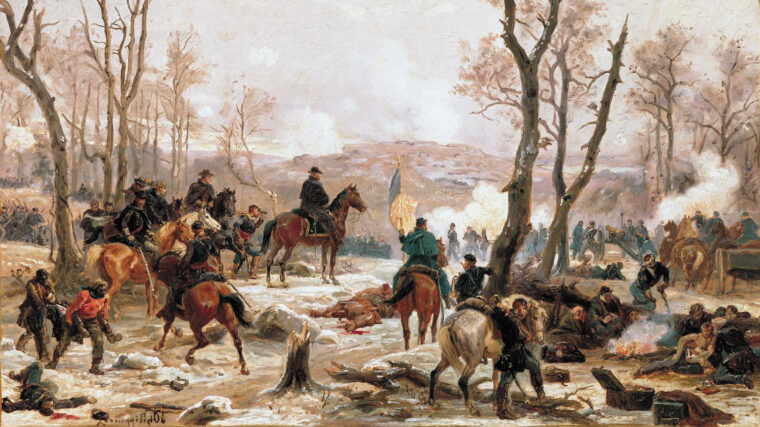
One evening around Christmas of 1861 Union Maj. Gen. Henry “Old Brains” Halleck, commanding the Department of Missouri, dined with his chief of staff, Brig. Read more
Latest Posts
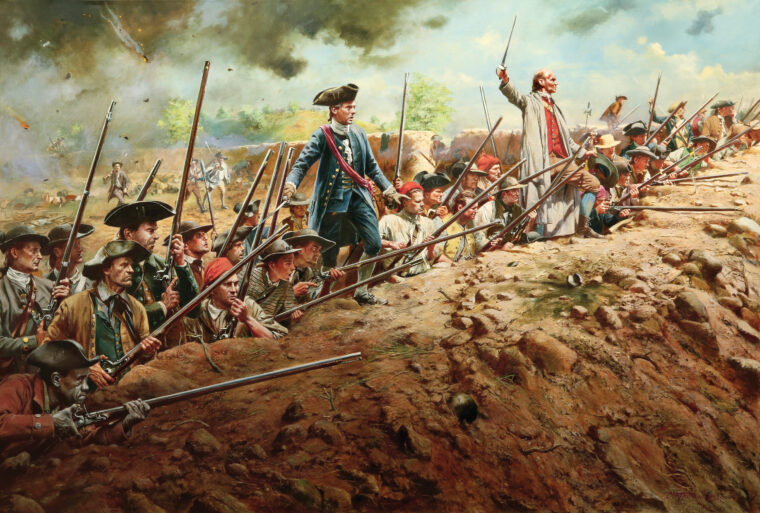
A stark dichotomy was evident among the Americans defending Breed’s Hill on June 17, 1775. One type of provincial soldier stood ready to give his life in defense of liberty that day. Read more
Latest Posts
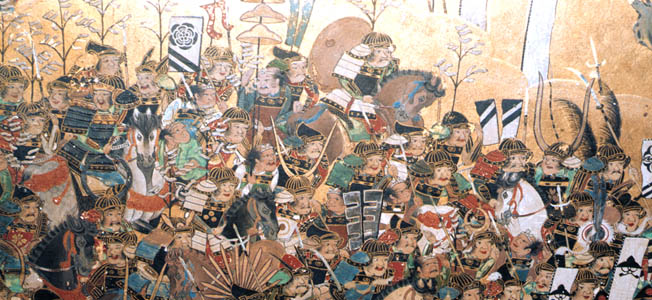
In the 17th century samurai were elite warriors, members of Japan’s ruling class. They were born, not made; you had to come from a samurai family to be considered samurai. Read more
Latest Posts
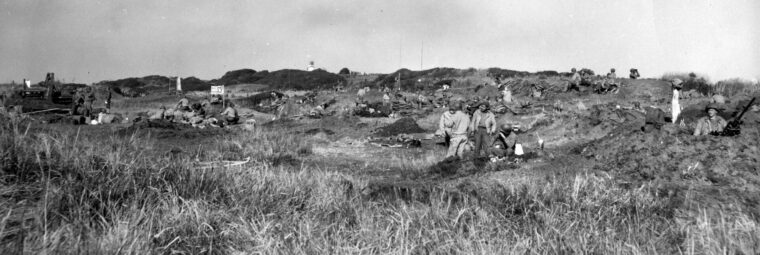
To this day, controversy continues to swirl around Operation Shingle and its agonizing aftermath. The Allied landings at Anzio, intended to outflank the German Gustav Line in Italy, occurred in January 1944. Read more
Latest Posts
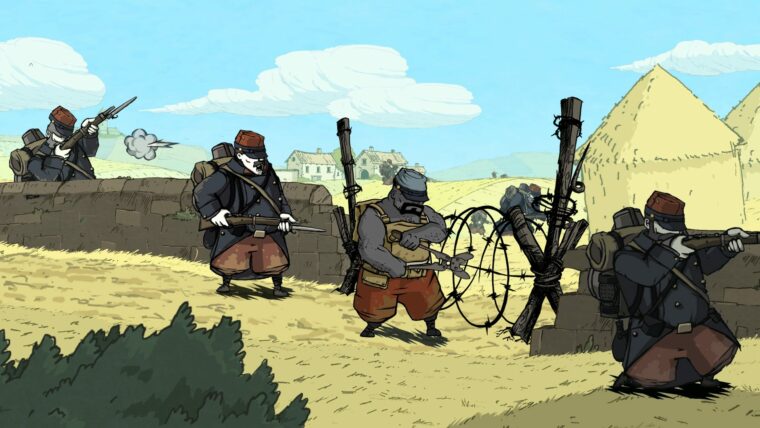
How often do we get to check out strategy games set during the Cold War, especially on multiple platforms? Read more
Latest Posts
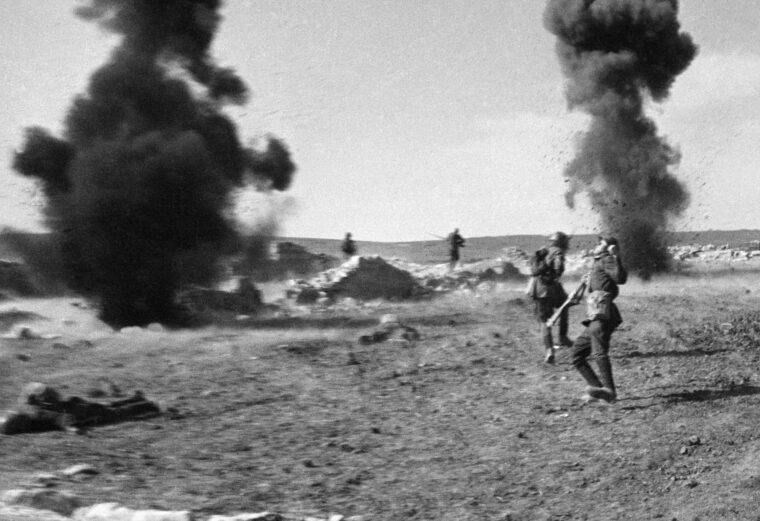
Christmas Day 1941 was anything but festive for the commander of German Army Group South’s 11th Army, General Erich von Manstein. Read more
Latest Posts
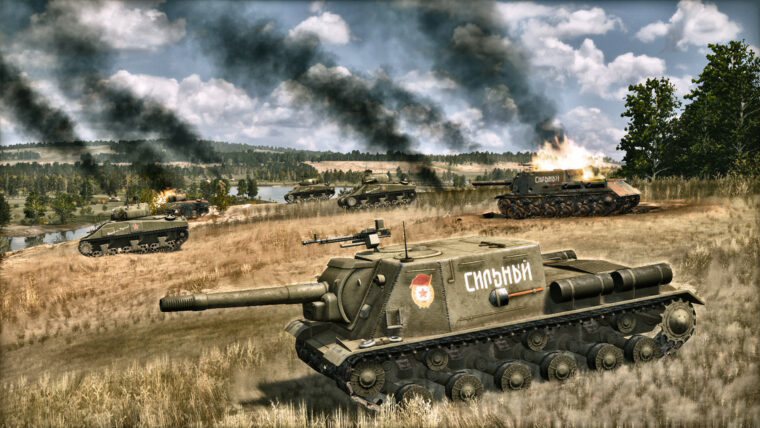
The original Steel Division first brought its real-time strategizing to PCs back in May of 2017, putting players in intense battles throughout Normandy, France, during World War II. Read more
Latest Posts
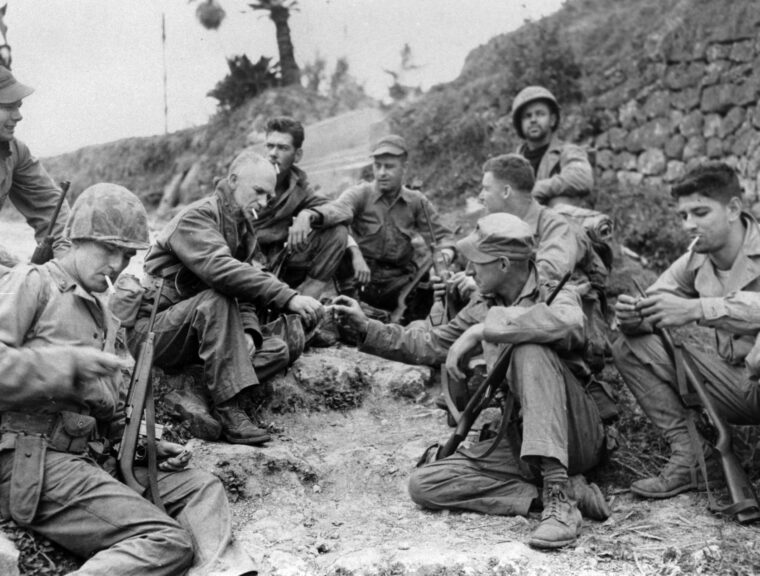
If General Omar N. Bradley was “the GIs’ general,” then their best friend in World War II was undoubtedly a small, stringy reporter with graying red hair from Indiana who shared their foxholes and hardships while slogging across five battlefronts. Read more

Latest Posts
One night in mid-October 1941, a British Army intelligence officer disguised as a Senussi Arab was dropped by parachute behind the German lines in the Italian colony of Libya. Read more
Latest Posts
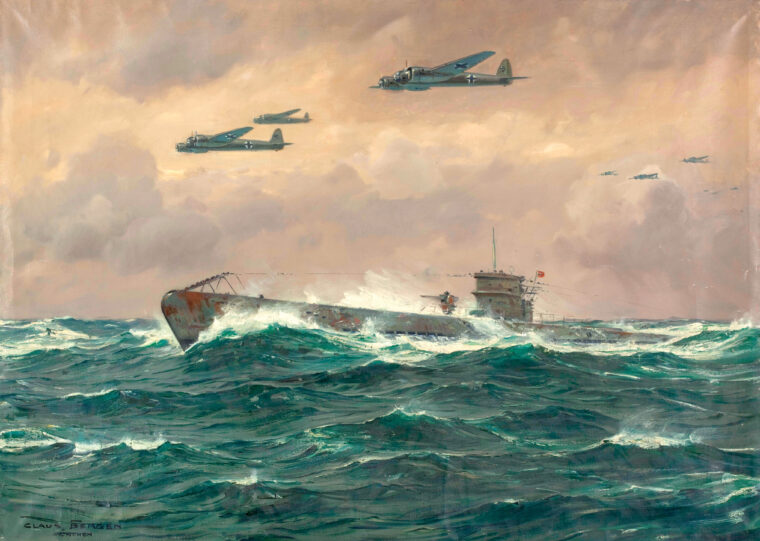
Fregattenkapitän (Commander) Otto Kretschmer sank or damaged more Allied ships than any other U-boat commander during World War II. Read more
Latest Posts
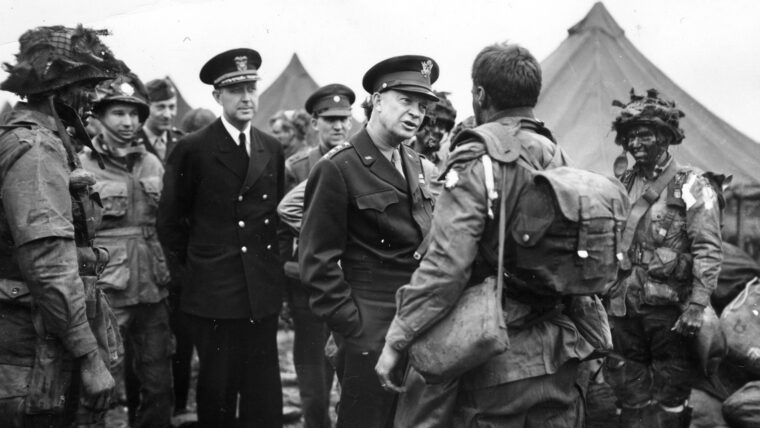
The invasion force was ready. All across the United Kingdom men waited in more than 5,000 ships and hundreds of landing craft. Read more
Latest Posts
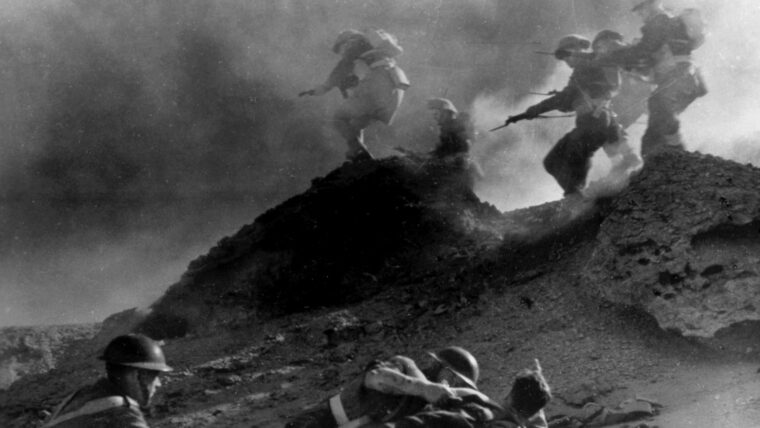
After more than two wearying years of seesaw fighting across the North African desert, the outlook was bleak for the British Eighth Army in the early summer of 1942. Read more
Latest Posts
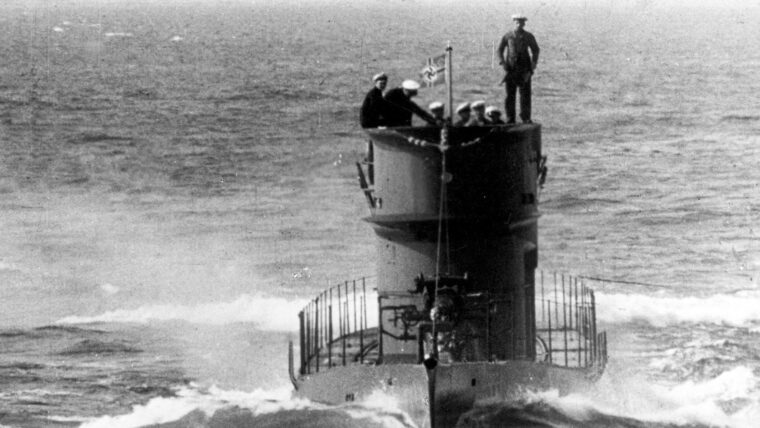
Gunther Prien grew up at sea, joining the merchant service as a cabin boy at 15. In October 1939, with World War II just a month old, the 31-year-old Prien stood in the conning tower of U-47, a German U-boat plying the North Sea toward the United Kingdom. Read more
Latest Posts
On May 15, 1862, a five-ship Union Navy squadron that included the ironclad USS Galena, gunboats Aroostook, Port Royal, Naugatuck, and the famous Monitor neared a bend in the James River known as Drewry’s Bluff, where Confederate Fort Darling commanded the passage. Read more
Book Reviews