Latest Posts
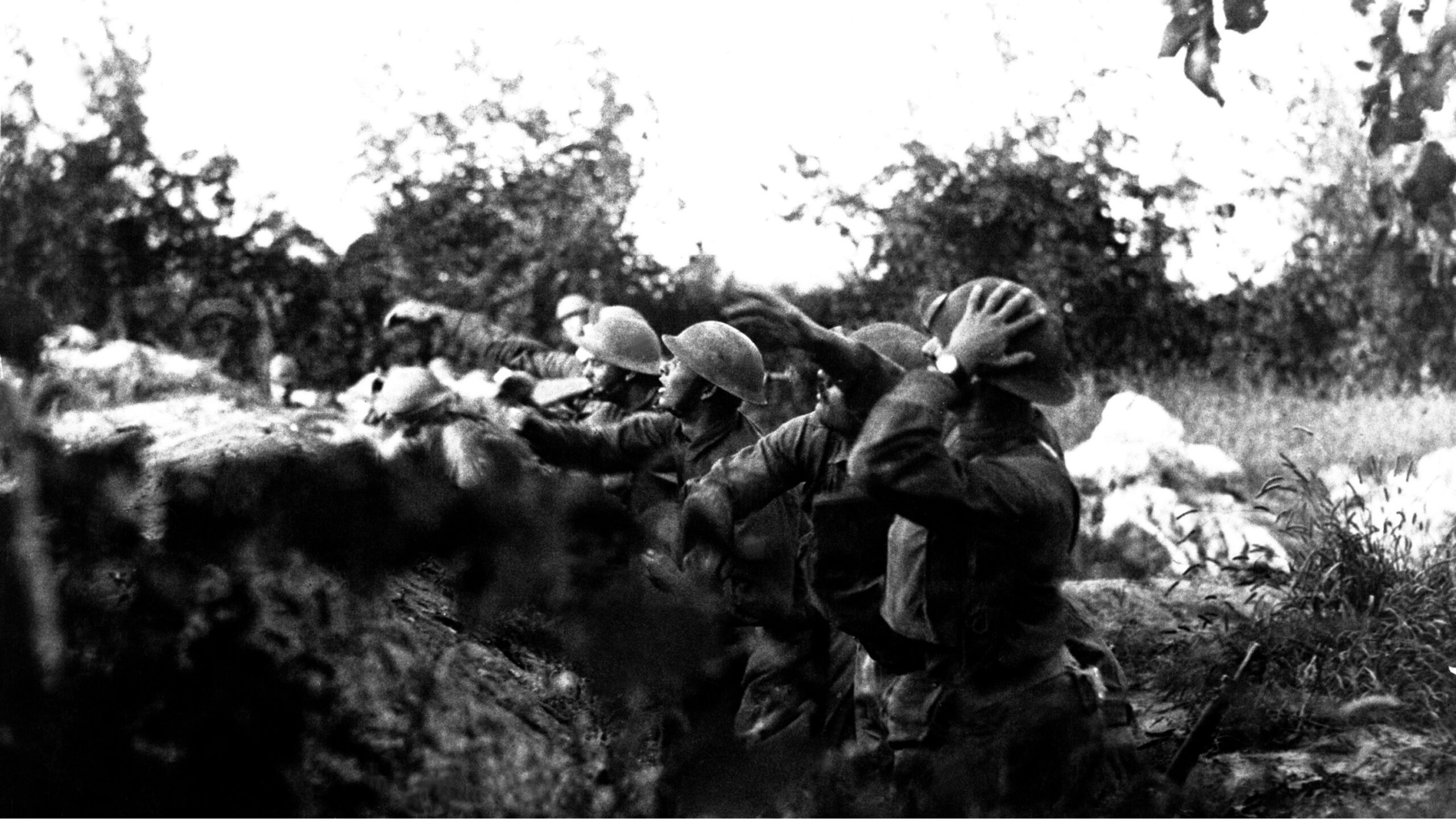
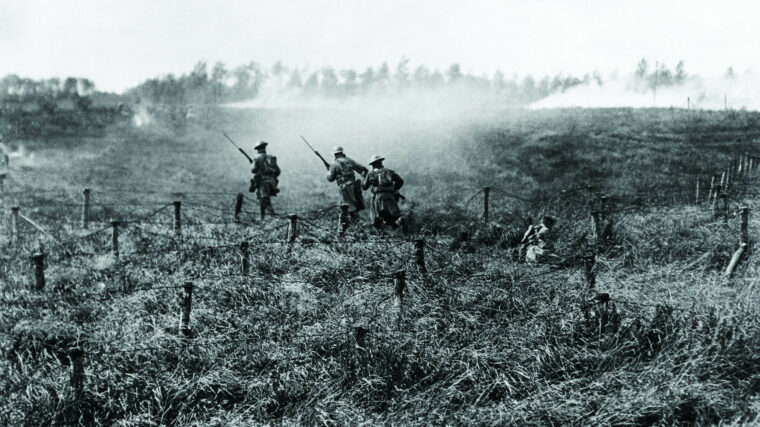
Pershing’s Hammer: The Meuse–Argonne Offensive
By William StroockAt 0100 hours on September 12, 1918, German positions in the St. Mihiel salient on the Western Front were lit up by a massive artillery barrage. Read more
Latest Posts
At 0100 hours on September 12, 1918, German positions in the St. Mihiel salient on the Western Front were lit up by a massive artillery barrage. Read more
Latest Posts
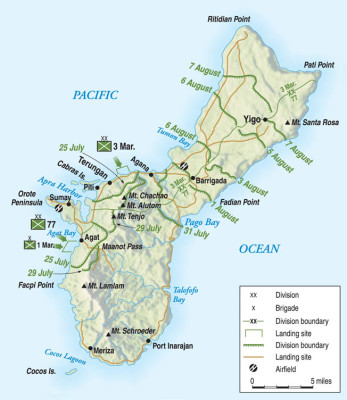
For U.S. forces, the Pacific Theater was orchestrated by two leading commanders: Admiral Chester Nimitz controlled the Pacific Ocean Areas (POA), and General MacArthur was the Supreme Allied Commander of the South West Pacific Area (SWPA). Read more
Latest Posts
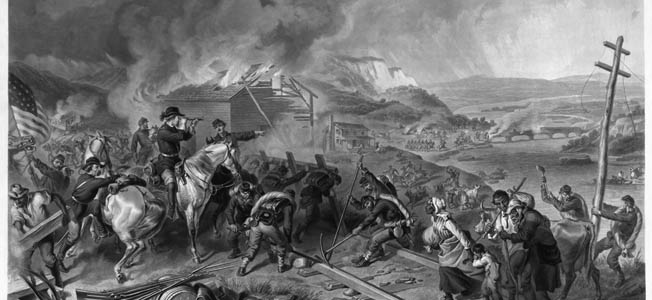
It isn’t how most would characterize William T. Sherman’s famous march across Georgia in 1864, but Thomas Ricks of Stars and Stripes begs to differ. Read more
Latest Posts
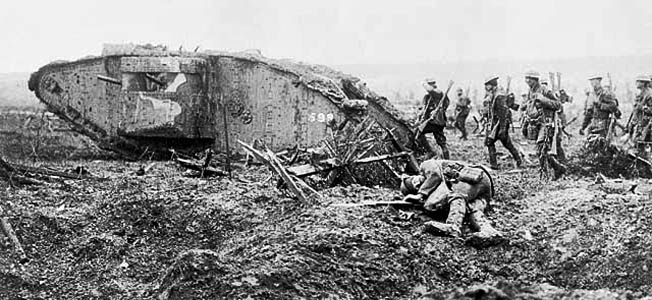
June 28, 2014 will mark a key milestone in military history: it will be the centennial anniversary of the start of World War I. Read more
Latest Posts
By Joe Kirby
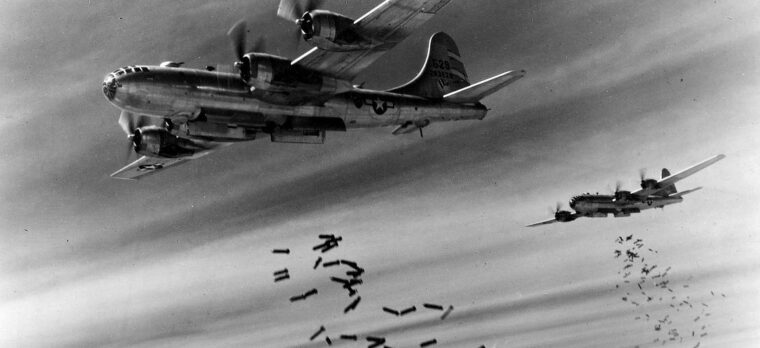
When Maj. Gen. Curtis LeMay, the hard-driving commander of the Twentieth U.S. Air Force based in Guam, decided to change tactics in early 1945 to boost the effectiveness of the B-29 Superfortress, it was the Bell Aircraft plant in Marietta, Georgia, that ultimately provided him with the stripped-down bombers that played such a key role in ending the war in the Pacific. Read more
Latest Posts
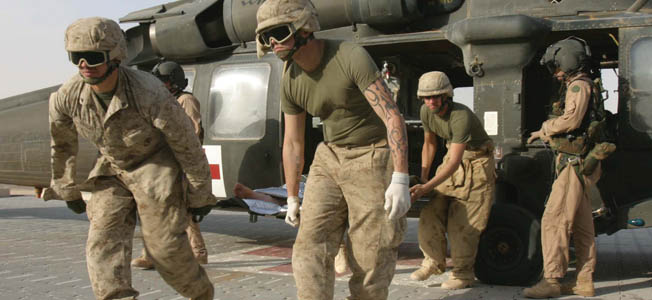
Before the Gulf War, the U.S. Army was medically configured to deal with casualties expected to occur in a large-scale conventional conflict. Read more
Latest Posts
Seen from the Atlantic coast, the task of Northern armies appeared (at least to a skeptic) almost impossible, for the South looked truly boundless, an ocean of fields, valleys, mountains, forests, and rivers. Read more
Latest Posts
Mobile Army Surgical Hospitals, or M*A*S*H units, were popularized by Richard Hooker’s novel series, the 1970 film starring Donald Southerland and of course the long-running television show starring Alan Alda. Read more
Latest Posts
George Pommery Colley was born on November 1, 1835, in Dublin, Ireland. He was the third son of George Pommery Colley of Rathangan, County Kildare, Ireland. Read more
Latest Posts
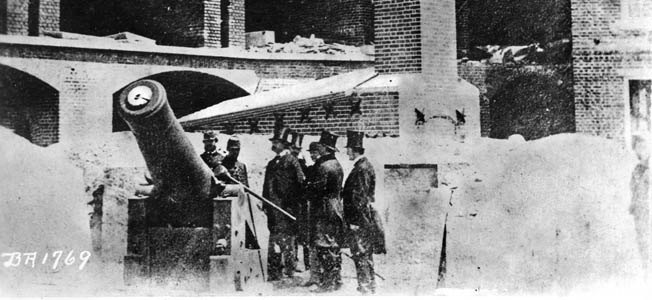
As the epicenter of the Civil War, Fort Sumter naturally attracted much photographic attention. The first photographer to visit the fort after the 1861 bombardment and surrender was F.K. Read more
Latest Posts
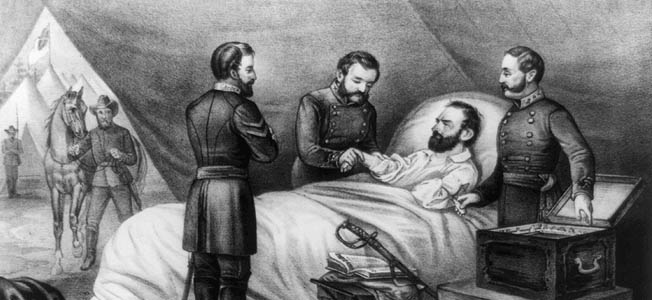
Following his greatest victory, at the Battle of Chancellorsville on May 2, 1863, Confederate Lt. Gen. Thomas J. “Stonewall” Jackson was scouting ahead of the lines with members of his staff when tragedy struck. Read more
Latest Posts
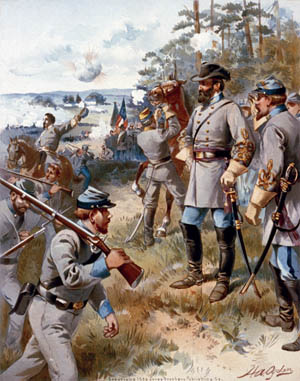
Following his greatest victory at the Battle of Chancellorsville on May 2, 1863, Confederate Lt. Gen. Thomas J. “Stonewall” Jackson was scouting ahead of the lines with members of his staff when tragedy struck. Read more
Latest Posts
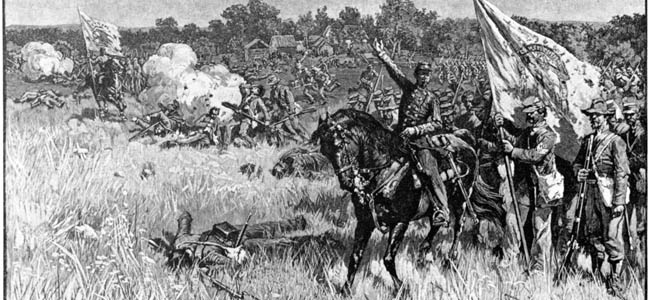
On May 10, 1861 the Confederate Secretary of War, L.P. Walker, assigned “control of the forces of the Confederate States in Virginia” to Maj. Read more
Latest Posts
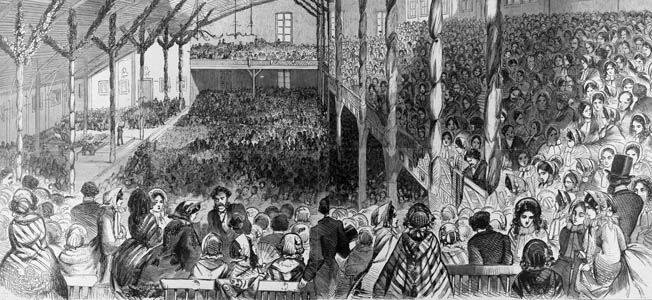
The sudden wreck of the Whig Party in the 1850s led to the development of a new political party to contend with Stephen Douglas and the Democrats. Read more
Latest Posts
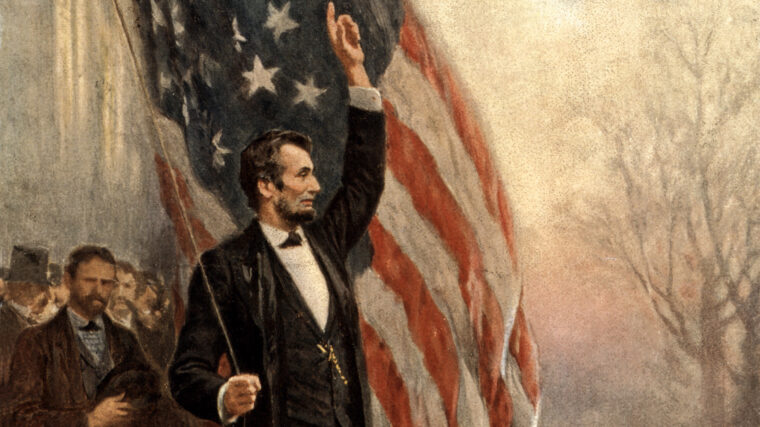
It was unseasonably warm in Charleston when the Democratic National Convention opened for business at noon on April 23, 1860. Read more
Latest Posts
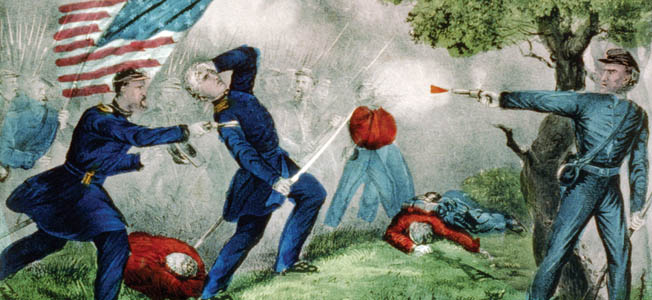
In the wake of the humiliating and unexpected defeat, and fourth in a line that stretched back to Fort Sumter, the Battle of Bull Run, and the Battle of Wilson’s Creek, the Union Congress created a seven-man Joint Committee on the Conduct of the War to oversee and review all battles and the events surrounding them. Read more
Latest Posts
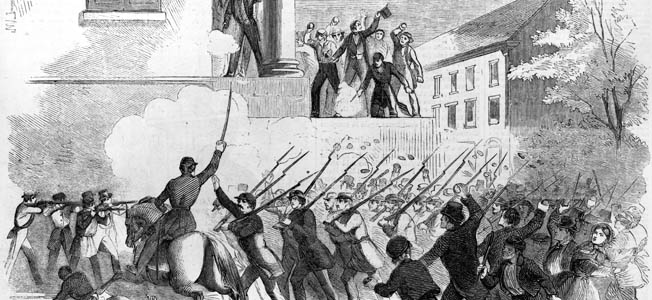
At the beginning of 1861, Missouri was in turmoil. A slave state since its inception in 1820, Missouri had grown increasingly tied to urban industry. Read more
Latest Posts
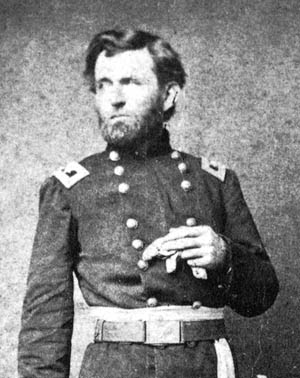
The Confederate attack on Fort Sumter on April 12, 1861, marked the beginning of the American Civil War. Read more
Latest Posts
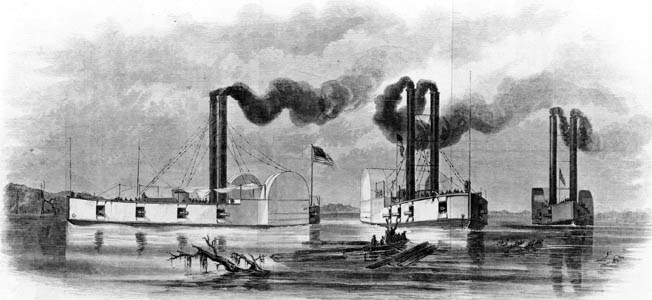
In theory, sealing off Southern seaports was supposed to cause economic ruin in the South, which in turn would diminish the Confederacy’s ability to wage war. Read more

Latest Posts
Jennie Irene Hodgers was born in Ireland in 1843 or 1844 and sailed to New York with her family. Read more