wehrmacht
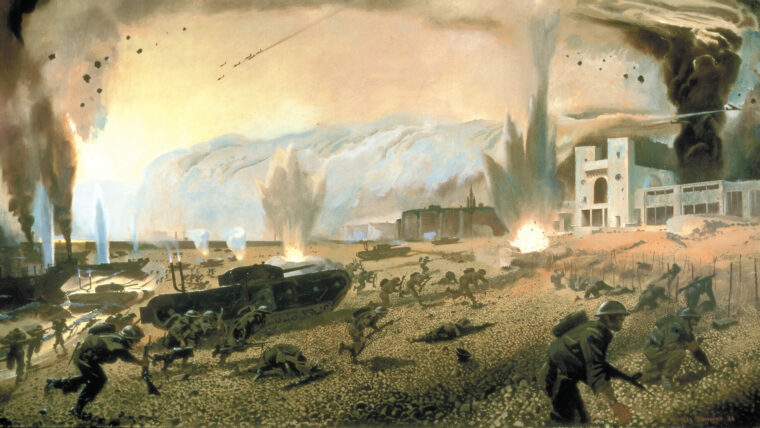
The Dieppe Raid: A Tragic Dress Rehearsal
By Richard RuleBy early 1942, British Prime Minister Winston Churchill was still unable to boast a single victory in the field against Germany. Read more
wehrmacht
By early 1942, British Prime Minister Winston Churchill was still unable to boast a single victory in the field against Germany. Read more
wehrmacht
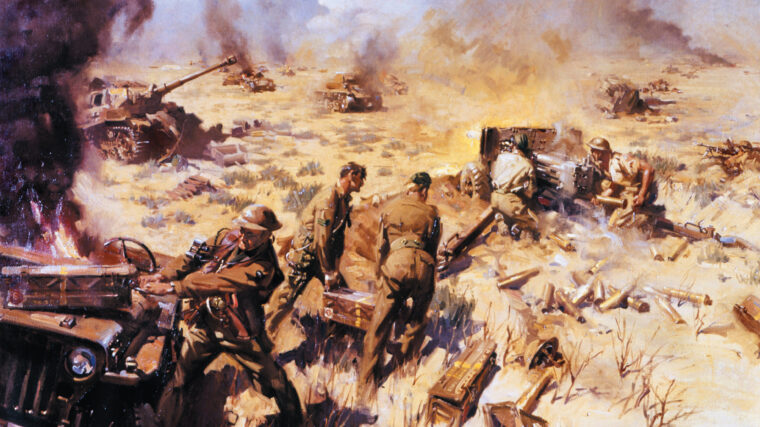
An old cliché admonishes, “Bad things always come in threes.” Whether it was thought of as a law of nature or merely coincidence, a rapid succession of events in North Africa during the summer of 1942 seemed to confirm this widely held notion among the officers and men of the British Eighth Army. Read more
wehrmacht
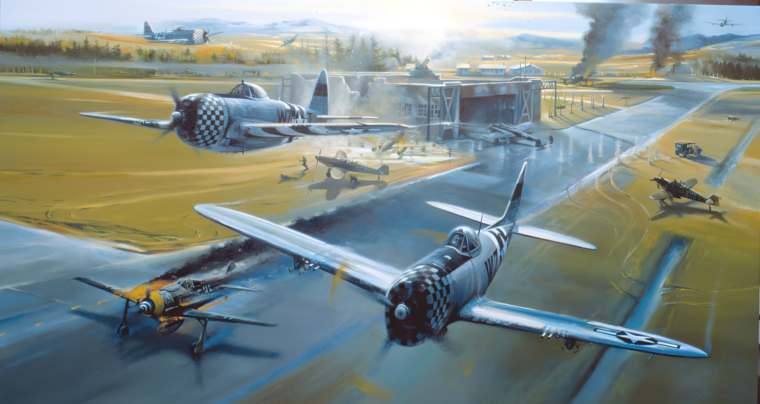
The captured German pilot was cocky and boastful. He had just parachuted into the American airfield, now lit up by the fires of burning Republic P-47 Thunderbolts, a sprinkling of bright torches amid the gray January gloom and the dirty white snow. Read more
wehrmacht
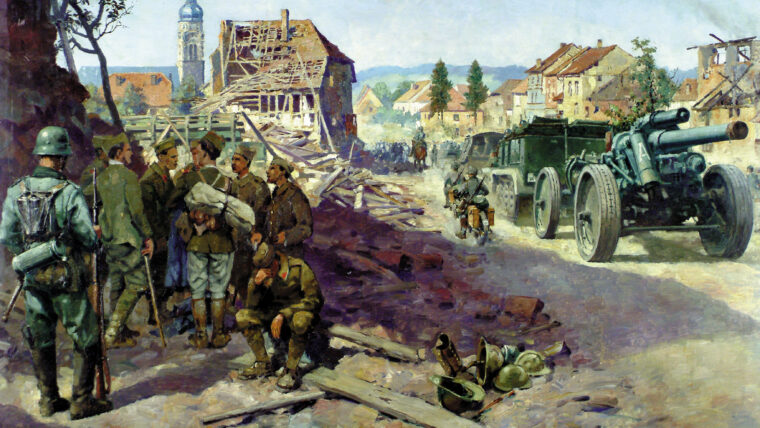
Andrei Andreievich Vlasov, one of Soviet dictator Josef Stalin’s favorite generals, played a key role in saving Moscow from Adolf Hitler’s armies during the winter of 1941-1942. Read more
wehrmacht
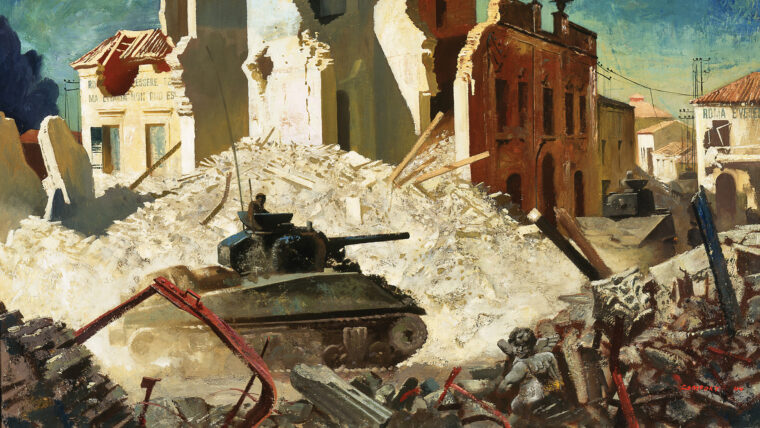
By the autumn of 1943, the Allied armies fighting in Italy had discovered that Winston Churchill’s description of Italy as the “soft underbelly of Europe” had been a falsehood of monumental proportions. Read more
wehrmacht
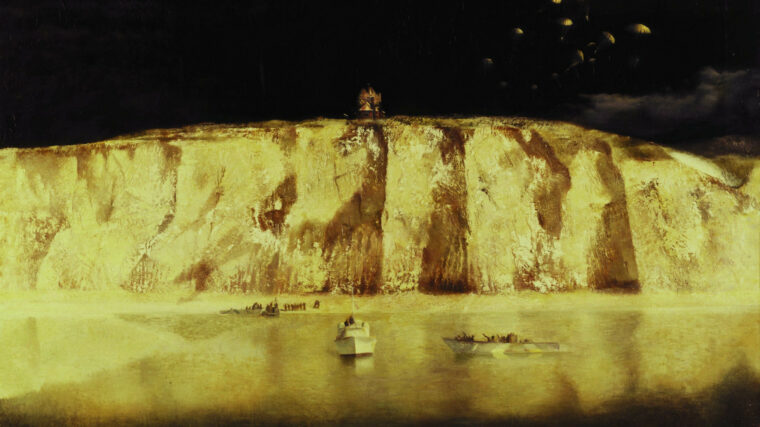
The parachute of aptly named Major J.D. Frost cracked open in the freezing air high above the French Channel coast at 12:45 am, and he commenced drifting down through the moonlit gloom. Read more
wehrmacht
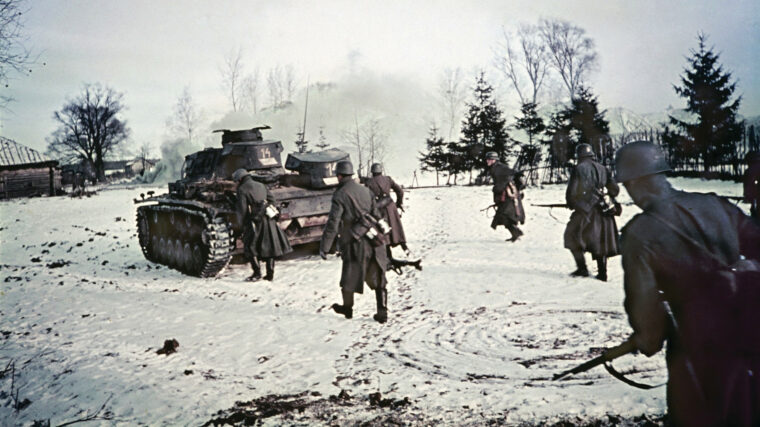
In 1976, the Soviet city of Tula joined an elite group of nine other Soviet communities designated as “Hero Cities.” Read more
wehrmacht
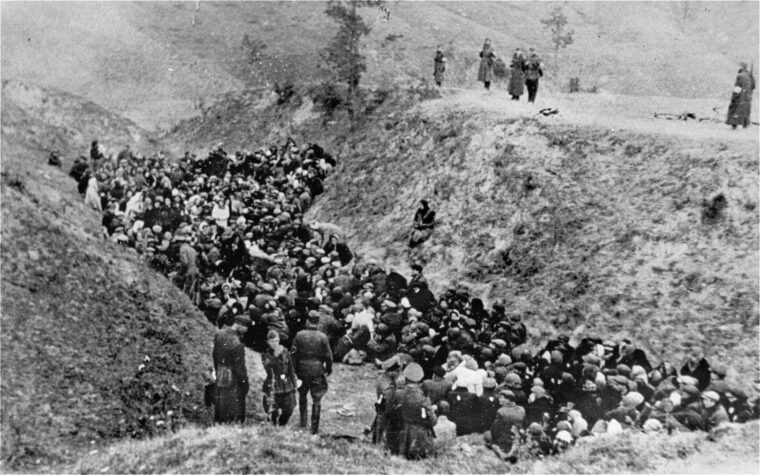
To plead Superior Orders one must show an inexcusable ignorance of their illegality. The sailor who voluntarily ships on a pirate craft may not be heard to answer that he was ignorant of the probability that he would be called upon to help in the robbing and sinking of other vessels … a man who sails under the flag of skull and crossbones cannot say that he never expected to fire a cannon against a merchantman,” wrote Judge John L. Read more
wehrmacht
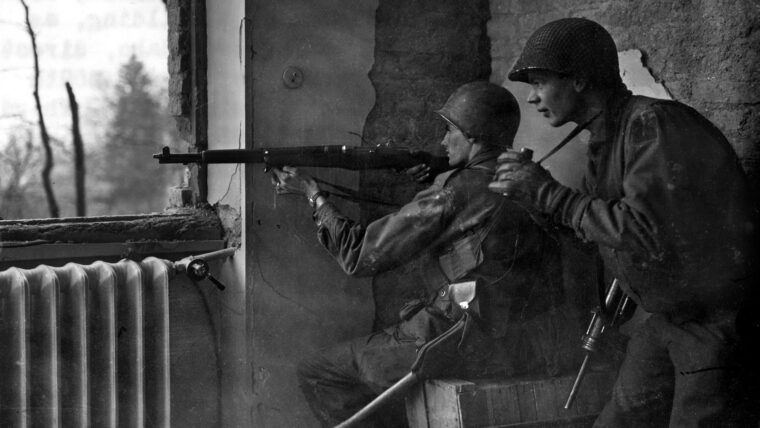
Lieutenant General Omar Bradley, commander of the U.S. First Army, considered his 90th Infantry Division a problem unit. Read more
wehrmacht
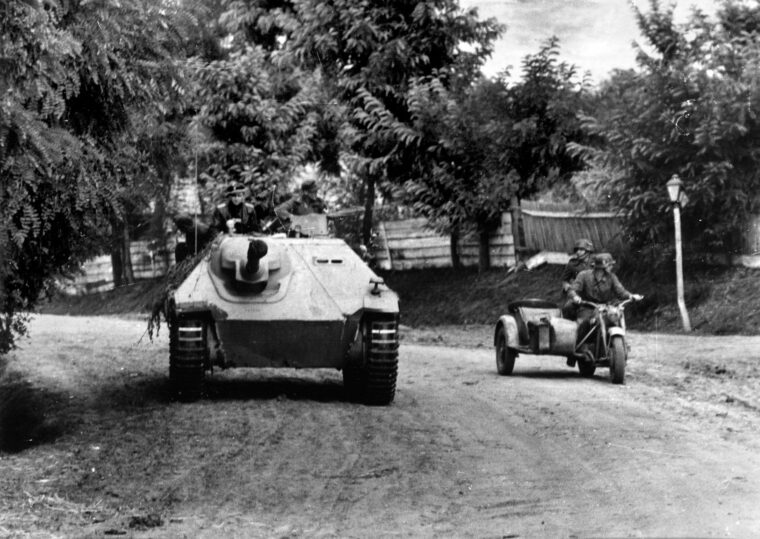
By 1943 it was obvious to the Germans that their tank production could not keep pace with battlefield losses. Read more
wehrmacht
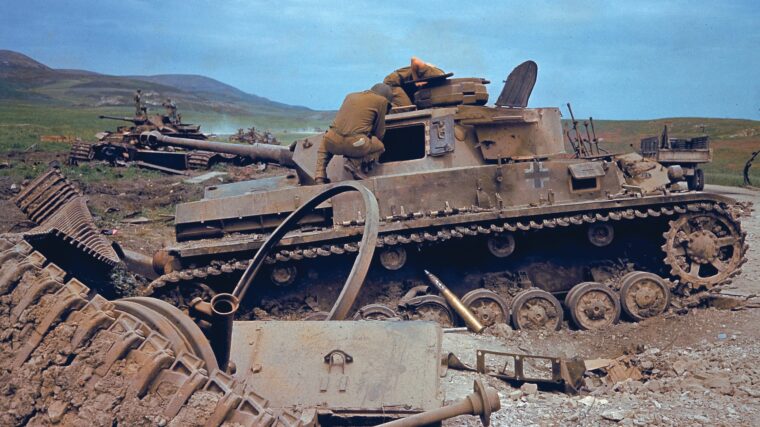
In the early morning hours of March 23, 1943, the U.S. 1st Infantry Division was preparing to attack. Read more
wehrmacht
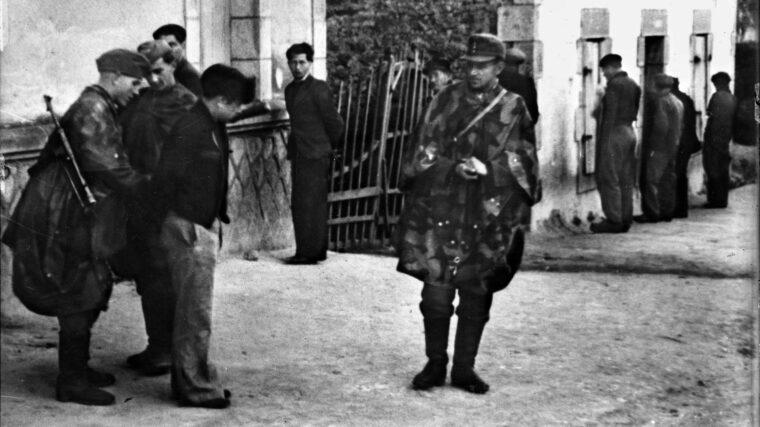
Upon visiting Oradour-sur-Glane, one finds a quiet, rural French village where the populace carries on about its business much like in any commune in France. Read more
wehrmacht
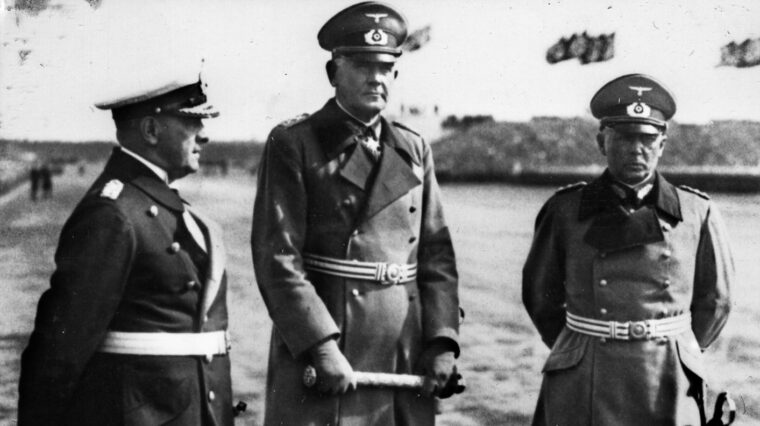
On June 24, 1937, German Minister of War Field Marshal Werner von Blomberg issued a directive marked Top Secret with only four copies to be made, the first for himself and the other three for the heads of the armed forces of the Third Reich. Read more
wehrmacht
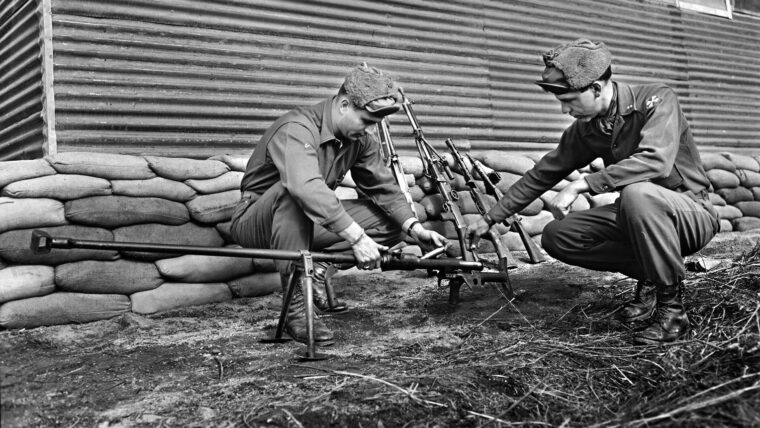
Ever since the tank appeared on the battlefield during World War I, armies the world over have sought to field man-portable infantry antitank weapons to give the infantryman a viable defense against the metal monsters. Read more
wehrmacht
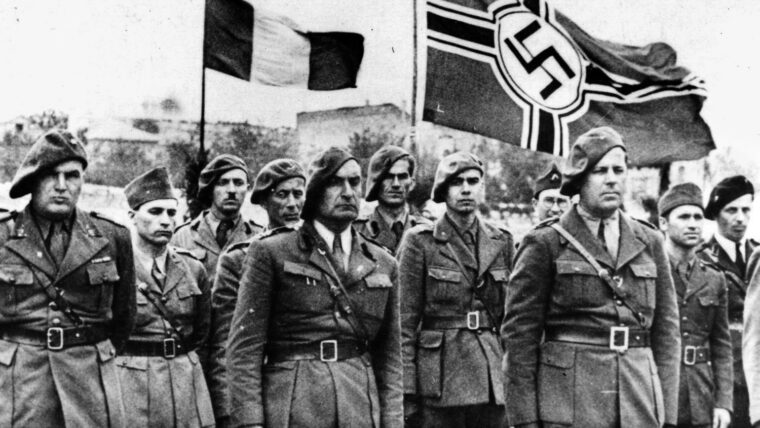
World War II involved some of the most complex alliance systems in the history of warfare. Read more
wehrmacht
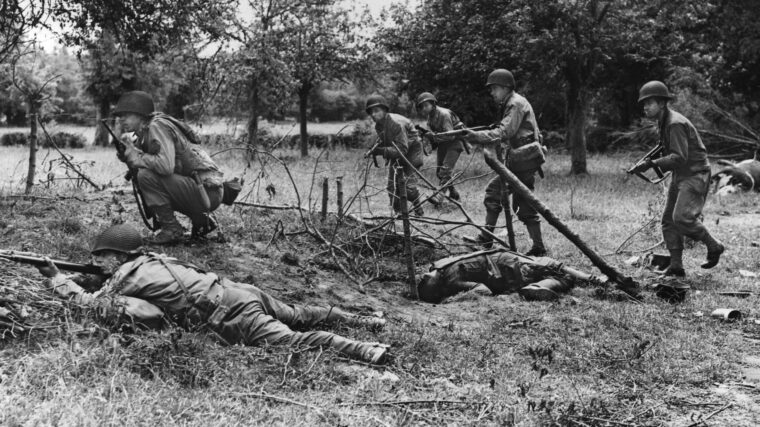
When plans were drawn up for the Allied invasion of France in 1944, one important consideration was securing a deep-water port to allow reinforcements and supplies to be brought in directly from Great Britain and the United States. Read more
wehrmacht
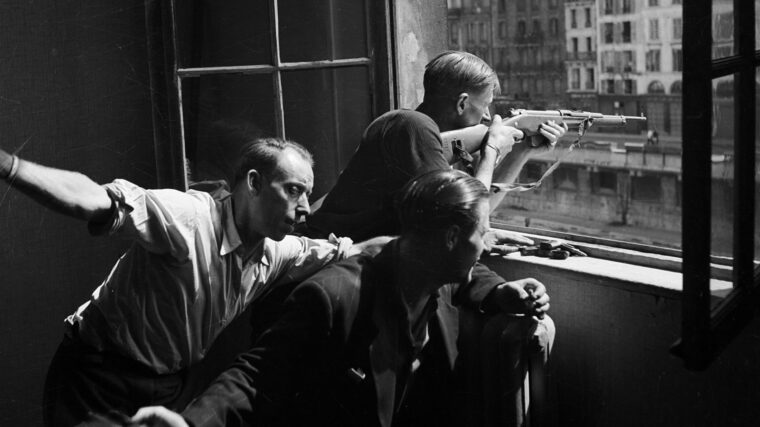
By the late summer of 1944, the Third Reich was almost surrounded. Two years earlier Adolf Hitler had ground 10 European countries under his heel along with vast expanses of North Africa and Soviet Russia. Read more
wehrmacht
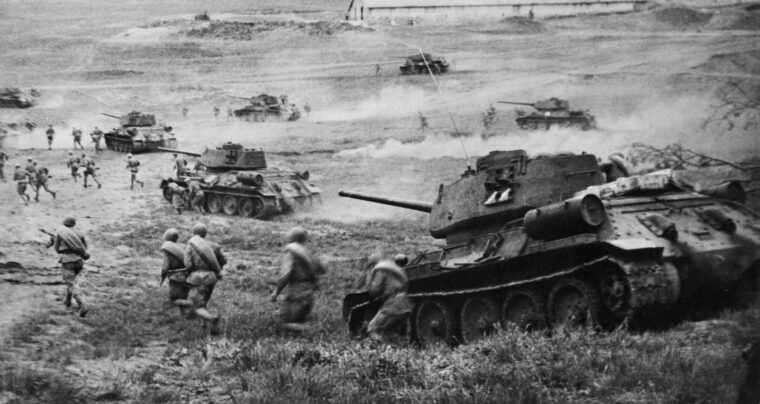
The city of Ternopil, located on the eastern bank of the Seret River, was founded in 1540 as a Polish military stronghold. Read more
wehrmacht
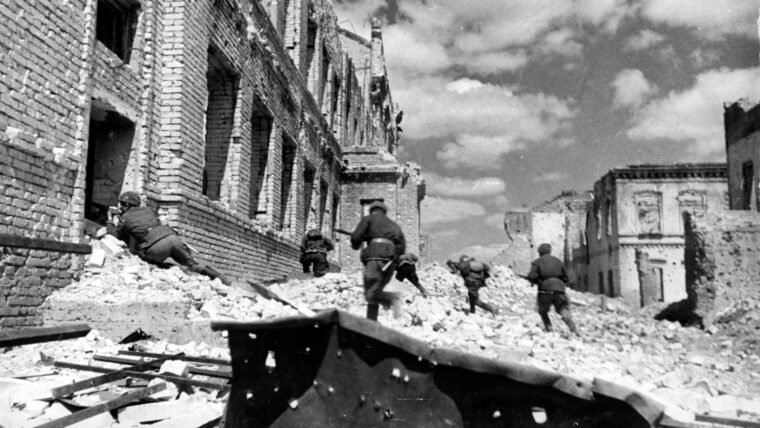
After Adolf Hitler’s audacious invasion of Russia finally ground to a halt in December 1941 on the forested outskirts of Moscow, the exhausted German Army stabilized its winter front in a line running roughly from Leningrad in the north to Rostov in the south. Read more
wehrmacht
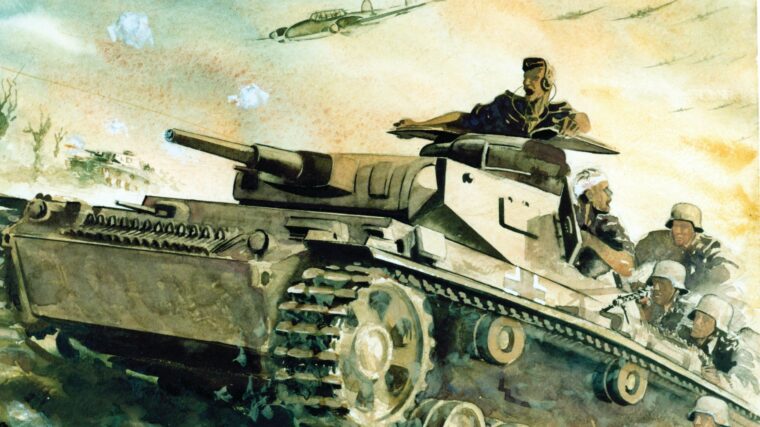
Adolf Hitler was obsessed with Leningrad. When planning his invasion of the Soviet Union, the Führer demanded that the capture of the city, which he regarded as the cradle of Bolshevism, be one of the top priorities of the campaign, giving it precedence over the capture of Moscow. Read more