Pacific Theater
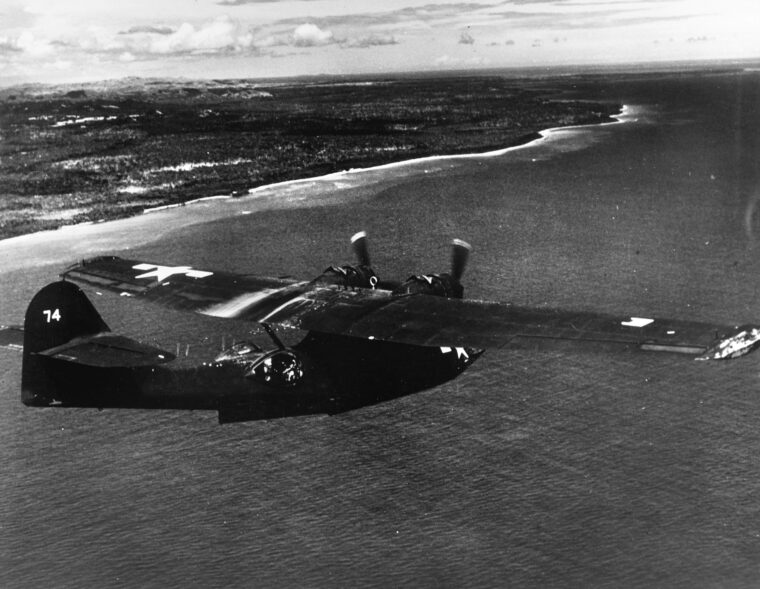
Dumbos, Black Cats, and Coastwatchers during World War II
By William G. DennisEven after the Battle of Midway in June 1942, the Japanese were still in a commanding position in the western Pacific. Read more
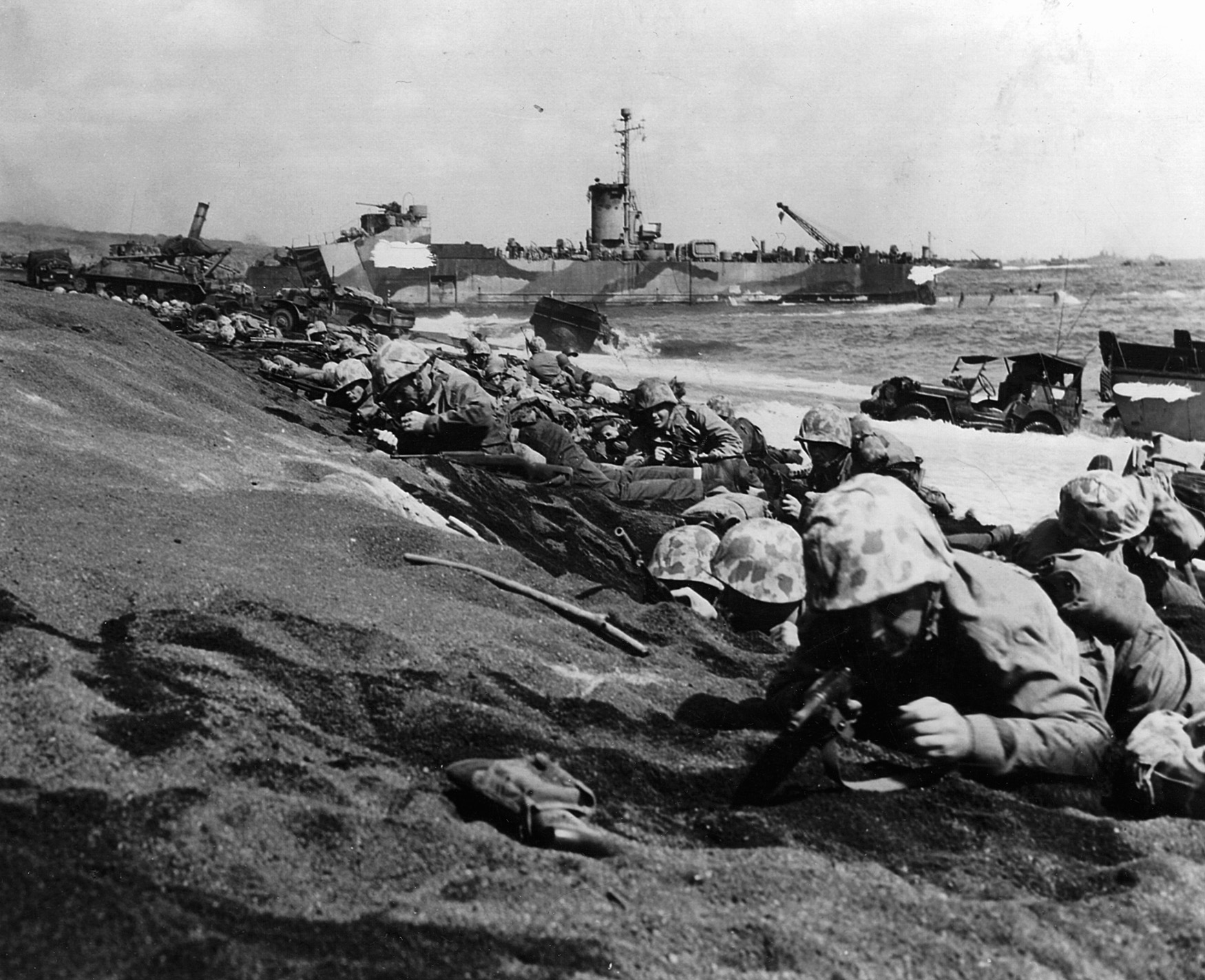
The Pacific Theater during World War II is generally regarded as the area of military confrontation between the Allied powers and Imperial Japan. The Pacific Theater consists of the entire operational expanse of the war from the Aleutian Islands in the north to Australia in the south, including island chains such as the Solomons, Gilberts, Marshalls, and Marianas. The China-Burma-India (CBI) Theater is also considered a major component of the Pacific Theater.
Pacific Theater
Even after the Battle of Midway in June 1942, the Japanese were still in a commanding position in the western Pacific. Read more
Pacific Theater
By Arnold Blumberg
During World War II, after the Royal Navy’s traumatic departure from the Pacific Ocean in early 1942, the 4th Submarine Flotilla and its depot ship, the HMS Adamant, operated with the Eastern Fleet based at Trincomalee––a large, natural harbor located on the coast of Sri Lanka in the heart of the Indian Ocean. Read more
Pacific Theater
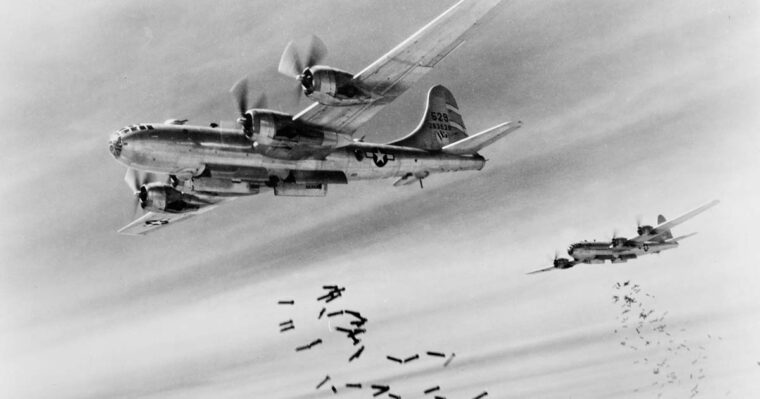
The Boeing B-29 Superfortress was a game changer. First rolling off the assembly line as a production aircraft in July 1943, the Superfortress was the answer to America’s need for a high-level long-range strategic bomber. Read more
Pacific Theater
By April 1944, American and Australian troops were moving westward along the northern edge of New Guinea, reclaiming territory taken by the Japanese in early 1942. Read more
Pacific Theater
“Awe c’mon, Mom,” Cecil Petty told his emotional mother before leaving Homer, Illinois, in February 1941. “Who knows, I might be a hero.” Read more
Pacific Theater
General Douglas MacArthur gripped the rail of the light cruiser USS Phoenix as the warship bombarded shore positions on the Japanese-held island of Los Negros. Read more
Pacific Theater
He led the American drive up the New Guinea coast, took his troops ashore on Leyte and Luzon in the Philippines, and was designated by the Allied supreme commander in the Pacific, General Douglas MacArthur, to lead the planned invasion of Japan itself. Read more
Pacific Theater
Of the many groups that fought in World War II and have been largely forgotten in the history of that great conflict, none are more neglected than the women who served and died doing their duty alongside the men of the United States Army. Read more
Pacific Theater
British naval operations in the Far East in World War II started badly and went downhill from there. Read more
Pacific Theater
Special operations soldiers have existed since armed forces were first organized. Arguably, the hand-picked Greek warriors concealed inside the Trojan horse outside the gates of Troy 3,000 years ago were the first “special ops” troops. Read more
Pacific Theater
An air strike intended to cover the landing of 1st Lt. John McGowan’s team of six Alamo Scouts was late. Read more
Pacific Theater
The year 1942 was one of crisis for the Allied cause in the Pacific. Until May, almost everything had gone in favor of Imperial Japan. Read more
Pacific Theater
On August 7, 1942, American Marines landed unopposed on the island of Guadalcanal in the Solomons chain. The island was the key to future offensive operations in the South Pacific for either side, and the Marines were determined to defeat the Japanese in their first significant ground assault of the Pacific War. Read more
Pacific Theater
Within a week of the Los Baños raid, paratroopers from Burgess’s 1st Battalion moved back into the Los Baños area to occupy the region. Read more
Pacific Theater
Vice Admiral William “Bull” Halsey, commander of the U.S. 3rd Fleet, did not want another protracted campaign like he had experienced while trying to take Munda in New Georgia. Read more
Pacific Theater
For U.S. forces, the Pacific Theater was orchestrated by two leading commanders: Admiral Chester Nimitz controlled the Pacific Ocean Areas (POA), and General MacArthur was the Supreme Allied Commander of the South West Pacific Area (SWPA). Read more
Pacific Theater
By Joe Kirby
When Maj. Gen. Curtis LeMay, the hard-driving commander of the Twentieth U.S. Air Force based in Guam, decided to change tactics in early 1945 to boost the effectiveness of the B-29 Superfortress, it was the Bell Aircraft plant in Marietta, Georgia, that ultimately provided him with the stripped-down bombers that played such a key role in ending the war in the Pacific. Read more
Pacific Theater
Only 340 miles from the home island of Kyushu, the final objective of the American military surge across the Pacific during World War II, short of an invasion of Japan itself, was Okinawa in the Ryukyu archipelago. Read more
Pacific Theater
New Mexico and its capital of Santa Fe bring to mind some beautiful images. Stunning sunsets, unlimited vistas, a plethora of art galleries, the spectacular food enlivened with the local green chile, an ancient Native American culture that still thrives, and a Spanish heritage tradition going back to within 50 years of Columbus’s arrival all make for a unique cultural and physical environment. Read more
Pacific Theater
“You are probably the nearest to war that you’ll ever be without actually being in it,” said Commander Harold M. Read more