Office of Strategic Services (OSS)
Cold War Spies: General Reinhard Gehlen
By Peter KrossBy 1944, many top generals in Adolf Hitler’s army understood the war was lost and that they had better make arrangements to ensure their safety. Read more
Office of Strategic Services (OSS)
By 1944, many top generals in Adolf Hitler’s army understood the war was lost and that they had better make arrangements to ensure their safety. Read more
Office of Strategic Services (OSS)
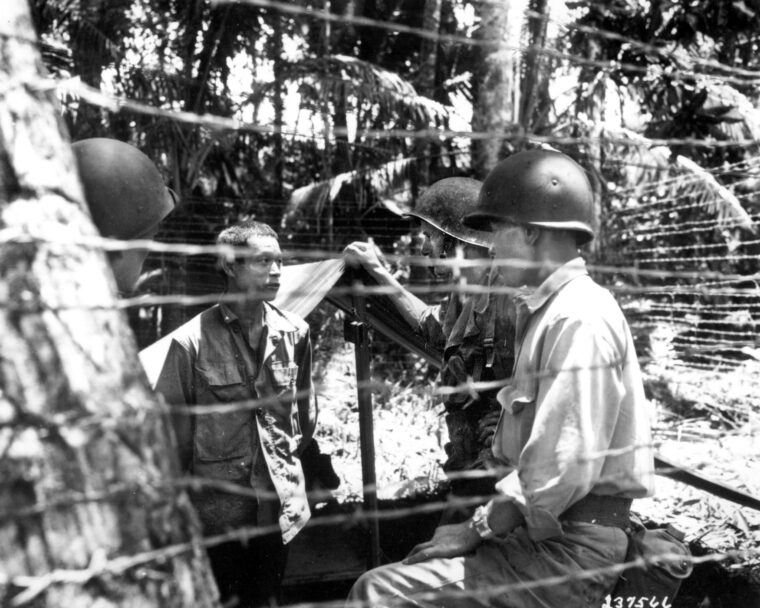
American soldiers of Japanese ancestry made remarkable contributions to the Allied victory during World War II. Read more
Office of Strategic Services (OSS)
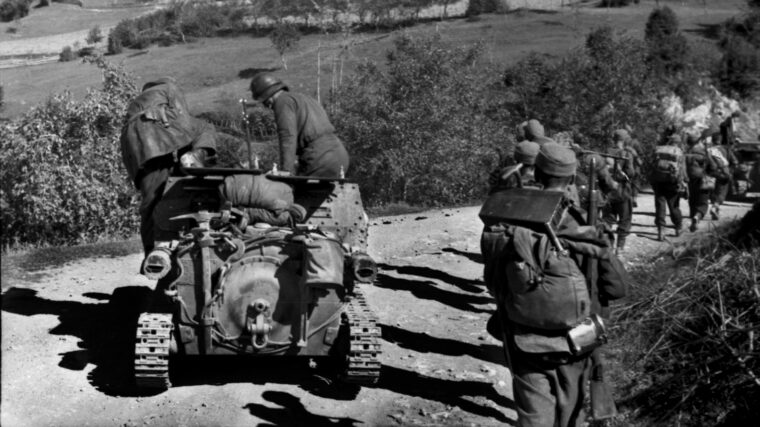
On the morning of April 7, 1939, Albania, the smallest of the Balkan countries, was invaded by Benito Mussolini’s Italian Fascist Army. Read more
Office of Strategic Services (OSS)
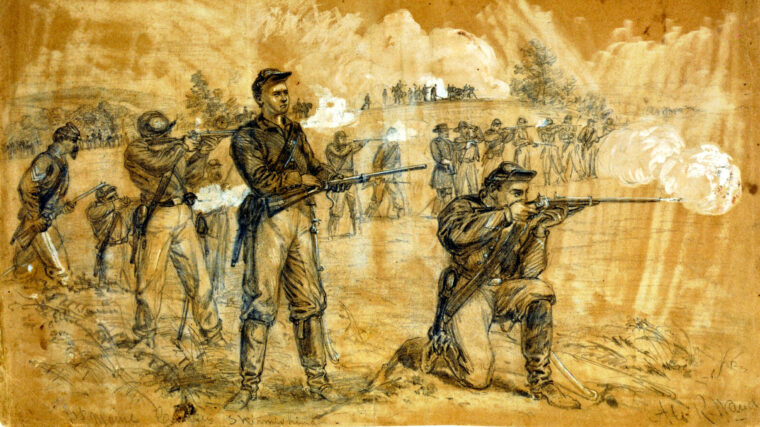
For the Federal government at Washington, D.C., the news from Tennessee was grim in late September 1863. The Union Army of the Cumberland, under Maj. Read more
Office of Strategic Services (OSS)
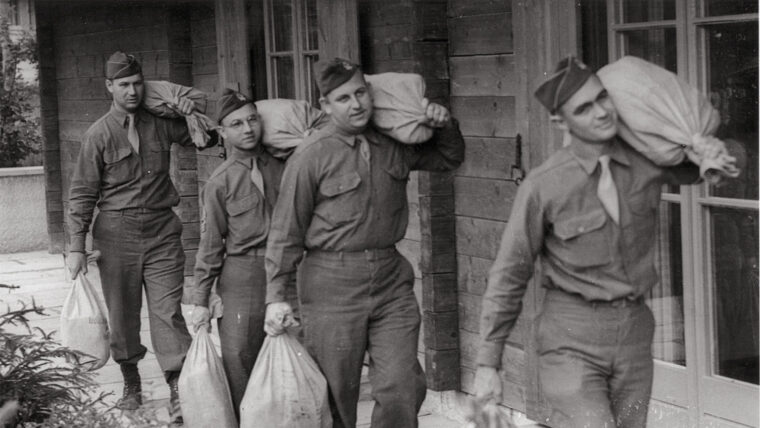
By the spring of 1945, Hitler’s thousand year Reich had come crashing down in flames. The Allied armies that had landed at Normandy almost one year earlier had penetrated deep inside Germany. Read more
Office of Strategic Services (OSS)
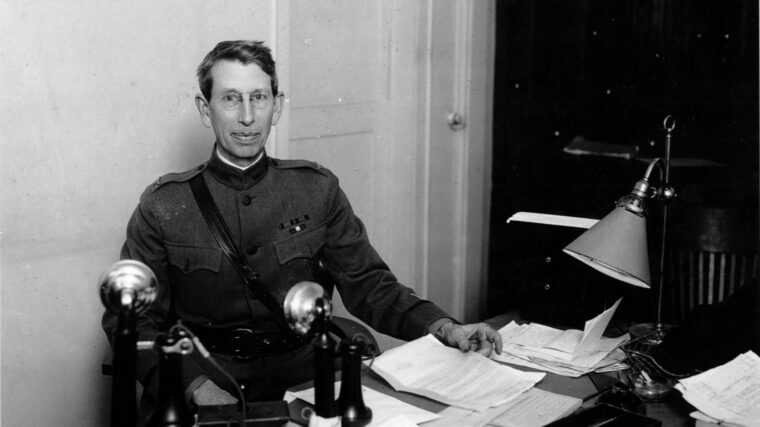
In the long history of American military intelligence, the names that come to mind most often are those of Nathan Hale, Benedict Arnold, Herbert Yardley, and William Donovan. Read more
Office of Strategic Services (OSS)
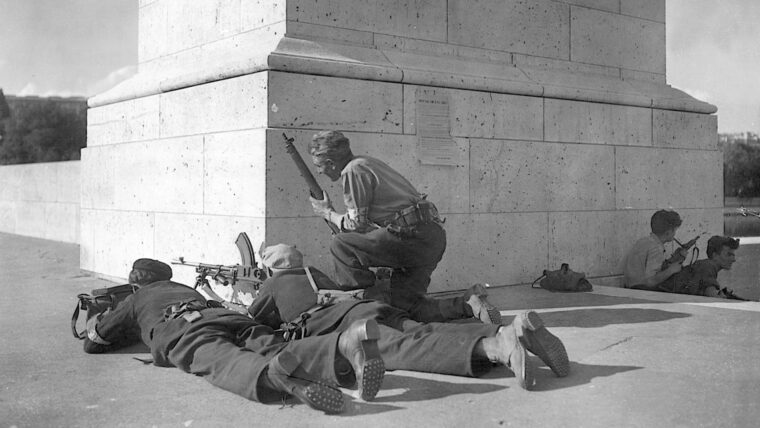
On a moonless night in January 1944, in the Haute Savoie region of southeast France, the drone from the engine of a RAF bomber could be heard in the distance. Read more
Office of Strategic Services (OSS)
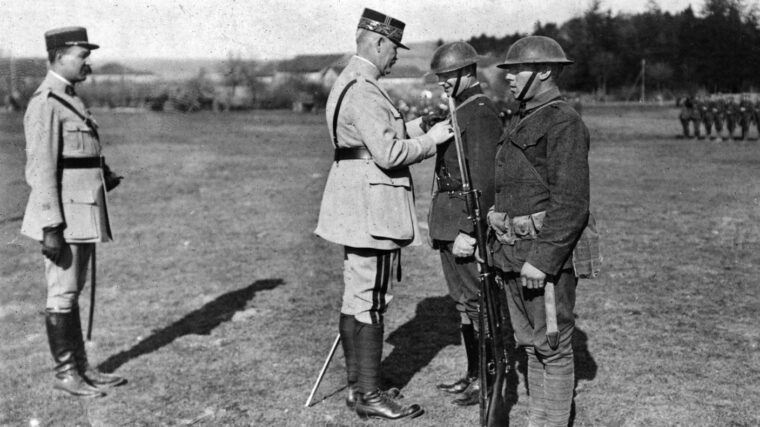
On July 14, 1940, William Donovan stood on the pier fronting New York harbor and waited to board the Pan Am flying boat named the Lisbon Clipper for a flight that would take him to Portugal and then to London, his ultimate destination. Read more
Office of Strategic Services (OSS)
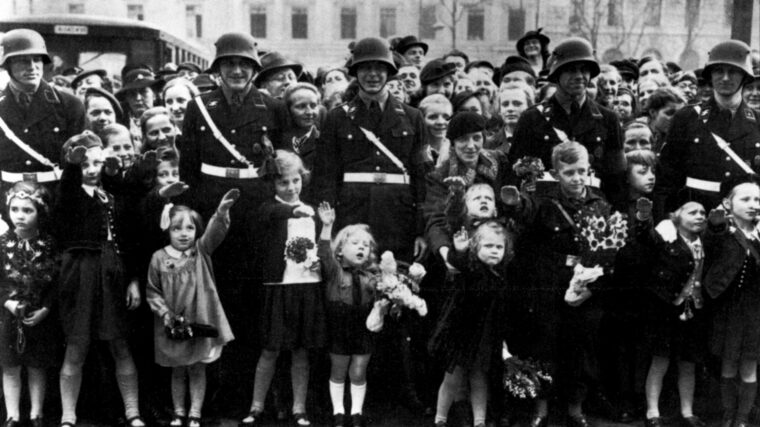
Adolf Hitler loved children. Before the war consumed all his energies he entertained children at his holiday home on the “mountain” all the time. Read more
Office of Strategic Services (OSS)
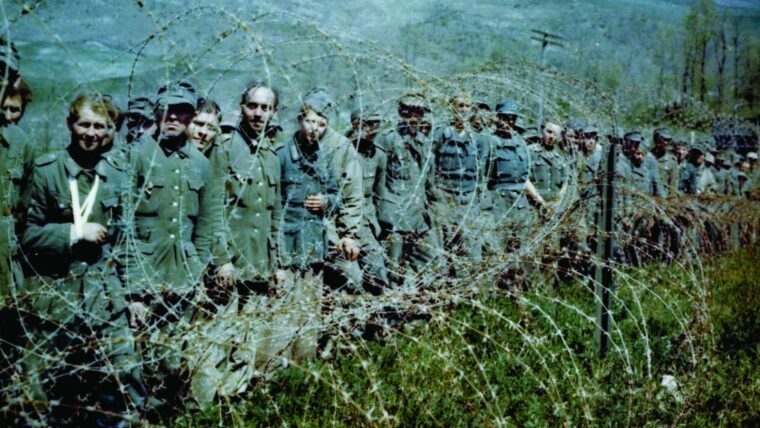
On the morning of Friday, April 13, 1945, three men gathered at a table in L’Espadon of the Ritz Paris over a breakfast of coffee and croissants. Read more
Office of Strategic Services (OSS)
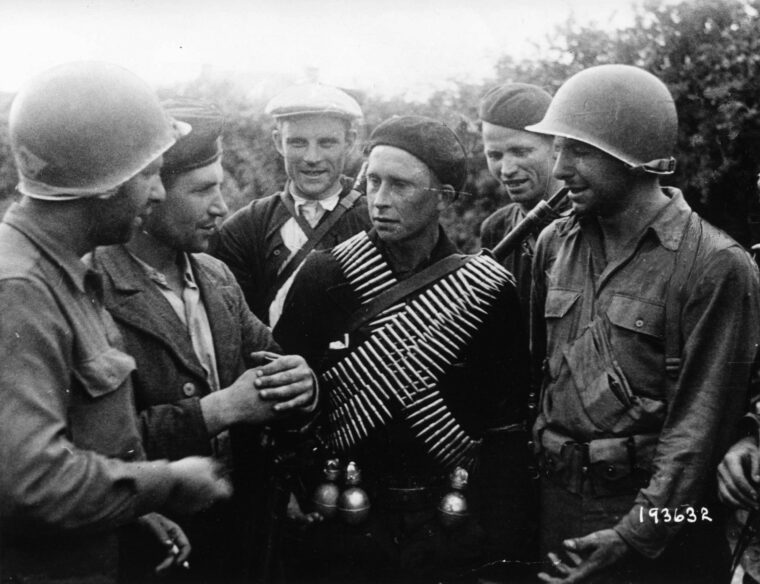
Major General John K. Singlaub was a young airborne lieutenant when he took up an offer from the Office of Strategic Services (OSS) to become engaged in “hazardous duty behind enemy lines.” Read more
Office of Strategic Services (OSS)
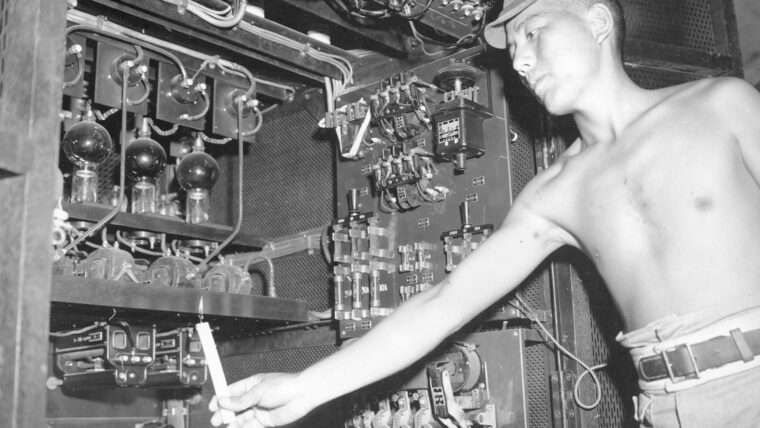
Marine Captain Frank Farrell stood in the open door of the Army Air Corps C-47 waiting for the “green light,” the signal to leap into space, on a mission that could mean life or death for hundreds, perhaps thousands, of people. Read more
Office of Strategic Services (OSS)
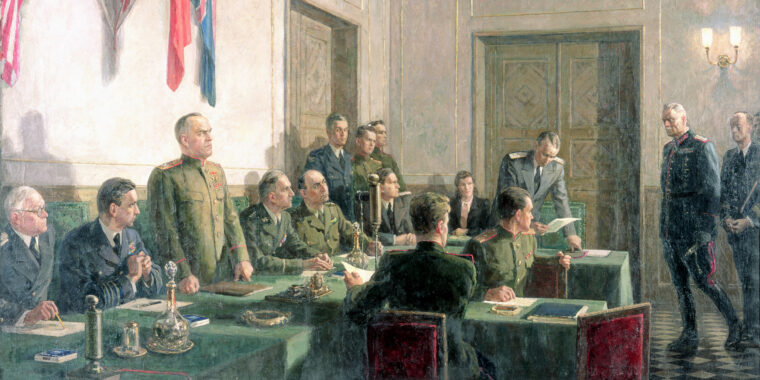
Within his reinforced concrete bunker, 50 feet below the garden of the New Reichs Chancellery on Berlin’s Wilhelmstrasse, German dictator Adolf Hitler, his soon-to-be bride Eva Braun, and several hundred friends, SS guards, and staff members could feel the concussion and hear the unending drumroll of thousands of Soviet artillery shells reducing the already-battered capital city of the Third Reich to unrecognizable rubble. Read more
Office of Strategic Services (OSS)
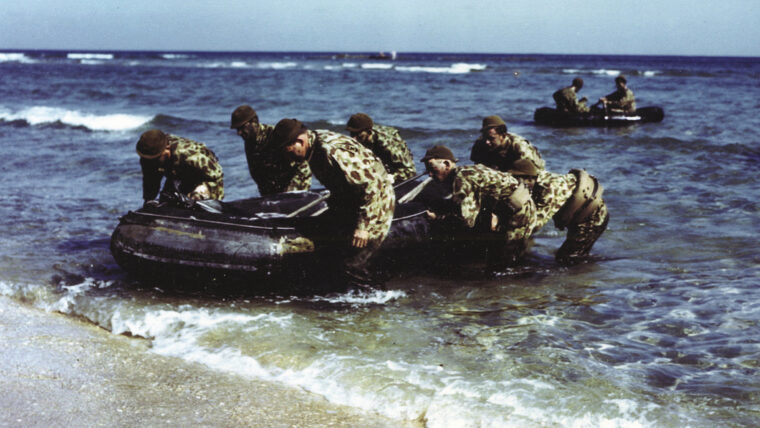
The three rubber dinghies struggled through the rough surf in the pitch black night toward an inhospitable stretch of rocky beach. Read more
Office of Strategic Services (OSS)
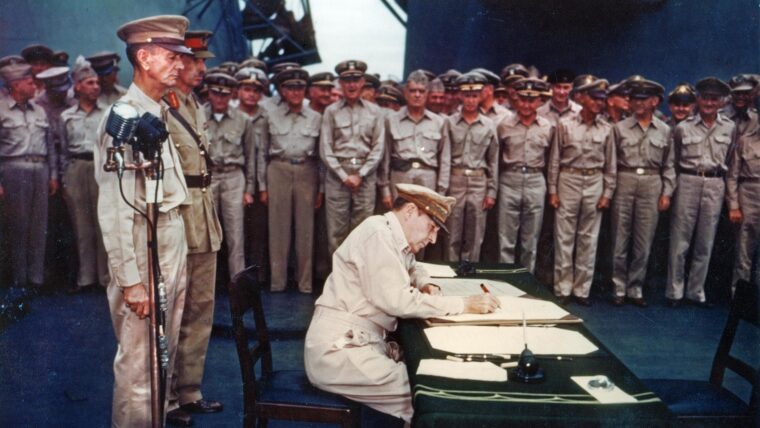
On May 6, 1942, in the Malinta Tunnel, Corregidor Island, General Jonathan Wainwright waited for the Japanese to respond to his surrender offer with a cease-fire. Read more

Office of Strategic Services (OSS)
Adolf Hitler believed in Vorsehung (providence). The German leader felt that if anything was going to happen to him, such as assassination, there was nothing he could do about it. Read more

Office of Strategic Services (OSS)
The Office of Strategic Services (OSS) was America’s first strategic intelligence organization. President Franklin D. Roosevelt authorized its establishment on June 13, 1942, six months after World War II began, to collect and analyze strategic intelligence and to conduct special services, including subversion, sabotage, and psychological warfare. Read more
Office of Strategic Services (OSS)
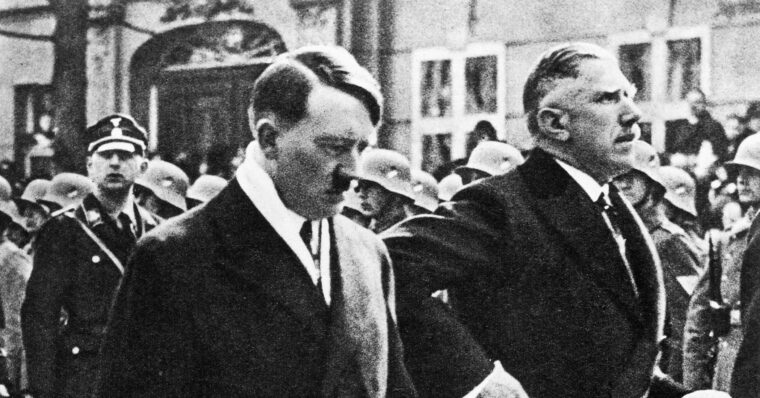
On May 31, 1932, Franz von Papen achieved the pinnacle of a long career serving his country when, in a surprising move, the aging President Paul von Hindenburg named him Chancellor of Germany. Read more
Office of Strategic Services (OSS)
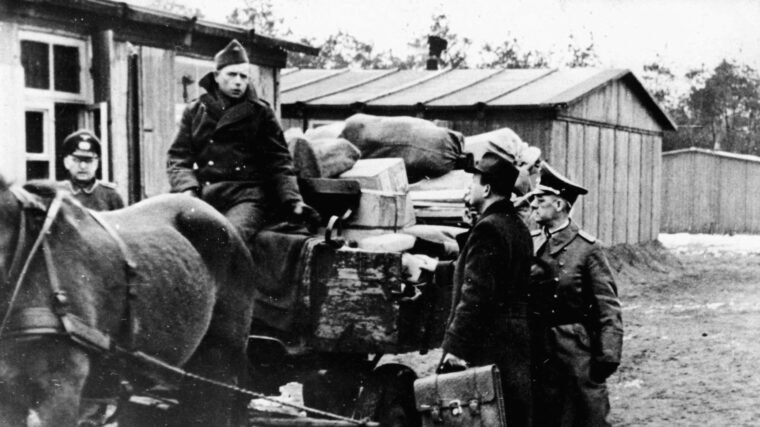
By 1945, the war in Europe was nearing its conclusion. Having suffered a severe defeat at the hands of the Allies in the Battle of the Bulge, Adolf Hitler’s seemingly indestructible Third Reich was quickly crumbling under the Allied juggernaut. Read more
Office of Strategic Services (OSS)
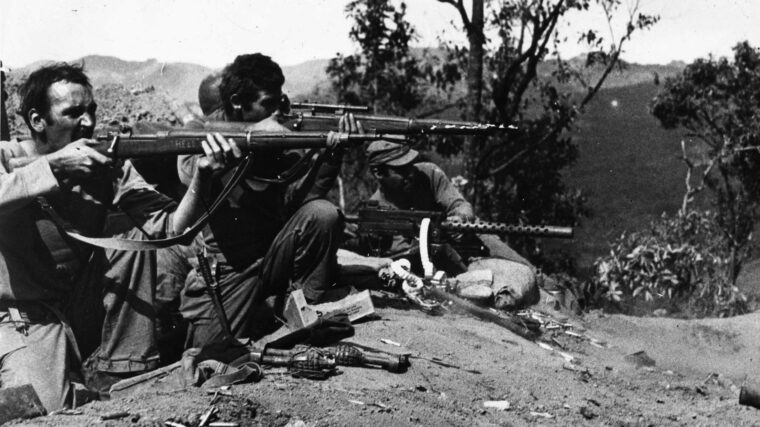
A small group of Americans, operating behind the Japanese lines in Burma from 1942 until mid-1945, played a major role in neutralizing a large enemy force. Read more