North Africa
WWII Letters: Corporal James. G. Delaney
By Maura B. DelaneyLetters were a valuable commodity to the World War II soldier. They were the link to home and to all things familiar in a most unfamiliar place and time. Read more
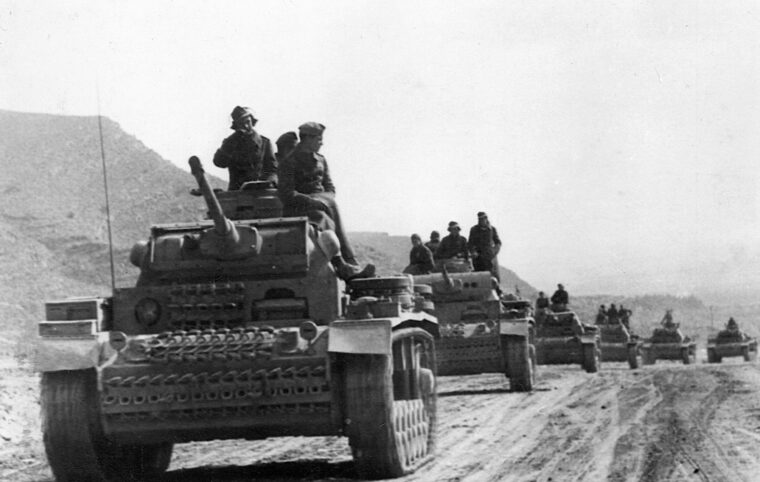
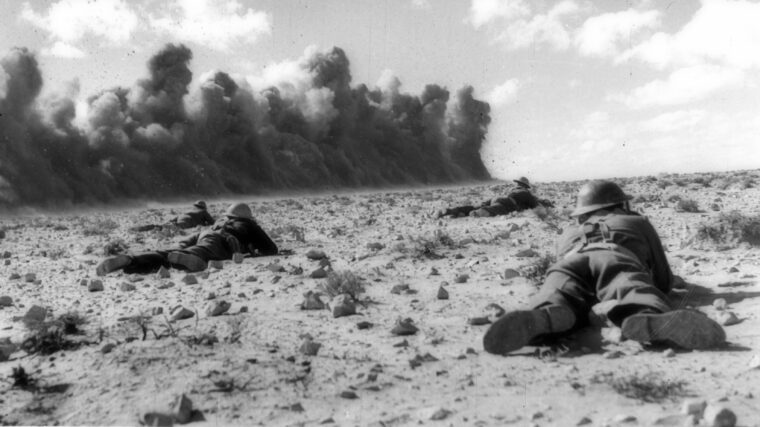
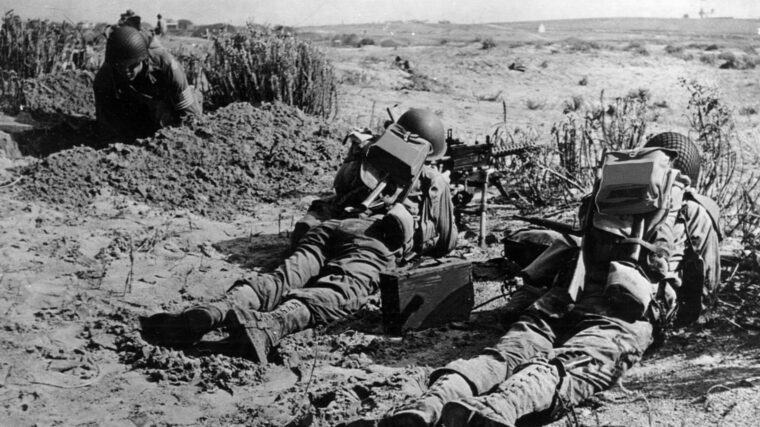
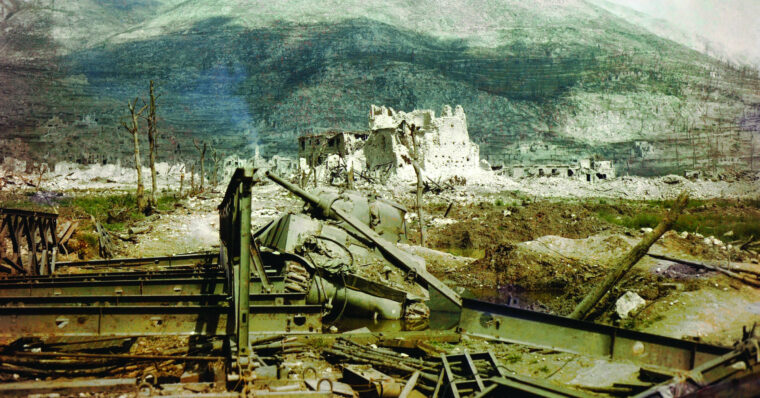
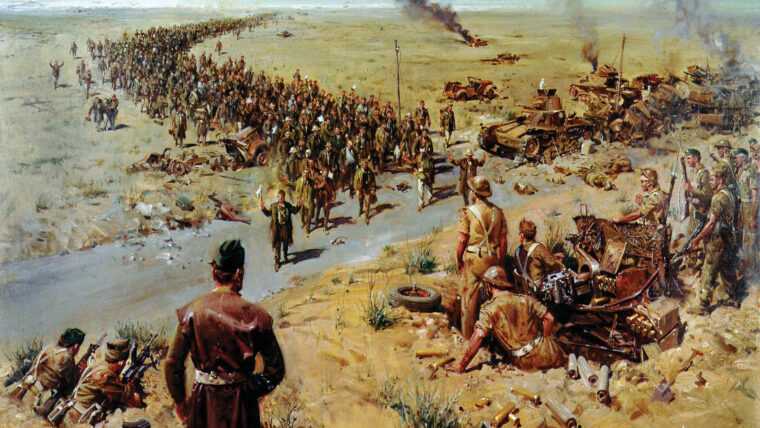
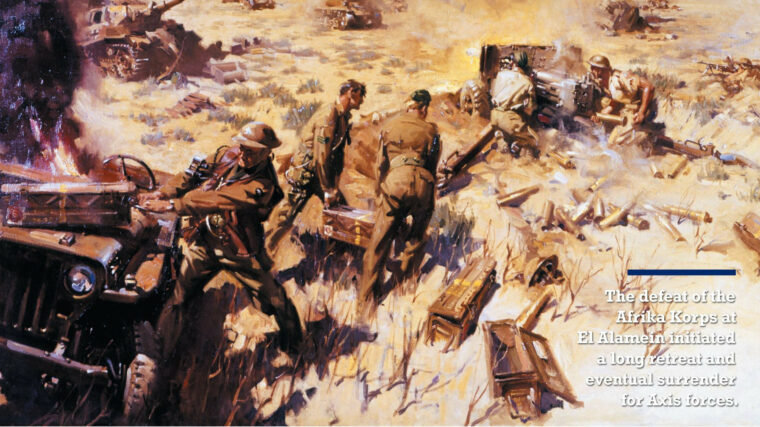
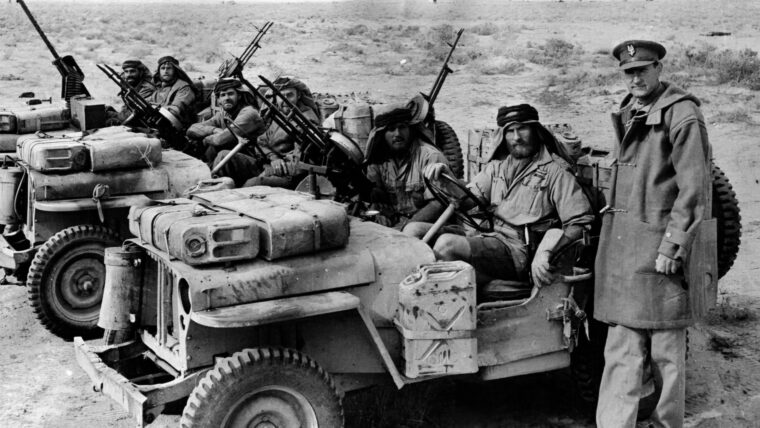
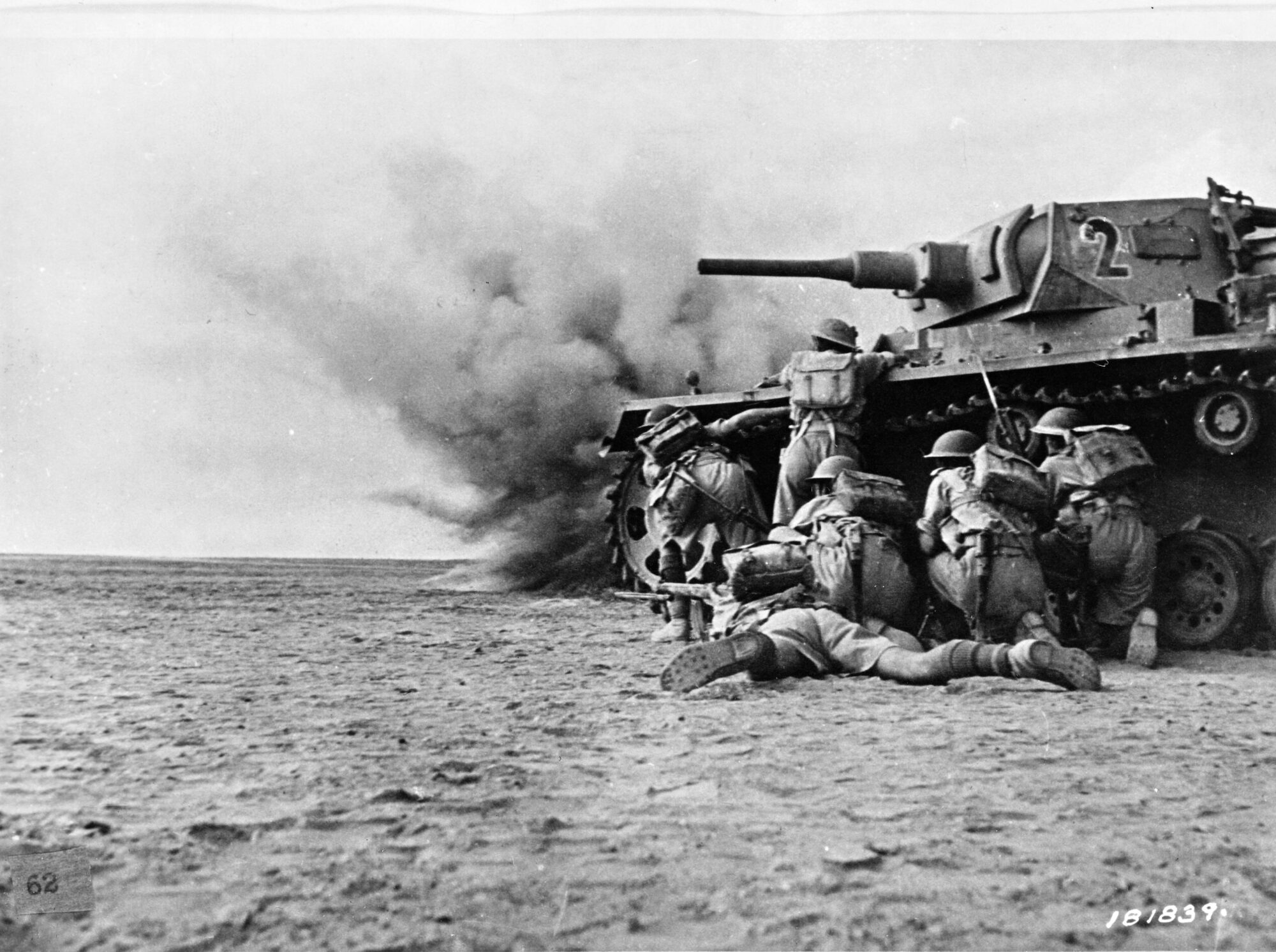
The North Africa campaign during World War II included major operations from early 1940 through the spring of 1943 as Allied forces fought Axis armies of Fascist Italy and Nazi Germany. For the Allies, victory in North Africa was critical for control of the Mediterranean Sea and future offensive operations in Italy. Axis forces hoped to dominate the Mediterranean and seize British-held Egypt, the Suez Canal, and potentially the oil fields of the Middle East. The Allies were victorious in North Africa campaign, and the defeat of Axis forces at the Battle of El Alamein was a turning point during World War II.
North Africa
Letters were a valuable commodity to the World War II soldier. They were the link to home and to all things familiar in a most unfamiliar place and time. Read more
North Africa
By December 1943, the phrase “sunny Italy” had evolved from being a travel agent’s selling point to becoming an ugly joke for the British and American troops of the Allied Fifth Army, advancing north from Naples to Rome. Read more
North Africa
Although it suffered, like all combatants, from the costly stalemate and horrendous casualties of trench warfare during World War I, Italy never used tanks during that conflict. Read more
North Africa
Tobruk, the vital Libyan seaport on the coast of Cyrenaica, fell to General Erwin Rommel and his victorious Afrika Korps in less than 24 hours after an unexpected and devastating air, armor, and infantry attack on June 21, 1942. Read more
North Africa
The night of December 14, 1941, was bitterly cold in the North African desert. Midway between El Agheila and Tripoli, Libya, was the German and Italian air base outside the town of Tamet. Read more
North Africa
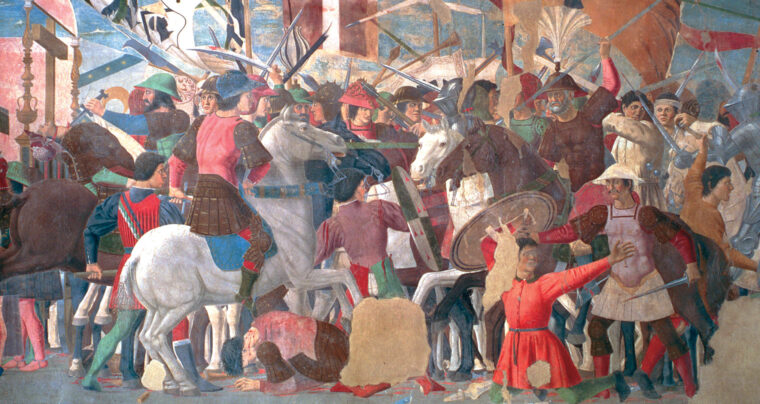
By the spring of 415 bc, a peace treaty between the warring city-states of Athens and Sparta had held firm for six years. Read more
North Africa
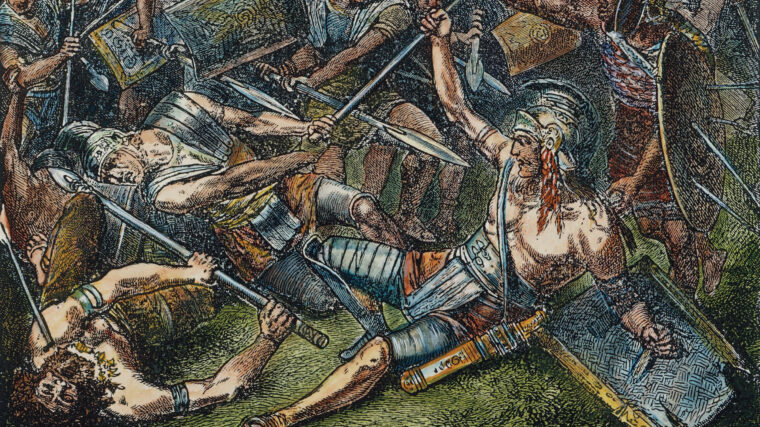
In the spring of 73 bc, Thracian gladiator Spartacus decided that the time was right to attempt an escape. Read more
North Africa
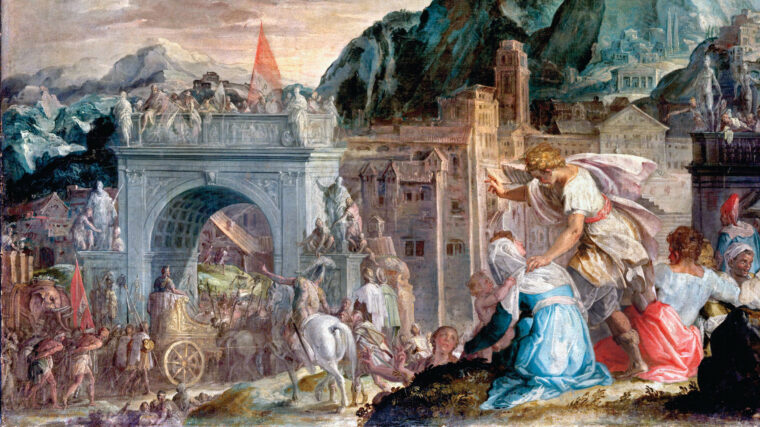
Jugurtha, king of the desert nation of Numidia, was a long-time antagonist of Republican Rome. Over more than a decade of war, he was a bold and cunning battlefield commander who used swiftness and determination to make fools of Roman consuls, even as the Romans were systematically conquering his country. Read more
North Africa
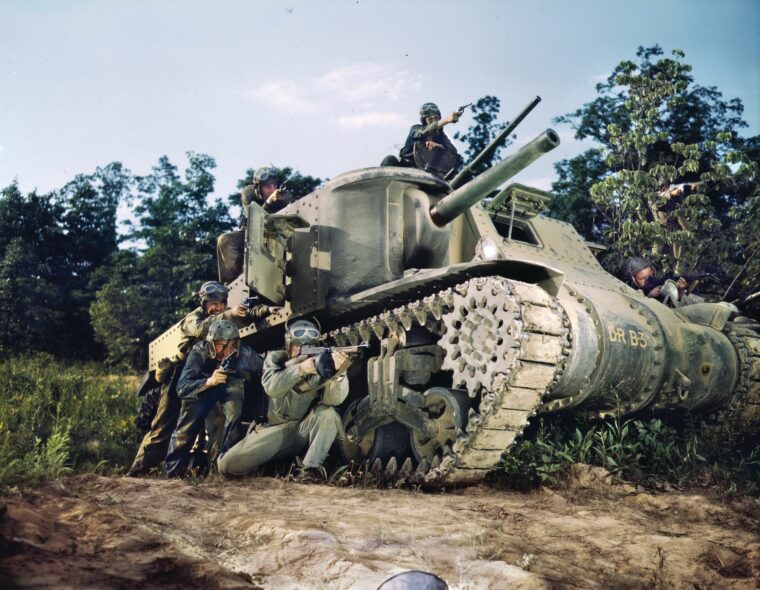
The United States had not yet entered World War II when Time magazine noted that the Army had created two new armored divisions. Read more
North Africa
The famous retreat of the “Desert Fox” Erwin Rommel across North Africa following his defeat at the Second Battle of El Alamein in 1942 was less a retreat than a series of stubborn battles to hold ground. Read more
North Africa
Ignoring the swirling sands stirred up by the fierce winds of the Sahara Desert in the early morning hours of February 14, 1943, Generalleutnant Heinz Ziegler ordered his panzer columns forward to attack the American forces deployed in central Tunisia. Read more
North Africa
On the morning of Friday, February 18, 1944, fresh groups of German panzergrenadiers backed by tanks swept south from their defensive positions at Anzio and overran American forward positions at Aprilia, eight miles north of the landing beaches. Read more
North Africa
The name Field Marshal Erwin Rommel—associated with tank warfare in Europe and North Africa during World War II—might conjure up mental images of the famous “Desert Fox” riding in a panzer, reviewing maps, or commanding battles. Read more
North Africa
Coming after a series of bitter defeats from France to Norway to Crete, news of the Japanese attack on Pearl Harbor and America’s entry into World War II was one of the early high points of Prime Minister Winston Churchill’s leadership years. Read more
North Africa
The town of Affile in Italy’s Lazio region erected a mausoleum to Italian Army Marshal Rodolfo Graziani in August 2012. Read more
North Africa
The five Americans were trapped in a small, dark, empty wine cellar in an isolated French villa on the coast of Algiers. Read more
North Africa
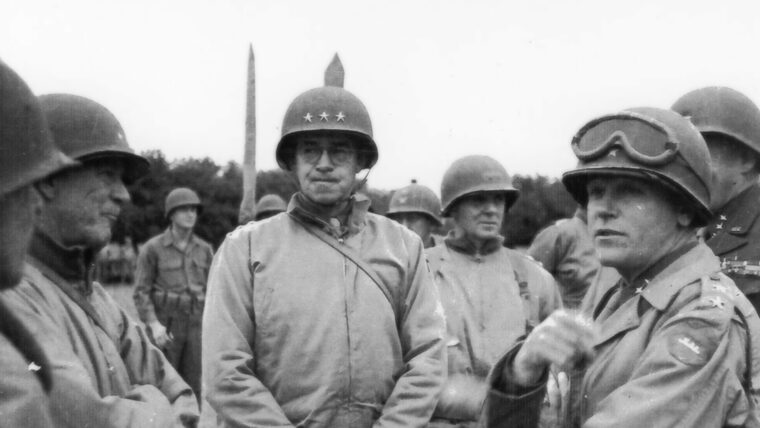
Major General George S. Patton, Jr. had no patience for soldiers disobeying the rules of combat at his Desert Training Center in Southern California. Read more
North Africa
By the time of the Crusader battles in late 1941, the German panzer forces in North Africa had developed a sophisticated combined-arms doctrine. Read more
North Africa
World War II spanned six long years from 1939 to 1945. The Allied powers, principally The United States, Great Britain, and the Soviet Union, defeated the Axis powers, led by Nazi Germany, Imperial Japan, and Fascist Italy. Read more
North Africa
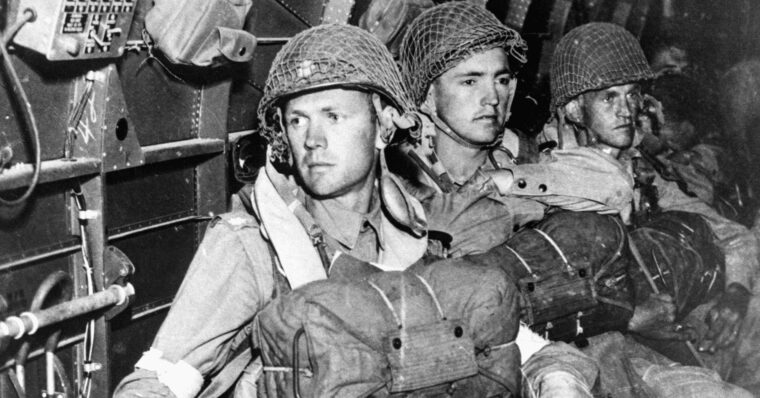
To Colonel Edson Raff, jumping out of a plane was “like getting out of the bed in the morning.” Read more