North Africa
Operation Crusader: Erwin Rommel Learns His Lesson
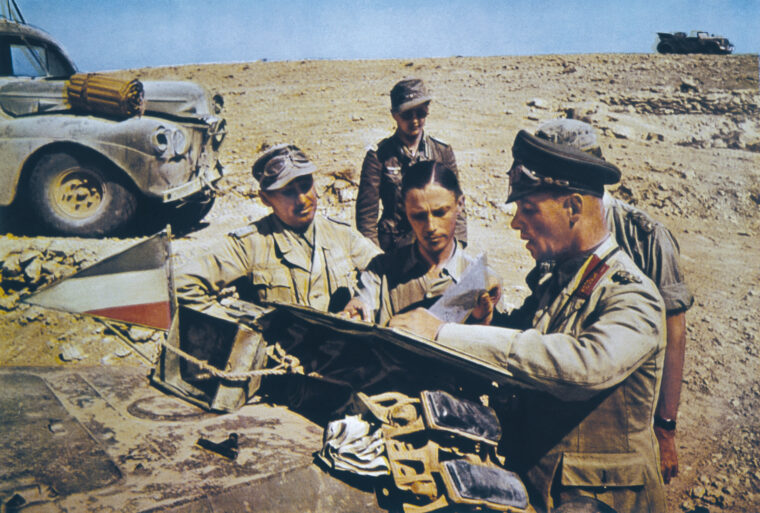
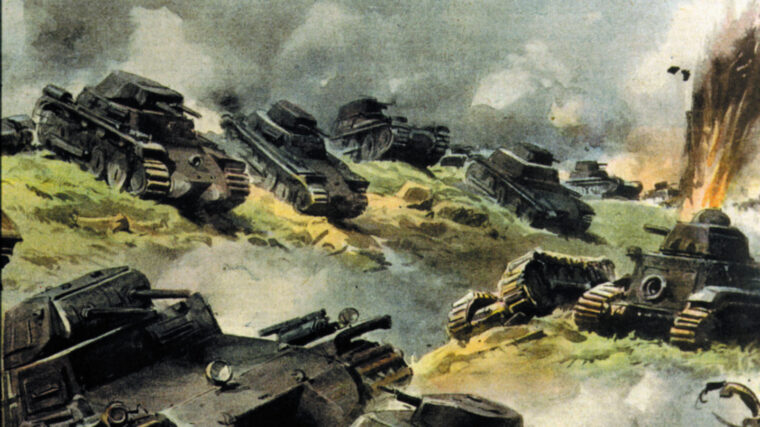
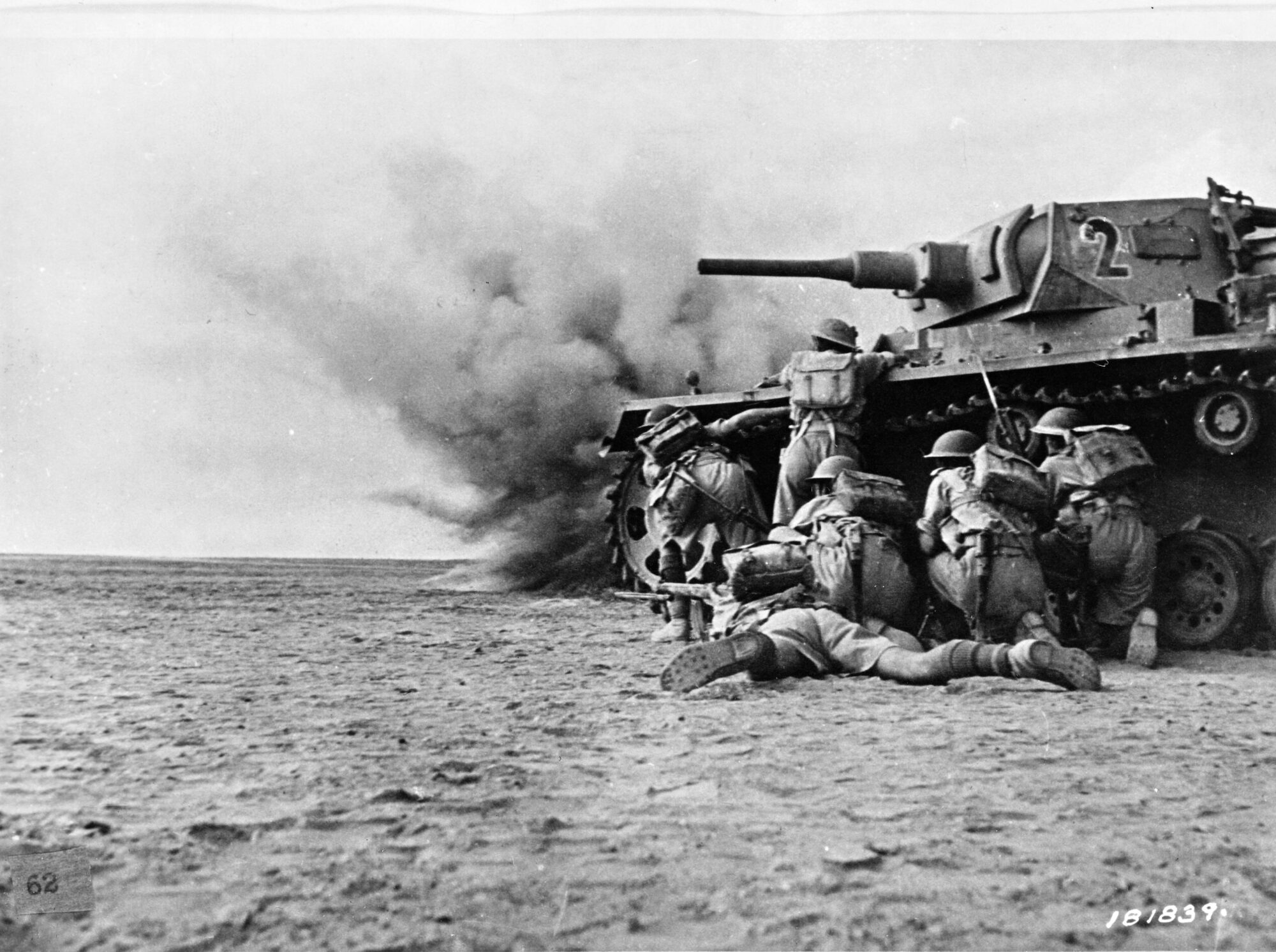
By Robert HaymesBy the time of the Crusader battles in late 1941, the German panzer forces in North Africa had developed a sophisticated combined-arms doctrine. Read more
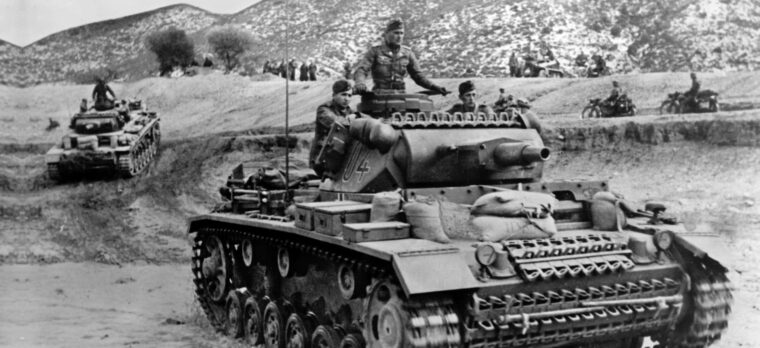
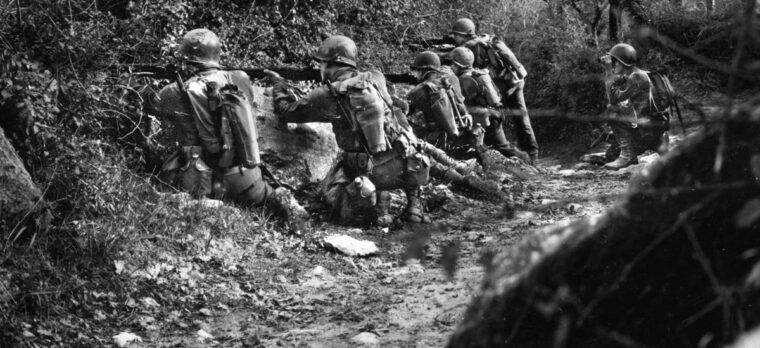
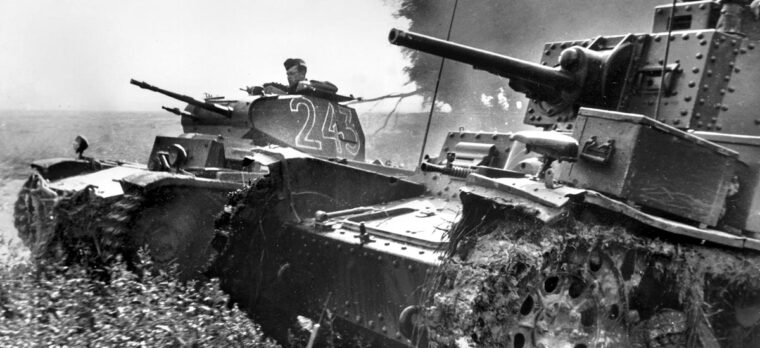
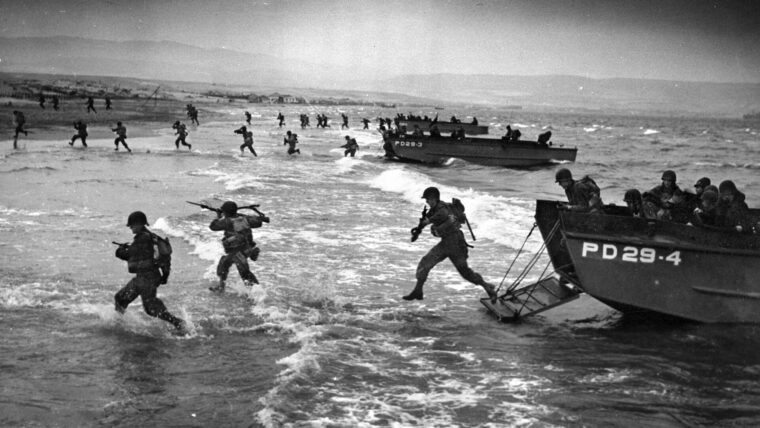
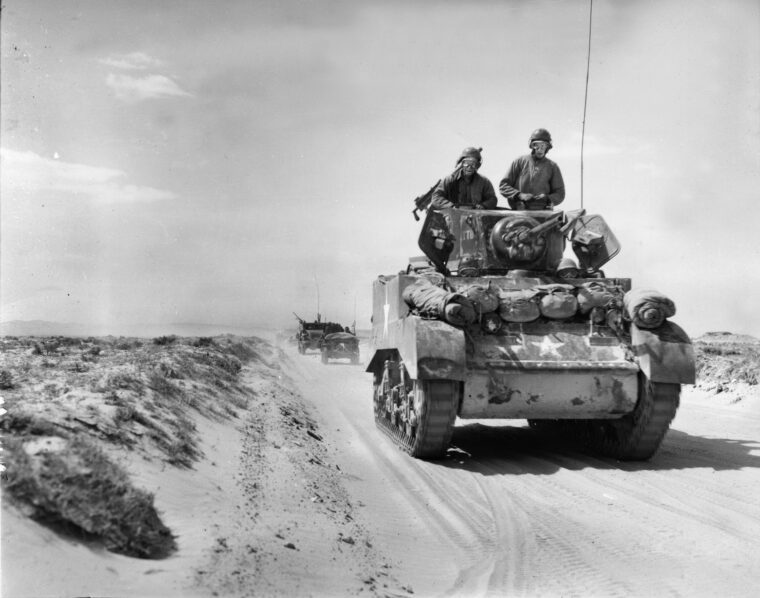
The North Africa campaign during World War II included major operations from early 1940 through the spring of 1943 as Allied forces fought Axis armies of Fascist Italy and Nazi Germany. For the Allies, victory in North Africa was critical for control of the Mediterranean Sea and future offensive operations in Italy. Axis forces hoped to dominate the Mediterranean and seize British-held Egypt, the Suez Canal, and potentially the oil fields of the Middle East. The Allies were victorious in North Africa campaign, and the defeat of Axis forces at the Battle of El Alamein was a turning point during World War II.
North Africa
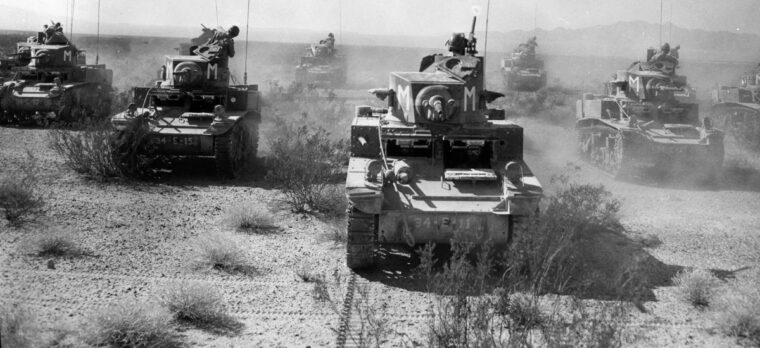
By the time of the Crusader battles in late 1941, the German panzer forces in North Africa had developed a sophisticated combined-arms doctrine. Read more
North Africa
World War II spanned six long years from 1939 to 1945. The Allied powers, principally The United States, Great Britain, and the Soviet Union, defeated the Axis powers, led by Nazi Germany, Imperial Japan, and Fascist Italy. Read more
North Africa
To Colonel Edson Raff, jumping out of a plane was “like getting out of the bed in the morning.” Read more
North Africa
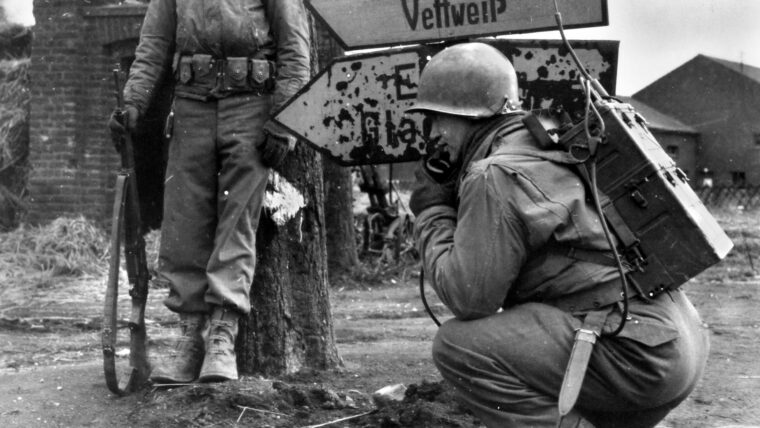
Early in 1945, in the Northern Appenine mountains of Italy, T/5 Harvey, a radioman with the 10th Mountain Division, is carrying his WW2 radio backpack, the ever-handy SCR-300, into combat for the first time. Read more
North Africa
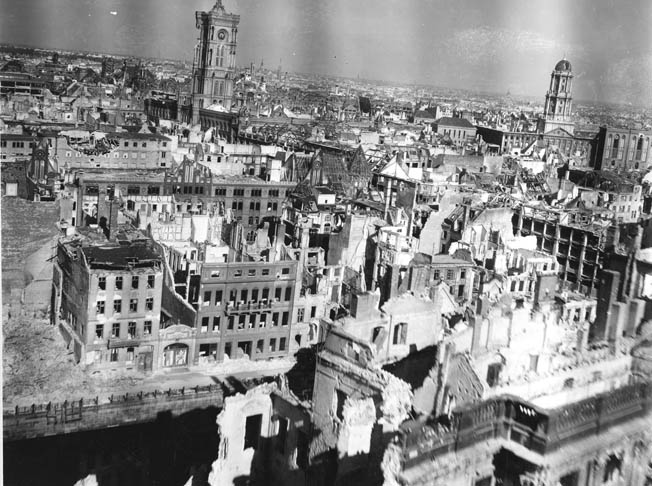
Early in June 1940, refugees from northern France and the low Countries who had flooded Paris in May fled with the residents of the city as the German advance neared. Read more
North Africa
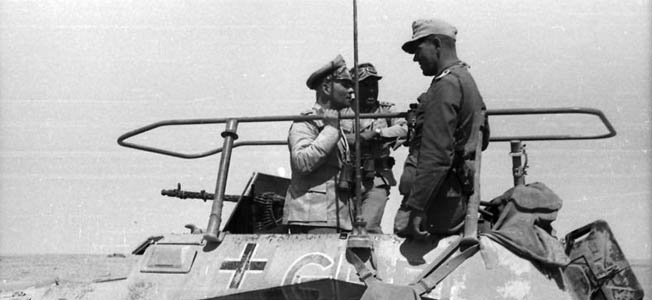
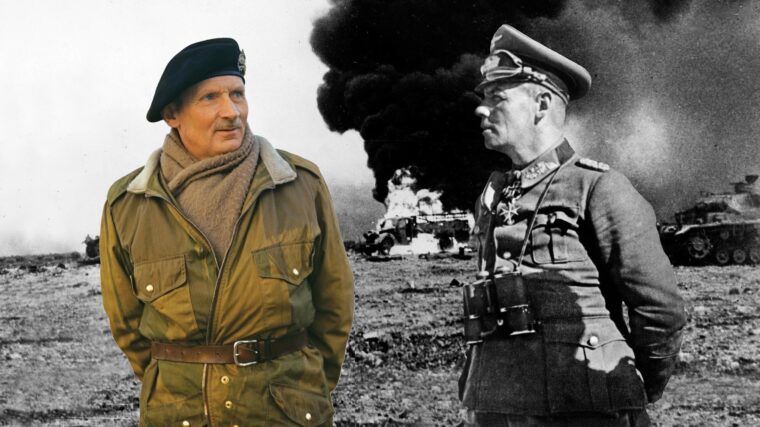
Even before the end of World War II, German General Erwin Rommel’s fame was such that he was already being elevated into the Valhalla of such legendary warriors as Hannibal against the Roman Empire, Napoleon during his defensive campaigns of 1813-1814, and Robert E. Read more
North Africa
Although Britain has a number of war museums, the Imperial War Museum (IWM) is acknowledged as the Holy Grail of them all—the one you must visit when in London. Read more
North Africa
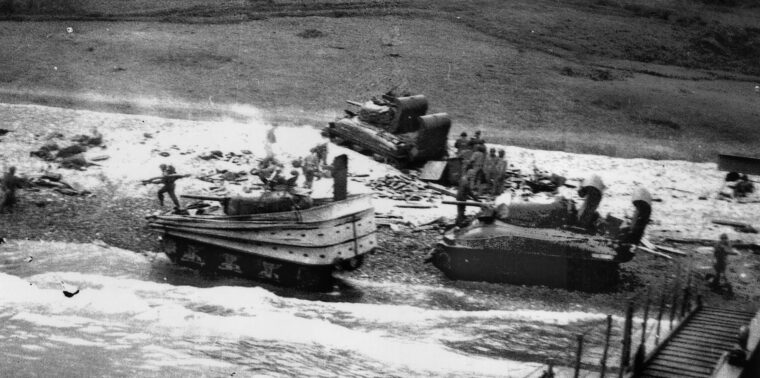
Early in 1944, German Field Marshal Erwin Rommel, the defeated hero of North Africa and now head of Army Group B in France, was tasked with strengthening the Atlantic Wall defenses against Allied invasion. Read more
North Africa
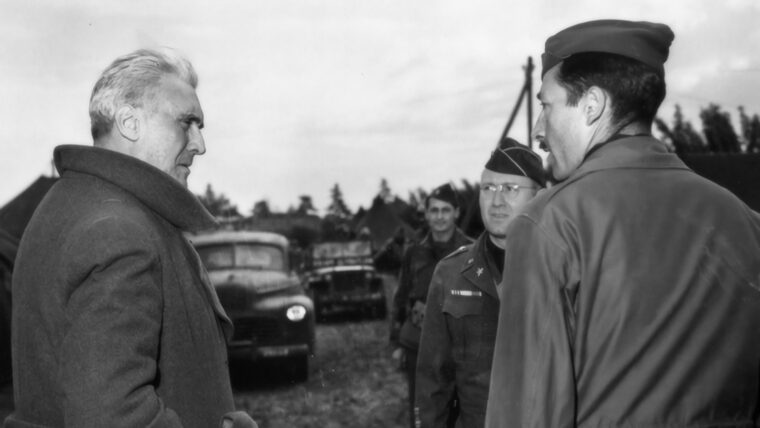
General Dwight D. Eisenhower, the supreme Allied commander in Europe during World War II, considered General Alfonse Juin to be the best French combat general of the conflict. Read more
North Africa
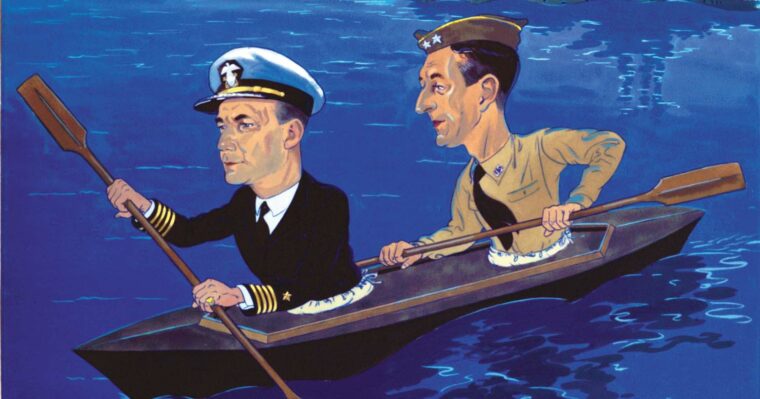
Lucian Truscott needed a cigarette. The 47-year-old brigadier general was having the worst night of his life. Read more
North Africa
It was a letter in the London Times that caught the attention of British wartime Prime Minister Winston Churchill. Read more
North Africa
An army that will be poised for victory requires élan, military intellect, a penchant for tactical and strategic innovation, and the zeal to use the most qualified individuals for training and leadership. Read more
North Africa
The Ninth Air Force began life on August 21, 1941, as the 5th Air Support Command at Bowman Field, Kentucky, and was activated on September 1, 1941. Read more
North Africa
With such award-winning films as Stagecoach, Young Mr. Lincoln, Drums Along the Mohawk, The Grapes of Wrath, The Long Voyage Home, and How Green Was My Valley behind him, John Ford was one of Hollywood’s most respected directors by the time World War II broke out in 1939. Read more
North Africa
In early 1942 things could have hardly looked bleaker for the Allies. In Europe, Hitler’s war machine had steamrolled across the entire continent and was now battling before the gates of Moscow. Read more
North Africa
American General George S. Patton, Jr., and German Field Marshal Erwin Rommel both demonstrated the masterful employment of armored forces in many World War II military campaigns. Read more
North Africa
During World War II, Terry de la Mesa Allen and Theodore Roosevelt, Jr.,were ”relieved” during a victorious campaign. Read more
North Africa
The origins of the Matilda Tank or “I” Tank date back to 1934, when Maj. Gen. Percy C.S. Read more
North Africa
On March 5, 1936, the new Supermarine Type 300 took off from Southampton, England. The plane would soon be called the Spitfire, and along with the Hawker Hurricane it would become Great Britain’s first line of defense. Read more
North Africa
A fuming John Steinbeck vented his frustration over World War II to a friend on March 15, 1943. Read more