Japanese
Healing War’s Legacy on the Solomon Islands
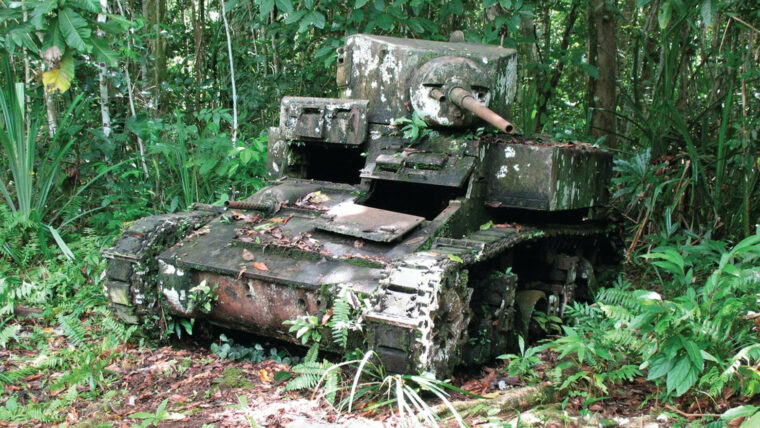
By Eileen Natuzzi, M.D.The downwind approach of my Boeing 737 into Honiara International Airport goes over Iron Bottom Sound, with Savo Island off in the distance. Read more
Japanese
The downwind approach of my Boeing 737 into Honiara International Airport goes over Iron Bottom Sound, with Savo Island off in the distance. Read more
Japanese
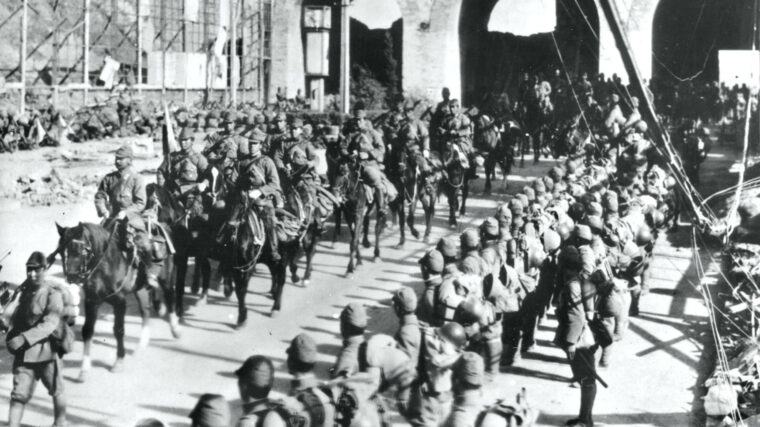
On August 15, 1937, the Japanese Imperial Army bombed Nanking, the capital of China. These raids were unrelenting until December 13, when Japanese troops entered the conquered city. Read more
Japanese
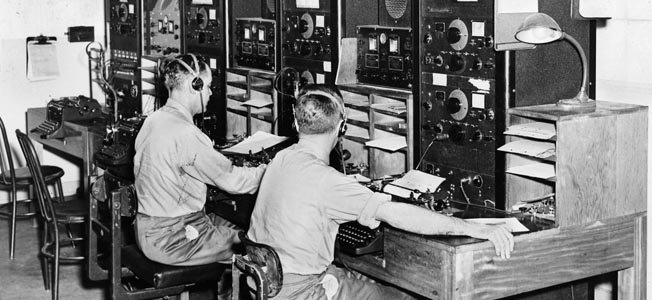
The Japanese strike on Pearl Harbor on December 7, 1941—a “Day of Infamy,” as President Franklin D. Roosevelt described it—left the American Pacific Fleet in almost total ruin, plunged the United States into World War II, and set off a controversy regarding the events that led up to the attack that is still being hotly debated. Read more
Japanese
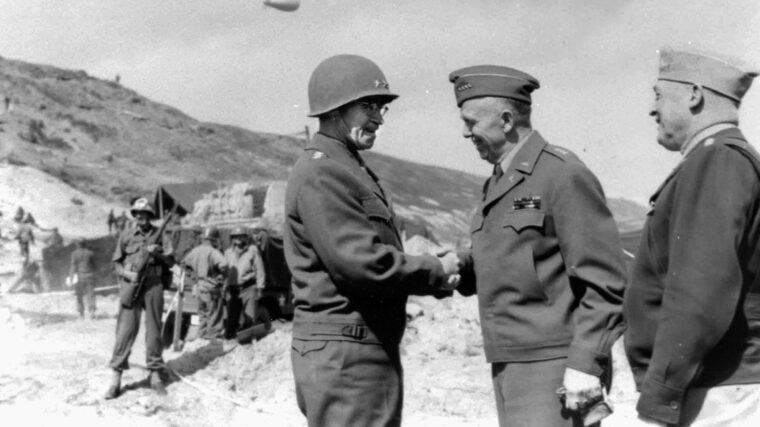
George Catlett Marshall was the greatest American military man of his age. If the United States Army had kicked off the 20th century with the specific intent of constructing a chief of staff to lead it to victory in World War II, it could not have done a better job than what chance provided in the triumphs and travails over the 40 years that molded George Marshall. Read more
Japanese
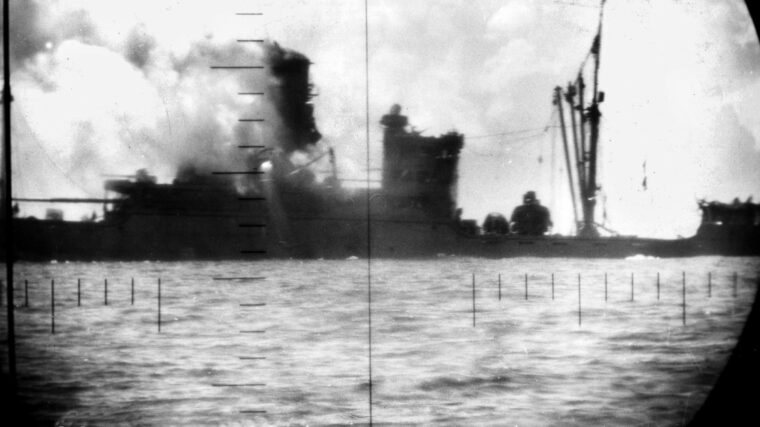
The early months of 1942 were dark days for the United States Asiatic Fleet. Much smaller than the Pacific Fleet, and equipped with mostly outdated surface ships, the fleet was in no way capable of winning a serious confrontation with the Imperial Japanese Navy. Read more
Japanese
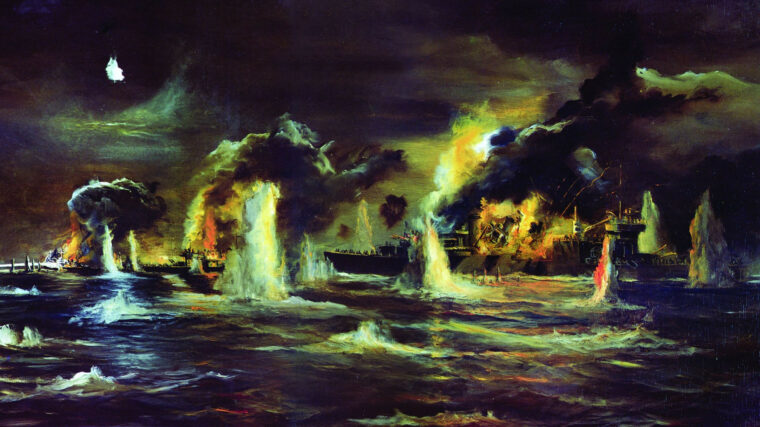
A United States naval task force bearing the U.S. 1st Marine Division arrived off Guadalcanal, in the eastern Solomon Islands, on the morning of August 7, 1942, and launched the first American offensive operation of World War II. Read more
Japanese
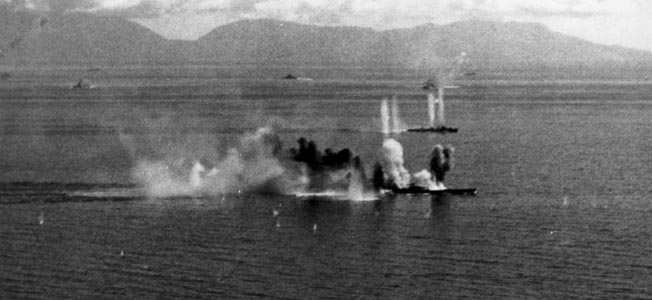
The Japanese superbattleship Musashi was steaming east along with a fleet of other battleships, cruisers, and destroyers on their way toward what was expected to be a climactic battle at Leyte Gulf. Read more
Japanese
Joseph J. Foss (April 17, 1915–January 1, 2003) was born on a farm near Sioux Falls, South Dakota. Read more
Japanese
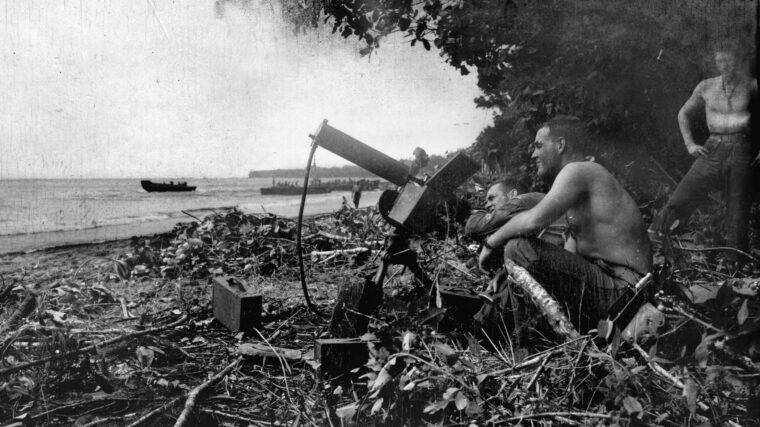
“Banzai! Banzai!” screamed the Japanese at the top of their lungs as they launched a ferocious night attack against Marines dug in on Guadalcanal. Read more
Japanese
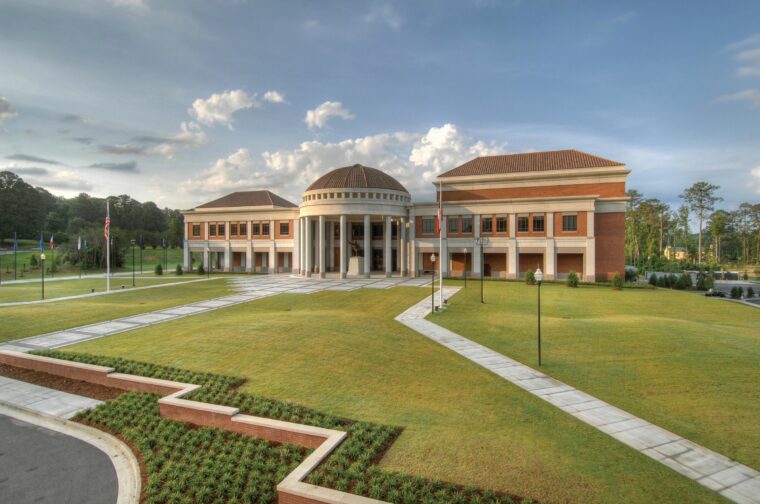
The American Infantry’s illustrious history, which is older than that of the country, comes alive in an impressive, $100,000,000, 190,000-square-foot museum located just outside Fort Benning, Georgia. Read more
Japanese
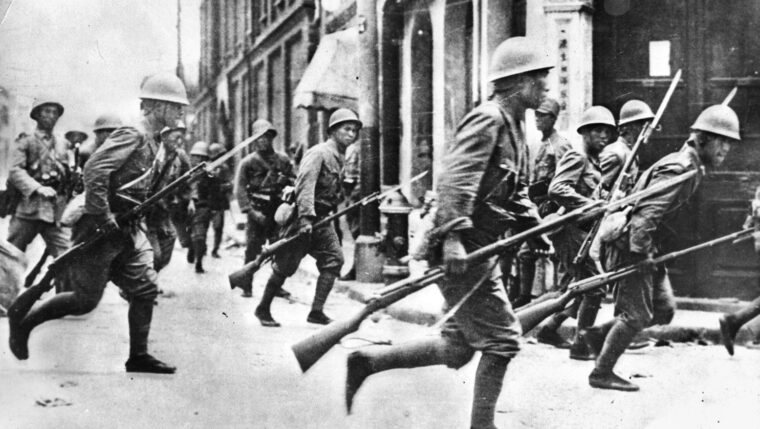
As militarism grew in Japan in the early 1930s, conscription began at the age of 19, and the Imperial Japanese Army (IJA) cadet entered military service. Read more
Japanese
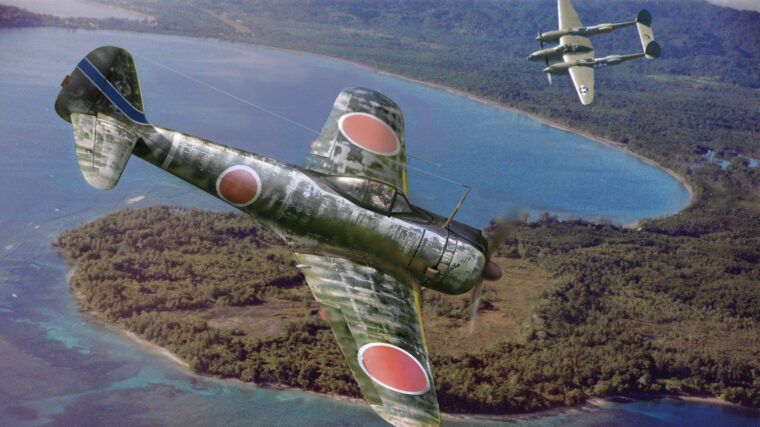
At the start of World War II, Japanese airpower ruled the skies over China and the Pacific. Read more

Japanese
It was with great anticipation that I sprang up the snowy steps of a Milwaukee building in January 1942 and entered the Marine Corps Recruitment Center. Read more
Japanese
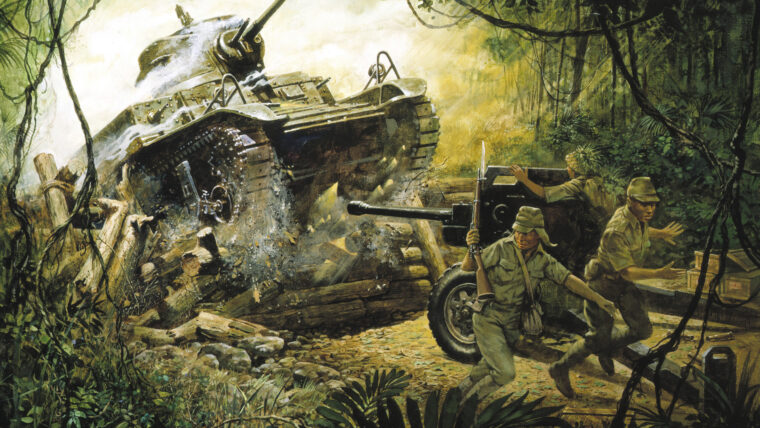
In 1941, the Philippine Islands, 7,000 in number, an American-controlled mandate, formed a natural barrier between Japan and the rich resources of East and Southeast Asia. Read more
Japanese
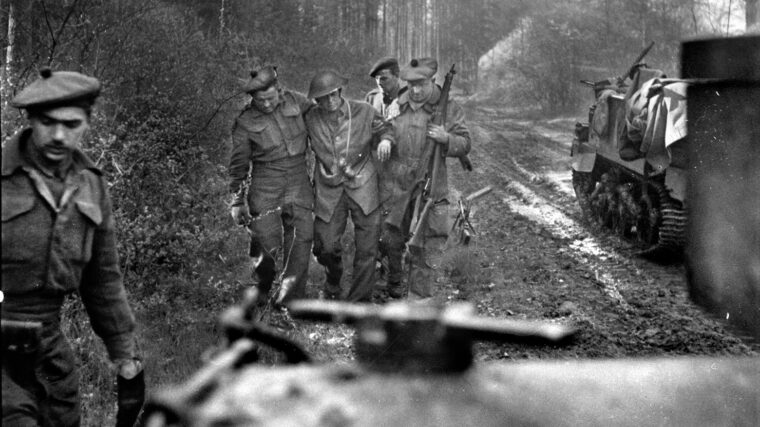
Norvald Flaaten never expected he would appear in a movie when he signed up with the Canadian Army during World War II, but the subject of the movie and what he had to do was too good to pass up. Read more
Japanese
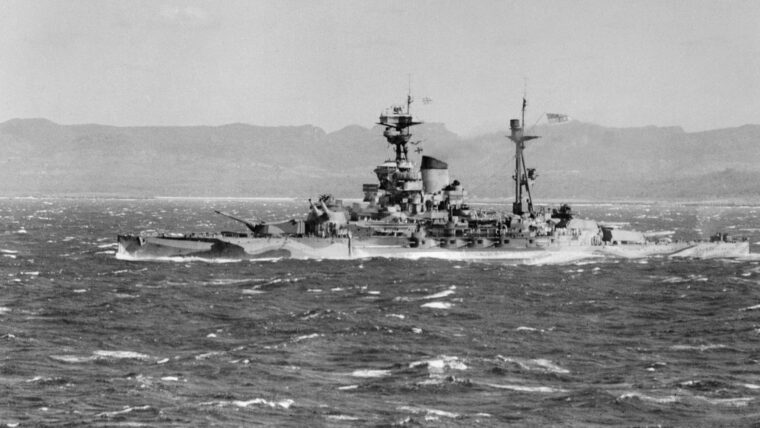
In early 1942 things could have hardly looked bleaker for the Allies. In Europe, Hitler’s war machine had steamrolled across the entire continent and was now battling before the gates of Moscow. Read more
Japanese
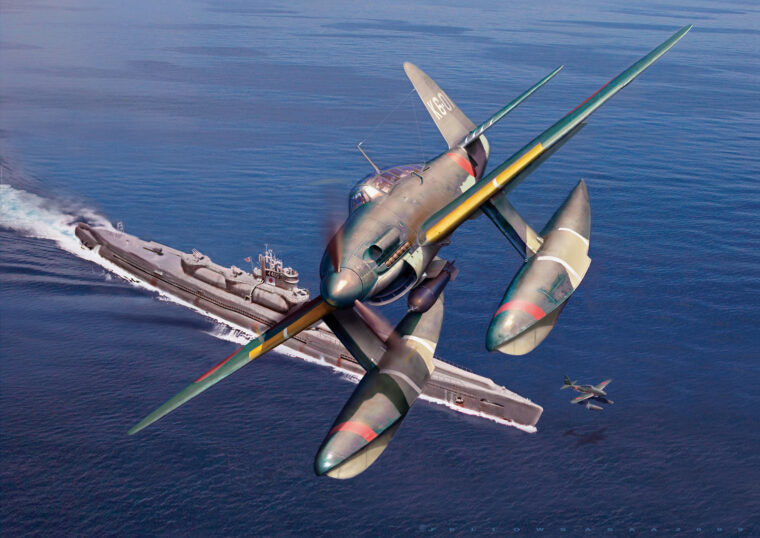
Lieutenant Commander Stephen L. Johnson had a problem on his hands; a very large problem. His Balao-class submarine, the Segundo, had just picked up a large radar contact on the surface about 100 miles off Honshu, one of Japan’s home islands, heading south toward Tokyo. Read more
Japanese
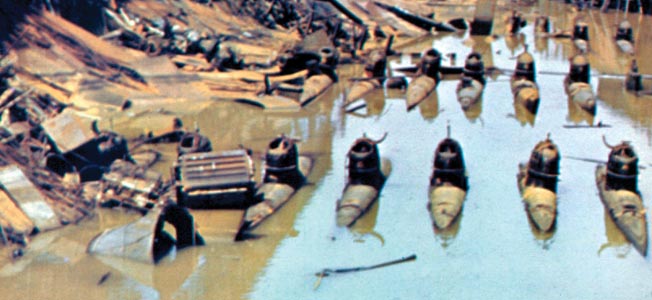
The year 1942 was one of crisis for the Allied cause in the Pacific. Until May, almost everything had gone in favor of Imperial Japan. Read more
Japanese
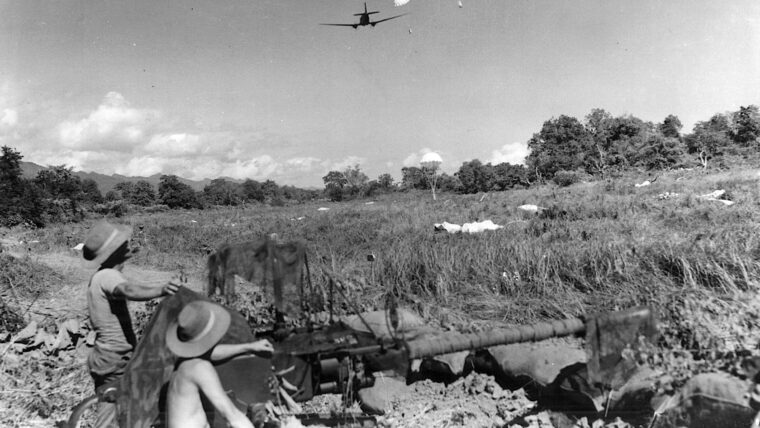
The interest in Brigadier Orde Wingate, founder and leader of the Commonwealth Chindits or Special Force, persists to this day, more than 75 years after his fiery death after his B-25 Mitchell bomber crashed in the hills of India. Read more
Japanese
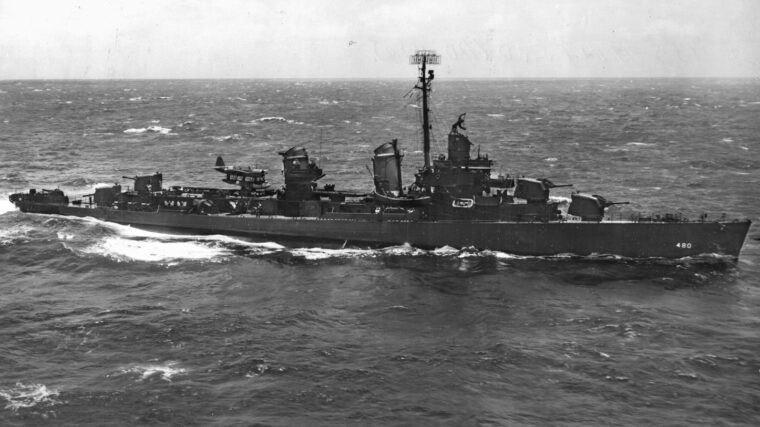
The Fletcher-class destroyer was one of the finest, most versatile warships of World War II. More than 170 of them were built, a figure that far exceeds the total of any other type of warship of the era. Read more