Japanese
The Fall of Malaya: Japanese Blitzkrieg on Singapore
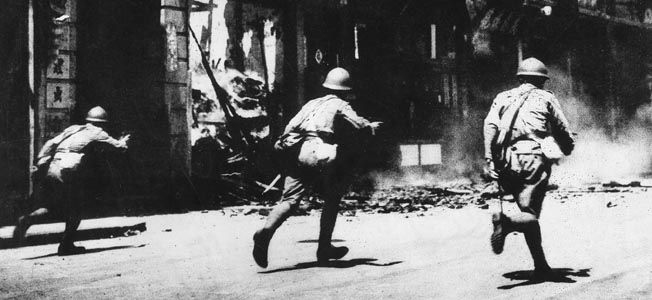
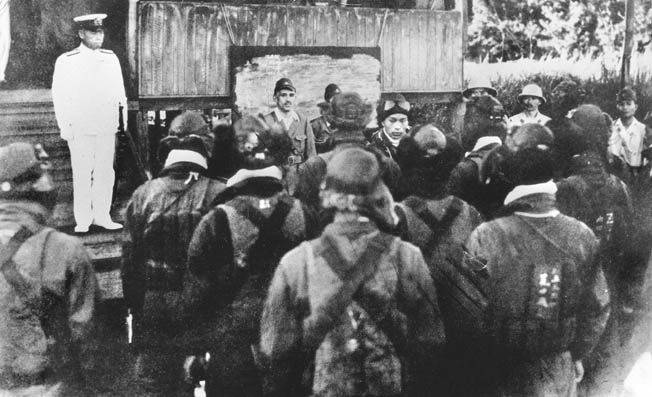
By David H. LippmanThe moon like a tray was sinking in the western sea and the deep red sun showed its face to the east. Read more
Japanese
The moon like a tray was sinking in the western sea and the deep red sun showed its face to the east. Read more
Japanese
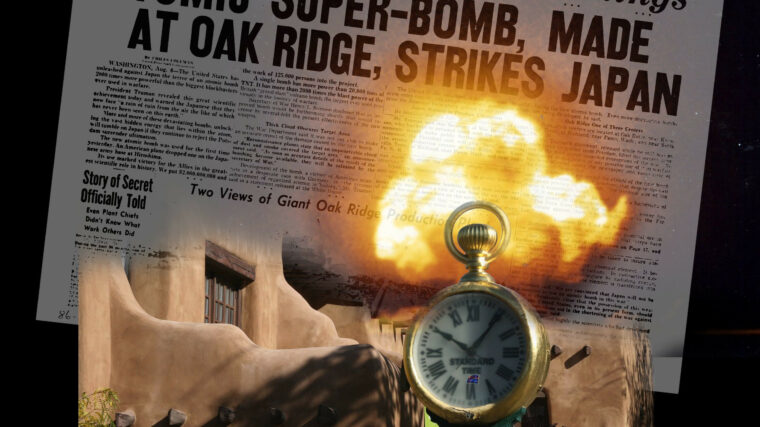
New Mexico and its capital of Santa Fe bring to mind some beautiful images. Stunning sunsets, unlimited vistas, a plethora of art galleries, the spectacular food enlivened with the local green chile, an ancient Native American culture that still thrives, and a Spanish heritage tradition going back to within 50 years of Columbus’s arrival all make for a unique cultural and physical environment. Read more
Japanese
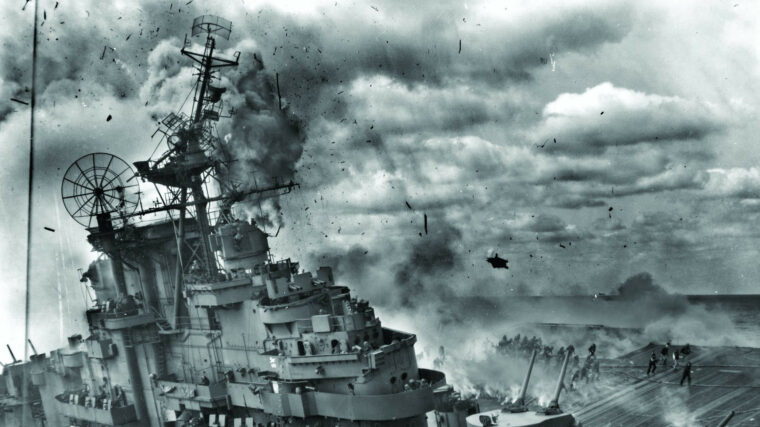
On March 19, 1945, the Essex-class carrier USS Franklin (CV-13), dubbed “Big Ben,” lay 50 miles off Honshu, one of Japan’s Home Islands. Read more
Japanese
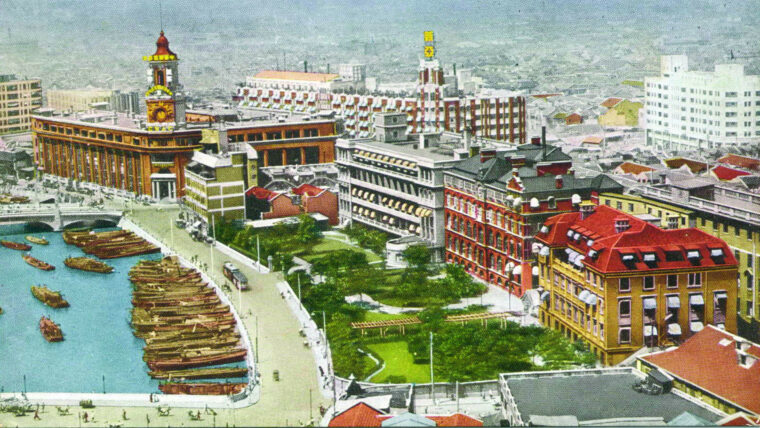
By the 1930s, Shanghai was already a legend in its own time––the most modern, populous, and decadent city in China. Read more
Japanese
In Western countries, “military police” are associated in the public mind with keeping order among off-duty personnel, such as arresting drunken servicemen. Read more
Japanese
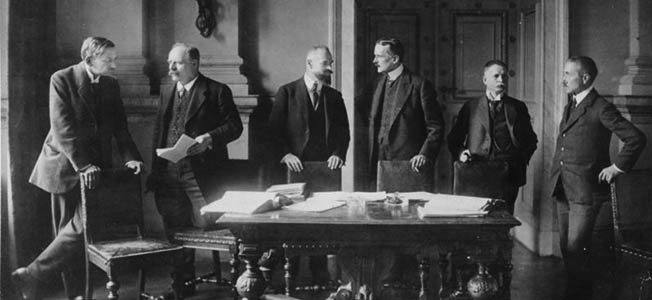
At least ostensibly, World War I ended first with the cessation of armed hostilities between the warring powers at the famed “11th hour of the 11th day of the 11th month,” that is November 11, 1918. Read more
Japanese
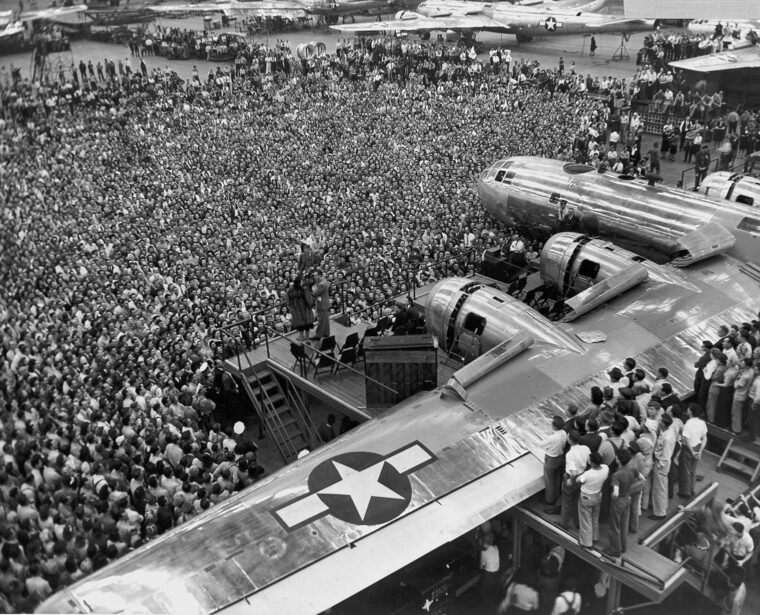
When Maj. Gen. Curtis Lemay, the hard-driving commander of the Twentieth U.S. Air Force based in Guam, decided to change tactics in early 1945 to boost the effectiveness of the B-29 Superfortress, it was the Bell Aircraft plant in Marietta, Georgia, that ultimately provided him with the stripped-down bombers that played such a key role in ending the war in the Pacific. Read more
Japanese
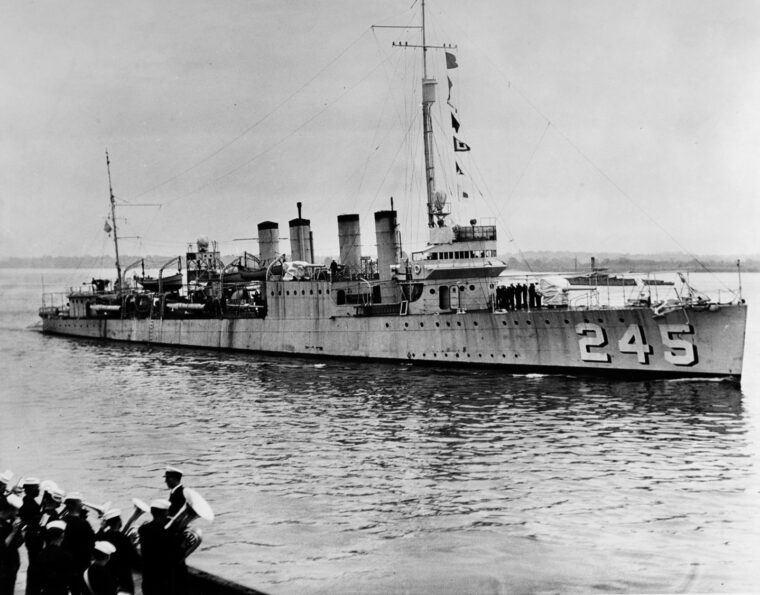
When the destroyer USS Reuben James (DD-245) was assigned to convoy duty in the North Atlantic in the autumn of 1941, its crew had a sense of foreboding and feared the worst. Read more
Japanese
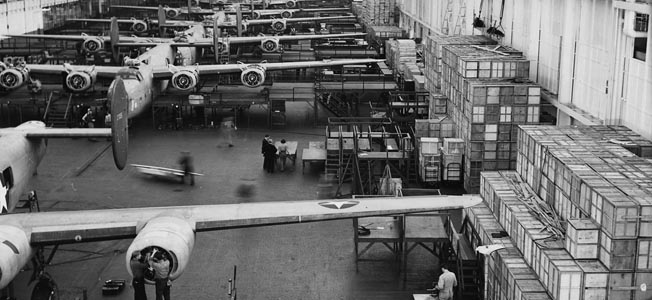
They said it couldn’t be done. Doubters chided Henry Ford for declaring that his Willow Run Bomber Plant could turn out a B-24 Liberator heavy bomber every hour. Read more
Japanese
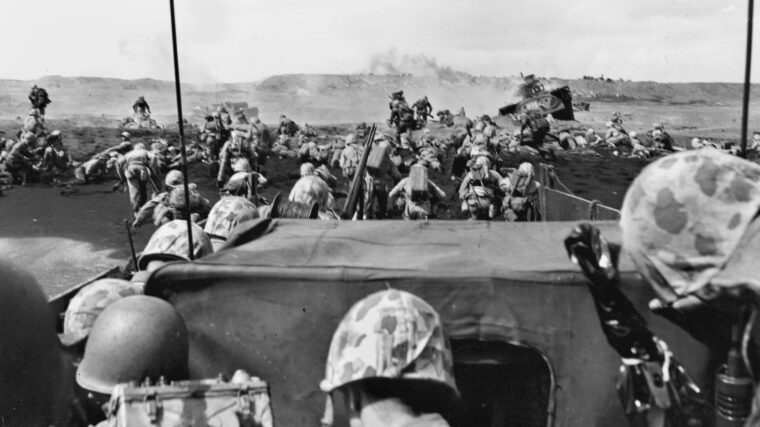
“You know,” said Marine Maj. Gen. Clifton B. Cates to a war correspondent on the eve of Operation Detachment, the invasion of Iwo Jima, “if I knew the name of the man on the extreme right of the right-hand squad of the right-hand company of the right-hand battalion, I’d recommend him for a medal before we go in.” Read more
Japanese
Three generations of Americans wrongly believe that General Hideki Tojo and Admiral Isoroku Yamamoto were equally culpable in starting the Pacific War. Read more
Japanese
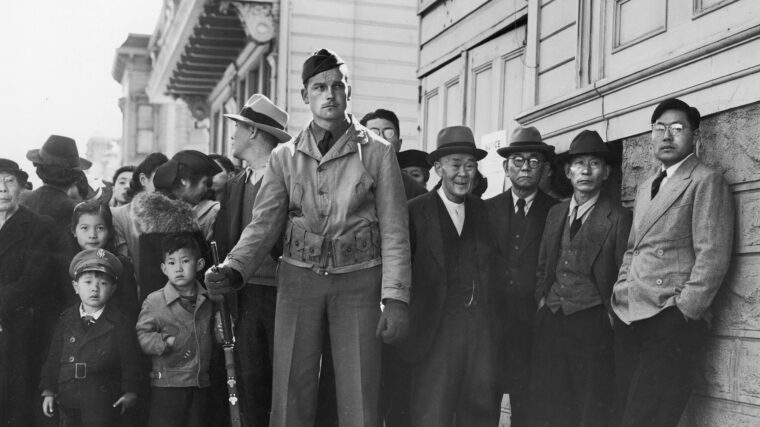
“We were stunned when we entered the camp,” Yoshio “Yosh” Nakamura said, remembering the day when he and his family, from El Monte, California, were herded through the main gate at the Gila River Relocation Center—a Japanese American internment camp 30 miles southeast of Phoenix, Arizona—carrying only suitcases into which their worldly possessions had been crammed. Read more
Japanese
On August 6, 1942, the men of Maj. Gen. Alexander Vandegrift’s U.S. 1st Marine Division watched from the railings as their troopship, the USS George F. Read more
Japanese
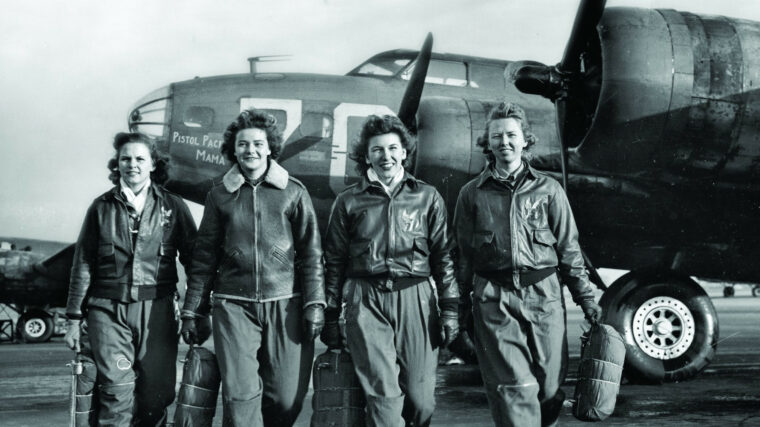
In 1941 two events took place on opposite sides of the world that forever impacted the history of women in aviation. Read more
Japanese
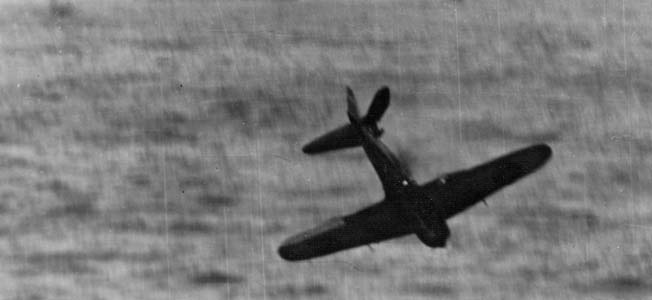
The deliberate crashing into enemy targets by Japanese aviators did not begin at the Battle of Santa Cruz Islands. Read more
Japanese
At about 8 am on the morning of December 7, 1941, I stood on the third-floor deck of a red brick barracks that looked across the Schofield Barracks golf course toward the infantry barracks that housed much of the U.S. Read more
Japanese
Early in 1944, German Field Marshal Erwin Rommel, the defeated hero of North Africa and now head of Army Group B in France, was tasked with strengthening the Atlantic Wall defenses against Allied invasion. Read more
Japanese
For some Americans, World War II started early. In December 1937, four years before the Japanese attack on Pearl Harbor propelled the United States into the war, Japanese planes attacked an American gunboat, the USS Panay, on China’s Yangtze River, strafing and bombing the boat, sinking it, killing three American crew members, and the wounding 45 others. Read more
Japanese
By the time the attack on Pearl Harbor plunged the United States into World War II, Japan had been preparing for an all-out offensive in the Pacific for months. Read more
Japanese
“We won because we smothered the enemy in an avalanche of production, the like of which he had never seen, nor dreamed possible.” Read more