Japanese
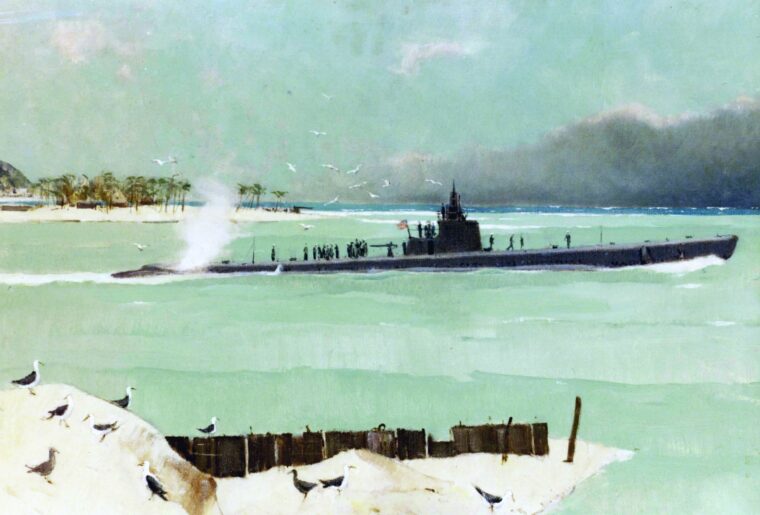
Darter & Dace at the Battle of Leyte Gulf
By David Alan JohnsonAs soon as he arrived on the bridge of the submarine USS Dace, Lt. Cmdr. Rafael C. Read more
Japanese
As soon as he arrived on the bridge of the submarine USS Dace, Lt. Cmdr. Rafael C. Read more
Japanese
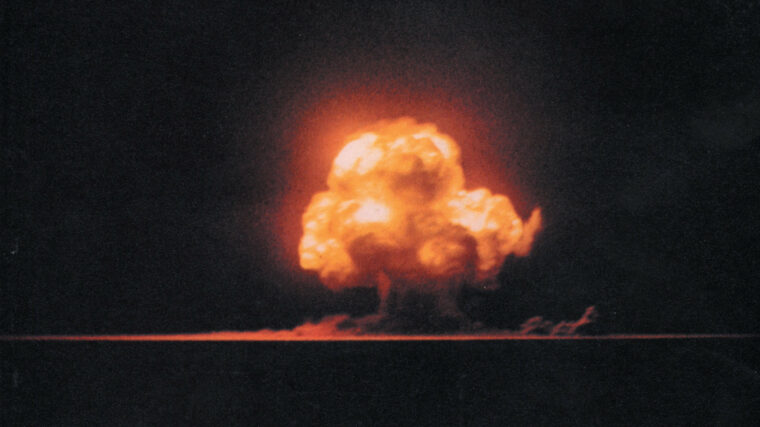
The most controversial decision of the 20th century—probably in all of history—was the one reportedly made by President Harry S. Read more
Japanese
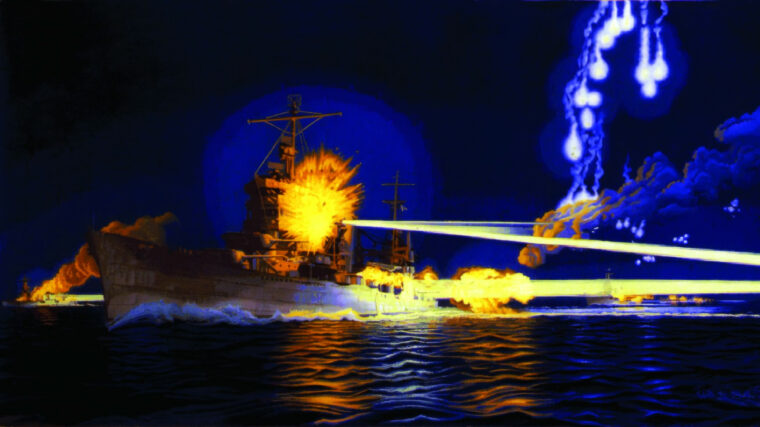
November 13, 1942, was a Friday, which sailors aboard the cruiser USS San Francisco noted with anxiety. Read more
Japanese
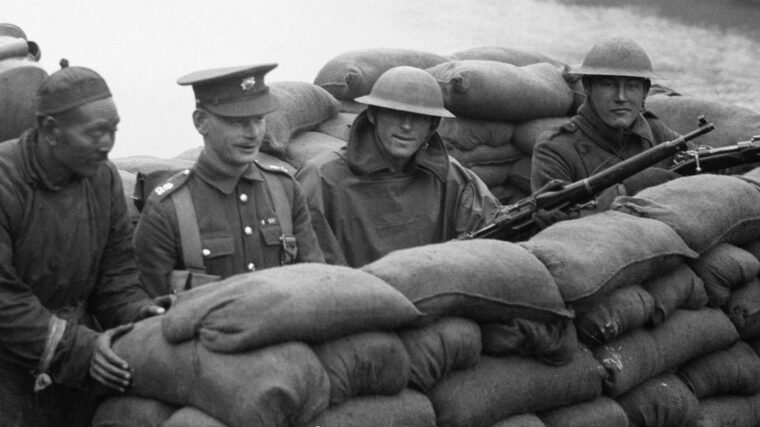
Soochow was a mongrel dog with a remarkable gift for self-preservation. A homeless stray, he attached himself to some U.S. Read more
Japanese
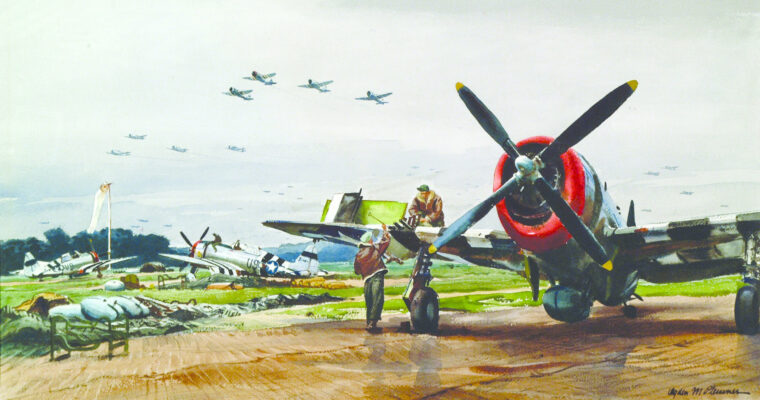
Since the end of World War II, the aviation press has made the North American P-51 Mustang into the superstar Allied fighter of the war. Read more
Japanese
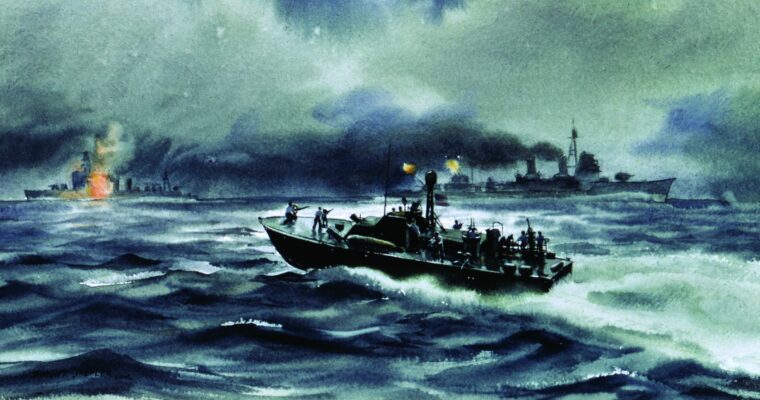
At 2:43 pm on October 24, 1944, one day before the Battle of Surigao Strait, Rear Admiral Jesse B. Read more
Japanese
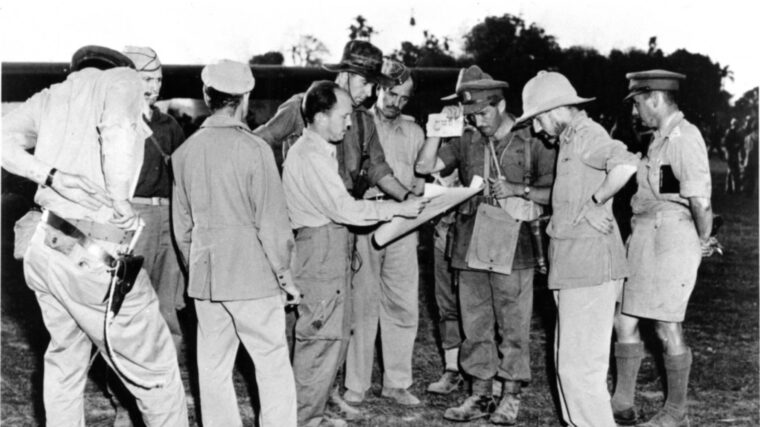
British General Orde Wingate is one of the more enigmatic World War II commanders encountered in a number of biographical and military historical accounts. Read more
Japanese
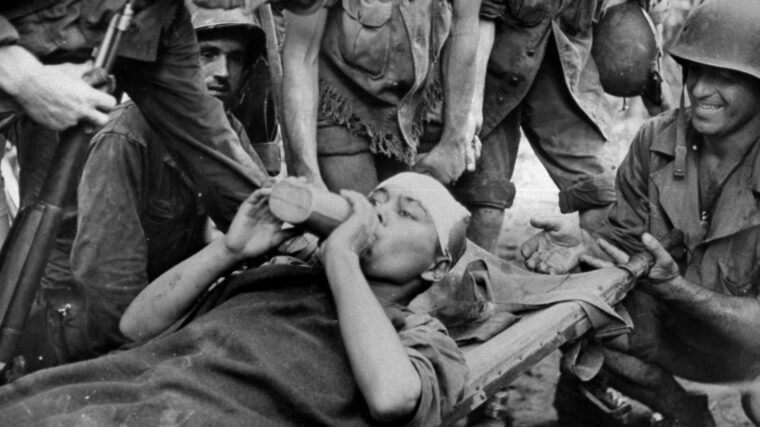
The first recorded encounter between American forces and Koreans in the Central Pacific during World War II came at Tarawa Atoll in November 1943. Read more
Japanese
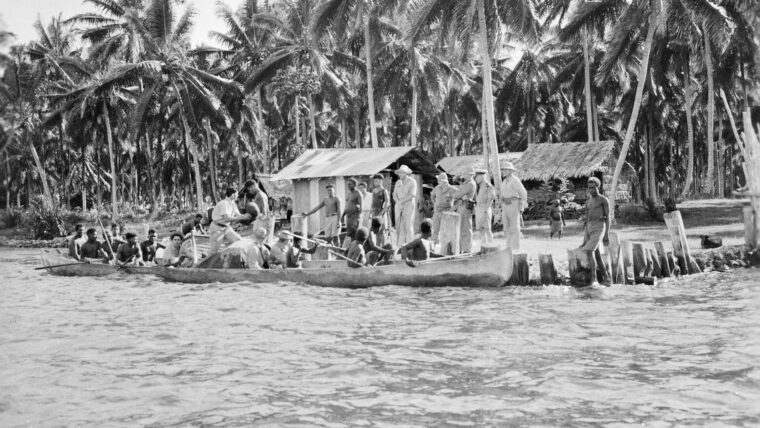
Two weeks after Pearl Harbor, coast watcher Cornelius Page, a plantation manager on Tabar Island 20 miles north of New Ireland in the South Pacific, reported by teleradio that Japanese planes were making reconnaissance flights over New Ireland and New Britain. Read more
Japanese
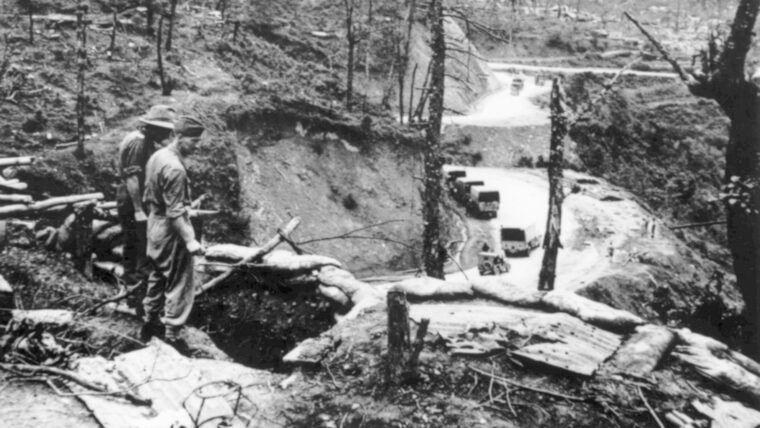
The two regiments from the county of Kent, down in southeastern England, are of both ancient and honorable lineage. Read more
Japanese
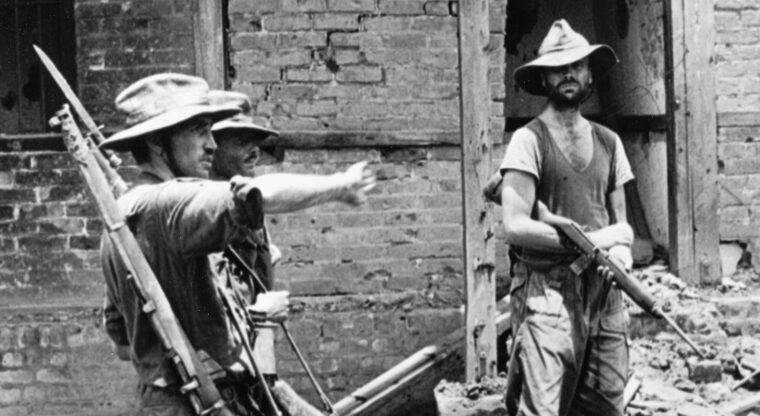
The English officer studied the Burmese river and its surroundings. The area seemed quiet, for the moment peaceful. Read more
Japanese
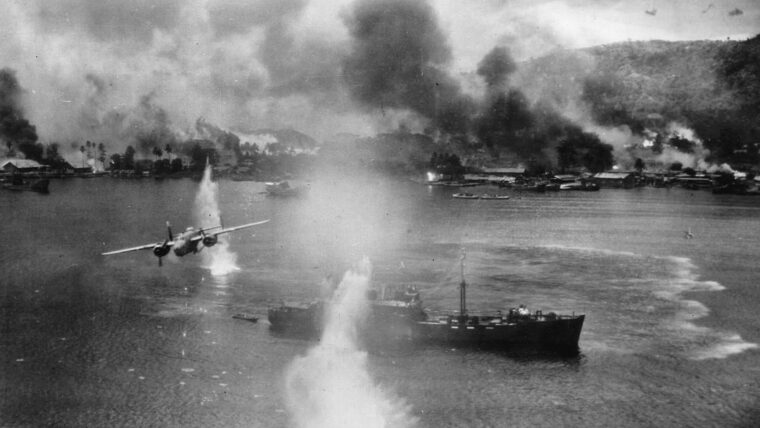
In some historical circles, a mistaken impression has developed that the U.S. Navy’s Task Force 38 launched the aerial offensive on the Japanese stronghold at Rabaul, New Britain, that ultimately rendered the base useless. Read more
Japanese
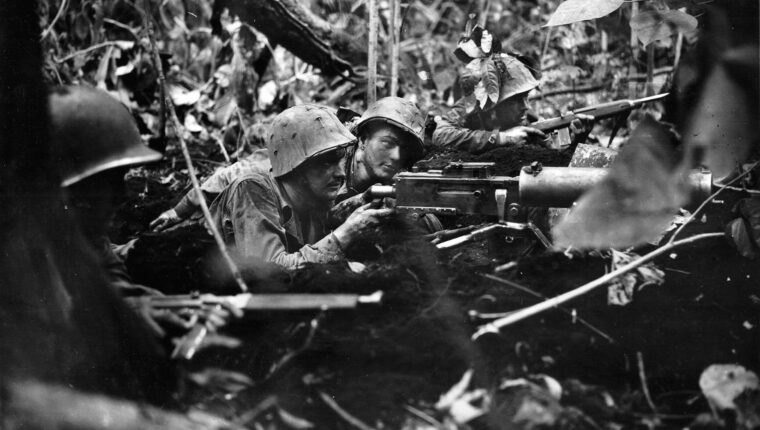
On the island of New Britain, at the north end of the Solomon chain, lay a major base that provided Japanese forces with the naval power, supplies, and reinforcements to control the sea lanes of the Southwest Pacific. Read more
Japanese
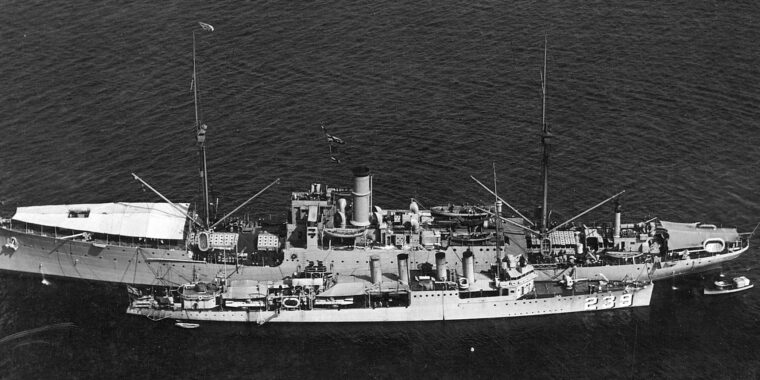
On Saturday, December 6, 1941, the repair ship USS Vestal eased alongside the USS Arizona at her berth at Pearl Harbor. Read more

Japanese
He suffered from acute alcoholism and severe bouts of depression. As a result of his heavy drinking, he would wander about for days yelling incoherently. Read more

Japanese
Most writings about World War II tend to attribute the success or failure of military operations to the skill with which generals and admirals handled their forces in battle and to the fighting abilities of soldiers, sailors, and airmen. Read more
Japanese
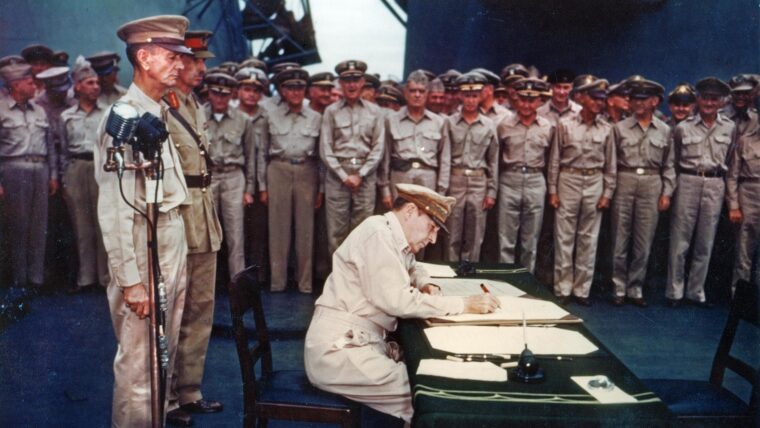
On May 6, 1942, in the Malinta Tunnel, Corregidor Island, General Jonathan Wainwright waited for the Japanese to respond to his surrender offer with a cease-fire. Read more
Japanese
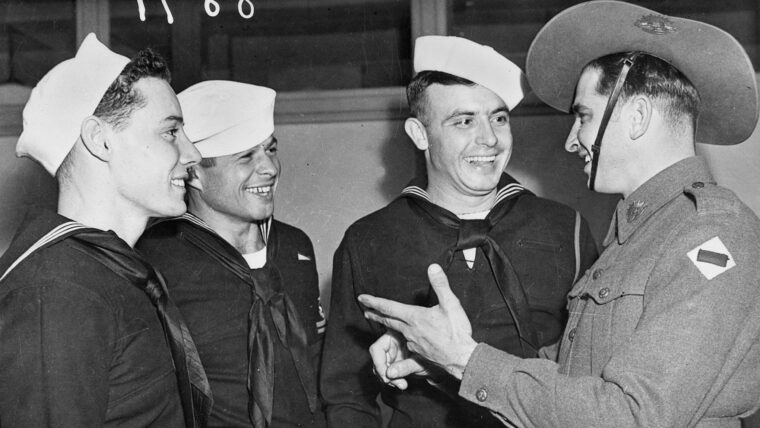
In 1942, Brisbane was the third largest city in Australia and the state capital of Queensland. To many, however, it was more like a big country town than a city, its 340,000 inhabitants living in a quiet, conservative, and isolated atmosphere. Read more
Japanese
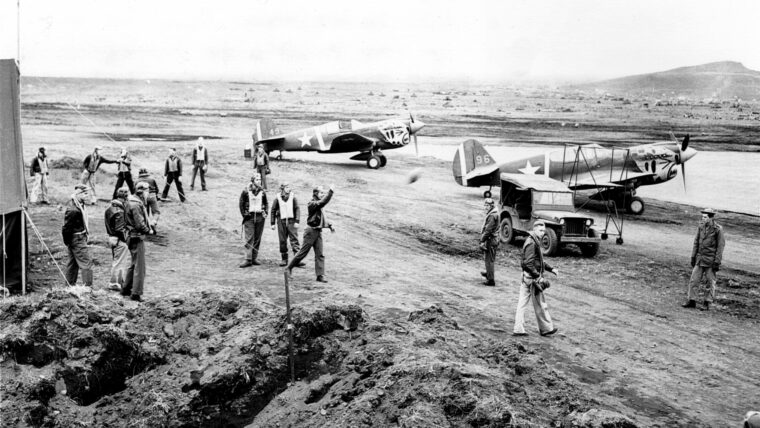
Charles D. Mott was a U.S. Navy dive-bomber pilot when he joined the American Volunteer Group (AVG), the small band of Americans who flew under the leadership of General Claire Lee Chennault and became known to history as the Flying Tigers. Read more
Japanese
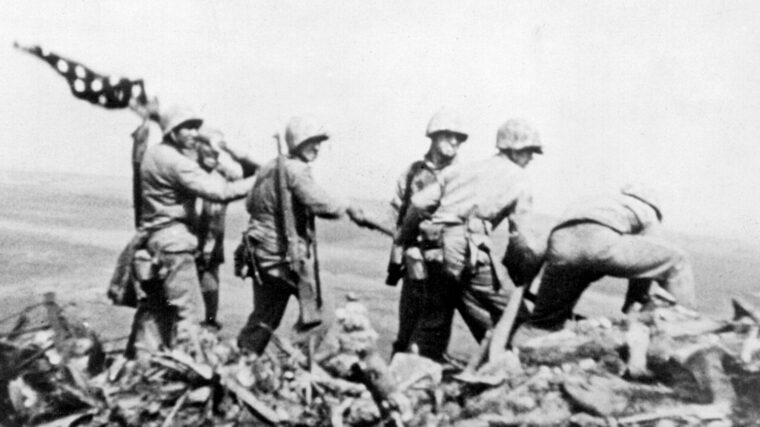
Everyone has seen the now famous photograph of the three firefighters hoisting Old Glory over the ruins of the World Trade Center. Read more