Hermann Göring
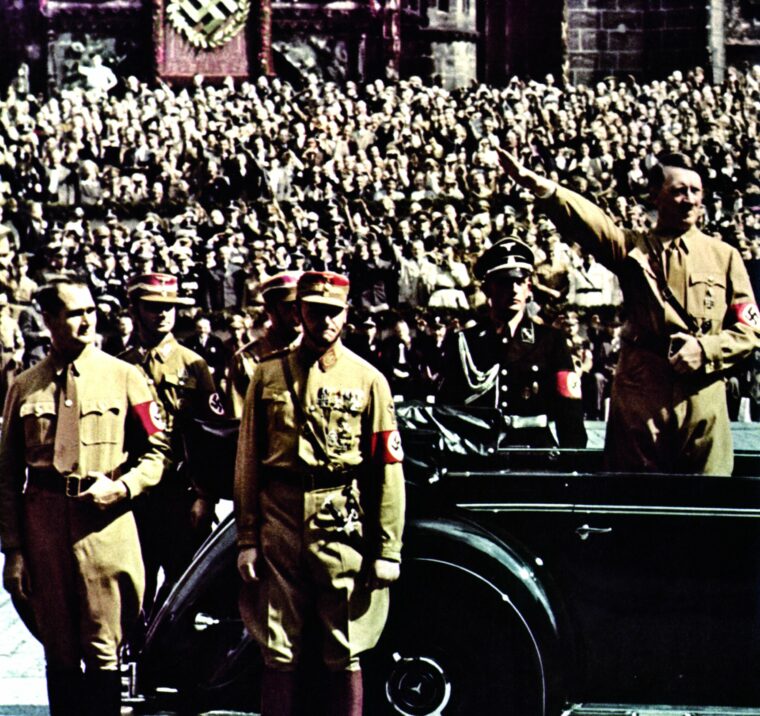
Deputy Führer Rudolf Hess: Foe or Ally?
By Sherman GenglerThroughout the reign of the Nazi Party in Germany during the 1930s and 1940s, Adolf Hitler’s inner circle comprised a diverse group of men from many walks of life. Read more
Hermann Göring
Throughout the reign of the Nazi Party in Germany during the 1930s and 1940s, Adolf Hitler’s inner circle comprised a diverse group of men from many walks of life. Read more
Hermann Göring
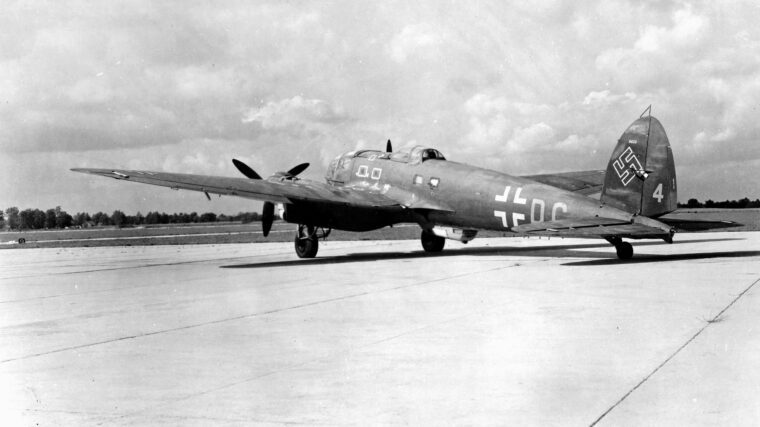
By early 1944, the Luftwaffe was only a shadow of what it had been at the beginning of the war. Read more
Hermann Göring
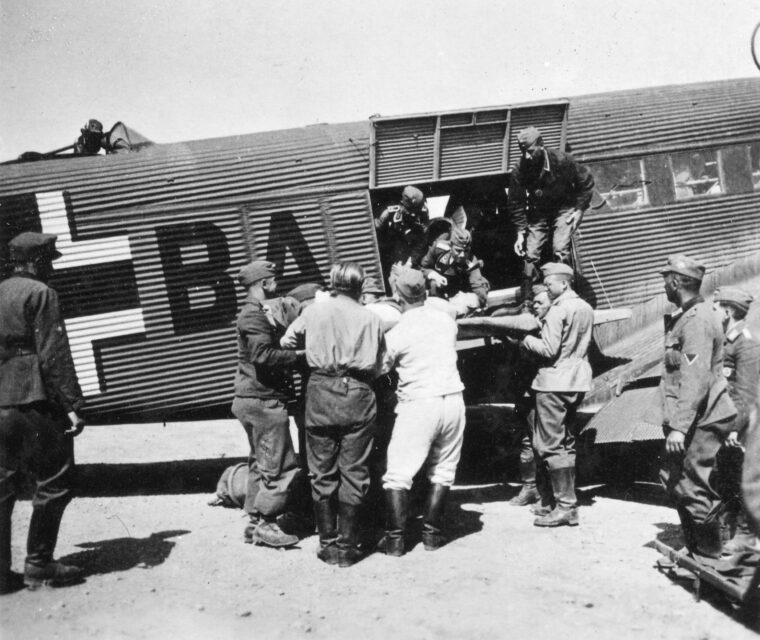
Sixty-five years ago, Reichsmarschall Hermann Göring’s Luftwaffe showcased its aerial triumphs in a 1942 commemorative book of photographs entitled Fliegen und Siegen (“Flying and Victory”). Read more
Hermann Göring
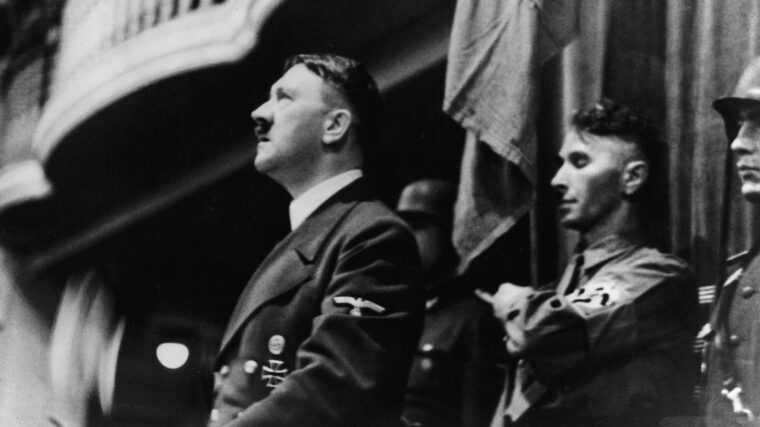
At exactly 8 PM on November 8, 1939, German Chancellor Adolf Hitler strode briskly into Munich’s Burgerbraukeller beer hall at the head of his glowering entourage, brushing past a forest of hands raised in the Nazi salute. Read more
Hermann Göring
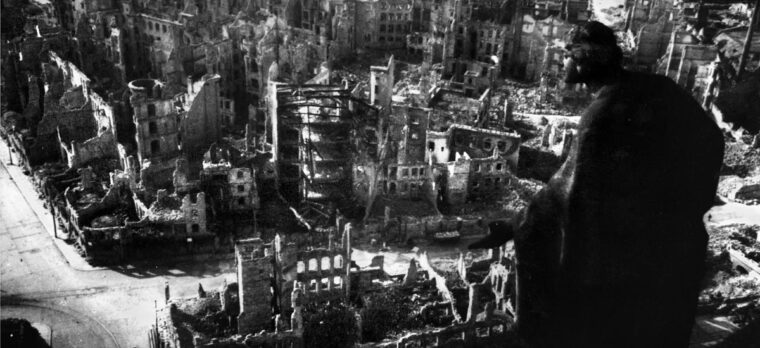
It was February 1945, and the Bombing of Dresden had yet to commence. At this point in the war, the citizens of the capital of the German state of Saxony were beginning to think that they were living a charmed life. Read more
Hermann Göring
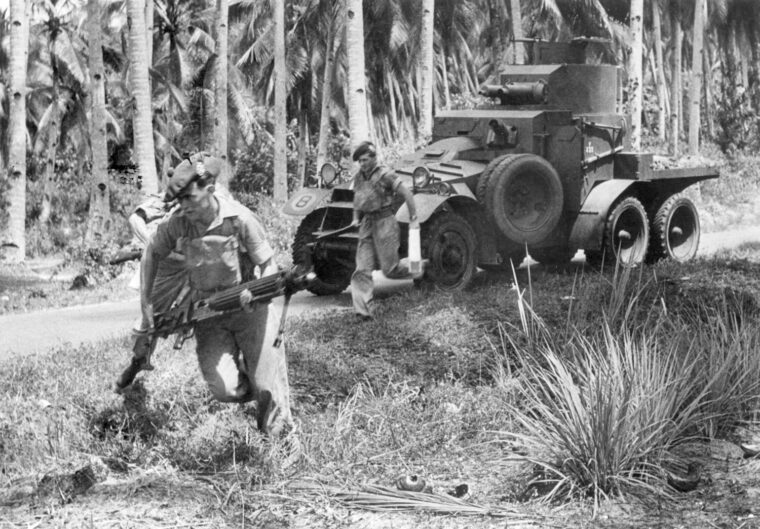
The moon like a tray was sinking in the western sea and the deep red sun showed its face to the east. Read more
Hermann Göring
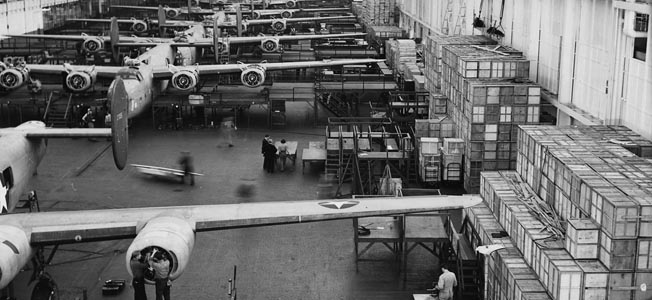
They said it couldn’t be done. Doubters chided Henry Ford for declaring that his Willow Run Bomber Plant could turn out a B-24 Liberator heavy bomber every hour. Read more
Hermann Göring
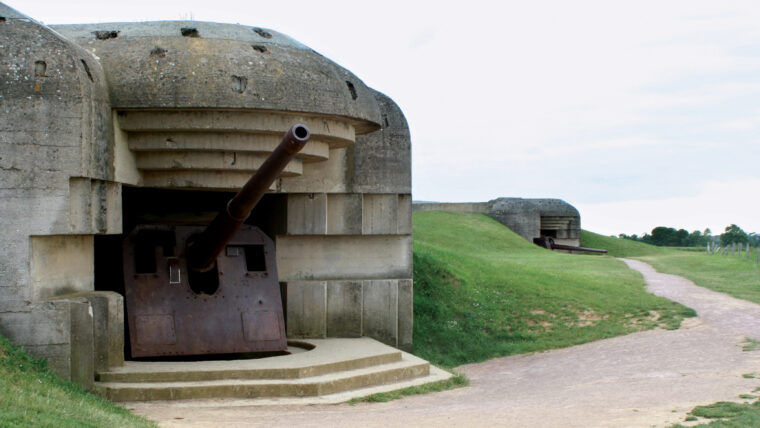
After overrunning France and other Western European countries in 1940, Adolf Hitler was certain that the Allies would one day attempt to invade the European continent and attack through the occupied countries to destroy his regime. Read more
Hermann Göring
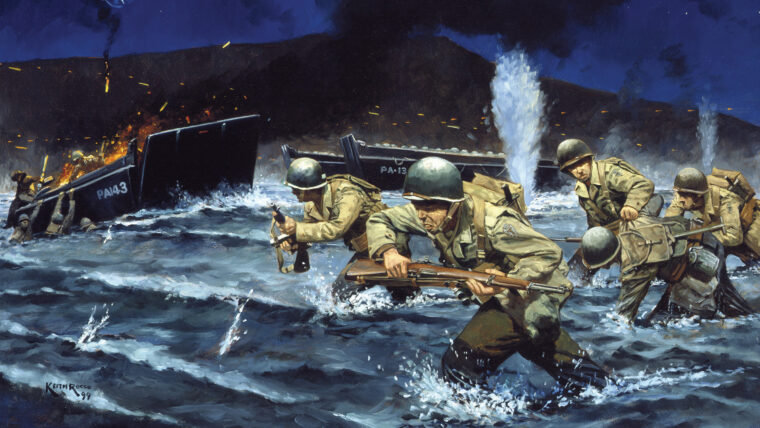
On the morning of September 13, 1943, Col. Gen. Heinrich G. von Vietinghoff, commander of the German Tenth Army, faced a difficult decision. Read more
Hermann Göring
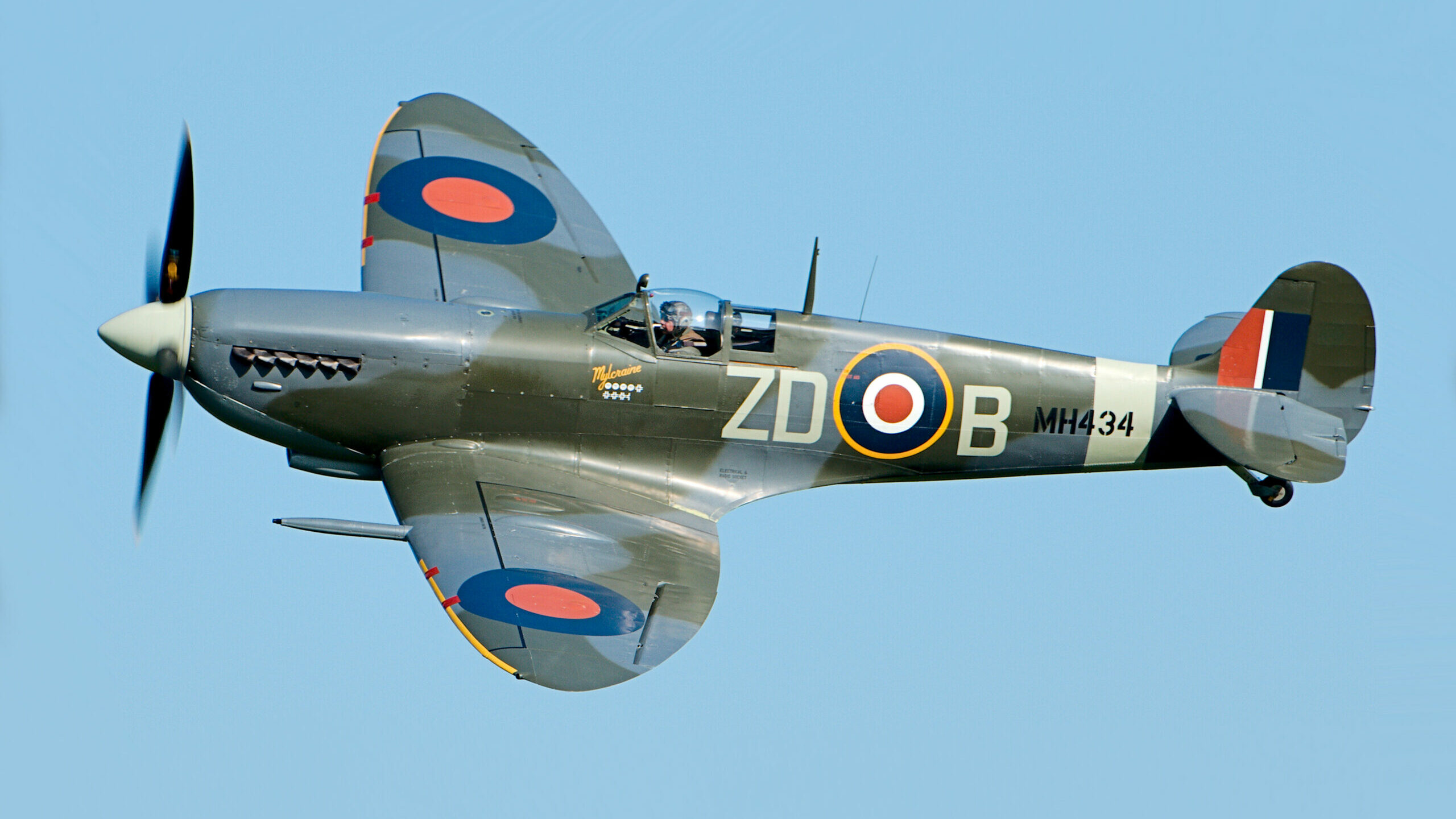
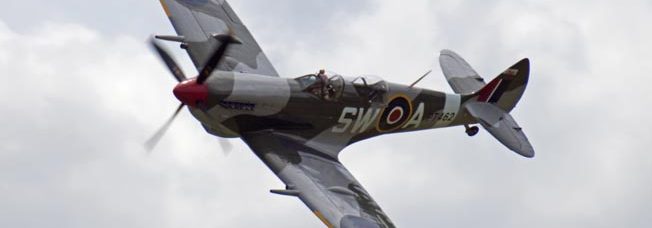
When Hugo Broch flew his fighter for the Luftwaffe, he probably didn’t imagine he would ever find himself in the cockpit of a Supermarine Spitfire. Read more
Hermann Göring
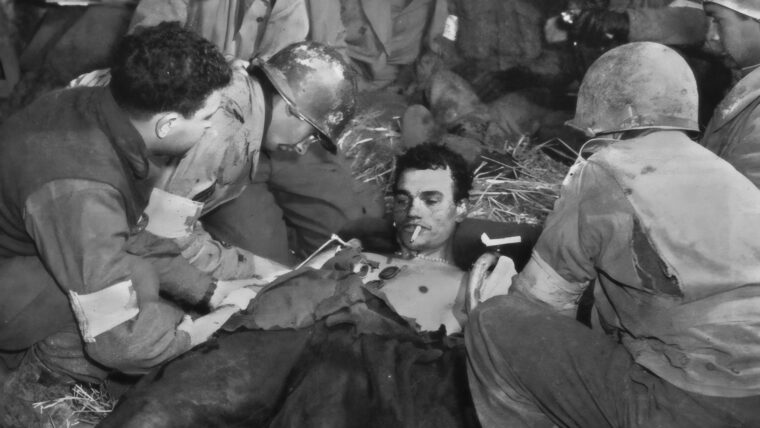
In an age before television and instant communications, Americans wanted to see what was going on in the world’s “deadliest conflict in human history,” and LIFE magazine was making a name for itself as THE war magazine during World War II. Read more
Hermann Göring
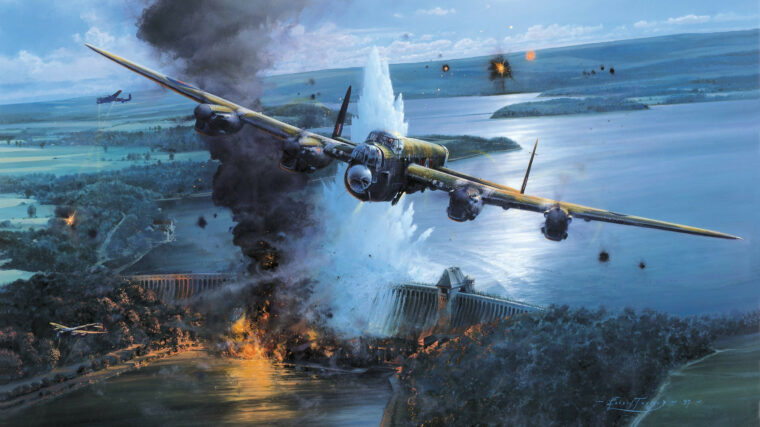
May 16, 1943, had been a sweltering spring day in England. At 9:39 pm, as the sun was dipping below the western horizon, leaving a rim of light and still good visibility, the first three of 19 Avro Lancaster bombers of No. Read more
Hermann Göring
It was a letter in the London Times that caught the attention of British wartime Prime Minister Winston Churchill. Read more
Hermann Göring
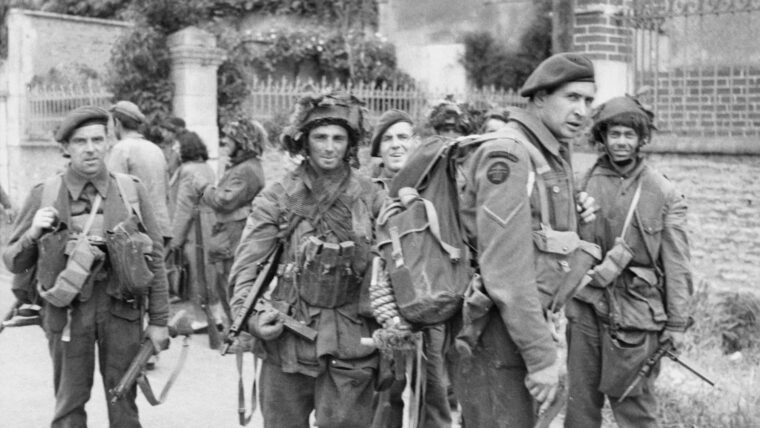
After successfully fighting seasickness during the crossing of the English Channel, Lance-Corporal Ted Brooks of Number 48 (Royal Marine) Commando arrived on Nan Red Beach—which formed the left flank of Juno Beach—on the morning of June 6, 1944. Read more
Hermann Göring
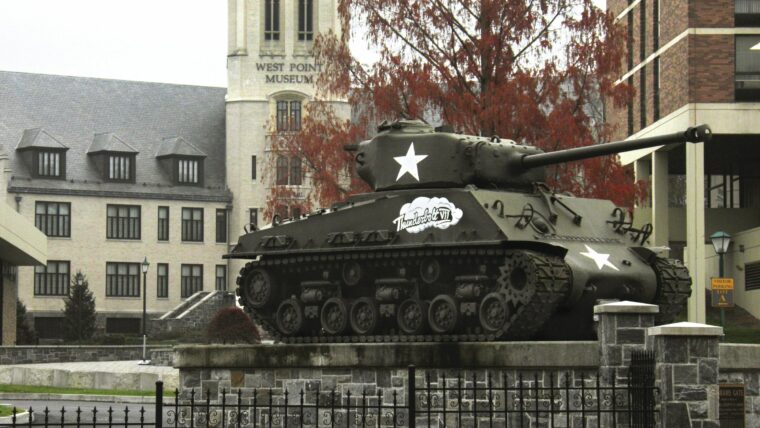
The West Point Museum, located in Olmsted Hall and adjacent to the Visitor Center at the United States Military Academy, about an hour’s drive north of New York City, contains what is considered to be the oldest and largest diversified public collection of military artifacts in the Western Hemisphere. Read more
Hermann Göring
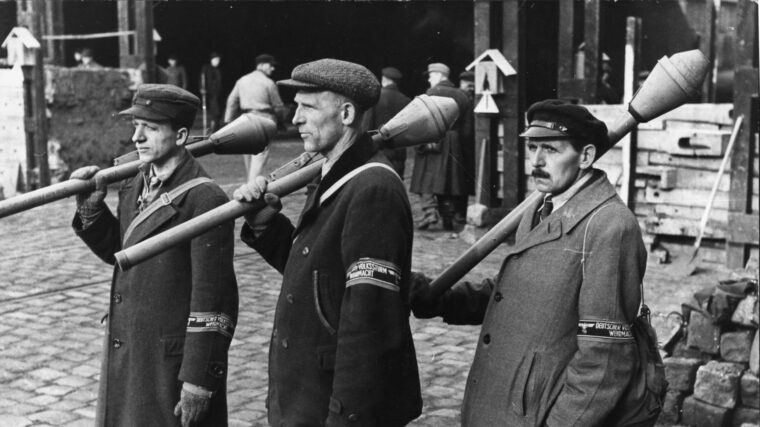
On October 18, 1944—the 131st anniversary of the Battle of the Nations’ victory over Napoleon in 1813—Reichsführer-SS (National Leader) Heinrich Himmler stepped up to a microphone to make a national radio address announcing the formation of the Nazi Party-controlled Volkssturm, or People’s Militia. Read more
Hermann Göring
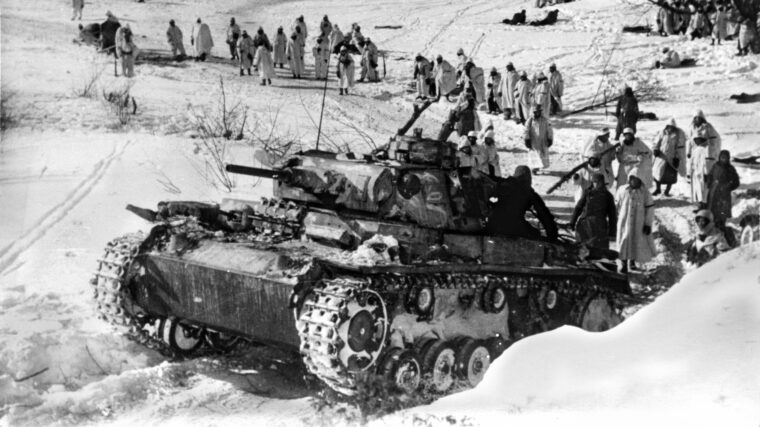
On the surface it may seem odd that men of conquered nations would eagerly sign up to fight for their masters, but that is exactly what happened in Scandinavia in the 1940s. Read more
Hermann Göring
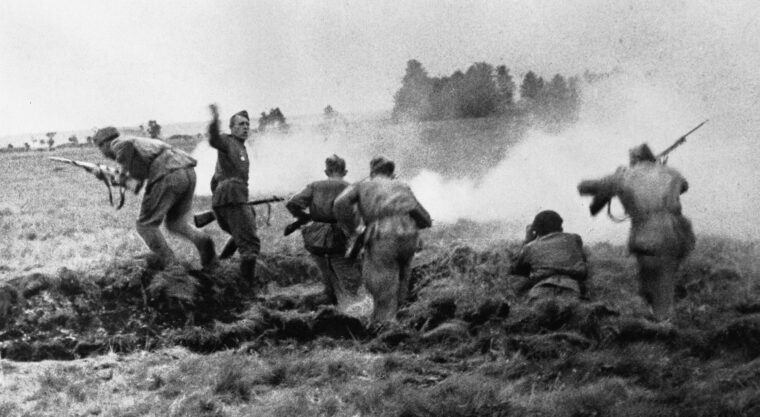
Operation Bagration, the largest operation of World War II, has never been adequately acknowledged in the West to the same extent as a number of smaller campaigns. Read more
Hermann Göring
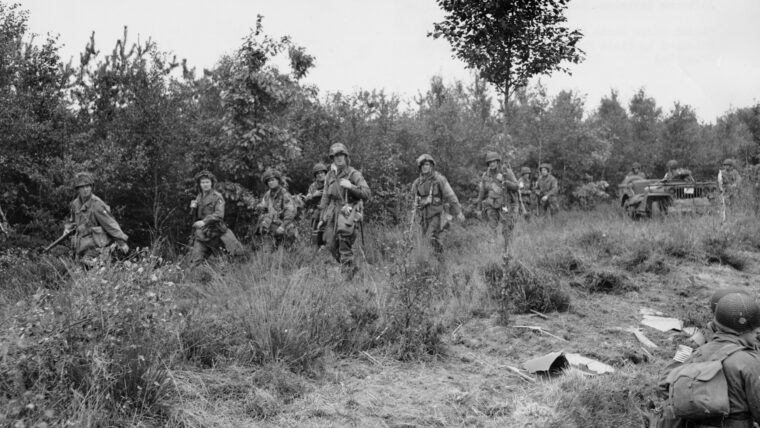
On the veranda of his temporary headquarters in a Dutch country house outside Veghel, Holland, renowned Luftwaffe General Kurt Student played lunch host to an old comrade, the chief of staff of the German Seventh Army. Read more
Hermann Göring
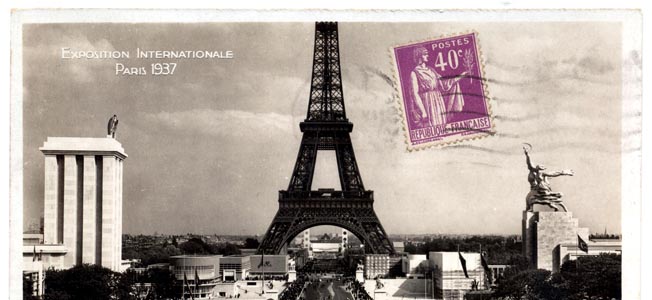
The 1937 Paris International Exposition once again centered world attention on the French capital that had previously been the stage for five world’s fairs, including the famous 1889 Paris Exhibition and the raison d’être for the construction of the Eiffel Tower, at 984 feet then the tallest structure in the world. Read more