Erwin Rommel
Raid on Rommel
By John BrownBy early April 1941, Lt. Gen. Erwin Rommel’s German Afrika Korps, combined with Italian units, had cleared the British from Libya except for the seaport of Tobruk. Read more
Erwin Rommel
By early April 1941, Lt. Gen. Erwin Rommel’s German Afrika Korps, combined with Italian units, had cleared the British from Libya except for the seaport of Tobruk. Read more
Erwin Rommel
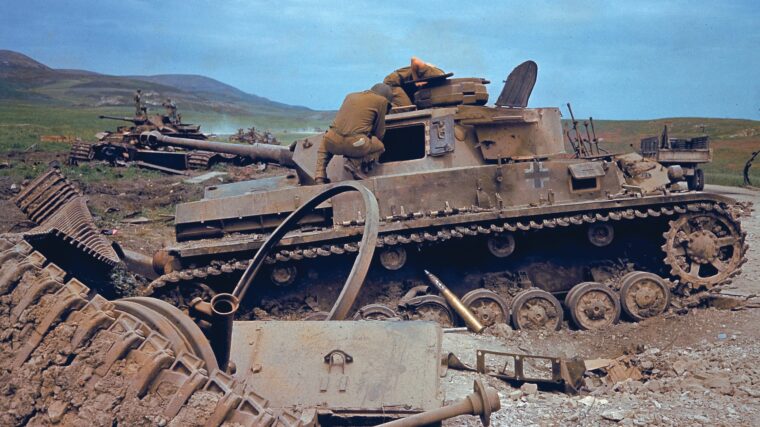
In the early morning hours of March 23, 1943, the U.S. 1st Infantry Division was preparing to attack. Read more
Erwin Rommel
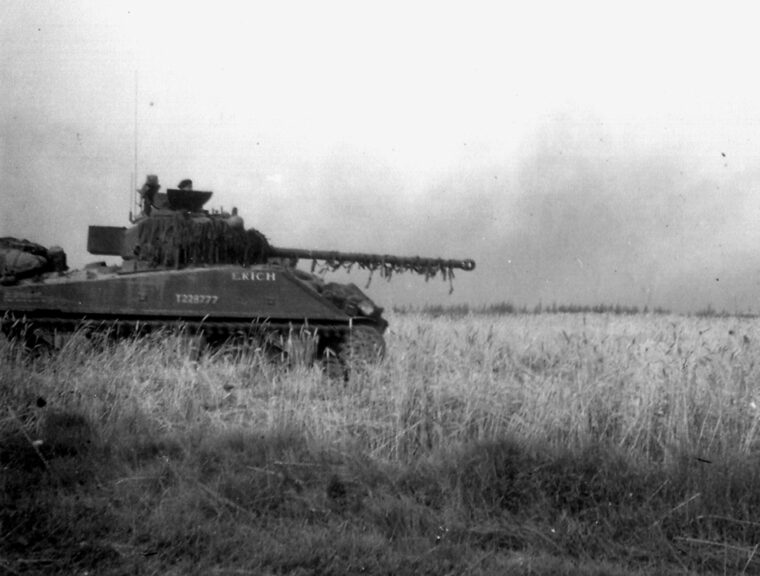
For the Allied tankers and infantrymen of the American, British, Canadian, and Free French armies battling German Panther and Tiger tanks in Normandy in the summer of 1944, the Sherman tank’s failures were glaringly evident as their own shells bounced off the hulls of the Nazi armor and they were themselves destroyed at a far greater range by the powerful German tanks. Read more
Erwin Rommel
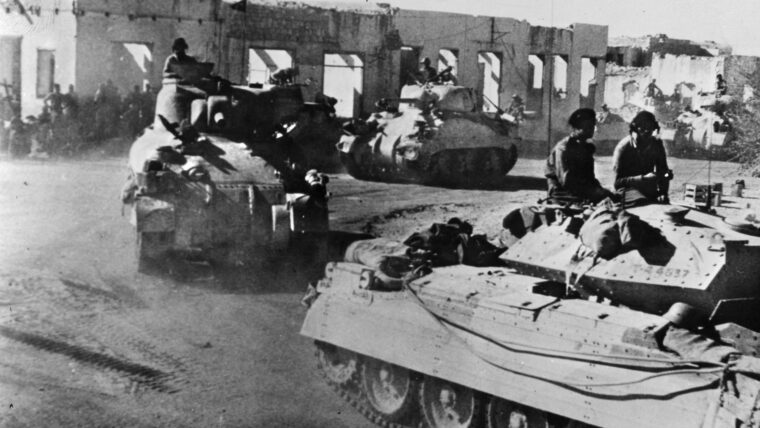
The style of leadership practiced in Britain’s Eighth Army during the early years of the Desert War left much to be desired. Read more
Erwin Rommel
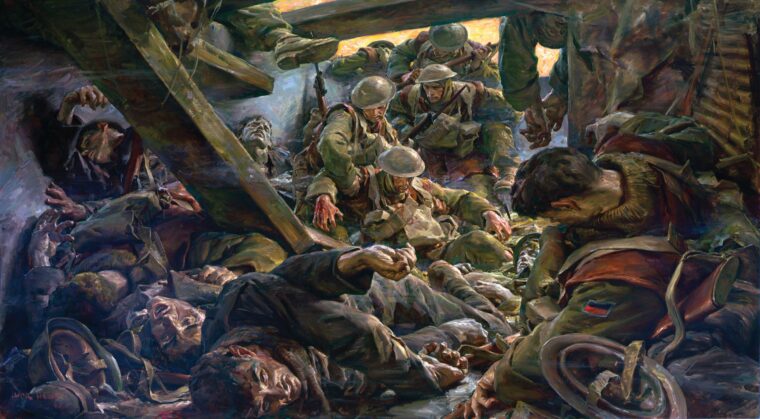
Established in the summer of 1939, Field Marshal Sir Archibald Wavell’s Middle East Command encompassed nine countries and parts of two continents, an area of 1,700 miles by 2,000 miles. Read more
Erwin Rommel
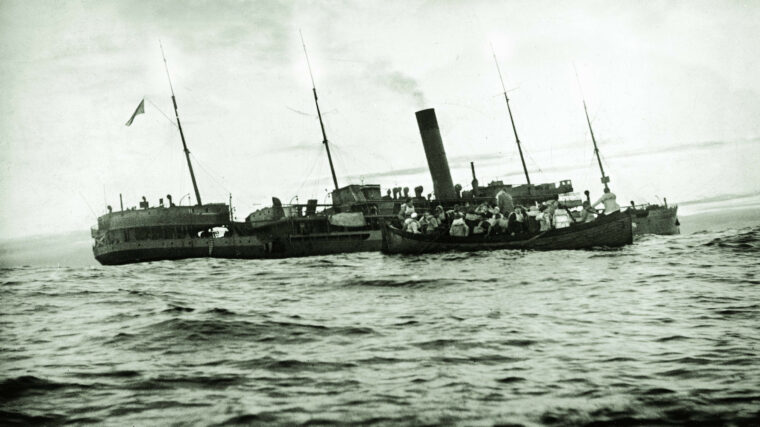
In her previous life, she had been the Hansa-line freighter Goldenfels. She was launched in 1937 and displaced 7,862 tons. Read more
Erwin Rommel
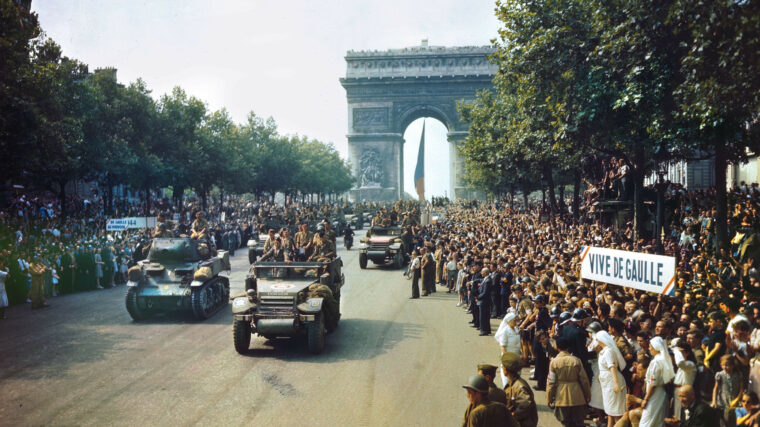
After the humiliating fall of France in June 1940, two impassioned patriots—a general and an infantry captain—refused to accept defeat and determined, against all odds, to exact retribution from the German invaders. Read more
Erwin Rommel
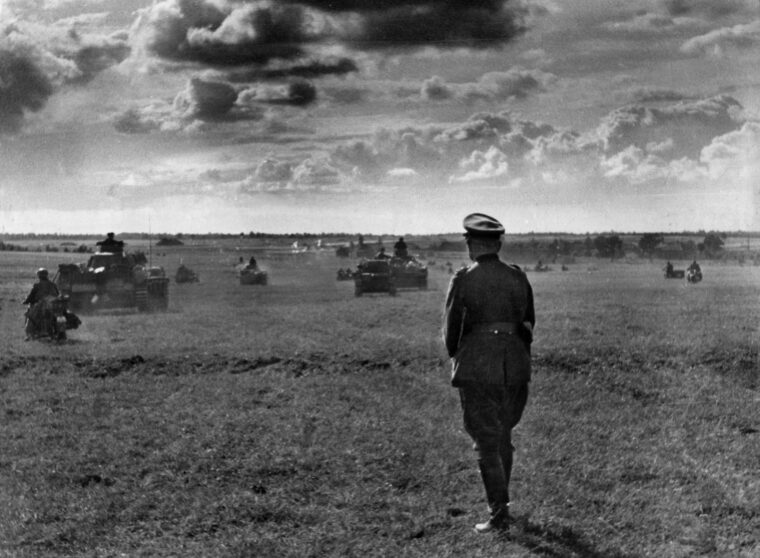
Hitler was enraged as he stalked his way around the room during the waning months of World War II. Read more
Erwin Rommel
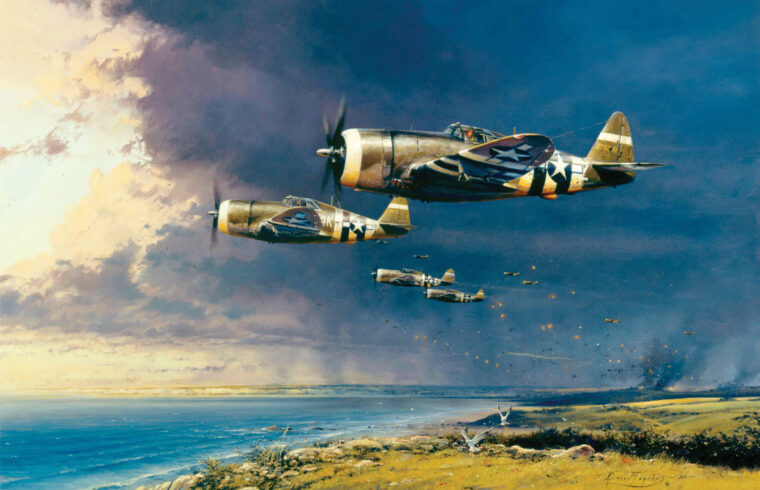
As the landing craft carrying the invading Allied ground forces of Operation Overlord motored toward the Normandy beaches on June 6, 1944, they were protected and supported by the largest aerial armada the world has ever seen. Read more
Erwin Rommel
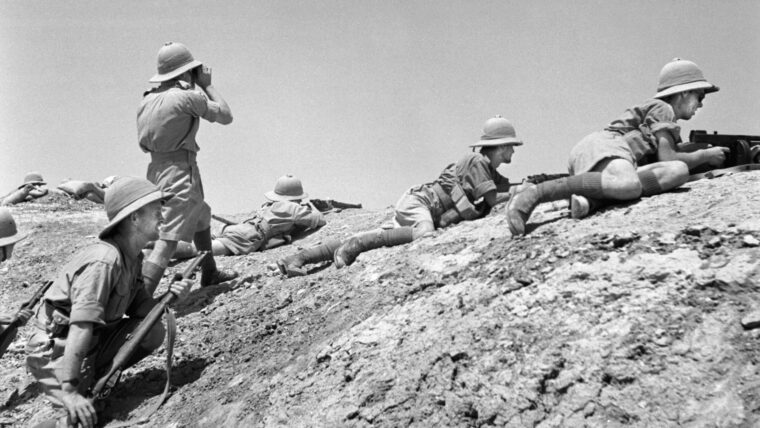
Many students of World War II history know General Sir Claude Auchinleck as the Commander-in-Chief Middle East, who, after taking over for General Sir Archibald Wavell in late June 1941, oversaw the fluctuating fate of Britain’s Eighth Army while combating German General Erwin Rommel’s Afrika Korps during Operations Crusader and Gazala. Read more
Erwin Rommel
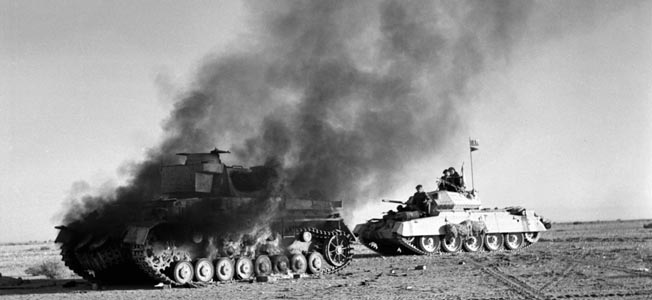
British Field Marshal Sir Bernard Montgomery has gone down in history as the victor of El Alamein and the relentless nemesis of Field Marshal Erwin Rommel, Nazi Germany’s famed “Desert Fox.” Read more
Erwin Rommel
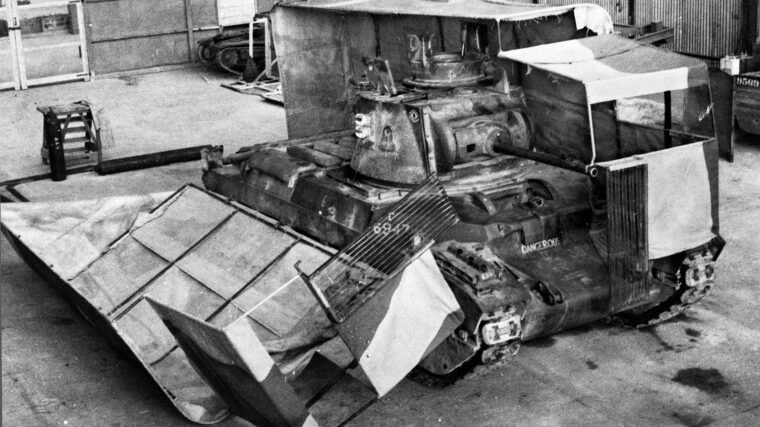
In July 1939, Archibald Wavell was named General Officer Commanding-in-Chief (GOC-in-C) of Middle East Command with the rank of full general in the British Army. Read more
Erwin Rommel
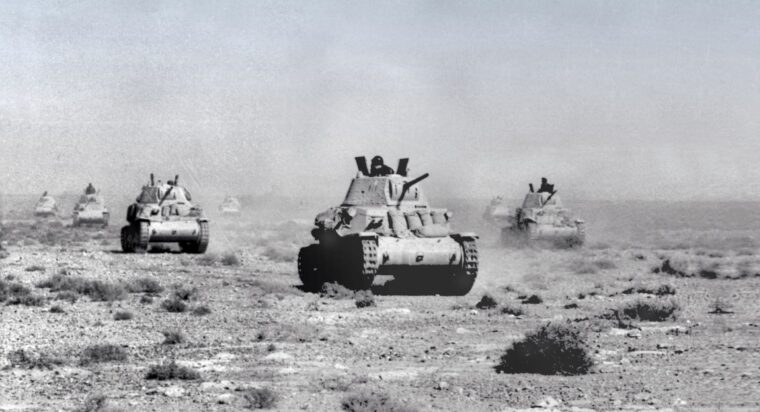
February 1941 saw the fortunes of war favor the British in the North African wasteland of Cyrenaica (modern Libya). Read more
Erwin Rommel
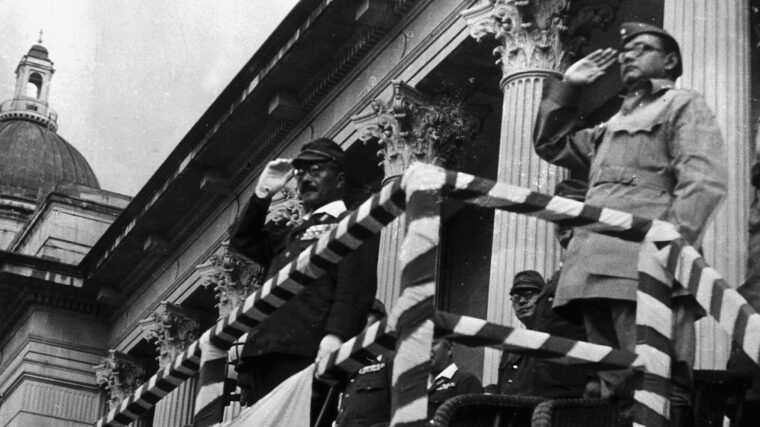
When British diplomat Lord Halifax arrived at the Berghof in the Bavarian Alps on November 19, 1937, he mistook German Reich Chancellor Adolf Hitler for a footman and was about to hand him his coat and hat when Foreign Minister Baron Constantin von Neurath hissed, “The Führer! Read more
Erwin Rommel
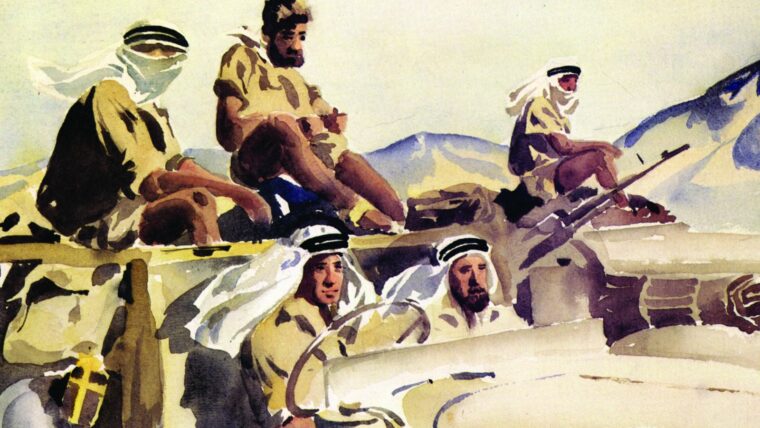
“The problem,” a member said, “is to make yourself so much master over the appalling difficulties of nature—heat, thirst, cold, rain, fatigue—that, overcoming these you yet have physical energy and mental resilience to deal with the greater object, the winning of the war.” Read more
Erwin Rommel
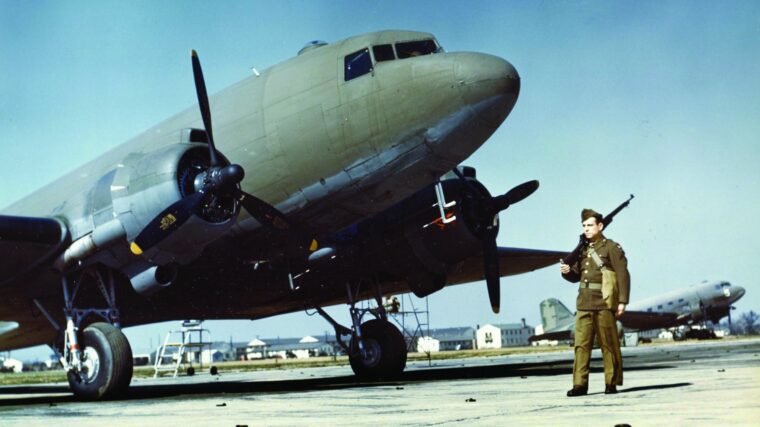
Even though, technically at least, it was not a combat airplane, the performance of the Douglas C-47 transport led General of the Army Dwight Eisenhower to label it as one of the most important weapons of World War II. Read more
Erwin Rommel
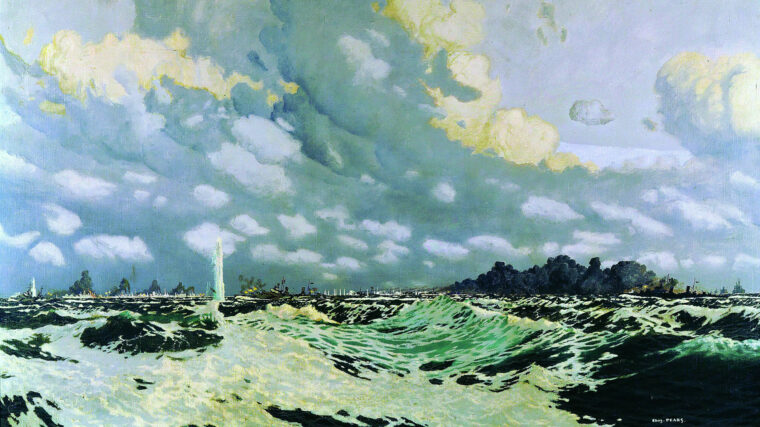
Located 58 miles south of Sicily in the Mediterranean Sea, the rocky, 122-square-mile island of Malta was the hinge upon which all Allied operations in the Middle East turned during the first half of World War II. Read more
Erwin Rommel
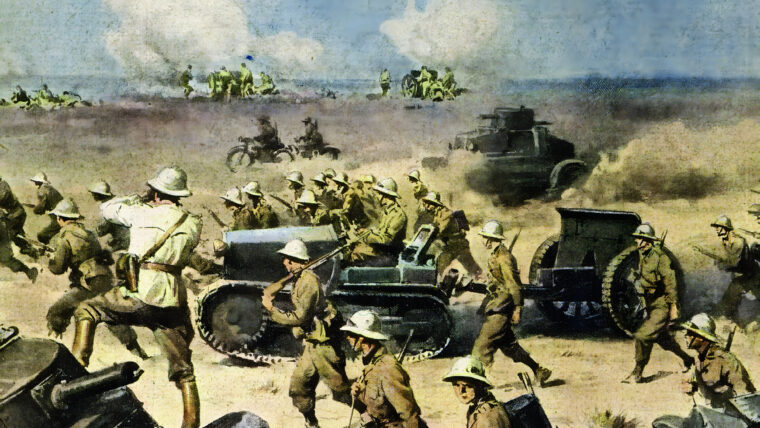
When most people think of the Italian Army in North Africa during World War II, they tend to believe that the average Italian soldier offered little resistance to the Allies before surrendering. Read more
Erwin Rommel
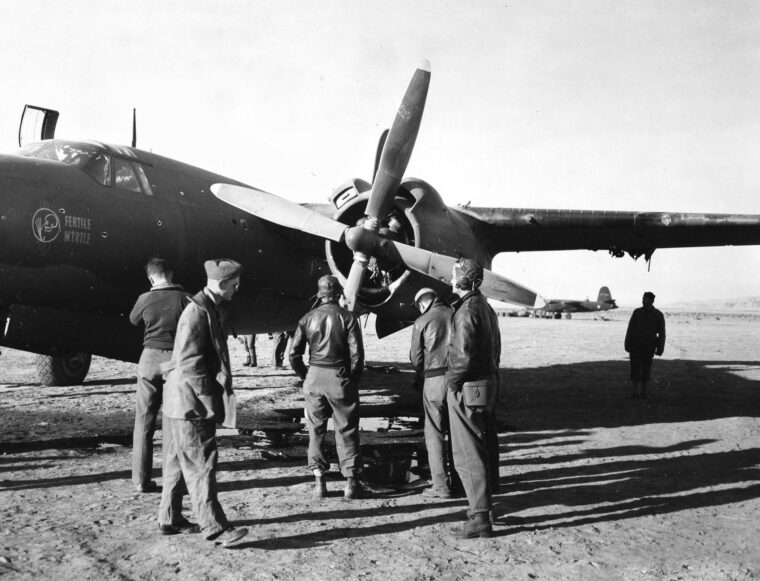
The first good news in the war for the United States had been the Doolittle Raid on April 18. Read more

Erwin Rommel
Sergeant Charles Callistan looked through the sights of an antitank gun at an approaching enemy tank. His weapon, a six-pounder cannon, was in the perimeter of a surrounded British outpost named Snipe. Read more