Erwin Rommel
Blitzkrieg 1940: From the Invasion of Holland to the Fall of France
By John BrownThe ancient Chinese military strategist Sun Tzu wrote, “Go forth to the enemy’s positions to which he must race. Read more
Erwin Rommel
The ancient Chinese military strategist Sun Tzu wrote, “Go forth to the enemy’s positions to which he must race. Read more
Erwin Rommel
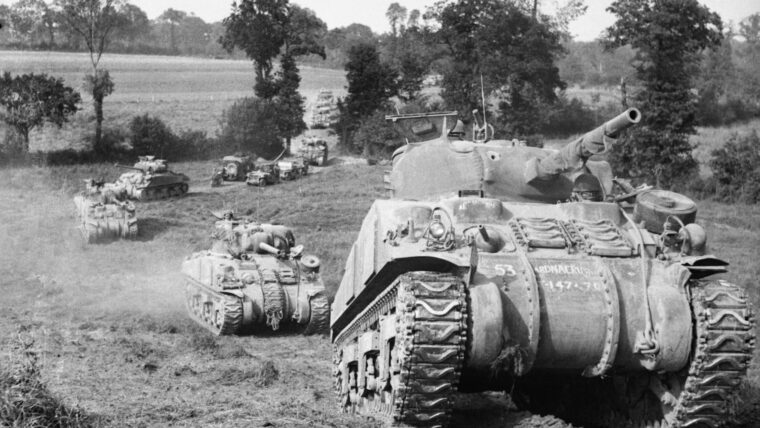
Bradley could have been referring to German General Erwin Rommel. While Rommel was winning the war of desert armor tactics during 1941-1942 in the North African Campaign, he was losing the war of logistics. Read more
Erwin Rommel
It was a letter in the London Times that caught the attention of British wartime Prime Minister Winston Churchill. Read more
Erwin Rommel
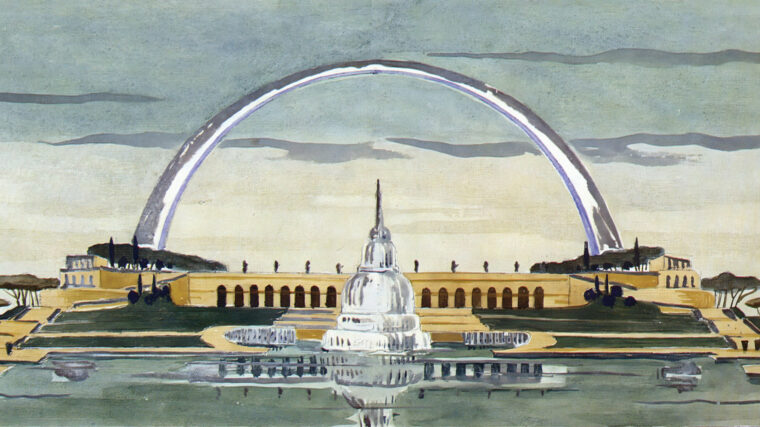
Visitors to a certain part of Rome today may not even be aware that they are walking in an area that came about because of an architectural vision of Benito Mussolini, Italy’s infamous fascist dictator. Read more
Erwin Rommel
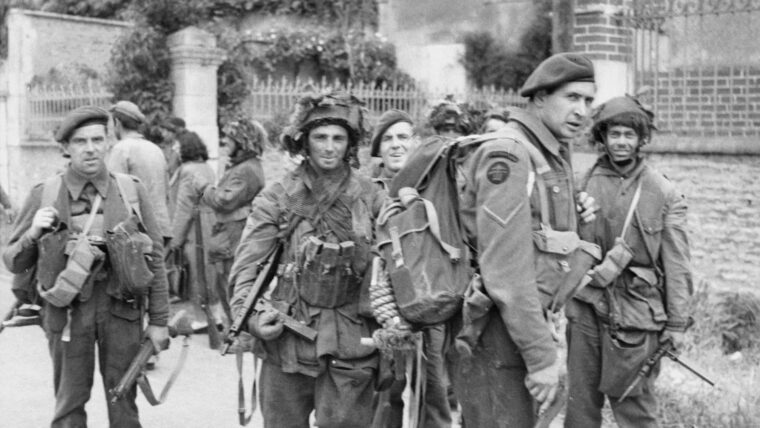
After successfully fighting seasickness during the crossing of the English Channel, Lance-Corporal Ted Brooks of Number 48 (Royal Marine) Commando arrived on Nan Red Beach—which formed the left flank of Juno Beach—on the morning of June 6, 1944. Read more
Erwin Rommel
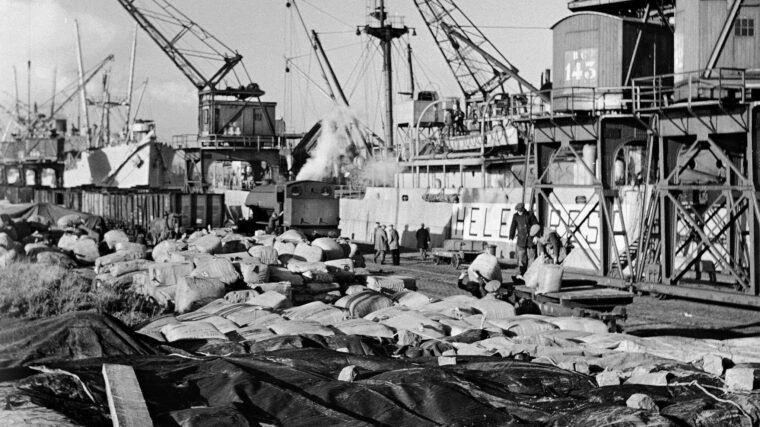
After the war in Europe was won, General Dwight D. Eisenhower had many opportunities to review various campaigns with the leaders of the Soviet Army–– including even Joseph Stalin himself. Read more
Erwin Rommel
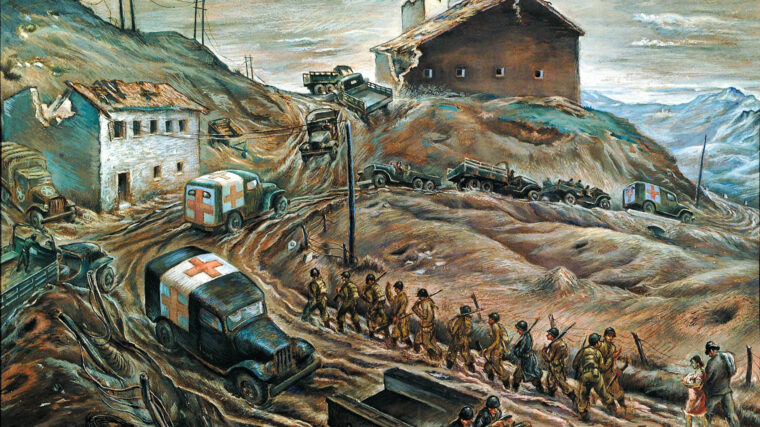
The reason for it was unthinkable. The Gothic Line, the last line of defense in Italy, was necessary, but senior German commanders had not been concerned that it would ever be contested by Allied forces. Read more
Erwin Rommel
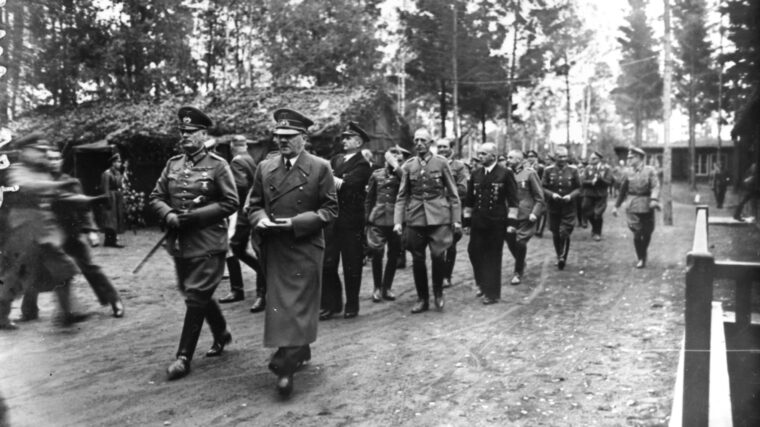
With the end of World War I, the German Army had not been defeated in the field. Read more
Erwin Rommel
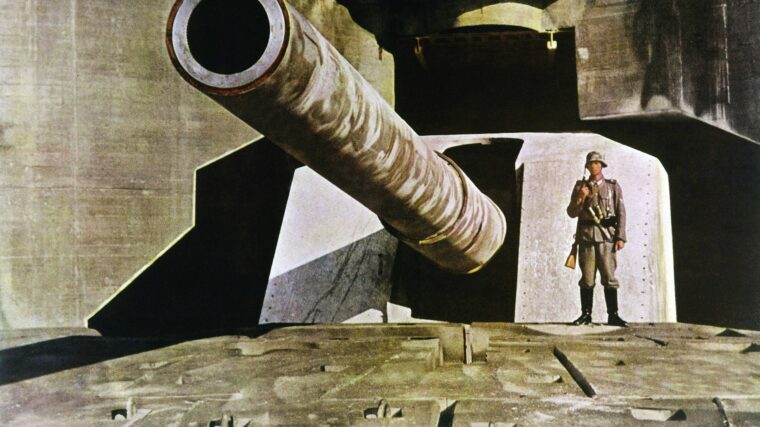
The popular image of Hitler’s Atlantic Wall (Atlantikwall) is one of massive bunkers and huge artillery pieces recessed in concrete casemates stretching the length of the Reich’s coastline. Read more
Erwin Rommel
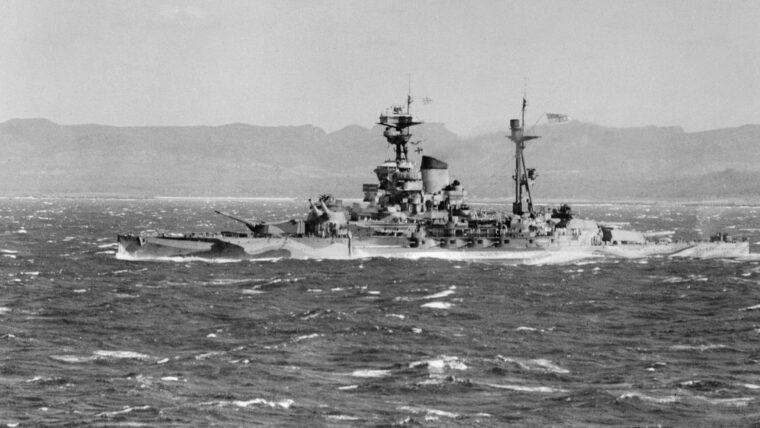
In early 1942 things could have hardly looked bleaker for the Allies. In Europe, Hitler’s war machine had steamrolled across the entire continent and was now battling before the gates of Moscow. Read more
Erwin Rommel
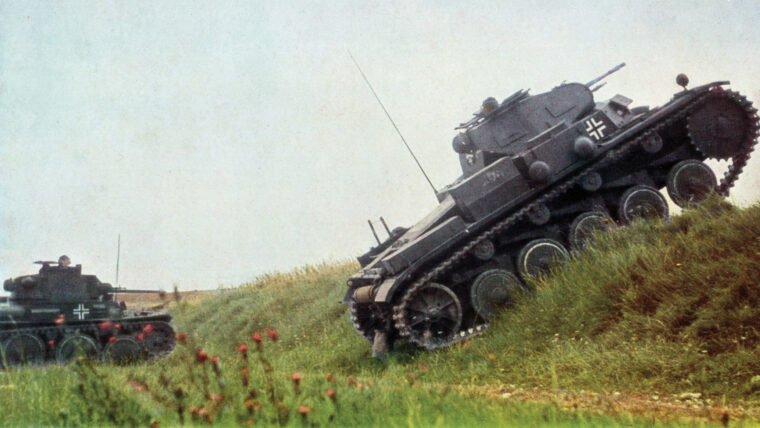
The midday sun sat almost directly overhead as Subaltern T. Hepple led his tank out of the French village of Petit Vimy. Read more

Erwin Rommel
South of the crossroads of Arras in the Pas de Calais region of France, British and German troops are buried alongside each other. Read more

Erwin Rommel
One night in mid-October 1941, a British Army intelligence officer disguised as a Senussi Arab was dropped by parachute behind the German lines in the Italian colony of Libya. Read more
Erwin Rommel
American General George S. Patton, Jr., and German Field Marshal Erwin Rommel both demonstrated the masterful employment of armored forces in many World War II military campaigns. Read more
Erwin Rommel
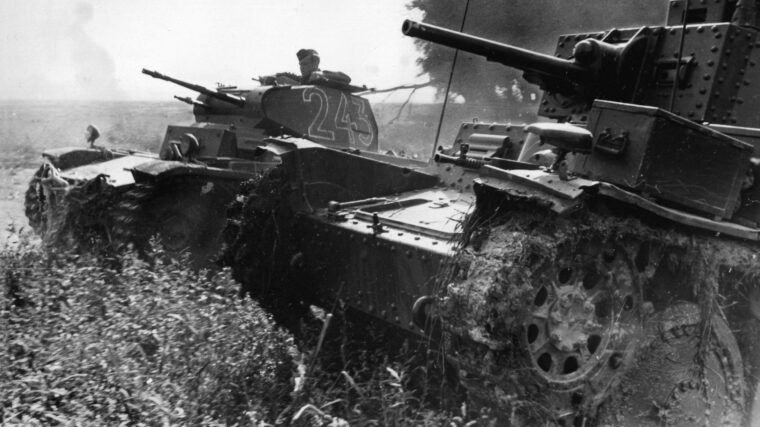
The appointment of Erwin Rommel as commander of the 7th Panzer Division (nicknamed the “Ghost Division”) in February 1940 seems, in the light of his many triumphs in France and North Africa, an unremarkable and perfectly natural choice. Read more
Erwin Rommel
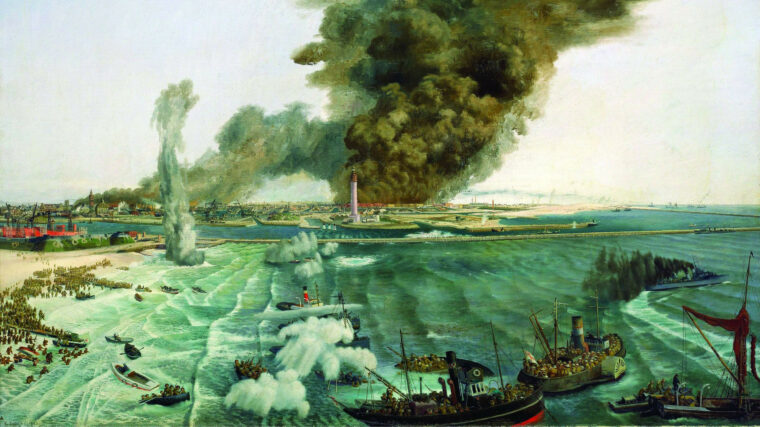
Following the 76th anniversary of the evacuation of the British Expeditionary Force (BEF) from the beaches and harbor of Dunkirk, one is amazed at the number of articles and volumes written about the subject. Read more
Erwin Rommel
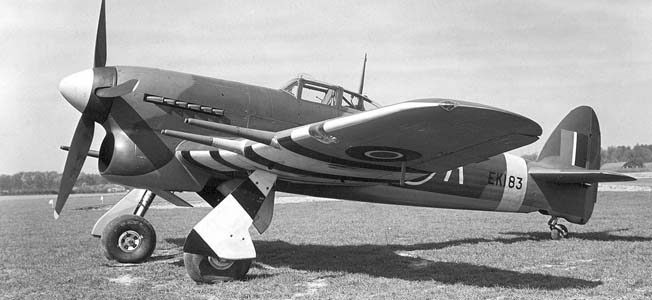
In 1934 the British War office accepted a new aircraft design eventually designated the Hawker Hurricane Mark 1. Read more
Erwin Rommel
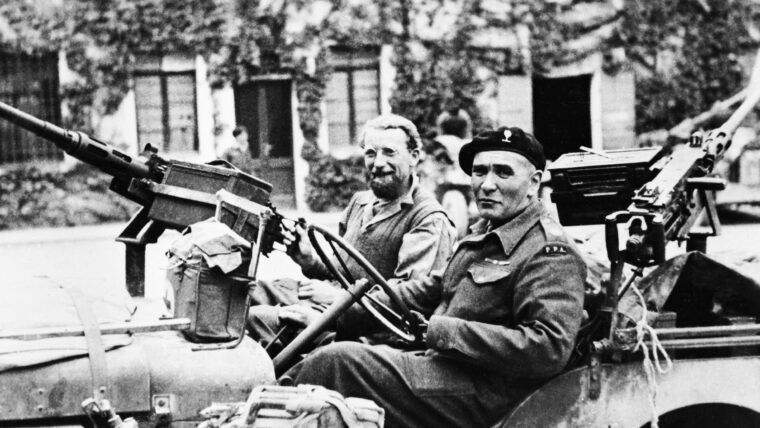
In September 1942, two patrols of armed jeeps and trucks of the Long Range Desert Group (LRDG) raided the German airfield at Barce. Read more
Erwin Rommel
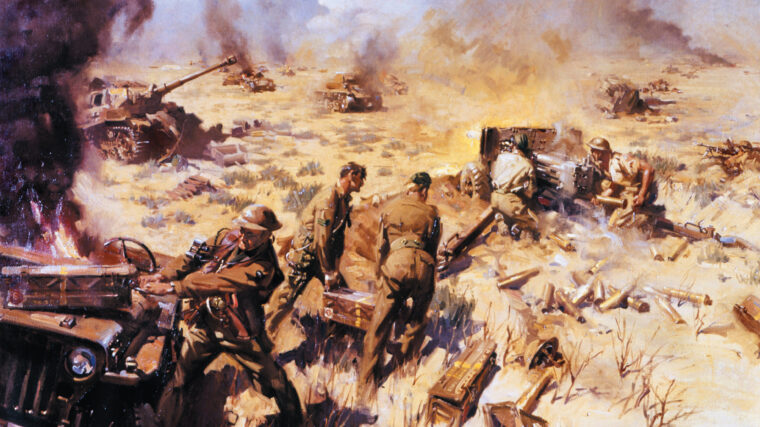
An old cliché admonishes, “Bad things always come in threes.” Whether it was thought of as a law of nature or merely coincidence, a rapid succession of events in North Africa during the summer of 1942 seemed to confirm this widely held notion among the officers and men of the British Eighth Army. Read more
Erwin Rommel
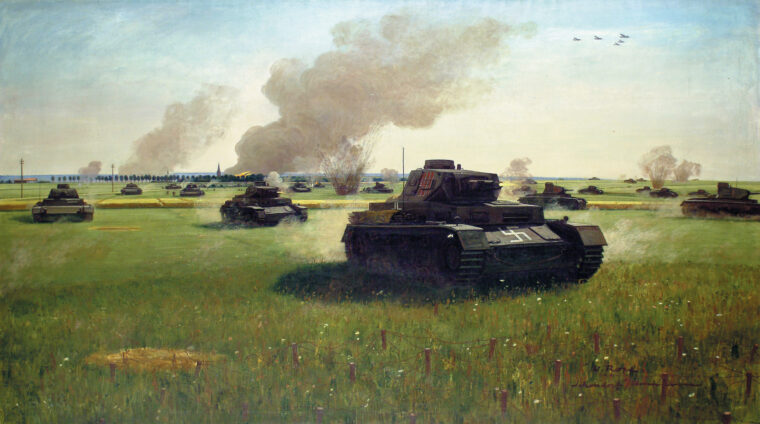
May 10, 1940, marked the beginning of the war in western Europe. Nazi-controlled Germany invaded Holland, Belgium, Luxembourg, and France. Read more