Confederacy
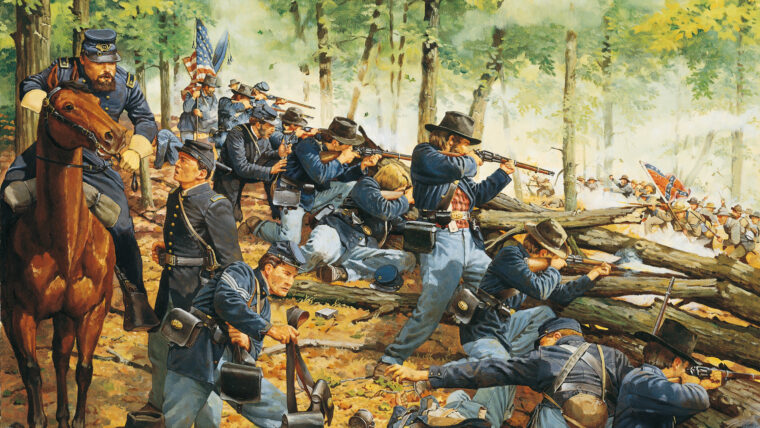
Battle of Chickamauga: Death in the Deep Woods
By Cowan BrewIt was nearly 11 on the morning of September 20, 1863, and the woods around slow-moving Chickamauga Creek in northwest Georgia were ominously quiet. Read more
Confederacy
It was nearly 11 on the morning of September 20, 1863, and the woods around slow-moving Chickamauga Creek in northwest Georgia were ominously quiet. Read more
Confederacy
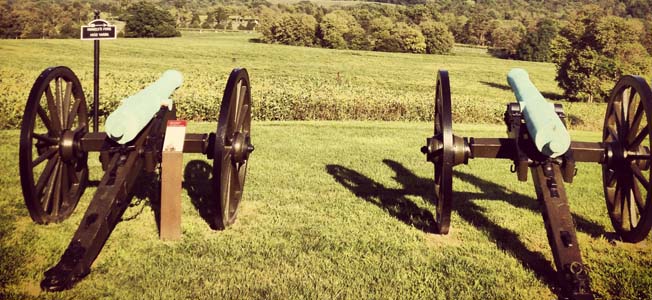
President Donald Trump has kept true to his pledge to donate his presidential income while in office, with the President’s first paycheck going, in full, to fund projects to maintain and restore the Antietam National Battlefield. Read more
Confederacy
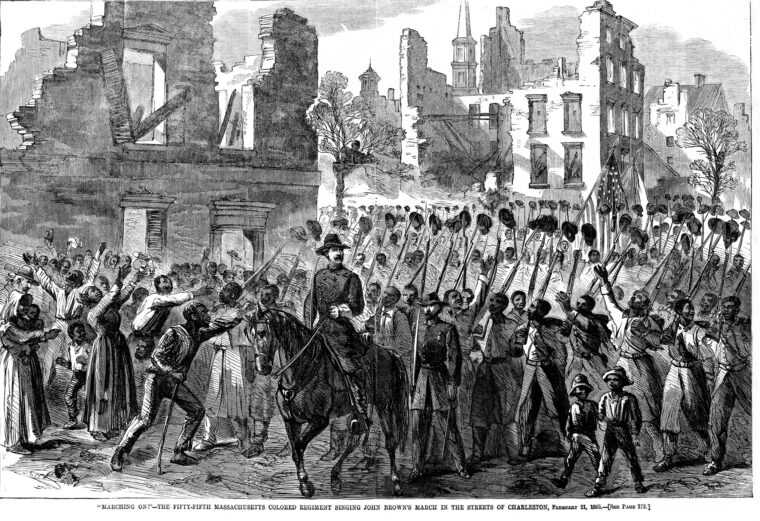
The men of the 54th Massachusetts Infantry Regiment began a hard march at 8:30 am on February 20, 1864. Read more
Confederacy
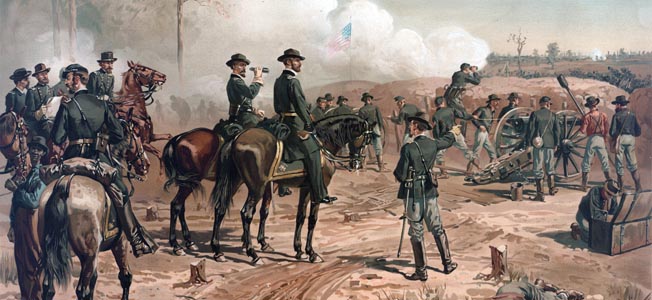
On September 3, 1864, a triumphant Maj. Gen. William Tecumseh Sherman telegraphed Washington, “Atlanta is ours and fairly won.” Read more
Confederacy
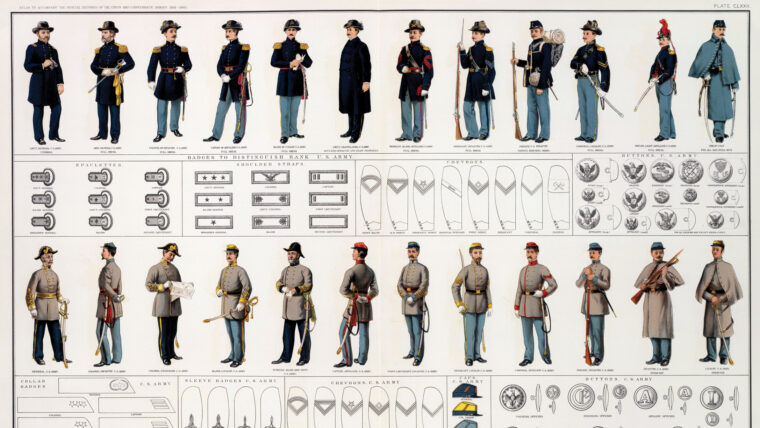
The title of the 128-book, 138,579-page work was a suitably large mouthful: The War of the Rebellion: A Compilation of the Official Records of the Union and Confederate Armies. Read more
Confederacy
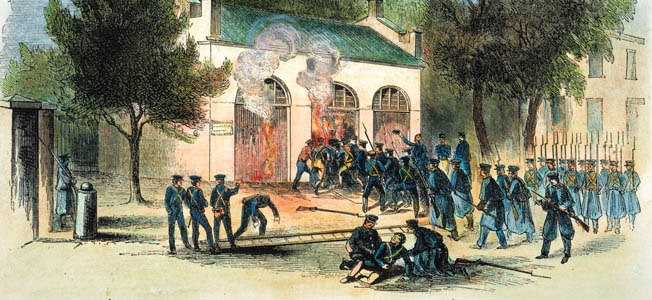
On the morning of October 17, 1859, an aide to Secretary of War John B. Floyd hurried off with an urgent message for Colonel Robert E. Read more
Confederacy
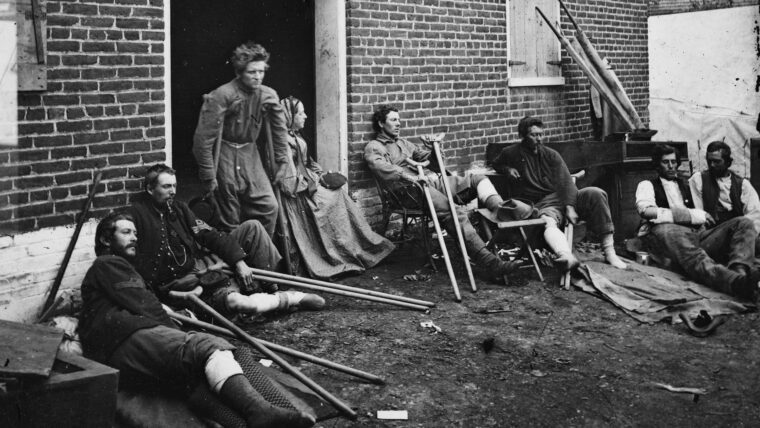
A slight knee wound brought the New Jersey boy to a Washington military hospital, but “his mind had suffered more than his body,” wrote volunteer nurse Louisa May Alcott. Read more
Confederacy
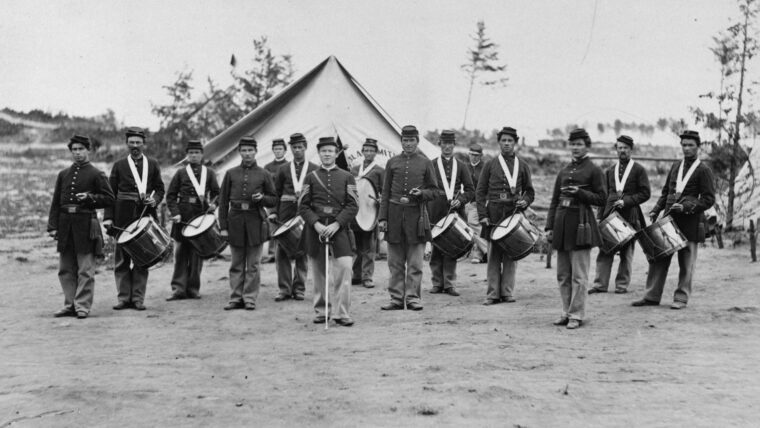
Winter was the calmest period for Civil War soldiers. Knowing that there was no combat immediately looming on the horizon allowed the soldiers to relax and recuperate in ways they had not been able to enjoy beafore. Read more
Confederacy
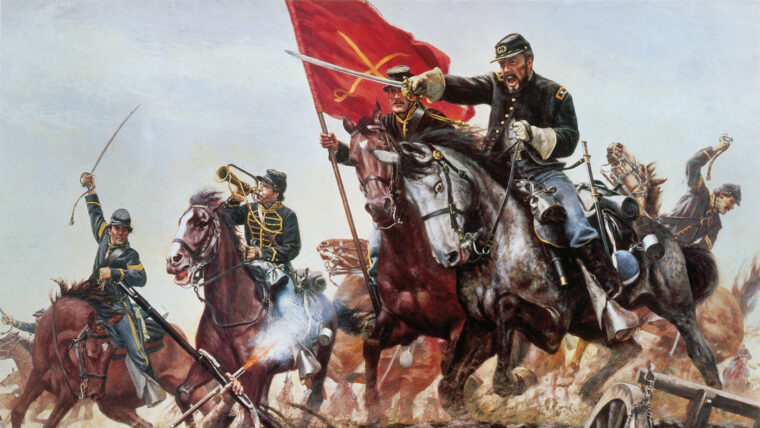
As reveille sounded through the Union encampments on the south bank of the Tennessee River between Eastport, Mississippi, and Chickasaw, Alabama, on March 22, 1865, sleepy Federal troopers roused themselves, built fires, and cooked breakfast. Read more
Confederacy
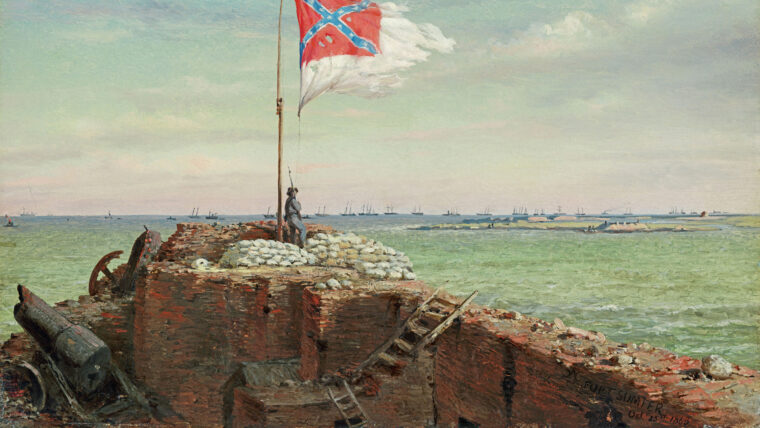
The Union bid to capture Charleston, South Carolina, in April 1863 was set in motion seven months earlier, in the autumn of 1862. Read more
Confederacy
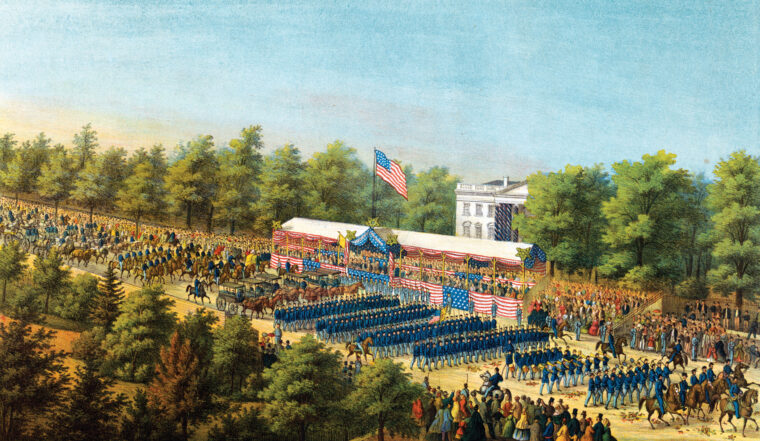
Robert E. Lee’s surrender at Appomattox, presaging the subsequent surrender of other Confederate forces in the West and the capture of Southern President Jefferson Davis a few weeks later, marked the triumphant end of the nation’s great sundering. Read more
Confederacy
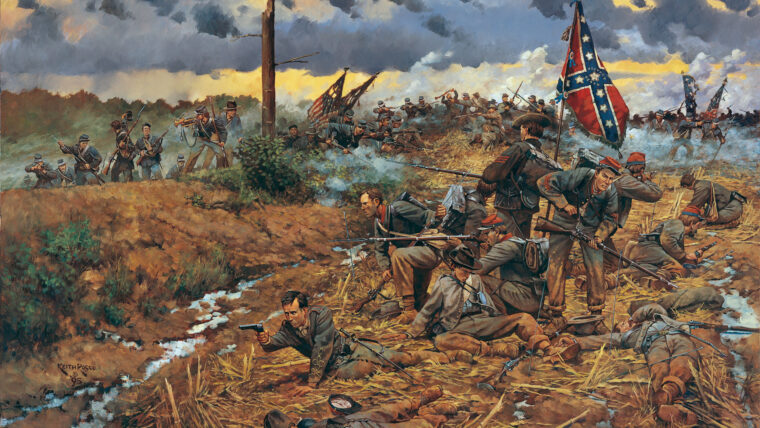
Four hundred Confederate sailors and marines, their small arms loaded and ready, awaited their orders. Some men had their cutlasses within easy reach. Read more
Confederacy
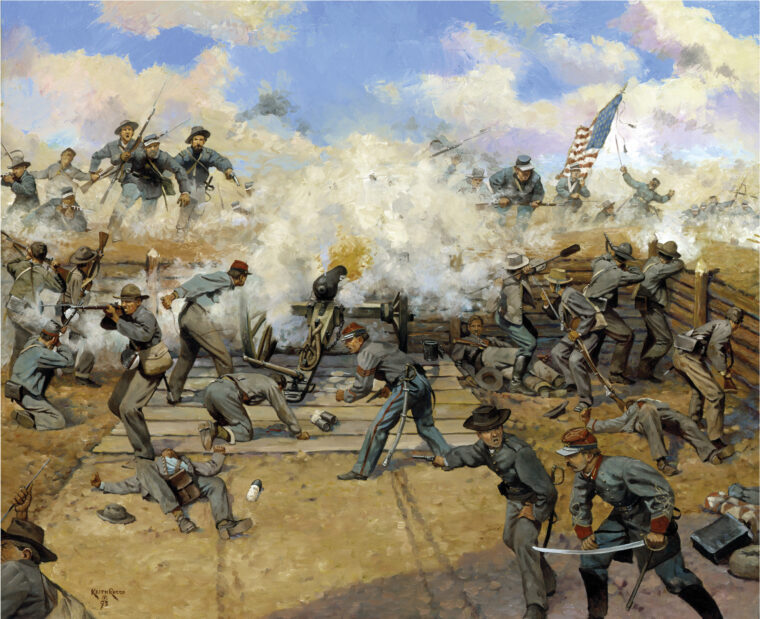
Lieutenant Colonel Horace Porter, personal aide to Lt. Gen. Ulysses S. Grant, maneuvered his mount past ammunition wagons, ambulances, stragglers, and prisoners jamming the muddy roads leading back to headquarters from Five Forks, Virginia, on the evening of April 1, 1865. Read more
Confederacy
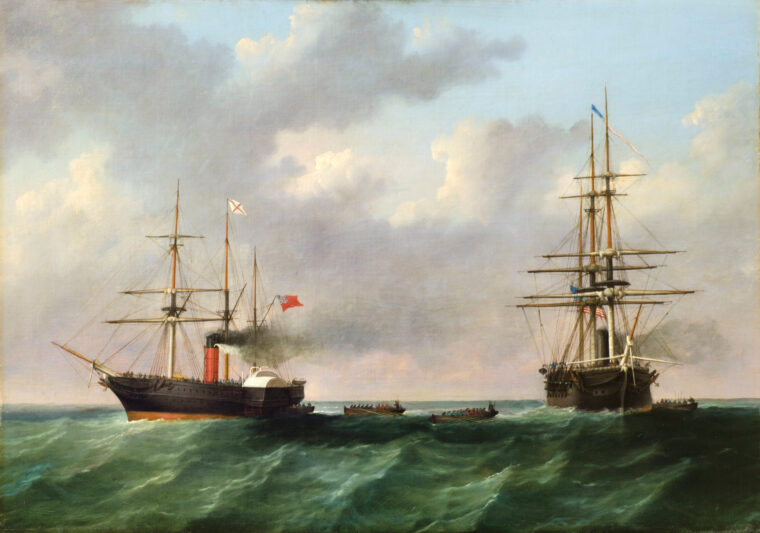
In November 1861, word swept through London that an American warship, James Adger, in port at Southampton, was planning to put to sea and intercept a British ship bringing Confederate emissaries to Europe. Read more
Confederacy
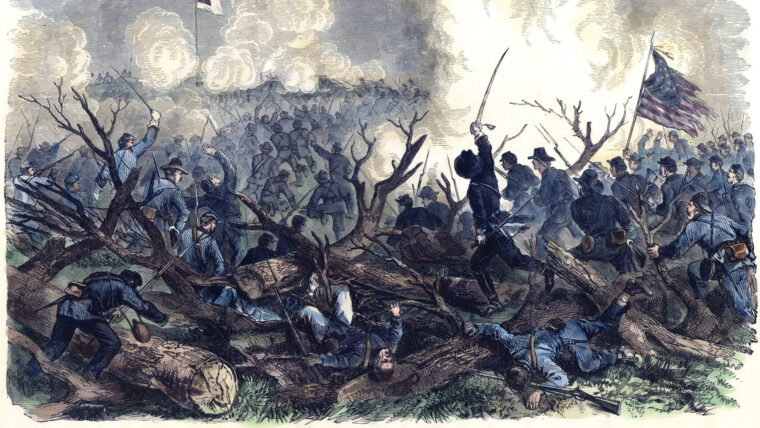
Nathaniel Banks was a political creature, and with his country in the throes of civil war, he now held the politically obtained rank of major general in the Union Army. Read more
Confederacy
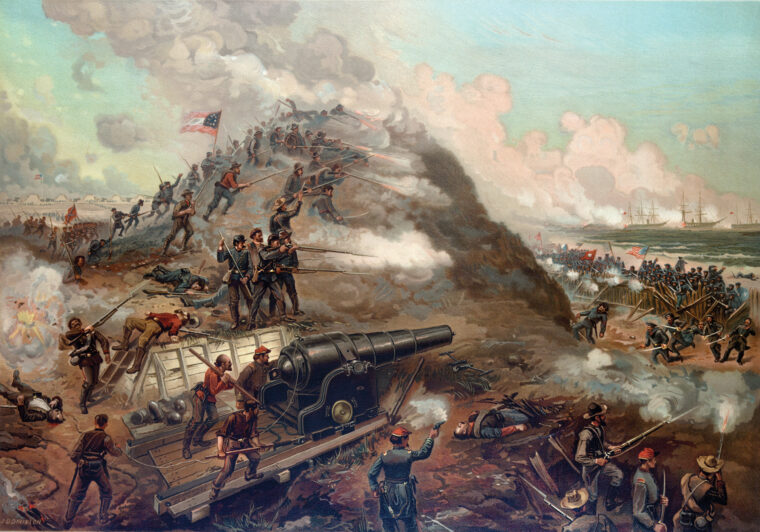
The prospect of running the Federal blockade at Wilmington was easy in the beginning. North Carolina’s principal seaport was blockaded by a single warship, USS Daylight, and no one took the threat seriously. Read more
Confederacy
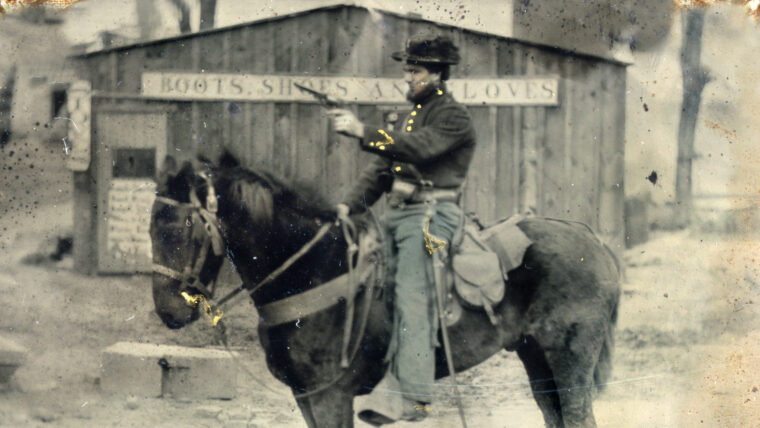
Union Colonel Benjamin Grierson stuck his left foot into the stirrup and swung up into the saddle. Orders were quickly given, and soon a column of 1,700 blue-jacketed troopers of Grierson’s 1st Brigade, along with a battery of artillery, trampled southeast from La Grange, Tennessee, in the early dawn of April 17, 1863. Read more
Confederacy
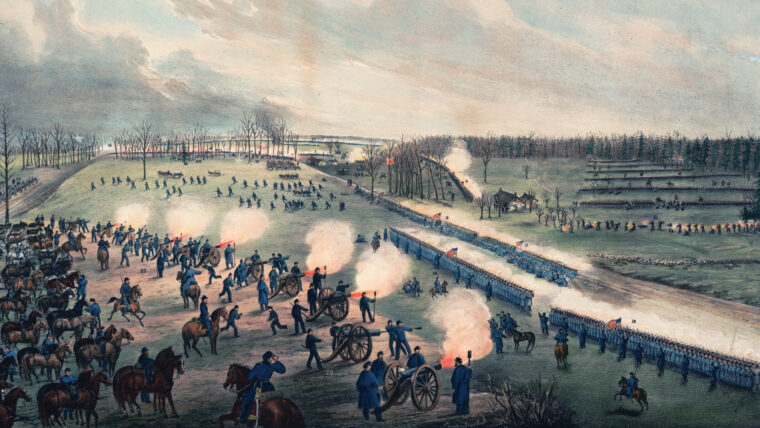
For the weary troops of the Army of the Cumberland, there was precious little sleep to be had in the farm fields and cedar thickets northwest of Murfreesboro, Tennessee. Read more
Confederacy
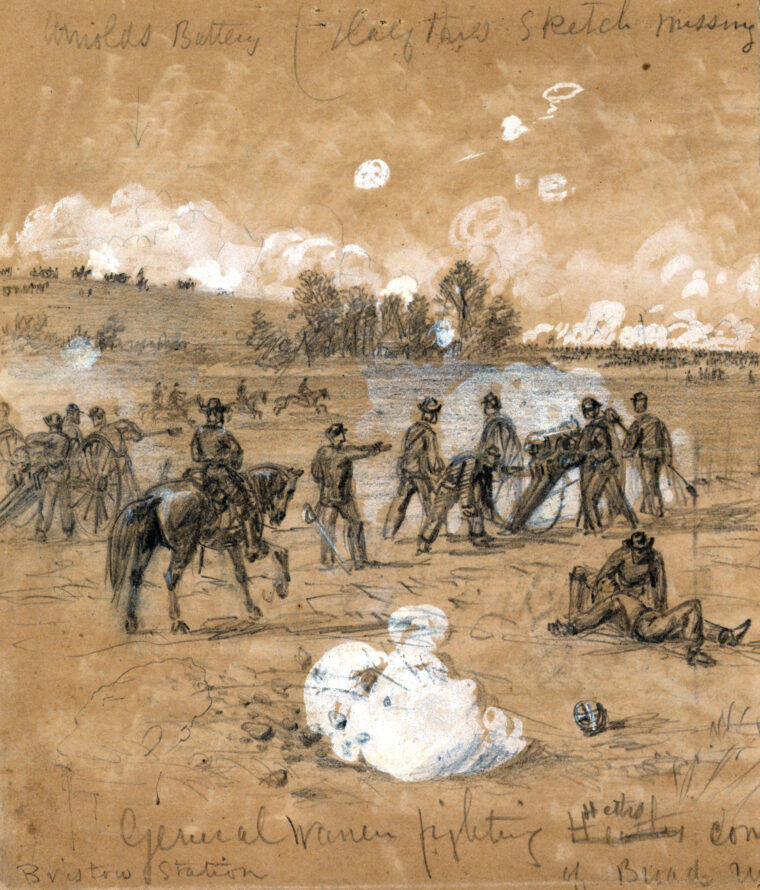
In late July 1863, after the conclusion of the Gettysburg campaign, the Union Army of the Potomac, under Maj. Read more
Confederacy
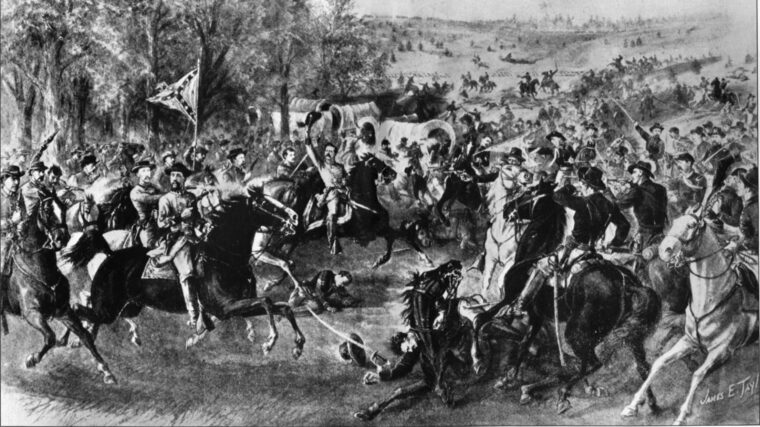
Despite costing the Union Army 55,000 men in five weeks of hard marching and grueling combat, Lt. Gen. Read more