Axis
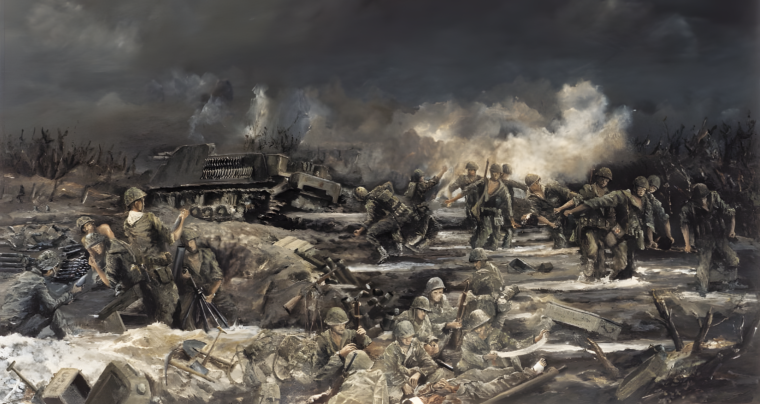
Final Conflict on Okinawa
By Dr. Carl H. MarcouxAlthough neither side was aware of it at the time, the battle for Okinawa would be the last major battle of World War II. Read more
Axis
Although neither side was aware of it at the time, the battle for Okinawa would be the last major battle of World War II. Read more
Axis
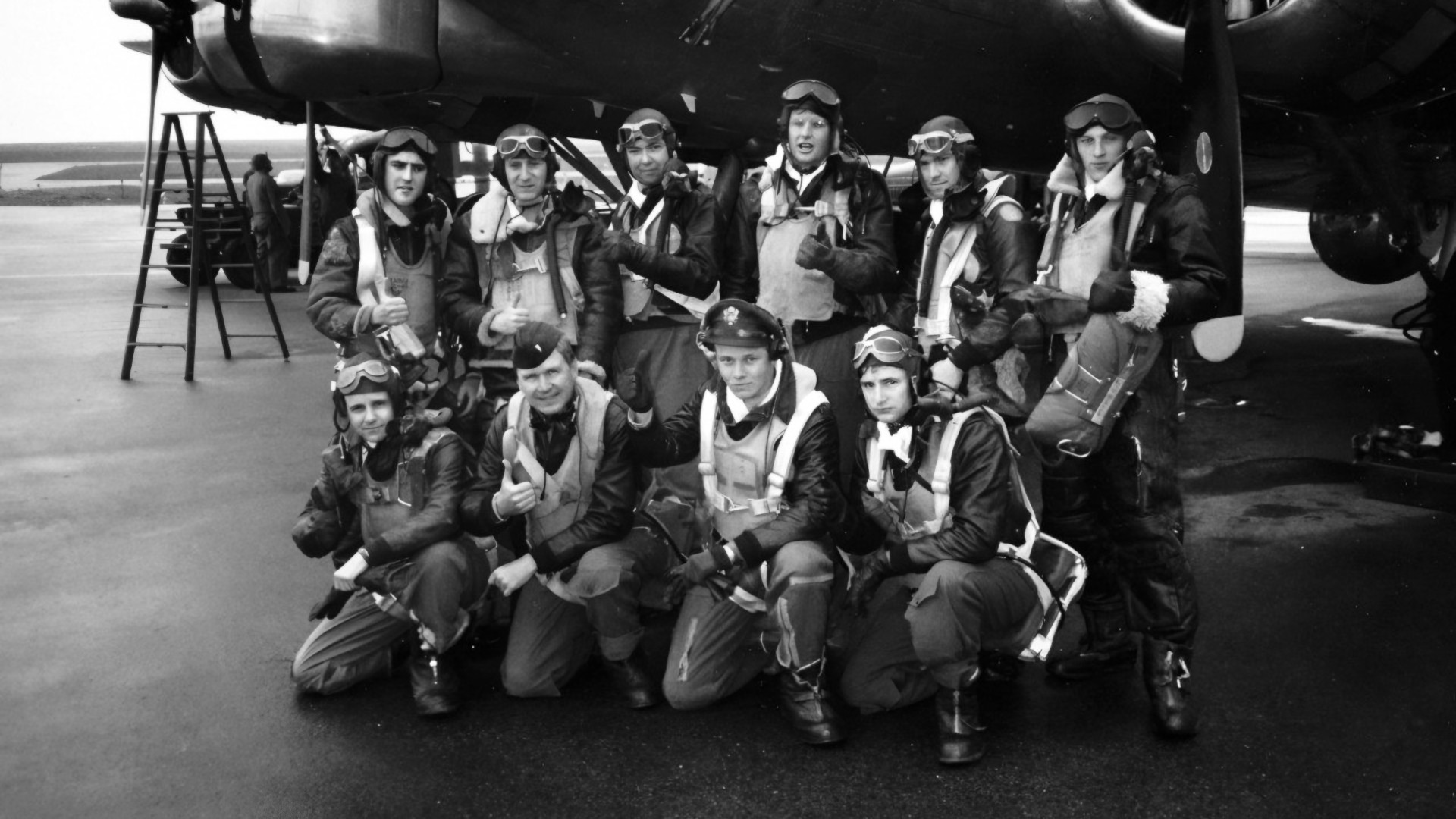
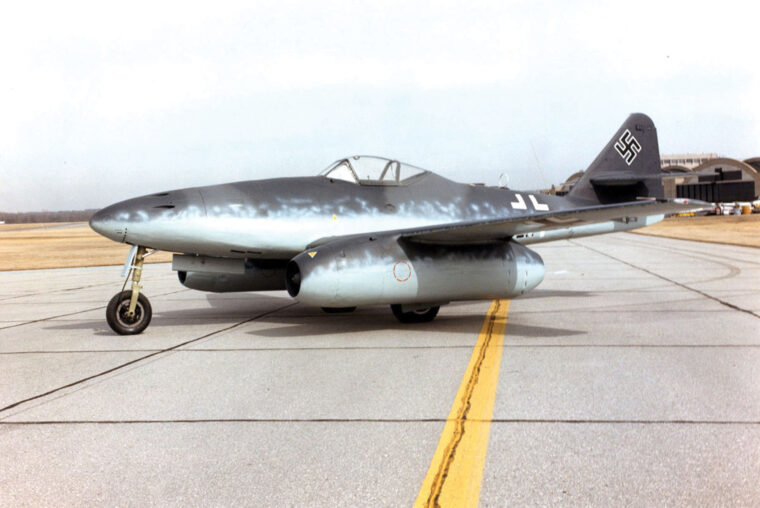
The Germans knew the bombers were coming, and they prepared even as the U.S. 457th Bomber Group first assembled in the early morning sunlight over faraway London. Read more
Axis
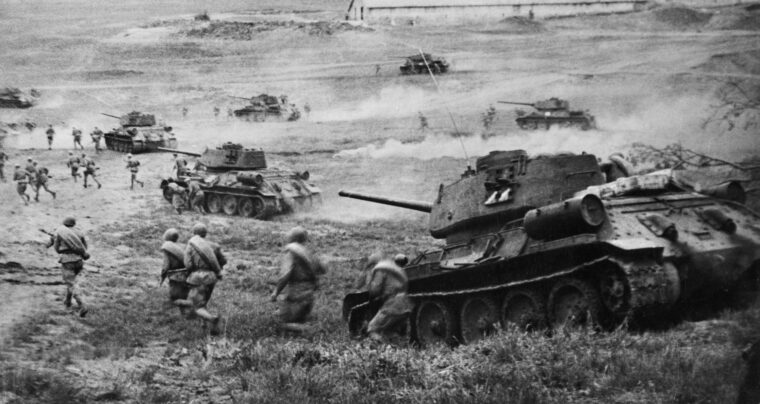
The city of Ternopil, located on the eastern bank of the Seret River, was founded in 1540 as a Polish military stronghold. Read more
Axis
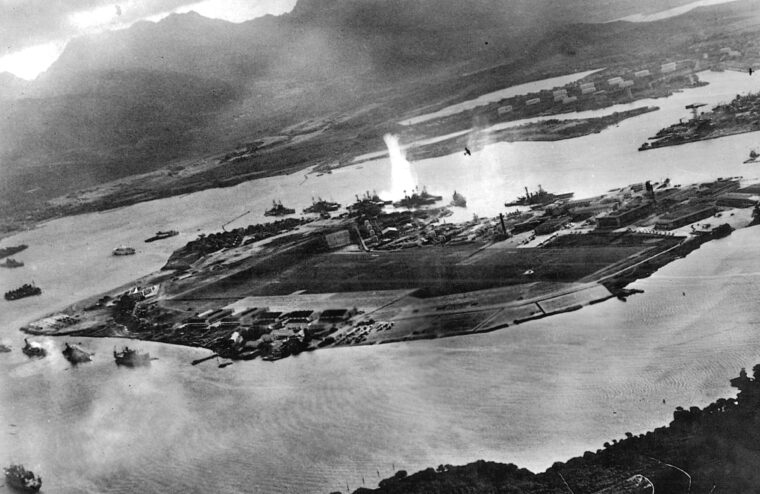
Gene Verge was born in Pasadena, California, in 1918. As a young man in 1941 he faced the probability of being drafted. Read more
Axis
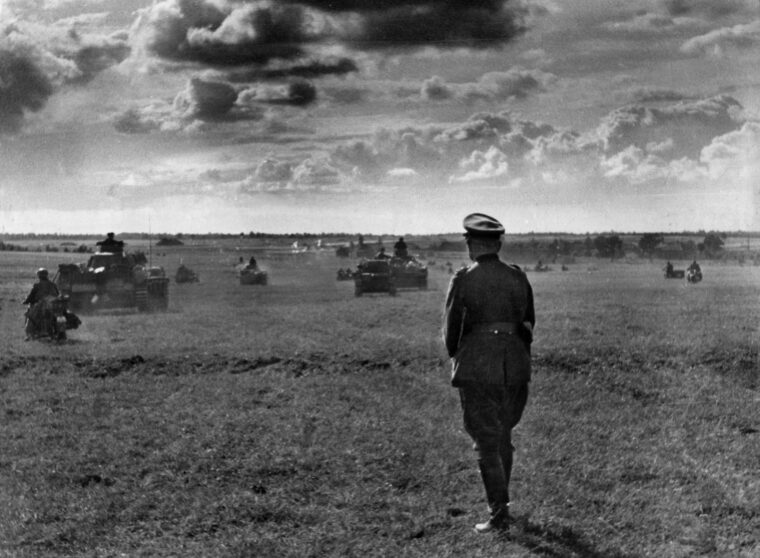
Hitler was enraged as he stalked his way around the room during the waning months of World War II. Read more
Axis
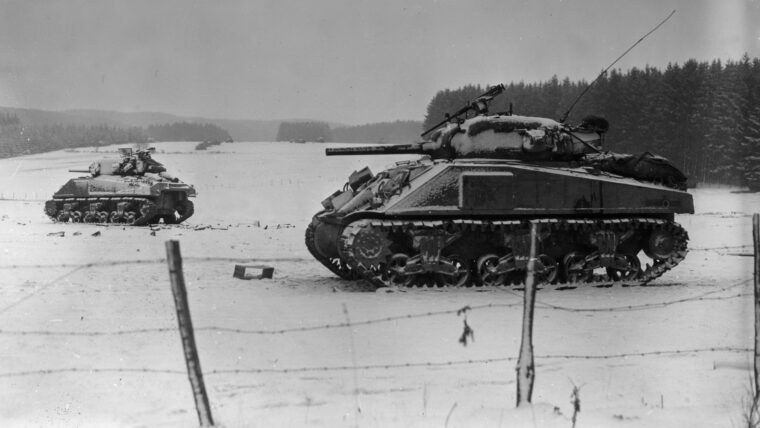
After four months and a 600-mile advance from the beaches of Normandy into Brittany and then through eastern France, the spearhead of Lt. Read more
Axis
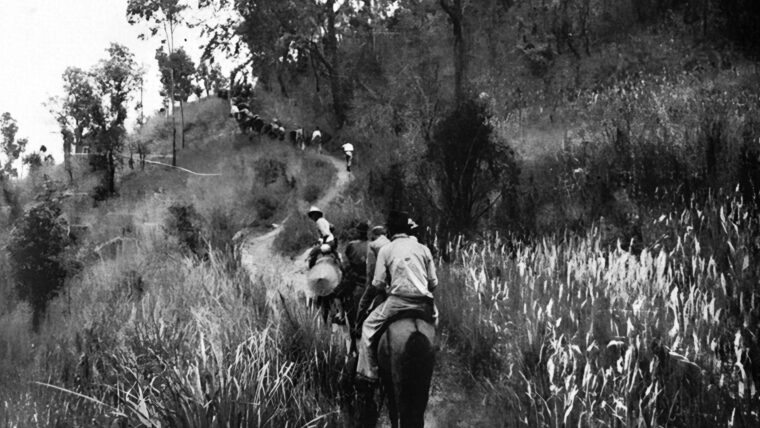
Thailand was perhaps the least known, though surely more scenic and exotic, covert battleground of World War II. Read more
Axis
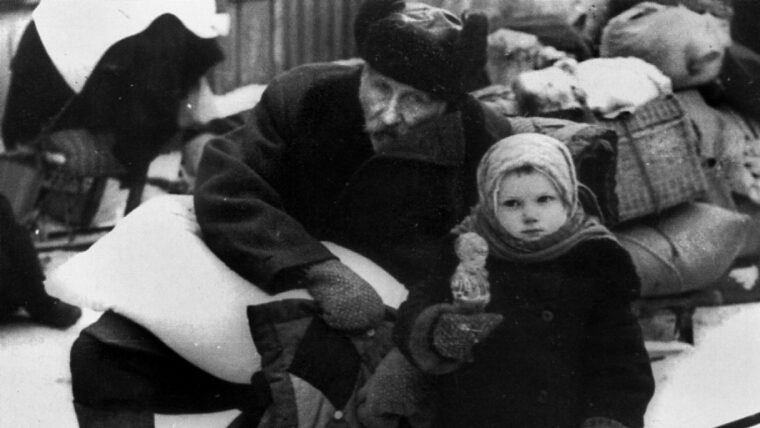
Georgina’s mother sat next to me at her dining room table. She and her husband were veterans of the Great Patriotic War, and back in 1996 we all sat about the table on Victory Day and talked about the siege. Read more
Axis
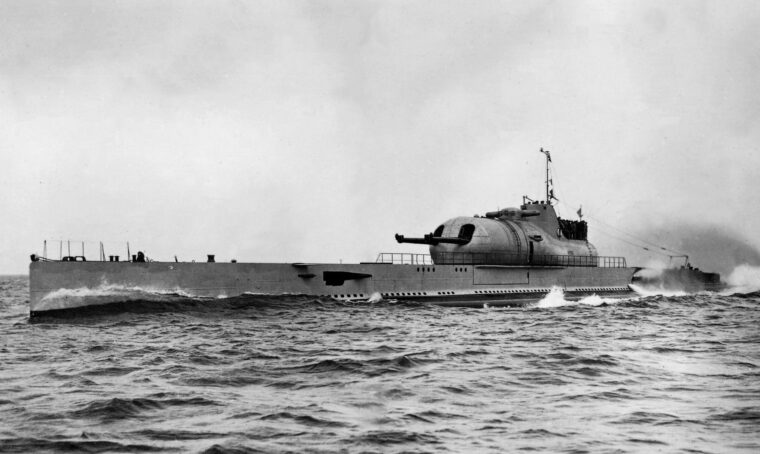
When built, the French Surcouf was the largest submarine in the world. She was named for Robert Surcouf, the famed French privateer who waged successful economic warfare against England during the Napoleonic era. Read more
Axis
At 11:02 am on August 9, 1945, an American warplane dropped an atomic device nicknamed “Fat Man” onto the city of Nagasaki, Japan. Read more
Axis
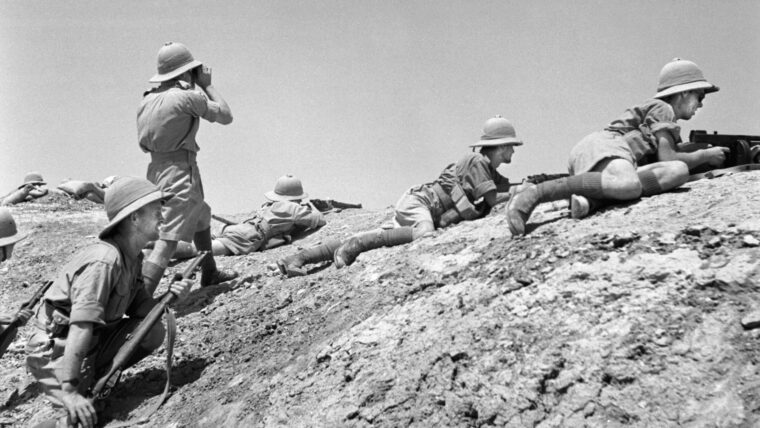
Many students of World War II history know General Sir Claude Auchinleck as the Commander-in-Chief Middle East, who, after taking over for General Sir Archibald Wavell in late June 1941, oversaw the fluctuating fate of Britain’s Eighth Army while combating German General Erwin Rommel’s Afrika Korps during Operations Crusader and Gazala. Read more
Axis
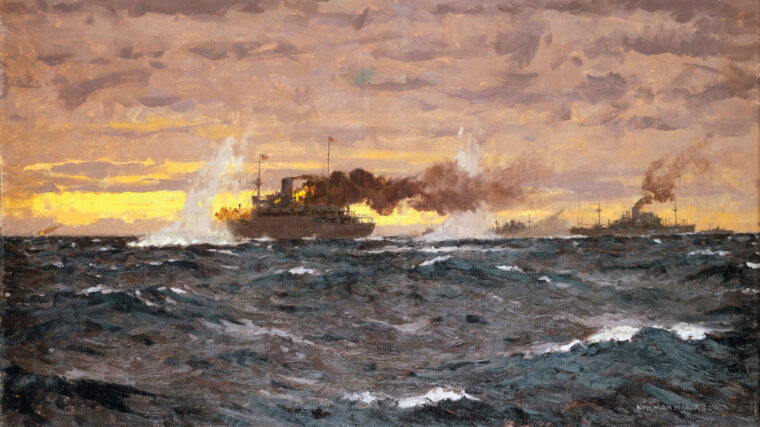
Throughout World War II, the British Admiralty’s deepest concern was the all-important shipping lanes that supplied their island fortress. Read more
Axis
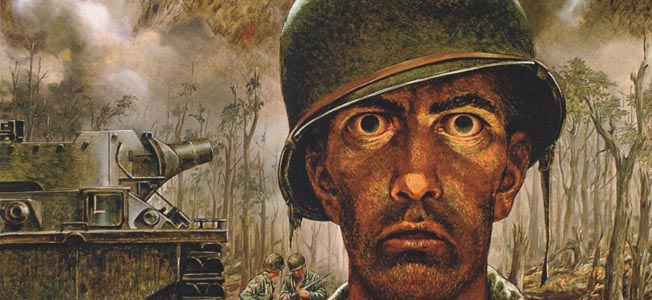
Eugene Sledge knew a thing or two about combat fatigue. It was September 15, 1944, on a tiny spit of land called Peleliu: the Japanese opened up with heavy mortar fire just as the Marines moved off the beach and started inland. Read more
Axis
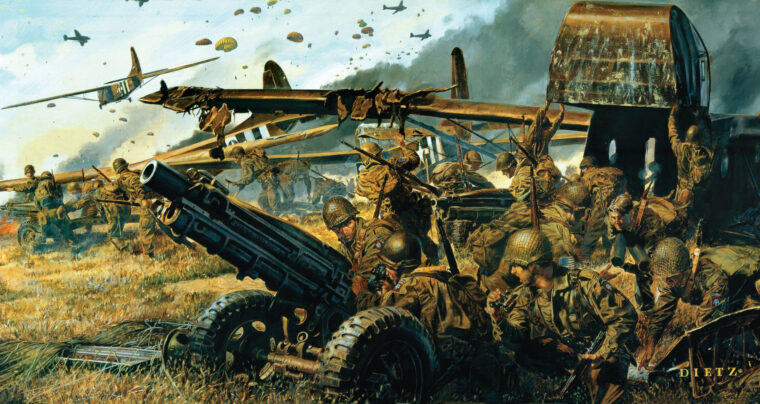
To bring soldiers swiftly and silently onto a battlefield, the U.S. Army decided to follow the German and British examples and build tactical gliders. Read more
Axis
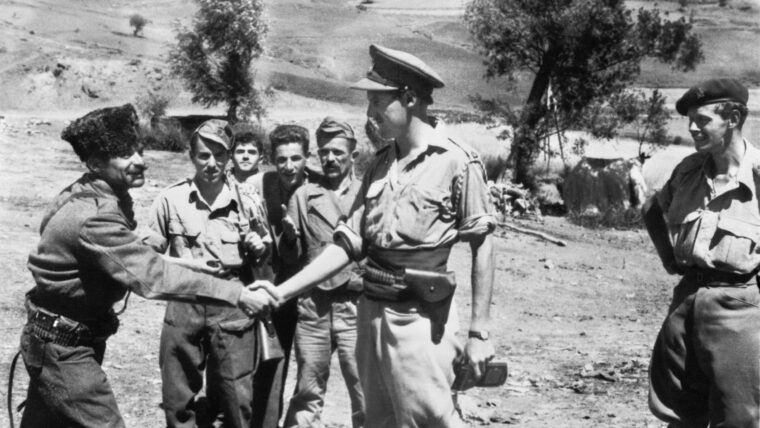
When British Prime Minister Winston Churchill created the Special Operations Executive (SOE) to organize guerrilla resistance against the Nazis, he famously ordered it to set Europe on fire. Read more
Axis
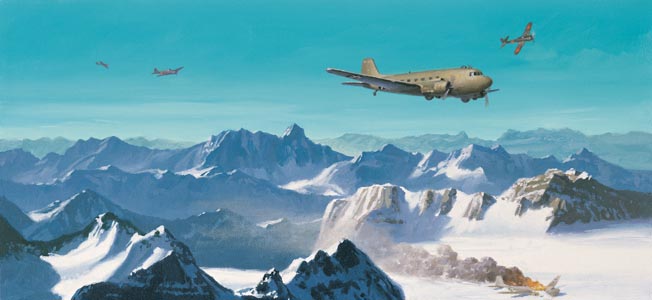
Why was Myitkyina such an important objective in the reconquest of Burma in 1943 through 1944 for the Allies and especially among them, Lt. Read more
Axis
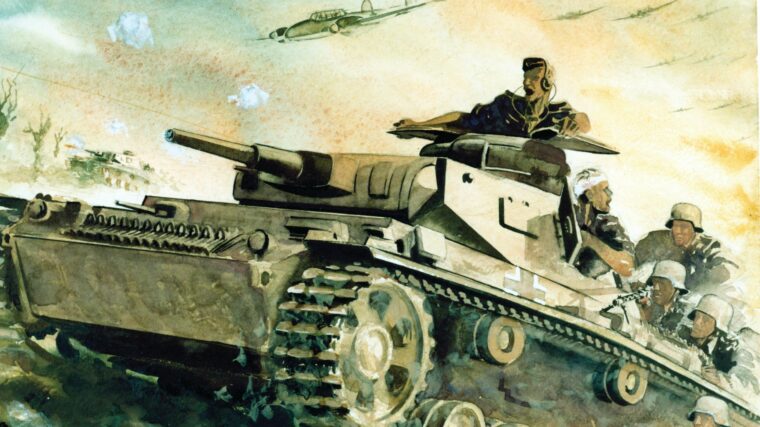
Adolf Hitler was obsessed with Leningrad. When planning his invasion of the Soviet Union, the Führer demanded that the capture of the city, which he regarded as the cradle of Bolshevism, be one of the top priorities of the campaign, giving it precedence over the capture of Moscow. Read more
Axis
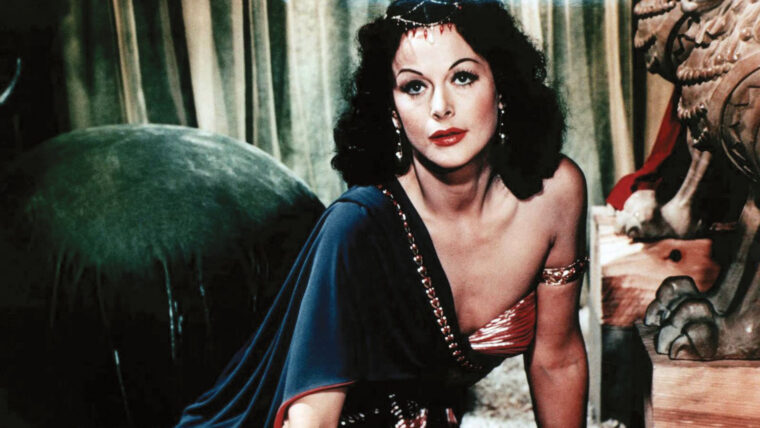
Hedy Lamarr was the most beautiful actress of her generation, a celluloid diva who was the epitome of Hollywood glamour, sensuality, and sophistication. Read more
Axis
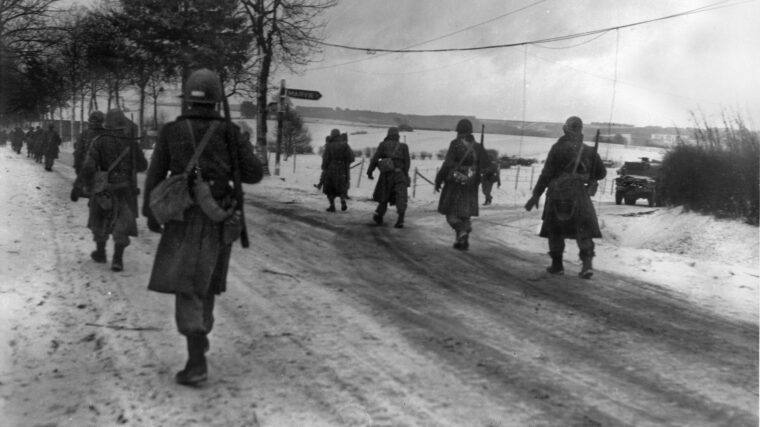
For the cold and hungry GIs of Company B, 1/401st Glider Infantry Regiment, holding the western approach to Bastogne would push the men to the limits of their endurance. Read more
Axis
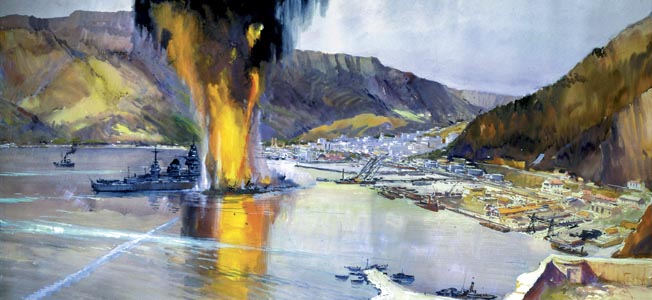
When the armistice between France and Germany was put into force on June 25, 1940, the fate of the powerful French Navy—the fourth largest in the world—was of critical importance to the British. Read more