Axis
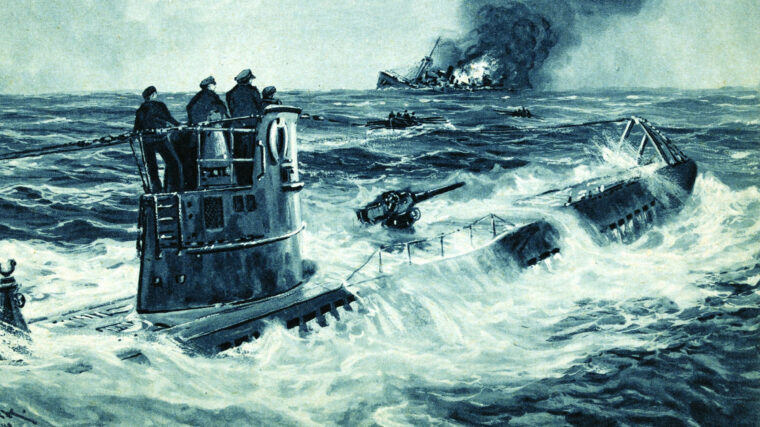
Nazi U-Boats: Rattlesnakes of the Deep
By Herb KugelAmerica was not at war, but American sailors were dying when American-owned ships were torpedoed by German submarines. Read more
Axis
America was not at war, but American sailors were dying when American-owned ships were torpedoed by German submarines. Read more
Axis
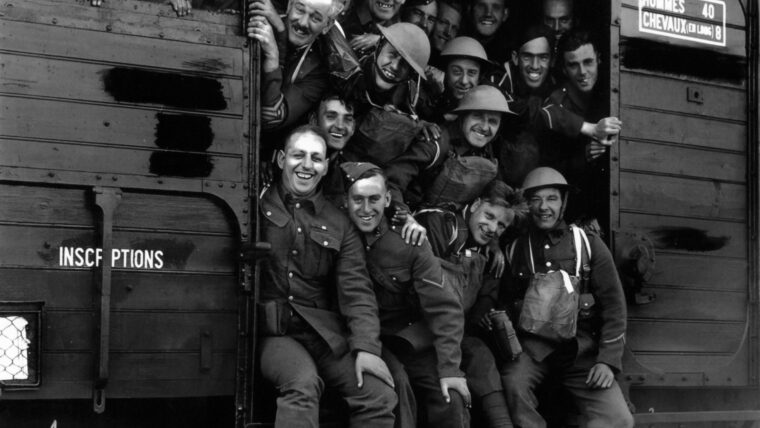
Lord John Vereker, 6th Viscount Gort, Commander in Chief of the British Expeditionary Force (BEF) in France in 1940, and his chief of staff, General Henry Pownall, have both been forever associated with the British Army’s greatest continental defeat; namely, the retreat through Flanders and eventual evacuation from the harbor and beaches of Dunkirk in May and June, after being engaged with the invading German Wehrmacht for only three weeks. Read more
Axis
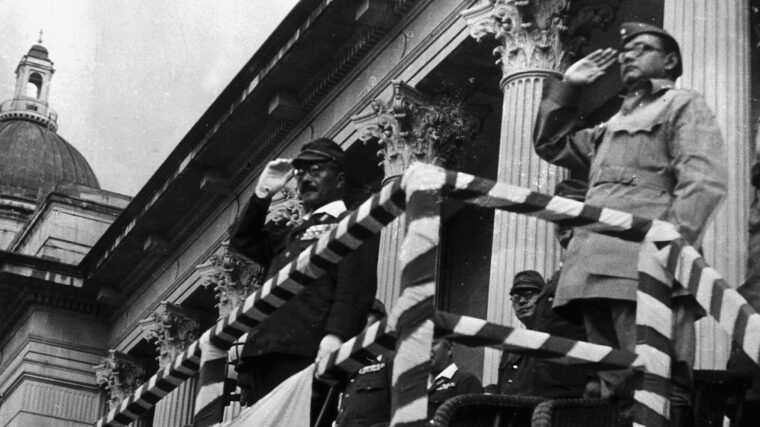
When British diplomat Lord Halifax arrived at the Berghof in the Bavarian Alps on November 19, 1937, he mistook German Reich Chancellor Adolf Hitler for a footman and was about to hand him his coat and hat when Foreign Minister Baron Constantin von Neurath hissed, “The Führer! Read more
Axis
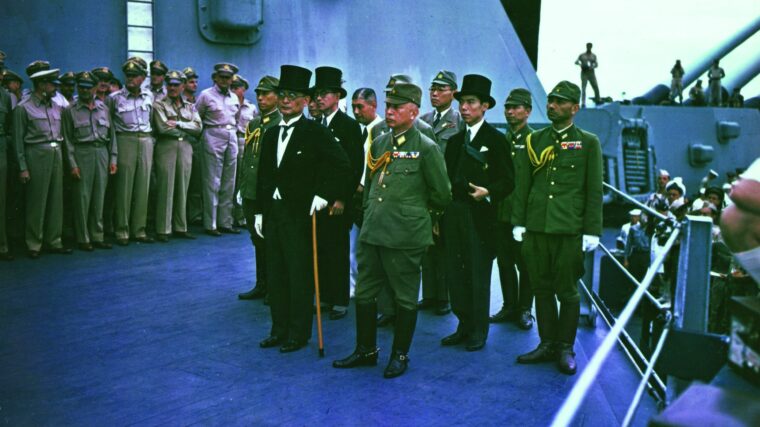
It was fated to be the last wartime conference of the Big Three Allies of World War II, but it was the first not attended by the late American President Franklin D. Read more
Axis
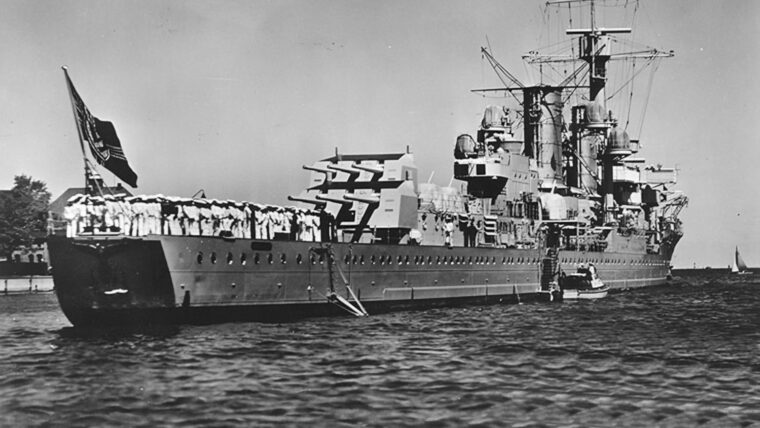
When the German invasion of Norway was set in motion on April 9, 1940, much of the planning for the event had been done on a shoestring. Read more
Axis
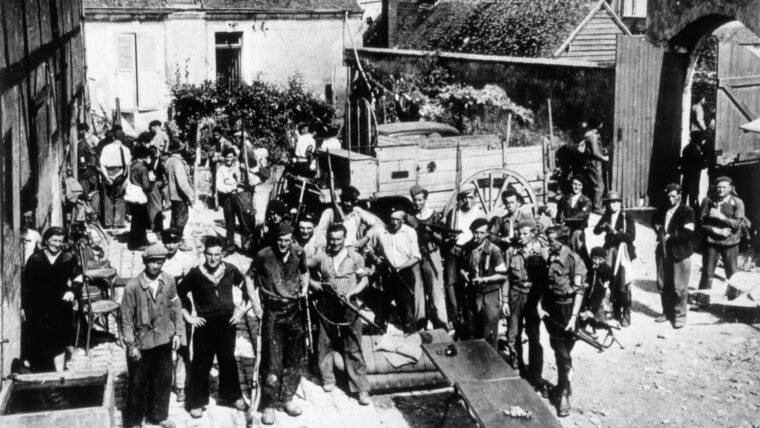
The tempo of war planning intensified for the invasion of Europe during the early months of 1944. Finally, at daylight on June 6, 1944, Allied infantry stormed ashore along the German-held Normandy coast. Read more
Axis
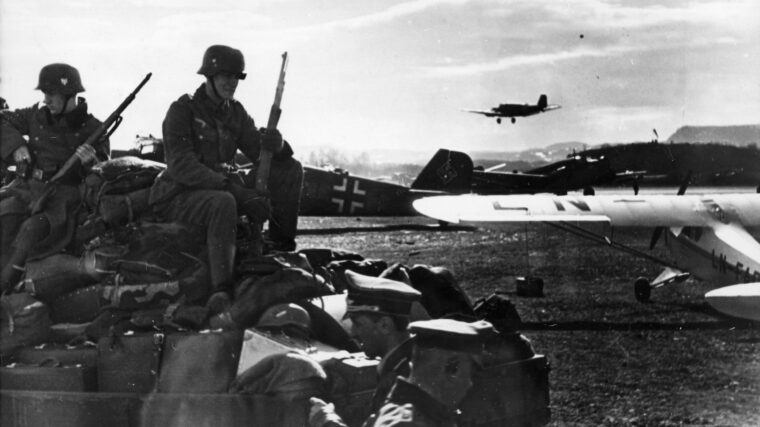
The second week in April 1940 was a stormy period in the North and Norwegian Seas. The weather deteriorated during April 7, with low cloud cover and fog. Read more
Axis
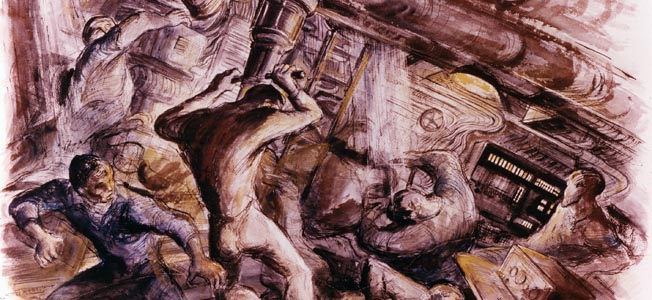
Any American submarine that had made contact with a Japanese task force a year or two earlier would almost certainly not have had the success that Darter and Dace had with Admiral Kurita’s task force. Read more
Axis
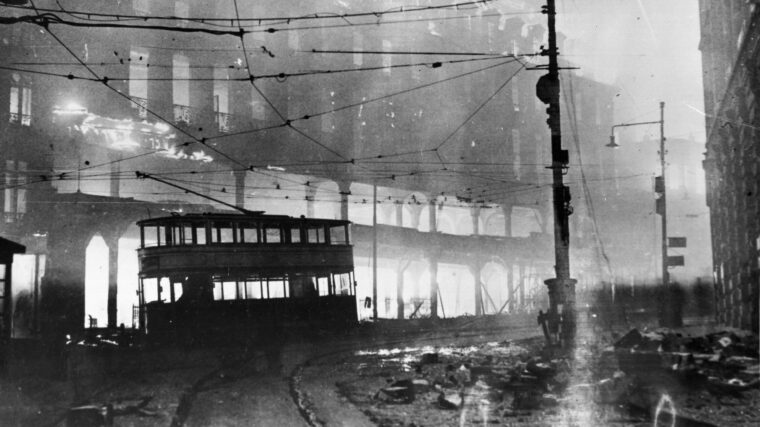
On the evening of August 7, 1937, two neophyte radio broadcasters went to dinner together at the luxurious Adlon Hotel in Berlin, Germany. Read more
Axis
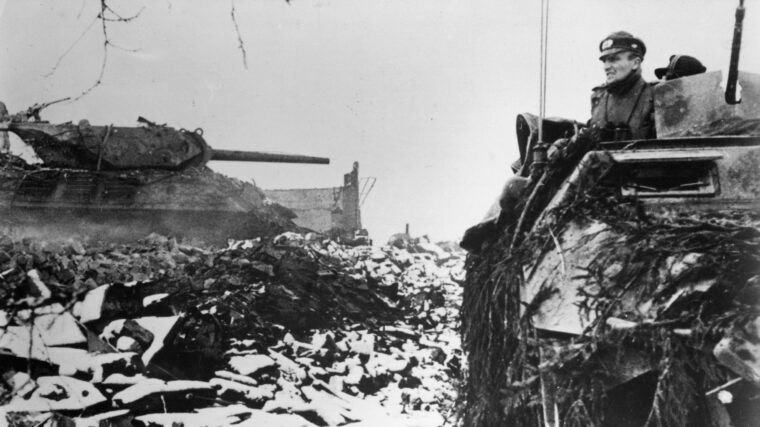
In December 1944, the Ardennes front or “ghost front” was an area where either veteran Allied units rotated in to rest and recover from terrible combat losses or where new, untested units arrived to gather some combat experience from the minor skirmishes that would occasionally flare up. Read more
Axis
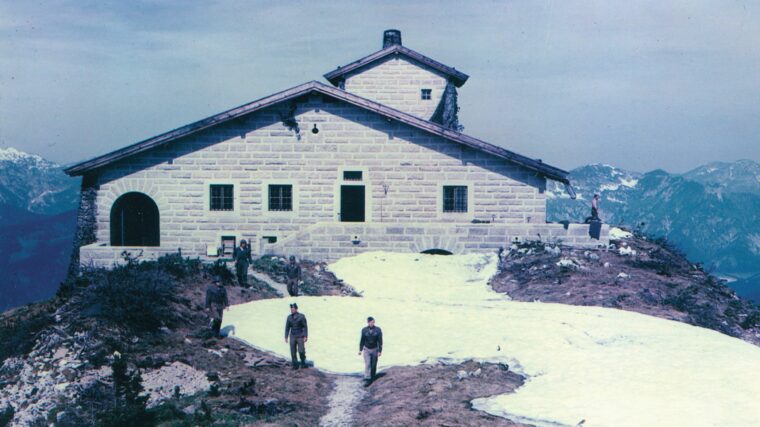
The swinging beams of searchlights and the wail of air raid sirens had preceded the crash of the guns. Read more
Axis
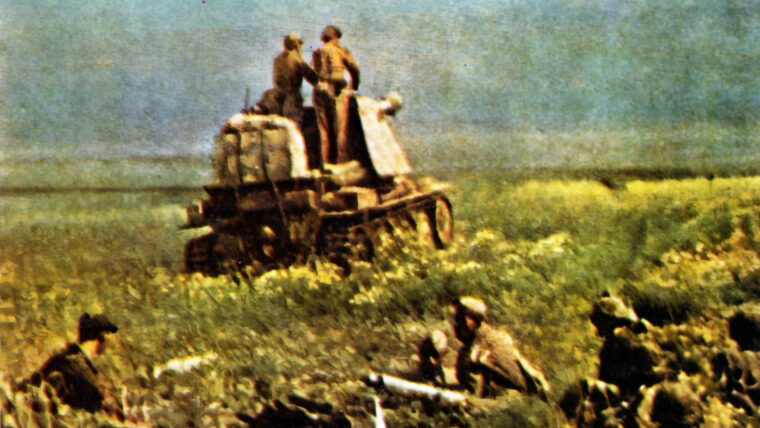
On the second day of Adolf Hitler’s bold invasion of Russia in June 1941, the Germans were confronted with one of their most glaring shortcomings in weapons and armament. Read more
Axis
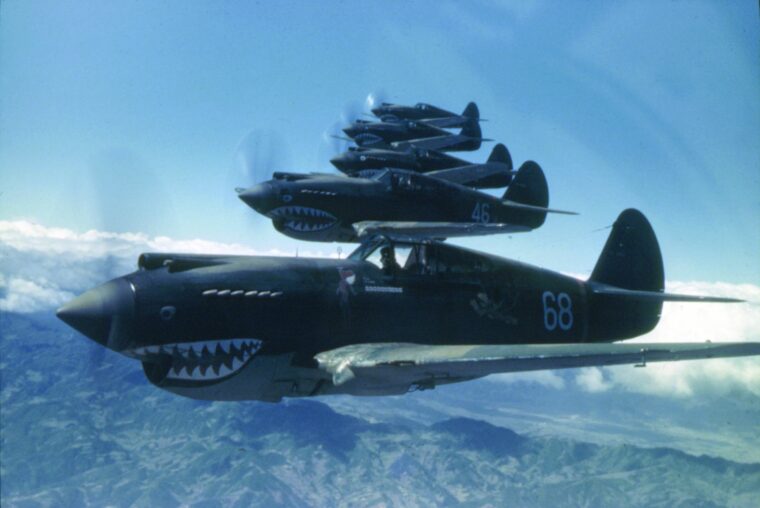
Laden with 500-pound bombs and incendiaries, 10 Japanese twin-engine Mitsubishi Ki21 Sally bombers took off from the Hanoi airfield in Indochina on the morning of Saturday, December 20, 1941. Read more
Axis
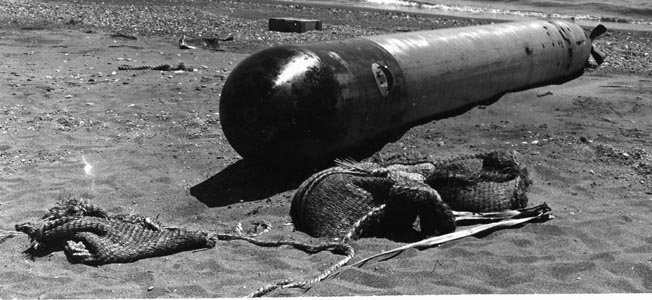
The bogey man of the U.S. Navy during the Guadalcanal campaign was not the Zero fighter or the I-class submarine. Read more
Axis
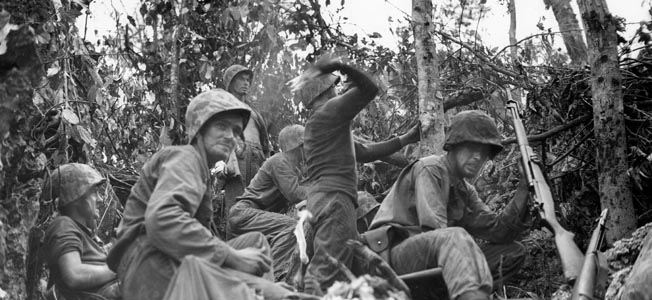
If Peleliu was one of the bloodiest campaigns of the Pacific Theater, it was also one of the least known until recently. Read more
Axis
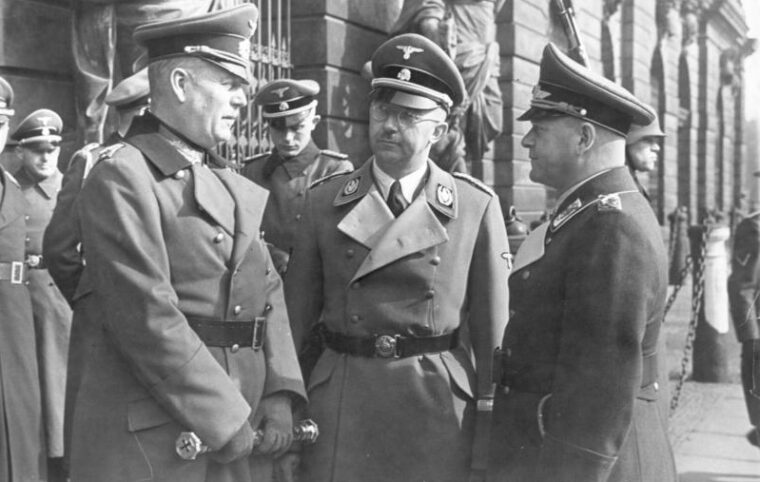
Captured by the Red Army during World War II, diaries written by Heinrich Himmler, Reichsführer of the SS, lay forgotten in the vast, byzantine collections of the Russian Military Archive. Read more
Axis
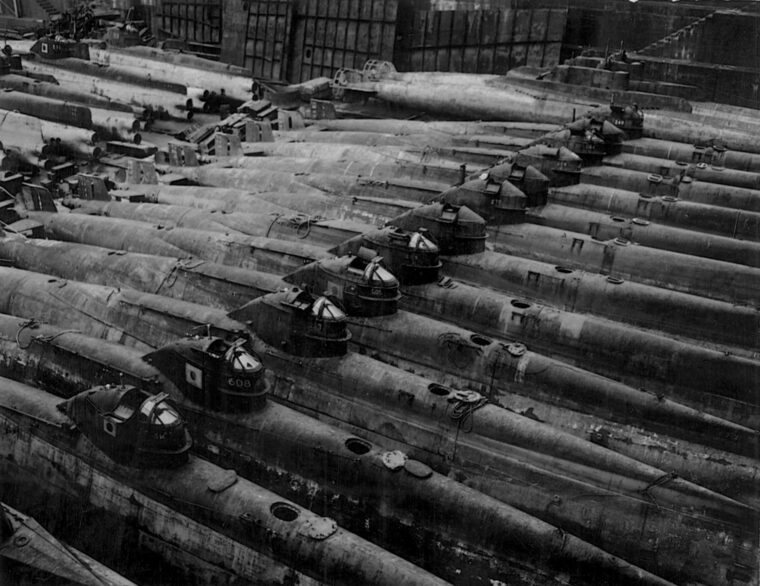
During the early hours of December 7, 1941, five midget submarinesof the Imperial Japanese Navy waited to enter Pearl Harbor, the anchorage of the U.S. Read more
Axis
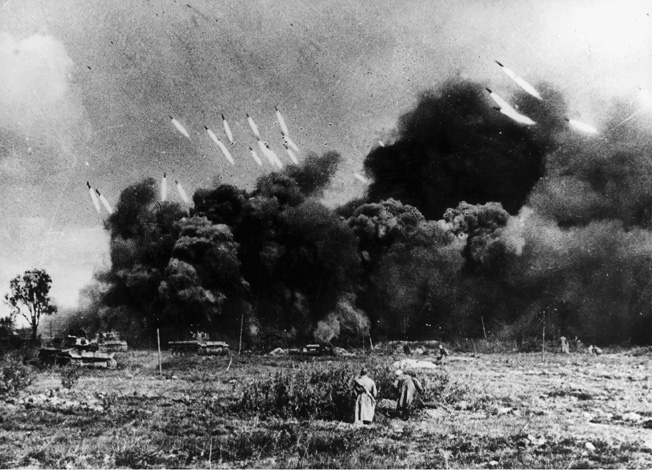
The fighting at Orsha saw the first battlefield use of the Red Army’s experimental battery of BM-13 multiple-launch rocket systems. Read more
Axis
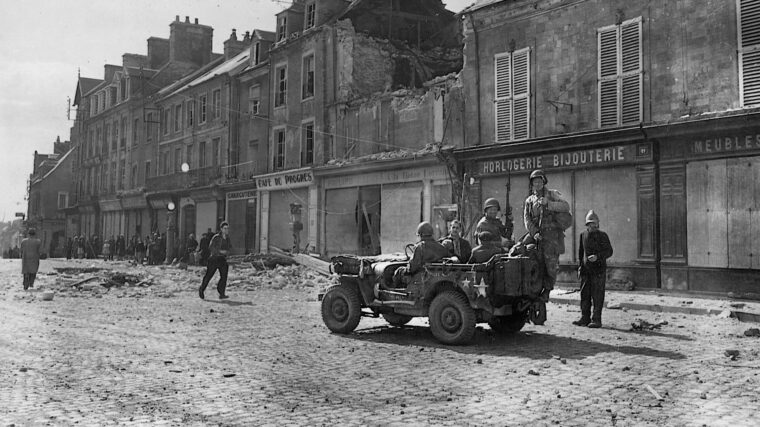
Thanks to the late historian Stephen Ambrose, his book Band of Brothers, and the HBO series of the same title, the legendary, extraordinary exploits of Easy Company, 506th Parachute Infantry Regiment (PIR), 101st Airborne Division, have become well known to a whole new generation. Read more
Axis
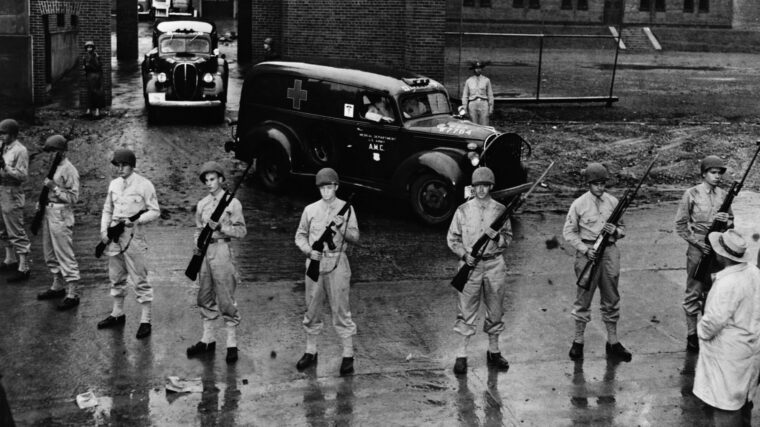
It was just about midnight on June 12, 1942, and the Abwehr (Nazi Germany’s intelligence agency) hoped that Dasch and his three men, along with another four-man group to be put ashore on the coast of Florida, would be able to destroy factories of the Aluminium Company of America (ALCOA) located in the United States. Read more