Axis
The Battle of Cape Esperance: A Sorely Needed Naval Victory
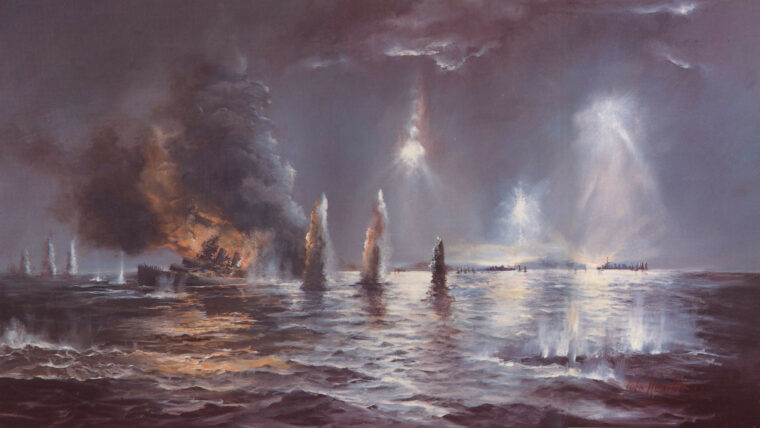
By David Alan Johnson“One large, two small vessels, one six miles from Savo off northern beach, Guadalcanal. Will investigate closer.” Read more
Axis
“One large, two small vessels, one six miles from Savo off northern beach, Guadalcanal. Will investigate closer.” Read more
Axis
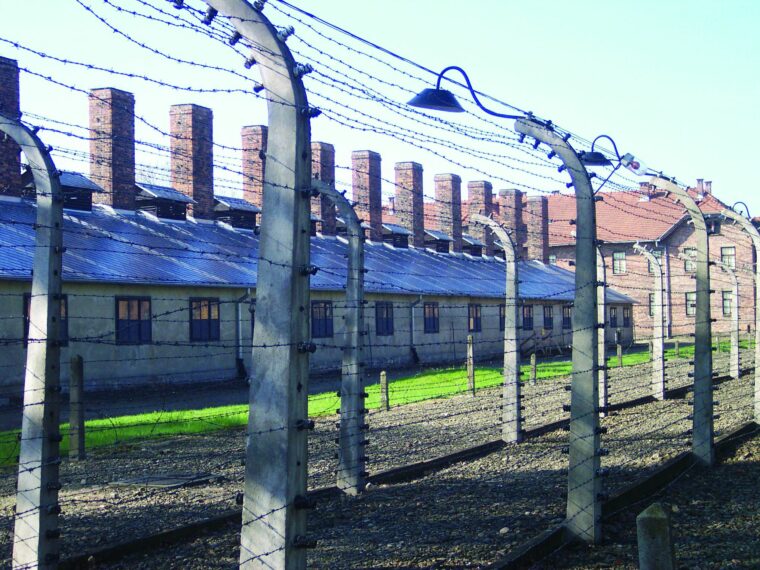
At 10 am on Wednesday April 16, 1947, the former commandant of Auschwitz extermination camp, SS Oberstürm bannführer (lieutenant colonel) Rudolph Hoess, briskly walked under armed escort toward the small wooden gallows specifically built for him inside the camp grounds. Read more
Axis
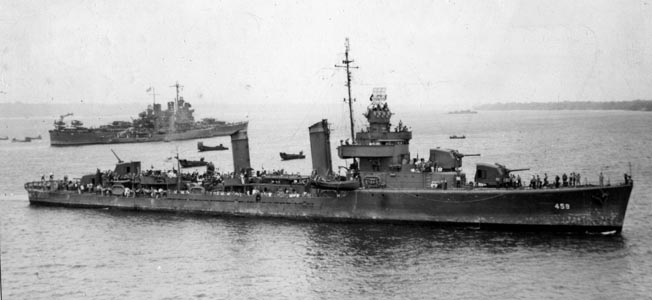
The eight-inch shell that penetrated the cruiser’s hull and threatened to blow up her forward magazines was a Type 91 armor-piercing shell, which had been designed to continue through the water when it fell short of its target and penetrate the ship’s hull below the waterline. Read more
Axis
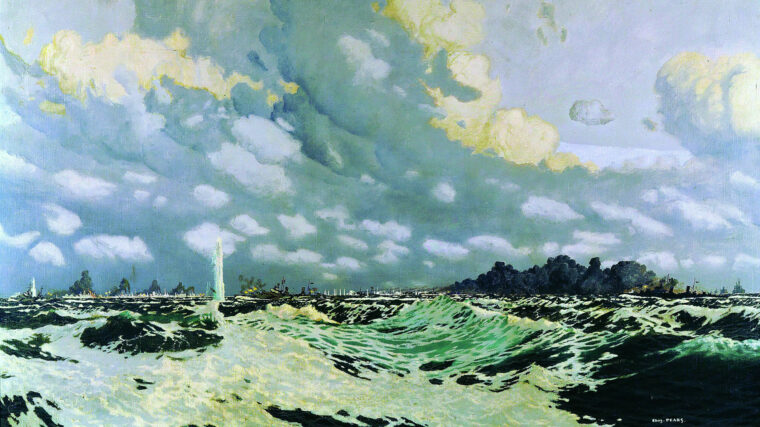
Located 58 miles south of Sicily in the Mediterranean Sea, the rocky, 122-square-mile island of Malta was the hinge upon which all Allied operations in the Middle East turned during the first half of World War II. Read more
Axis
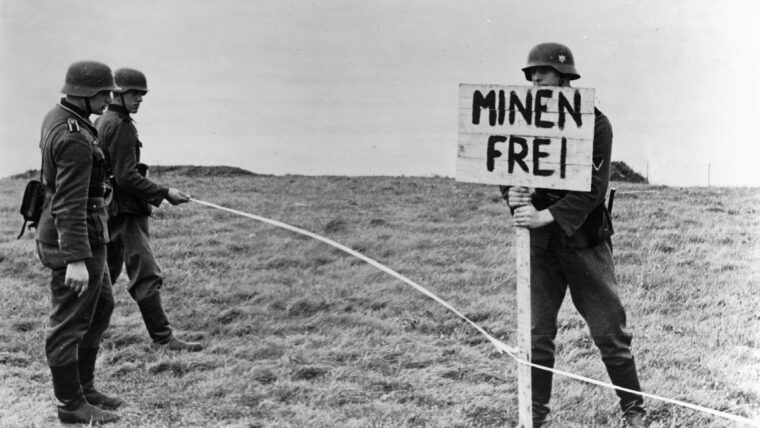
German Teller mines were insidious weapons—killing or maiming thousands of Allied soldiers and civilians. The Wehrmact employed others, too, to great effect during the Second World War. Read more
Axis
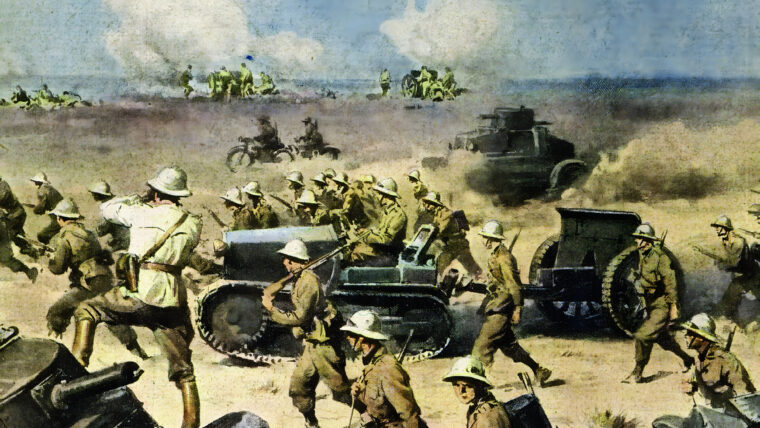
When most people think of the Italian Army in North Africa during World War II, they tend to believe that the average Italian soldier offered little resistance to the Allies before surrendering. Read more
Axis
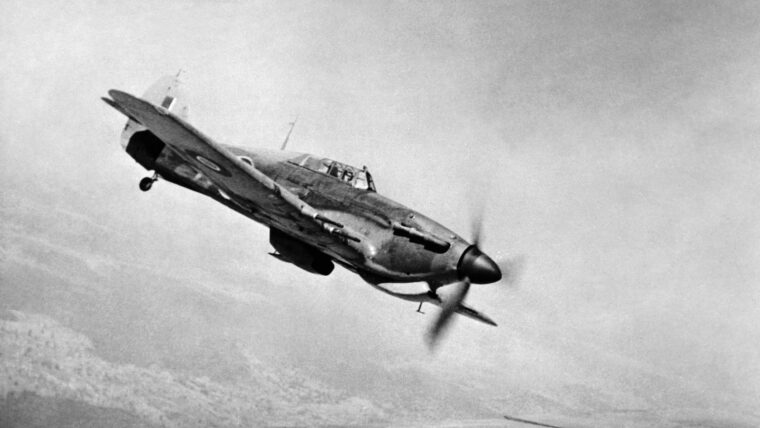
In the 40 minutes between 7:50 and 8:30 am, on April 5, 1942, Royal Air force pilot Don McDonald experienced his air base being bombed in a Japanese surprise air raid that should never have been a surprise. Read more
Axis
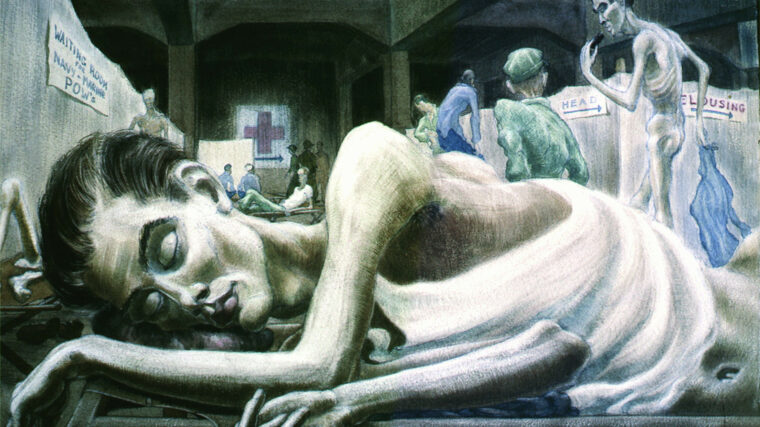
The American effort to neutralize the big Japanese air-sea base at Rabaul on the island of New Britain in the South Pacific was heating up, and 18-year-old aviation radioman John Kepchia was about to feel the heat. Read more
Axis
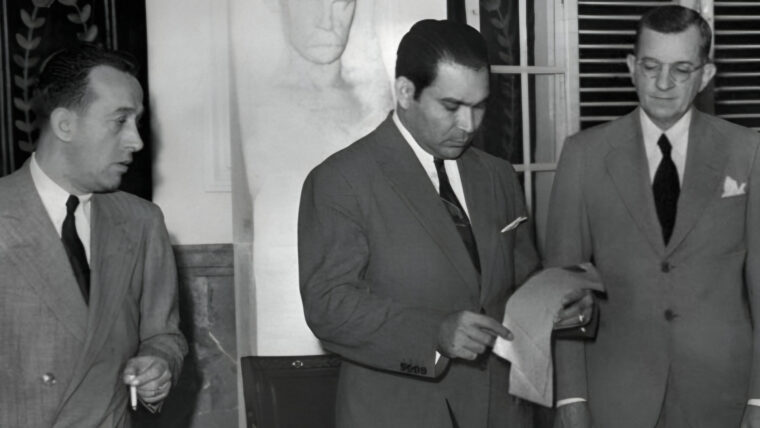
In espionage fiction, there are three types of spies. The first is the suave, dapper James Bond, 007, license to kill, a hit with the ladies. Read more
Axis
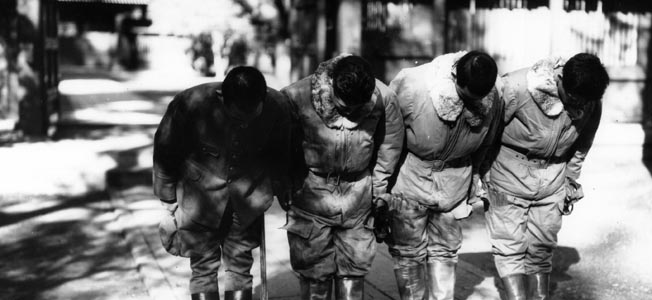
It was a method of warfare that would have been anathema to Americans only a few short years before. Read more
Axis
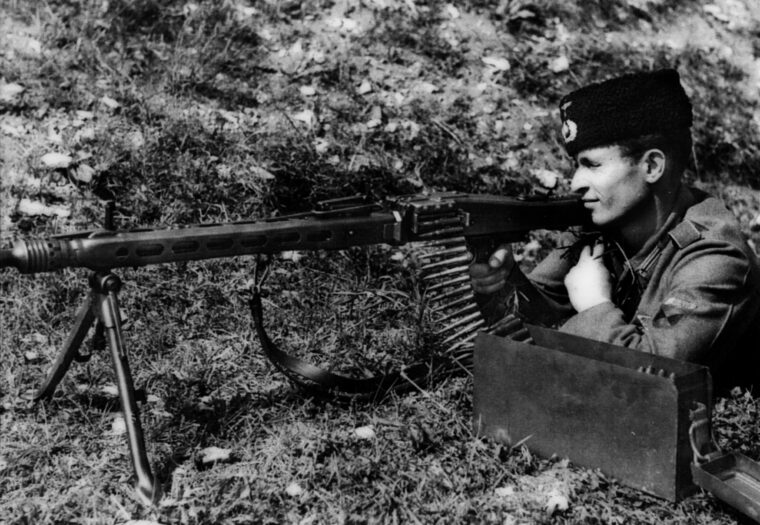
An estimated four million Red Army soldiers were captured by the Germans during the six months after the launching of Operation Barbarossa, the Nazi invasion of the Soviet Union, on June 22, 1941. Read more
Axis
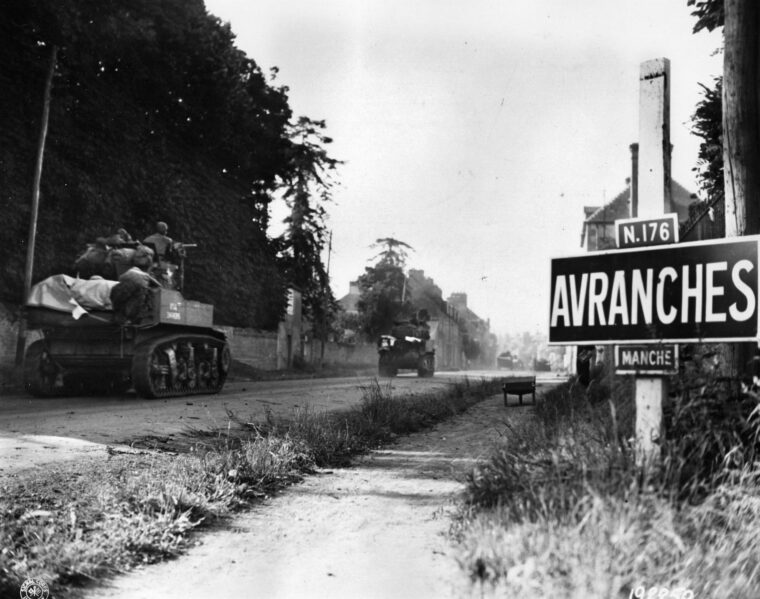
Lieutenant General Omar Bradley had reason to be pleased by the last week of July 1944. His First Army had scratched out a substantial foothold on the Normandy coast, capturing three times more French territory than his British allies. Read more
Axis
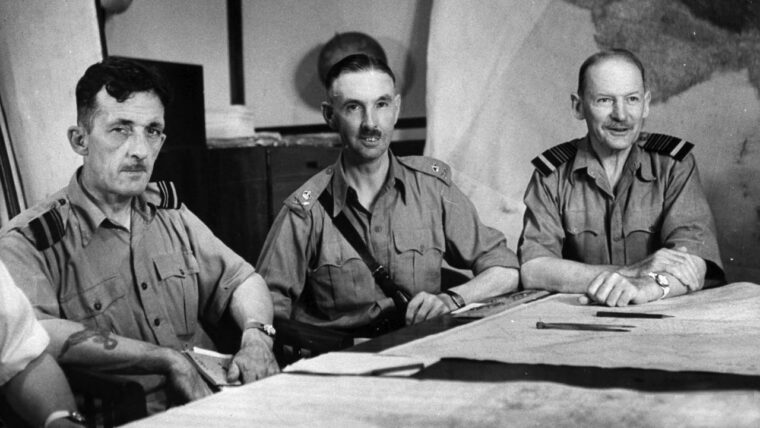
On February 15, 1942, the island fortress of Singapore surrendered with 130,000 men, thus ending the defense of Malaya as one of the largest military disasters in the history of British arms since Cornwallis’s capitulation to Franco-American forces at Yorktown in 1781 during America’s Revolutionary War. Read more

Axis
Sergeant Charles Callistan looked through the sights of an antitank gun at an approaching enemy tank. His weapon, a six-pounder cannon, was in the perimeter of a surrounded British outpost named Snipe. Read more
Axis
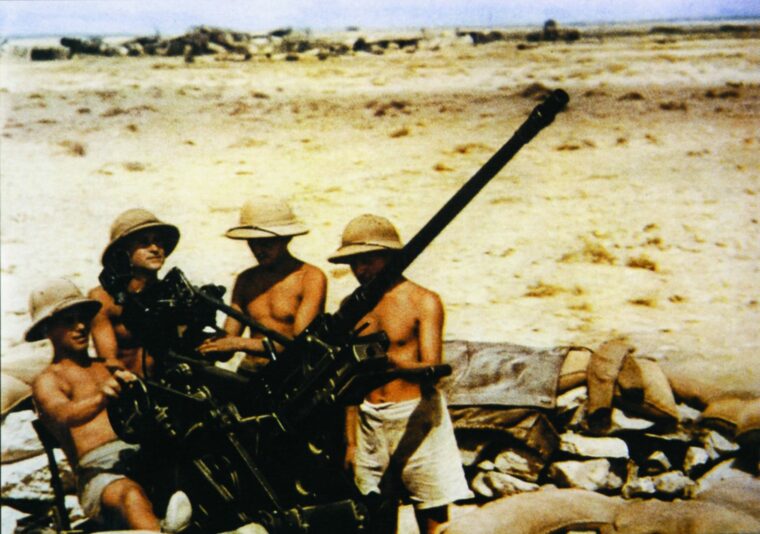
During the Allied air campaign against the Third Reich in World War II, well over a million tons of bombs were dropped on German territory, killing nearly 300,000 civilians and wounding another 780,000. Read more
Axis
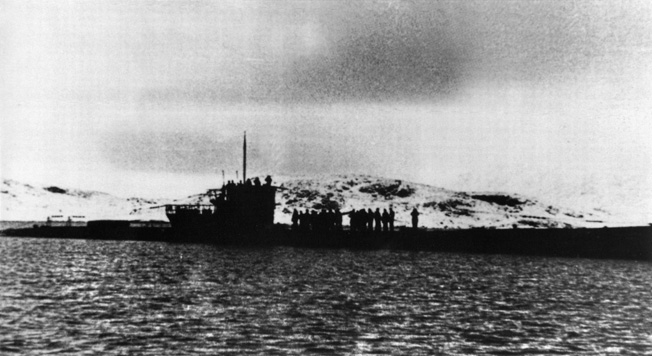
Throughout World War II the Allies enjoyed a certain advantage over the Axis that was purely the product of geography. Read more
Axis
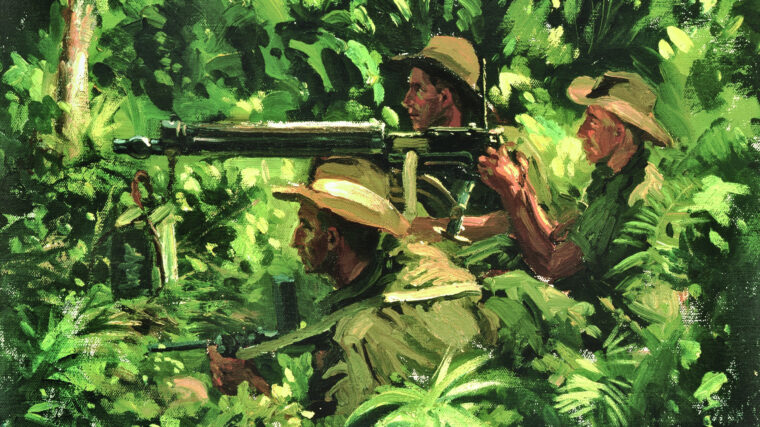
In June 1943, with the war on the island of New Guinea in its last stages, a proposal was under discussion in Washington that the huge Japanese base at Rabaul on New Britain be bypassed and “left to wither on the vine.” Read more
Axis
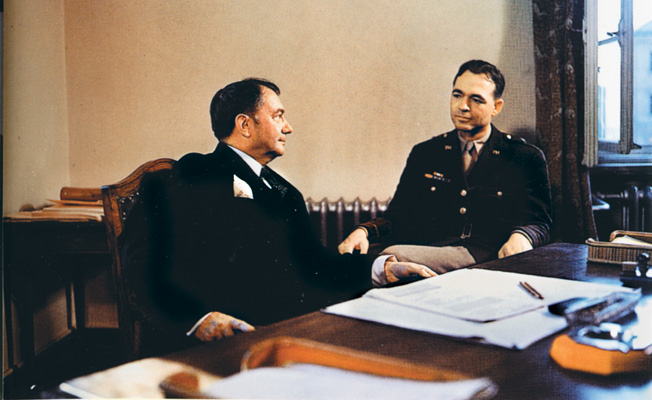
On March 23, 1991, at a reunion of the postwar Nuremberg International Military Tribunal staffers in Washington, I had occasion to meet the former American prosecutor, Brigadier General Telford Taylor. Read more
Axis
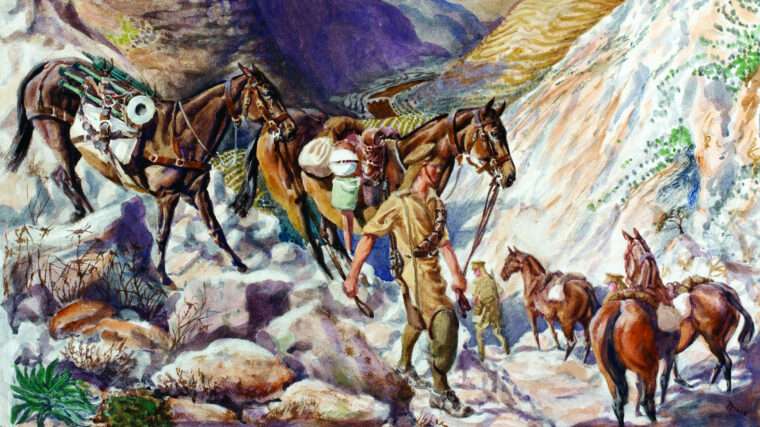
Not all World War II heroes were men or women. Some were four-legged, hoofed, or winged. They included horses and mules, elephants, and dogs as well as more exotic animals such as bats, camels, reindeer, and pigeons. Read more
Axis
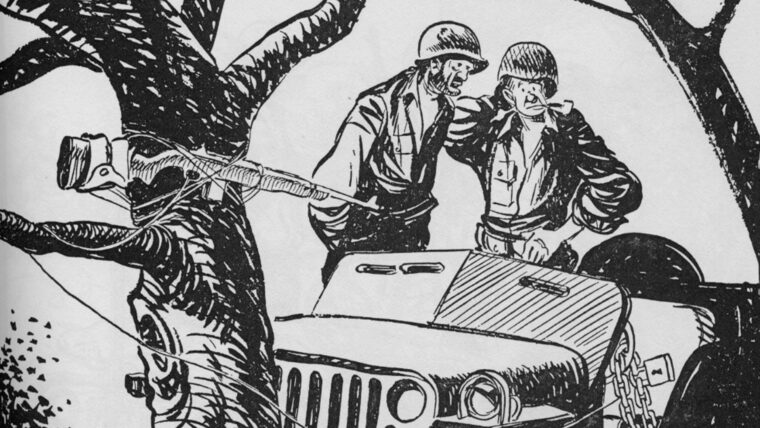
Among the thousands of American soldiers slogging through the miserable winter of 1944 in southern Italy after the Allied landing at Anzio were two GIs who existed only on paper, but who became as real to their readers as the mud-covered, K-ration-eating guys sitting next to them in their foxholes. Read more