Allies
Battle of Reipertswiller: The 157th Infantry’s Heroic Stand During Operation Nordwind
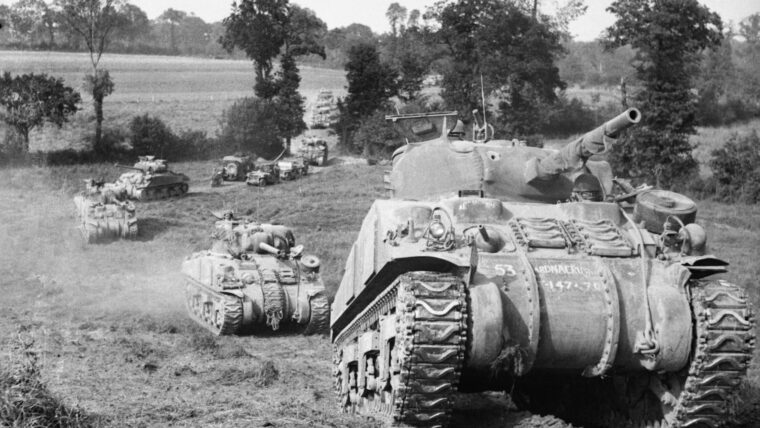
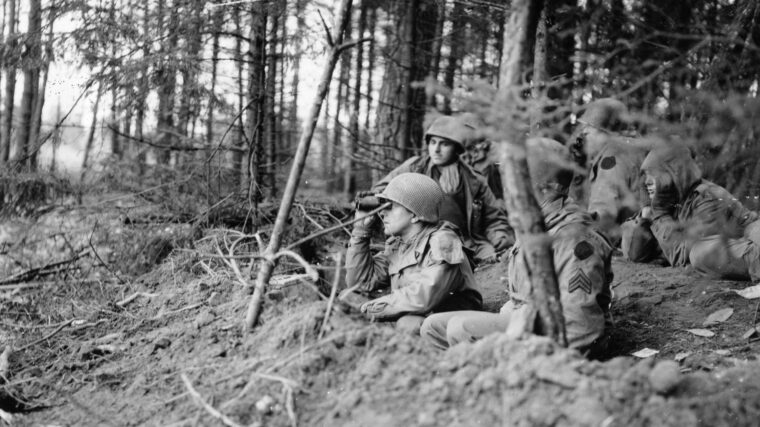
By Christopher MiskimonBy mid-January 1945, the famous Battle of the Bulge, a massive and fatal failure for the Third Reich, was virtually over. Read more
Allies
By mid-January 1945, the famous Battle of the Bulge, a massive and fatal failure for the Third Reich, was virtually over. Read more
Allies
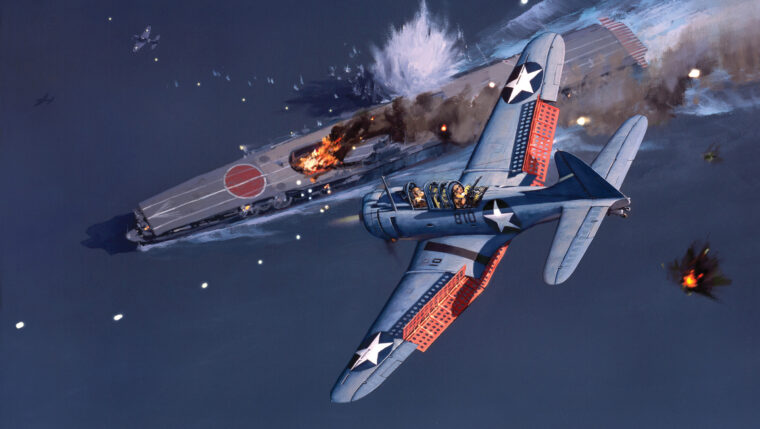
On August 7, 1942, Petty Officer 1st Class Saburo Sakai was piloting his Mitsubishi A6M2 “Zero” fighter in the skies over Sealark Channel in the Solomon Islands. Read more
Allies
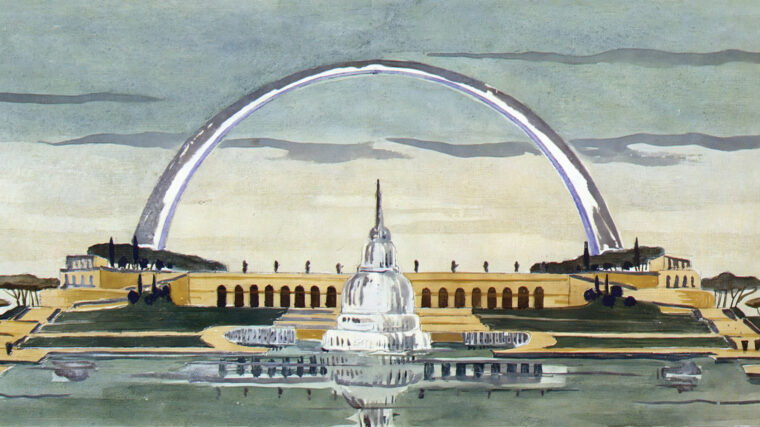
Visitors to a certain part of Rome today may not even be aware that they are walking in an area that came about because of an architectural vision of Benito Mussolini, Italy’s infamous fascist dictator. Read more
Allies
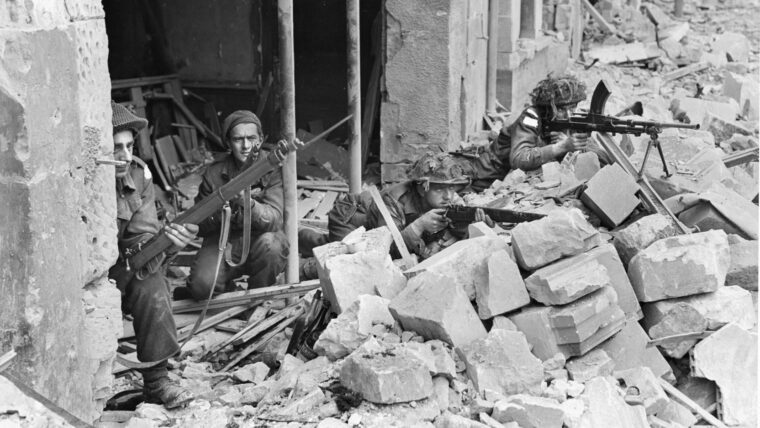
After successfully fighting seasickness during the crossing of the English Channel, Lance-Corporal Ted Brooks of Number 48 (Royal Marine) Commando arrived on Nan Red Beach—which formed the left flank of Juno Beach—on the morning of June 6, 1944. Read more
Allies
During early World War II operations in the Pacific, Geoff Fisken would become one of the most outstanding pilots of the RNZAF—the Royal New Zealand Air Force. Read more
Allies
After the war in Europe was won, General Dwight D. Eisenhower had many opportunities to review various campaigns with the leaders of the Soviet Army–– including even Joseph Stalin himself. Read more
Allies
The fading daylight of August 6, 1942, found the American heavy cruisers Astoria and Chicago as part of Task Force 61, under the command of Vice Admiral Jack Fletcher, steaming toward the South Pacific island of Guadalcanal. Read more
Allies
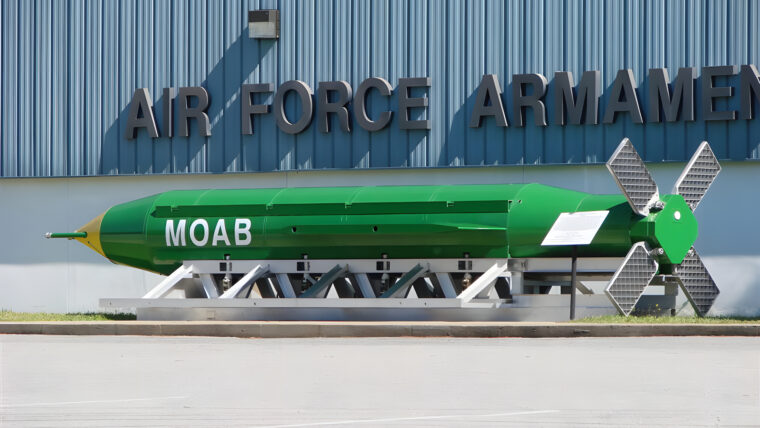
It’s called the GBU-43/B Massive Ordnance Air Blast, nicknamed the Mother of All Bombs, and it is the largest non-nuclear bomb currently in the U.S. Read more
Allies
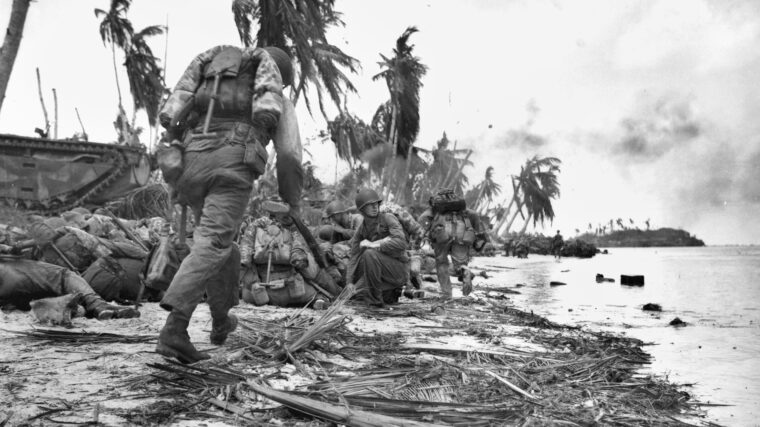
Above all, the island was defendable. From Ritidian Point in the north to the extreme southern coastline, Guam is 34 miles long, made in an irregular shape covering 228 square miles, the largest of all Pacific islands between Japan and New Guinea. Read more
Allies
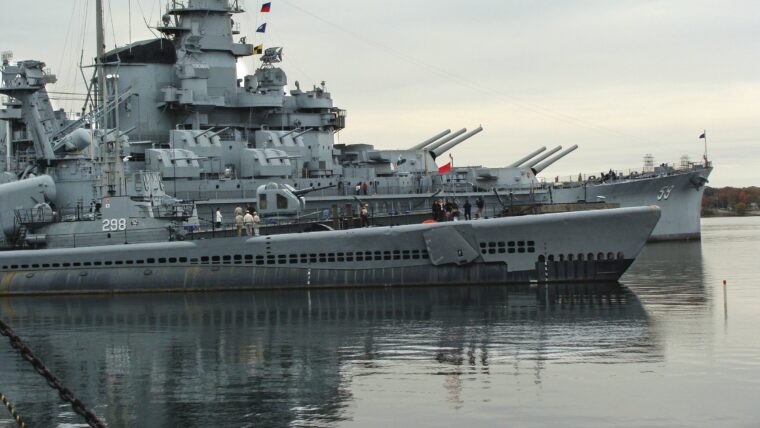
Many associate Massachusetts with the Kennedy family, and its influence is evident at Battleship Cove. The World War II record of the Kennedys is a distinguished one. Read more
Allies
The term “United Nations” was in large part derived from the large number of nations that joined in common cause between 1939 and 1945 to defeat the Axis powers of Germany, Japan, and Italy during World War II. Read more
Allies
BACKSTORY: In World War II, the American submarine force was inordinately small—just 252 total boats, compared to the more than 1,100 deployed by Germany and over 600 built by Japan. Read more
Allies
Not long ago, I came across an article about the remains of a carrier pigeon that had been discovered lodged in the chimney of a 17th-century home in the village of Bletchingley, Surrey, some 18 miles due south of London. Read more
Allies
On the surface it may seem odd that men of conquered nations would eagerly sign up to fight for their masters, but that is exactly what happened in Scandinavia in the 1940s. Read more
Allies
‘‘As I floated down, the whole dropping zone seemed to be on fire; tracer bullets had set the tinder-dry stubble alight. Read more
Allies
Shortly after the Japanese attack on Pearl Harbor on December 7, 1941, many Japanese Americans, especially those living on the West Coast, were suspected of being possible spies, saboteurs, and disloyal Americans. Read more
Allies
Almost from the beginning, the fractious alliance that defeated Nazi Germany was in peril. The United States and Great Britain had long distrusted the communist regime of the Soviet Union, and the feeling was strongly mutual. Read more
Allies
It sent Japanese warships to the bottom of the ocean. It pulverized fortifications on Japan’s home islands. Read more
Allies
World War II in the Pacific was fought in thousands of remote locations. The island of Borneo was the site of one of the least known clandestine operations of the conflict, led by an adventurous, but arrogant, anthropologist. Read more
Allies
In 1920, a young, handsome Jewish boy from New Jersey took the train from Grand Central Station to Princeton, New Jersey, where he would enroll that fall. Read more