Latest Posts
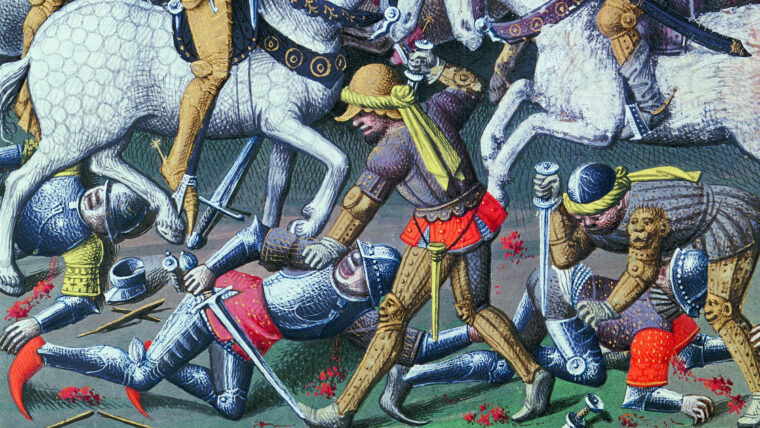
The First Edged Weapon: The Knife
By William McPeakWhile the sword usually comes to mind first when one thinks of edged weapons, it was not actually the first such weapon—the knife was. Read more

Latest Posts
While the sword usually comes to mind first when one thinks of edged weapons, it was not actually the first such weapon—the knife was. Read more
Latest Posts
By Kevin Seabrooke
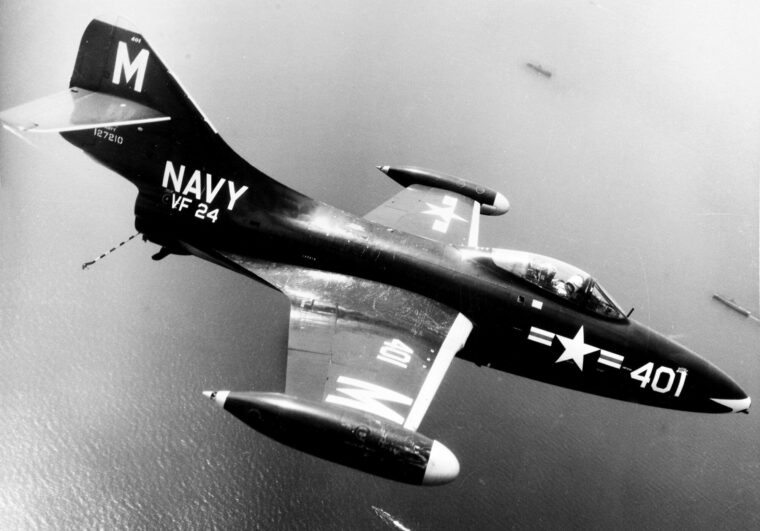
Buried deep inside the 3,000 pages of the $901-billion National Defense Authorization Act signed by President Trump on December 18 is a change in the law for the Congressional Medal of Honor that would allow it to be awarded to retired Navy Capt. Read more
Latest Posts
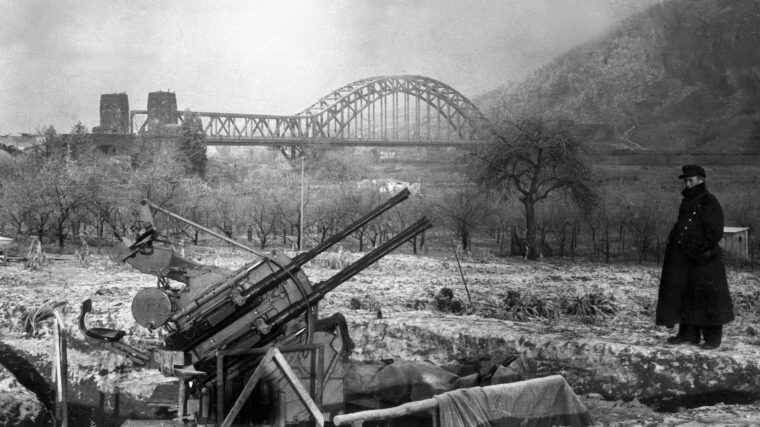
It was March 7, 1945––a gray, overcast day with a nasty chill in the air, the kind of day in which a soldier at the front wished he could relax in front of a toasty fire with a canteen cup full of hot coffee and think about home. Read more
Latest Posts
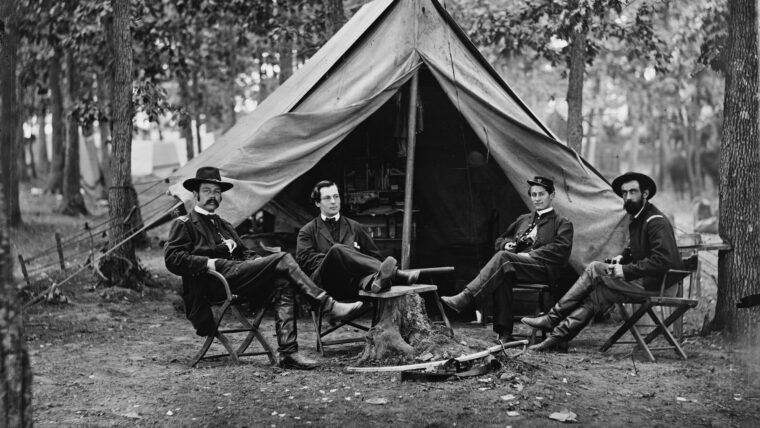
The Union officer saw it quite clearly across the Rappahannock River: a hand-painted sign held up by a Rebel soldier that read, “Burnside and his pontoons stuck in the mud. Read more
Latest Posts
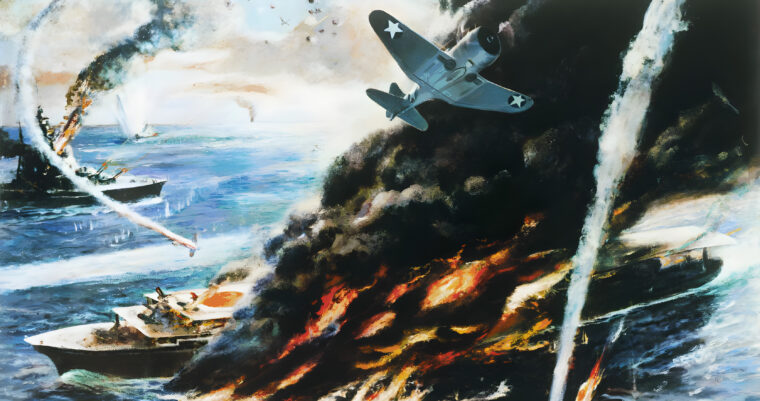
In March and early April 1942, American and British codebreakers uncovered indications of a Japanese offensive being prepared in the Pacific against Australia. Read more

Latest Posts
By the late 15th Century, early firearm designers were already looking at ideas for semi-automatic weapons. The matchlock had been the first mechanism to make a shoulder-aimed firearm, the arquebus, possible. Read more
Latest Posts
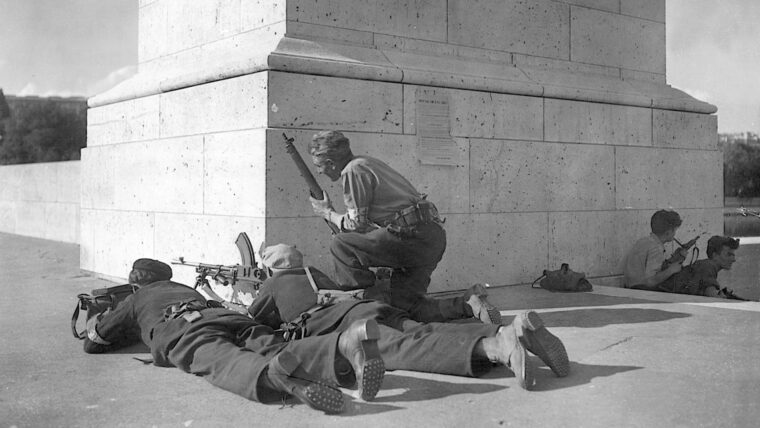
On a moonless night in January 1944, in the Haute Savoie region of southeast France, the drone from the engine of a RAF bomber could be heard in the distance. Read more
Latest Posts
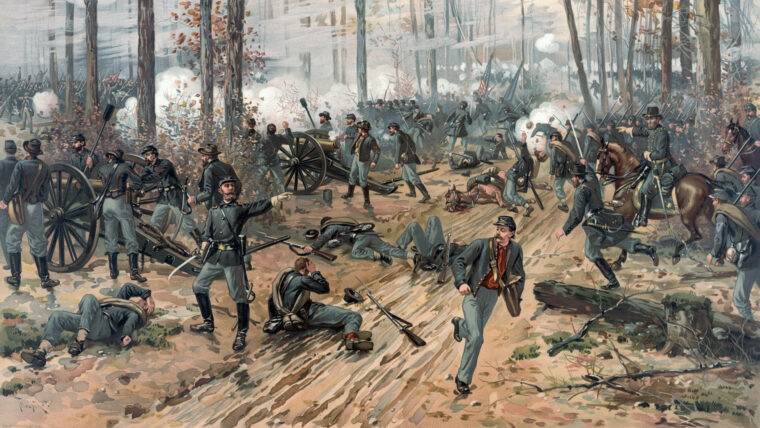
By the end of the winter campaign of 1861-1862, Union Maj. Gen. Ulysses S. Grant had shattered the Confederate defenses in northwest Tennessee with a combined land and water attack on Forts Henry and Donelson, forcing General Albert Sidney Johnston to abandon his bastion at Nashville and retreat southward. Read more
Latest Posts
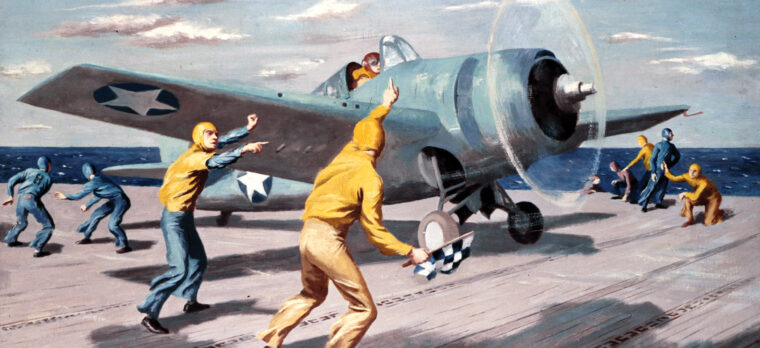
From the time of the Wright brothers, the vast majority of aircraft were biplanes with two wings stacked one above the other. Read more
Latest Posts
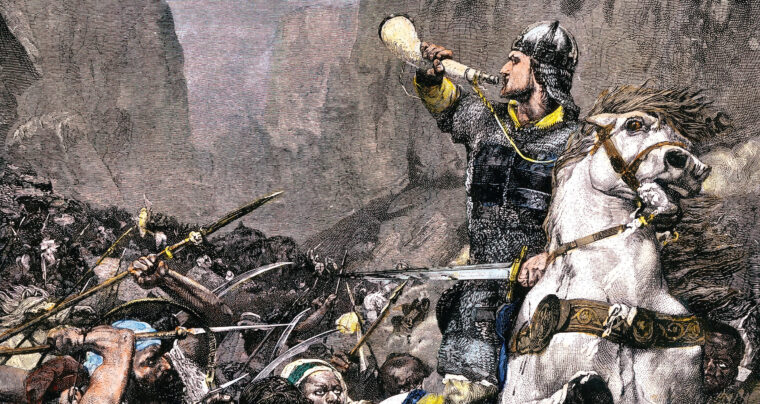
The Age of Chivalry brings to mind knights in shining armor and damsels in distress, along with traveling troubadours and minstrels singing chansons de geste, “songs of deeds,” telling of feats of arms and labors of love. Read more
Latest Posts
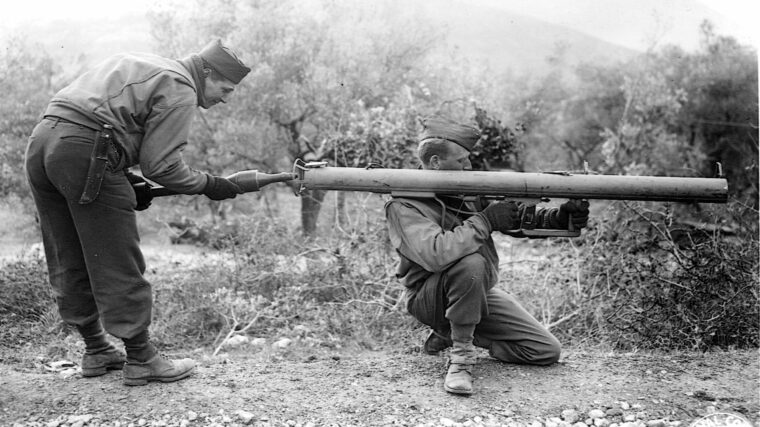
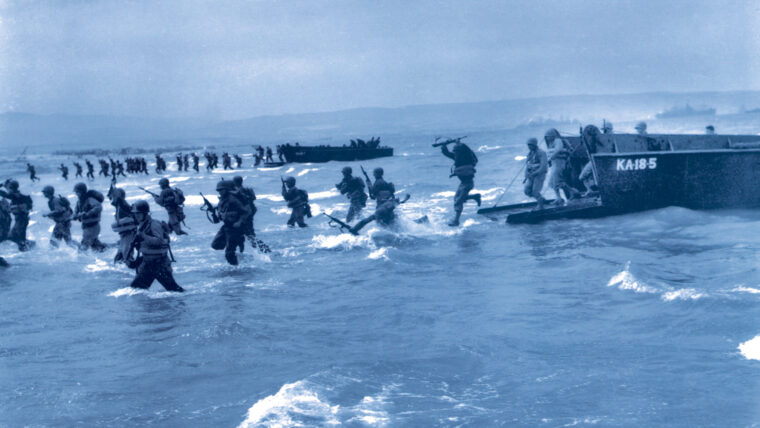
Less than a year after the sudden and devastating Japanese attack against the United States at Pearl Harbor on December 7, 1941, the American military was about to embark on a large-scale offensive operation against German and Italian forces in North Africa. Read more
Latest Posts
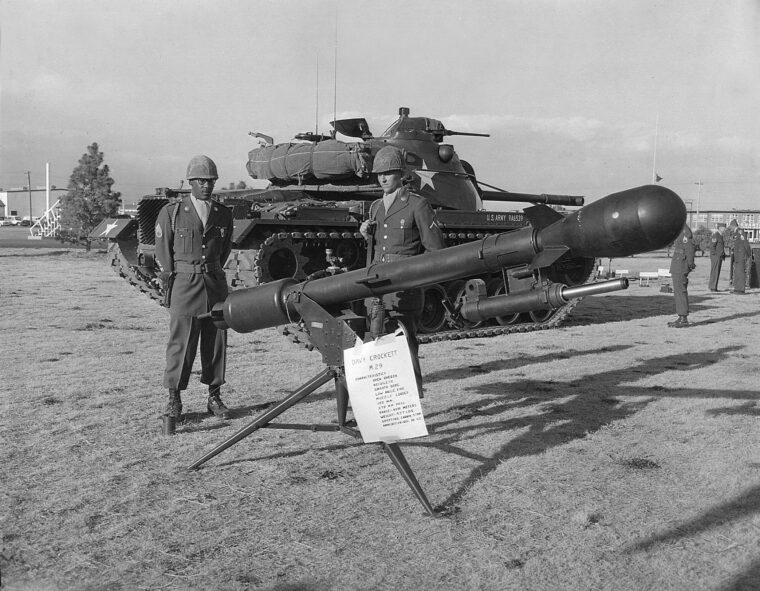
Design work for a minimum-size atomic warhead called the XW-51 began at the University of California Radiation Laboratory in the mid 1950s. Read more
Latest Posts
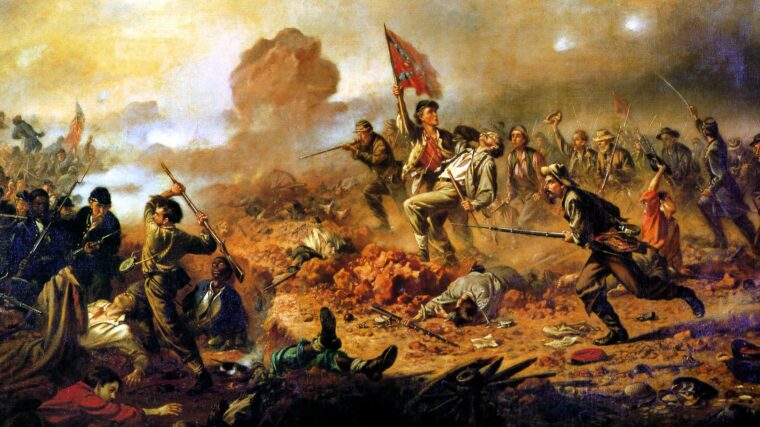
In the summer of 1864, after six weeks of virtually constant combat in the Wilderness area of northern Virginia, the Union and Confederate armies of Ulysses S. Read more
Latest Posts
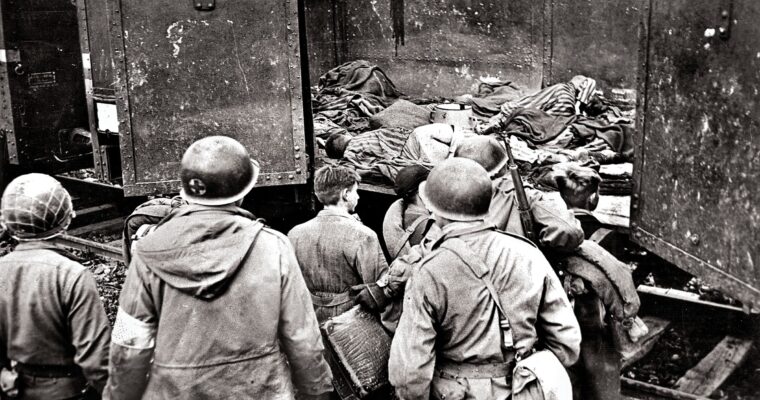
The apologue of the “boiling frog,” which postulates that an amphibian placed in a pot of tepid water that is gradually heated to the point of boiling won’t notice the increase and jump out. Read more
Latest Posts
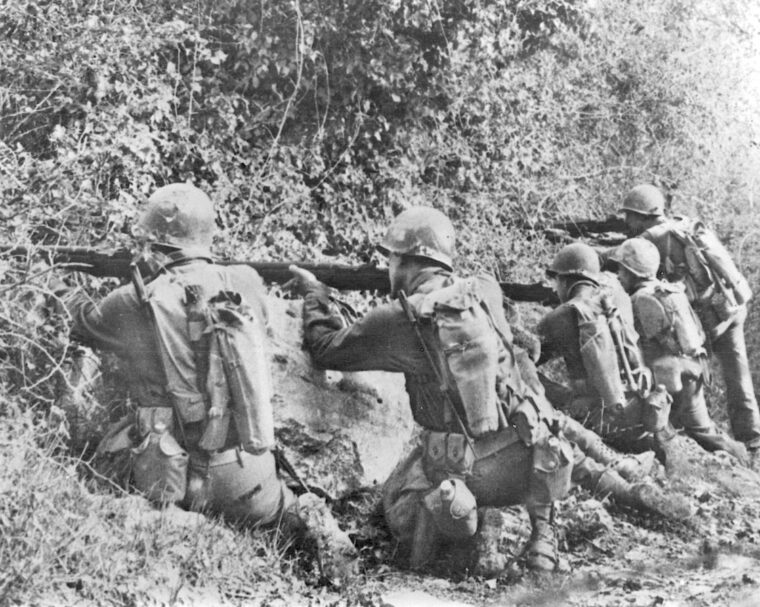
The Battle of Anzio (January 22-May 25, 1944) was aimed at bypassing the German’s daunting Gustav Line in an effort to capture Rome. Read more
Latest Posts
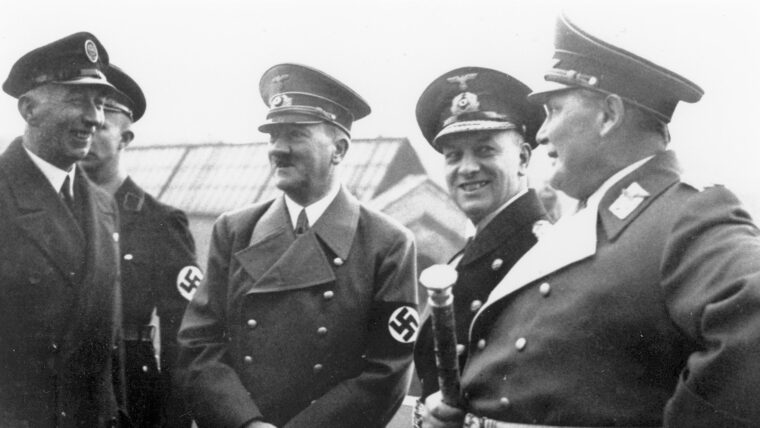
Much has been written on the politics and institutions of Germany during the rise of the Nationalsozialistische Deutsche Arbeiterpartei (NSDAP) from 1933 to 1945. Read more
![The 185th Infantry Regiment (40th ID) hits the beach in an LCVP [Landing Craft Vehicle, Personnel] during amphibious training on Guadalcanal in the Solomon Islands in early March 1944.](https://warfarehistorynetwork.com/wp-content/uploads/2026/01/W-Spr26-Bud-Elliott-3-760x628.jpg)
Latest Posts
The first major Allied offensive in the Pacific during World War II, the brutal six-month struggle that was the Guadalcanal-Solomons Campaign (August 1942-February 1943) marked a turning point in the war as U.S. Read more

Latest Posts
An investigative journalist for NPR and the daughter of one of the Tuskegee Airmen—the Black pilots who mostly flew as fighter escorts for America during WWII—the author follows the legacy of the 27 men who never came back. Read more
Latest Posts
Within the expansive history of Russia’s iconic second largest city, from Peter the Great to Vladimir Putin, McKay details the nearly 900 days of the Siege of Leningrad (as the city was then known), considered to be one of the worst sieges in history, causing an estimated 1.5 million deaths out of city population of about 3.2 million. Read more