By Kevin Seabrooke
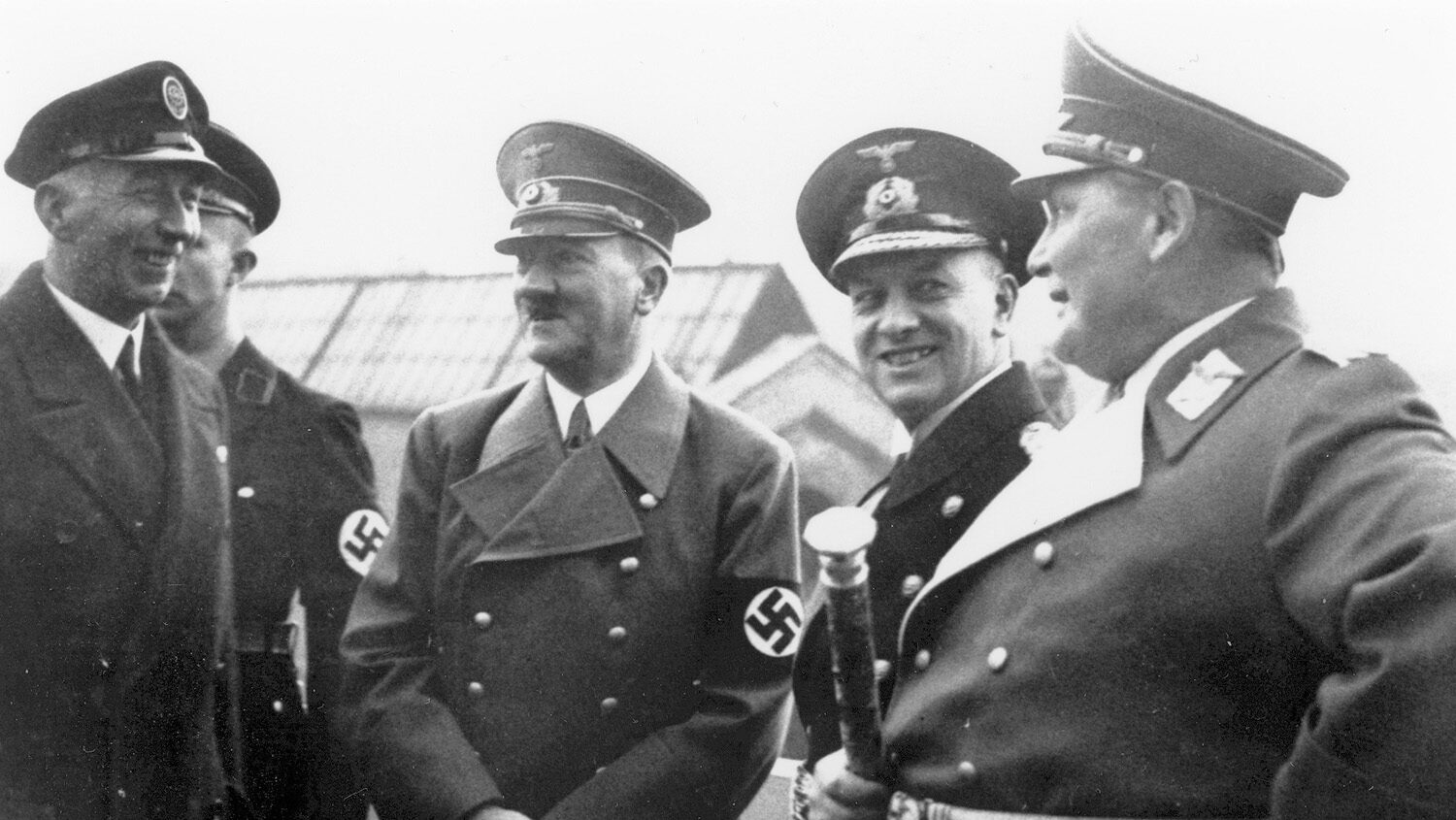
Much has been written on the politics and institutions of Germany during the rise of the Nationalsozialistische Deutsche Arbeiterpartei (NSDAP) from 1933 to 1945. Evans notes that past research on the rise of Adolf Hitler and Nazis has tended to shy away from the personalities, whereas his goal is to examine who these people were—from Hitler right down to the lowest ranks of the party and beyond.

Evans points out that through the publication of diaries, letters and memoirs, as well as annotated scholarly editions of documents, and many other previously unavailable sources, our collective knowledge of key Nazi individuals such as Goebbels, Speer, Himmler, Rosenberg, and even Hitler has been enormously expanded.
“The transformation of our knowledge of the Nazi movement and the Nazi dictatorship goes far down the scale of responsibility and complicity, and the biographical approach, often based on evidence presented in post-war trials, has emerged as a mainstay of “perpetrator research” (Täterforschung) since around the turn of the century,” Evans writes. “The basis for an attempt at answering the questions with which this book began is now available to a far greater extent than it was even twenty years ago.”
Hitler’s People: The Faces of the Third Reich (Richard J. Evans, Penguin Books, New York, NY, 624 pp., photographs, notes, bibliography, index, Nov. 18, 2025 $24 SC)
Join The Conversation
Comments
View All Comments