Latest Posts
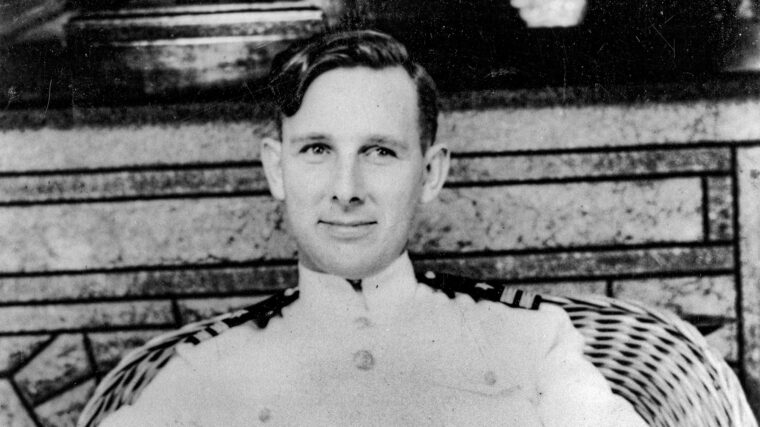
Admiral Yamamoto and the Path to War
By Nathan N. PreferFor many Americans in late 1941 and early 1942, he was the most hated—and feared—man in the world. Read more
Latest Posts
For many Americans in late 1941 and early 1942, he was the most hated—and feared—man in the world. Read more
Latest Posts
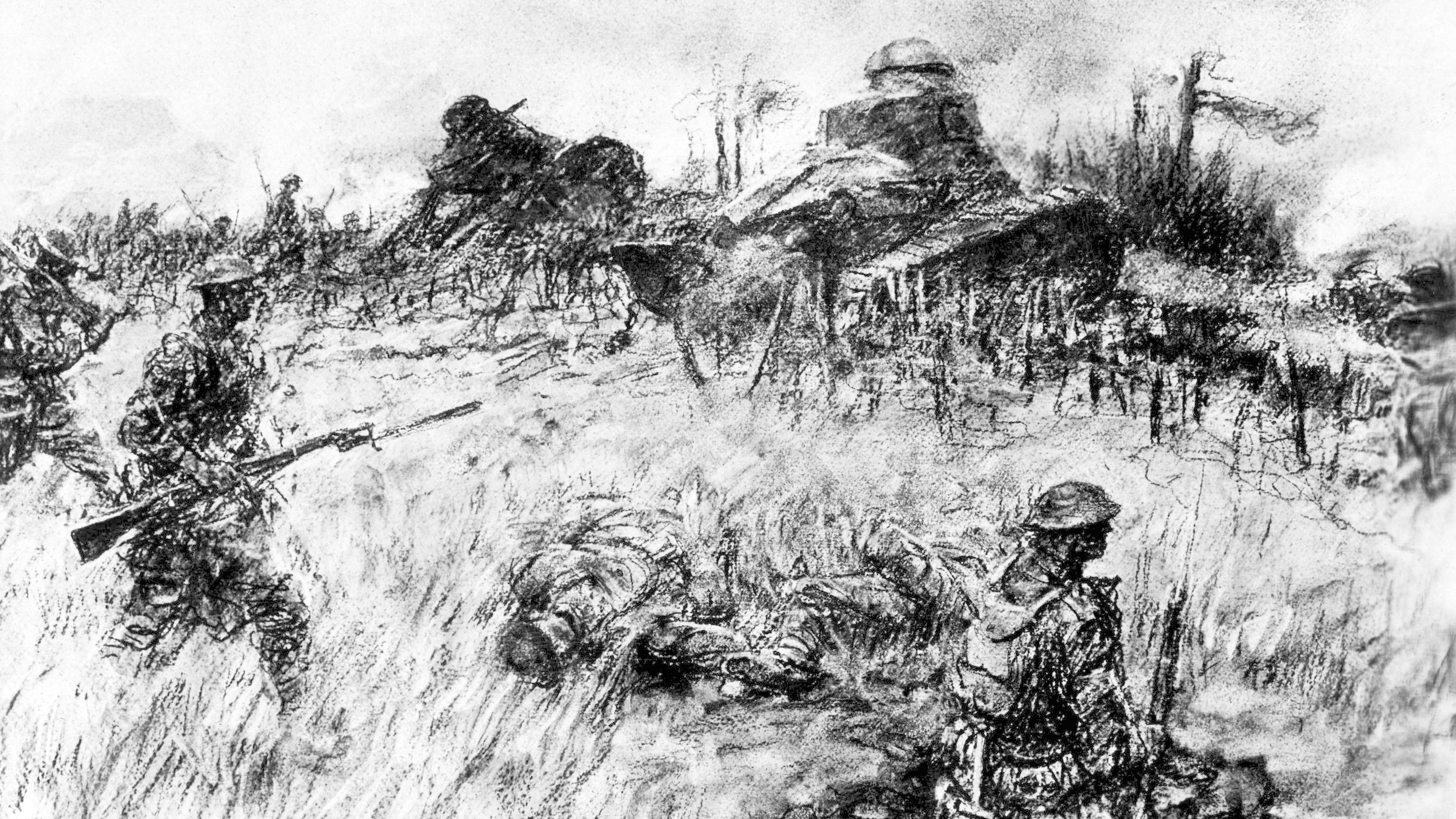
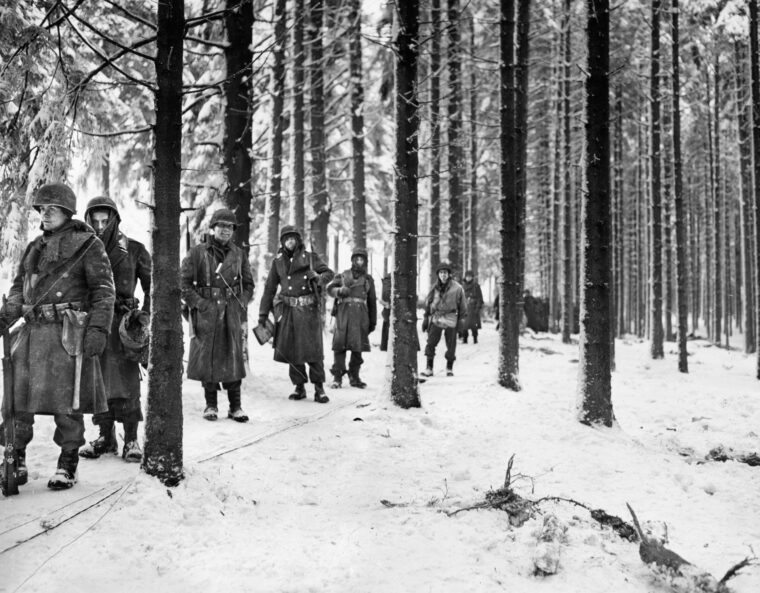
Staff Sergeant Darrell Bush had just carried a wounded soldier on his back to the rear when five enemy bullets seemed to hit him simultaneously. Read more
Latest Posts
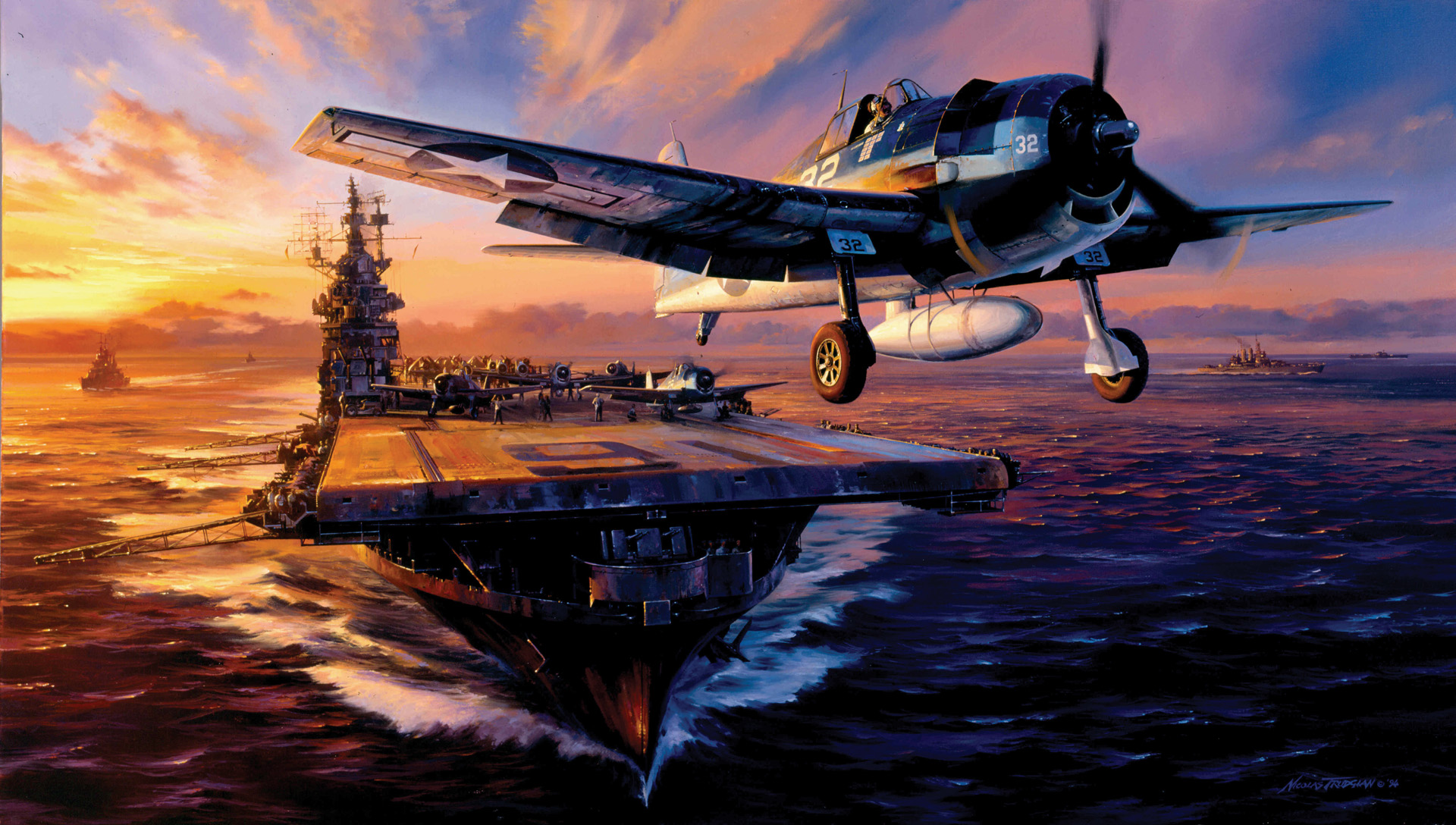
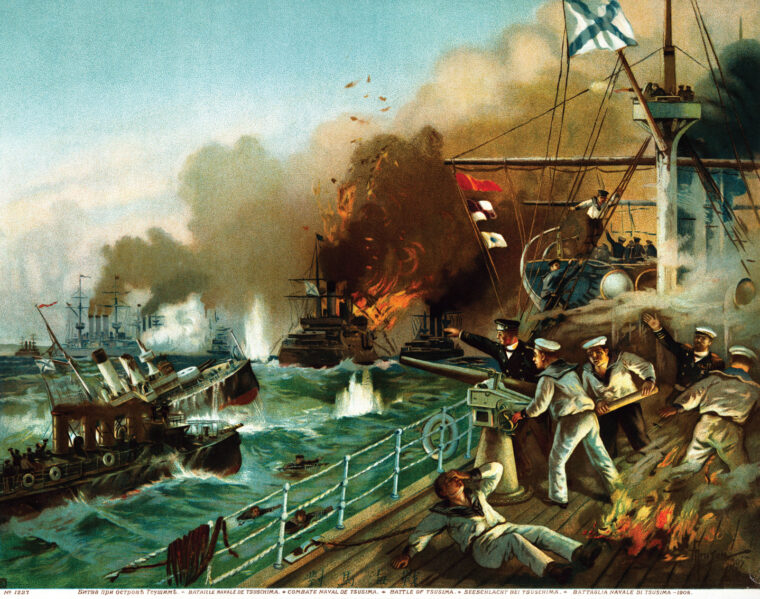
Eighty years ago this month, the U.S. Navy inflicted the decisive defeat of World War II in the Pacific against the marauding Japanese. Read more
Latest Posts
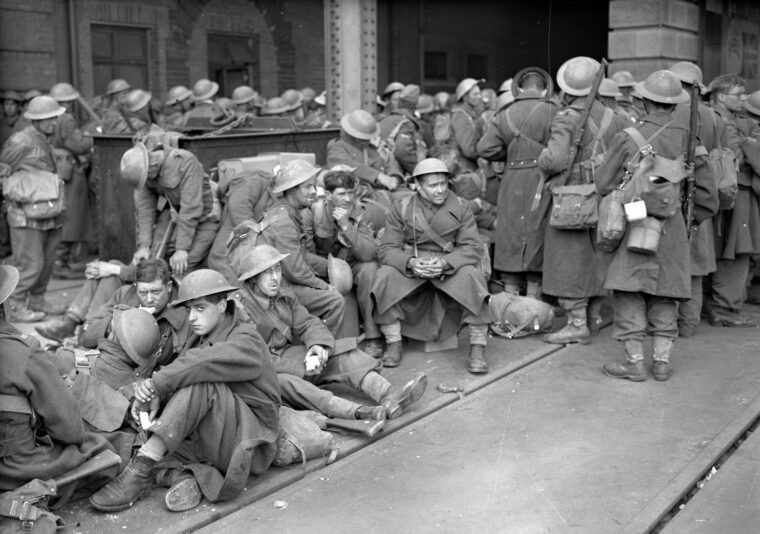
Within days of Nazi Germany’s invasion of Poland on September 1, 1939, and the British declaration of war two days later, the vanguard of the British Expeditionary Force (BEF) arrived on the continent of Europe. Read more
Latest Posts
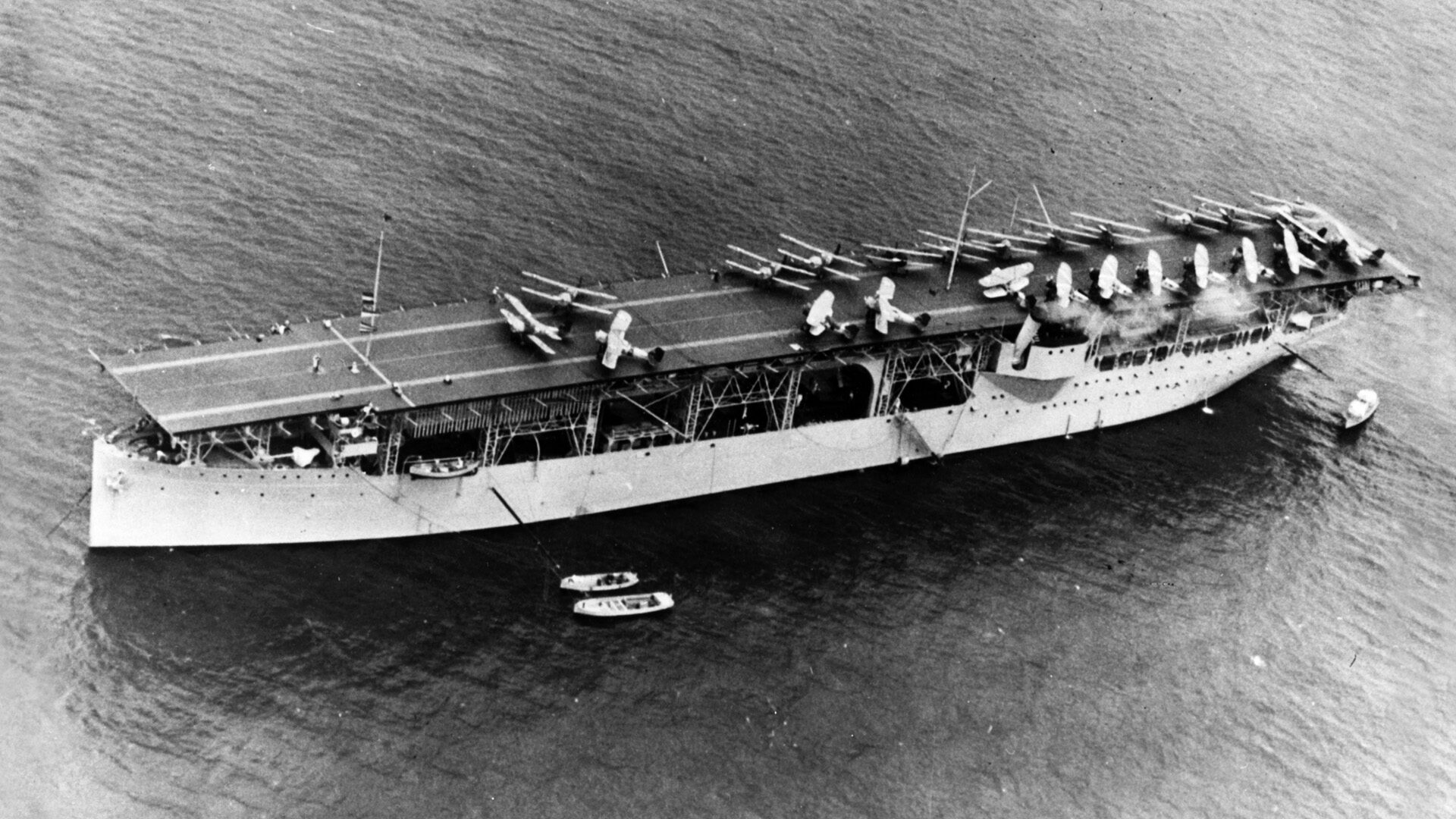
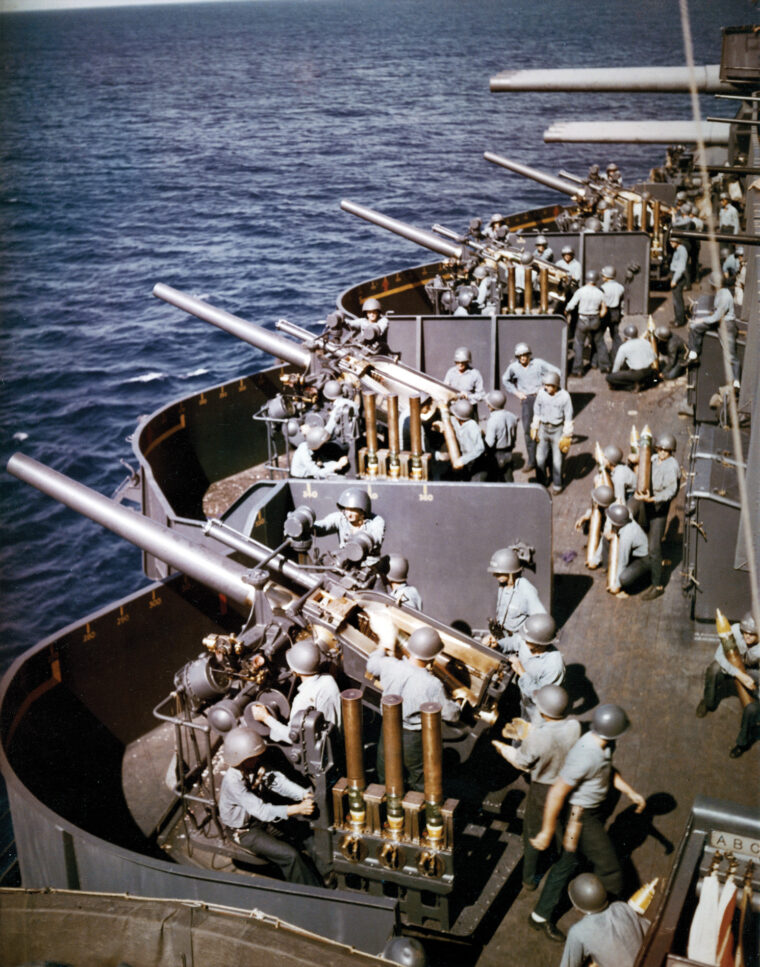
The United States Navy entered World War II well before Pearl Harbor and long before the rest of the nation. Read more
Latest Posts
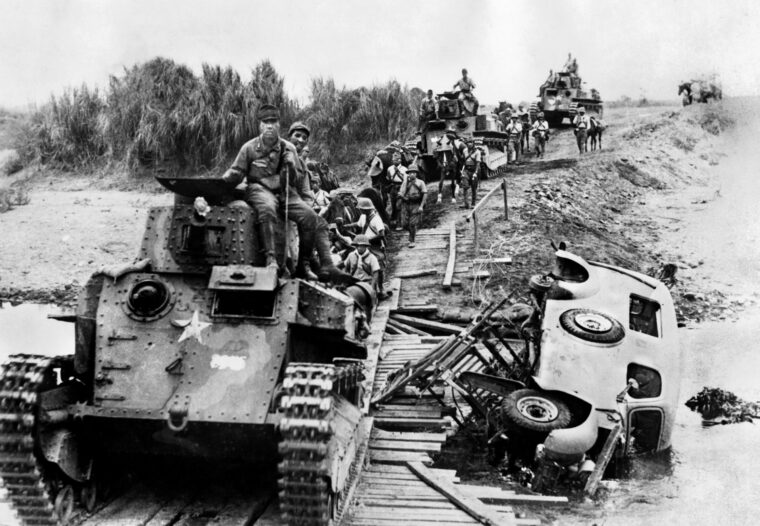
They had no armor, no air support, and little hope, but the American and Filipino troops on Luzon and the Bataan peninsula waged a fighting retreat that was the longest and most gallant in U.S. Read more
Latest Posts
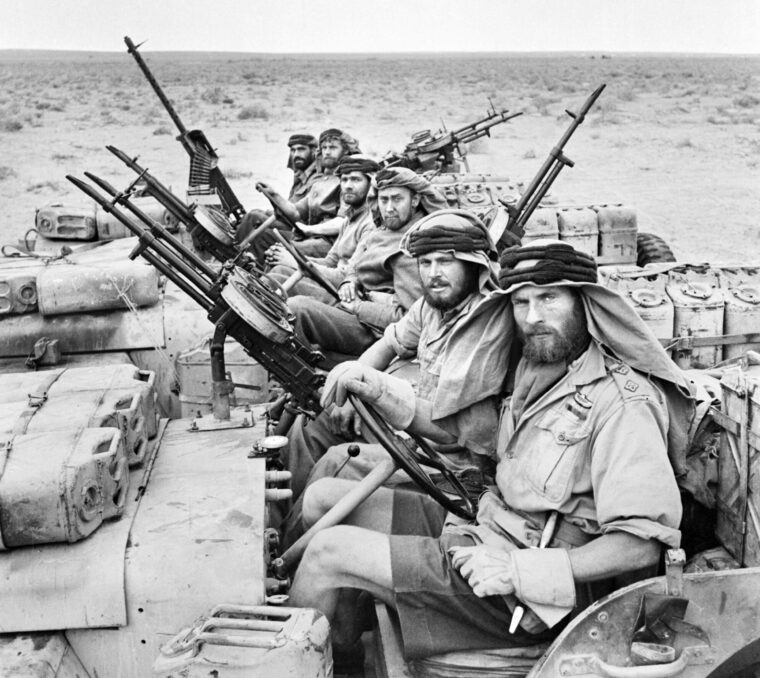
Second Lieutenant David A. Sterling of the Scots Guards was serving with Lt. Col. Robert E. “Lucky” Laycock’s No. Read more
Latest Posts
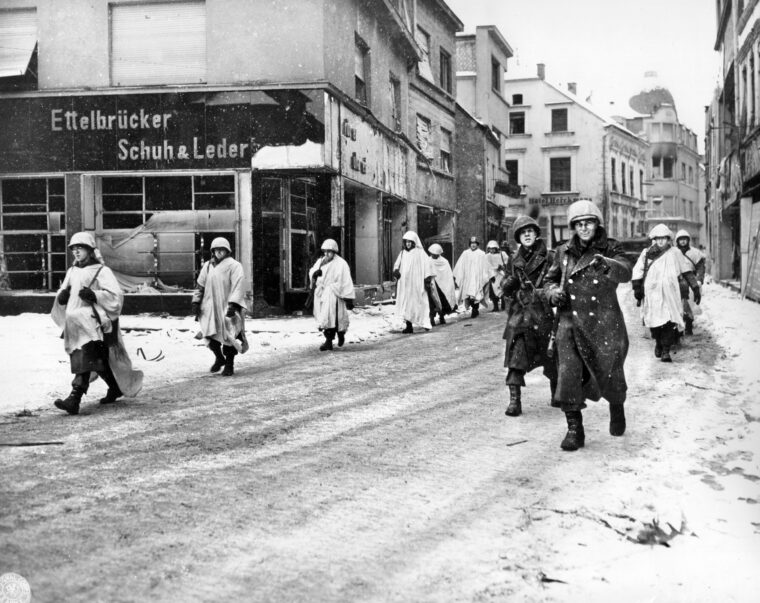
Corporal Thomas B. Tucker stood shivering in the bitterly cold night air as he looked down on a ribbon of water that separated his unit from the enemy’s front-line positions. Read more
Latest Posts
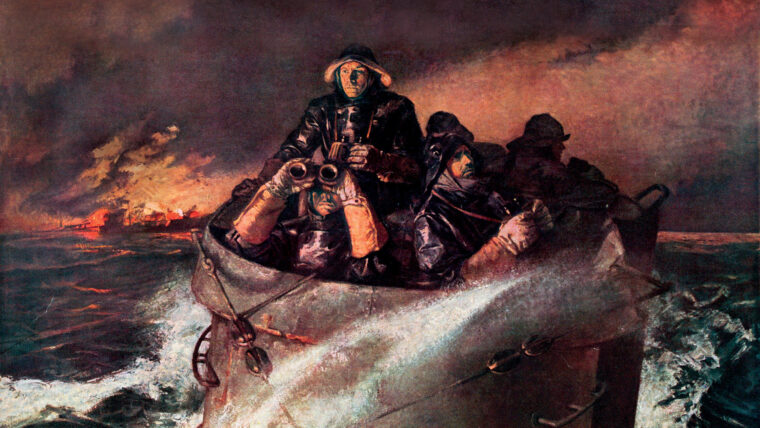
Adolf Hitler and his military commanders were feeling a new and unsettling emotion early in 1943—desperation. A year earlier, they had seemed on top of the world as their forces ruled a region that surpassed Rome at its greatest. Read more
Latest Posts
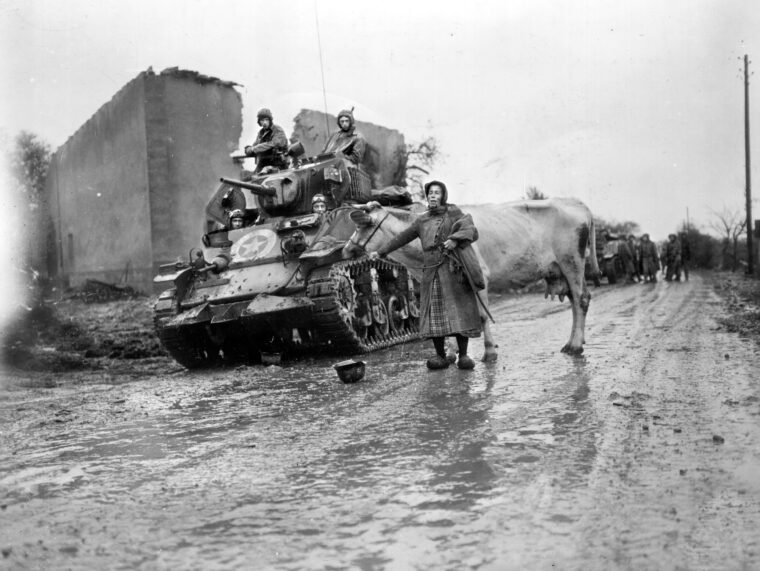
Lieutenant Wessling did not believe that his two 75mm assault guns could effectively deal with the German panzers. Read more

Latest Posts
Even after their stunning defeat at Midway in early June 1942, senior commanders of the Imperial Japanese armed forces were resolute in their grand plan to extend their defensive perimeter in the Pacific. Read more

Latest Posts
British Prime Minister Winston Churchill once admitted that the only issue to trouble him to the extent that he thought World War II might be lost was the uncertainty of the Battle of the Atlantic and the U-boat peril that threatened to starve the British Isles into submission. Read more

Latest Posts
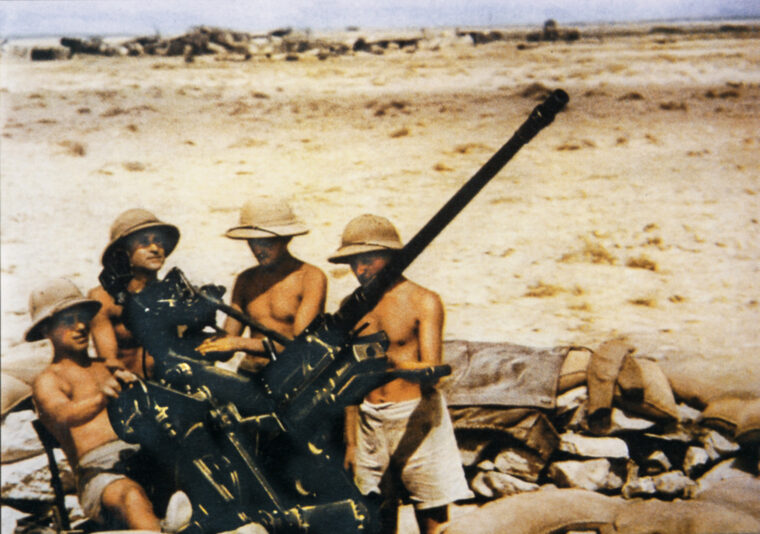
The squat, gray brick Castle Aghinolfi sat on high ground over-looking a coastal road on Italy’s west coast. Read more
Latest Posts
During the Allied air campaign against the Third Reich in World War II, well over a million tons of bombs were dropped on German territory, killing nearly 300,000 civilians and wounding another 780,000. Read more

Latest Posts
In the Grand Alliance volume of Winston S. Churchill’s memoirs of the Second World War, the British prime minister lambasted his new ally, Josef Stalin, after Operation Barbarossa, the German invasion of the Soviet Union, began on June 22, 1941. Read more

Latest Posts
Black puffs from flak bursts began blossoming in the air around Lieutenant Tom Oliver’s Consolidated B-24 Liberator bomber high over the town of Bor, Yugoslavia. Read more

Latest Posts
It was the early-morning hours of June 13, 1917, when a group of German aircraft began its final preparations for a very special mission, which amounted to the first fixed-wing bombing of London. Read more
Latest Posts
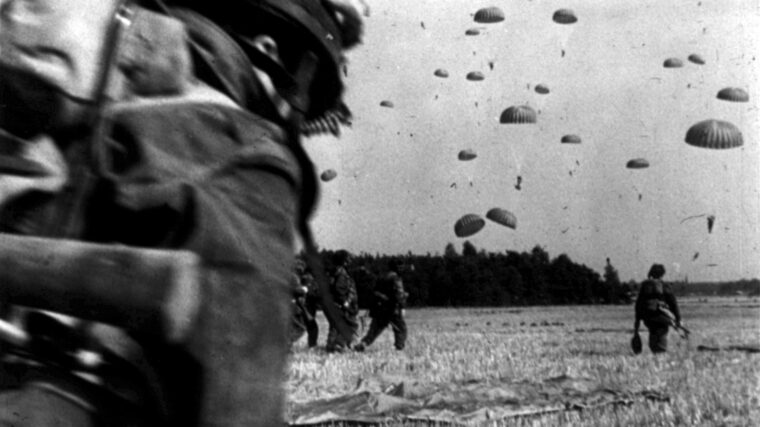
The British Air Ministry established the British Airborne forces on June 22, 1940, at the request of Prime Minister Winston Churchill. Read more

Latest Posts
British soldiers fixed their bayonets and waited tensely in the trenches for the order to go over the top. Read more

Latest Posts
In the shadow of Cedar Mountain on the southern outskirts of Culpeper, Virginia, Major General Thomas “Stonewall” Jackson deployed the troops at the head of his column of march against a reinforced Union corps on August 9, 1862. Read more