Civil War
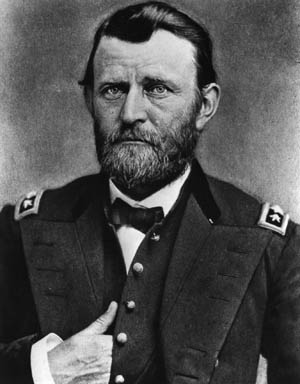
Ulysses S. Grant: Union War Hero
by Mike HaskewBorn in Ohio in 1822, Ulysses S. Grant graduated from the United States Military Academy at West Point in 1843. Read more
Civil War
Born in Ohio in 1822, Ulysses S. Grant graduated from the United States Military Academy at West Point in 1843. Read more
Civil War
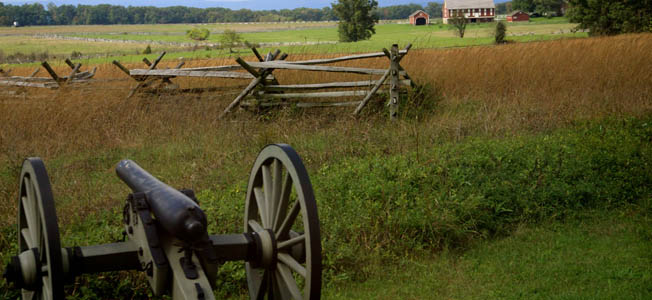
The occasion was, for the North, inauspicious. In the Battle of First Manassas, the Federals were routed, humiliated, and almost utterly crushed. Read more
Civil War
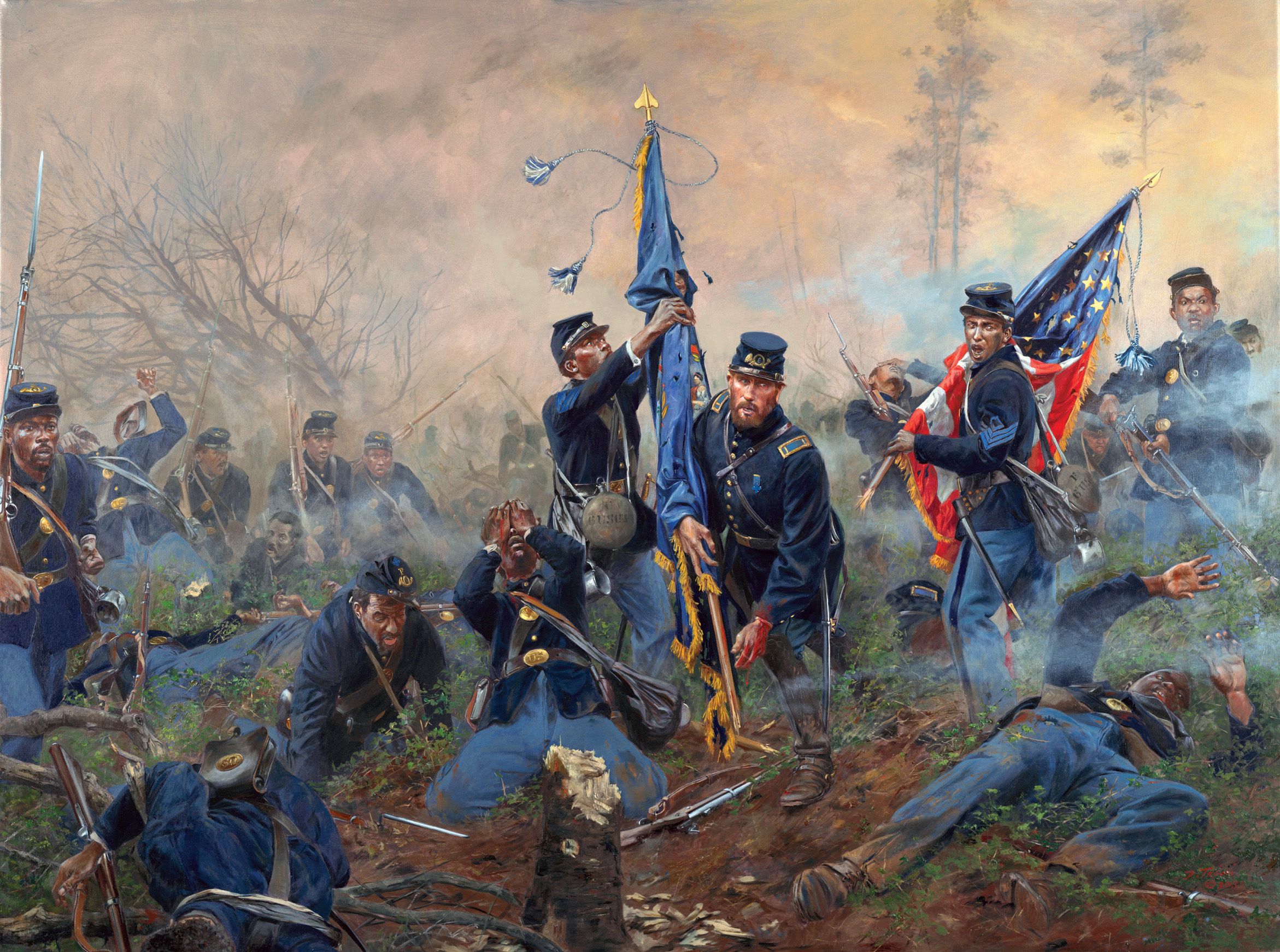
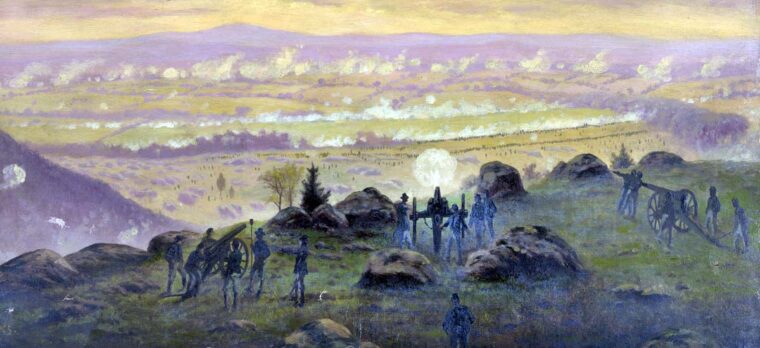
Ward’s Union Brigade faced some of the most formidable troops in General Robert E. Lee’s army on the afternoon of July 2. Read more
Civil War
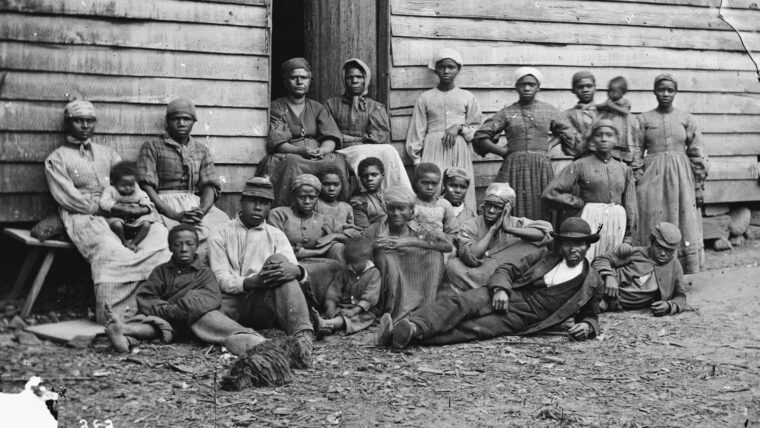
As the early days of the American Civil War were unfolding and the destiny of the republic was being contested on the battlefield, President Abraham Lincoln was engaged in a no less perilous type of battle. Read more
Civil War
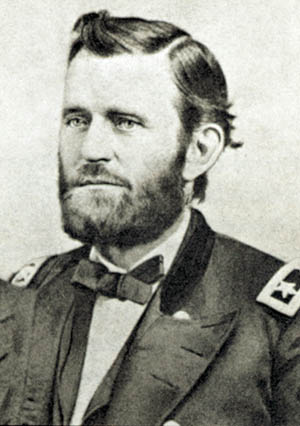
When the sun set on the Confederacy, the stars began to rise and shine, none more brightly for Northerners than that of Abraham Lincoln, and for Southerners than those of Robert E. Read more
Civil War
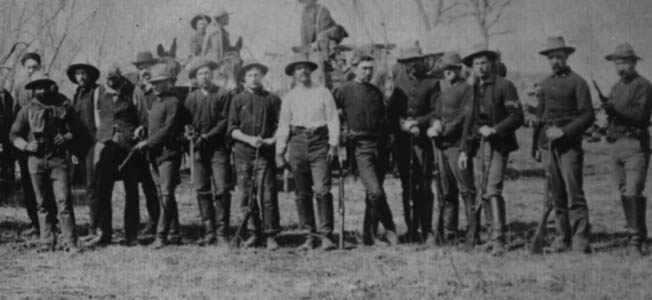
In 1864-1865 the U.S. Army had some 1,045,000 men in uniform; within a year after Appomattox, the number stood at 57,000. Read more
Civil War
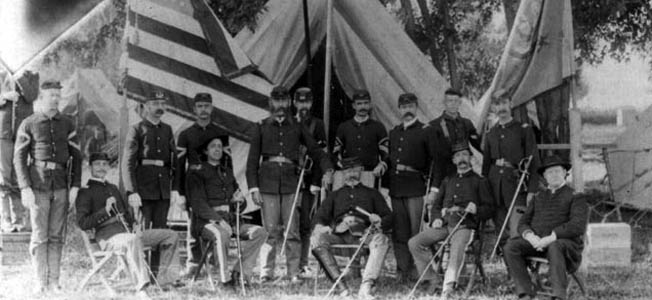
When the American Civil War erupted in 1861 Iowa soldiers were equipped with old converted smoothbore flintlock muskets. Read more
Civil War
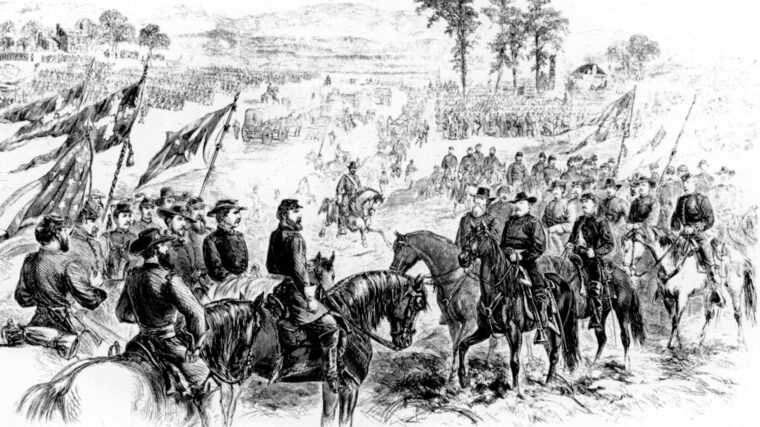
All day on July 4, 1863 the Union and Confederate armies stared at each other during the Battle of Gettysburg. Read more
Civil War
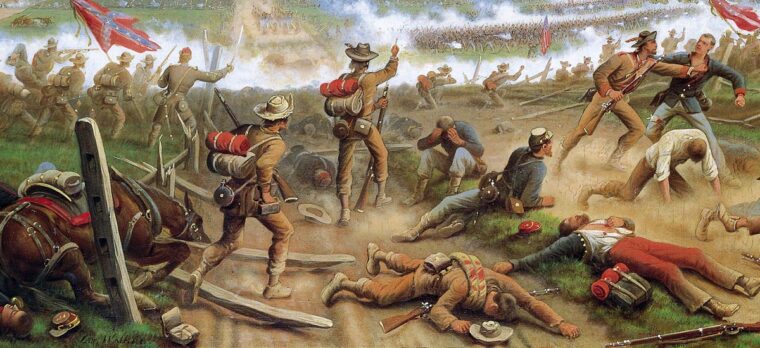
The Confederate II Corps commander was as bruised and tired as the troops in his command by the late afternoon of July 1 at the strategic Pennsylvania crossroads town of Gettysburg. Read more
Civil War
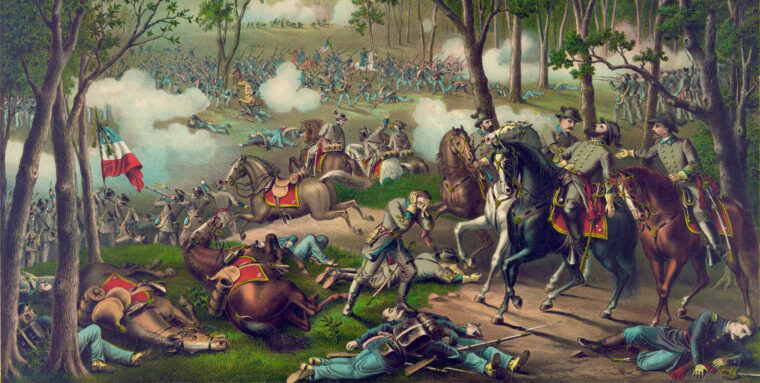
The Chancellorsville campaign has been called many things, from “a stupendous defeat” for the curiously cautious “Fighting Joe” Hooker, to Robert E. Read more
Civil War
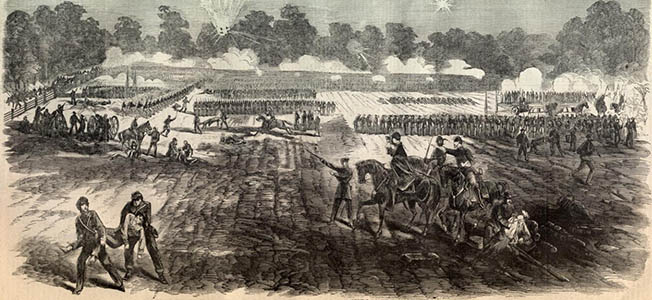
Louisiana held an interesting political climate during the American Civil War. It was a prominent slave state; by 1860, nearly half of Louisiana’s population came from slaves. Read more
Civil War
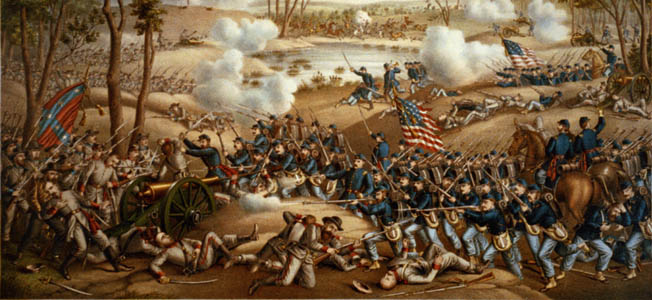
On June 12, 1864, the American Civil War Battle of Cold Harbor came to a close, which became one of the final battles in Ulysses S. Read more
Civil War
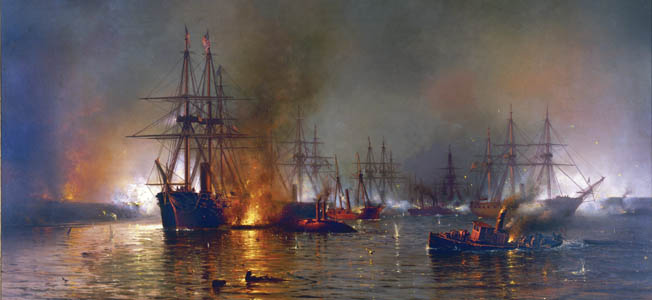
In late September 1861, the Union navy moved to the Head of the Passes. From there, below New Orleans, the Mississippi River divided into three major passes leading to the Gulf of Mexico. Read more
Civil War
When the American Civil War erupted in April 1861, the 10 companies of the 4th U.S. Infantry were spread along the West Coast from Puget Sound to the Gulf of California in various small, far-flung garrisons. Read more
Civil War
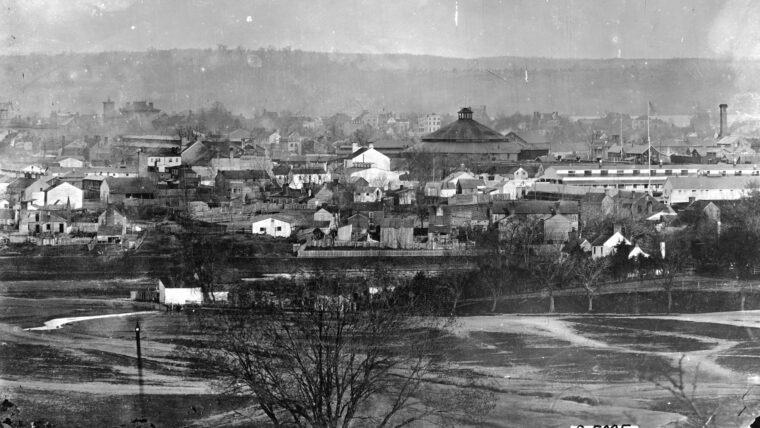
Under bright moonlight, Union troops marched into Alexandria, Virginia, on May 24, 1861, one day after Virginia seceded from the Union. Read more
Civil War
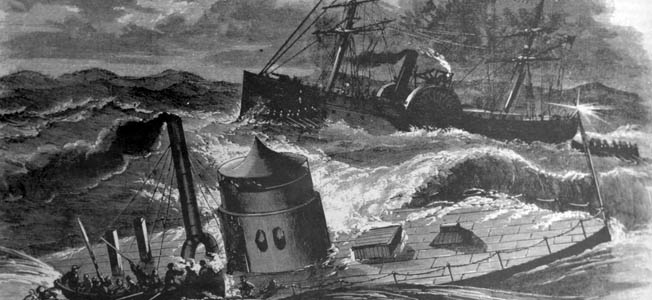
The subsequent careers of the Monitor and Merrimack were not as dramatic as their first clashes. The two ironclads never met in combat again after their infamous battle on March 9, 1862. Read more
Civil War
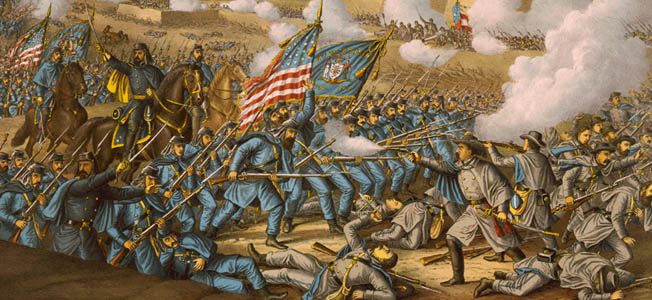
During the Battle of Williamsburg, Virginia, in May 1862, General Joseph Hooker’s Union forces were in pursuit of the withdrawing Confederates. Read more
Civil War
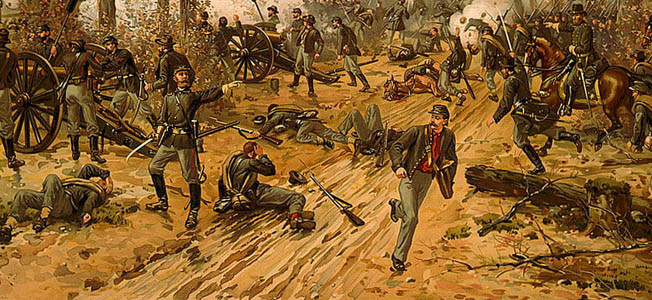
No one expected this—not the fiercest “fire-eater” in South Carolina or the flintiest abolitionist in New England. Read more
Civil War
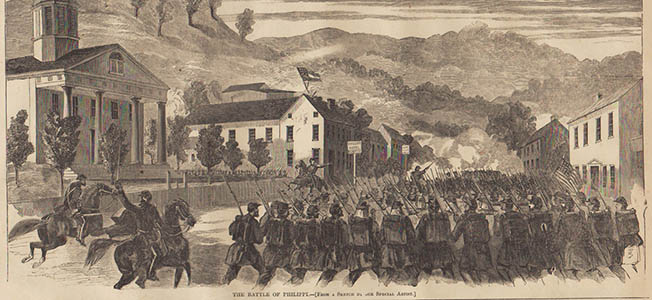
On this day in 1861, Union and Confederate forces met at the Battle of Philippi in modern day West Virginia. (The area still belonged to Virginia during the early years of the Civil War.) Read more
Civil War
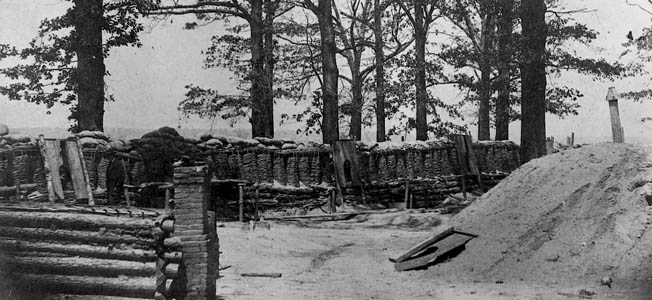
In selecting a leader for the attack on Fort Stedman, Robert E. Lee could scarcely have chosen a better commander than Maj. Read more