Vietnam War
Con Thien: Hell on the Hill of Angels
By Al HemingwayLieutenant General Lewis Walt was not a happy man. The burly III Marine Amphibious Force commander had just been ordered by Commanding General William C. Read more
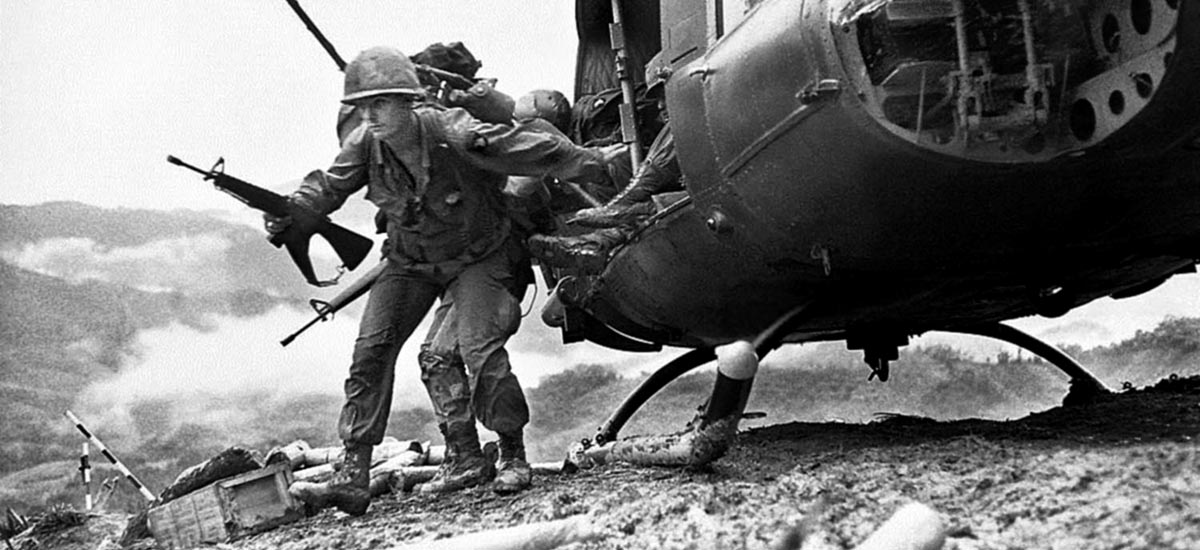
The Vietnam War began following World War II as the Viet Minh, a movement imbued with nationalism and communist philosophy led by Ho Chi Minh, sought to gain the country’s independence from French colonial rule. French involvement in the Vietnam War ended in 1954 following the disastrous defeat at Dien Bien Phu. However, the United States became increasingly embroiled in the effort to prop up the pro-Western government of South Vietnam in its continuing fight with the communist North and its insurgency, the Viet Cong. U.S. involvement in the Vietnam War escalated steadily during the 1960s, but eventually American military personnel were withdrawn in 1973. In April 1975, communist forces occupied the South Vietnamese capital of Saigon, unifying the country and ending the Vietnam War.
Vietnam War
Lieutenant General Lewis Walt was not a happy man. The burly III Marine Amphibious Force commander had just been ordered by Commanding General William C. Read more

Vietnam War
On the morning of February 23, 1945, on the tiny Pacific island of Iwo Jima, a 40-man patrol gathered at the 5th Marine Division headquarters for their final briefing with battalion commander Lt. Read more

Vietnam War
As an icon of the Vietnam War and an angel of mercy for American troops who fought there, the Bell UH-1 Iroquois, affectionately known as the “Huey,” has gone on to become the most recognizable helicopter in the world. Read more
Vietnam War
When did humanity begin throwing explosive devices? What are the origins of the modern grenade, and how did explosives evolve? Read more
Vietnam War
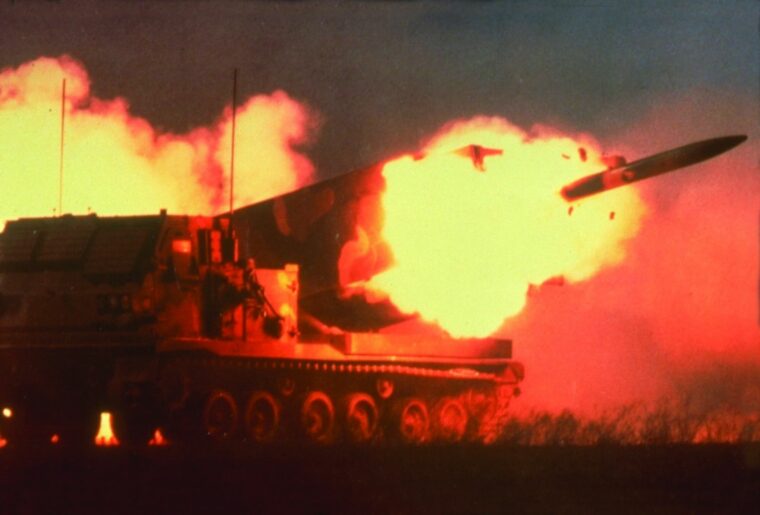
On February 24, 1991, the ground phase of Operation Desert Storm began. Over the next four days, the soldiers of an international coalition, formed to eject the Iraqi army of Saddam Hussein from the neighboring nation of Kuwait, carried out a whirlwind offensive that quickly overwhelmed their foe. Read more
Vietnam War
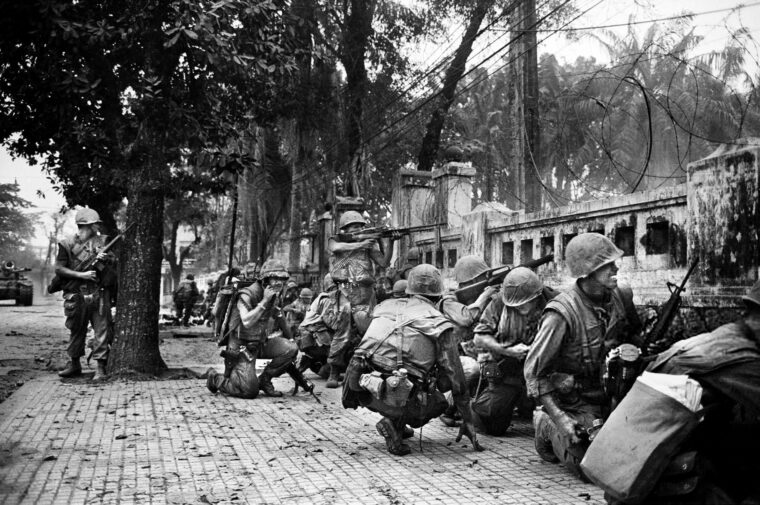
The crackle of small-arms fire on the night of January 30-31, 1968, alerted the South Vietnamese troops at an outpost three miles south of Hue City that the enemy was nearby. Read more
Vietnam War
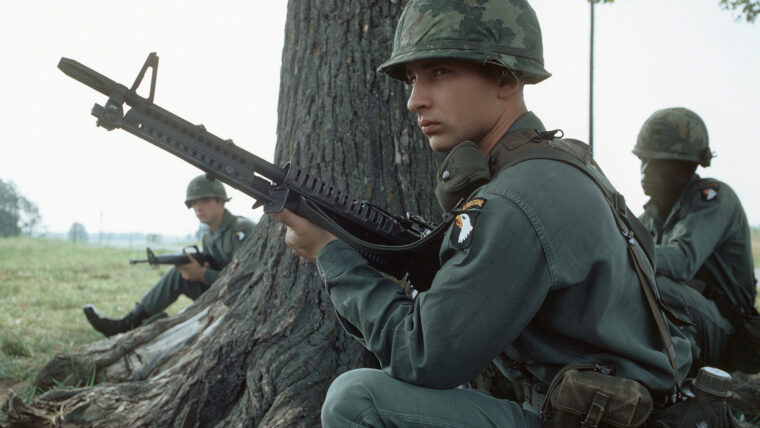
The time was early 1967, the place a crowded square over a body of water on a narrow bridge in downtown Saigon. Read more
Vietnam War
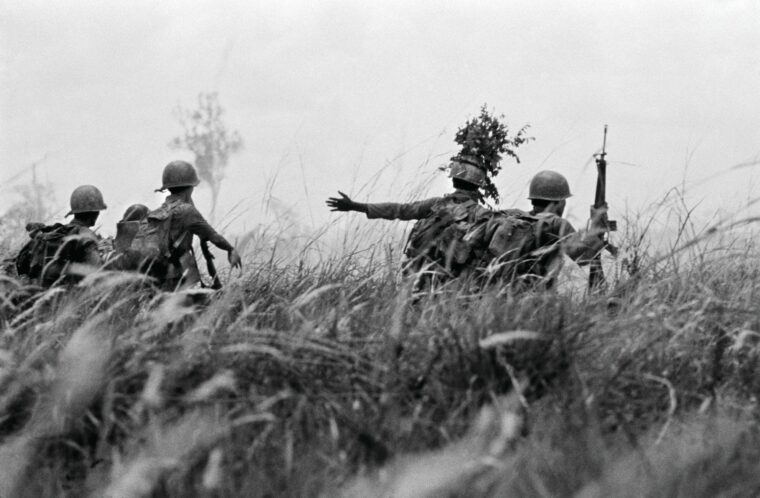
At noon on Good Friday, March 30, 1972, more than 25,000 North Vietnamese Army (NVA) soldiers, backed by state-of-the-art Soviet tanks, artillery, and mobile antiaircraft missile platforms, poured across the Demilitarized Zone separating the two Vietnams. Read more
Vietnam War
Petty Officer R. J. Thomas, a U.S. Navy SEAL, wound up in deep trouble one day in 1969. Read more
Vietnam War
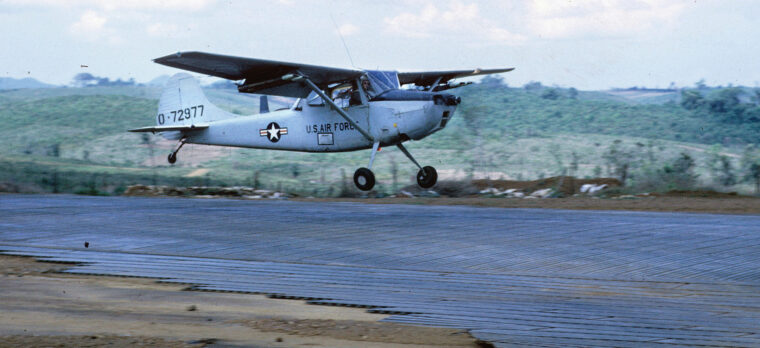
Raven forward air controller Charles Edwin Engle usually took his Cessna 0-1 “Bird Dog” up to an altitude of 12,000 feet over northern Laos to await the arrival of a flight of inbound A-1E Skyraiders from Thailand. Read more
Vietnam War
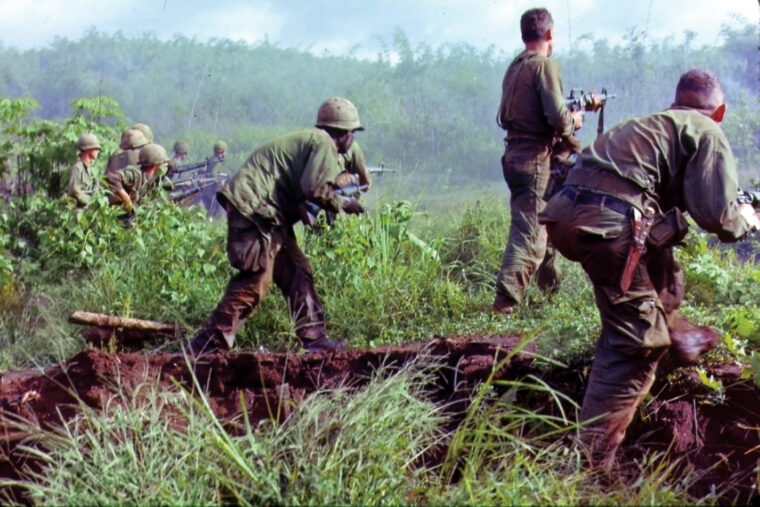
On May 21, 1969, while much of the 101st Airborne Division’s 1st Battalion, 501st Infantry, is engaging the enemy, Lieutenant Ed Sherwood’s Third Platoon, Delta Company, is guarding rucksacks. Read more
Vietnam War
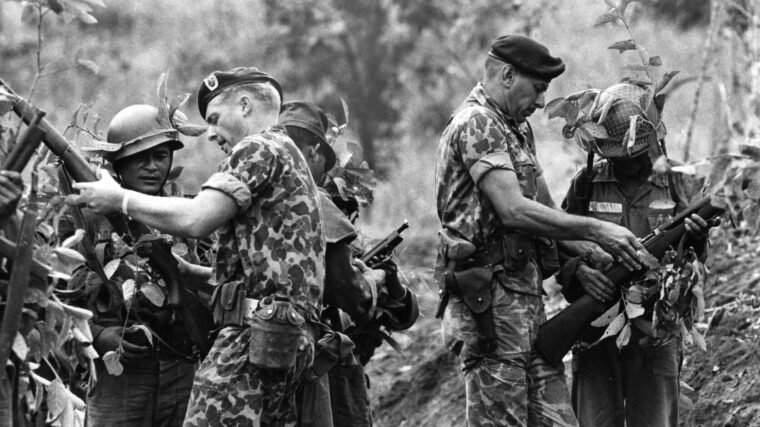
Special Forces Team A-726 had been out on patrol far from the unit’s camp at Nam Dong on the night of Friday, July 3, 1964, when radiomen back at the A team camp received an ominous warning from the field. Read more
Vietnam War
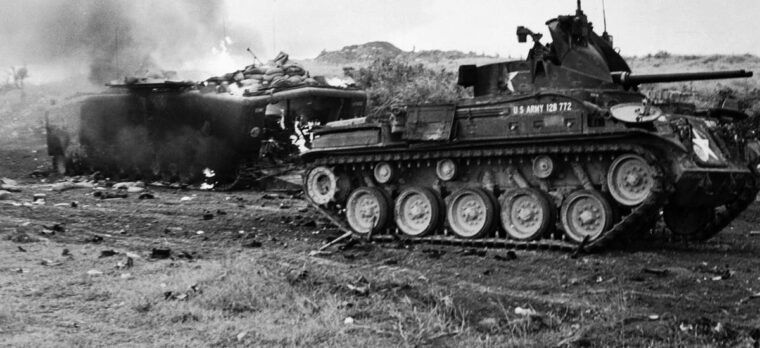
U.S. Army First Lieutenant Bruce Geiger participated in the protracted siege of Khe Sanh during the Vietnam War. Read more
Vietnam War
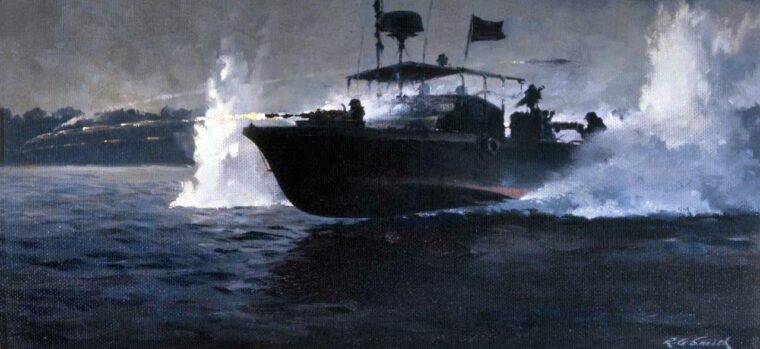
The U.S. Navy deployed a variety of small boats to South Vietnam during the Vietnam War, but perhaps the best known of these is the river patrol boat. Read more
Vietnam War
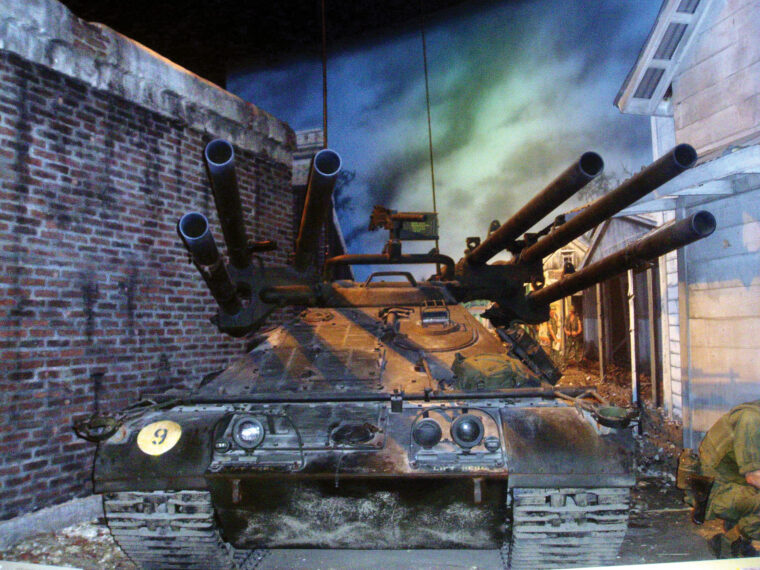
On January 30, 1968, eight battalions of North Vietnamese Army infantry infiltrated the city of Hue in South Vietnam. Read more
Vietnam War
In recent years, the U.S. military has made significant announcements on the replacement of its old equipment, much of it dating back to the Cold War. Read more
Vietnam War
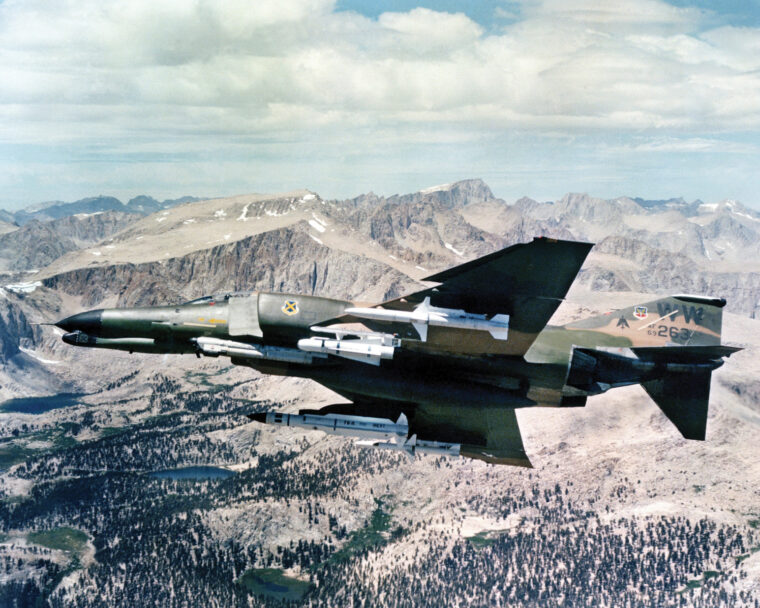
Captain John E. Donovan, an electronic warfare officer, monitored the equipment in his F-100F Super Sabre fighter. It was December 22, 1965, and his plane was part of a strike mission searching out enemy antiaircraft sites. Read more
Vietnam War
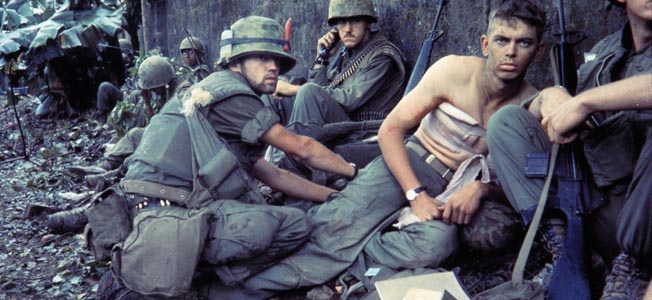
The Vietnam War ended in 1975, yet it has taken decades for the heroism and sacrifices of many of the men who fought and served to be recognized. Read more
Vietnam War
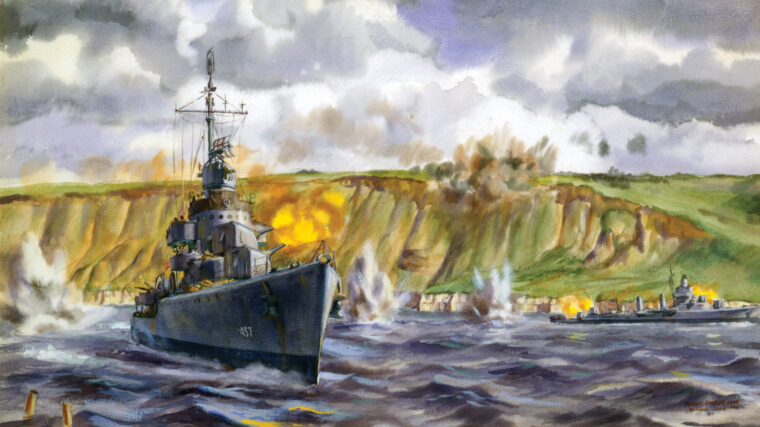
At exactly three o’clock in the afternoon on February 25, 1944, a crowd gathered at the Boston Navy Yard for the commissioning ceremony of the USS O’Brien (DD725), a destroyer of the Sumner class. Read more
Vietnam War
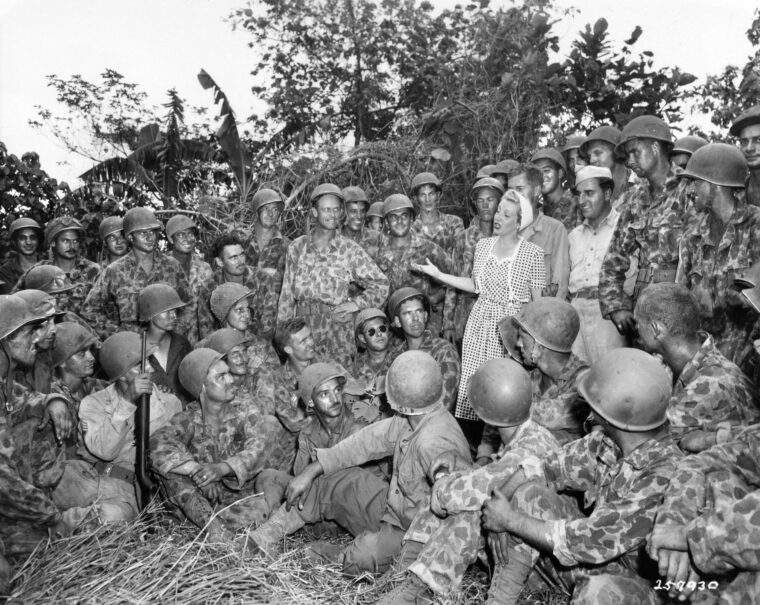
Almost every American veteran has fond memories of a Track-Side Free Canteen, or a USO center at some train station or airport situated at locations around the world, or a “USO Camp Show” that provided entertainment close to the front lines, during every conflict since World War II. Read more
Book Reviews