U-Boat
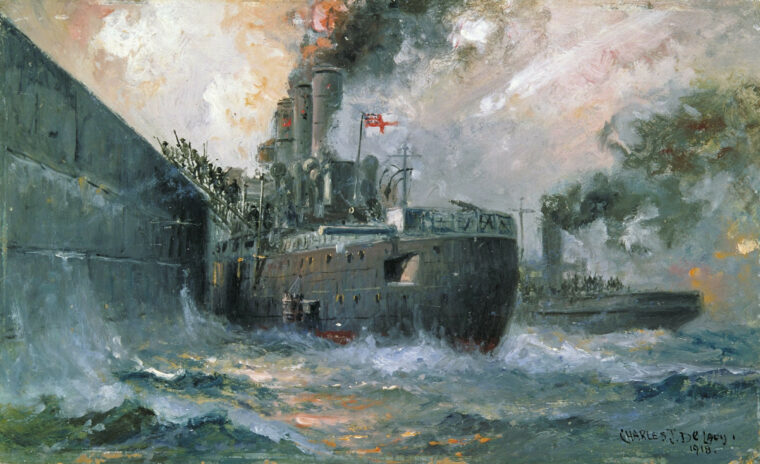
Zeebrugge: A Gallant Raid on Saint George’s Day
By Robert Barr SmithIn the spring of 1918, World War I was well into its fourth year, and still the armies struggled and died in the glutinous mud of Flanders. Read more
U-Boat
In the spring of 1918, World War I was well into its fourth year, and still the armies struggled and died in the glutinous mud of Flanders. Read more
U-Boat
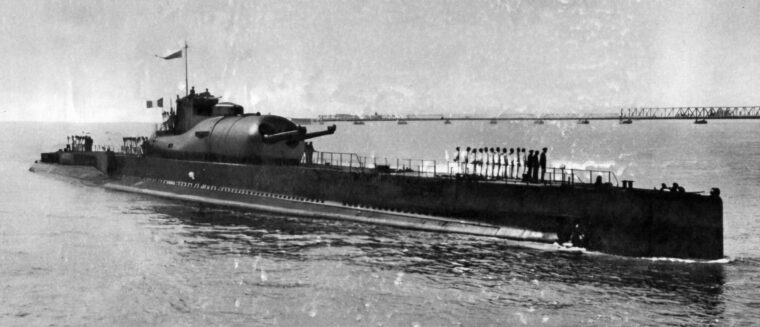
The legendary Flying Dutchman of maritime lore was a spectral ship of disastrous portent that haunted the high seas and endangered anyone who came into contact with it. Read more
U-Boat
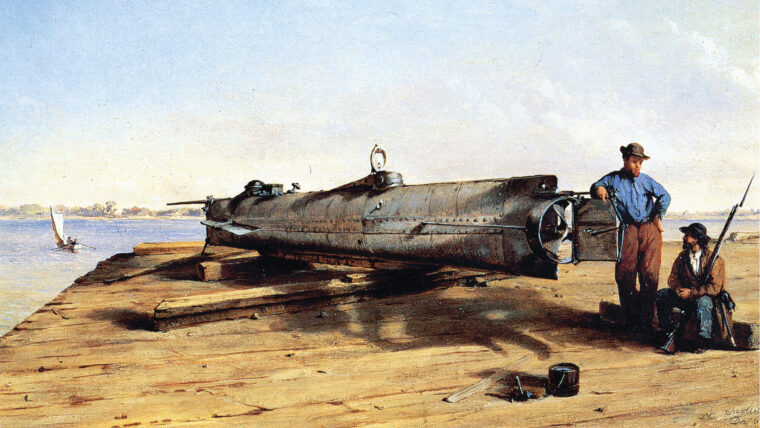
The concept of a ship that could submerge beneath the water and then resurface dates back as far as the late 1400s, when Italian Renaissance artist and inventor Leonardo da Vinci claimed to have found a method for a ship to remain submerged for a protracted period of time. Read more
U-Boat
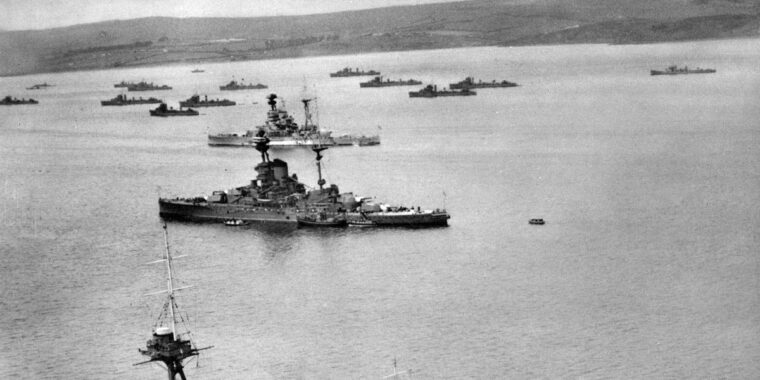
Late on the night of Friday, October 13, 1939, Kapitänleutnant Günther Prien surfaced his 218-foot-long submarine, U-47, and guided it through the protected, shallow, narrow channel at Kirk Sound. Read more
U-Boat
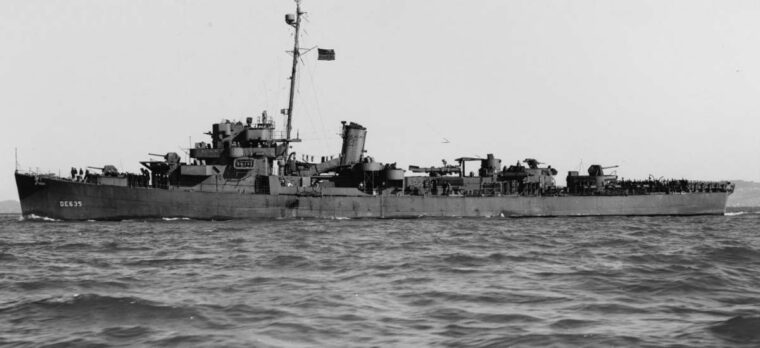
From his naval base at Tawi Tawi in the southern Philippines, Japanese Admiral Soemu Toyoda anxiously perused intelligence reports that might provide a clue to the objective of the next seaborne South Pacific invasion by American military in the spring of 1944. Read more
U-Boat
After refueling in the mid-Atlantic and suffering bow damage from being rammed by a tanker, a 769-ton Nazi U-Boat reached its destination, the American East Coast, early on Monday, May 4, 1942. Read more
U-Boat
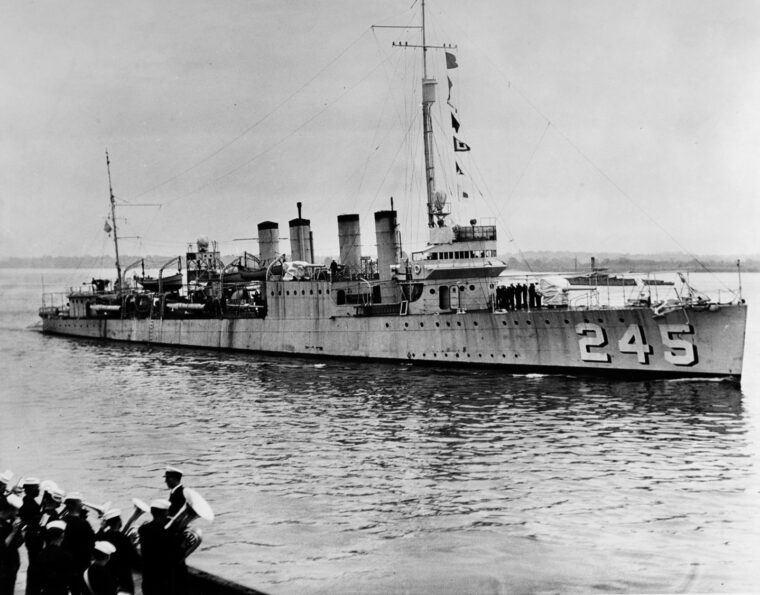
When the destroyer USS Reuben James (DD-245) was assigned to convoy duty in the North Atlantic in the autumn of 1941, its crew had a sense of foreboding and feared the worst. Read more
U-Boat
When it came to advanced military technology in World War II, arguably no one was better at it than Nazi Germany, whose scientists Adolf Hitler keep busy trying to invent the ultimate “super weapon” capable of defeating his enemies. Read more
U-Boat
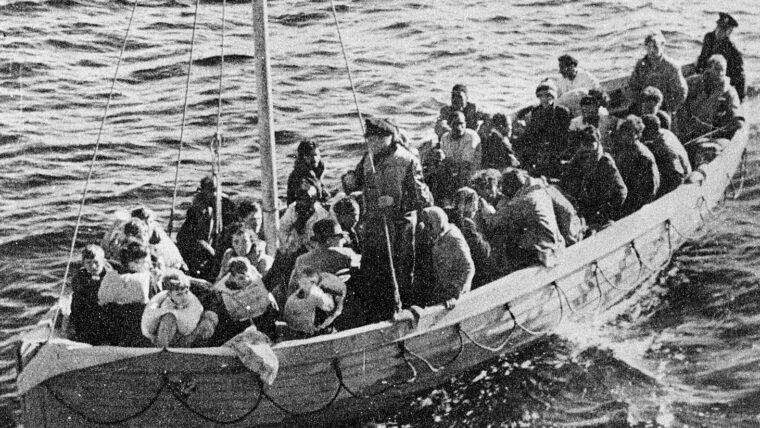
In the summer of 1940, the world watched with rapt attention as the citizens, airmen, sailors, and soldiers of Great Britain steeled themselves for imminent invasion by the victorious German Army. Read more
U-Boat
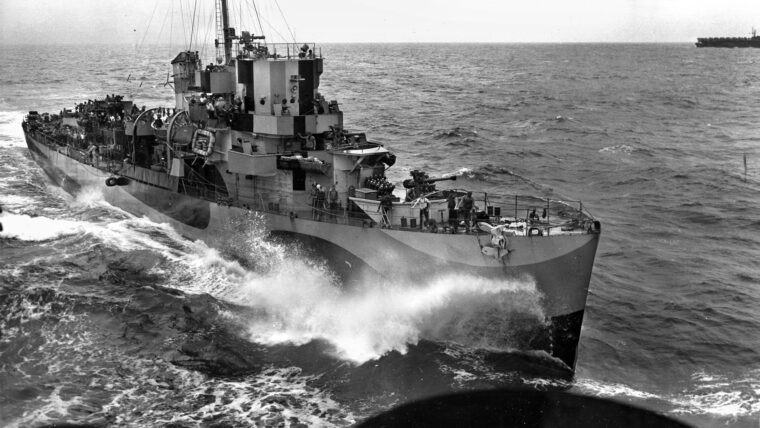
Admiral Soemu Toyoda needed answers. The newly appointed commander in chief of Japan’s Combined Fleet, Toyoda found himself facing several unpleasant facts. Read more
U-Boat
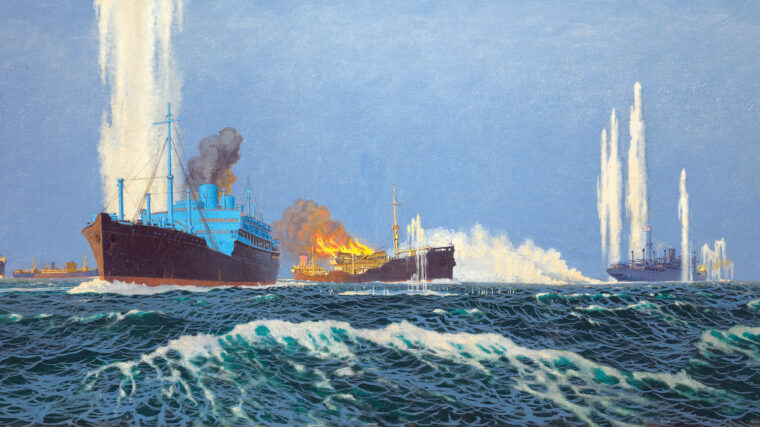
Able Seaman John Jeffcott, 27, of the HMS Jervis Bay was apprehensive in October 1940 as his ship sailed from Hailfax, Nova Scotia. Read more
U-Boat
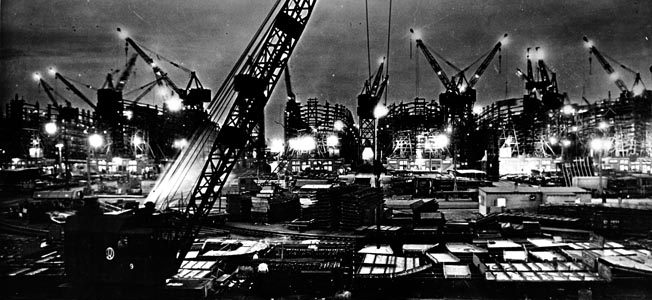
“We won because we smothered the enemy in an avalanche of production, the like of which he had never seen, nor dreamed possible.” Read more
U-Boat
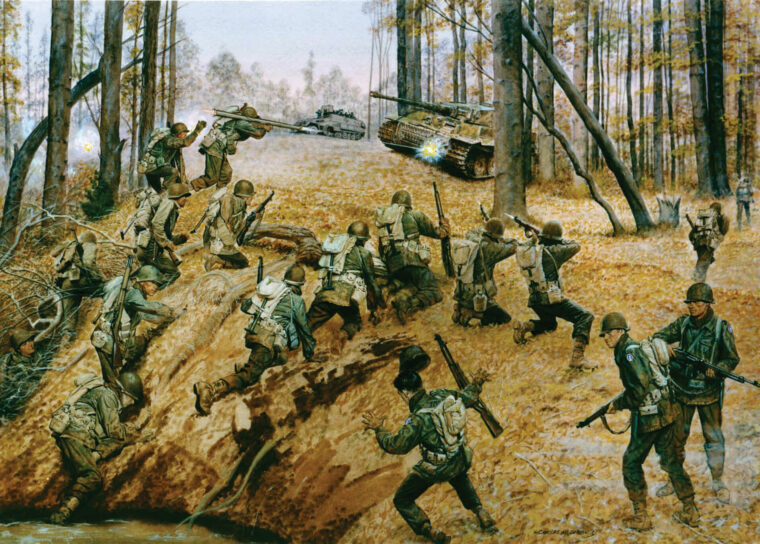
(Scott McGaugh, Da Capo Press, Boston, 2016, 257 pp., Read more
U-Boat
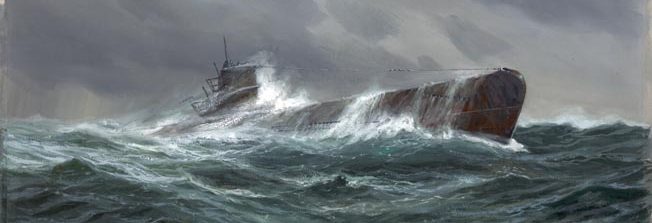
The Battle of the Atlantic was a life-and-death struggle between the German Kriegsmarine and the Allied navies that was fought for control of Britain’s lifeline to its empire and to the United States. Read more
U-Boat
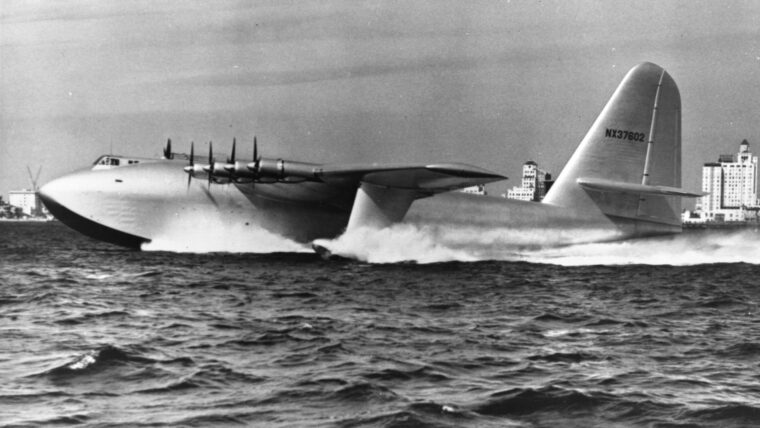
The Time magazine article was titled “It Flies!” It was a note of triumph and vindication, but also an epitaph, of an aircraft that was five years in the making—the “Spruce Goose,” a plane that should not have existed. Read more
U-Boat
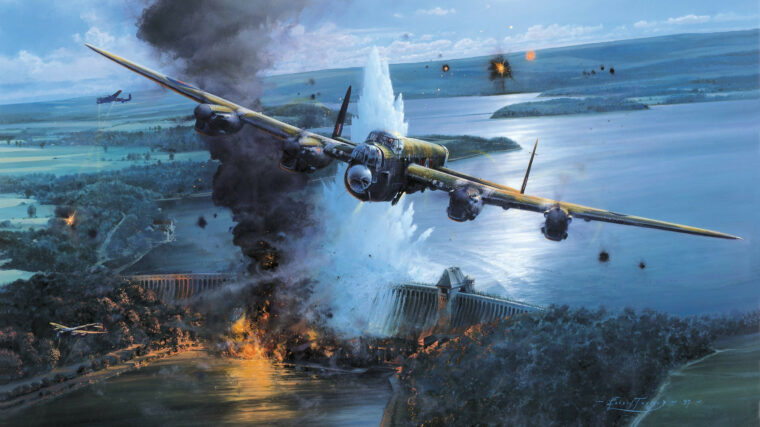
May 16, 1943, had been a sweltering spring day in England. At 9:39 pm, as the sun was dipping below the western horizon, leaving a rim of light and still good visibility, the first three of 19 Avro Lancaster bombers of No. Read more
U-Boat
After the war in Europe was won, General Dwight D. Eisenhower had many opportunities to review various campaigns with the leaders of the Soviet Army–– including even Joseph Stalin himself. Read more
U-Boat
By June 1, 1943, British actor Leslie Howard, 50, was one of the most famous actors in the world, one of the leading male stars of one the greatest box-office draw movies of all time, the 1939 blockbuster Gone with the Wind. Read more
U-Boat
It seemed like just another ordinary day at sea. Early on December 7, 1941, a U.S. Army-chartered cargo vessel, the 250-foot SS Cynthia Olson, under the command of a civilian skipper, Berthel Carlsen, was plying the Pacific waters about 1,200 miles northeast of Diamond Head, Oahu, Hawaii, and over 1,000 miles west of the Tacoma, Washington, port from which she had sailed on December 1. Read more
U-Boat
The Commando role was born of the decision to mount vigorous raiding operations against occupied Europe as British forces were withdrawing from France in 1940. Read more