Seacraft
Civil War Subs
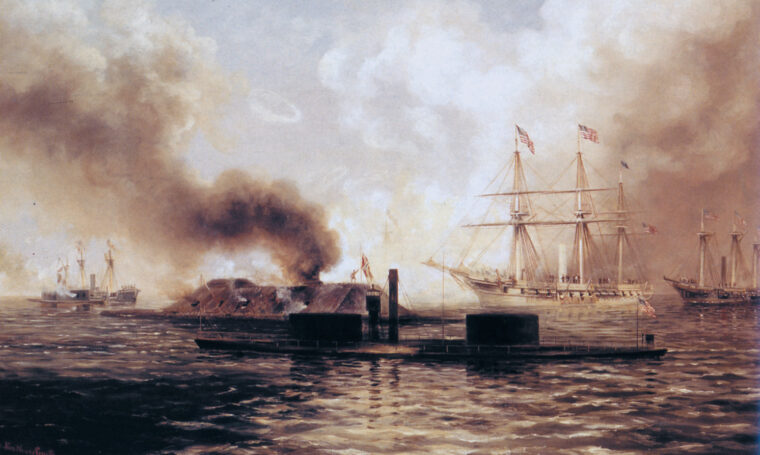
By Eric NiderostLandsman Robert Fleming was on watch aboard the U.S.S. Housatonic, a Union steam sloop patrolling the waters just off Charleston, South Carolina, in the winter of 1864. Read more
Seacraft
Landsman Robert Fleming was on watch aboard the U.S.S. Housatonic, a Union steam sloop patrolling the waters just off Charleston, South Carolina, in the winter of 1864. Read more
Seacraft
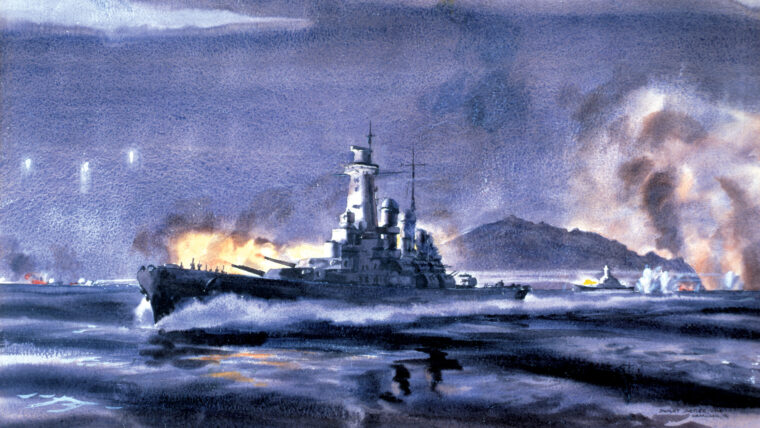
Lieutenant Commander John Benjamin Fellows, the skipper of the American Gleaves-class destroyer USS Gwin (DD-433), stood on the bridge trying to see into the predawn blackness. Read more
Seacraft
As in thousands of other homes across America, there was an air of tension in the living room of the modest frame house at 98 Adams Street, Waterloo, Iowa, on the afternoon of Sunday, December 7, 1941. Read more
Seacraft
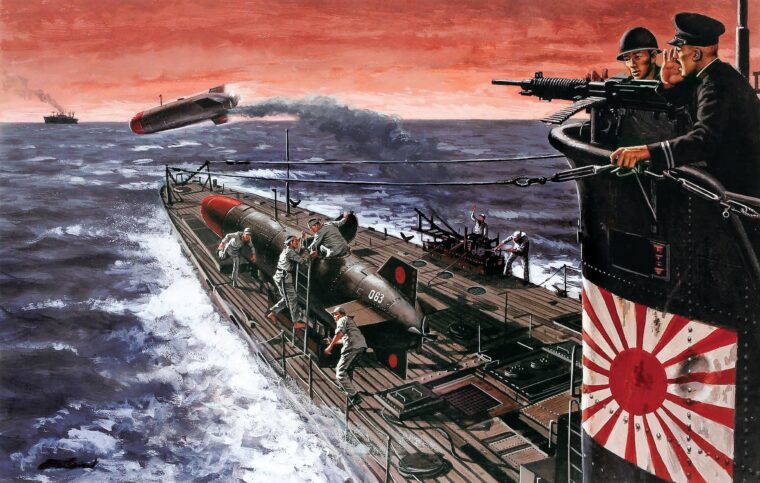
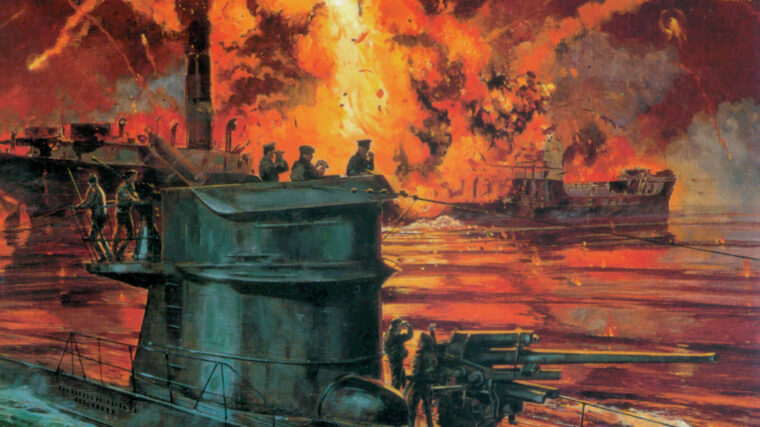
As an effective naval weapon, submarines were in their infancy when World War I began in August 1914. Read more
Seacraft
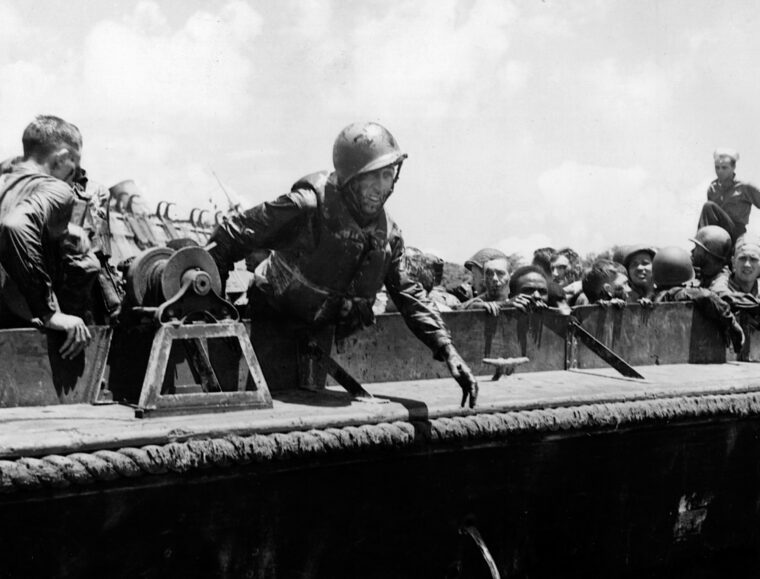
It was supposed to be a routine delivery of soldiers to the battlefields of Guadalcanal—but nothing in war is ever routine. Read more
Seacraft
For nearly three years World War II in the Pacific surged, raging in a hundred places from the Coral Sea to Guam, from Guadalcanal to Tarawa, and from Wake Island to the Philippines. Read more
Seacraft
The United States Naval Academy Museum at Annapolis, Maryland, is “an educational and inspirational resource for the Naval Academy Brigade of Midshipmen, other students of American naval history and thousands of visitors each year,” according to Shayne Sewell, assistant media relations director at the USNA Public Affairs Office. Read more
Seacraft
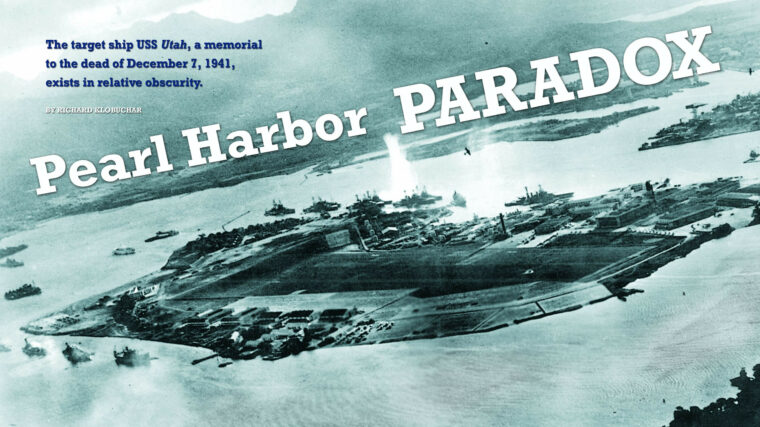
Very few among the throngs of visitors to Pearl Harbor on the island of Oahu are aware of an anomaly, but it definitely exists in the case of the USS Utah. Read more
Seacraft
The Spanish-American War saw the development of the torpedo as we know it today. It was not the static mine of the Civil War but a propeller driven, waterborne explosive device. Read more
Seacraft
The first rays of sunlight on December 7, 1941, marked a typical Sunday morning for the sailors aboard the battleship USS California at Pearl Harbor. Read more
Seacraft
During the dark daysof December 1941, when it seemed as if American and British bases were falling like dominoes across the Pacific, two incidents during the Japanese attack on the naval base at Pearl Harbor gave American morale a much needed boost. Read more
Seacraft
I am of Polish, Irish, and American Indian descent and grew up in the small (population 3,800) northern Illinois town of Geneva. Read more
Seacraft
(Scott McGaugh, Da Capo Press, Boston, 2016, 257 pp., Read more
Seacraft
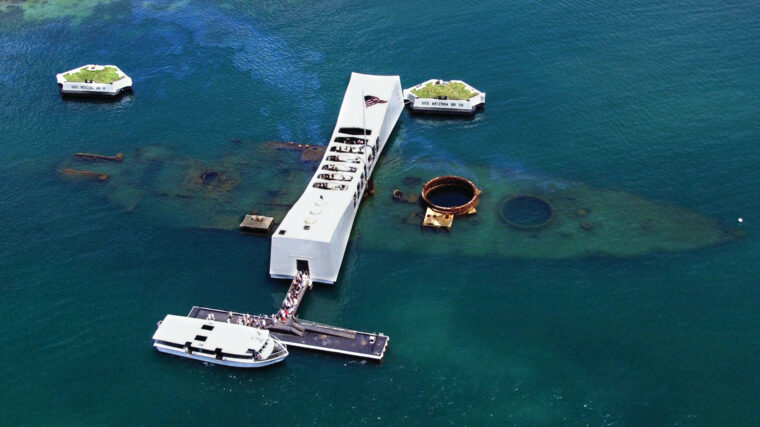
There are few places on earth that have as many World War II museums, memorials, and monuments located in such a small area as the island of Oahu. Read more
Seacraft
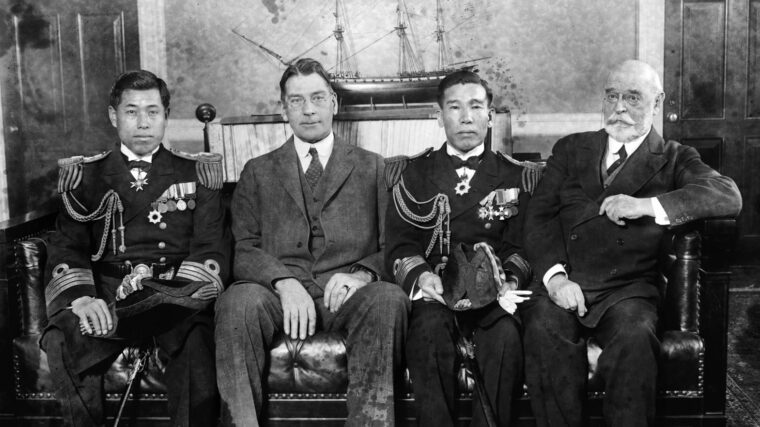
Brave, urbane, and complex, Admiral Isoroku Yamamoto was Japan’s greatest naval strategist and the architect of one of the most stunning achievements in the history of modern warfare. Read more
Seacraft
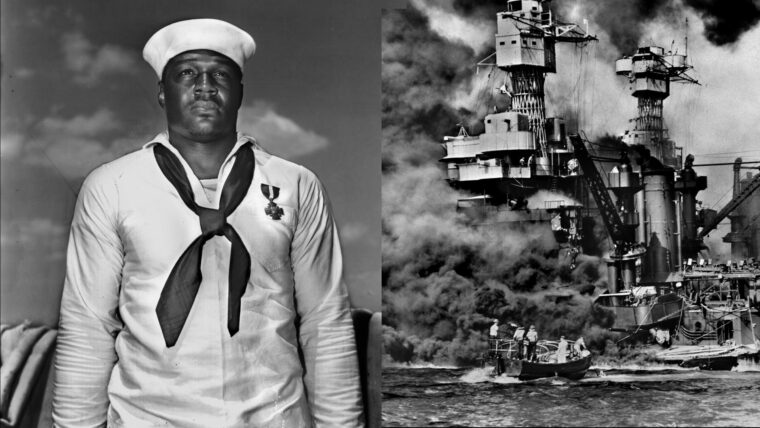
His name was Doris, but he was a powerfully built football fullback, a heavyweight boxer, and the first black American hero of World War II. Read more
Seacraft
In July 1943, the American submarine USS Tinosa was on patrol in Japanese waters when she came across an unescorted oil tanker. Read more
Seacraft
It’s now been 74 years to the day since the Japanese attack on Pearl Harbor, and America’s foray into the the Second World War. Read more
Seacraft
The Pearl Harbor aftermath presented the U.S. Navy with a sobering question: how to recover? More than 2,000 men had died. Read more
Seacraft
The Japanese torpedo bombers came in dangerously low to launch their torpedoes at the battleships on the east side of Ford Island at 8 AM on the morning of December 7, 1941. Read more