Philippines
Desperate Los Baños Raid
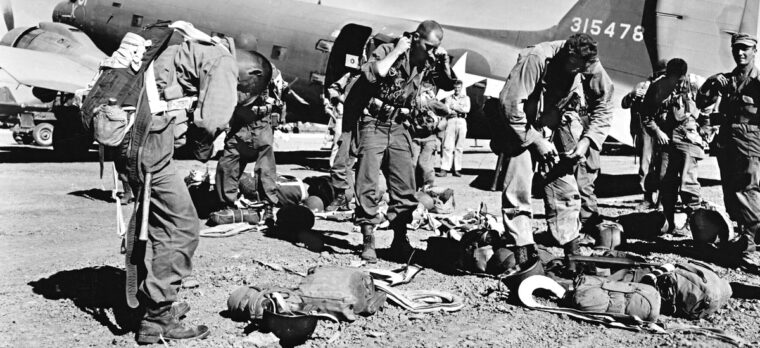
By Christopher MiskimonHenry Muller had an important job. He was the intelligence officer of the 11th Airborne Division, known in military parlance as the G-2. Read more
Philippines
Henry Muller had an important job. He was the intelligence officer of the 11th Airborne Division, known in military parlance as the G-2. Read more
Philippines
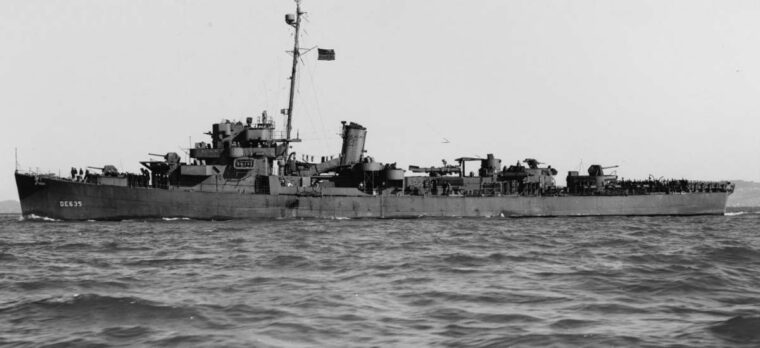
From his naval base at Tawi Tawi in the southern Philippines, Japanese Admiral Soemu Toyoda anxiously perused intelligence reports that might provide a clue to the objective of the next seaborne South Pacific invasion by American military in the spring of 1944. Read more
Philippines
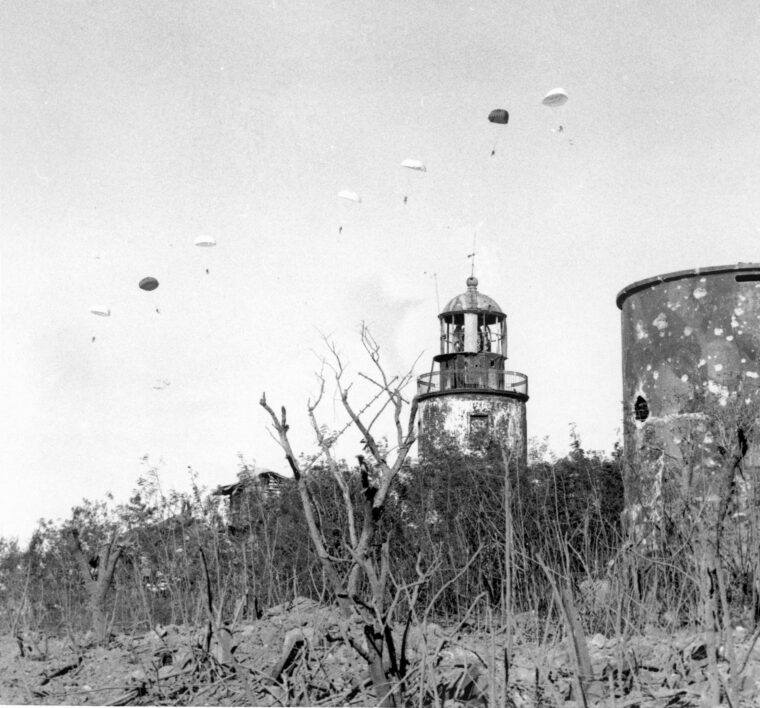
Within a week of the Los Baños raid, paratroopers from Burgess’s 1st Battalion moved back into the Los Baños area to occupy the region. Read more
Philippines
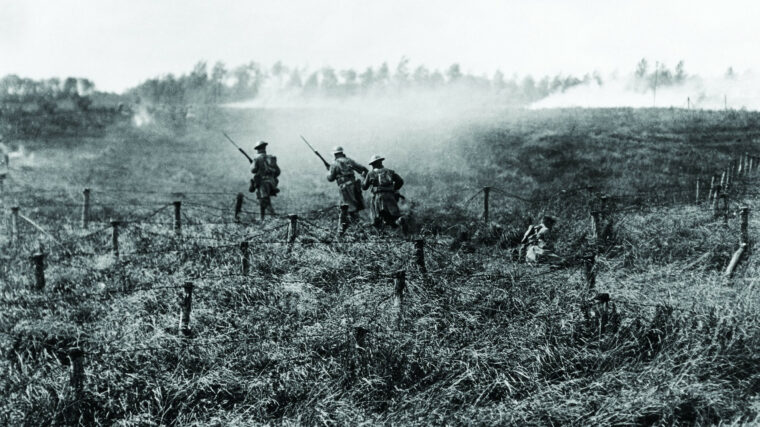
At 0100 hours on September 12, 1918, German positions in the St. Mihiel salient on the Western Front were lit up by a massive artillery barrage. Read more
Philippines
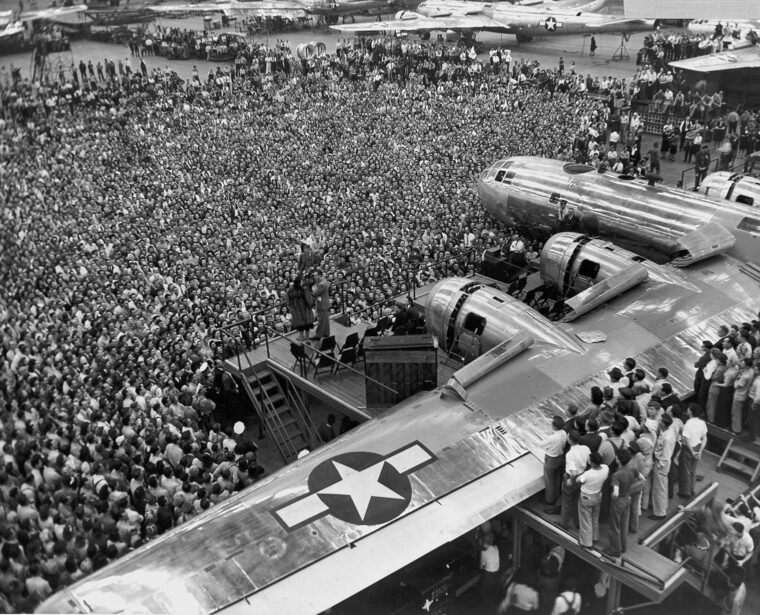
When Maj. Gen. Curtis Lemay, the hard-driving commander of the Twentieth U.S. Air Force based in Guam, decided to change tactics in early 1945 to boost the effectiveness of the B-29 Superfortress, it was the Bell Aircraft plant in Marietta, Georgia, that ultimately provided him with the stripped-down bombers that played such a key role in ending the war in the Pacific. Read more
Philippines
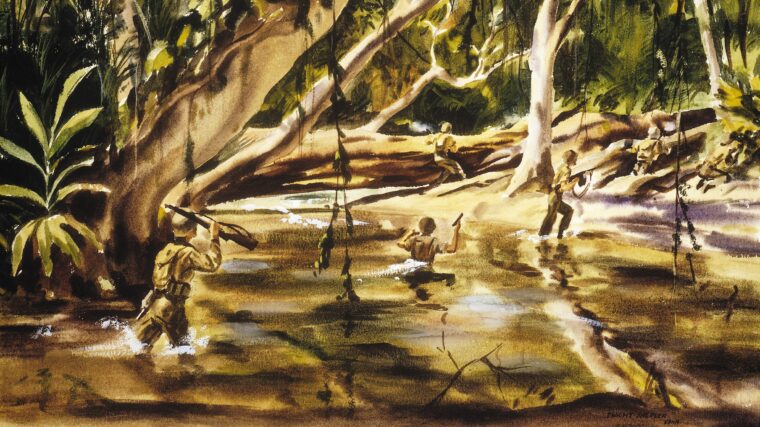
On August 6, 1942, the men of Maj. Gen. Alexander Vandegrift’s U.S. 1st Marine Division watched from the railings as their troopship, the USS George F. Read more
Philippines
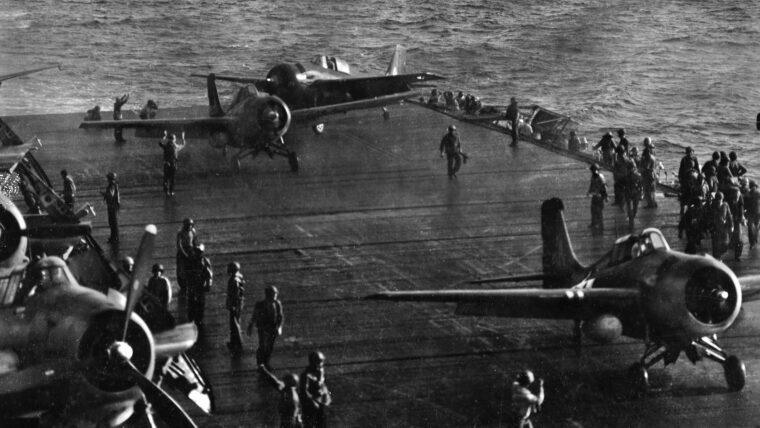
At exactly 6:45 on the morning of October 25, 1944, Rear Admiral Clifton A.F. Sprague received a message from one of his pilots on antisubmarine patrol. Read more
Philippines
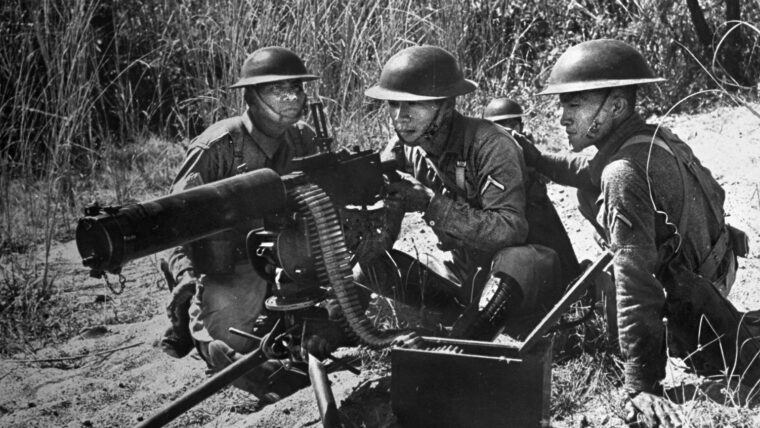
“Finally at Corregidor there was only a little crowd of American soldiers and Filipino soldiers and American nurses at the beaches, with nothing at their backs but the waters of the Pacific, and the flag came down. Read more
Philippines
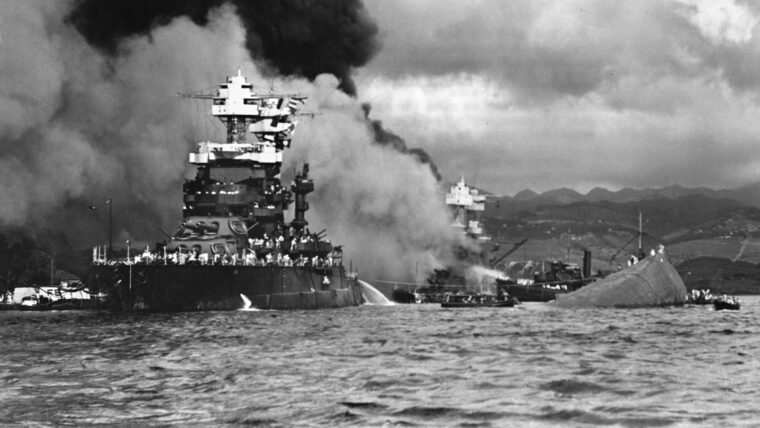
Commander Mitsuo Fuchida, strike leader for Operation Hawaii and 20-year veteran of the Imperial Japanese Navy (Kaigun), strapped himself into the observer’s seat as his Nakajima B5N2 “Kate” torpedo bomber, piloted by Lieutenant Mitsuo Matsuzaki, and lifted off from the carrier Akagi on the black morning of December 7, 1941. Read more
Philippines
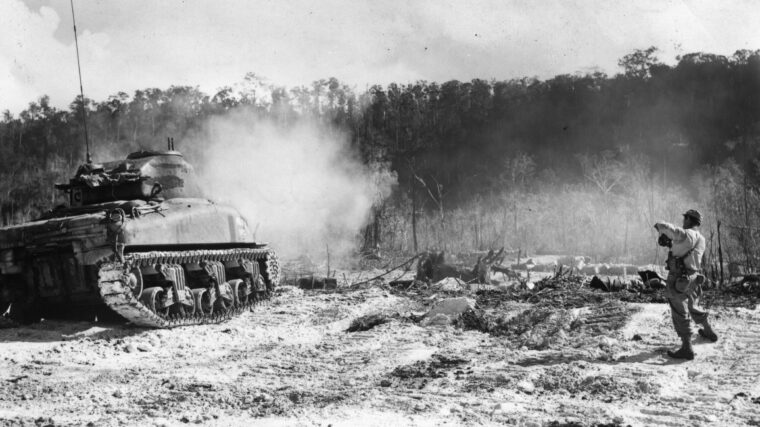
“All I knew about Biak was that it was an island a degree south of the equator, one of the Schouten group lying north of Geelvink Bay toward the western end of New Guinea.” Read more
Philippines
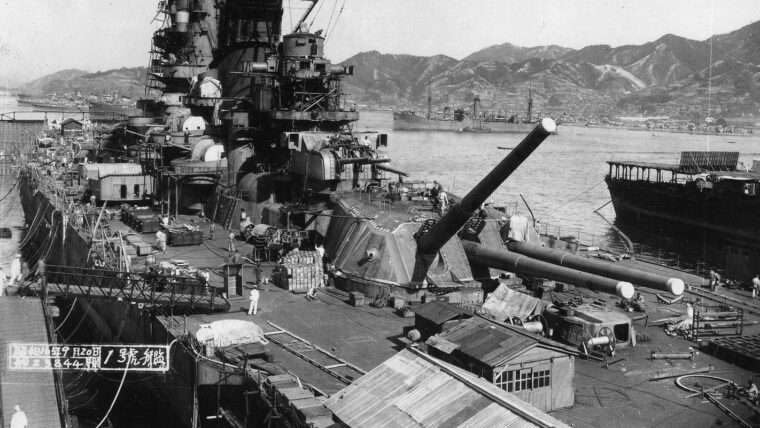
Special Sea Attack Force (SSAF) was an ordinary-sounding name for the pitifully tiny remnant of what was once the mighty Imperial Japanese Navy (IJN). Read more
Philippines
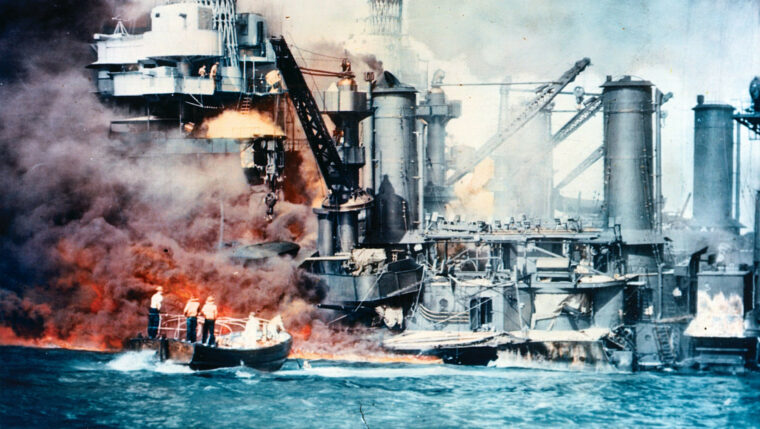
It was, as the phrase goes, another perfect day in paradise. As the sun rose above the Pacific in the clear, cloudless sky east of the Hawaiian Islands, on December 7, 1941, the giant U.S. Read more
Philippines
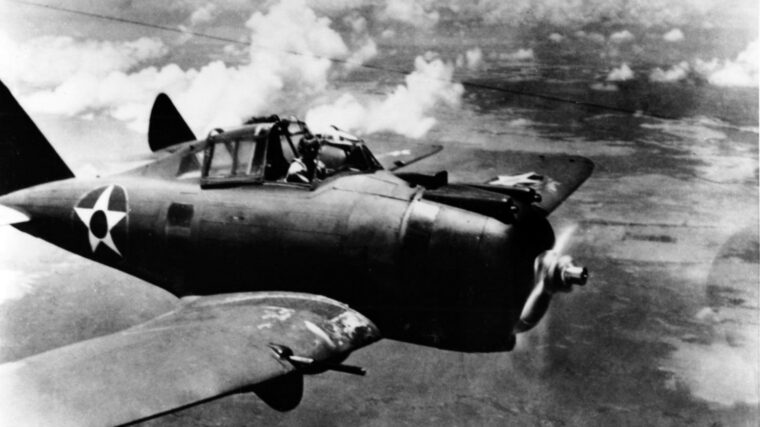
While the surprise Japanese attacks against U.S. military bases in the Hawaiian Islands on December 7, 1941, are certainly the best-known aspect of the opening of hostilities between the two aLess well known today were the Japanese attacks on Clark Field and Iba Field on the opening day of hostilities in the Philippines. Read more
Philippines
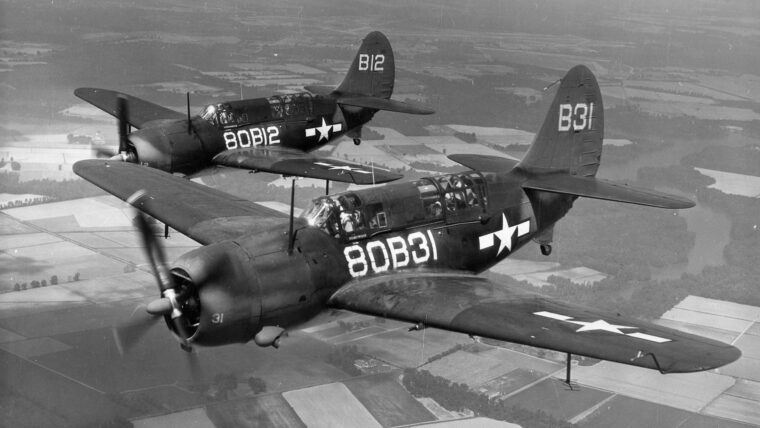
Lieutenant William A. “Bill” Klenk, piloting a Curtiss SB2C-3 Helldiver, bristled at the “clawing, miserable weather,” with inverted pyramids of cloud hanging from a low ceiling and gray murk everywhere. Read more
Philippines
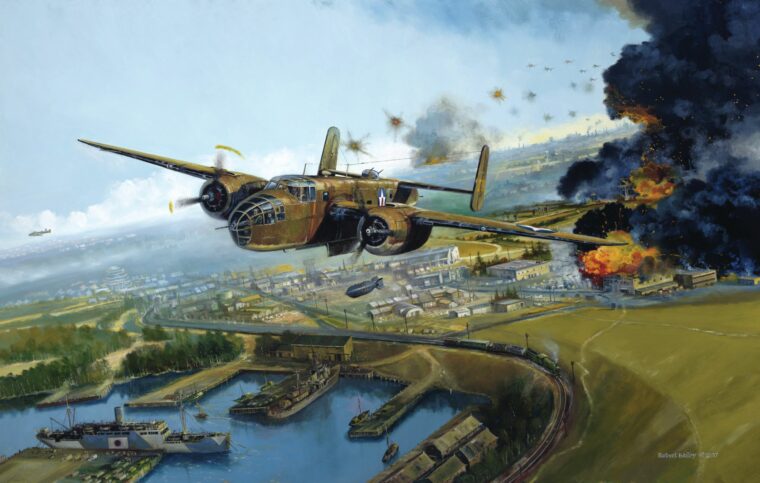
April 18, 1942, will forever live in American military glory as the date of the Jimmy Doolittle Raid on Tokyo––a gutsy, never-before-attempted combat mission to fly North American B-25 Mitchell bombers off the deck of an aircraft carrier and attack an enemy capital. Read more
Philippines
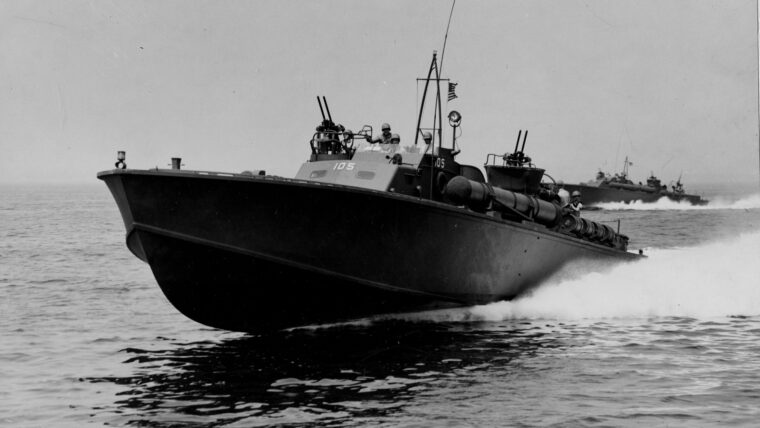
When the four members of the Japanese surrender delegation climbed aboard the deck of PT-375 on September 8, 1945, the boat’s skipper, Lieutenant Henry “Hank” Blake, directed the men to an open area on the forward deck where the Japanese could be closely watched for any signs of treachery. Read more
Philippines
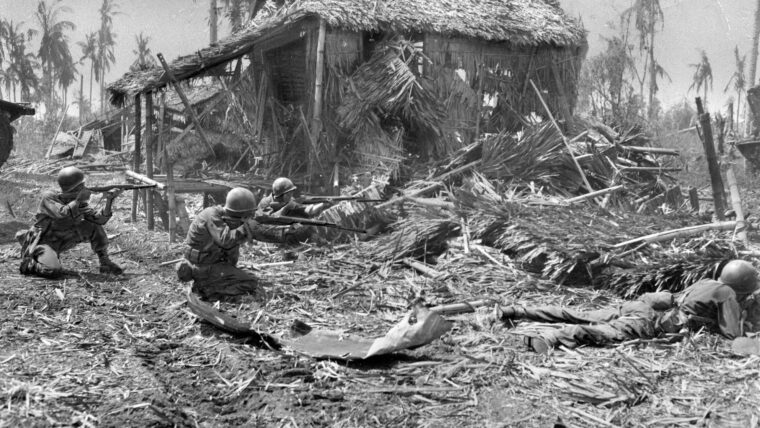
On October 20, 1944, General Douglas MacArthur redeemed his personal pledge to the people of the Philippines. Read more
Philippines
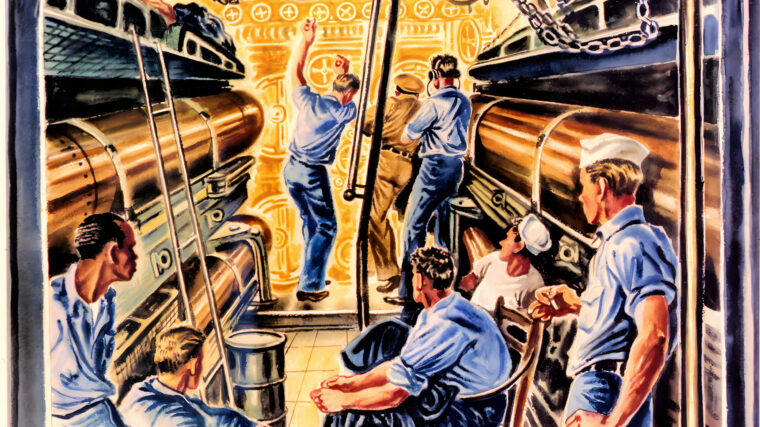
BACKSTORY: In World War II, the American submarine force was inordinately small—just 252 total boats, compared to the more than 1,100 deployed by Germany and over 600 built by Japan. Read more
Philippines
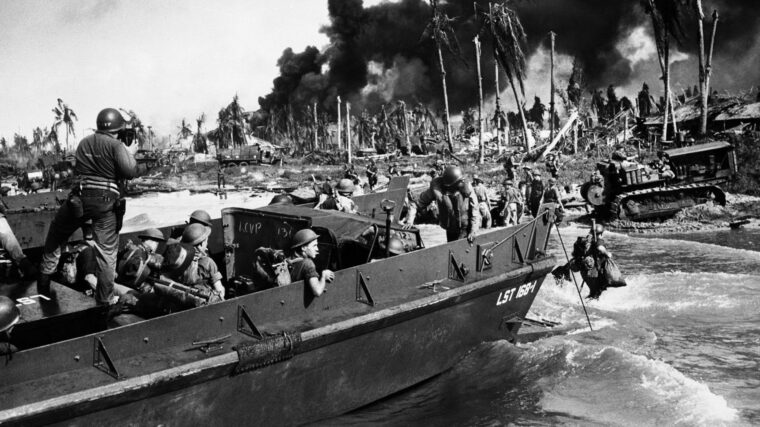
World War II in the Pacific was fought in thousands of remote locations. The island of Borneo was the site of one of the least known clandestine operations of the conflict, led by an adventurous, but arrogant, anthropologist. Read more
Philippines
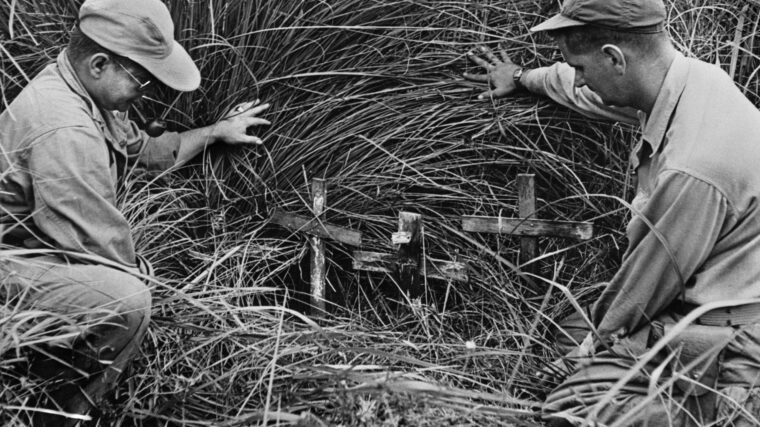
The very nature of war means that some participants will be killed and others will be wounded, and some estimate the deaths in WWII to be around 85 million. Read more