Philippines
Korea Under the Rising Sun
By Allyn VannoyThe first recorded encounter between American forces and Koreans in the Central Pacific during World War II came at Tarawa Atoll in November 1943. Read more
Philippines
The first recorded encounter between American forces and Koreans in the Central Pacific during World War II came at Tarawa Atoll in November 1943. Read more
Philippines
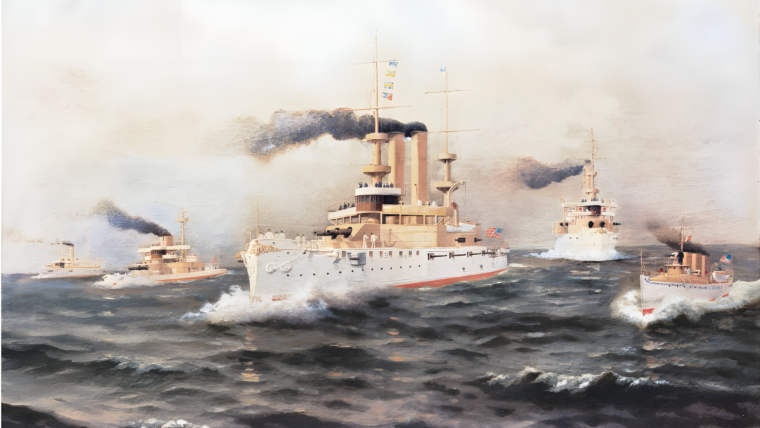
Following the Civil War, the United States saw enormous industrial progress. A sense of nationalism also developed, and public opinion was continually enlisted behind an aggressive foreign policy. Read more
Philippines
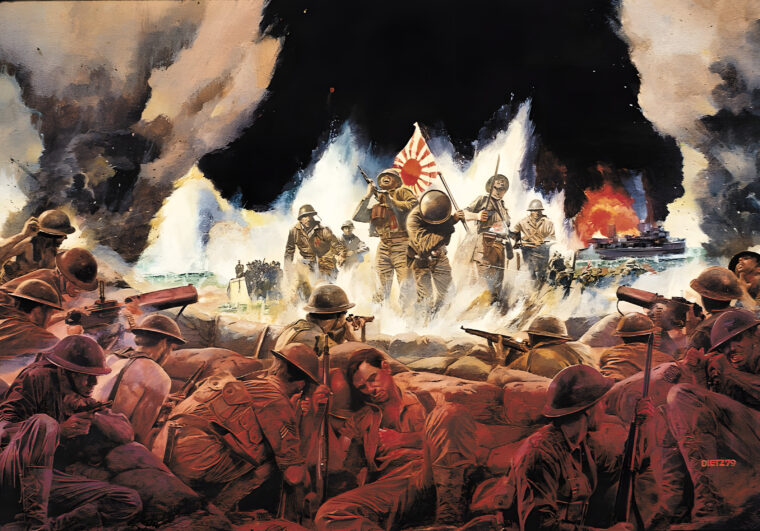
In mid-December 1941, during the thick of the Battle of Wake Island, the 400 U.S. Marines who called the island outpost home stood a lonely sentinel in the watery Central Pacific wilderness, like a cavalry fort in an oceanic version of the Western frontier. Read more
Philippines
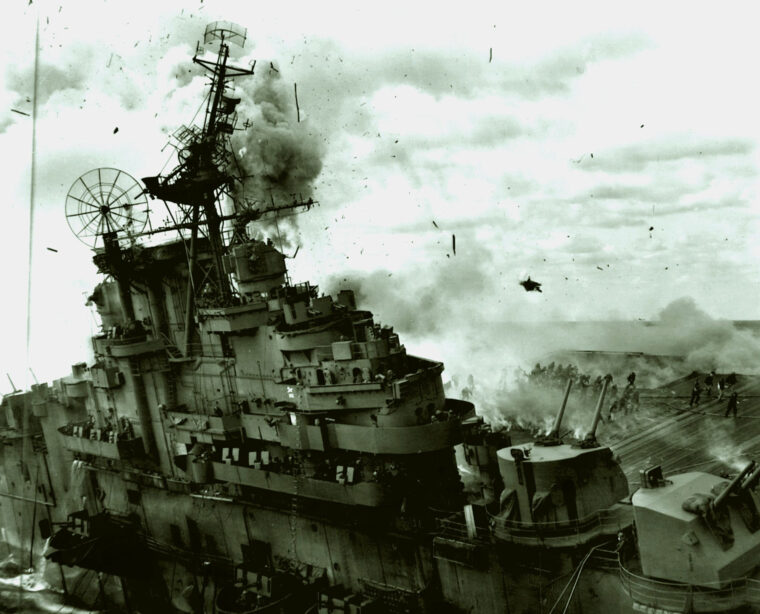
On March 3, 1945, the 27,100-ton aircraft carrier USS Franklin churned out of Pearl Harbor and headed westward for the war zone. Read more
Philippines
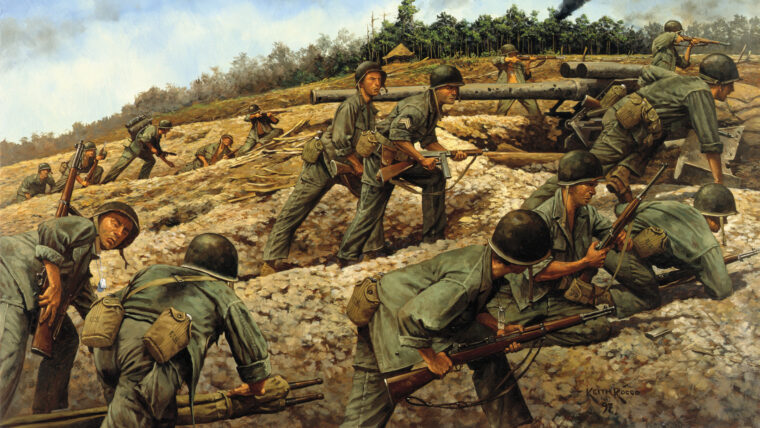
In April 1944, General Douglas MacArthur’s Southwest Pacific forces took a giant 600-mile leap along the north coast of New Guinea with their landing at Hollandia. Read more
Philippines
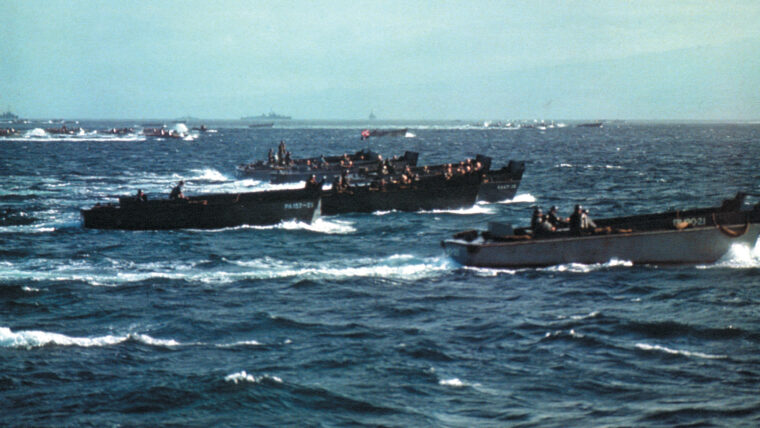
In November 1941, the U.S. Asiatic Fleet weighed anchor in Shanghai, China, for the last time. Alarmed by the growing hostility and aggressiveness of the Japanese, Admiral Thomas Hart ordered the outnumbered and outgunned American vessels moved to the relative safety of Manila Bay in the Philippines. Read more
Philippines
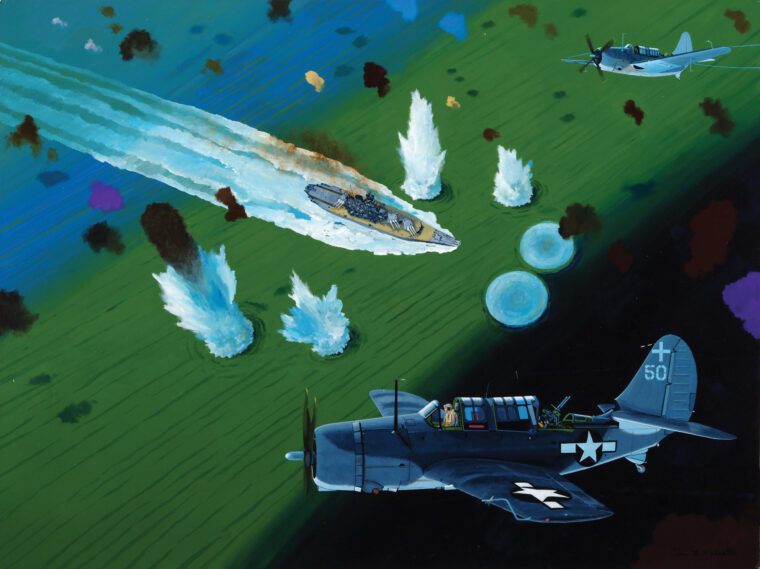
In warfare, desperate times call for desperate measures, and in the fall of 1944 the empire of Japan found itself in precisely that predicament. Read more
Philippines
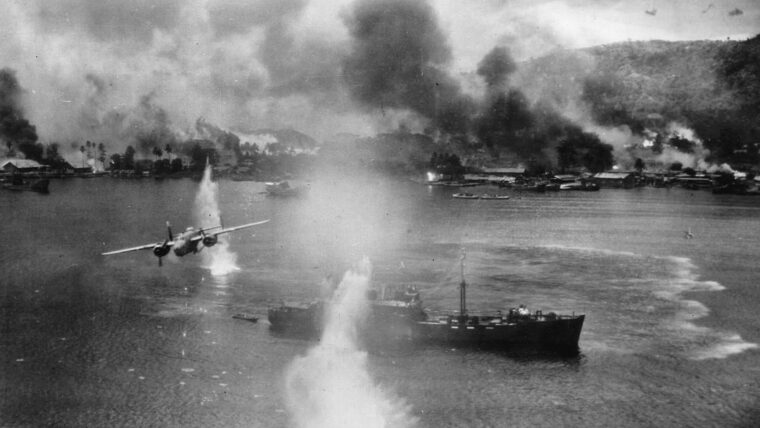
In some historical circles, a mistaken impression has developed that the U.S. Navy’s Task Force 38 launched the aerial offensive on the Japanese stronghold at Rabaul, New Britain, that ultimately rendered the base useless. Read more
Philippines
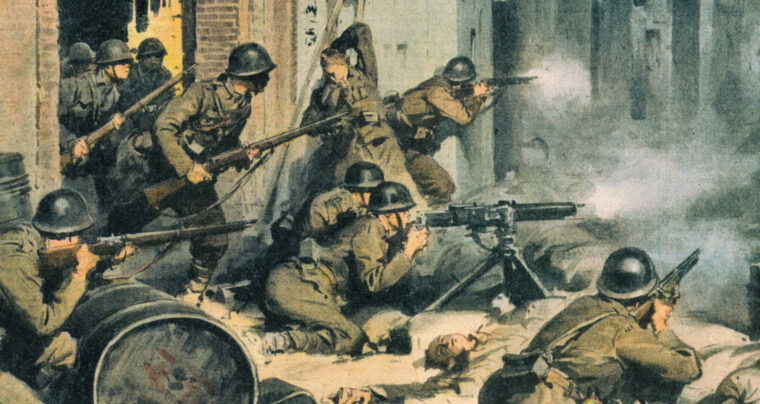
On November 11, 1941, the U.S. Navy gunboats USS Luzon and Oahu were ordered to “make quietly all preparations within the ship for a cruise at sea.” Read more
Philippines
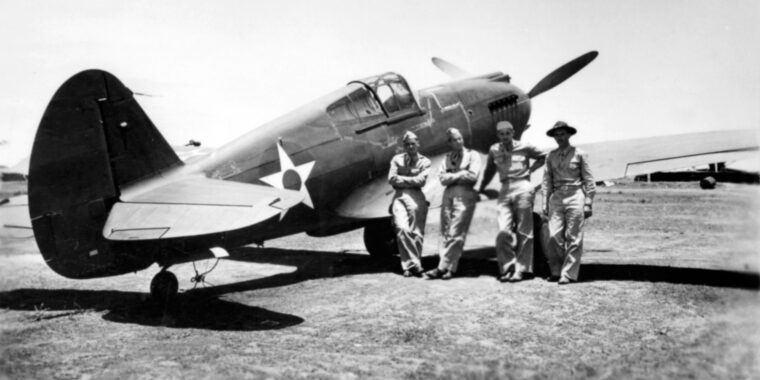
In the popular history of World War II, the assertion that the United States was caught unprepared in Hawaii and the Philippines has become widely accepted as fact. Read more
Philippines
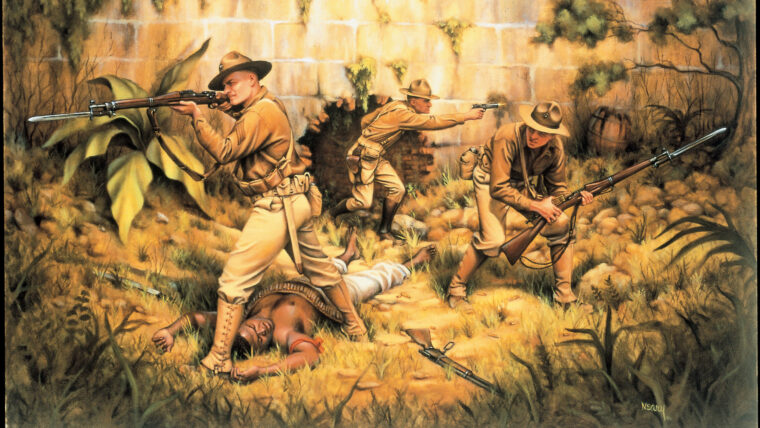
The annals of the United States Marine Corps are filled with the names of mavericks known not only for their fighting skills, but for their offbeat personalities as well. Read more
Philippines
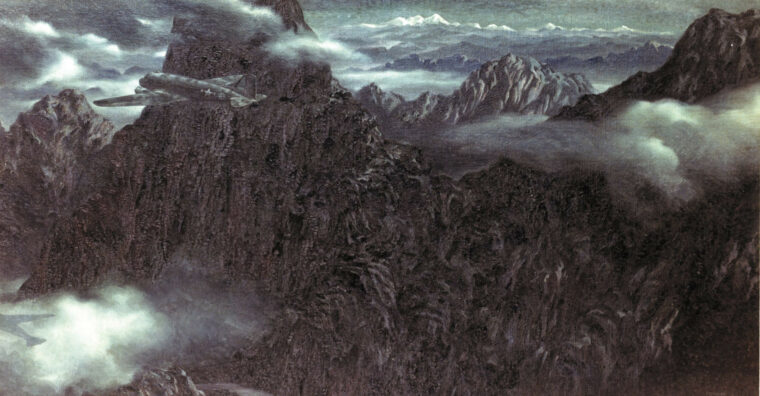
In truth, it really was not a combat operation. For every airplane lost to enemy action, a hundred were destroyed in accidents. Read more

Philippines
The Office of Strategic Services (OSS) was America’s first strategic intelligence organization. President Franklin D. Roosevelt authorized its establishment on June 13, 1942, six months after World War II began, to collect and analyze strategic intelligence and to conduct special services, including subversion, sabotage, and psychological warfare. Read more
Philippines
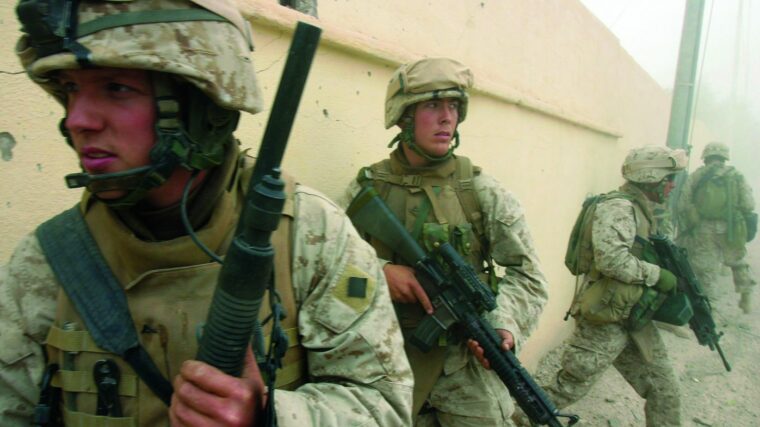
Coming upon the enemy’s rear guard outside the western Kentucky village of Sacramento, four days after Christmas 1861, Confederate Colonel Nathan Bedford Forrest ordered his cavalry to advance. Read more
Philippines
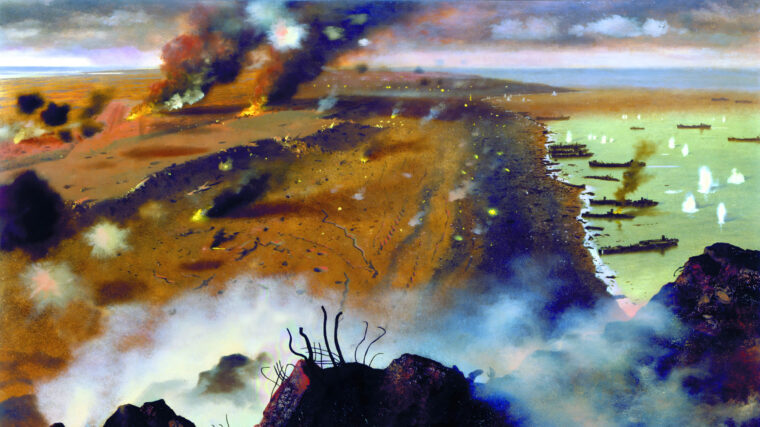
No foreign army in the 5,000-year history of Japan had ever successfully conquered Japanese territory. In late 1944, American war planners were about to challenge that statistic on the tiny Pacific island of Iwo Jima. Read more
Philippines
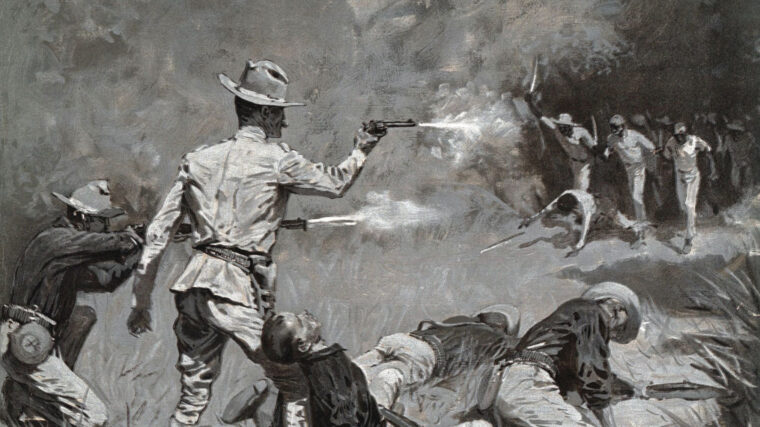
In the 1939 movie The Real Glory, elite U.S. Army officers arrive in the southern Philippines to mold the Filipinos into a military force to defend their villages against marauding Moro tribesmen. Read more
Philippines
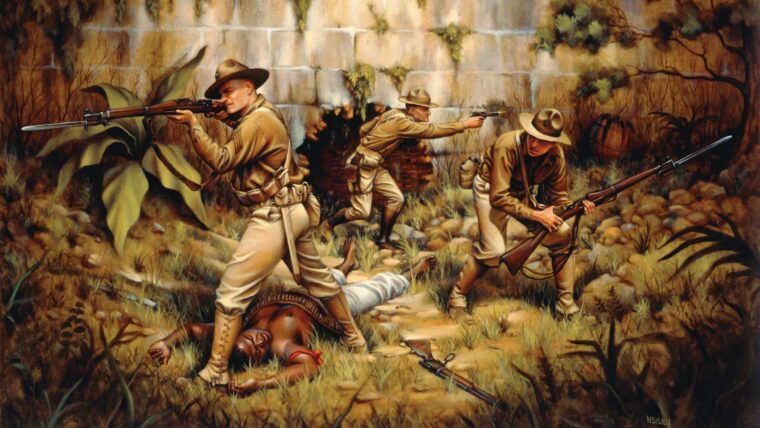
On November 17, 1915, Major Smedley Butler and a small force of U.S. Marines approached the old French bastion of Fort Riviere in Haiti. Read more
Philippines
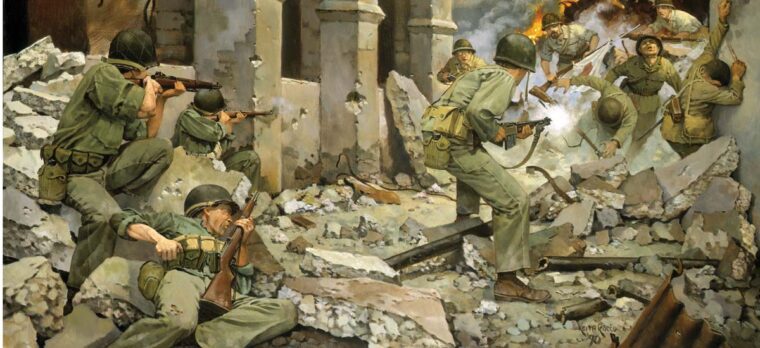
By James M. Scott
On the early evening of March 11, 1942, General Douglas MacArthur, his wife Jean, and the couple’s four-year-old son Arthur walked out onto Corregidor’s north dock in preparation to escape the battered Philippine island. Read more
Philippines
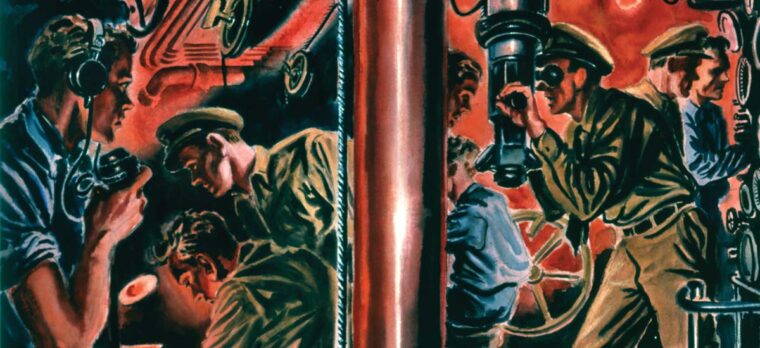
“Thornton! Go let the captain know he’s needed in the conning tower.” Nineteen-year-old Quartermaster Third Class Ed Thornton from Three Notch, Alabama, scurried to the conning tower hatch and slid down the ladder into the control room. Read more
Philippines
By Dick Camp, Col., USMC, Ret.
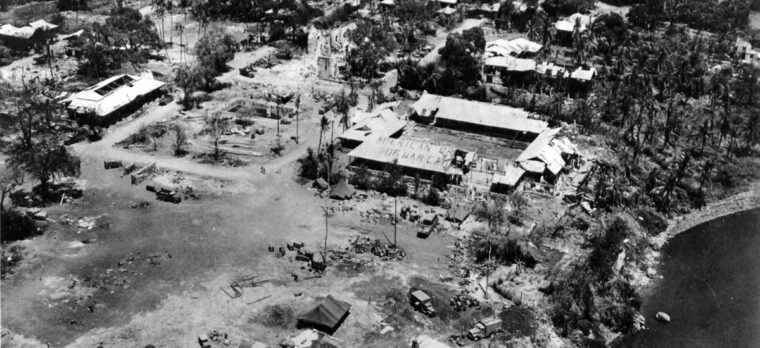
Superior Private Tomisaburo Sawa of the Imperial Japanese Army fixed the bayonet on his Type 99 Arisaka rifle and carefully checked to make sure the weapon was loaded. Read more