Normandy
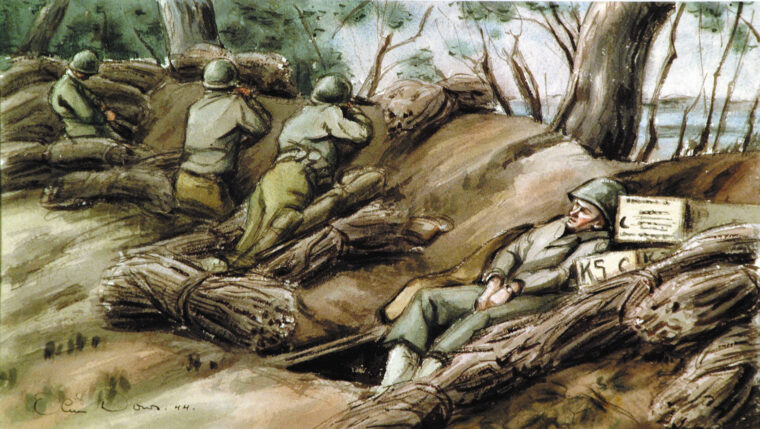
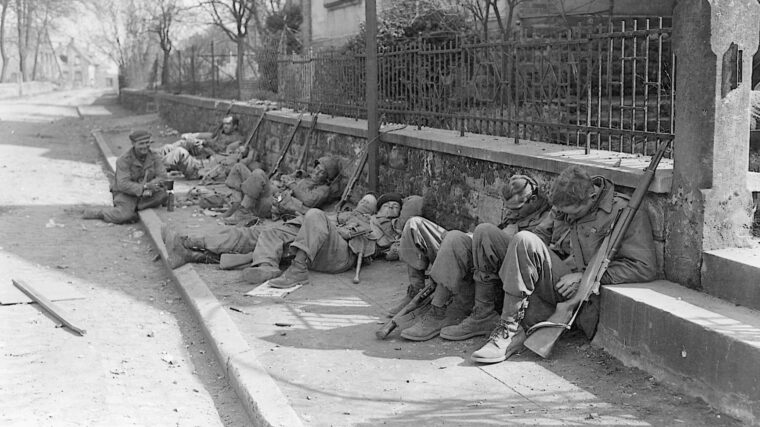
Sleep in the Military: Not Dead, Just Dead Tired
By Kevin M. HymelOne of the most precious resources in war, and the one most often in short supply, is sleep. Read more
Normandy
One of the most precious resources in war, and the one most often in short supply, is sleep. Read more
Normandy
For many history buffs, the date 1066 conjures up an image of Norman knights breaking through the shield wall of the ax-wielding Anglo-Saxons at Senlac Hill. Read more
Normandy
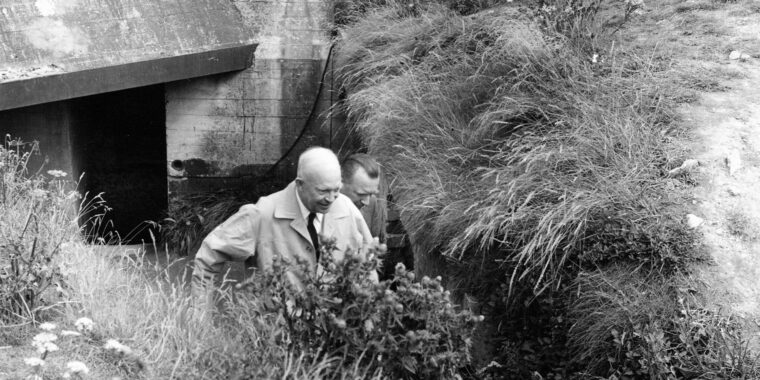
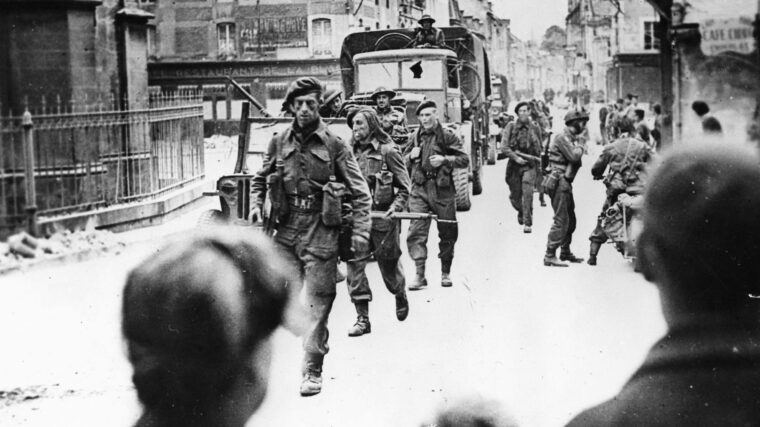
On June 6, 1944, the Allies unleashed on land, air, and sea the largest invasion force in world history in an enormous effort to liberate Europe from Nazi tyranny. Read more
Normandy
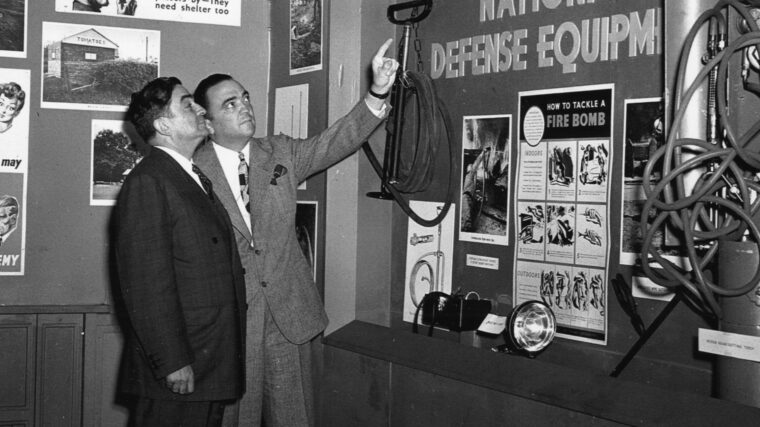
Throughout his lifetime, FBI Director J. Edgar Hoover always boasted that no enemy agent, either spy or saboteur, ever operated at large in the United States during World War II. Read more
Normandy
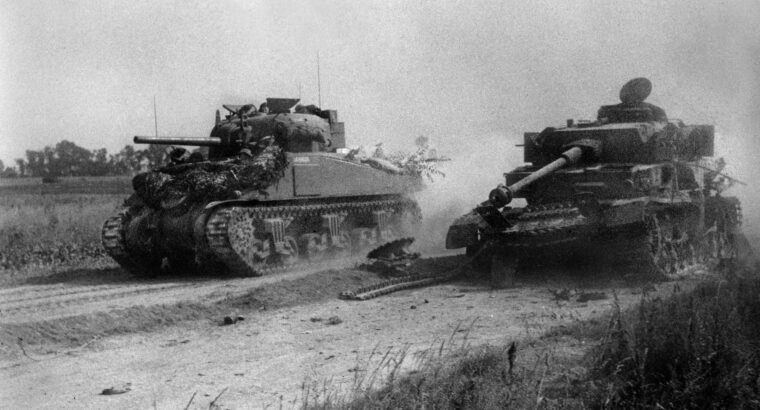
After almost two months of bloody and desperate fighting, the Allies had failed to break through the German defenses that had been limiting their hold on Normandy since D-Day. Read more
Normandy
On June 6, 1944, hundreds of thousands of Allied troops, planes, and ships departed from their bases in England bound for the shores of France in what was to be the greatest invasion of all time. Read more
Normandy
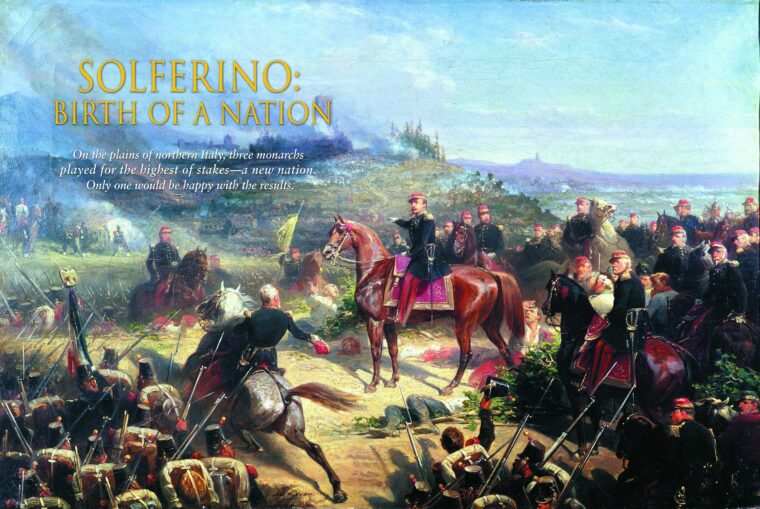
Long columns of blue-clad French troops marched east though the sun-baked plains of northern Italy in late June 1859. Read more
Normandy
Some accounts of Ian Fleming’s life make it seem that only at the age of 44, as an antidote to the shock of finally agreeing to get married, did he suddenly commit himself to the unplanned task of creating his James Bond novels. Read more
Normandy
England’s long downward slide to defeat in the Hundred Years’ War began with the failed siege of Orleans in 1428. Read more
Normandy
The black uniformed German panzer crews climbed into their Panther tanks at 10 pm on June 8, 1944. Read more
Normandy
On August 14, 1944, Lt. Gen. George S. Patton, Jr., paused after his daily staff conference to offer a short speech about the accomplishments of his Third Army. Read more
Normandy
When most people think of the U.S. Army Air Forces in World War II, the first image that usually comes to mind is that of the heavy bombers, the B-17s and B-24s, that ravaged targets in Europe and the B-29s that wreaked havoc on Japanese cities in the Pacific. Read more
Normandy
The Allied planning for Operation Overlord had been ongoing for more than two years. Vast quantities of supplies and hundreds of thousands of fighting men and their machinery of war had crowded southern England. Read more
Normandy
Normandy
The United States had not yet entered World War II when Time magazine noted that the Army had created two new armored divisions. Read more
Normandy
The ongoing debate between German Field Marshals Erwin Rommel and Gerd von Rundstedt over how best to use the German Army’s elite panzer divisions against the coming Allied invasion ultimately reached no clear conclusion. Read more
Normandy
“Dead Man’s Corner,”at a road junction south of Saint-Côme-du-Mont, has become one of Normandy’s most famous landmarks. Read more
Normandy
Few events in human history have been so fraught with drama as the Allied invasion of Normandy on June 6, 1944. Read more
Normandy
The green light lit up the inside of the Douglas C-47 Skytrain’s fuselage, and 20 paratroopers from Easy Company’s Stick 70, 506th Parachute Infantry Regiment, 101st Airborne Division charged out the door. Read more
Normandy
Commonly known as D-Day, the Western Allies invaded Nazi-occupied Europe during World War II on June 6, 1944. Read more