Normandy
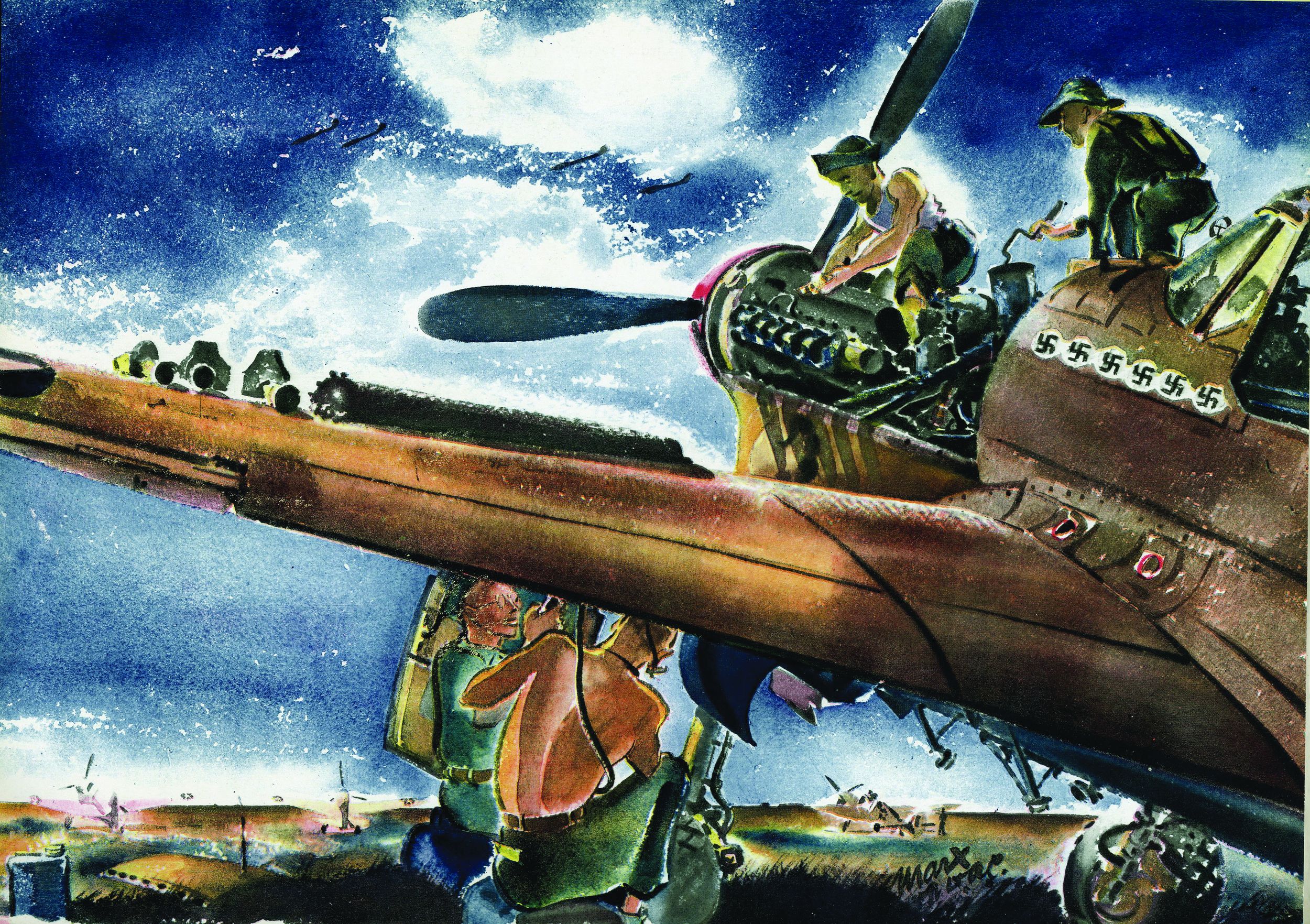
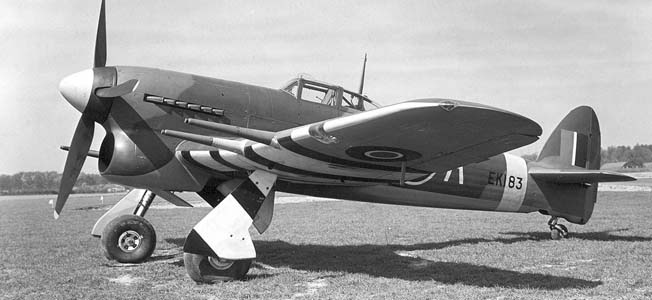
The Hawker Typhoon 1A & 1B: Worst RAF Fighters in WWII?
by Arnold BlumbergIn 1934 the British War office accepted a new aircraft design eventually designated the Hawker Hurricane Mark 1. Read more
Normandy
In 1934 the British War office accepted a new aircraft design eventually designated the Hawker Hurricane Mark 1. Read more
Normandy
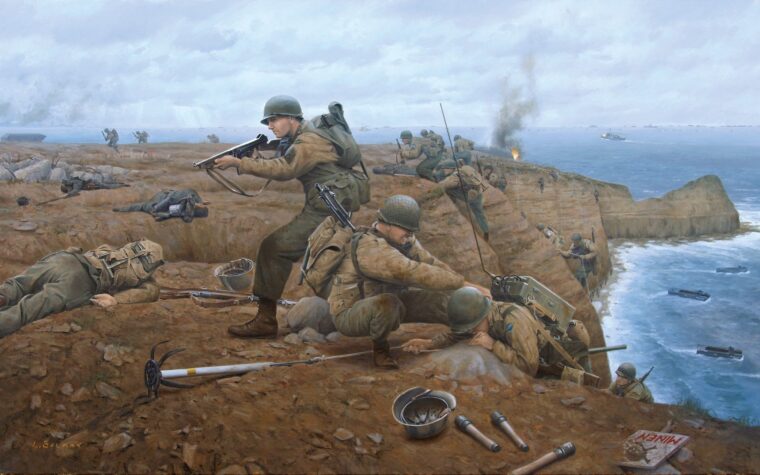
On the morning of June 6, 1944, the 2nd Ranger Battalion, commanded by Lt. Col. James Earl Rudder, began its ascent of a sheer 100-foot precipice called Pointe du Hoc. Read more
Normandy
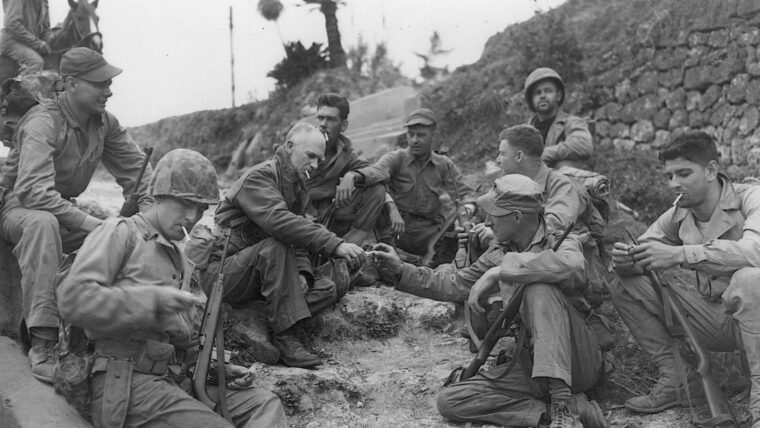
Ernest Taylor Pyle was born August 3, 1900, in Dana, Indiana. He came from a farm family. Read more
Normandy
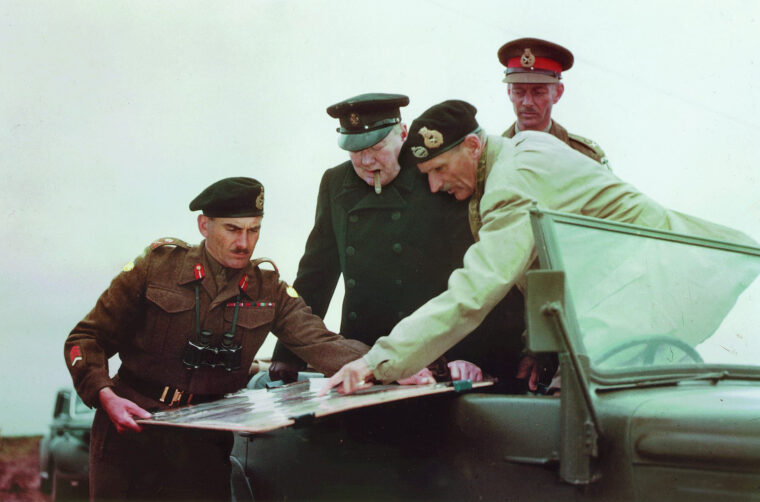
In an August 14, 1944, General Bernard L. Montgomery was facing a manpower crisis, unable to drive the Germans out of Caen. Read more
Normandy
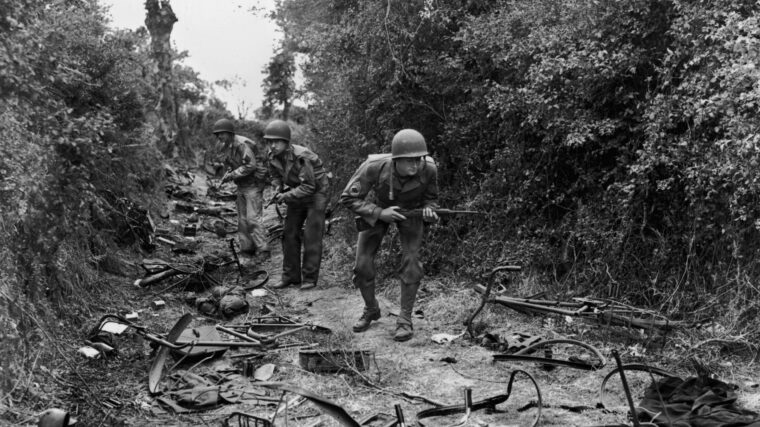
It was the storm that forced the battle. On June 19, 1944, a massive gale hit the English Channel, sweeping in from the west, hitting the gigantic artificial harbors the Allies had built on their D-Day invasion beaches. Read more
Normandy
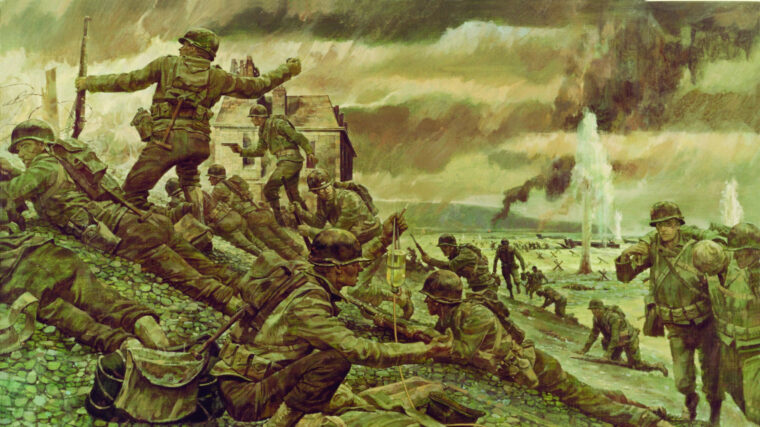
The U.S. 29th Infantry Division was formed in July 1917, three months after America entered World War I. Read more
Normandy
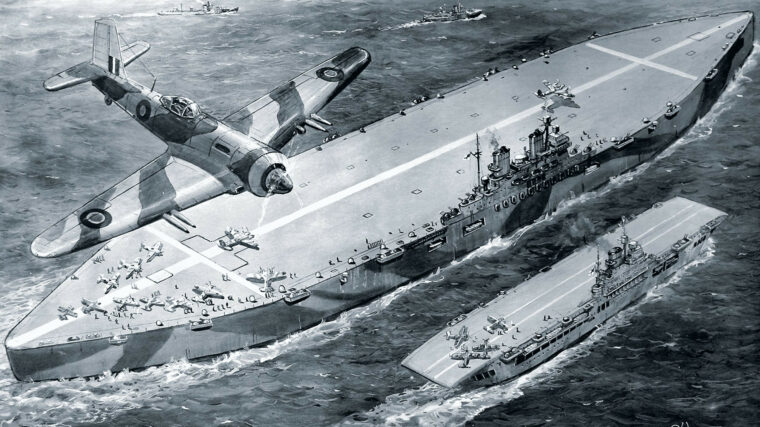
During World War II British and American aircraft carriers, serviced and ready for naval combat, averaged 20,000 to 30,000 tons. Read more
Normandy
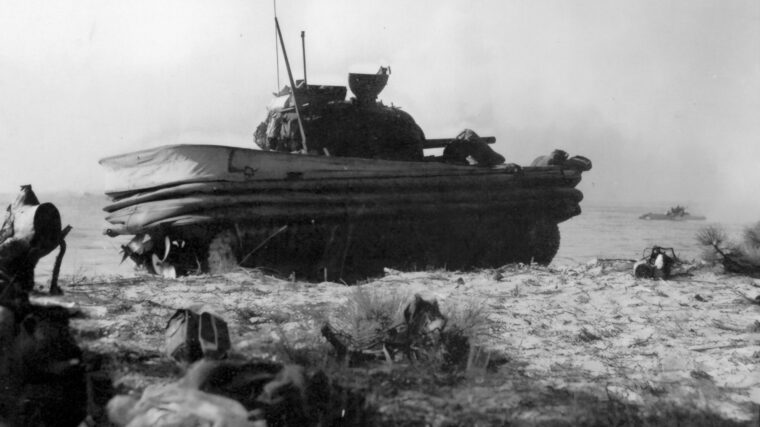
German defenders hunkered in their concrete and steel bunkers along the Normandy coast were in for two major shocks on Tuesday, June 6, 1944. Read more
Normandy
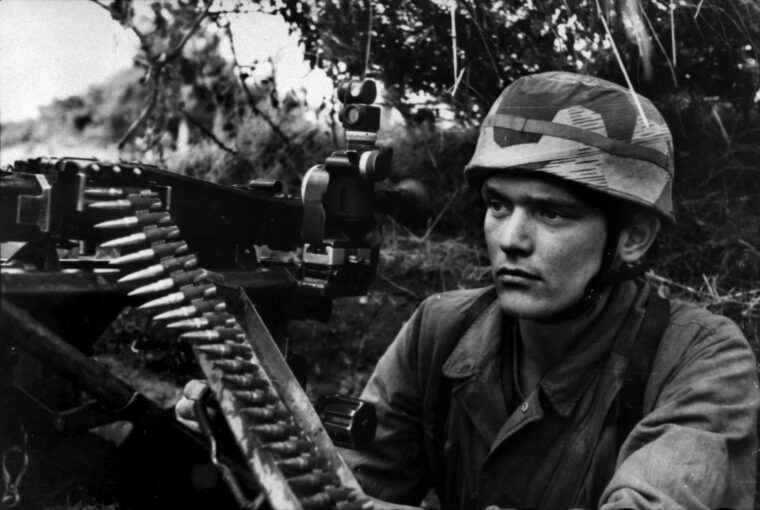
The darkness held a terror of its own—any false movement or unwarranted sound could easily betray the presence of the 16-man patrol that crept ever closer to the enemy lines. Read more
Normandy
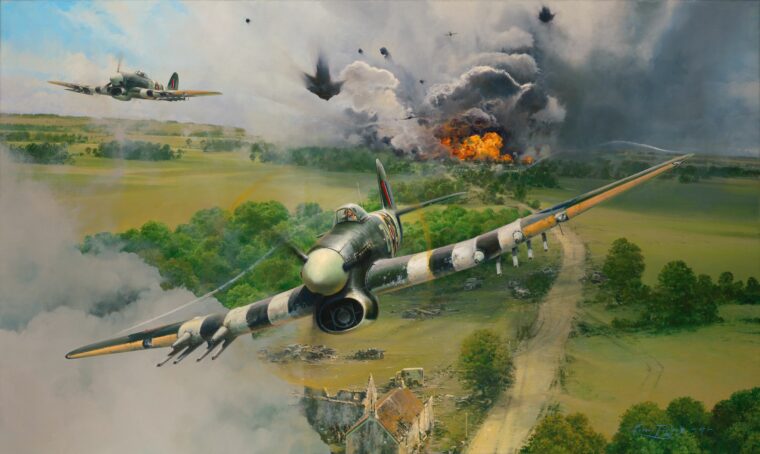
From the Supermarine Spitfire to the North American P-51 Mustang, and from the Soviet Yak series to the Vought F4U Corsair, the Allies were able to field a formidable array of fighter planes against the Axis powers in World War II. Read more
Normandy
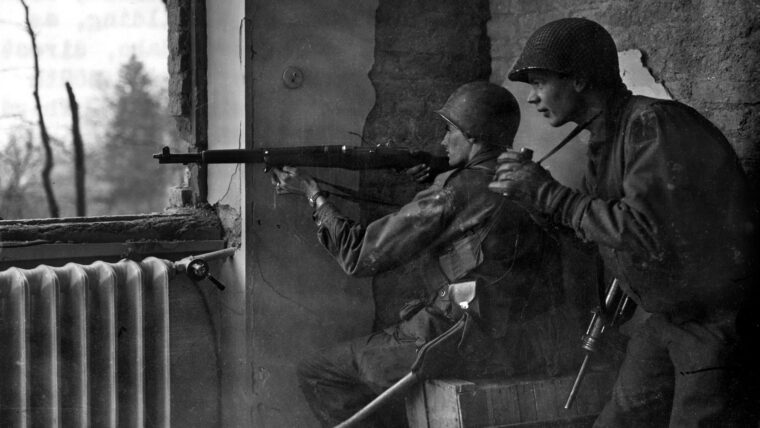
Lieutenant General Omar Bradley, commander of the U.S. First Army, considered his 90th Infantry Division a problem unit. Read more
Normandy
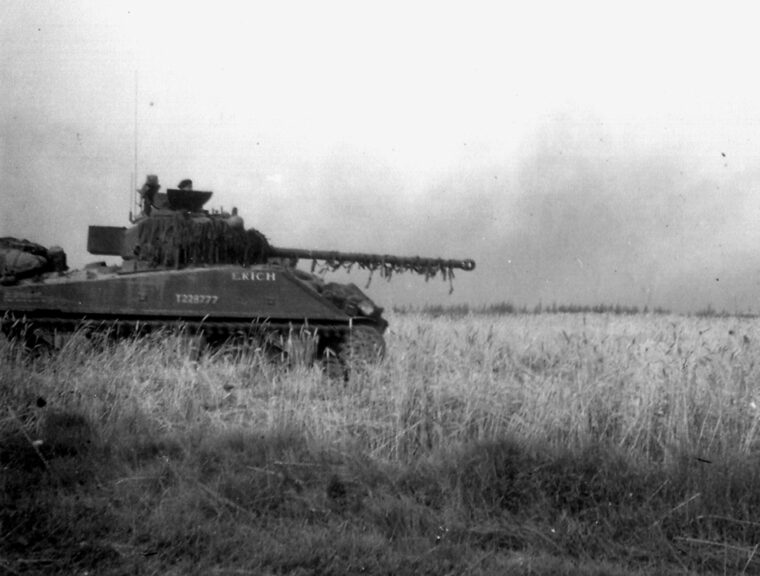
For the Allied tankers and infantrymen of the American, British, Canadian, and Free French armies battling German Panther and Tiger tanks in Normandy in the summer of 1944, the Sherman tank’s failures were glaringly evident as their own shells bounced off the hulls of the Nazi armor and they were themselves destroyed at a far greater range by the powerful German tanks. Read more
Normandy
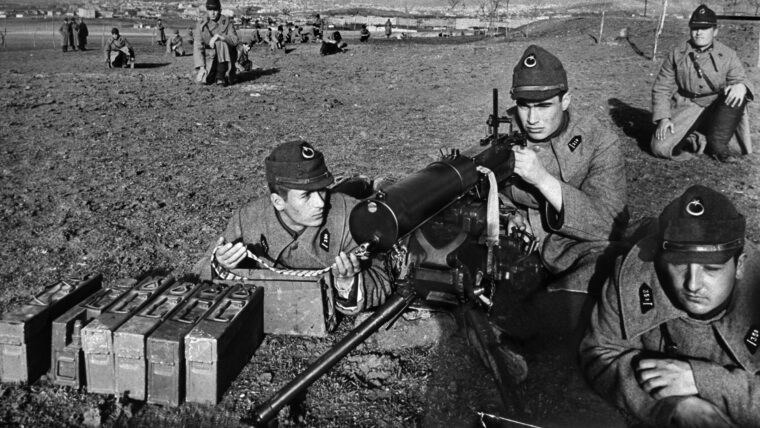
Maybe the Turks were just bad at picking the winning side. In World War I the Central Powers were defeated by the Allies, so in October 1939 they switched to ally with Britain and France. Read more
Normandy
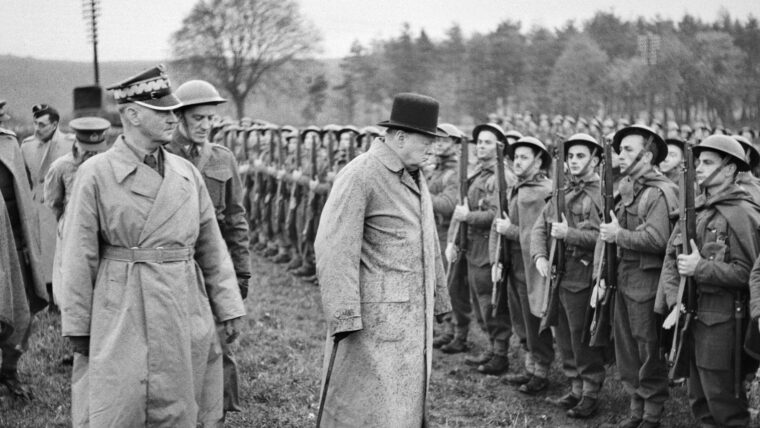
Stanislaw Sosabowski started his military career in the anti-Hapsburg Polish underground movement in 1907, served in the Austrian Army in World War I, and rose to the command of the Polish Parachute Brigade in World War II. Read more
Normandy
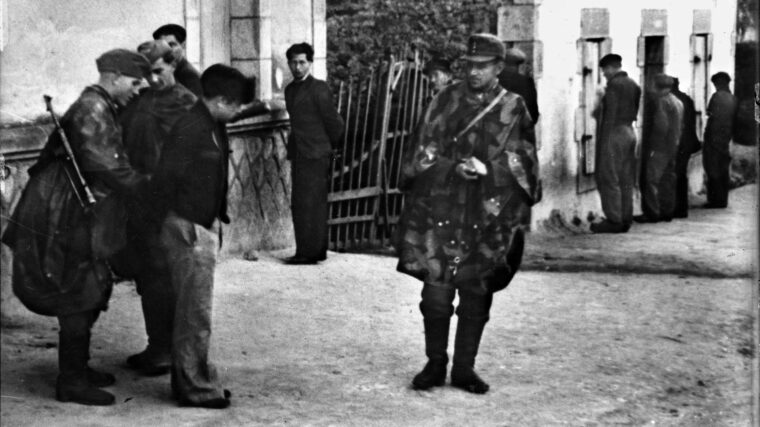
Upon visiting Oradour-sur-Glane, one finds a quiet, rural French village where the populace carries on about its business much like in any commune in France. Read more
Normandy
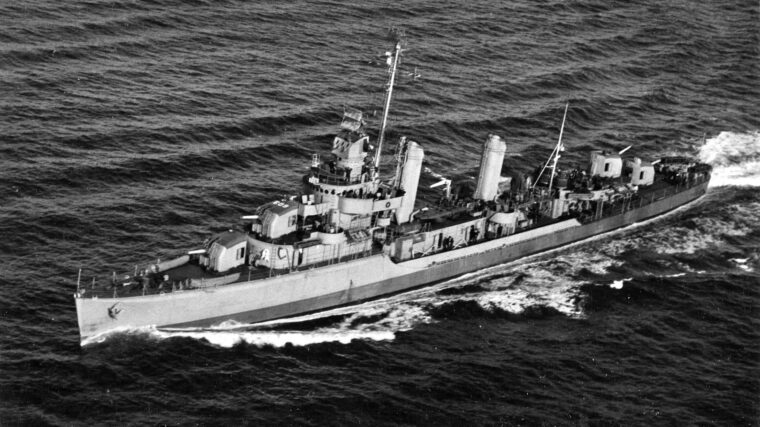
Eighty miles off the coast of New Jersey and 280 feet below the surface of the Atlantic Ocean lies the forward section of a World War II destroyer, where it came to rest more than 60 years ago. Read more
Normandy
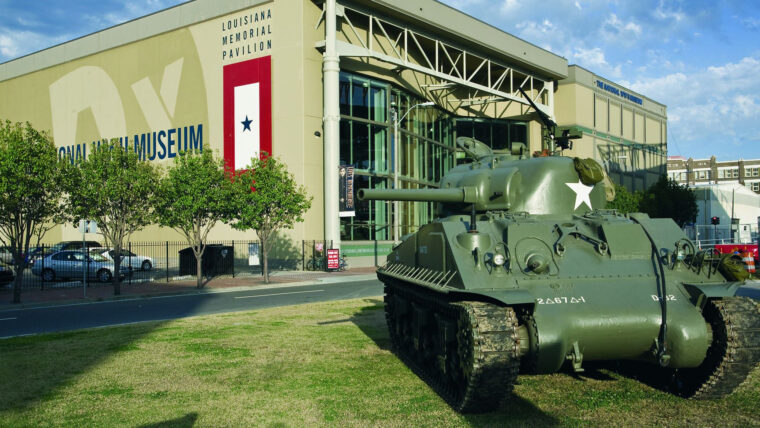
Opened on June 6, 2000, on the 56th anniversary of the D-Day landings, the National D-Day Museum, as it was then known, initially focused on the amphibious invasion of Normandy. Read more
Normandy
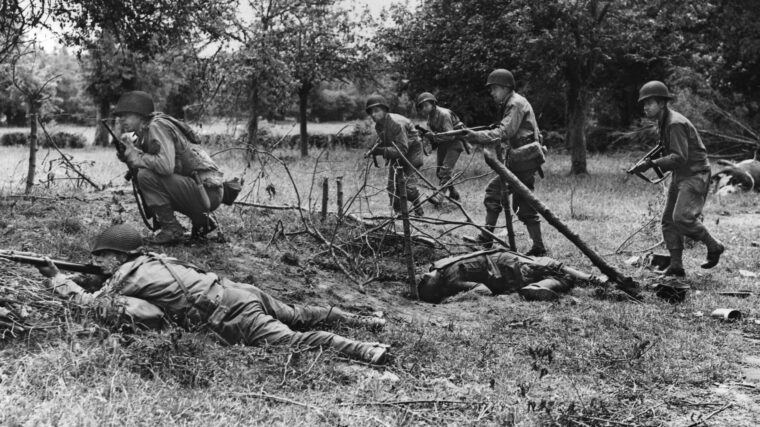
When plans were drawn up for the Allied invasion of France in 1944, one important consideration was securing a deep-water port to allow reinforcements and supplies to be brought in directly from Great Britain and the United States. Read more
Normandy
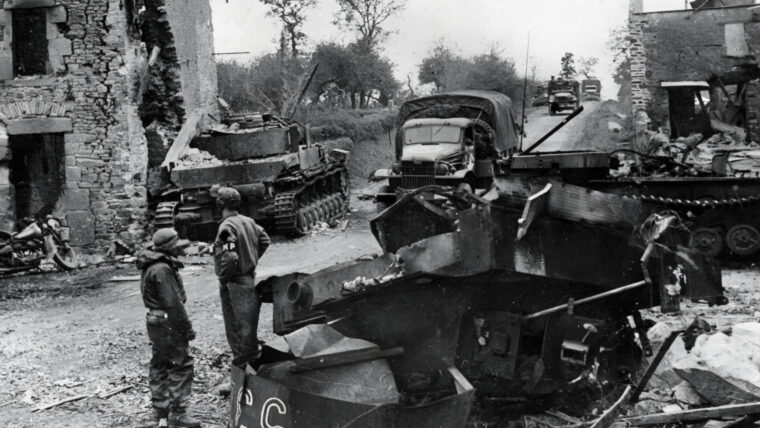
August 1944 saw a rosy mood of optimism and self-deception sweep through the Allied high command in France as a result of the sudden, dramatic end to the campaign in Normandy. Read more
Normandy
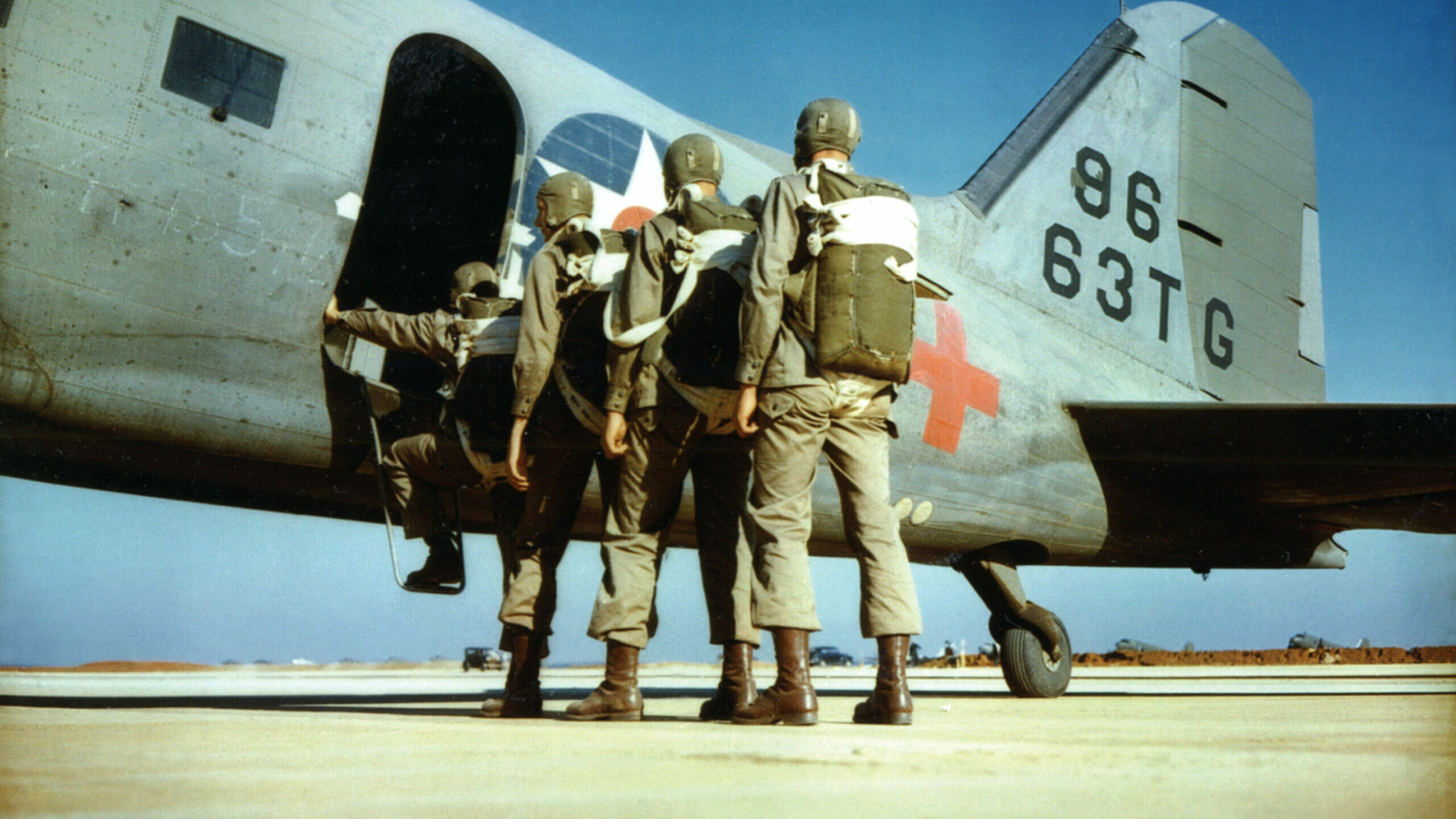
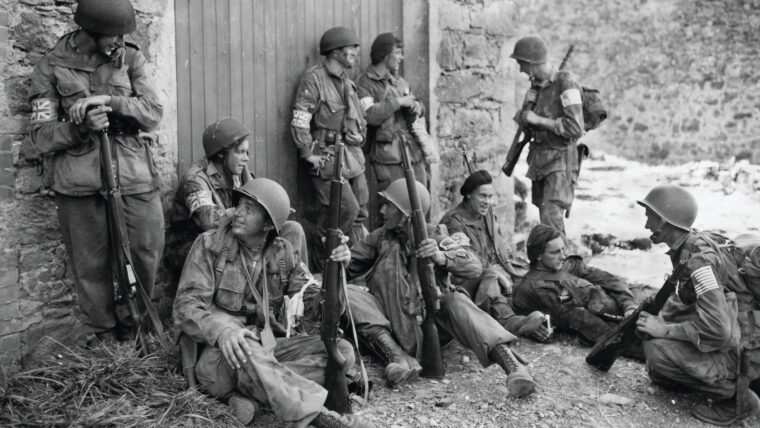
At midnight, the jumpers of 2nd Battalion, 517th Parachute Regimental Combat Team, as well as the 596th Parachute Combat Engineer Company, still dripping from the paint-spray line, shuffled across Ombrone Airfield to the waiting of Serial 6 and climbed aboard. Read more