European Theater
Driant: Fighting on the Face of the Moon
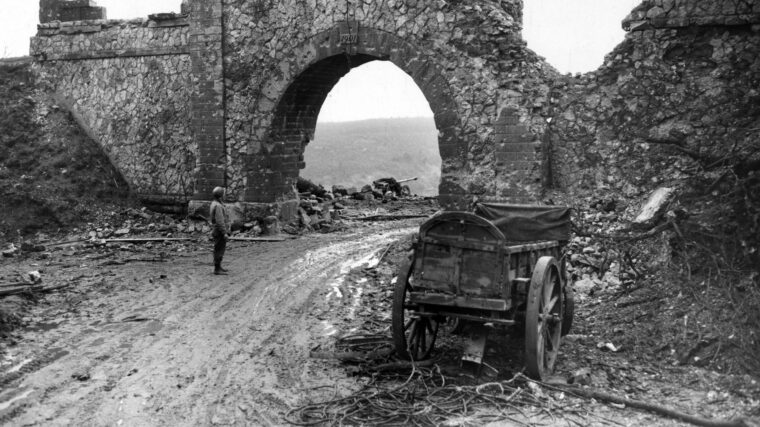
By Kevin M. HymelBefore retreating from Fort Driant, Private Tom Tucker lit the fuse on 6,000 pounds of explosives. “We pulled the fuse lighter and took off,” recalled Tucker. Read more
The European Theater of Operations (ETO) during World War II is generally regarded as the area of military confrontation between the Allied powers and Nazi Germany and Fascist Italy. The European Theater encompassed the Atlantic, Mediterranean, Eastern Front, Western Front, and Arctic areas of operation.
European Theater
Before retreating from Fort Driant, Private Tom Tucker lit the fuse on 6,000 pounds of explosives. “We pulled the fuse lighter and took off,” recalled Tucker. Read more
European Theater
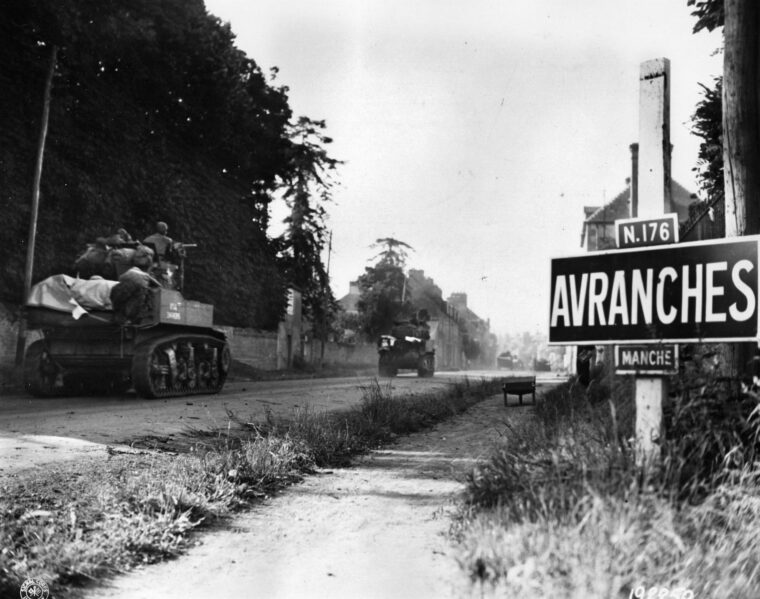
Lieutenant General Omar Bradley had reason to be pleased by the last week of July 1944. His First Army had scratched out a substantial foothold on the Normandy coast, capturing three times more French territory than his British allies. Read more
European Theater
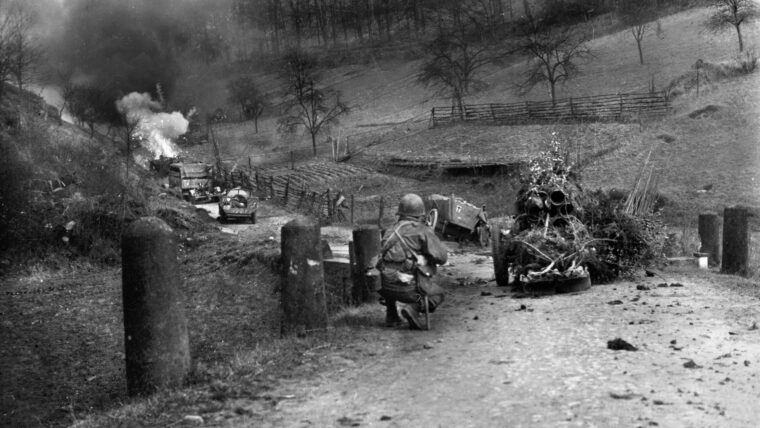
On September 5, 1944, American intelligence estimates of German forces in the sector of the 80th Infantry Division, between Nancy and Metz in northeastern France, described scattered units and limited defenses along the east bank of the Moselle River. Read more
European Theater
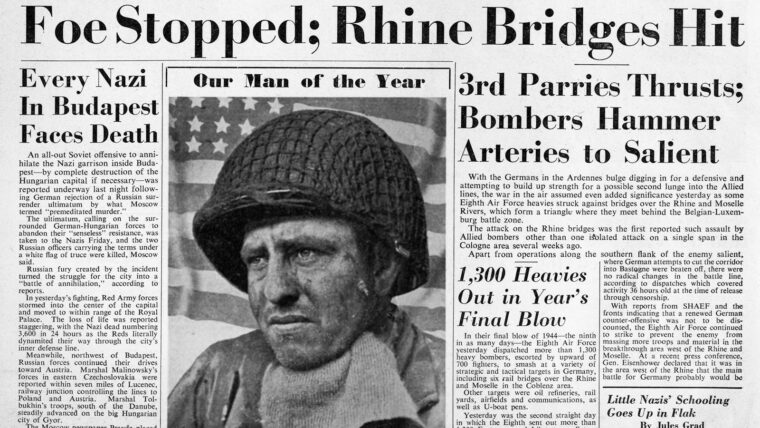
During the closing days of 1944, editors at the London edition of Stars and Stripes decided to select a frontline GI as “Our Man of the Year.” Read more
European Theater
Reginald Alexander was born in Gardnerville, Nevada, in 1924 to Scottish émigré parents who were originally from Westcolvin, Scotland. Read more
European Theater
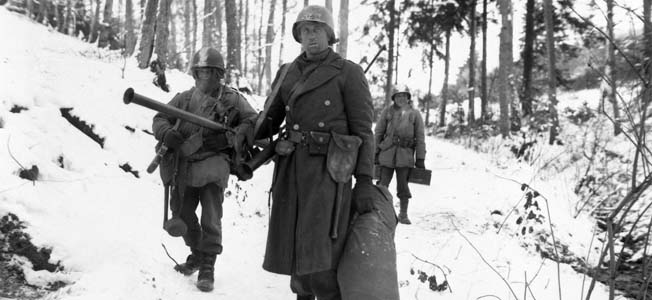
During the Battle of the Bulge, Adolf Hitler launched his last great counteroffensive along the Western Front. From full armored divisions running on gasoline fumes to “American schools” teaching spies how to pose as Allied soldiers, Hitler used everything in his arsenal to try to turn the tide of the war. Read more
European Theater
With a quarter of a million German troops pouring through the Ardennes Forest, three Americans fleeing in a jeep should have raised no alarm. Read more
European Theater
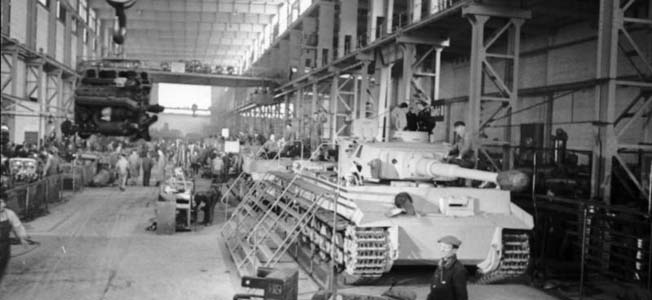
“Hitler’s generals, raised on the dogma of Clausewitz and Moltke, could not understand that war is won in the factory.” Read more
European Theater
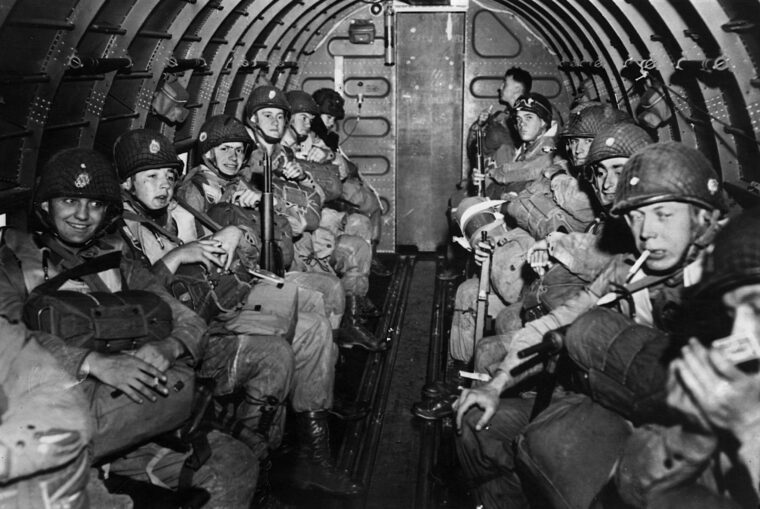
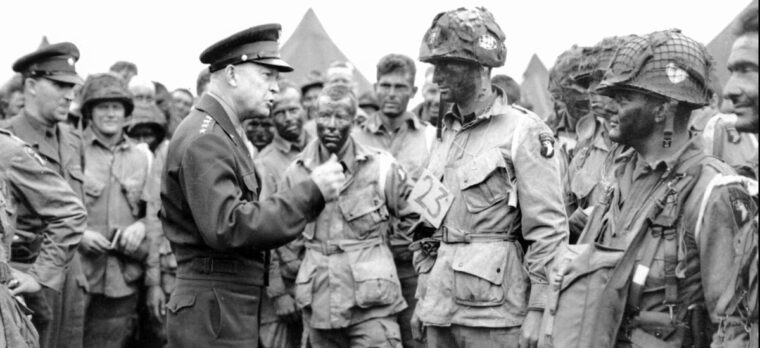
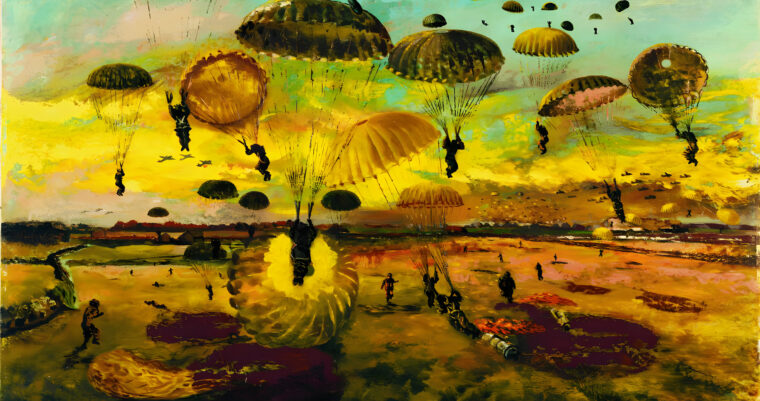
Made popular by the Band of Brothers portrayal of Easy Company, the U.S. paratrooper “cricket” was in fact used to identify each other in the predawn hours of the D-Day invasion. Read more
European Theater
By the spring of 1945, Hitler’s thousand year Reich had come crashing down in flames. The Allied armies that had landed at Normandy almost one year earlier had penetrated deep inside Germany. Read more
European Theater
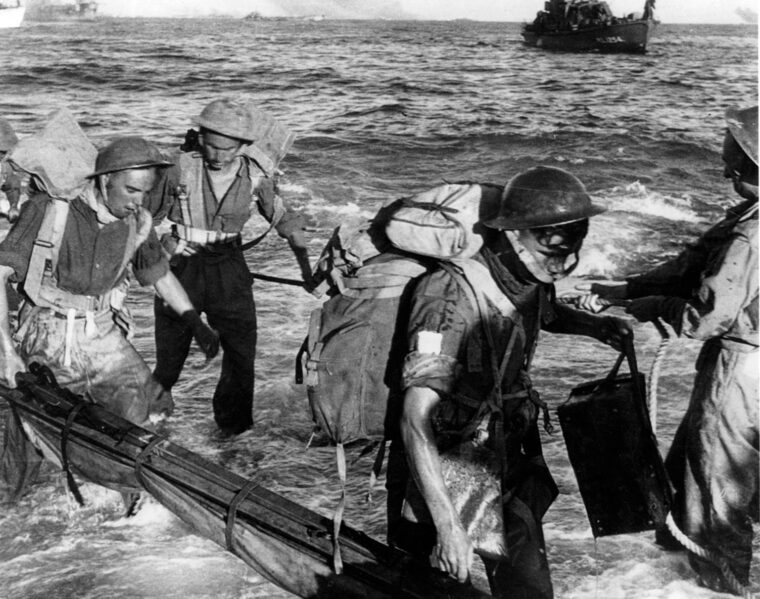
Operation Husky, the invasion of Sicily, was the only operation in World War II in which generals Bernard Montgomery and George S. Read more
European Theater
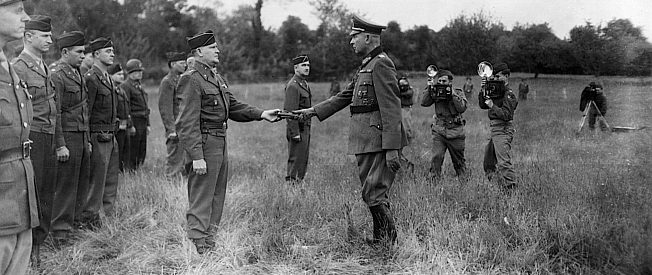
It was said on May 8, 1945, that some of the victors wandered around in a daze. They were puzzled by a strange silence. Read more
European Theater
When the United States was plunged into World War II on December 7, 1941, more than 16 million Americans answered their country’s call and donned a uniform. Read more
European Theater
Lieutenant Richard Britt, navigator aboard a Consolidated B-24 Liberator bomber named Chattanooga Choo Choo, woke up to find himself trapped in the wreckage. Read more
European Theater
The most contentious of command rivalries during World War II involved General George S. Patton, Jr., of the U.S. Read more
European Theater
When the call came that morning, it was not unlike the 25 times previously when they had flown, or all those other times when weather intervened and postponement was ordered. Read more
European Theater
The attempted crossing of the Rapido River in Italy by two infantry regiments of the U.S. 36th Division in January 1944 was one of the costliest failed attacks made by American forces during World War II. Read more
European Theater
Just boys facing danger, please God make them men; If they live through the danger, make them boys once again. —Sergeant Ginger Woodcock, June 5, 1944
On the morning of June 6, 1944, the greatest amphibious fleet in history bore in toward the coast of Normandy. Read more
European Theater
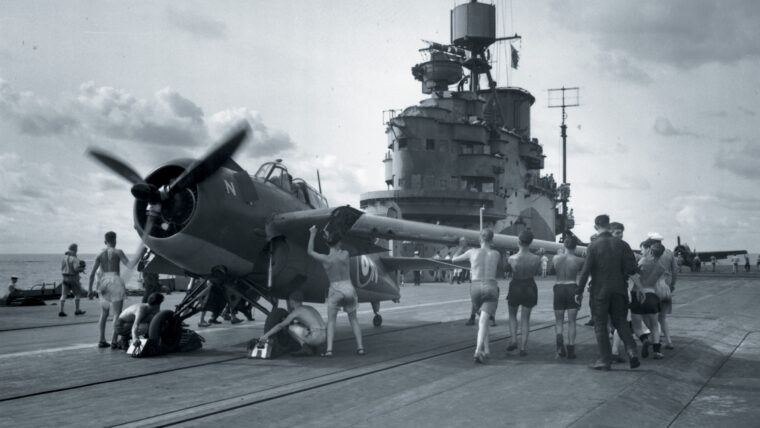
When one thinks of carrier warfare in World War II, the Japanese and U.S. navies usually come to mind. Read more
European Theater
Due largely to their use in the postwar U.S. Army Air Forces and present proliferation among the air show community, the North American P-51 Mustang is thought of by many as the most important American fighter of World War II. Read more