European Theater
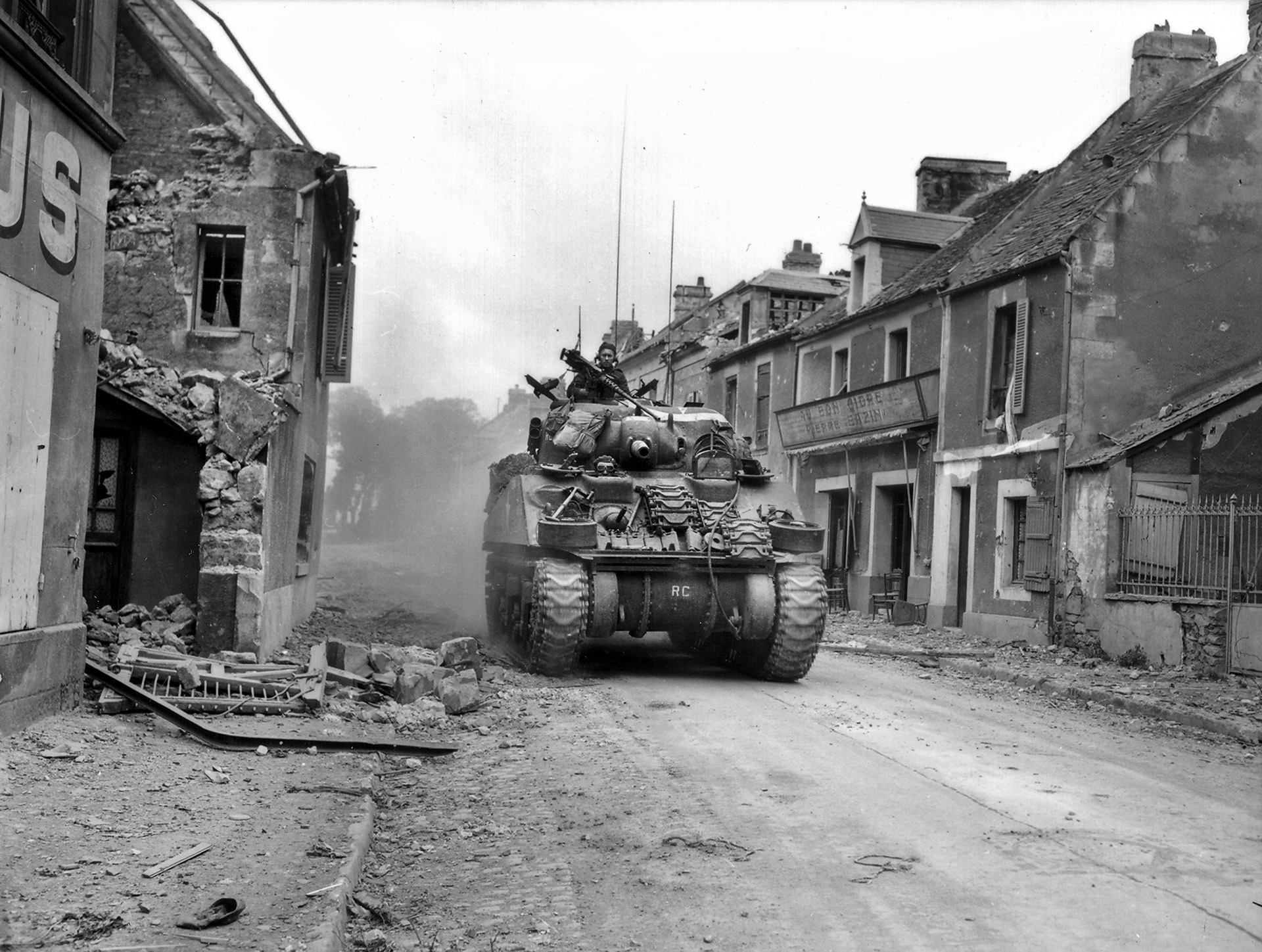
An American Sergeant at Brest: Caught in the Crosshairs
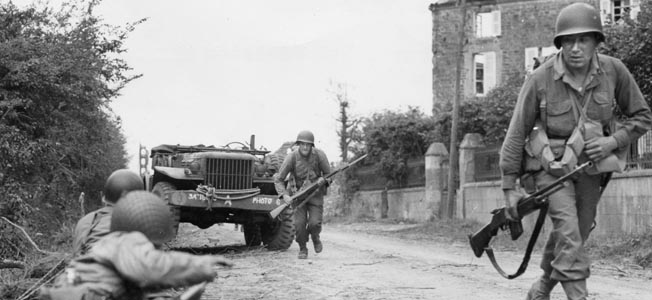
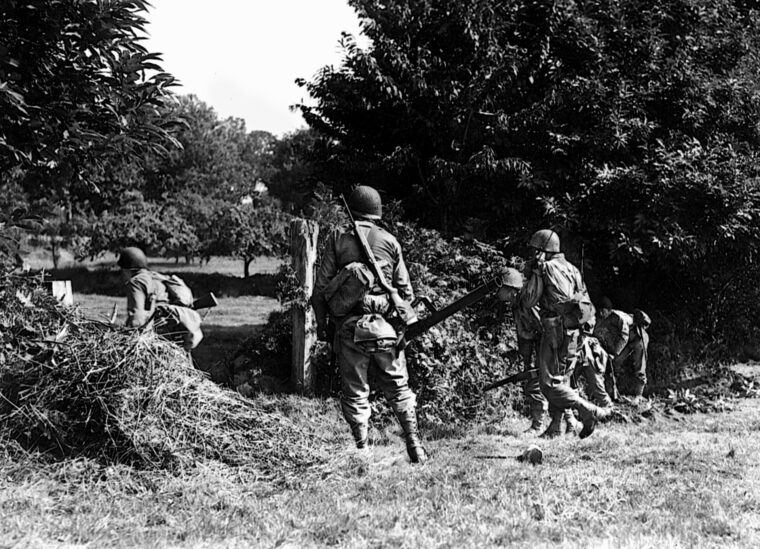
By Kevin M. HymelThe German sniper scanned the battlefield outside his bunker on the outskirts of the port city of Brest, on France’s Brittany peninsula. Read more
The European Theater of Operations (ETO) during World War II is generally regarded as the area of military confrontation between the Allied powers and Nazi Germany and Fascist Italy. The European Theater encompassed the Atlantic, Mediterranean, Eastern Front, Western Front, and Arctic areas of operation.
European Theater
The German sniper scanned the battlefield outside his bunker on the outskirts of the port city of Brest, on France’s Brittany peninsula. Read more
European Theater
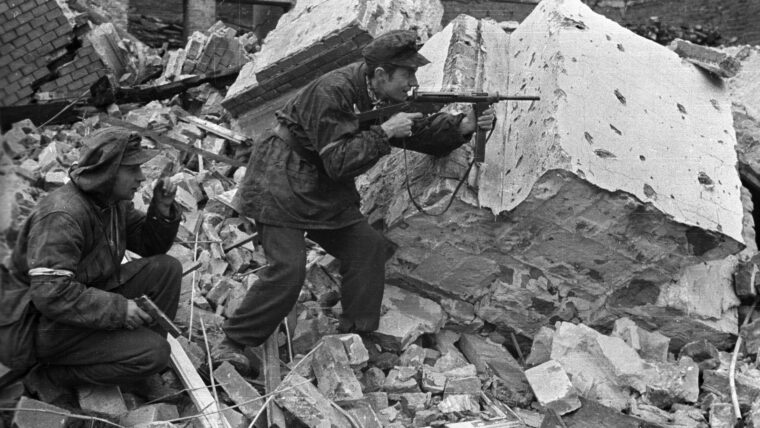
“This mission is suicidal,” thought Bogdan Mieczkowski. In the autumn of 1944, the 19-year-old Polish resistance fighter battled in the Warsaw Uprising. Read more
European Theater
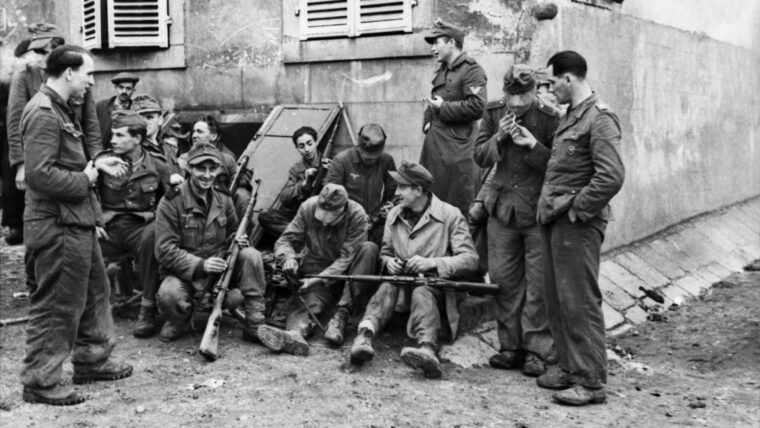
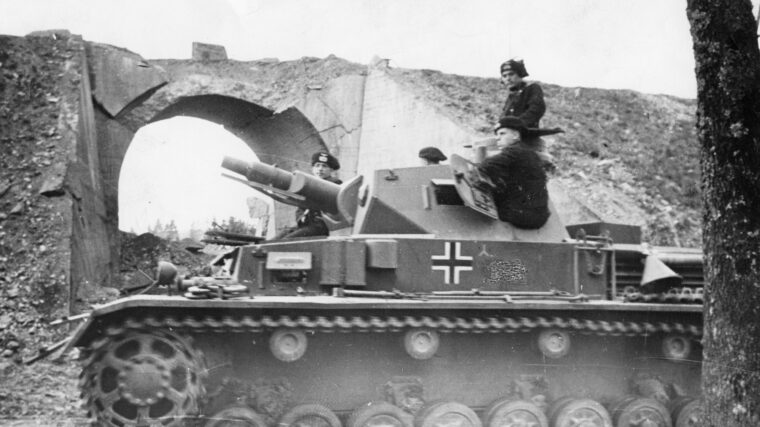
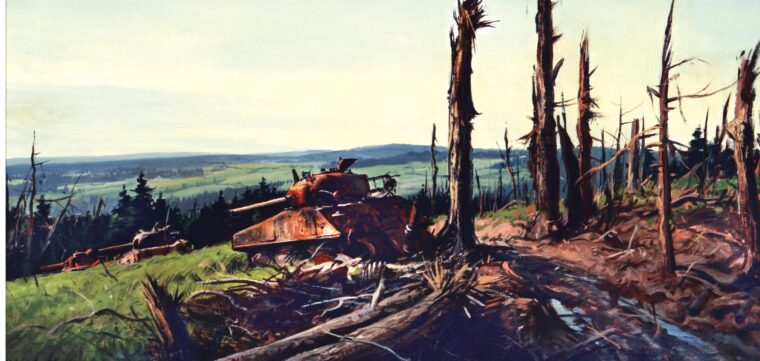
On Sunday, September 10, 1944, all bridges over the German-Belgian border rivers, the Our and the Saur, were dynamited. Read more
European Theater
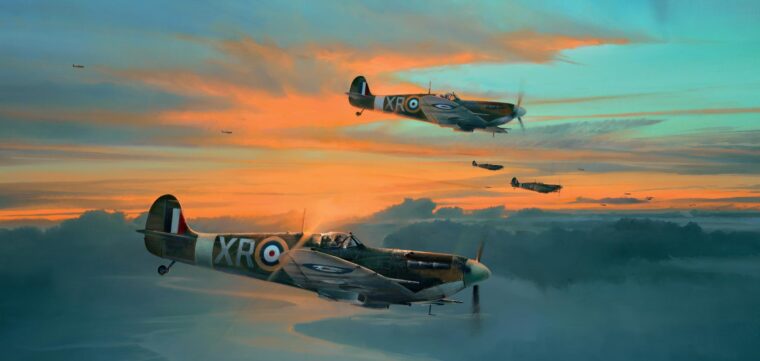
All the pilots of No. 71 (Eagle) Squadron, Royal Air Force, had been ordered to report to the briefing room on the afternoon of August 18, 1942. Read more
European Theater
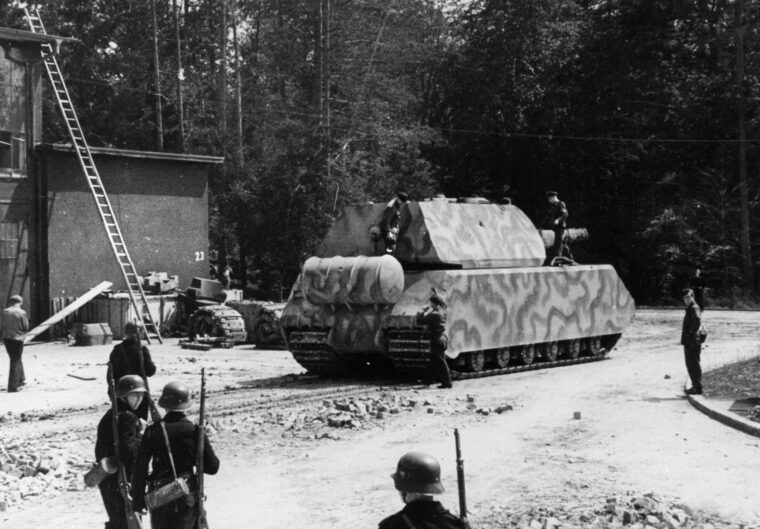
As early as 1941, the German high command had visions of military technology that was far ahead of its time, and many innovative technological concepts were becoming reality. Read more
European Theater
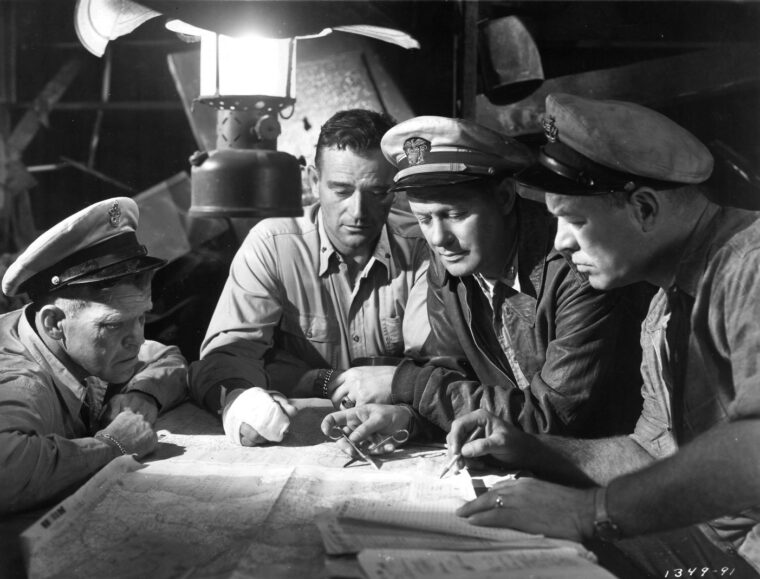
With such award-winning films as Stagecoach, Young Mr. Lincoln, Drums Along the Mohawk, The Grapes of Wrath, The Long Voyage Home, and How Green Was My Valley behind him, John Ford was one of Hollywood’s most respected directors by the time World War II broke out in 1939. Read more
European Theater
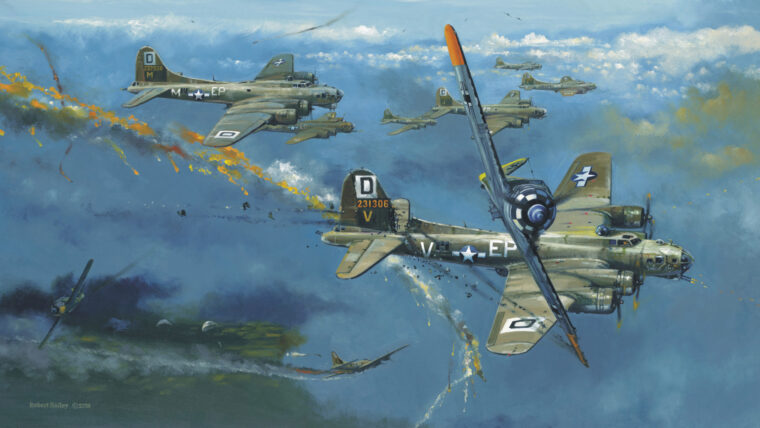
The Nelson King, a Boeing B-17 Flying Fortress bomber, was en route to Berlin on March 6, 1944, when it flew into a whirlwind of Luftwaffe fighters. Read more
European Theater
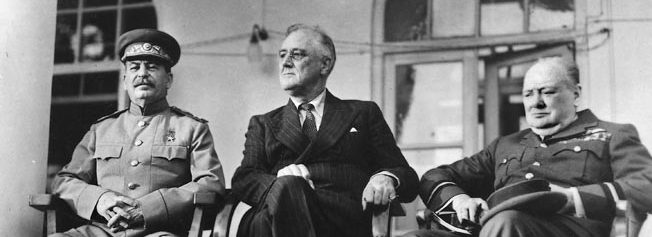
World War II made a disparate trio of allies —British Prime Minister Winston Churchill, Soviet Marshal Joseph Stalin, and American President Franklin D. Read more
European Theater
British historian Alan Clark wrote in his book Barbarossa, “Roosevelt’s betrayal of Eastern Europe, whether out of calculation or gullibility, is so notorious as to need no further recapitulation.” Read more
European Theater
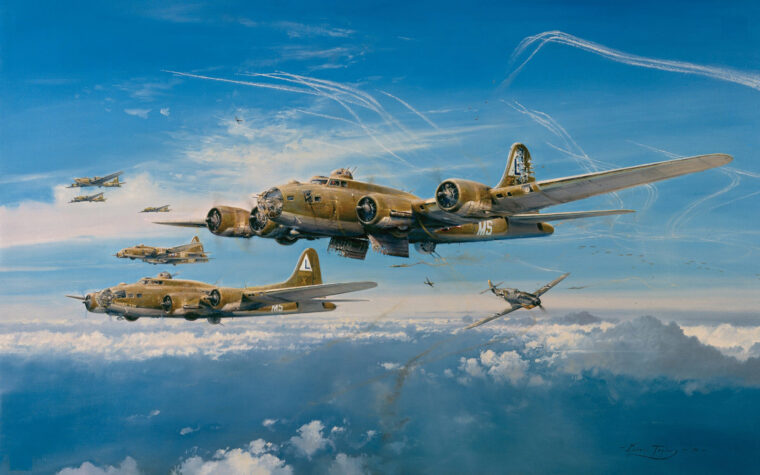
For 33 months beginning in 1942, the U.S. Eighth Air Force and its precision daylight bombing strikes against German targets in Europe tried to pound the Third Reich into submission. Read more
European Theater
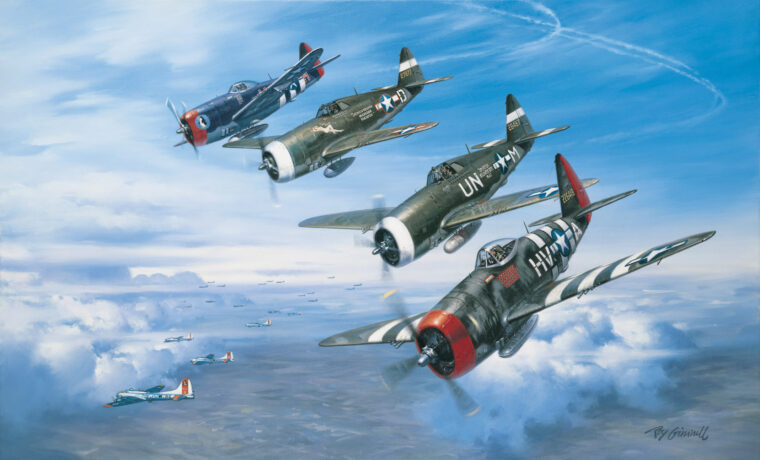
On May 4, 1943, the U.S. Army Air Forces’ 56th Fighter Group was ordered to meet a formation of Boeing B-17 Flying Fortress heavy bombers returning from a run over Antwerp, Belgium. Read more
European Theater
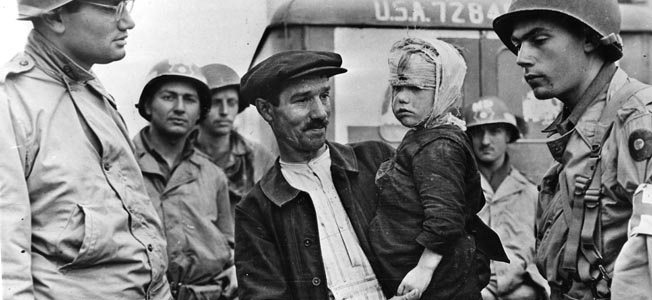
War spared no one. As modern armies clashed in France’s Normandy countryside, French civilians found themselves in the crossfire or on the receiving end of bombs and heavy weapons. Read more
European Theater
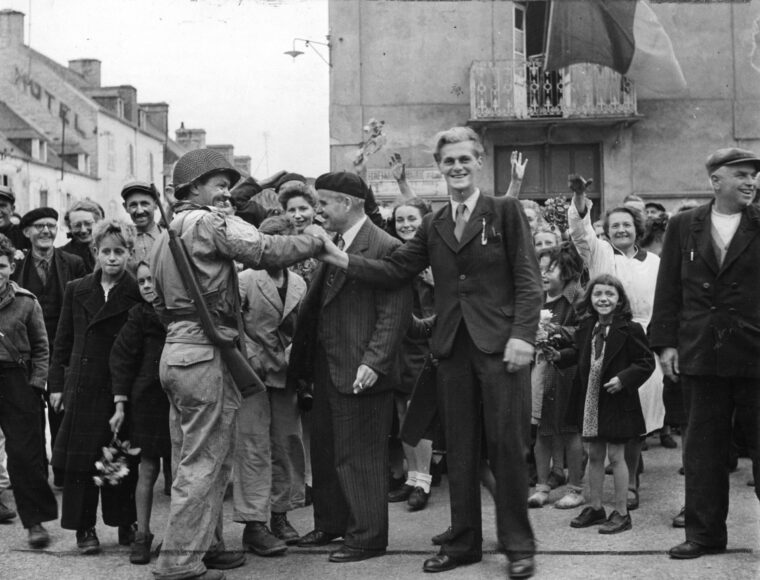
The Germans were gone. After more than four years of occupation, the soldiers of the Wehrmacht had been evicted from France’s Normandy region by the American and British armies. Read more
European Theater
By Steve Ossad
A few months after the Normandy campaign and with other fronts competing for the American public’s attention, Lt. Read more
European Theater
During any war, combating countries predictably issue reports andcreate publicity more favorable to their own side. Often the difference is subtle, but sometimes it is profound. Read more
European Theater
During World War II, Terry de la Mesa Allen and Theodore Roosevelt, Jr.,were ”relieved” during a victorious campaign. Read more
European Theater
Flying a tortuous route from North Africa tothe French coast of Normandy via Casablanca and Gibraltar, an unarmed Lockheed Lodestar of the Free French Air Force broke through cloud cover over the English Channel on the morning of Sunday, August 20, 1944. Read more
European Theater
No Allied amphibious invasion in World War II left such a bitter legacy as Operation Jubilee, the ill-fated British-Canadian raid on the northern French port of Dieppe on Wednesday, August 19, 1942. Read more
European Theater
Winston Churchill was against it. So was Lt. Gen. Mark W. Clark in Italy. But the American chiefs of staff were for it, and so was General Dwight D. Read more
European Theater
Not all of the 68 infantry divisions available to the U.S. Army during World War II were made up of draftees and enlistees. Read more