British Royal Navy
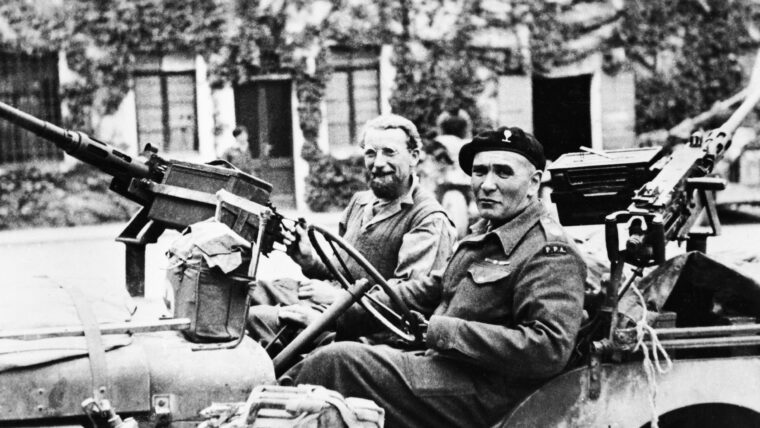
Vladimir Peniakoff: Popski’s Private Army
By John BrownIn September 1942, two patrols of armed jeeps and trucks of the Long Range Desert Group (LRDG) raided the German airfield at Barce. Read more
British Royal Navy
In September 1942, two patrols of armed jeeps and trucks of the Long Range Desert Group (LRDG) raided the German airfield at Barce. Read more
British Royal Navy
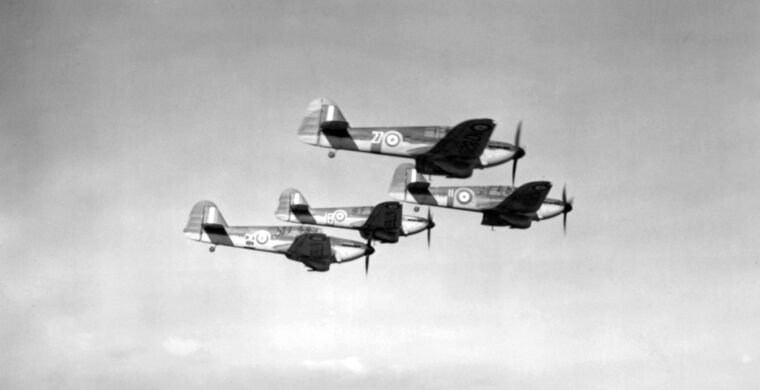
The first of the three Eagle Squadrons was formed at Church Fenton, Yorkshire, in September 1940. The idea of forming an all-American squadron in the RAF was not a wildly popular one— with either the British or the Americans. Read more
British Royal Navy
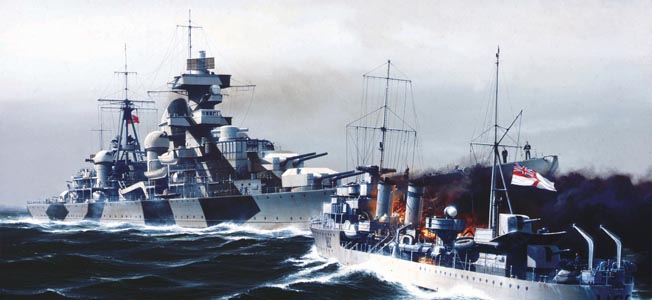
The great waves were huge and black, greedy tentacles of the North Sea clawing and snatching at the battered ships struggling in the icy dark. Read more
British Royal Navy
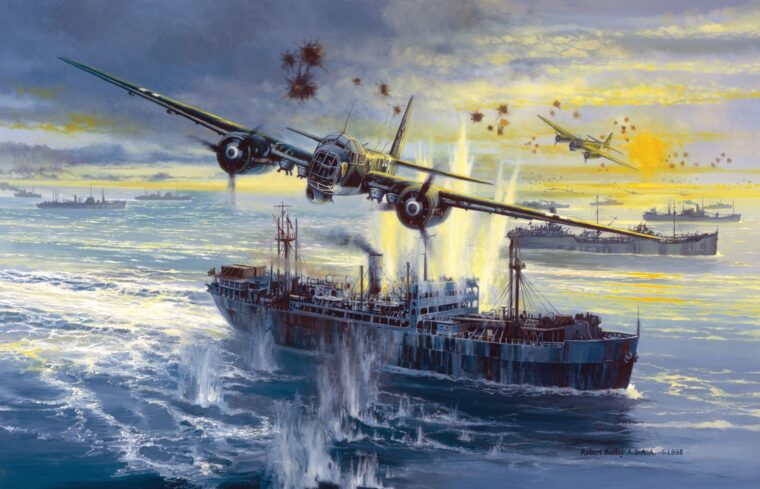
British Prime Minister Winston Churchill had made the promise to Soviet Premier Josef Stalin, and Admiral Sir John Tovey of the Royal Navy had to keep it: to sail three convoys loaded with critical supplies from Britain to Russia every two months, with 25 to 35 ships in each convoy. Read more
British Royal Navy
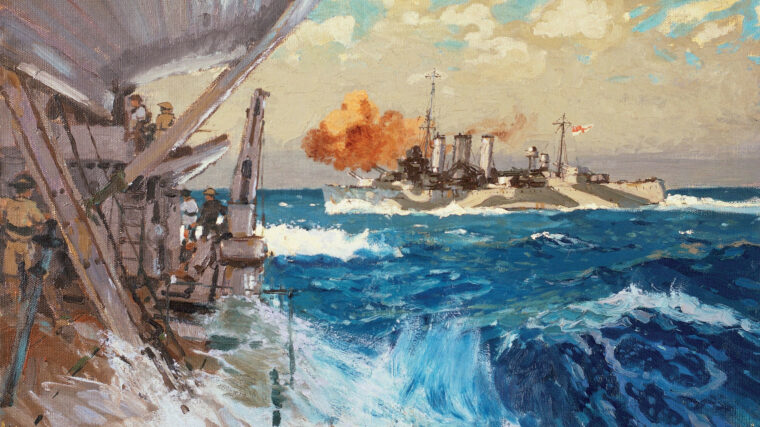
The director flicked his finger, and General Charles de Gaulle began reading his address into the British Broadcasting Corporation’s microphone, speaking from London to his defeated countrymen across the English Channel, calling upon them to continue resistance in the face of overwhelming German supremacy. Read more
British Royal Navy
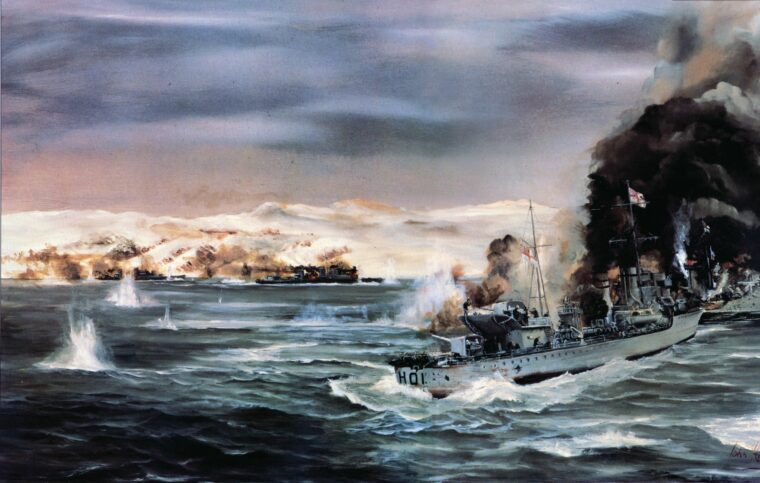
The Germans could not believe it. Without suffering the loss of a single soldier or sailor, the German Army and Navy had sailed 1,500 miles through waters dominated by the British Royal Navy and captured Narvik without firing a shot, bagged nearly 500 Norwegian soldiers, seized one of Norway’s major military depots, and even taken five armed British merchant ships and their crews. Read more
British Royal Navy
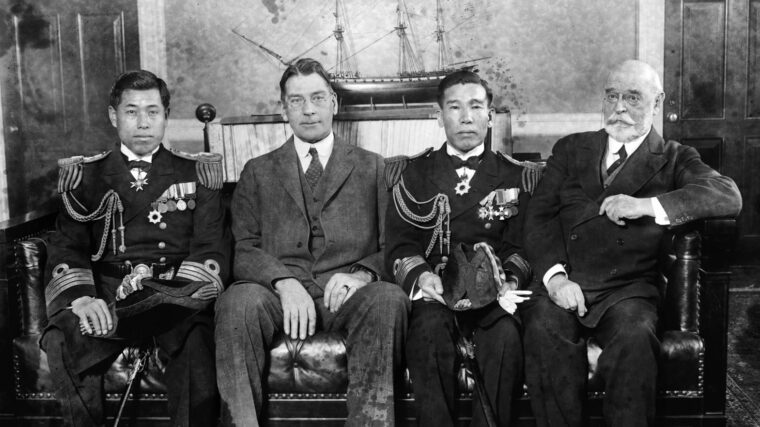
Brave, urbane, and complex, Admiral Isoroku Yamamoto was Japan’s greatest naval strategist and the architect of one of the most stunning achievements in the history of modern warfare. Read more
British Royal Navy
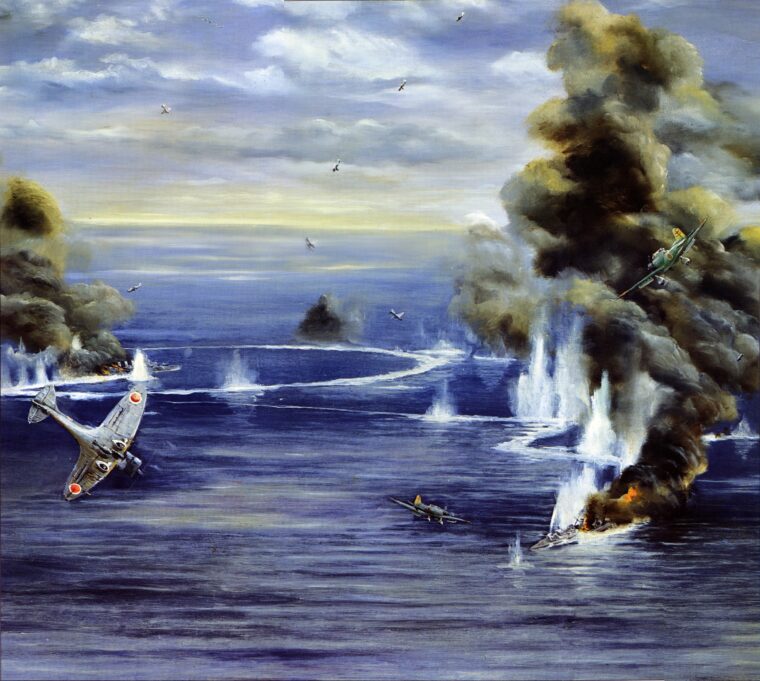
“So this is the Eastern Fleet,” ran Vice Admiral Sir James Fownes Somerville’s signal. “Never mind. Many a good tune is played on an old fiddle.” Read more
British Royal Navy
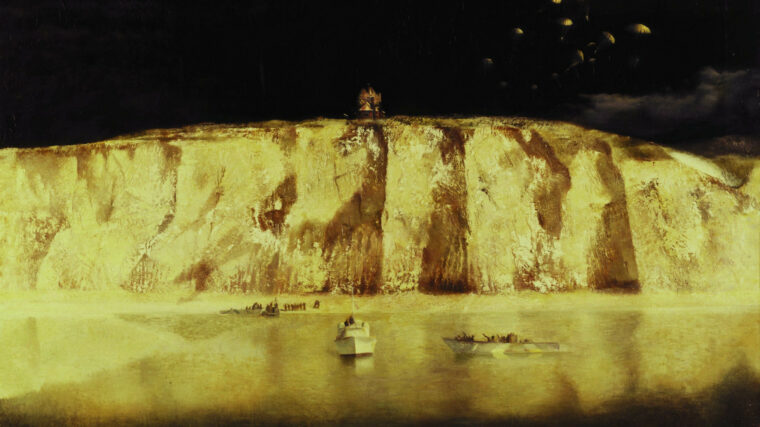
The parachute of aptly named Major J.D. Frost cracked open in the freezing air high above the French Channel coast at 12:45 am, and he commenced drifting down through the moonlit gloom. Read more
British Royal Navy
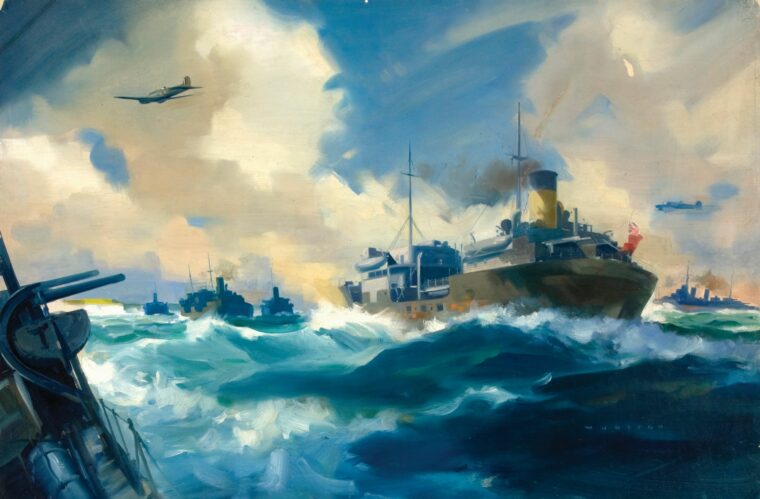
Between September 1939 and December 1941, the United States moved from neutral to active belligerent in an undeclared naval war against Nazi Germany. Read more
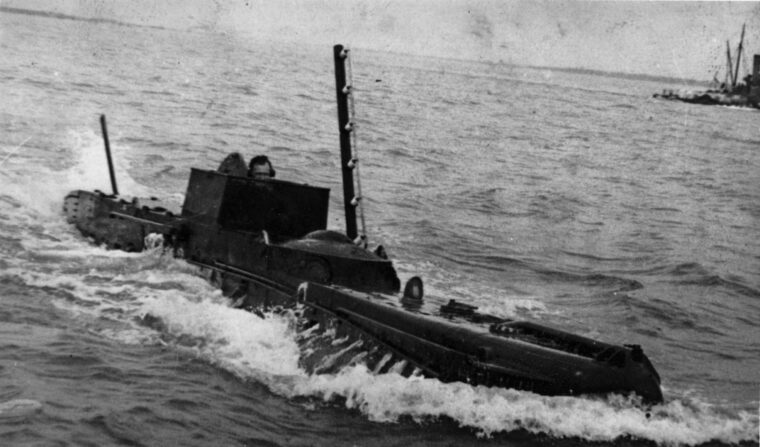
British Royal Navy
By mid-1942, the towering German battleship Tirpitz stood alone as the largest, most powerful warship in the world. Read more
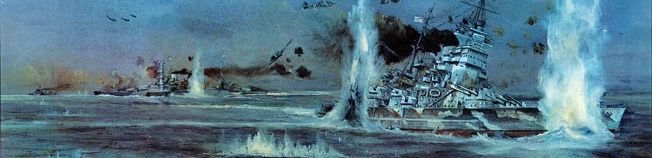
British Royal Navy
History was made in the Mediterranean Sea on the night of Monday, November 11, 1940, when the Italian Navy’s battle fleet was devastated at Taranto, off the Ionian coast of southern Italy. Read more
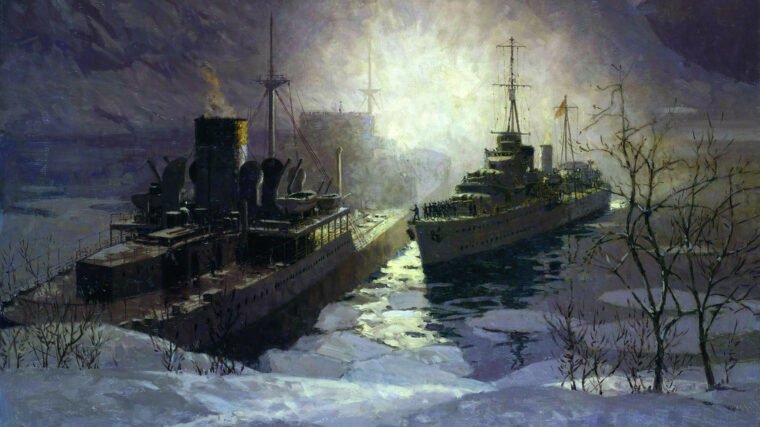
British Royal Navy
On Sunday, September 3, 1939, the day that Great Britain and France formally declared war on Germany after the Nazis’ invasion of Poland, the German supply ship Altmark concluded her stay at the refinery center of Port Arthur, Texas, where she had taken on a full cargo of diesel oil, and returned to sea. Read more
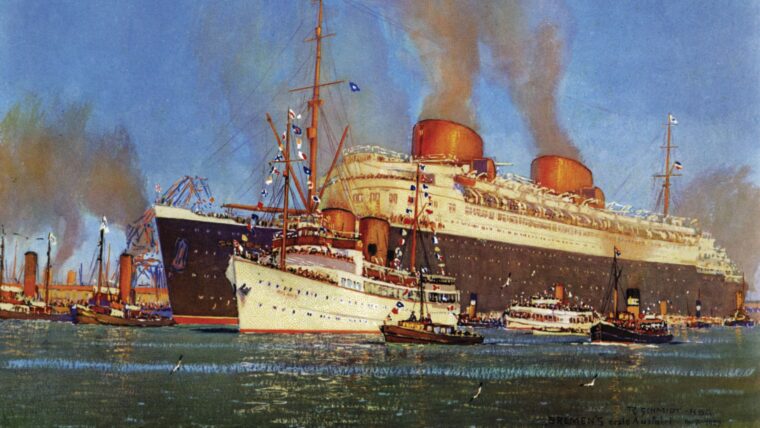
British Royal Navy
After docking in New York on August 28, 1939, only four days before the outbreak of World War II, Captain Adolf Ahrens of Germany’s North German Lloyd shipping line was faced with a decision. Read more
British Royal Navy
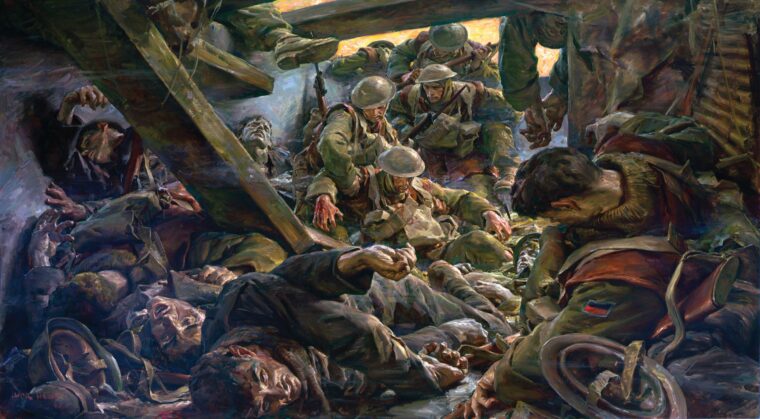
Established in the summer of 1939, Field Marshal Sir Archibald Wavell’s Middle East Command encompassed nine countries and parts of two continents, an area of 1,700 miles by 2,000 miles. Read more
British Royal Navy
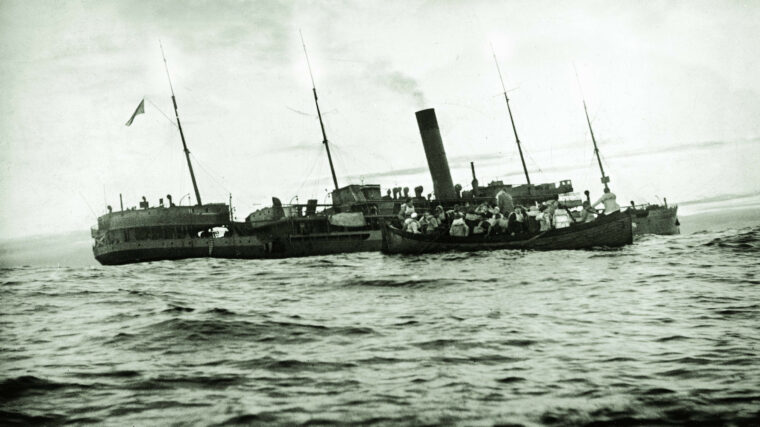
In her previous life, she had been the Hansa-line freighter Goldenfels. She was launched in 1937 and displaced 7,862 tons. Read more
British Royal Navy
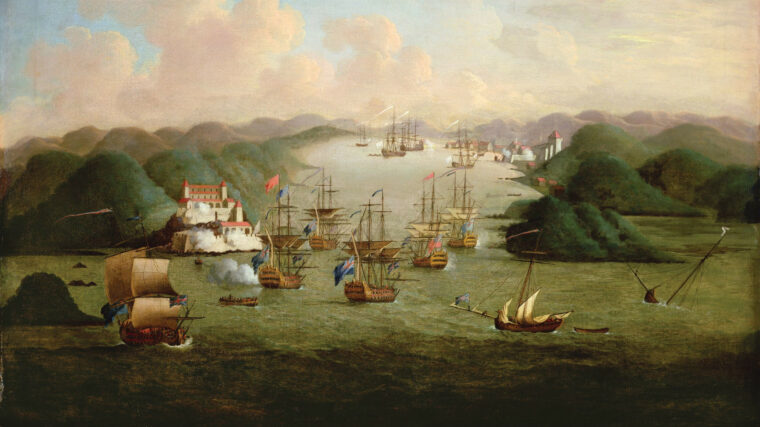
In the 1700s, the Spanish empire in the Caribbean was a lucrative trade monopoly directed from Madrid, with Cadiz designated as the official port for trade to and from Spain and its colonies. Read more
British Royal Navy
British frogmen were the first ground fighters to engage the enemy on D-Day—and they did it without weapons. Read more
British Royal Navy
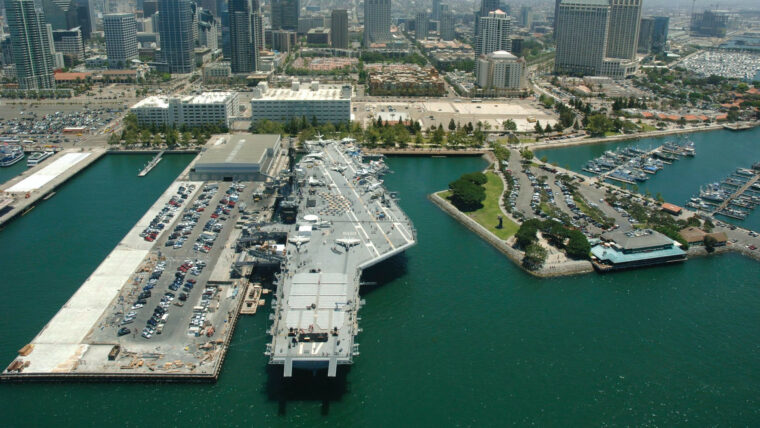
A boat trip through San Diego harbor provides visitors with tangible proof of America’s military might. San Diego is one of the U.S. Read more
British Royal Navy
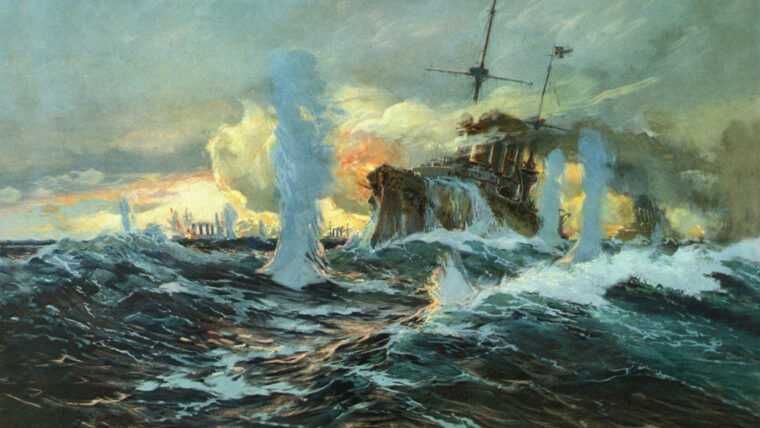
When World War I broke out in August 1914, the captains of the various German warships called their men together to give three cheers for the Kaiser. Read more

![U.S. military personnel in Puerto Rico “drink to the girl [they] left behind” during the Spanish-American War in 1898.](https://warfarehistorynetwork.com/wp-content/uploads/2025/09/M-Fal25-Whiskey-4-e1758296632288.jpg)