atomic bomb
The FCC’s RID and Japan’s Surrender
By Susan L. BrinsonGeorge Sterling received a teletype message from the War Department just after 5:15 am on August 15, 1945. Read more
atomic bomb
George Sterling received a teletype message from the War Department just after 5:15 am on August 15, 1945. Read more
atomic bomb
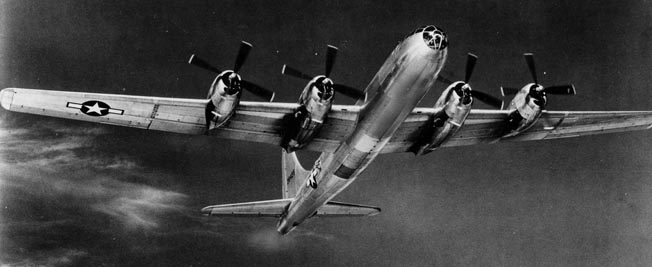
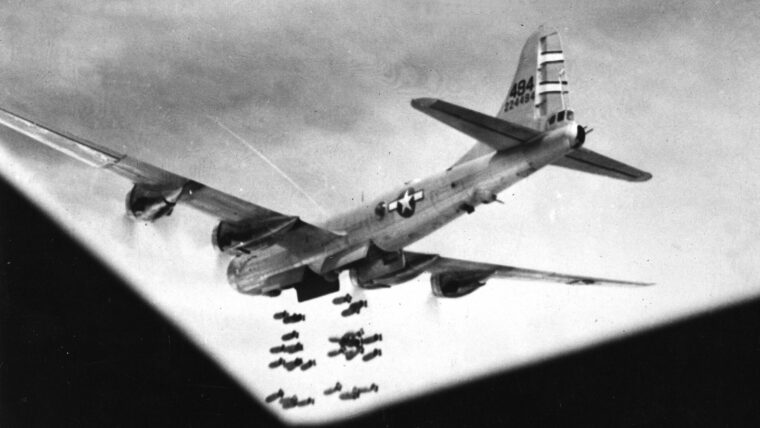
As the Japanese delegation stood on the deck of the battleship USS Missouri on September 2, 1945, preparing to sign the documents that ended World War II, a large formation of Boeing B-29 Superfortress heavy bombers swooped low over Tokyo Bay as a reminder of the terrible destruction that had befallen their nation and turned Japan’s cities into ruins. Read more
atomic bomb
The most controversial decision of the 20th century—probably in all of history—was the one reportedly made by President Harry S. Read more
atomic bomb
Morris “Moe” Berg was a man of many talents: linguist, lawyer, baseball player, spy. Although this Renaissance man gained a modicum of celebrity on the baseball diamond, Berg is best remembered as an operative for the OSS (Office of Strategic Services), a World War II forerunner of the U.S. Read more
atomic bomb
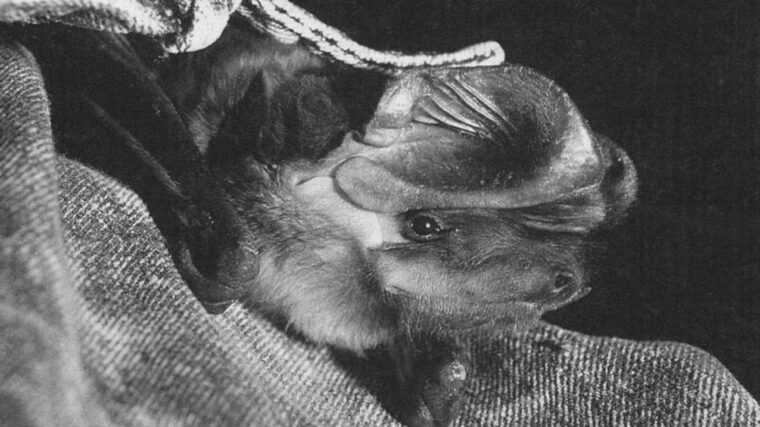
Imagine thousands of bats—silent, gray-furred, vigilant—huddled in the rafters of your home or office, each carrying a tiny device no larger than a thimble. Read more
atomic bomb
How did we get to dropping an atomic bomb on Hiroshima? Who was responsible? Where and when did it begin? Read more
atomic bomb
Imagine that you are an Allied soldier in the ETO. You are in your foxhole on the front line, looking and listening for any sign that the Germans are about to attack your position. Read more
atomic bomb
By Nathan N. Prefer
To the Soviet military, it is known as the Manchurian Strategic Offensive Operation. Although it had no official name to the Japanese, it has become known in the West as Operation August Storm. Read more
atomic bomb
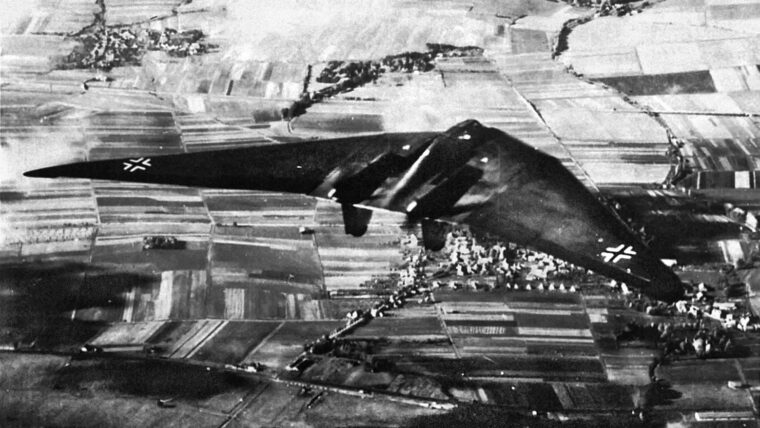
When it came to advanced military technology in World War II, arguably no one was better at it than Nazi Germany, whose scientists Adolf Hitler keep busy trying to invent the ultimate “super weapon” capable of defeating his enemies. Read more
atomic bomb
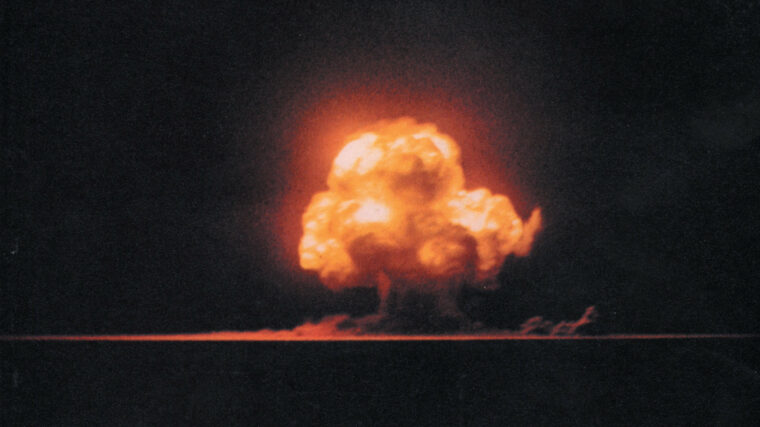
There was tight security and feverish activity on the dock at the Hunters Point Navy Shipyard in San Francisco Bay around 3 am on Monday, July 16, 1945. Read more
atomic bomb
The following is an account of Captain Jerry Yellin, who flew the last combat mission of WWII on the morning of August 15, 1945, out of Iwo Jima. Read more
atomic bomb
The men and women who imagined and then built the atomic bomb thought they were doing something different from what makers of “conventional” weapons did. Read more
atomic bomb
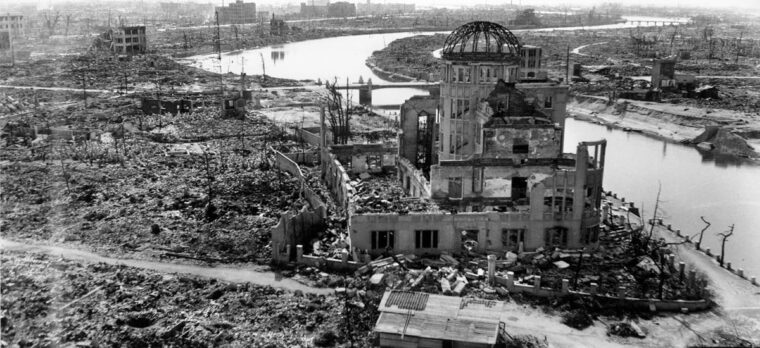
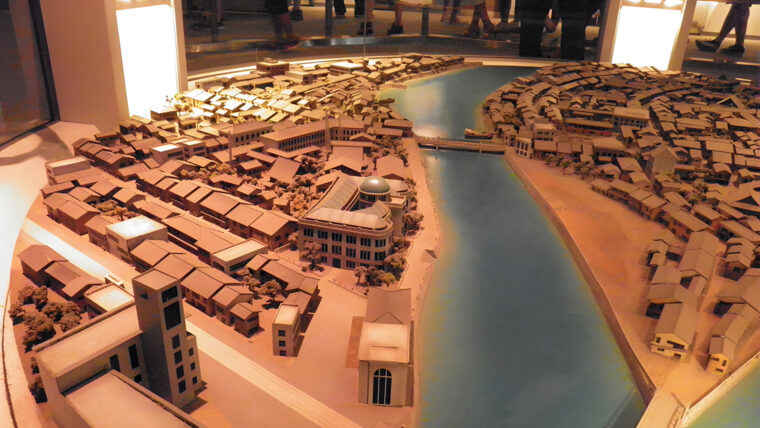
Although located 420 miles west of Tokyo, the city of Hiroshima is today a tourist mecca, drawing tens of thousands of visitors from around the world for one single reason: to stand at the epicenter of history’s first nuclear explosion used against an enemy population. Read more
atomic bomb
Major Sam P. Bakshas woke up that morning with the secrets in his head. He was one of the men flying B-29 Superfortress bombers from three Pacific islands—Guam, Saipan, and Tinian. Read more
atomic bomb
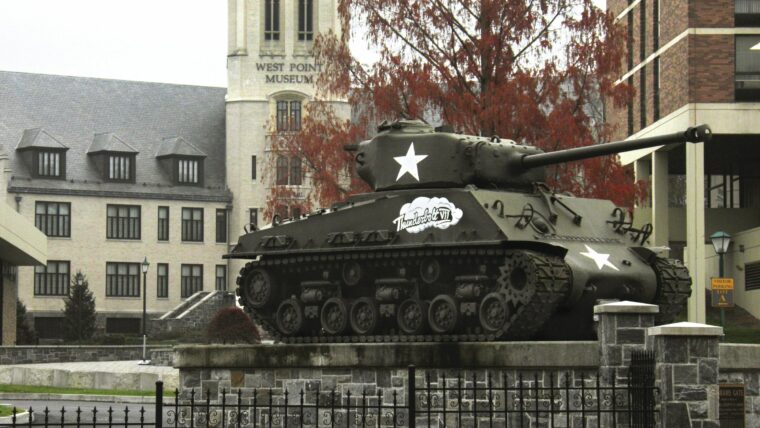
The West Point Museum, located in Olmsted Hall and adjacent to the Visitor Center at the United States Military Academy, about an hour’s drive north of New York City, contains what is considered to be the oldest and largest diversified public collection of military artifacts in the Western Hemisphere. Read more
atomic bomb
The small (population 12,000), central-Texas town of Fredericksburg, about an hour’s drive west of Austin and a little more than that northwest of San Antonio, may seem an odd location for the National Museum of the Pacific War until one realizes that Fredericksburg is the hometown of Fleet Admiral Chester Nimitz––the Eisenhower of the Pacific Theater. Read more
atomic bomb
On February 1, 1943, a group called the U.S. Army Signal Intelligence Service, the forerunner of the modern-day National Security Agency (NSA), began a project to intercept and analyze diplomatic signal traffic sent by an ally of the United States: the Soviet Union. Read more
atomic bomb
By the spring of 1945, the outcome of World War II was not in serious doubt. What was in serious doubt was the number of casualties that would eventually be required to bring the war to a successful conclusion. Read more
atomic bomb
In his 1964 book Gen. Douglas MacArthur (Gold Medal Books, Greenwich, Conn.), Bob Considine writes, “MacArthur’s final plan for winning the Korean War was outlined to this reporter in the course of an interview in 1954 on his 74th birthday. Read more
atomic bomb
As the months of 1945 passed at an agonizingly slow pace, Allied forces in the Pacific struggled unwaveringly toward Japan. Read more