luftwaffe
The Harrowing Return from the The Bombing of Bremen
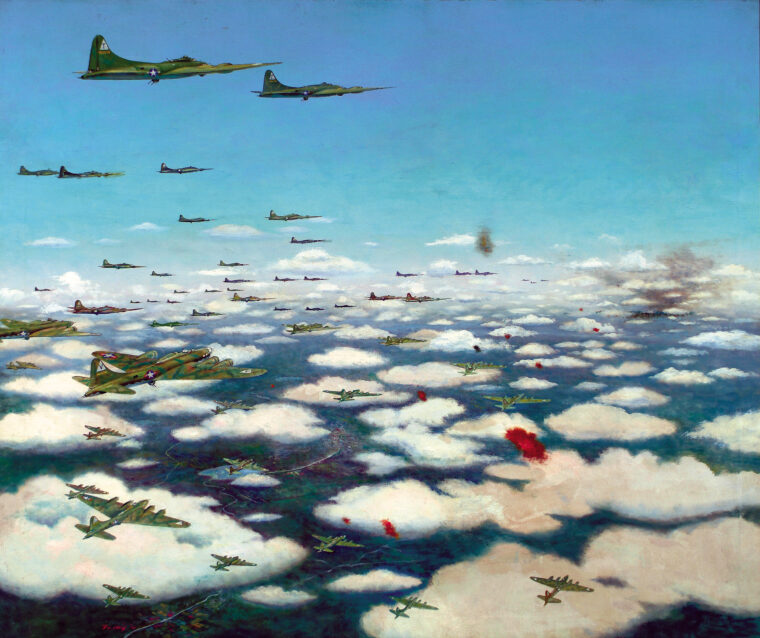
by Lowell L. Getz“Bombs Away” rang out over the intercom static of the 29 aircraft of the 91st Bomb Group (Heavy). Read more
luftwaffe
“Bombs Away” rang out over the intercom static of the 29 aircraft of the 91st Bomb Group (Heavy). Read more
luftwaffe
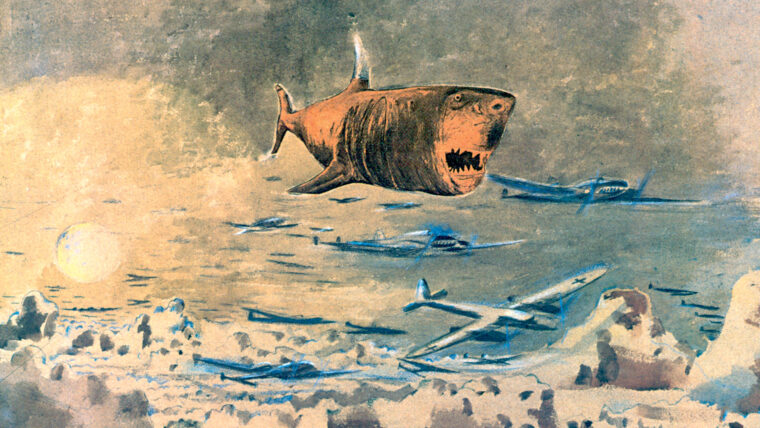
Near the end of World War II, Hitler boasted he was about to unleash Vergeltungswaffen, or “vengeance weapons.” Read more

luftwaffe
When World War II began in September 1939, just nine months before the Siege of Malta, its three small islands in the central Mediterranean were still considered part of the British Commonwealth. Read more
luftwaffe
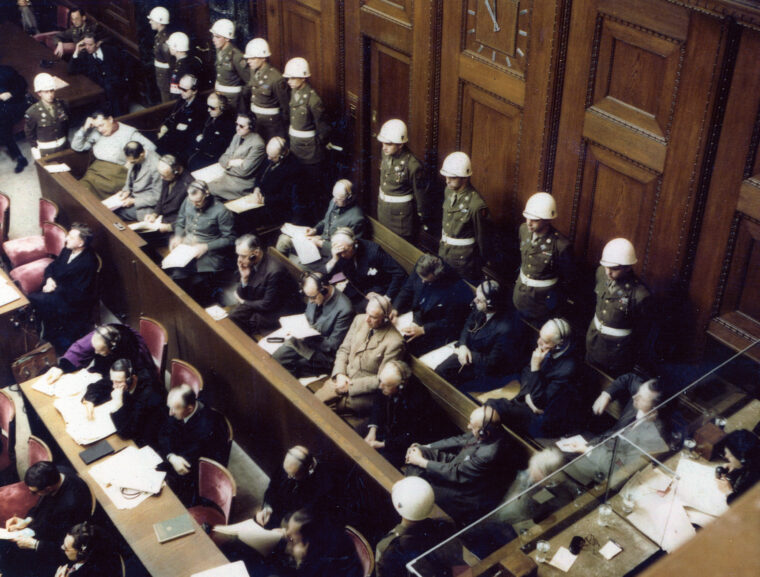
Stripped of the regalia and high position of Reich Marshal in the Nazi regime and tried as a war criminal, the former Luftwaffe chief was by far the most colorful and outspoken defendant during the postwar proceedings. Read more
luftwaffe
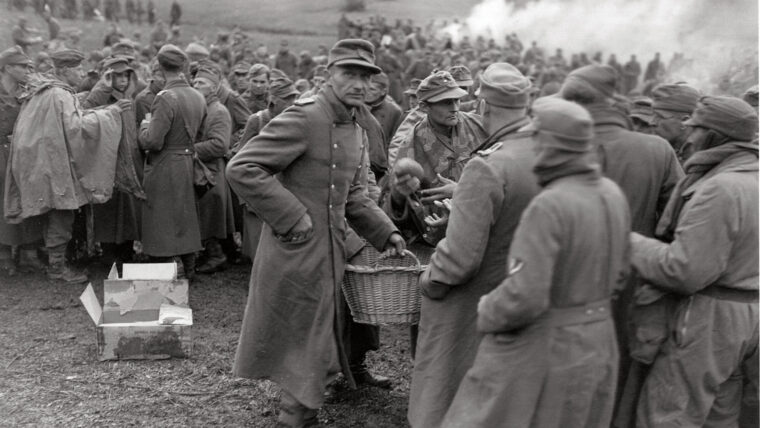
It was an impressive sight. Upon the reviewing stand as honored guest was General Dwight D. Read more
luftwaffe
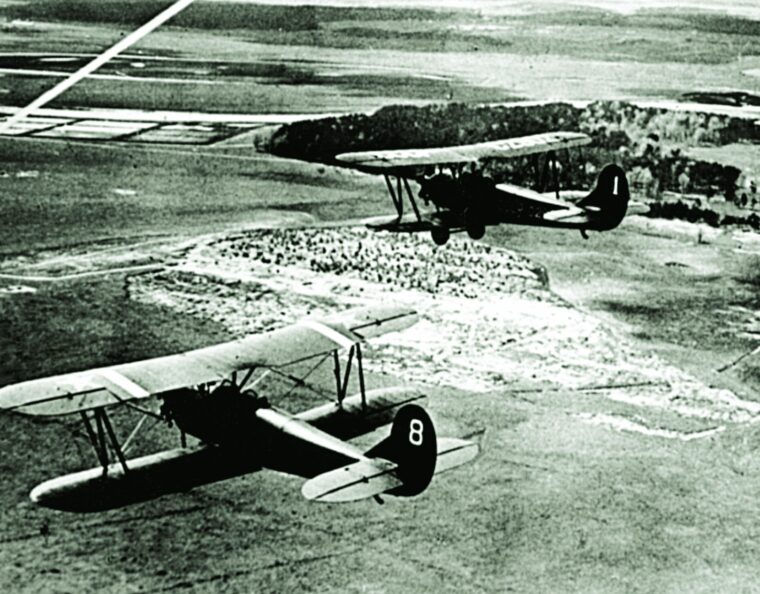
Ignoring a nonaggression pact between Hitler and Stalin, Nazi Germany launched Operation Barbarossa, an invasion of the Soviet Union, on June 22, 1941. Read more
luftwaffe
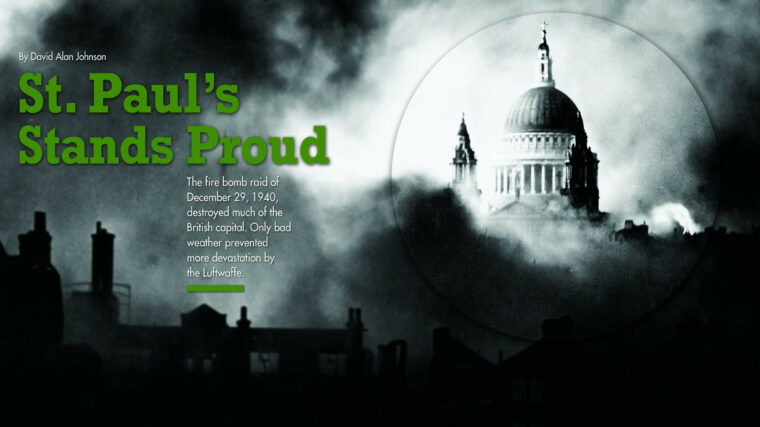
At St. Paul’s Cathedral, the rooftop lookout telephoned the cathedral control center at 6 pm to report that air raid sirens were sounding off to the southwest. Read more
luftwaffe
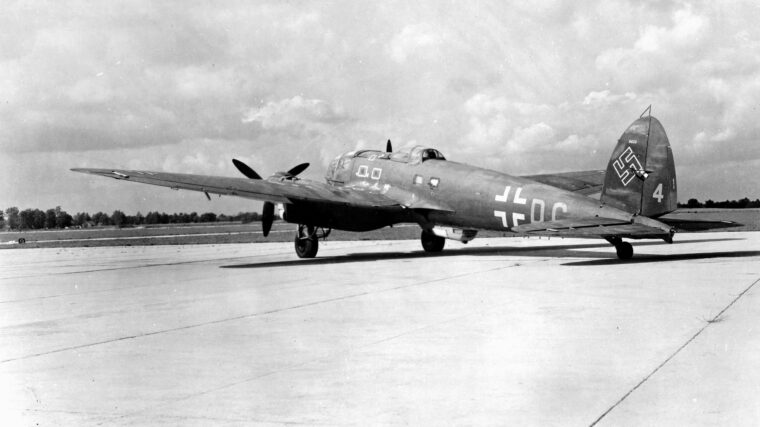
By early 1944, the Luftwaffe was only a shadow of what it had been at the beginning of the war. Read more
luftwaffe
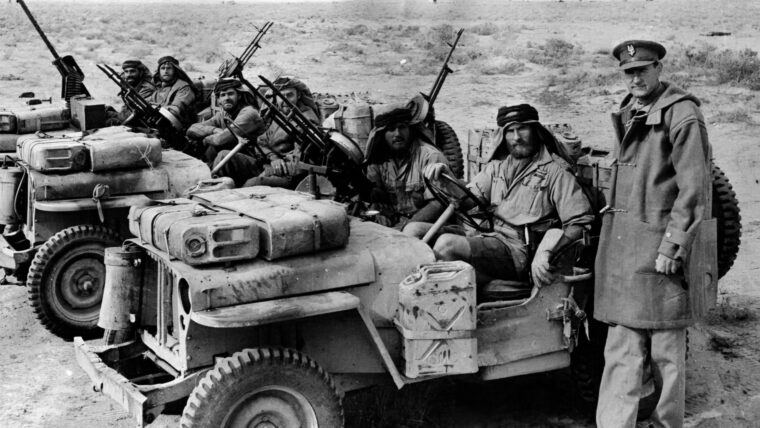
The night of December 14, 1941, was bitterly cold in the North African desert. Midway between El Agheila and Tripoli, Libya, was the German and Italian air base outside the town of Tamet. Read more
luftwaffe
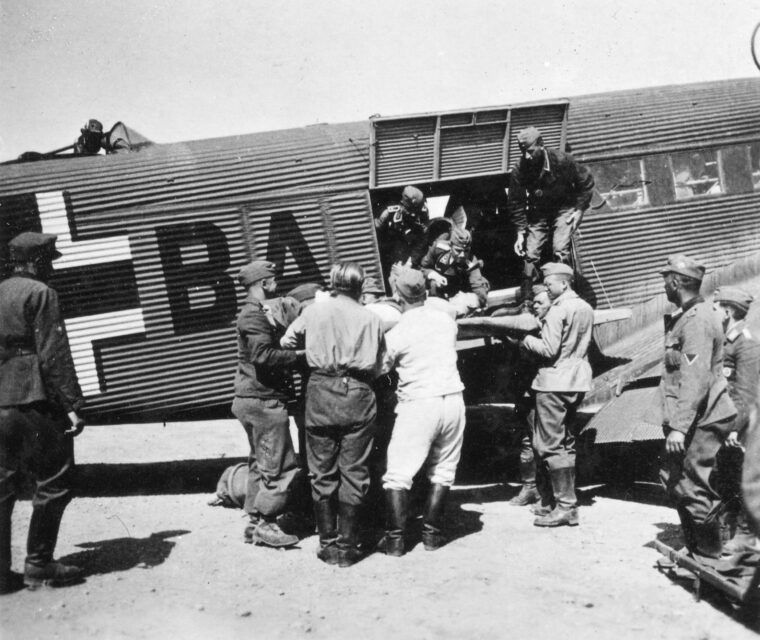
Sixty-five years ago, Reichsmarschall Hermann Göring’s Luftwaffe showcased its aerial triumphs in a 1942 commemorative book of photographs entitled Fliegen und Siegen (“Flying and Victory”). Read more
luftwaffe
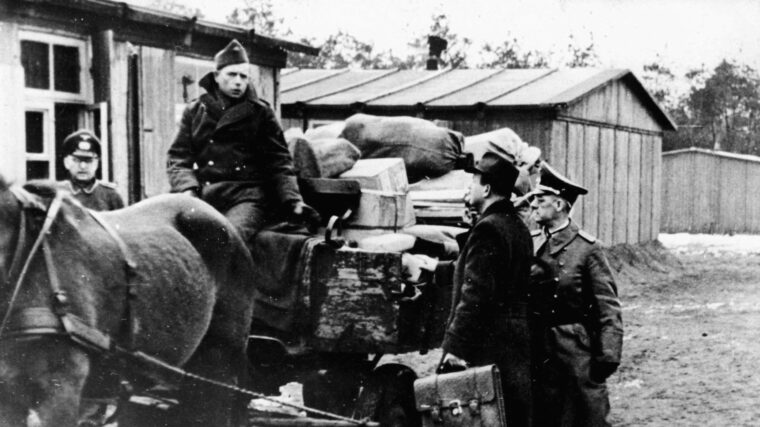
By 1945, the war in Europe was nearing its conclusion. Having suffered a severe defeat at the hands of the Allies in the Battle of the Bulge, Adolf Hitler’s seemingly indestructible Third Reich was quickly crumbling under the Allied juggernaut. Read more
luftwaffe
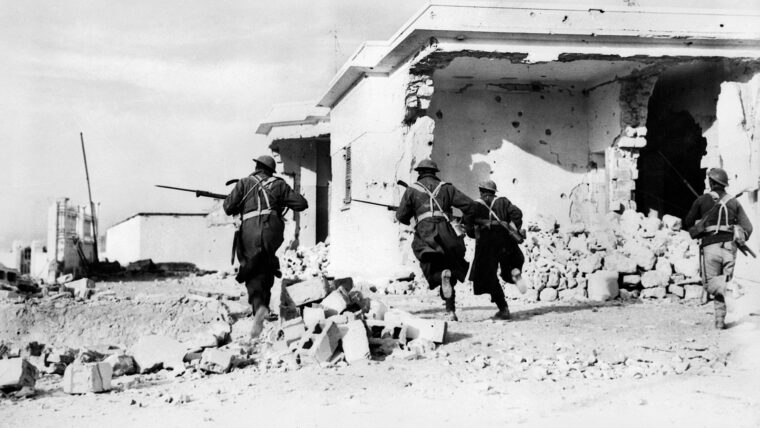
The desert sky lit up like a summer lightning storm on the night of December 31, 1941. The distant thunder of hundreds of guns rolled across the sandy, stony ground. Read more
luftwaffe
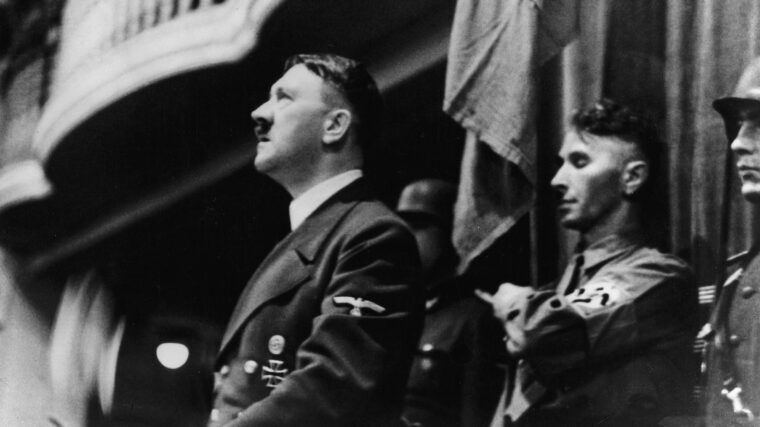
At exactly 8 PM on November 8, 1939, German Chancellor Adolf Hitler strode briskly into Munich’s Burgerbraukeller beer hall at the head of his glowering entourage, brushing past a forest of hands raised in the Nazi salute. Read more
luftwaffe
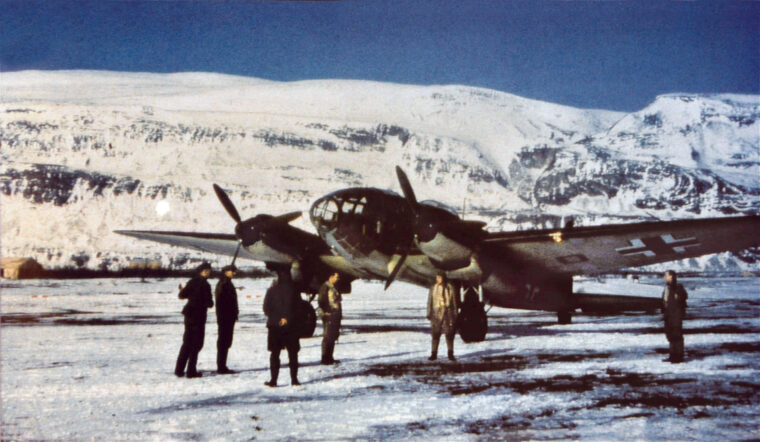
The fundamental pillars of war—strategy and tactics— inevitably depend on an imponderable and uncontrollable factor: the weather. With the increasing sophistication of weather data gathering, analysis, and forecasting in the early 20th century, predicting the weather became an integral part of World War II. Read more
luftwaffe
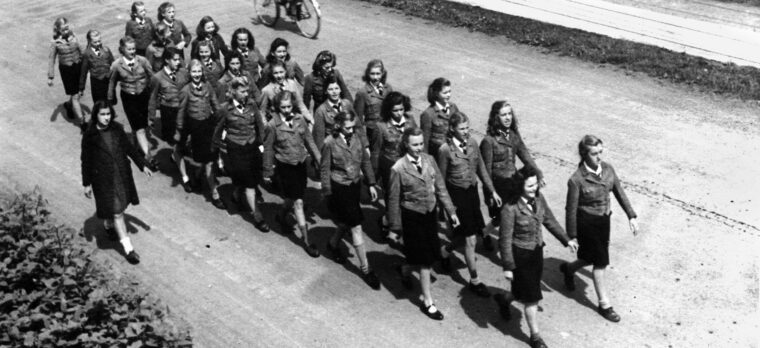
During the 12 years of the highly militarized society of the Third Reich, some 20 million Germans—men and women as well as children—donned a uniform of one kind or another. Read more
luftwaffe
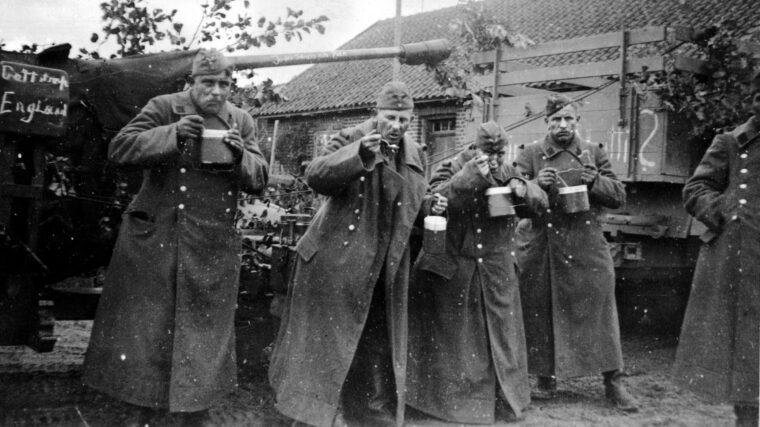
It was Napoleon Bonaparte who purportedly said, “An army travels on its stomach.” Toward the goal of feeding his particular army’s stomach more efficiently, in 1795 the French general came up with an interesting solution to the problem. Read more
luftwaffe
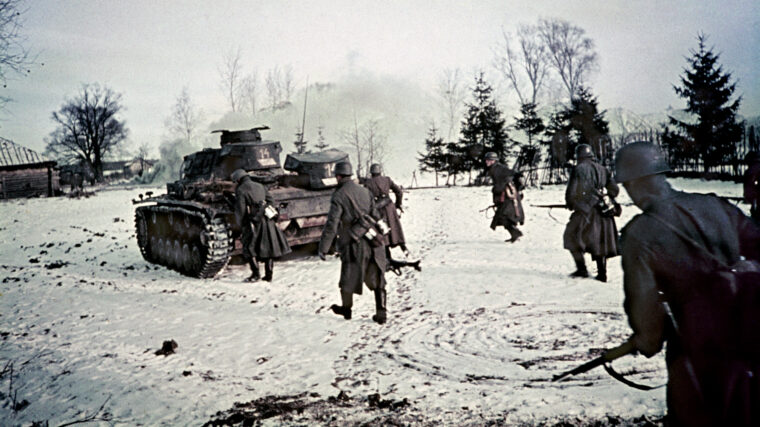
Many consider the Battle of Moscow in late 1941 to be the first turning point of World War II on the Eastern Front. Read more
luftwaffe
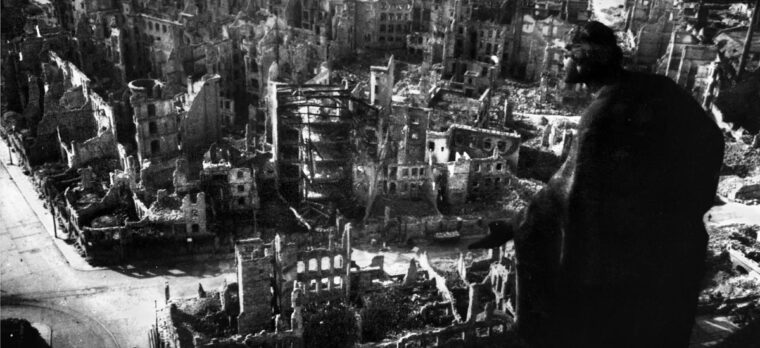
It was February 1945, and the Bombing of Dresden had yet to commence. At this point in the war, the citizens of the capital of the German state of Saxony were beginning to think that they were living a charmed life. Read more
luftwaffe
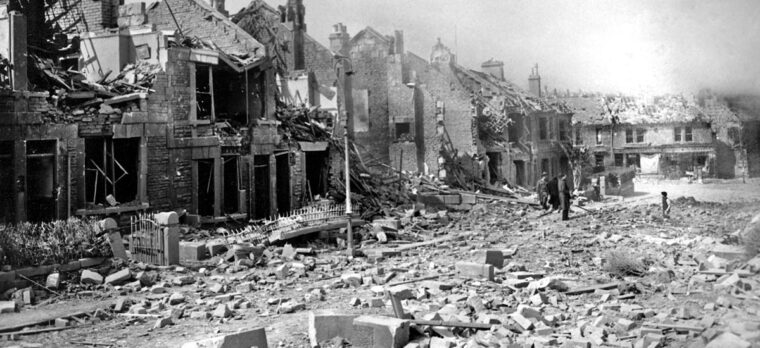
On Monday evening, April 27, 1942, Kathleen Stainer and her family readied themselves for sleep in the English countryside. Read more
luftwaffe
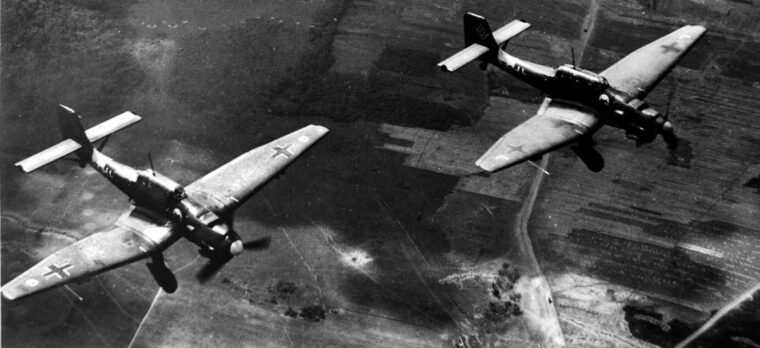
One of the deadliest and most effective airplanes of the Axis powers, the Junkers Ju-87 Stuka, owed its origin to a fearless World War I ace and, ironically, to innovative American aviation visionaries in the peaceful early 1930s. Read more