
Military History
World War I Weapons: Germany’s Big Guns
By William ScheckWorld War I’s stalemate on the Western Front ushered up varied solutions. The Allies developed tanks for traversing no man’s land to get at the enemy. Read more

Military History
World War I’s stalemate on the Western Front ushered up varied solutions. The Allies developed tanks for traversing no man’s land to get at the enemy. Read more
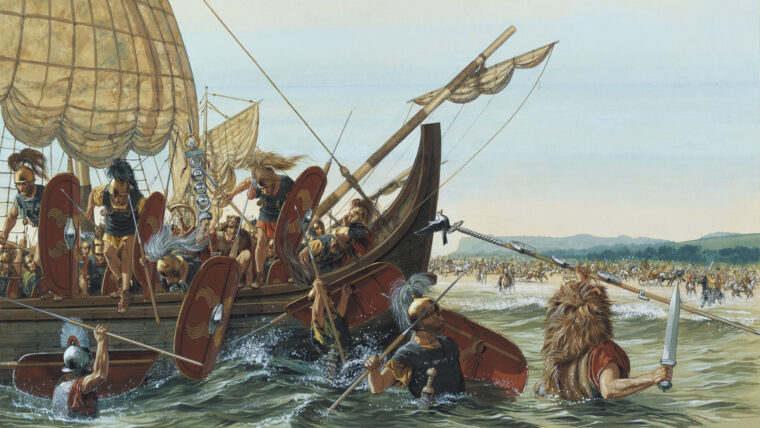
Military History
By the summer of 55 bc, 45-year-old Roman proconsul Gaius Julius Caesar was a veteran military campaigner. For the past three years, under his lead, the tramp of hobnailed sandals had resounded across the countryside of Gaul, the westernmost province of the Roman empire. Read more
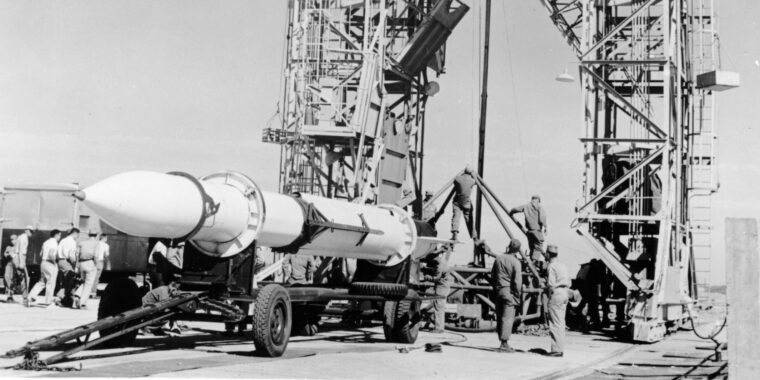
Military History
Six days after the Allies’ D-Day landings on the coast of Normandy in June 1944, Germany retaliated by launching its first Vergeltungswaffe, or Vengeance Weapon, at the city of London. Read more
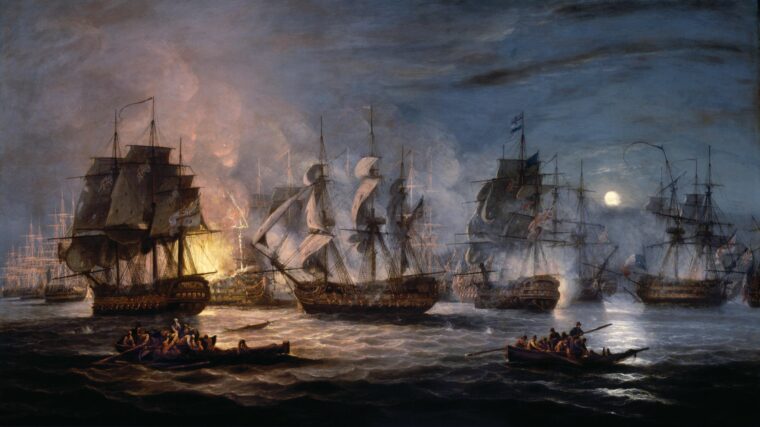
Military History
Smoke drifted across the quarterdeck of H.M.S. Vanguard, occasionally obscuring the figure of a slender officer bowed with battle wounds and outright exhaustion. Read more
Military History
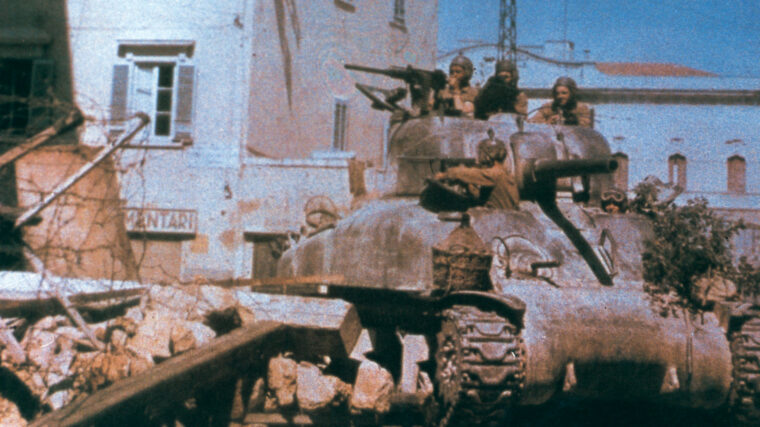
Since the first tanks rolled across the battlefield in World War I, armored crews have required specialized equipment to protect them inside the giant metal beasts. Read more
Military History
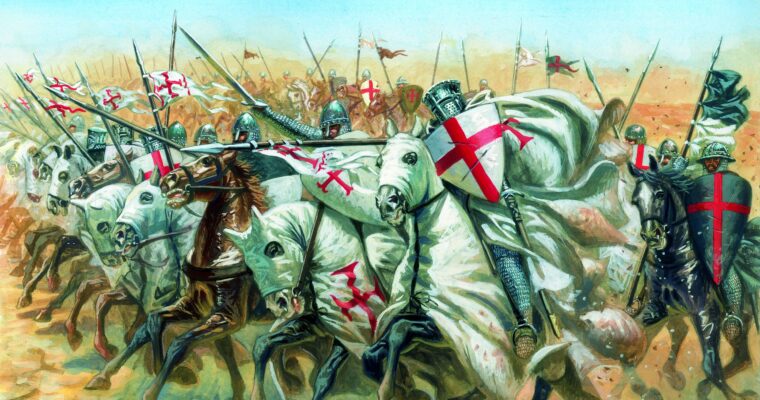
By 1119, the Holy City of Jerusalem had been back under Christian control for 20 years. The soldiers of the First Crusade had secured the city and re-opened it as a center for Christian pilgrimage. Read more
Military History
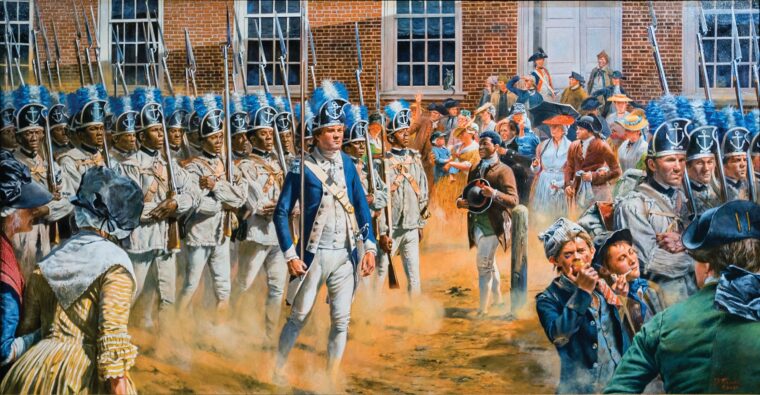
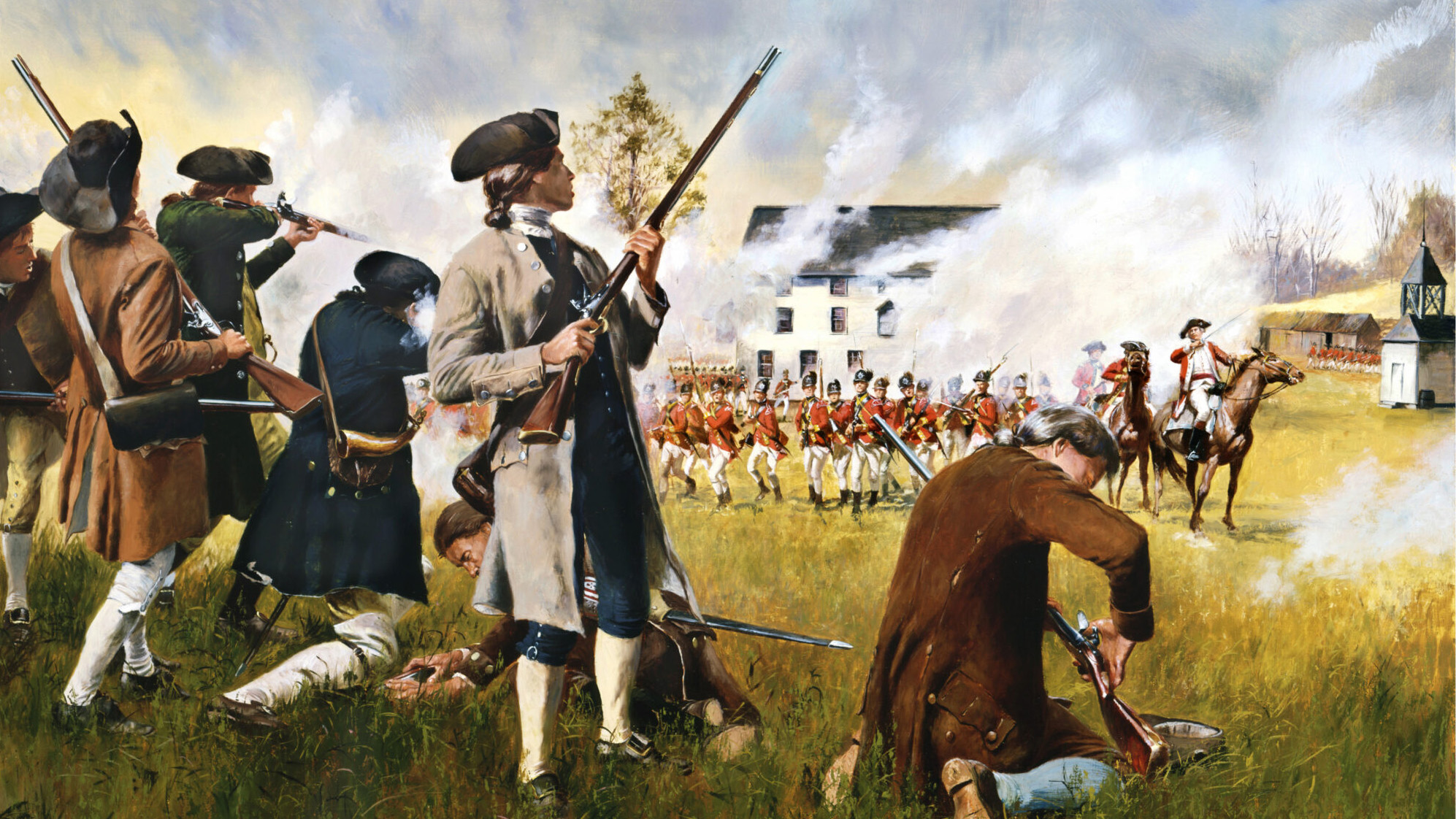
When the first shots of the Revolutionary War were fired at Lexington Green on the morning of April 19, 1775, Black men had already been serving in colonial militias for some time, particularly in New England. Read more
Military History
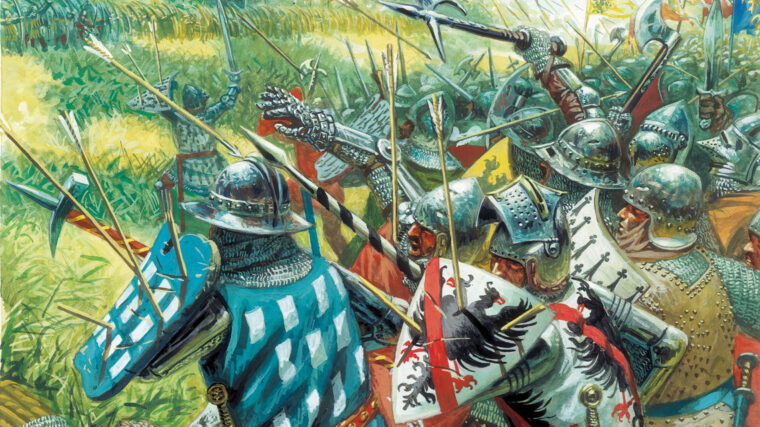
One month after the disastrous French defeat at Poitiers in September 1356, a large English army besieged Rennes in eastern Brittany. Read more
Military History
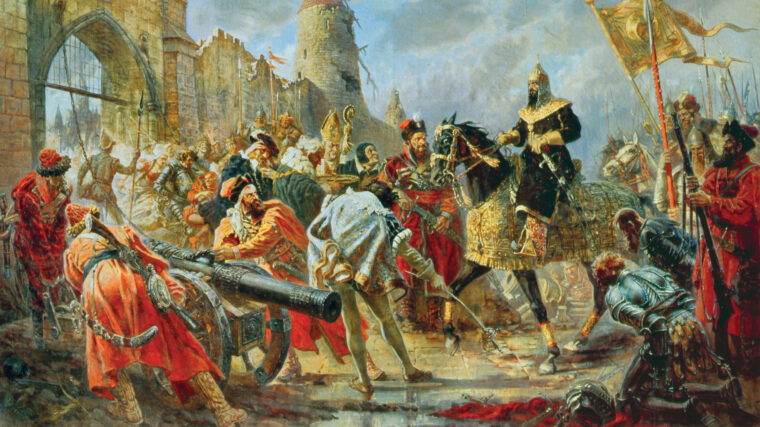
Ivan IV Vasilyevich, first czar of all the Russians, has gone down as one of history’s most notorious despots, infamous for the terrors he carried out among his subjects. Read more
Military History
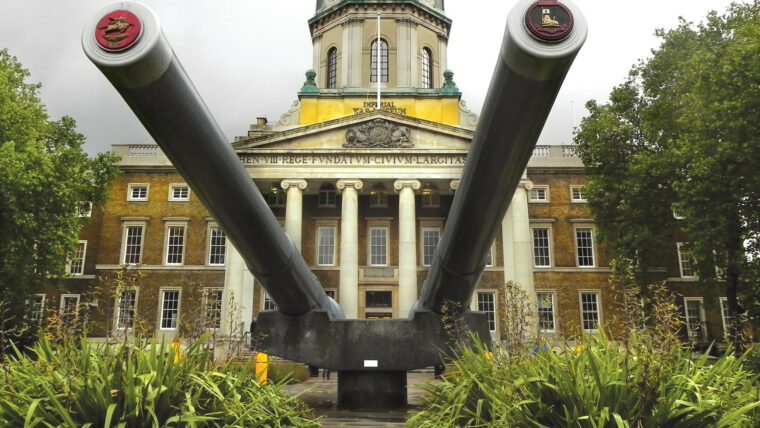
Although Britain has a number of war museums, the Imperial War Museum (IWM) is acknowledged as the Holy Grail of them all—the one you must visit when in London. Read more
Military History
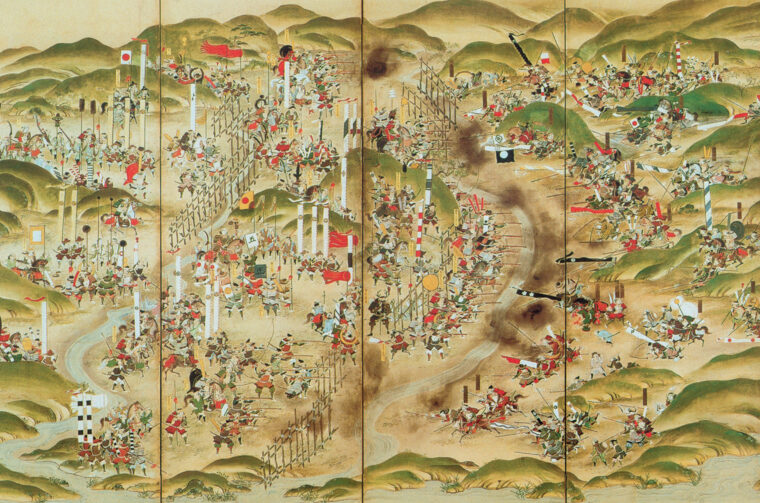
By the time of his death in 1582, he controlled 30 of Japan’s 68 provinces, was the commander of the greatest samurai army in his country’s history, and had earned the distinction of being the first of the three great unifiers of Japan. Read more
Military History
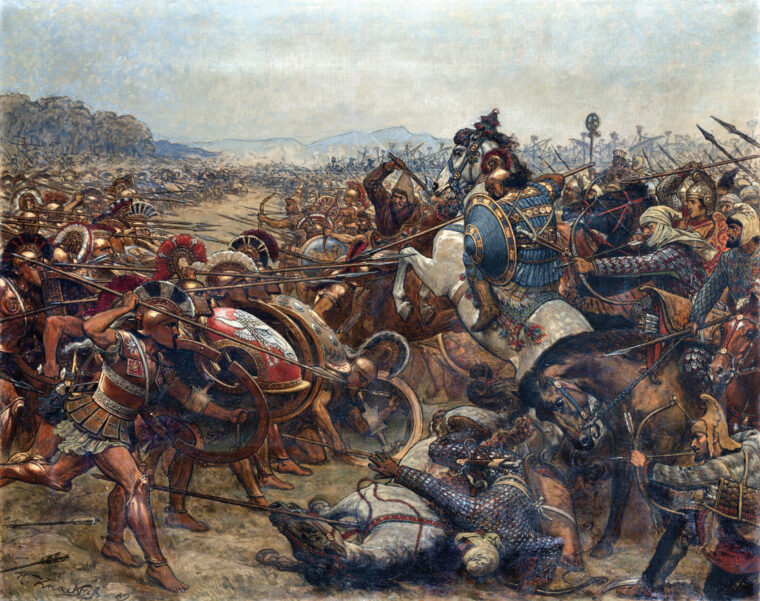
In 491 bc, heralds sent by Persian Emperor Darius I traveled throughout Greece with a message for each of the city-states of the Greek peninsula. Read more
Military History
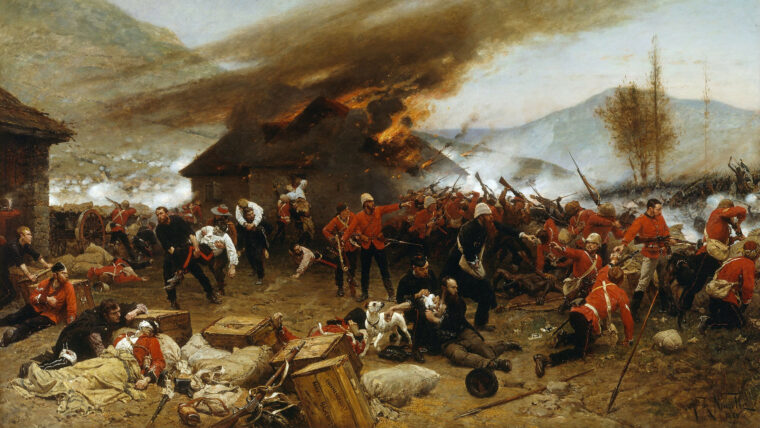
Defeat has a funny way of producing heroes.
The British lost an embarrassing battle to Zulu tribesmen at Isandhlwana, but the improbable defense of an insignificant river crossing 10 miles away by a handful of rear-echelon soldiers, overage officers, and civilians created a new crop of heroes for the public to idolize. Read more

Military History
December 7, 1950 dawned bitter cold in the remote mountains of North Korea. More than 14,000 U.N. Read more
Military History
In the long history of American military intelligence, the names that come to mind most often are those of Nathan Hale, Benedict Arnold, Herbert Yardley, and William Donovan. Read more
Military History
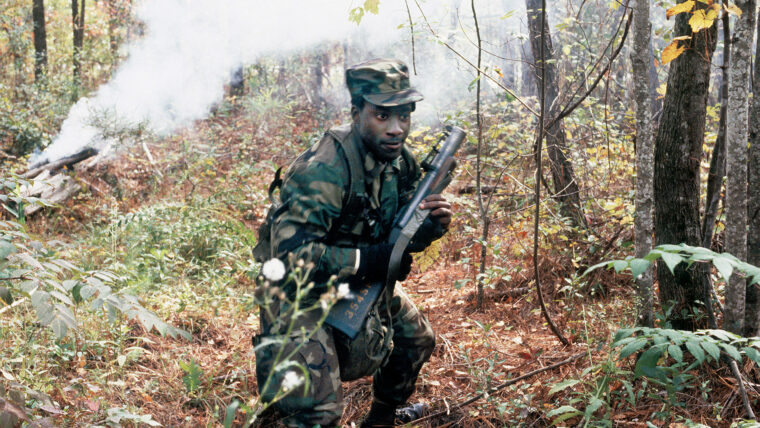
I fired the M79 grenade launcher in advanced infantry training at Fort Dix, New Jersey, in 1965, and had one on the back seat of my machine-gun jeep during my tour of duty in South Vietnam in 1966-1967 as a member of the U.S. Read more
Military History
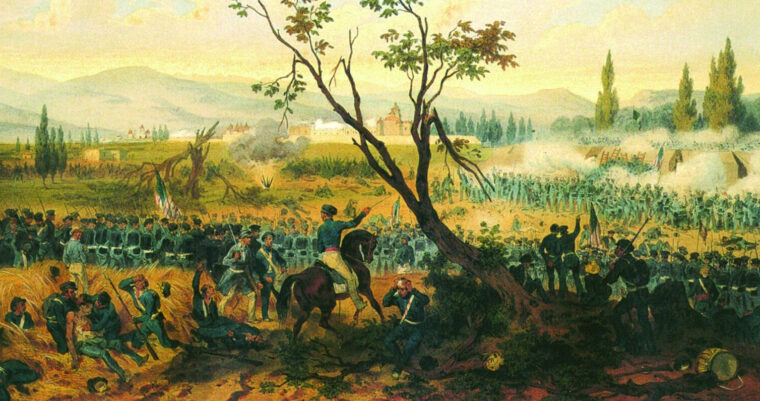
Men have been reporting their wars almost as long as they have fighting them. The first prehistoric cave drawings depicted hunters bringing down wild animals, and spoken accounts of battles, large and small, formed the starting point for the oral tradition of history. Read more
Military History
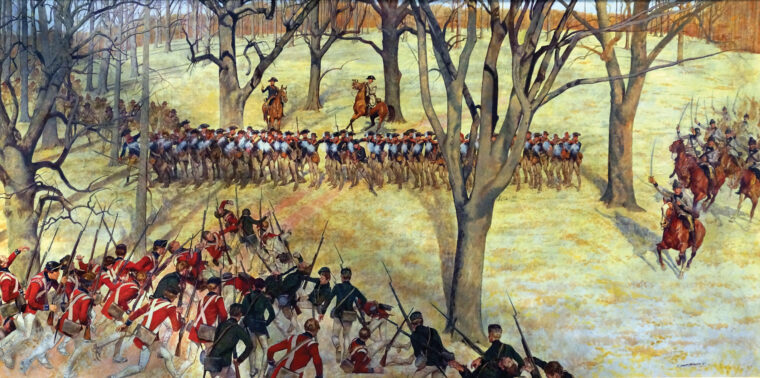
The lieutenant had reached the end of his tether. It was time to cut this impudent American wagoner down to size with the flat of his sword. Read more
Military History
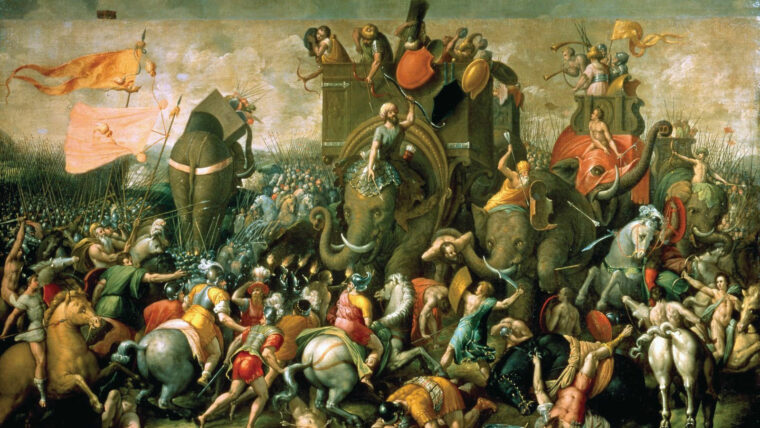
Imagine a time when human knowledge of elephants was not widespread. Just think how threatening these large animals would be coming over a hillside or out of a mist during battle. Read more
Military History
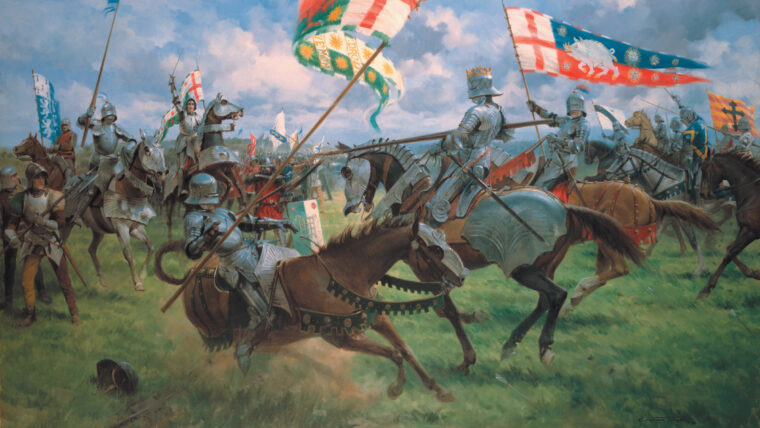
Like bees guarding their hive, the royal host of King Richard III swarmed atop 400-foot-high Ambion Hill near the Leicestershire village of Market Bosworth on the morning of August 22, 1485. Read more
Military History
