By Joshua Shepherd
As the first streaks of dawn painted the horizon, all was quiet in the American squadron anchored at Put-in-Bay. A southwest wind was just beginning to furrow the waters of Lake Erie as the sun rose on the morning of September 10, 1813.
For weeks, the American ships had cruised the western reaches of the lake, returning without incident to safe harbor on South Bass Island, three miles from the southern shore. Squadron commander Master Commandant Oliver Hazard Perry had no reason to expect anything but the same on such a fine fall morning until there were determined shouts from the maintop of the brig Lawrence. The white canvas of enemy sails had been spotted on the blue waters of the lake.
Within moments, signal flags fluttered above decks, directing Perry’s ships to get underway. Orders were shouted to scrambling crewmen: “All hands up anchor!” After months of waiting, Perry realized the day had arrived for the final showdown for control of Lake Erie, and with it, the fate of the war on the Northwest frontier.
War had come to the vast inland seas of the Great Lakes as the young United States was inexorably drawn into the vast swirling political currents of the Napoleonic Wars. While the European powers were locked in an epic struggle that rent the continent, the hard-pressed British Navy, desperate for more manpower, implemented a controversial policy of impressment on foreign vessels. Ostensibly designed to take British deserters back into custody, impressment inevitably fell on hapless American citizens aboard American flag vessels.
Affairs on the frontier only exacerbated increasing diplomatic tensions. Since the close of the Revolutionary War, Native American nations such as the Huron, Iroquois, Shawnee, and others of the Northwest (Ohio Valley region) had waged a series of bloody wars terrorizing much of the frontier and effectively slowing American expansion. British agents operating out of Canada publicly advocated for peace, but privately prepared the tribes for a military alliance in the event that war erupted. American fears of British intrigue among the Indians infuriated western states and their representatives in Congress.
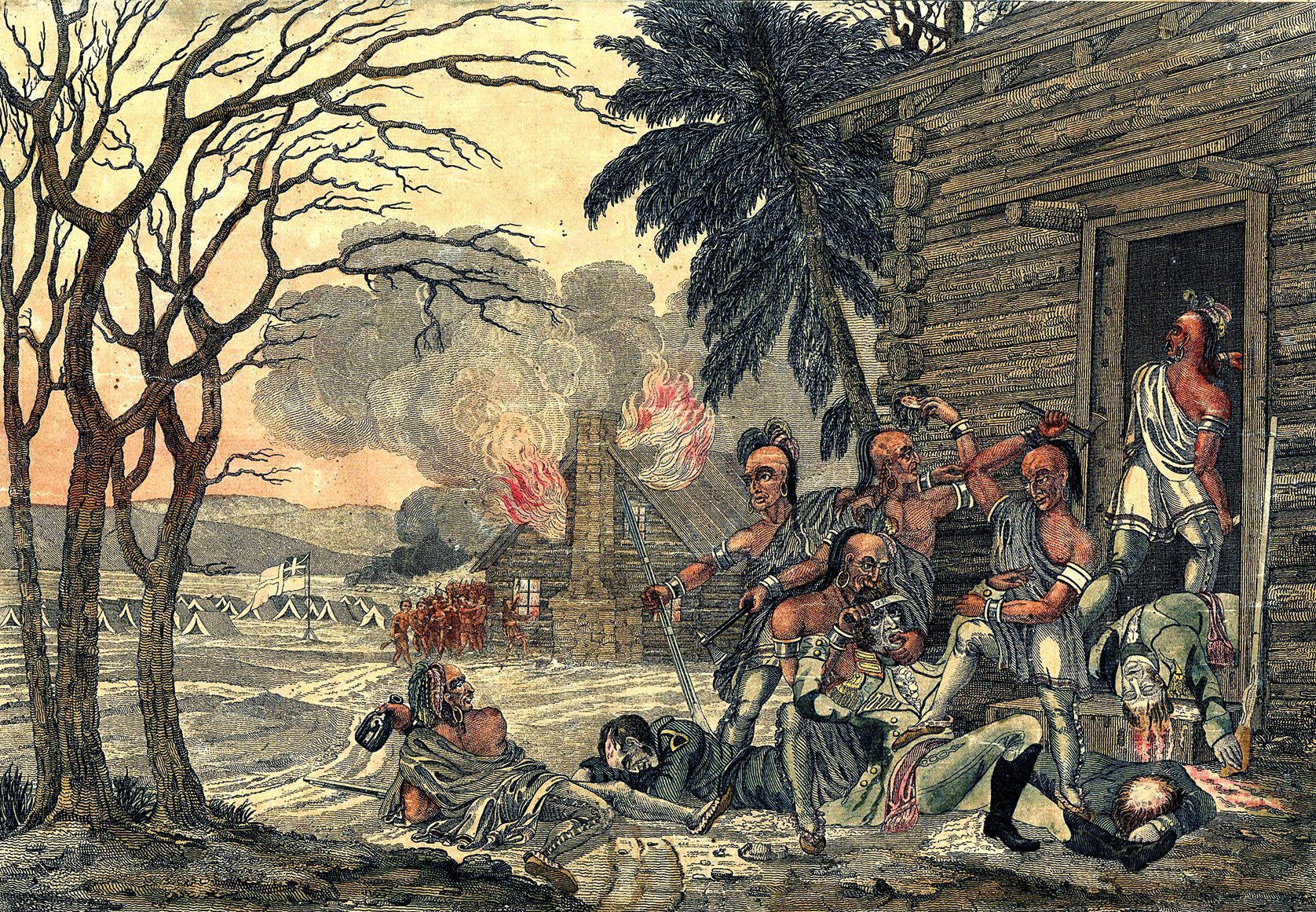
Peace efforts proved ineffective as both nations steered a slow course to war. Past the point of no return by June of 1812, America issued a declaration of war. Wielding her considerable maritime power, Great Britain blockaded the eastern seaboard and the vast Canadian border loomed like a storm across the northern United States.
As the nation braced for war, America faced a naval disadvantage that bordered on the absurd. Great Britain had long been considered the world’s foremost maritime power, and for good reason. At the outset of hostilities, the Royal Navy possessed an impressive fleet of 700 ships of war. By comparison, the United States possessed only 17 warships and 165 gunboats.
In fact, the unique geography of North America ensured that a naval confrontation would, ironically, unfold hundreds of miles from the coast. Along the border with Canada, the five Great Lakes were key to inland trade and immediately recognized as strategically vital to the American war effort. Although the United States could never hope to win control of the high seas with a major fleet action, it was hoped that the young republic could dominate the freshwater lakes in her own backyard.
Overall command of the war effort on the Great Lakes was assigned to Capt. Isaac Chauncey. His selection for such an important post, which would require creating a fleet from scratch, had much to commend it. A veteran officer of lengthy service, Chauncey was a dedicated Navy man, albeit woefully lacking in combat experience. He made up for that deficiency with extensive experience in shipbuilding, acquired through a successful stint running the New York Navy Yard. Chauncey’s skill in ship building and management would prove a vital asset as the Americans hastily threw together a fleet, literally from the keel up.
Of immediate concern to Chauncey was locating suitable harbors to get shipyards up and running. While he would oversee the war effort on Lake Ontario from a base at Sackets Harbor, Chauncey delegated oversight of construction operations on Lake Erie to Jesse Duncan Elliott, a promising lieutenant who had been in the service for nearly a decade.
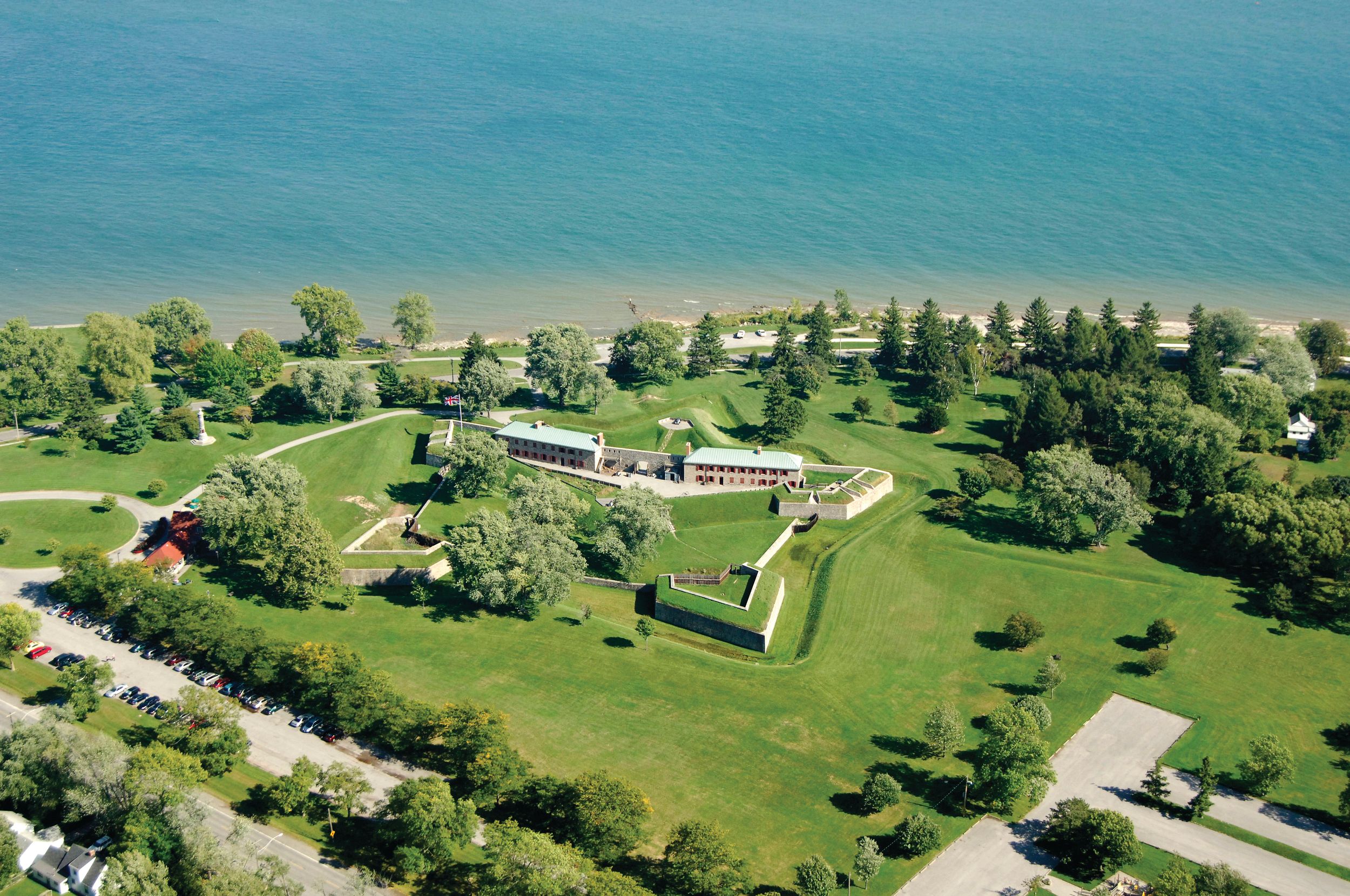
Elliott chose Black Rock, a harbor on the Niagara River situated near the eastern end of Lake Erie to set up construction. Although Black Rock already had a small ship yard, access to the lake was somewhat restricted due to the Niagara’s swift current. Moreover, the British installation of Fort Erie ominously frowned from across the river.
The ambitious Elliott, after eyeing British vessels in the Niagara River for weeks, decided to take action. In the early hours of October 9, 1812, Elliott and a hand-picked force rowed across the river, quietly boarding the H.M.S Detroit and the HMS Caledonia, a captured Canadian merchant ship. The Detroit, formerly the U.S. Army brig Adams, ran aground on an island in the river and was torched by the Americans, who made off with the Caledonia after running a gauntlet of enemy fire. The exploit earned Elliot a fair share of notoriety.
Unbeknownst to Chauncey and Elliott, the Madison Administration was making decisions outside of the chain of command that would alter the trajectory of the war on the lakes. Daniel Dobbins, an experienced Great Lakes merchant captain, visited Washington and lobbied for the Presque Isle shipyard at Erie, Pennsylvania, to become the new center of construction.
Intimately familiar with the lake, Dobbins convinced Madison that Black Rock was unsuitable for the Navy’s forthcoming operations and was assigned supervision of the Presque Isle shipyard. Elliott seems to have been nettled at being sidelined by civilian authorities.
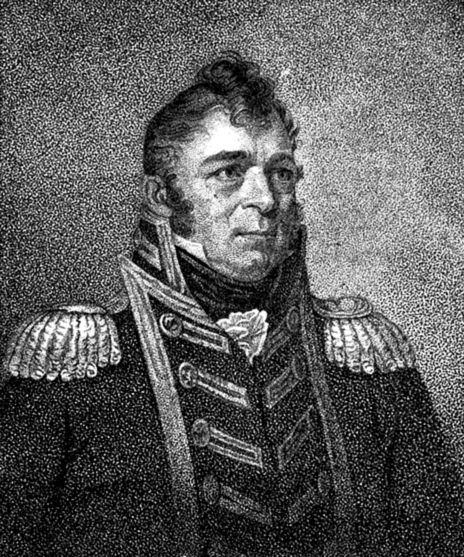
As Chauncey began to assemble his team for prosecuting the war on the lakes, he received an offer from Perry, an up-and-coming officer eager for a combat assignment. From his childhood, Perry seemed destined for the sea. Every male in his family had served in the Navy and Perry followed suit, signing on as a midshipman at 14.

By 20, Perry was a master commandant, the equivalent of a commander in the modern navy, and able to command a ship of 20 guns or fewer. But an unfortunate stroke of bad luck left a stain on an otherwise impeccable service record. In 1811, Perry’s gunboat Revenge was sailing off the coast of his native Rhode Island in a fog when it struck a reef and sank. Though officially cleared of wrongdoing, the incident hung like a pall over Perry, who was unable to secure a coveted saltwater command when war erupted with Great Britain.
Desperate to prove himself in action, Perry offered his services to Chauncey, who took a chance on the young officer and offered him command of construction efforts on Lake Erie. Chauncey initially planned to assume command in person once a squadron was assembled.
In fact, the impending naval struggle over Lake Erie was quickly proving itself vital to the entire war effort on the northwestern frontier. In January of 1813, an advanced American column was attacked and captured nearly en-masse at the River Raisin just south of Detroit. Consequently, the American theater commander, Maj. Gen.William Henry Harrison, was forced to cancel his campaign northward and instead fortified his army at Fort Meigs in northwestern Ohio.
With the British firmly in command of Erie and the Detroit River, it was obvious that control of the lake had become imperative to victory. Harrison was forced to remain at Fort Meigs until the Navy could come to grips with the enemy squadron that dominated the lake.
In February 1813, Elliott was transferred to Lake Ontario and replaced as commander of the Lake Erie squadron by Perry, who arrived at the frontier backwater town of Erie during the bleak March of 1813. Despite its isolated location, Presque Isle Bay proved an ideal base for the construction of a squadron. Five miles long and two miles wide, the bay offered commodious safe harbor for American vessels. Across the mouth of the bay, a sandbar only six feet below the surface afforded a measure of protection from enemy vessels. The new vessels had to be carefully maneuvered over the bar to exit the bay—using wooden pontoons called “camels” to lift the ship up, then using its anchor to pull it forward in a process called “kedging.”
Perry pitched into his assignment with vigor, hoping to breathe new life into an idle shipyard. Winter doldrums had demoralized the work crews, who halted construction due to the forbidding cold on the Lake Erie shoreline. Perry immediately ordered work to resume, bringing much-needed direction, discipline, and purpose to the Presque Isle boat yard.
The British meanwhile, had not been idle. Command of operations on Lake Erie was assigned to Robert Heriot Barclay, a career captain and steady veteran who had suffered six wounds in action, including the loss of his left arm. Barclay had every intention of maintaining British dominance on the lake. To that end, he ordered regular cruises, and kept up a blockade outside of Presque Isle, effectively trapping the American squadron then under construction.
Keen to retain an upper hand in the high-stakes arms race, Barclay likewise undertook an ambitious building project of his own near Fort Malden on the Detroit River. Chief among his projects was the construction of a new HMS Detroit to replace the ship destroyed during Elliott’s raid. At 110 feet long, with a complement of 20 guns, it would be formidable by lake standards, easily the most powerful vessel in the theater. Despite severe shortages of manpower and materials, construction proceeded slowly but steadily. Britain prided itself on mastery of the water, and the boat yard at Fort Malden threatened just that.
Perry, however, had every intention of matching the British gun for gun. Work continued apace over the spring and summer of 1813, and by July, Perry was in command of a respectable squadron of nine vessels, which included the two big brigs USS Lawrence and USS Niagara. He had also received reinforcements from Commodore Chauncey, which brought his force up to nearly 600 men. Among the reinforcements was Elliott, who had been transferred back from Lake Ontario and promoted to master commander. He would now serve as Perry’s second-in-command. Although still undermanned, the squadron had a solid core of experienced sailors as well as a mixed bag of “blacks, soldiers, and boys,” according to Perry.
On August 1, 1813, the Americans had a stroke of good luck. For reasons still not understood, Barclay’s blockading vessels inexplicably disappeared and Perry decided the time was right to make a run out of the bay. His smaller ships crossed the sandbar with ease, while it took three days to kedge the Lawrence and Niagara over the bar. But with his squadron finally united, Perry was free on the lake.
As his base of operations, Perry chose Put-in-Bay on South Bass Island, a small but suitable anchorage about three miles from Lake Erie’s south shore, but within striking distance of the mouth of the Detroit River. It was a threat to British supply lines that Barclay could not ignore. Under mounting pressure from the army at Fort Malden, Barclay had little choice but to seek battle. After stripping the artillery from Fort Malden, Barclay was able to arm the newly-completed Detroit. On September 9, a determined Barclay sailed into the lake at the head of six vessels.
The Americans at anchor in Put-in-Bay had no idea that the British were on the loose until lookouts spotted those six sails to the west on the morning of the 10th. Perry realized that Barclay must have come looking for a fight and he was eager to oblige. Sailors leapt to action, amid a flurry of shouted orders, in a desperate attempt to get the ships underway.
But as the crews scrambled, an anxious Perry glanced nervously at the canvas stretched across his masts. Not only had the British unexpectedly caught him at anchor in the bay, but he was facing the nightmare of naval commanders during the age of sail—the wind was against him.
A steady wind of seven knots was sweeping across the lake from the southwest. As his ships formed up into a ragged line and exited the mouth of the bay, Perry faced an unenviable predicament. He had spent months building a squadron to secure the superiority of Lake Erie, but that superiority was quickly vanishing, both figuratively and literally, with the wind.
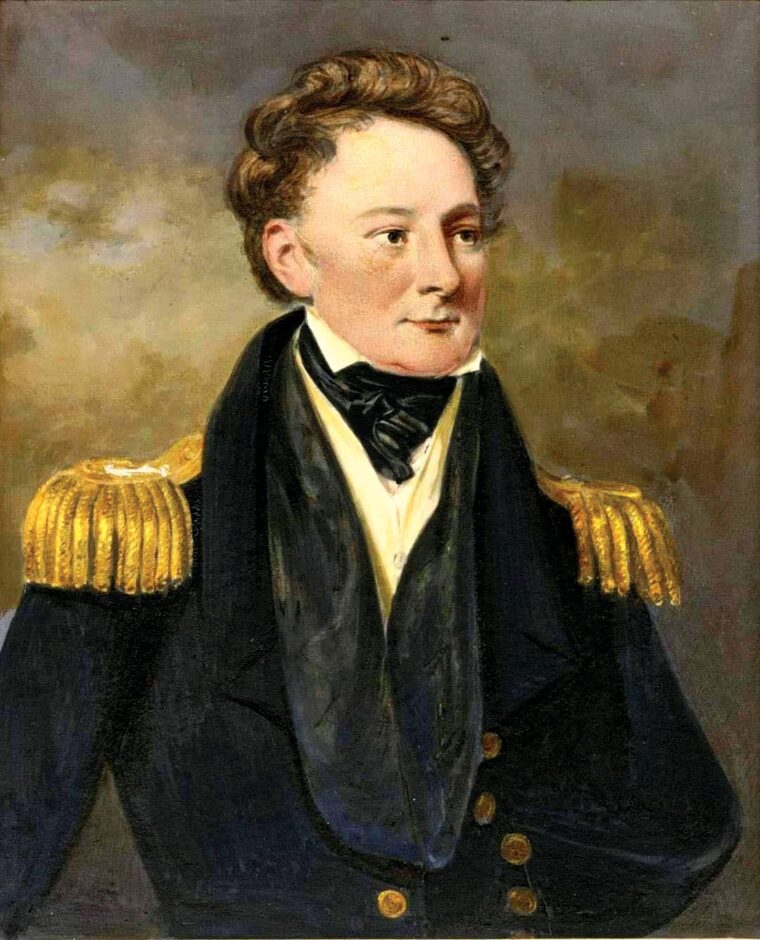
If Perry was forced into action without the wind in his favor, his short-range heavy carronades would be nearly useless. Barclay would be able to keep his own ships largely at a safe distance and batter the American ships with impunity. Perry’s only hope to avoid that disaster was to tack into the wind, working his way back and forth in a desperate hope to clear the eastern side of Rattlesnake Island. If he could clear the island, Perry hoped to head off the enemy squadron in the waters west of Put-in-Bay.
For three gruelling hours, Perry and his increasingly frustrated men tacked back and forth, cursed the wind, and made little progress. As the little fleet neared Rattlesnake Island, it was obvious that the Americans had run out of room to maneuver and would be forced to run south of the island, and into the wind.
Perry was forced to make a quick decision, and held a brief conversation with his sailing master, William Taylor. A skilled sailor who could read the wind like a book, Taylor intuitively understood that the American ships could very quickly be trapped with no escape. Even if they made it east of the island, they might be caught in the tight confines of the Bass Islands and shot to pieces. If they did make it into the open lake, they might have more room to maneuver, but would still be fighting into the wind.
An inherently aggressive naval commander, Perry made the decision to pitch straight for the British and give battle regardless of the tactical considerations. Taylor cautioned that not securing the weather gauge could prove disastrous. Perry, whose blood was up, would have none of it. “I don’t care,” Perry ordered, “to windward or to leeward, they shall fight today.”
At that, the die was cast. Perry’s disjointed squadron made for the south side of Rattlesnake Island and headed for the open waters of Lake Erie, in the full realization that they would be at a decided disadvantage, struggling against both wind and iron. Perry surely cursed his luck; about to face the greatest test of his life by fighting a battle not of his choosing.
And then in an unexpected turn of events, the wind that the Americans had been struggling against for three hours simply died. Sails fell limp, the ships sat quietly in the water, and every man in the American fleet, from the lowliest gunner to the squadron’s commander, stared in disbelief. Perry could only contemplate his fate.

After five minutes of apprehensive inertia, the wind returned. Only now, it was from the southeast, and Perry’s fortunes, in a matter of minutes, had changed dramatically. No doubt delighted at the unexpected shift, Perry once again ordered his ships to make for the enemy squadron. The Americans now held the weather gauge.
At 10 a.m., the American ships passed Rattlesnake Island and steered a course for the enemy, visible eight miles to the northwest. Progress was slow in the light wind, allowing Perry the time to form up his line of battle for the coming fight. As the Americans approached, the British vessels hove to and coolly waited. Barclay had every intention of giving battle, winds be damned.
Barclay formed his battle line to spread the fire of his heaviest ships as equally as possible. The van of the British line was occupied by the Chippawa, a converted schooner. Next in line was the most formidable vessel on the lake, the Detroit, commanded by Barclay himself. The brig HMS General Hunter followed in its wake. Then came Barclay’s second biggest ship, the HMS Queen Charlotte, followed by the gunboats HMS Lady Prevost and HMS Little Belt at the tail of the British line.
Observing the enemy’s dispositions, Perry reorganized his own line for the coming fight. The schooners USS Ariel and USS Scorpion were out front, but off the weather bow of Perry’s flagship Lawrence. Next was the brig Caledonia, followed by the Niagara, captained by Elliott. The rest of the American line consisted of the schooners USS Somers, USS Porcupine, and USS Tigress, followed by the sloop USS Trippe. Perry intended to be in the thick of it in a duel with the Detroit. On the Niagara, Elliott was expected to support Perry by challenging the Queen Charlotte.
Perry’s flagship had been named for Captain James Lawrence, who had been killed in action against the British in June. Perry paid homage to the slain captain by securing a unique command flag from his topmast—a broad blue standard emblazoned with Lawrence’s last words, “Don’t Give up the Ship.”
Because Perry’s squadron was angling toward the British line of battle, his own flagship would be forced to bear the brunt of the fighting until the rest of his ships could come into action. Orders were issued by fife and drum for all hands to come to quarters and prepare for action. While sailors cleared gun decks and loaded their cannons, marines climbed aloft with small arms; surgeons readied their instruments.

For Perry’s crews, it was an experience that frayed nerves as the squadron made painfully slow progress in the light wind. The men grew apprehensive at the prospect of the coming battle. “We stood in awful silence,” recalled David Bunnell, “not a word was spoken, not a sound heard.” Like any good commander, Perry tried to calm his men.
Coolly walking among them, he offered a steady presence and words of encouragement to each of the gun crews. To his veteran sailors, Perry assured them that “I need not say anything to you, you know how to beat those fellows.”
Despite the show of confidence, Perry was under no illusions about what lay ahead. He entrusted his personal letters and official correspondence to the ship surgeon, instructing him to throw them overboard in the event he was killed. To another officer, Perry commented presciently that “This is the most important day of my life.”
As the American ships slowly angled toward the British, the smaller ships in the rear began to fall behind. Perry’s larger vessels were able to catch more wind in their sails, and soon were far ahead of the rest of his tiny squadron. By 11:45 a.m., the Perry’s lead ships were beginning to come into range of the British, who were about a mile away.
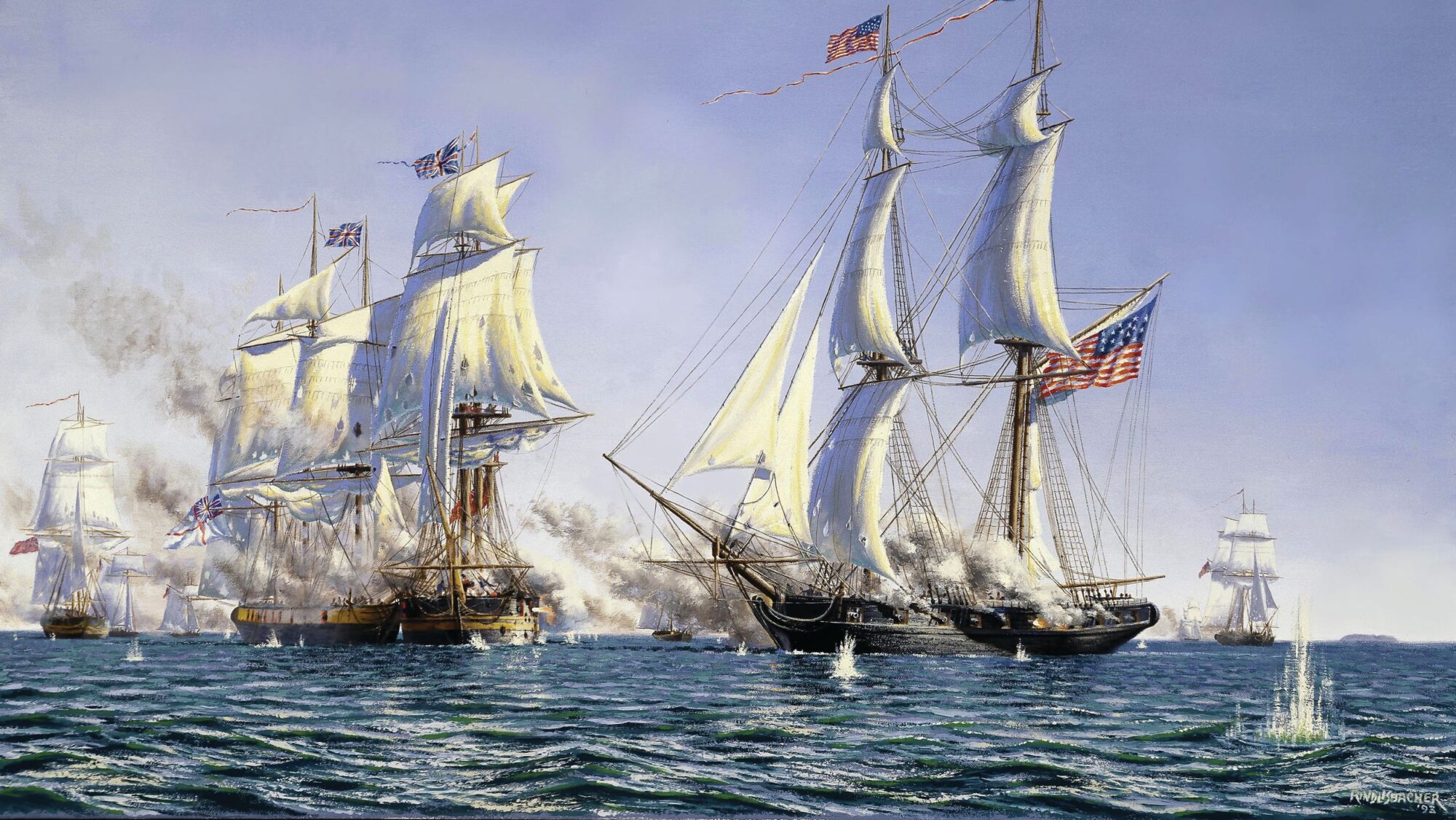
In a surreal moment that belied the killing that was about to take place, a British band aboard the Detroit began playing the tune “Rule Britannia.” The patriotic air stirred the men of the British squadron, who spontaneously raised a shout that echoed across the lake. As their cheers subsided, Barclay ordered his guns to open on the Americans. A single 24-pounder fired, testing the range, missing the Lawrence. A second British gun barked, sending a 24-pound solid shot crashing into the American vessel.
The battle for the control of Lake Erie had finally begun. Perry signalled the Scorpion and Ariel to open up with their long guns. The Lawrence, largely armed with carronades, could only respond with a single 12-pounder. The American fire was ineffective. The Lawrence and the two gunboats were forced to run a brutal gauntlet of British cannon, but were unable to effectively respond.
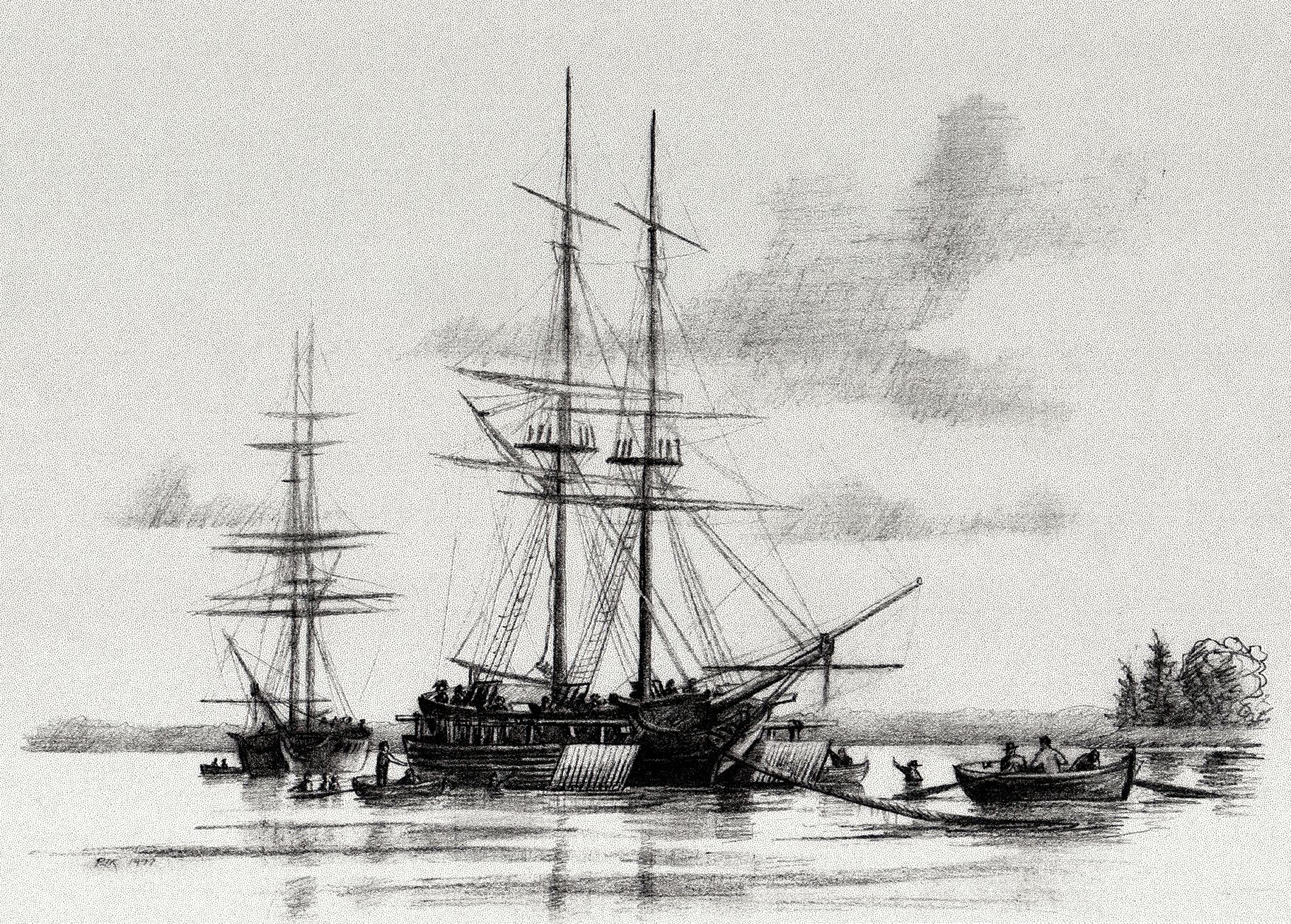
British fire began to tell, shattering oak hulls to splinters and mangling crewmen aboard the American ships. For 30 agonizing minutes, Perry could do virtually nothing in response to the enemy fire. To the helpless American crewmen, it was a painful test of nerves. Though still out of range, Perry turned to the larboard and unleashed two broadsides at the enemy.
The shots fell far short of their targets, and Perry was forced to turn back to his original course and close the distance. Though battered by the approach to the British squadron and taking casualties, Perry’s lead vessels succeeded in reaching carronade range with their masts and rigging intact. At 15 minutes past noon, Perry judged that he was finally in range and could bring his carronades to bear on the enemy.
“Take good aim my boys, don’t waste your shot,” advised Perry, before the Lawrence unleashed a thunderous broadside with her starboard carronades. In reply, the Detroit and her escorts sent a hail of iron into the Lawrence.
Perry and Barclay, who had been planning for this battle for months, were both eager to bring the fight to a resolution. The lead ships edged closer to each other until they were just 300 yards apart. At that range, the gun crews could hardly miss. As dozens of heavy guns from both sides were feverishly loaded and fired as fast as possible, the previously serene waters of Lake Erie became the scene of wholesale killing.
Wreathed in clouds of smoke, the two squadrons grappled like wounded beasts. In the cacophony of battle shouted orders could barely be heard and each gun crew, loading and firing, eventually fell into its own rhythm.
Determined to knock the American flagship out of the fight, Barclay instructed his ships to focus their fire on the Lawrence. Amid this intense artillery duel, Perry’s men were felled by the dozen in a hurricane of enemy fire. Iron solid shot shattered gaping holes in the hull, sending clouds of jagged splinters across the decks. Enemy infantry serving as marines targeted exposed gunners with small arms fire. The deck of the Lawrence was quickly rendered a charnel house.
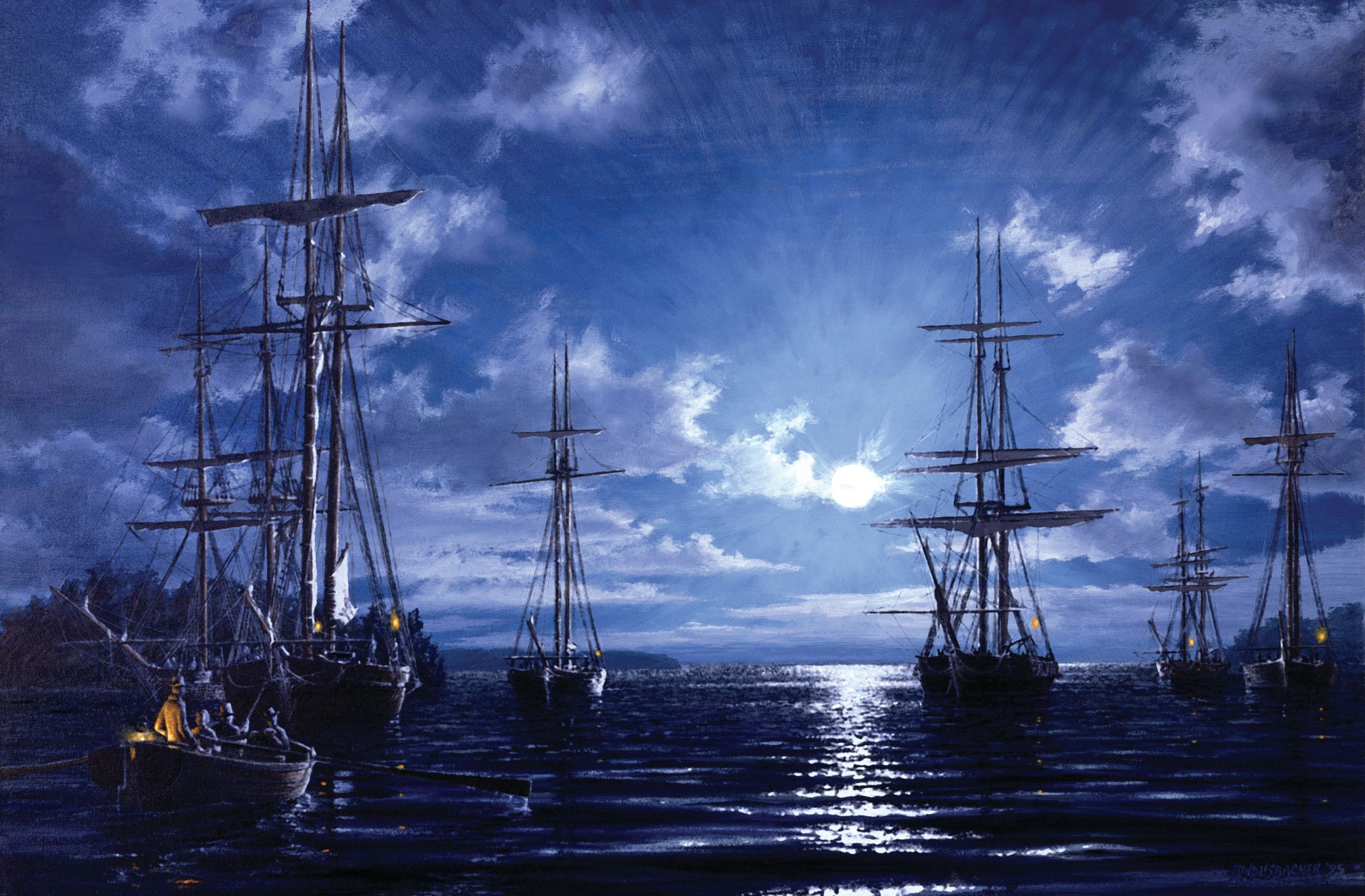
Even veteran seamen were shocked by the intensity of the bloodletting. David Bunnell watched in horror as a shot tore off the head of a companion. The terrible sight of the ship’s deck, Bunnell thought, was “one continued gore of blood and carnage.” In fact, men were falling so fast that the deck was becoming cluttered with the bodies of the dead and wounded.
The officers were equally subject to the galling fire. As Perry directed the fight from his quarterdeck, Marine Lt. John Brooks was terribly mangled when a shot struck him, shattering his hip and upper leg. Sprawled on the deck in excruciating pain, the stricken lieutenant tragically pleaded with Perry and other officers to put him out of his misery. Carried below, he died within the hour.
Aboard the Detroit, the British crew likewise suffered heavy casualties, cluttering the decks with the macabre refuse of battle and reducing the number of men available to man the guns. The high command of the British squadron was hit hard. Barclay himself was wounded in the thigh when a shower of splinters struck his thigh. Taken below for treatment, he soon limped back to his quarterdeck to resume command. While he was below, his first officer, Lt. John Garland, was mortally wounded by American fire.
While the crew of the Lawrence battled for their lives, the brig Niagara curiously sat out of the fray. Although expected to engage Britain’s Queen Charlotte, Elliott kept the Niagara in position astern of the now-USS Caledonia. Although Elliott kept rigidly in Perry’s original battle line, his ship remained largely out of range of the British and was only scantily touched by enemy fire.
Junior officers aboard the Lawrence grew frustrated with the Niagara’s lack of engagement. A similar reaction took place aboard the Queen Charlotte. When the ship’s commander, Lt. Thomas Stokoe, realized that the Niagara was unlikely to join the fight, he ordered more sail and moved to assist the Detroit in hammering Perry’s flagship. The two largest British ships joined forces in taking on the beleaguered Lawrence, which was now badly outmatched.
Increasingly, the overwhelming concentration of enemy fire was reducing the Lawrence to a battered wreck. The storm of British fire had ripped the tops to shreds. After only 15 minutes of the intense fire, almost all of the rigging had been cut, leaving Perry with little control over the vessel.
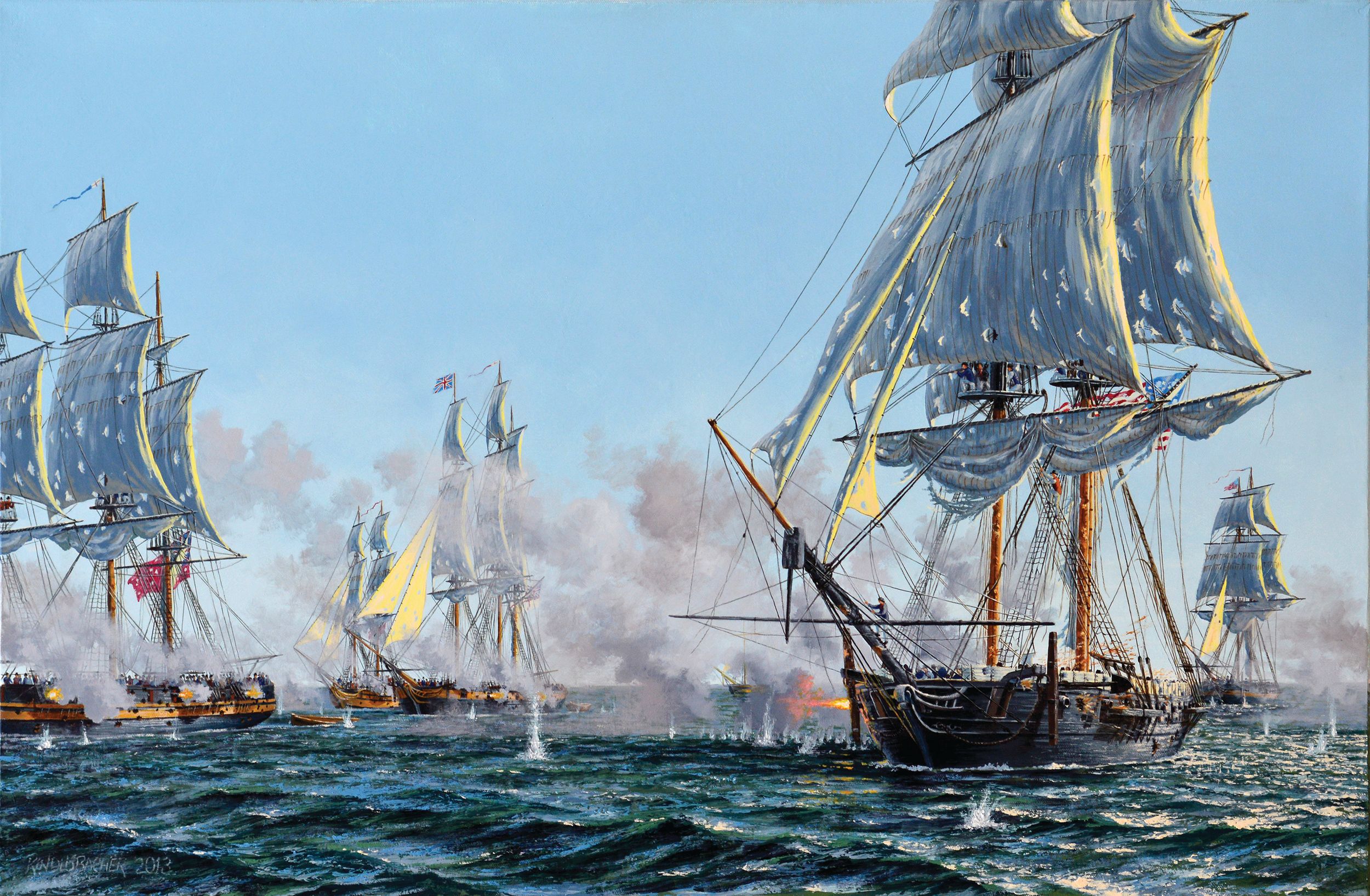
Casualties aboard the Lawrence were staggeringly high. Dr. Usher Parsons, the only surgeon at work on the ship, was completely overwhelmed with the number of wounded men, and could do little more than try to save the men who had a reasonable chance of survival. Gun crews were sometimes reduced to just one or two men and Perry, desperate for manpower, requested that Parsons spare his assistants to man the guns. When that didn’t suffice, Perry requested that the walking wounded return to their posts. Not one to scorn dirty work, Perry himself helped man one of the last operable carronades.
Ultimately, the weight of metal proved decisive. The Lawrence’s starboard batteries were systematically knocked out of action until not a single carronade could be fired. The Lawrence had started the battle as the most powerful vessel in the American squadron, but the fierce fighting had turned the once proud brig into a blood-stained, crippled wreck incapable of fighting back.
Perry was confronted with an inevitable conclusion that he no doubt found repugnant. The Lawrence had been beaten, and badly; further fighting would result in useless loss of life. But despite the obvious defeat of his flagship, Perry was far from giving up the fight. A new opportunity was presenting itself. It was the Niagara, finally approaching the scene of the battle, albeit off Perry’s protected windward beam. Perry quickly decided to transfer his flag to Elliott’s largely untouched brig and resume the fight.
The Lawrence was entrusted to the command of Lt. John Yarnall. A volunteer helped lower the “Don’t Give Up the Ship” banner, and Perry and a small retinue of sailors clambered aboard a cutter. As Perry was about to climb down from the Lawrence, Midshipman Dulaney Forrest shared a few unpleasant words about Elliott’s late arrival to the fight. Perry simply replied, “If a victory is to be gained, I’ll gain it.’”
As the men rowed frantically for the Niagara, the British opened fire. Fortunately for Perry, their shots flew wide, churning the water to a froth but leaving him and his men unscathed. The cutter succeeded in reaching the Niagara and Perry, still unscathed, climbed aboard.
What ensued was, no doubt, awkward for both Perry and Elliott. The details remain disputed, but Perry assumed direct command of the Niagara and Elliott volunteered to take the cutter and bring up the laggard gunboats in the rear of the American line. Both men seemed satisfied not to serve on the same quarterdeck.

Meanwhile, Yarnall was left with the unenviable duty of striking the Lawrence’s colors. The national flag was hauled down, signalling the surrender of the vessel. But the British were in no condition to send a boarding party to take formal possession and the Lawrence consequently drifted to the south, away from the action.
Perry, however, was out for revenge. Now in command of a fresh brig whose crew and armaments were relatively untouched, he put on more sail with a grim determination to renew the fight. Rather than maintain his original line of battle and trade broadsides with the enemy, Perry opted to cross the bow of the Detroit and cut the British line. After their brutal slugfest, it was apparent to Perry that the Detroit was in bad shape and vulnerable to a killer blow.
As the Niagara closed for action, it fired on the British flagship and quickly seized the upper hand. Barclay, already nursing a thigh wound, was struck in the shoulder by grapeshot. He was carried below with a badly mangled right shoulder, and command fell to Lt. George Inglis. At the worst possible time, the British squadron had lost the services of its commander.
Inglis recognized that his heavily damaged larboard batteries could never hope to hold off the fast-approaching Niagara. Left with little choice, Inglis decided to “wear” ship—the square-rigged equivalent of jibing (bringing the stern across the wind). Turning suddenly away from the American line would allow him to loop around to bring his untouched starboard batteries to bear. It was a move borne of outright desperation that resulted in unmitigated British disaster.
As the Detroit began to turn, Queen Charlotte commander Lt. Robert Irvine tried to follow Inglis’ lead, but did so too late. Both ships had suffered heavy battle casualties and were badly undermanned. In the confusion the Queen Charlotte rammed into the Detroit’s mizzen rigging and both ships became hopelessly entangled. British sailors frantically tried to cut the ships free.
The Niagara, however, was bearing down as Perry cut through the British line. To his larboard, the sterns of Lady Prevost and Little Belt offered inviting targets. To his starboard, the Detroit and Queen Charlotte were helplessly locked together.
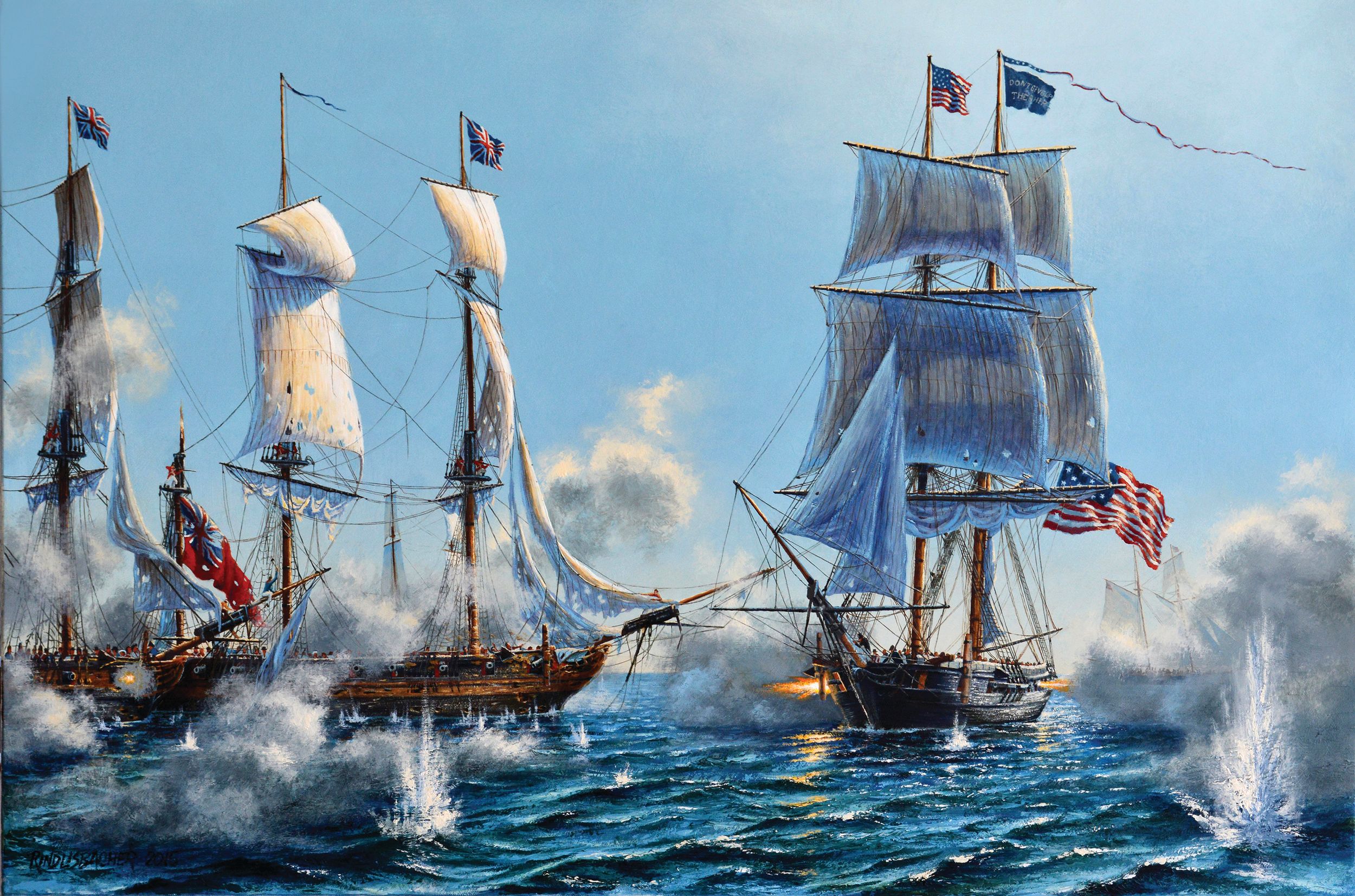
letting loose double-shotted guns at half pistol-shot range on the HMS Detroit and HMS Queen Charlotte which had just fouled each other.
Perry made the most of it, double-shotting his guns and having them coolly fired off one by one from point-blank range. The deadly storm of iron careening through the decks of the exposed British ships, tore apart masts, rigging, and men.
As the British ships were pounded to splinters, a new threat emerged in the form of the American gunboats, finally hurried into action by Elliott. The four ships—Trippe, Somers, Porcupine, and Tigress—were in a unique position to fire into the sterns of the Detroit and Queen Charlotte. Under normal circumstances no match for the big British ships, the little gunboats added a crushing preponderance of iron as solid shot from their 32 pounders wrecked the rear of the trapped British vessels.
British sailors finally succeeded in cutting the Detroit and Queen Charlotte free, but it was far too late. Amid choking clouds of smoke, the two ships drifted apart, hulls shattered by American fire and decks littered with bodies. Only one option remained as the Detroit, Queen Charlotte, General Hunter, and Lady Prevost struck their colors in turn. The HMS Chippewa and Little Belt made a brief run for Detroit, but were pursued and forced to surrender by the Trippe and Scorpion.
Using the back of an envelope, an ecstatic Perry scrawled a brief message to William Henry Harrison, informing the army commander of the momentous victory. “We have met the enemy, and they are ours,” Perry famously wrote, “two Ships, two Brigs, one Schooner, and one Sloop.”
In one of the most dramatic naval engagements in U.S. history, the fortunes of war had turned defeat to victory in a matter of minutes. Boarding the Detroit, a shocked Elliott lost his footing on the gore-slicked deck, covering his uniform in blood. The ship was a shambles, with bodies of the dead and wounded scattered across its decks.
Barclay offered his sword in surrender, but Elliott refused, reserving the honor for Perry. But when the British officers offered their swords to Perry, he also refused to accept them. They had fought with bravery and determination, he observed, they could keep their swords in honor.
The young squadron commander had indeed won a remarkable victory. In a harrowing four hours, Perry had borne the brunt of the fighting in his own flagship, without appreciable assistance from his second-in-command. Rather than panic in a moment of seeming defeat, he had taken over direct command of the Niagara, and snatched victory from the jaws of defeat.

For both sides, the human cost of the battle had been shockingly high. The Americans suffered 27 dead and 96 wounded. On the Lawrence alone, the casualty rate had exceeded 70 percent of the effectives engaged. The British had endured even worse with 41 men killed, 93 wounded.
Perry’s victory altered the course of the war in the Northwest. With the Americans now the undisputed masters of Lake Erie, the British supply lines to Fort Malden and the Detroit region were dangerously exposed. Immediately recognizing that the British hold on western Ontario had been rendered untenable, General Proctor made the decision to abandon the region and retreat eastward up the Thames River.
Perry, meanwhile, ferried the bulk of Harrison’s army across Lake Erie, making an amphibious landing south of Fort Malden on September 27. Making a pursuit up the Thames River, Harrison, with Perry serving as a volunteer aide, caught up with the British and their Indian allies on October 5. In a brief but sharp engagement, Proctor’s forces were soundly defeated.
With Lake Erie dominated by American vessels, the upper Great Lakes were placed firmly in the American orbit. Perhaps most importantly, the Northwestern Indian tribes, who had resisted American expansion since the close of the Revolutionary War, were finally, and irrevocably, pacified. The expanse of the American midwest was. now open to a young republic hungry for growth.
Remembered as one of the most heroic naval figures in American history, Perry was promoted to captain and admired in the highest circles in his own day. Secretary of the Navy William Jones offered one of the best assessments of Perry’s legacy—“brilliant, decisive, and important in its consequences.”
The entire victory, however, had been equally due to the dedication and suffering of the common sailors who served in the Lake Erie squadron. Perry was an inspiring officer who was sincerely concerned for the honor of his country and the welfare of his men. They rewarded him with the fame of a legendary victory.
One of those men was an unfortunate sailor who had been taken below decks on the Lawrence. He had lost both of his legs from enemy fire and the ship’s medical staff could do nothing for him. He lingered in agony, surviving just long enough for his comrades to inform him that the Americans had won the day. Before slipping off, he muttered, “I die in peace.”

Join The Conversation
Comments
View All Comments