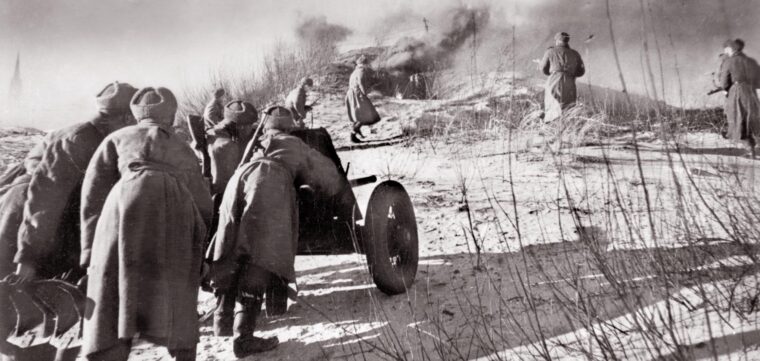
Goldap Operation: Soviets in the Prussian Heartland
By Pat McTaggartSoviet General Ivan Danilovich Cherniakhovskii was in a good mood as he waited for his generals to arrive. Read more
Soviet General Ivan Danilovich Cherniakhovskii was in a good mood as he waited for his generals to arrive. Read more
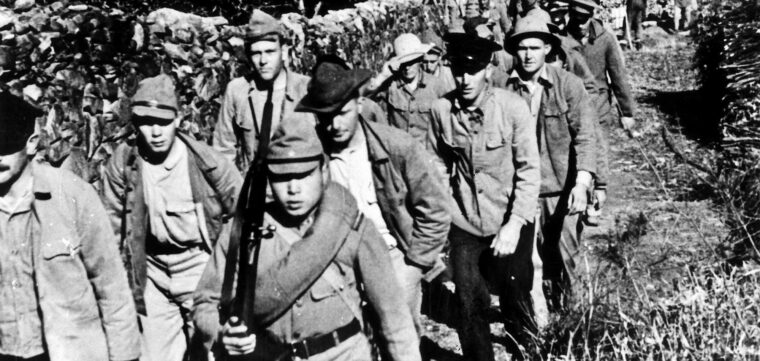
The coastwatching system that operated throughout the South Pacific islands during World War II was introduced to gather and report early information about the movement of enemy ships and aircraft. Read more
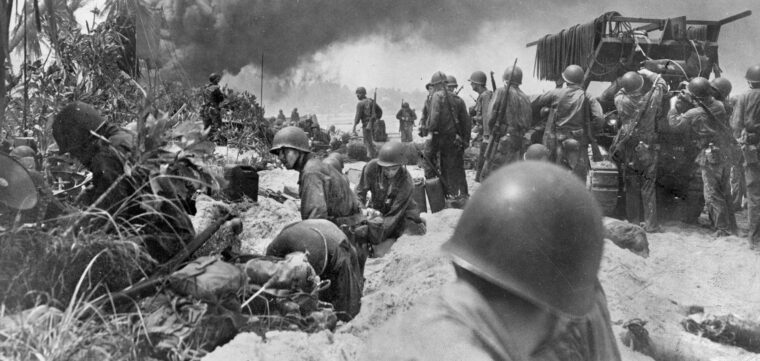
Makin should have been a pushover. On November 20, 1943, a force of 3,500 highly trained American soldiers invaded this Central Pacific atoll located 2,000 miles southwest of Hawaii in the Gilbert Islands. Read more
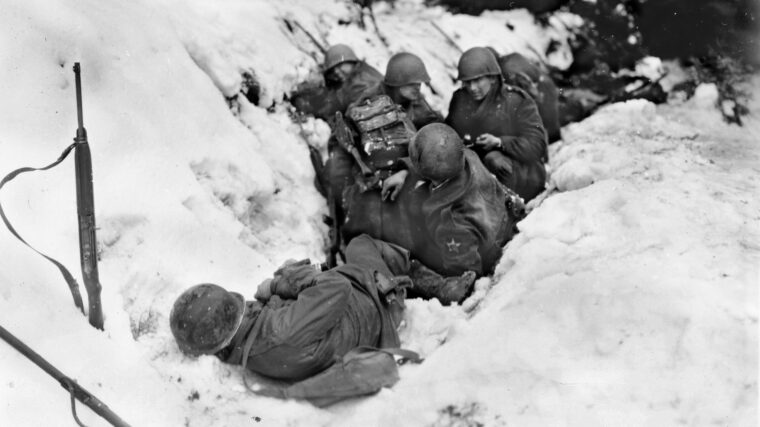
Technical Sergeant Clyde Dugan flattened as another string of mortar shells ravaged the barren field. Pristine snow vomited fire and steel as chunks of frozen earth rocketed skyward then plunged to pelt his shoulders or clatter loudly on his helmet. Read more
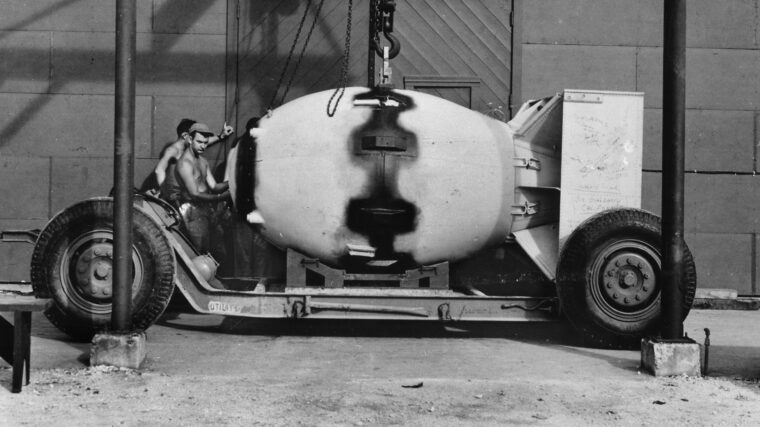
By the spring of 1945, the outcome of World War II was not in serious doubt. What was in serious doubt was the number of casualties that would eventually be required to bring the war to a successful conclusion. Read more
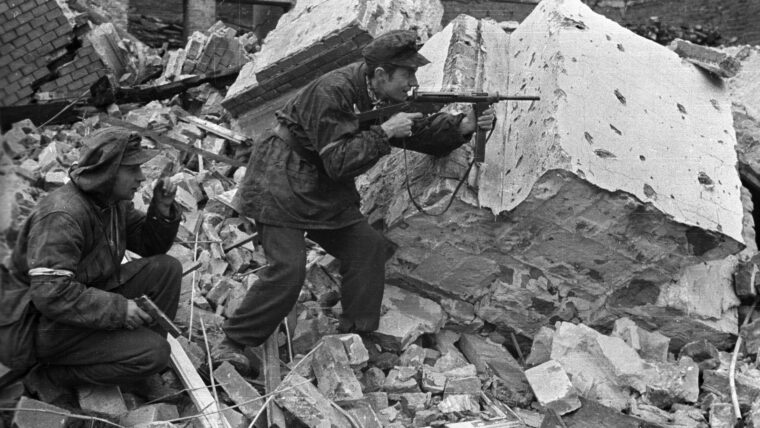
“This mission is suicidal,” thought Bogdan Mieczkowski. In the autumn of 1944, the 19-year-old Polish resistance fighter battled in the Warsaw Uprising. Read more
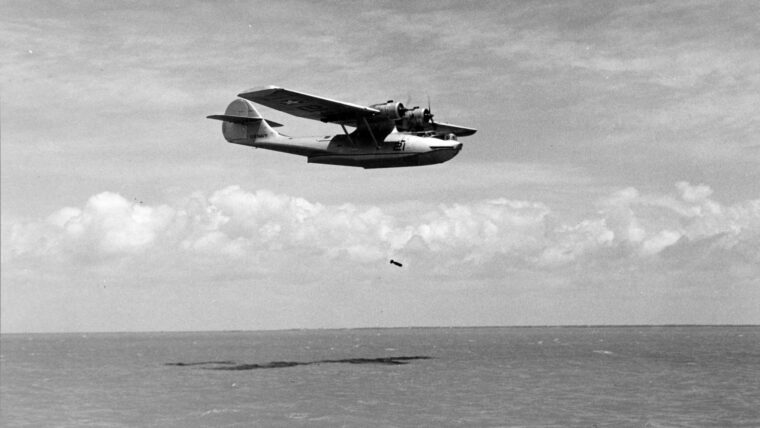
“Am over enemy submarine in position …”
Cut off in mid-transmission, this contact report came from a U.S. Read more
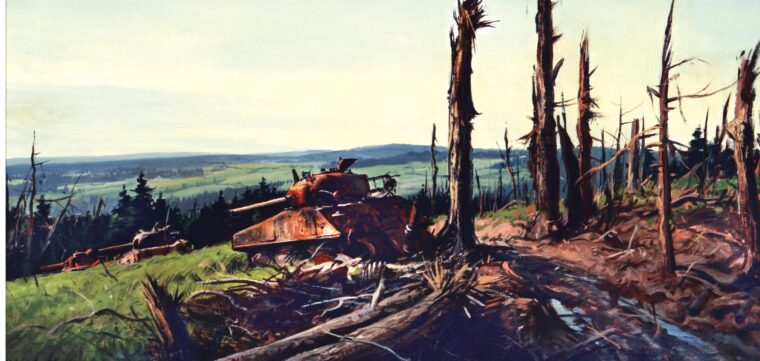
On Sunday, September 10, 1944, all bridges over the German-Belgian border rivers, the Our and the Saur, were dynamited. Read more
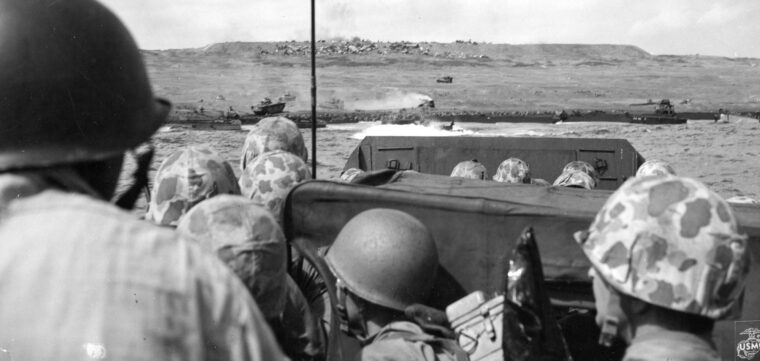
“There’s no greater feeling in the world than seeing Old Glory in a winning position.” Twenty-one-year-old U.S. Navy Ensign Joseph Bale watched the American flag raising on Iwo Jima’s Mount Suribachi from aboard the attack transport USS Dickens County Texas. Read more
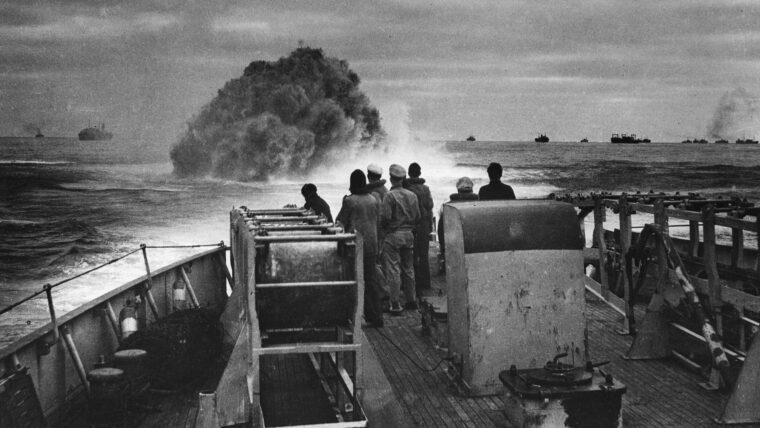
British Prime Minister Winston Churchill, who rode in a cavalry charge in the Sudan in 1898, escaped from the Boers in 1899 and served for six months as a troop leader in the Western Front trenches in 1915-1916, remarked during World War II, “The only thing that ever really frightened me during the war was the U-boat peril.” Read more
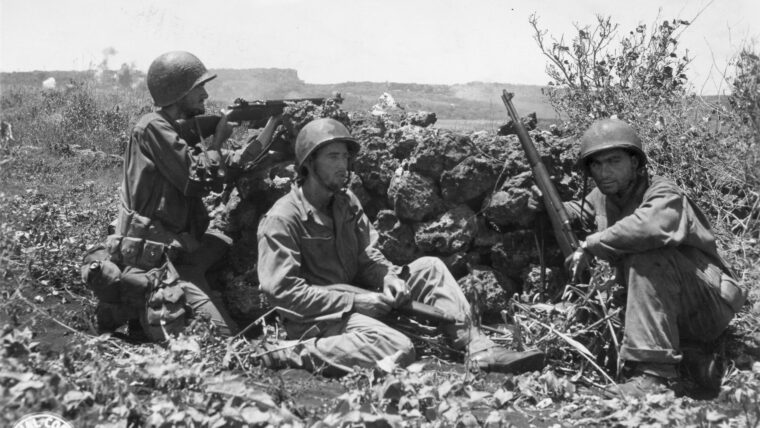
The ferocious battle for the island of Saipan in the Marianas was won by U.S. Marines and U.S. Read more
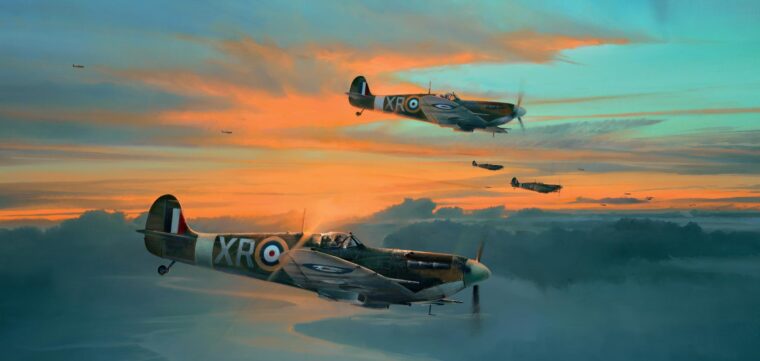
All the pilots of No. 71 (Eagle) Squadron, Royal Air Force, had been ordered to report to the briefing room on the afternoon of August 18, 1942. Read more
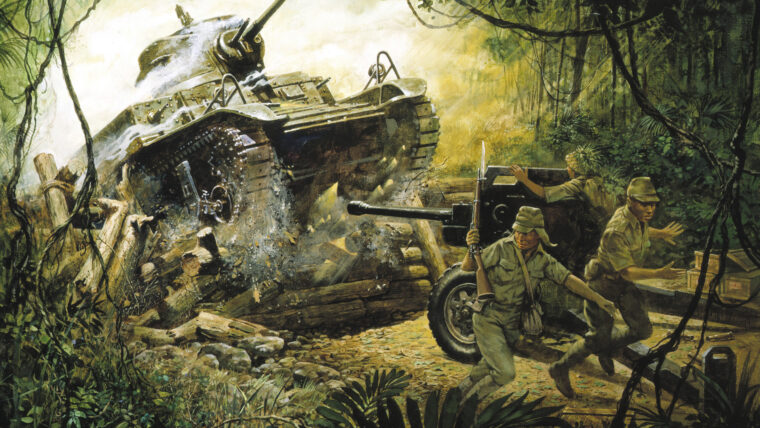
In 1941, the Philippine Islands, 7,000 in number, an American-controlled mandate, formed a natural barrier between Japan and the rich resources of East and Southeast Asia. Read more
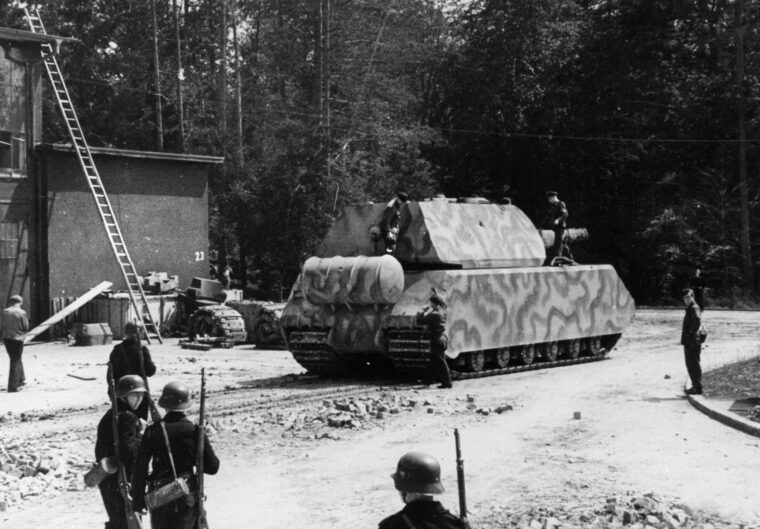
As early as 1941, the German high command had visions of military technology that was far ahead of its time, and many innovative technological concepts were becoming reality. Read more
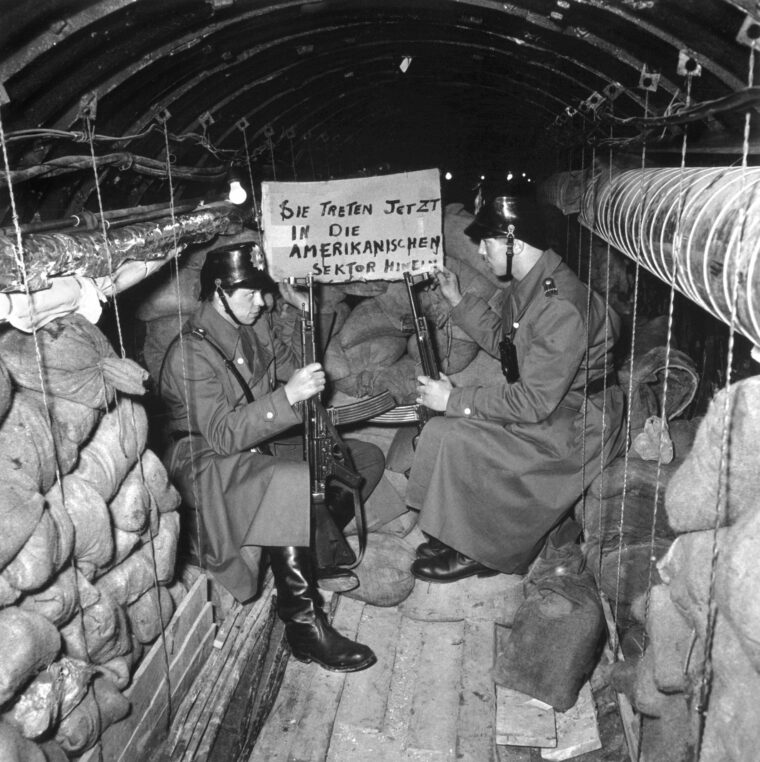
No sooner had the last shot of World War II been fired than a new, different kind of conflict began. Read more
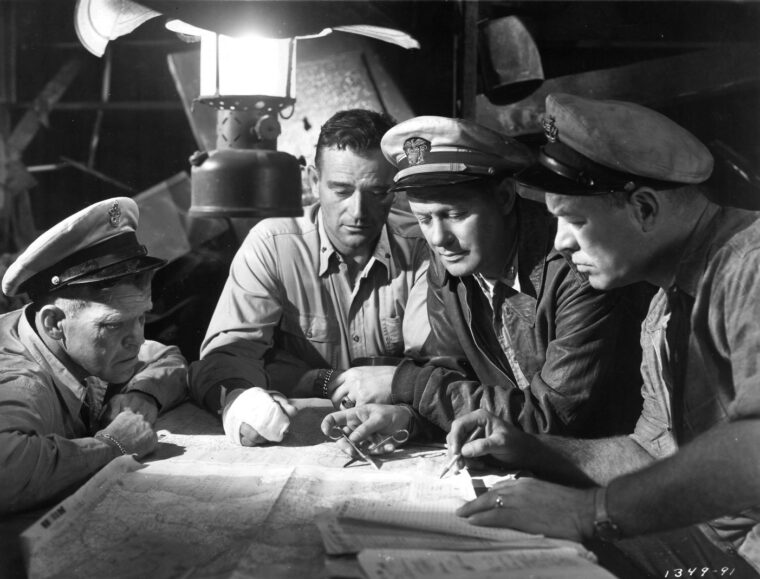
With such award-winning films as Stagecoach, Young Mr. Lincoln, Drums Along the Mohawk, The Grapes of Wrath, The Long Voyage Home, and How Green Was My Valley behind him, John Ford was one of Hollywood’s most respected directors by the time World War II broke out in 1939. Read more
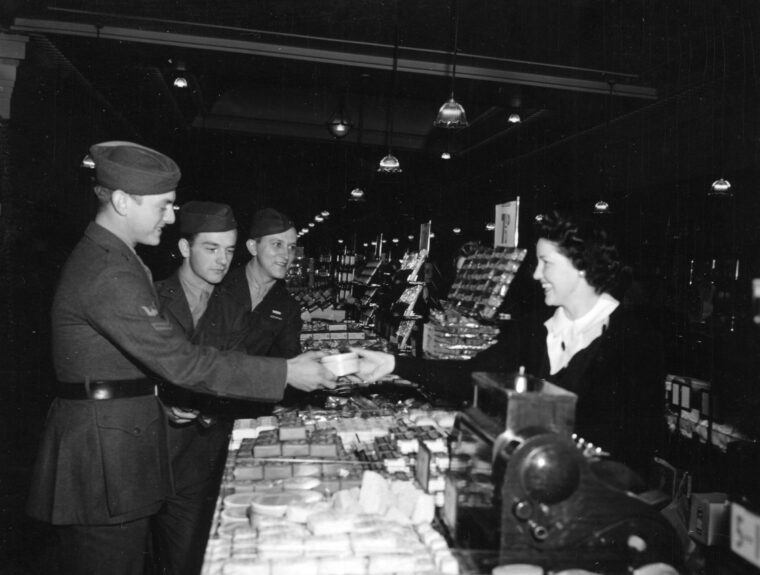
Early in the 20th century, the population of New Zealand was just under a million. According to official sources, 20 percent of New Zealand’s eligible manpower served in uniform during World War I. Read more
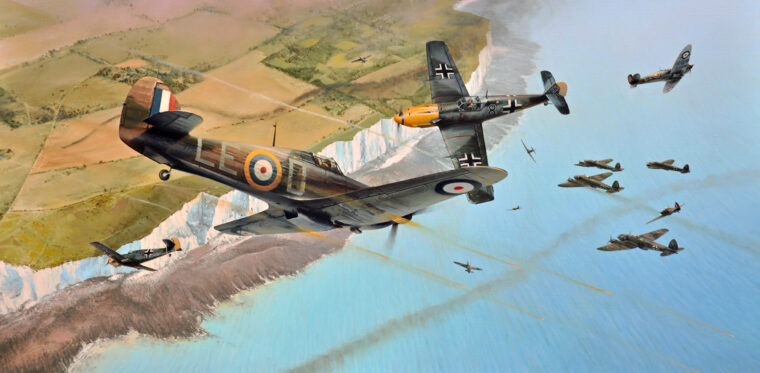
Bombed almost daily for several months and in fear of an imminent German invasion, the British were hanging on by their fingernails when September 1940 came. Read more
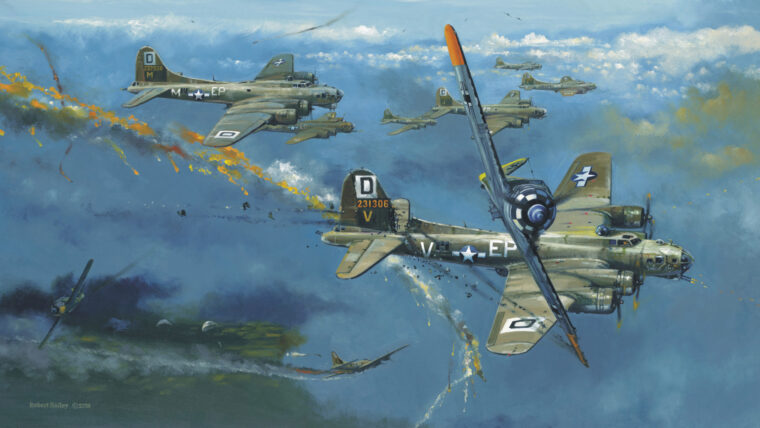
The Nelson King, a Boeing B-17 Flying Fortress bomber, was en route to Berlin on March 6, 1944, when it flew into a whirlwind of Luftwaffe fighters. Read more
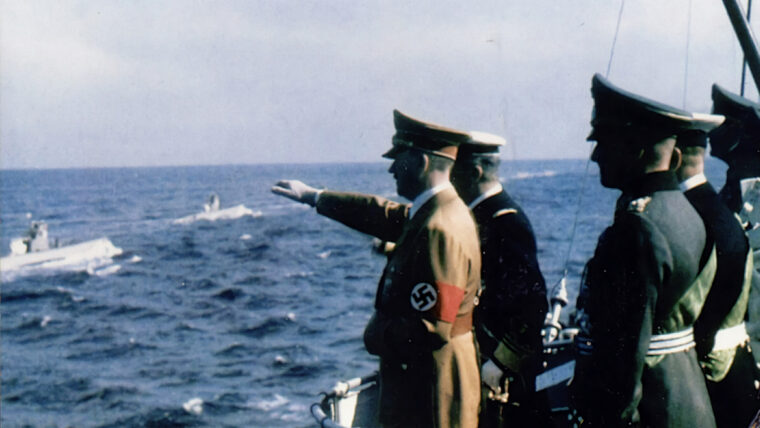
The career of Admiral Nicholas Horthy spanned not only two world wars, but also stretched across the decades from the age of sail to atomic-powered submarines. Read more