By Kevin Seabrooke
Nearly a decade ago, a pair of monumental biographies reshaped how modern readers understand the Union’s top high command. James Lee McDonough launched the opening salvo in 2016 with his New York Times bestselling William Tecumseh Sherman: In the Service of My Country, followed closely in 2017 by Ron Chernow’s comprehensive, 1,100-page Grant. Together with foundational scholarship from Jean Edward Smith, Brooks Simpson, H.W. Brands, and the monumental 32-volume Papers of Ulysses S. Grant, these works spearheaded a long-overdue rehabilitation of reputations that had spent a century under siege.
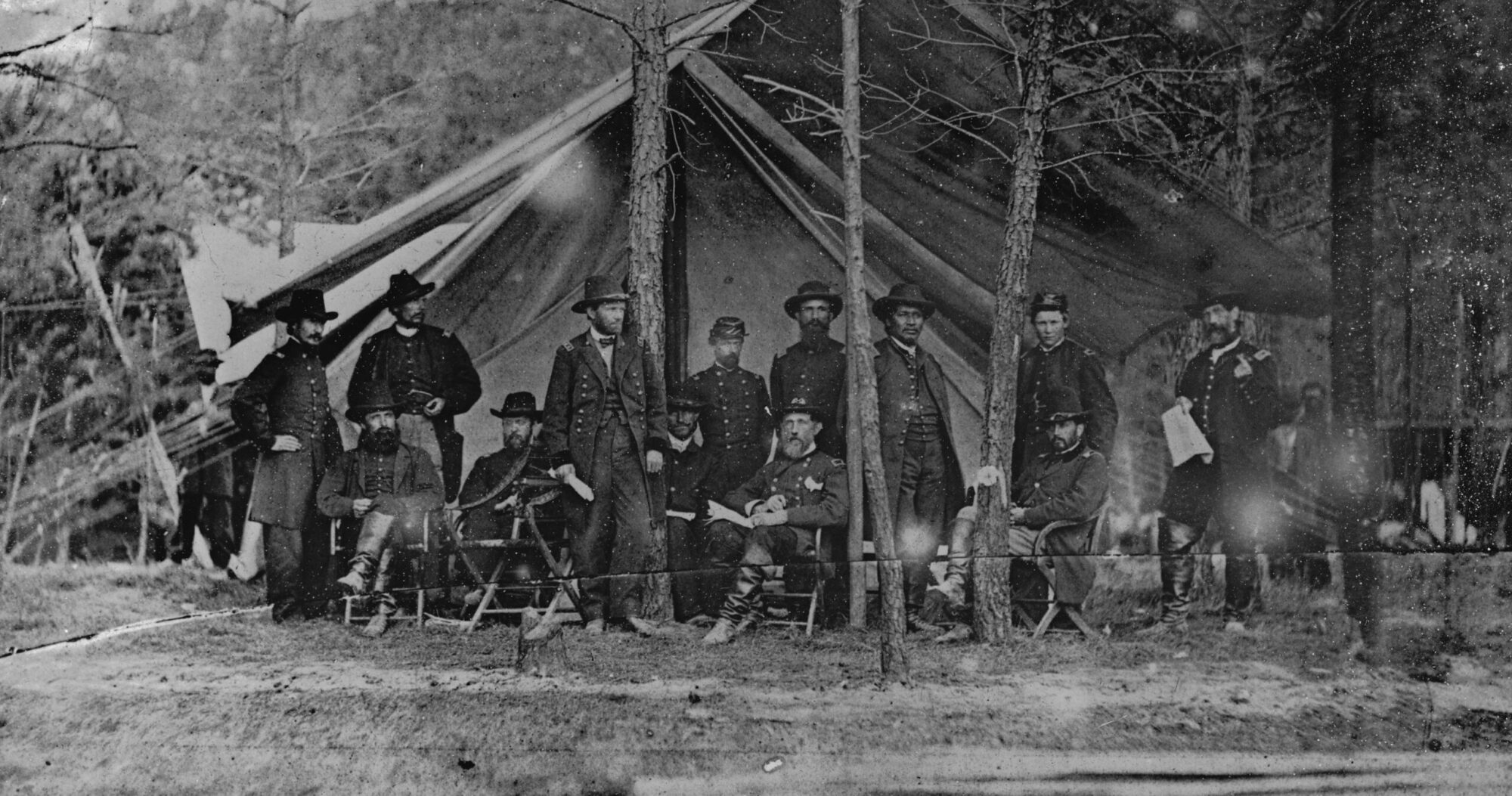
Few American commanders have had their historical standing distorted as systematically as Ulysses S. Grant. Following the war, “Lost Cause” architects—spearheaded by Jubal Early, the Southern Historical Society, and later the United Daughters of the Confederacy—sought to preserve Southern honor and Robert E. Lee’s battlefield genius without conceding military inferiority. Their solution was simple: reduce Grant to an uncultured, drunken “butcher” whose unimaginative victories were bought solely with waves of Northern manpower and ruthless attrition. In the early 20th century, the Dunning School of historians at Columbia University gave this myth academic cover, painting Grant’s presidency as an era of military tyranny and carpetbagger graft. Compounding the slander were Grant’s own jealous peers—notably Henry Halleck, Don Carlos Buell, and William S. Rosecrans—who actively leaked whispered rumors regarding his drinking and intellect to stall his meteoric rise.
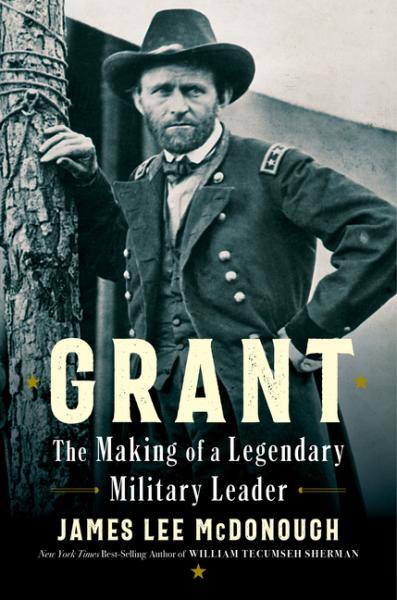 Now, a decade after his definitive look at Sherman, McDonough returns to complete the diptych with his own focused examination of Grant. Rather than competing with Chernow’s exhaustive cradle-to-grave political portrait, McDonough makes a deliberate operational choice: he handles Grant’s early struggles efficiently, dispenses with his postwar political career entirely, and trains his lens squarely on Grant’s development as an operational commander.
What emerges is an intimate, masterfully paced study of command evolution in the Western Theater. McDonough uses personal letters to his wife, Julia, to reveal a thoughtful, steady, and remarkably composed strategist beneath the quiet exterior, dismantling the caricature of the cold warrior. Having already written the definitive modern life of Sherman, McDonough is uniquely equipped to chronicle the evolving, indispensable chemistry between the two generals as they navigated bureaucratic treachery from Washington and operational hazards in the field.
The crown jewel of the volume is McDonough’s treatment of the Vicksburg Campaign. Moving smoothly from rigorous archival research to gripping tactical maneuvers, the narrative traces how Grant boldly severed his supply lines, pushed through hostile terrain, and coordinated a synchronized, multi-pronged offensive that shattered Confederate defenses, unhinged the Western Theater, and severed the rebellion in two. McDonough portrays Grant not as an unblemished demigod, but as a deeply human commander whose capacity to absorb setbacks, adapt under extreme pressure, and champion the military emancipation of formerly enslaved Americans made him the Union’s indispensable strategist.
Grant: The Making of a Legendary Military Leader (James Lee McDonough, W. W. Norton & Company, New York, NY, Nov. 17, 2026 $39.99 HC) is essential reading for Civil War enthusiasts—a rigorous, finely calibrated portrait of military leadership that captures how quiet operational genius broke the back of the Confederacy.
Join The Conversation
Comments
View All Comments