By Kevin Seabrooke
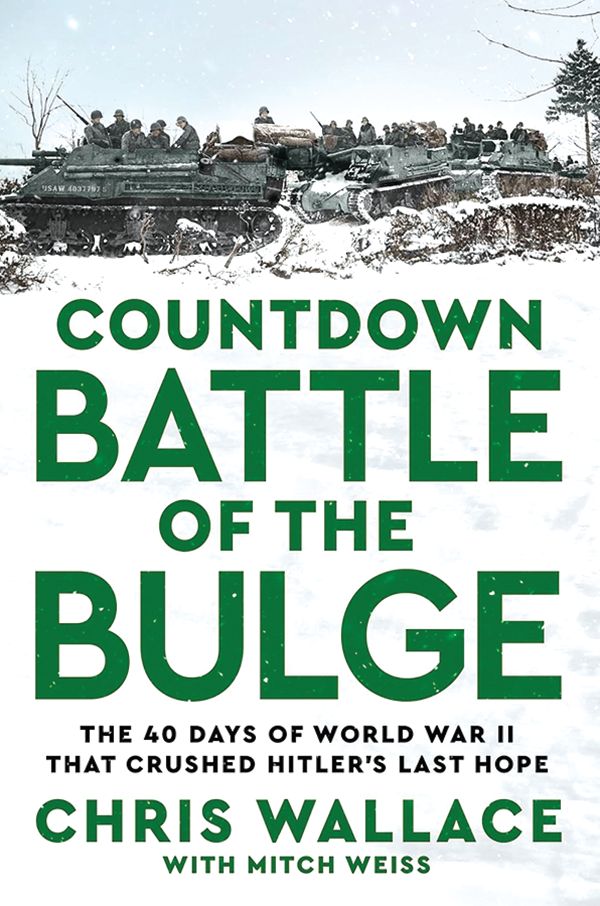
With Countdown Battle of the Bulge, veteran journalist Chris Wallace and co-author Mitch Weiss bring their signature day-by-day chronological formula (Countdown 1945, Countdown bin Laden, and Countdown 1960) to the largest and deadliest campaign fought by the U.S. Army in World War II. Structuring the narrative around a tight 40-day timeline, the authors deliver a vertically integrated historical overview. The book balances high-level strategic decisions by Allied leaders like General Dwight D. Eisenhower and General George S. Patton Jr. alongside harrowing, ground-level accounts of the junior officers, medics, and frontline infantrymen caught in the icy assault.
The narrative gains its emotional power from the individual soldiers followed through the daily entries. Readers experience the surprise German assault on December 16, 1944, through figures like Jacob Ruser, a veteran medic with the 4th Infantry Division’s 12th Infantry Regiment, and Andrew Valero, a 20-year-old replacement with the 9th Infantry Division who had arrived in Belgium just days prior. Through their eyes, Wallace depicts the environmental and tactical misery of one of Europe’s coldest winters—dense pine forests exploding with tree-burst artillery, frostbite claiming thousands of non-battle casualties, and the brutal reality of Waffen-SS atrocities at Malmedy hardening combat into a relentless struggle for survival.

 Crucially, Countdown devotes significant space to the events on the German side, exposing the operational friction within the Wehrmacht high command. Following the failed July 20 assassination attempt on Adolf Hitler, German generals operated under severe Gestapo scrutiny, where direct disobedience meant execution. Senior officers like Field Marshals Gerd von Rundstedt and Walter Model recognized that Hitler’s Großlösung (“Big Solution”)—a sweeping armored thrust to capture Antwerp and split the Western Allies—was a strategic fantasy ruined by severe fuel deficits, narrow forest bottlenecks, and inevitable Allied air supremacy. Forced to reject their own modest Kleine Lösung (“Small Solution”), German commanders executed an offensive they knew would destroy their final operational reserves.
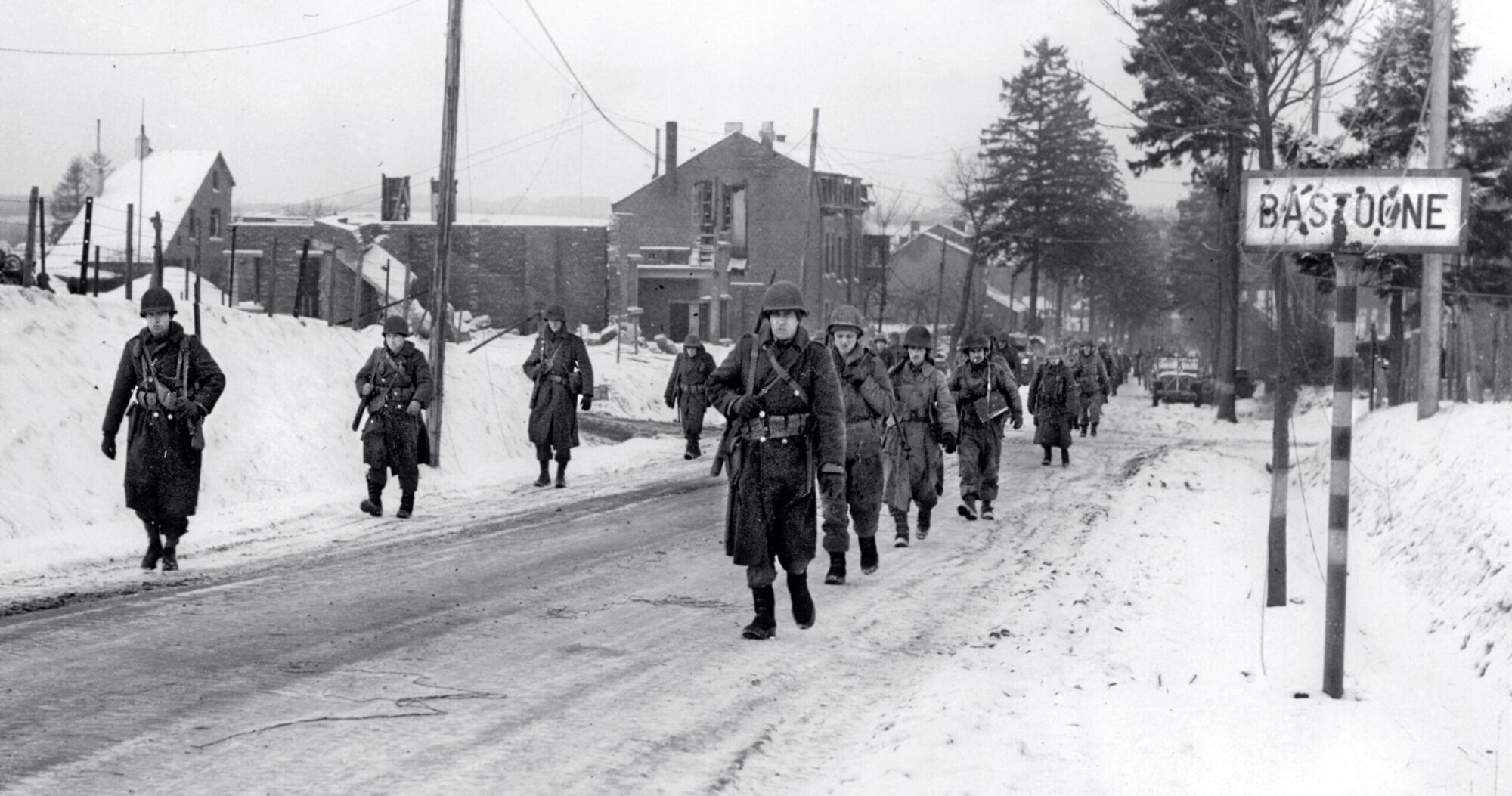
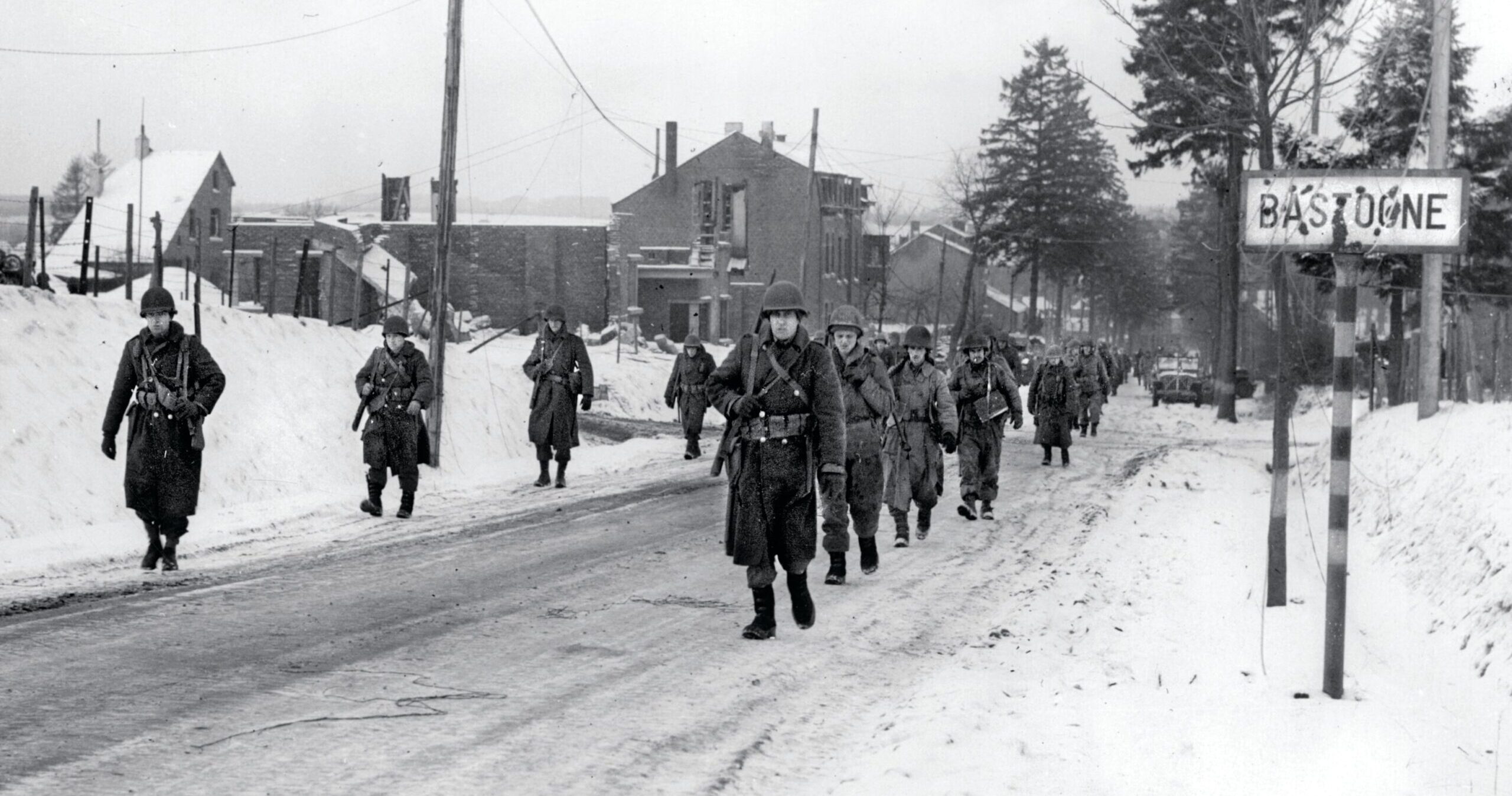
Wallace and Weiss detail the defining tactical turning points that halted Hitler’s gamble. The book chronicles the desperate small-unit delays at St. Vith and the siege of Bastogne, where Brigadier General Anthony McAuliffe’s 101st Airborne Division held seven vital highway junctions, famously rejecting a German surrender demand with a single word: “NUTS!” The operational narrative covers Patton’s 90-degree tactical pivot north to relieve the garrison via Lt. Col. Creighton Abrams’ 37th Tank Battalion, as well as the secondary German assault, Operation Nordwind, in Alsace-Lorraine.
The authors frame the Ardennes campaign within its broader global context. For the U.S. military, the battle remains its costliest single engagement, resulting in nearly 90,000 American casualties and deeply embedding itself in public memory through modern works like Band of Brothers. Yet Wallace appropriately anchors this sacrifice within the wider war; while American forces bore the brunt in the West, Soviet operations on the Eastern Front—such as Stalingrad and the Dnieper campaign—exceeded a million casualties and 400,000 dead each.
Ultimately, COUNTDOWN BATTLE OF THE BULGE: The 40 Days of World War II That Crushed Hitler’s Last Hope (Chris Wallace and Mitch Weiss, Dutton, New York, NY, 384 pp. Dec. 1, 2026 $36 HC) demonstrates how Hitler’s winter gambles backfired. By burning through 120,000 casualties and 800 tanks across the Ardennes and Nordwind, the Wehrmacht stripped its defenses along the Vistula River, accelerating the Red Army’s Vistula-Oder Offensive in January 1945. Well-researched, briskly paced, and deeply human, Wallace and Weiss deliver an accessible and comprehensive overview of the 40 days that permanently broke the spine of the Third Reich.
Join The Conversation
Comments
View All Comments