weapons
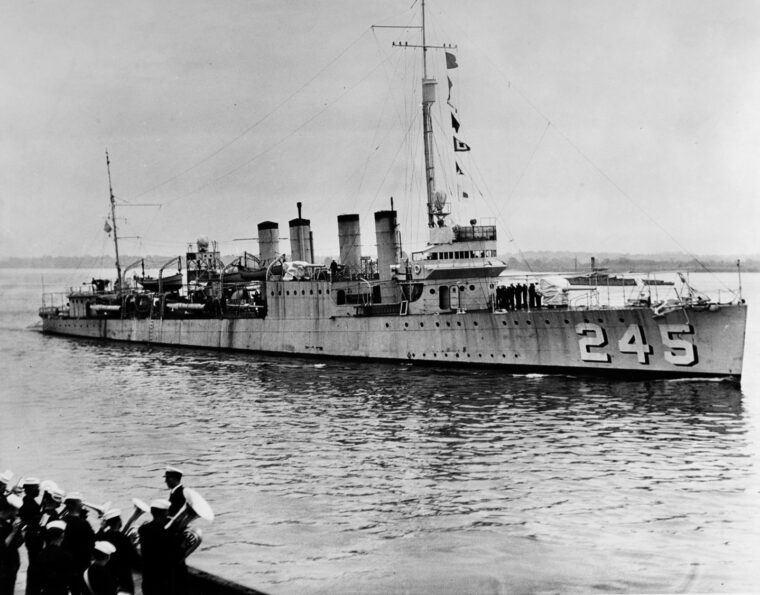
Sinking the USS Reuben James
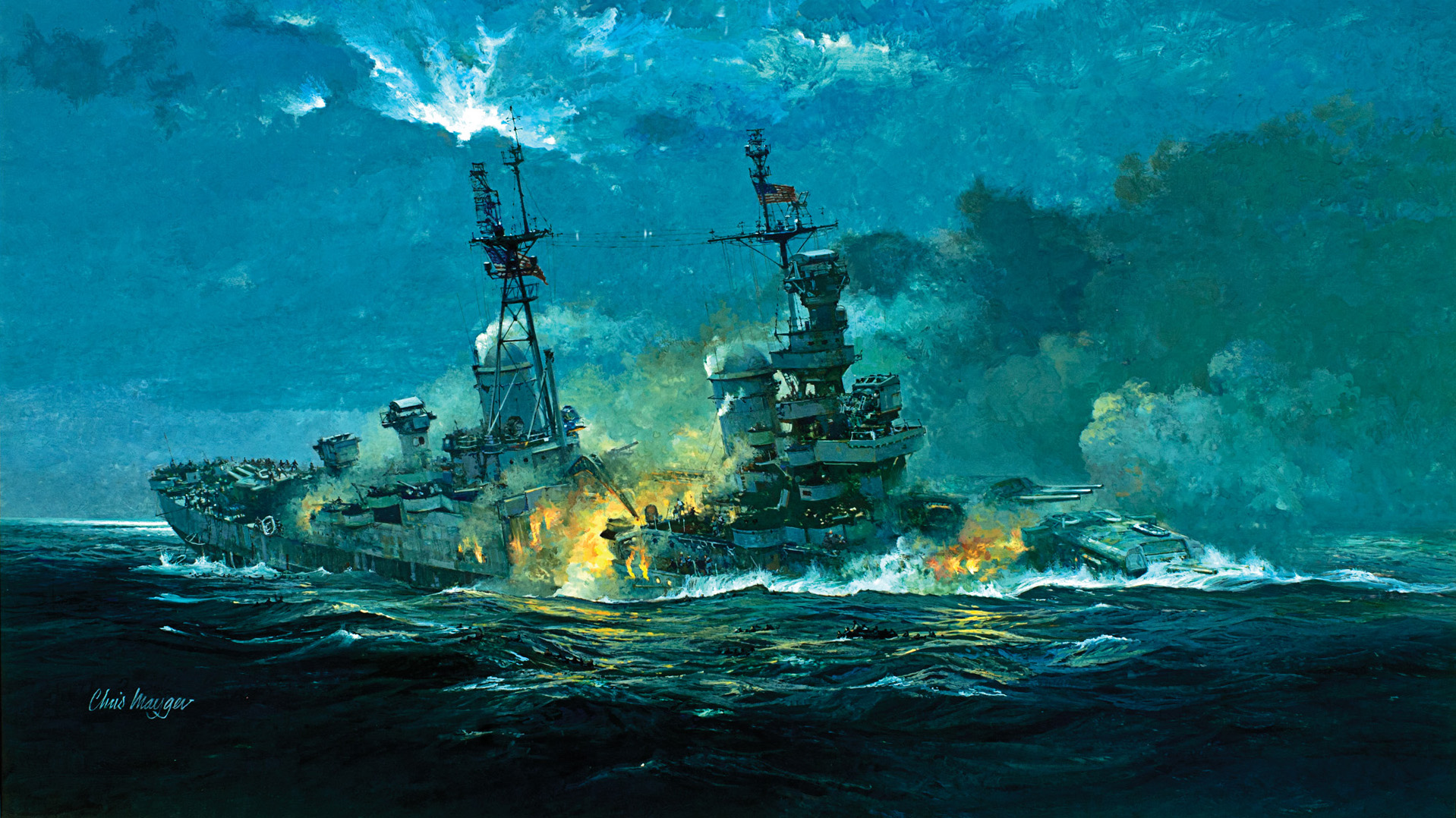
By Joseph Connor, Jr.When the destroyer USS Reuben James (DD-245) was assigned to convoy duty in the North Atlantic in the autumn of 1941, its crew had a sense of foreboding and feared the worst. Read more
weapons
When the destroyer USS Reuben James (DD-245) was assigned to convoy duty in the North Atlantic in the autumn of 1941, its crew had a sense of foreboding and feared the worst. Read more
weapons
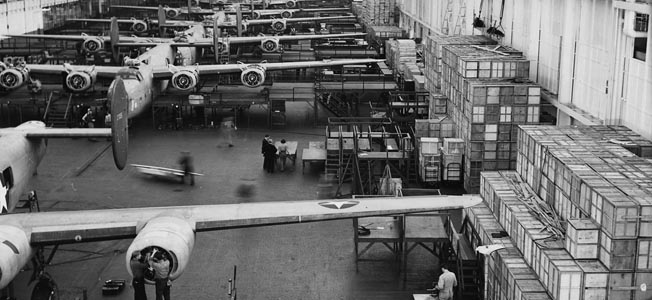
They said it couldn’t be done. Doubters chided Henry Ford for declaring that his Willow Run Bomber Plant could turn out a B-24 Liberator heavy bomber every hour. Read more
weapons
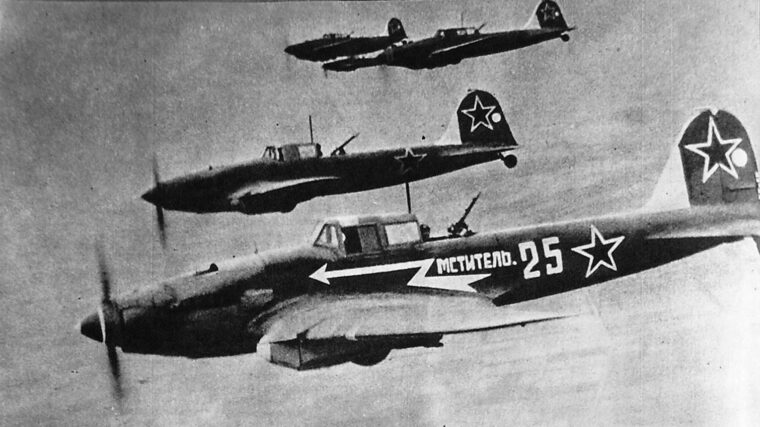
Vasily Emelianenko led a flight of Soviet Ilyushin IL-2 Shturmoviks, or “Storm Birds,” in late June 1942 against a German-held airfield near Artemovsk in eastern Ukraine, flying low up a deep ravine to avoid detection. Read more
weapons
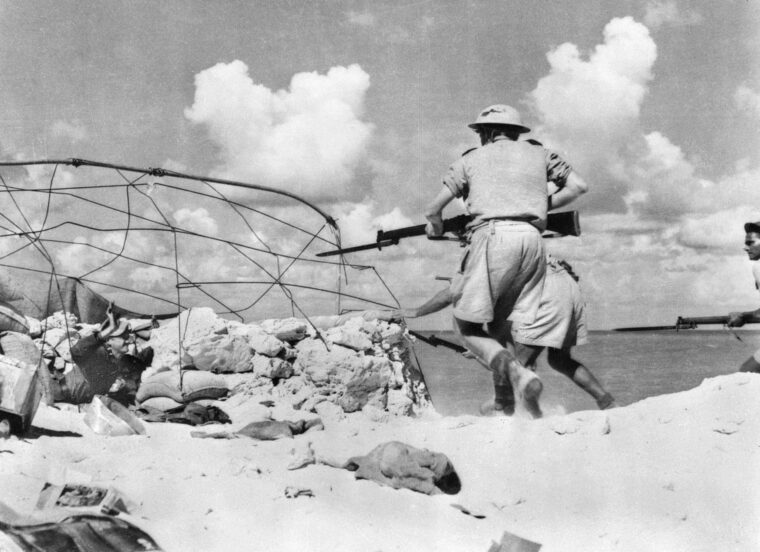
A small party of about 40 German soldiers had infiltrated the Australian lines around the besieged town of Tobruk, Libya, during the night of April 13, 1941. Read more
weapons
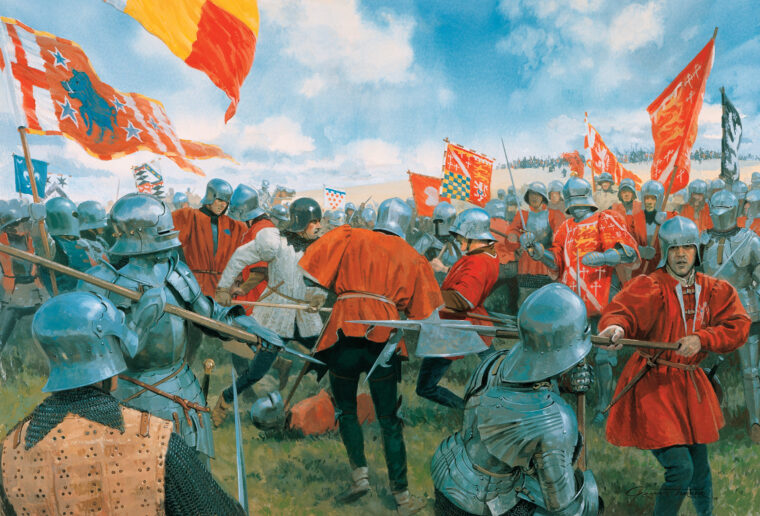
The men of Bridport on the coast of southwestern England kept extra weapons on hand to deal with the raids endemic during the Hundred Years War that preceded the Wars of the Roses. Read more
weapons
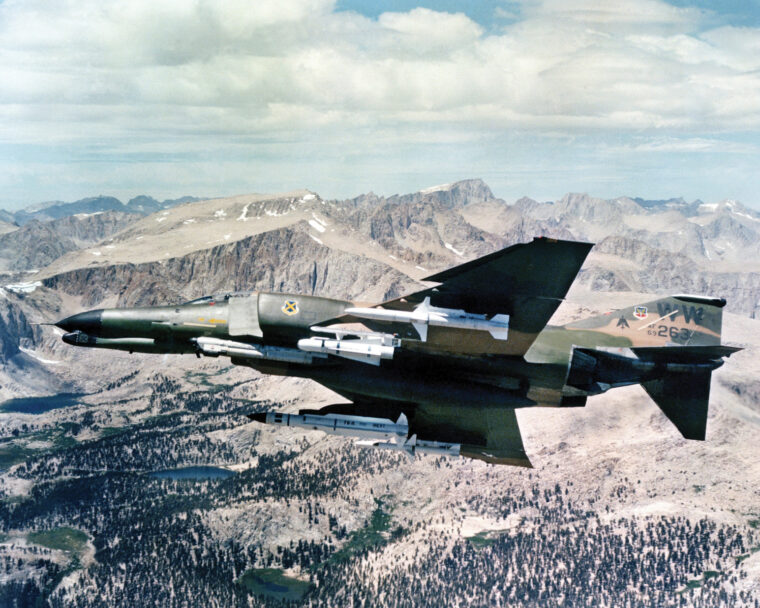
Captain John E. Donovan, an electronic warfare officer, monitored the equipment in his F-100F Super Sabre fighter. It was December 22, 1965, and his plane was part of a strike mission searching out enemy antiaircraft sites. Read more
weapons
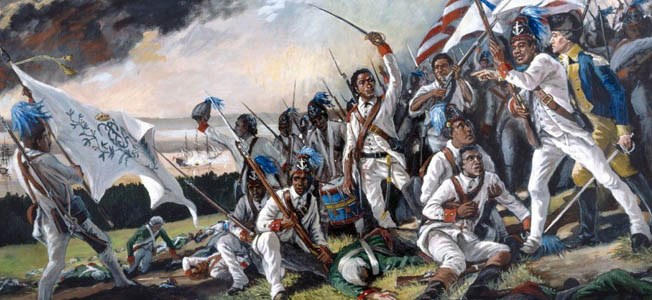
In 1778, the Rhode Island legislature passed a law that allowed black slaves to enter the war in order to gain their freedom. Read more
weapons
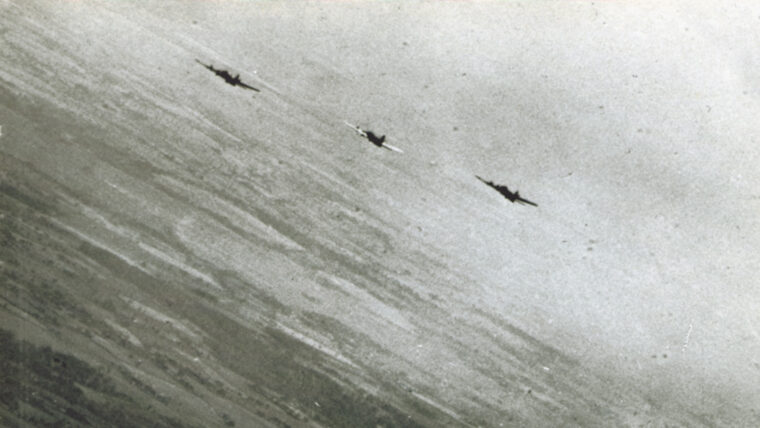
When it came to advanced military technology in World War II, arguably no one was better at it than Nazi Germany, whose scientists Adolf Hitler keep busy trying to invent the ultimate “super weapon” capable of defeating his enemies. Read more
weapons
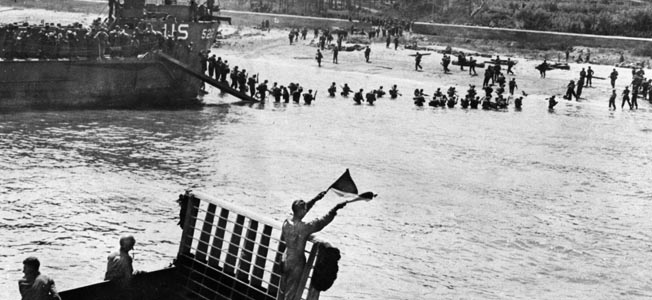
Early in 1944, German Field Marshal Erwin Rommel, the defeated hero of North Africa and now head of Army Group B in France, was tasked with strengthening the Atlantic Wall defenses against Allied invasion. Read more
weapons
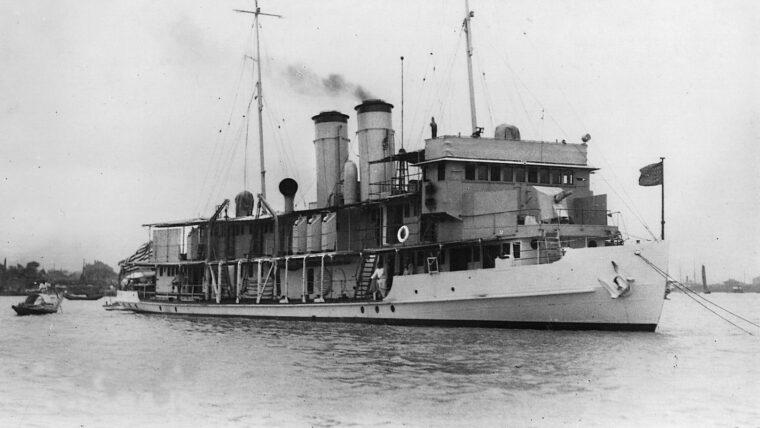
For some Americans, World War II started early. In December 1937, four years before the Japanese attack on Pearl Harbor propelled the United States into the war, Japanese planes attacked an American gunboat, the USS Panay, on China’s Yangtze River, strafing and bombing the boat, sinking it, killing three American crew members, and the wounding 45 others. Read more
weapons
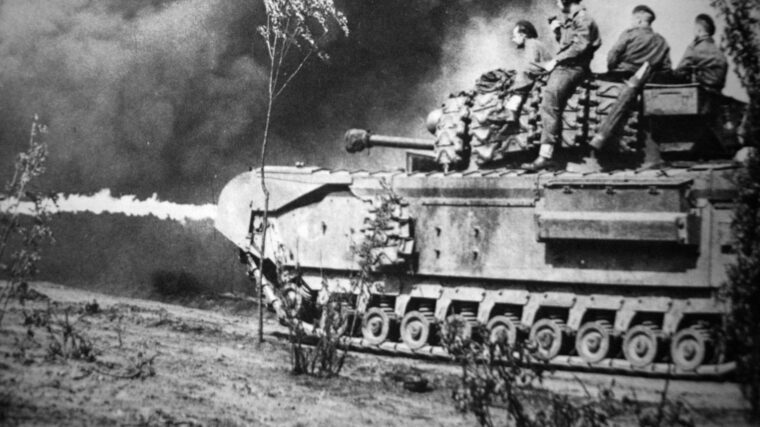
The elite German paratroopers, who were some of the finest fighters in the service of the Third Reich, believed they were exceptionally well prepared to defend the deep water port of Brest on France’s Brittany coast against an impending attack by the Allies. Read more
weapons
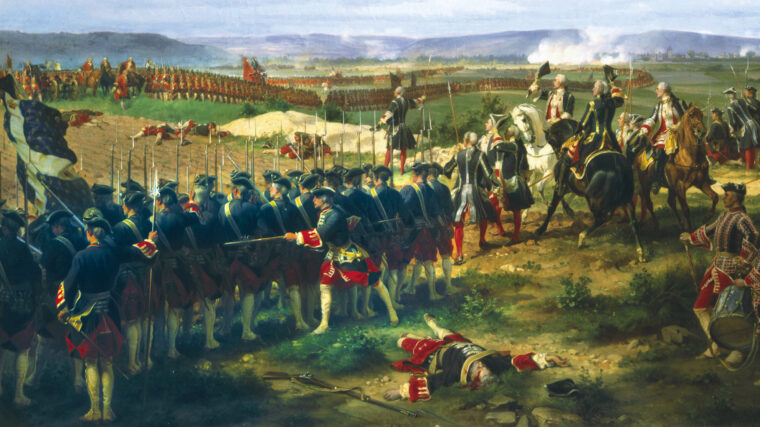
Pikes and most similar pole weapons disappeared from European armies by the early 1700s. After all, bayonets let each man convert his flintlock into a pike that fired bullets. Read more
weapons
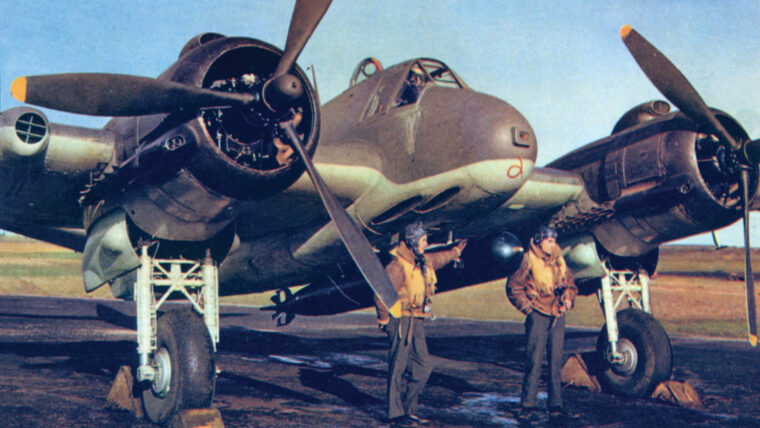
The day’s flight was to be a fairly typical “rhubarb,” or a fast freelance strike, for the two pilots in their Bristol Beaufighters. Read more
weapons
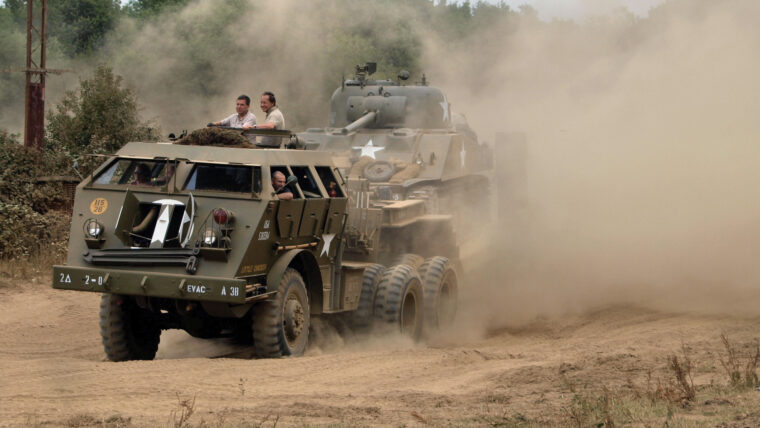
America’s involvement in World War II was so deep and broad that it demanded that virtually every citizen, farm, and company become involved. Read more
weapons
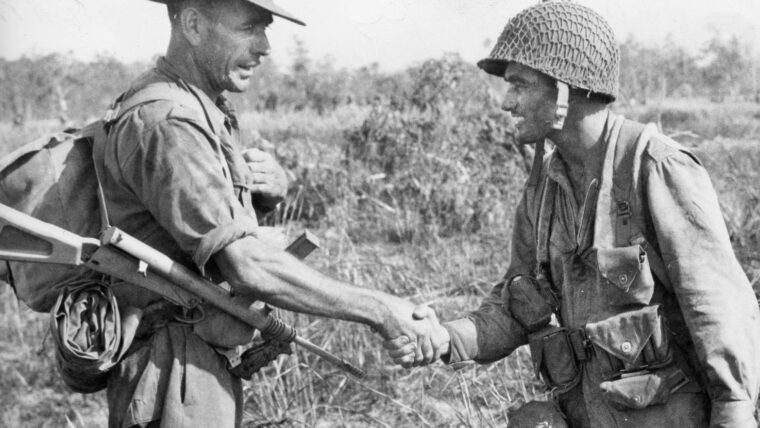
A casual observer of World War II photographs after 1943 will often notice slouch hat- or beret-wearing Australian “diggers,” or armed Melanesian natives in the Australian Constabulary battalions, slogging through the muck and jungle of New Guinea, Bougainville, New Britain, and Borneo carrying a rather odd-looking weapon with a vertical top-mounting magazine. Read more
weapons
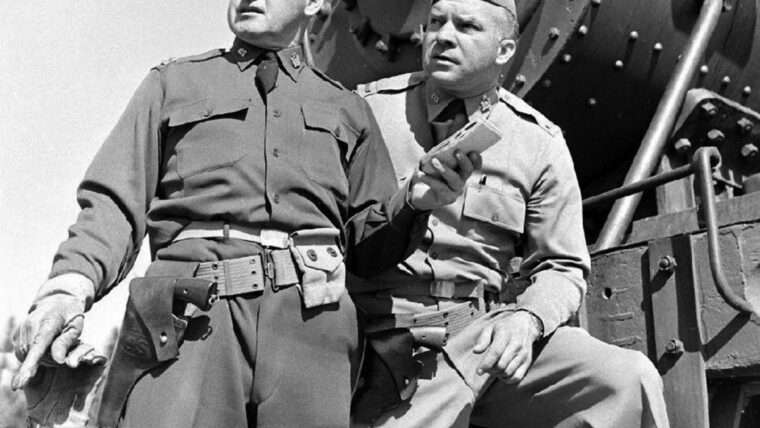
Many handgun enthusiasts’ blog entries recount how they stumbled onto a local gun show table only to find a dull-finished revolver that clearly bore the impression “Colt Commando .38 Special” on the left side of the barrel. Read more
weapons
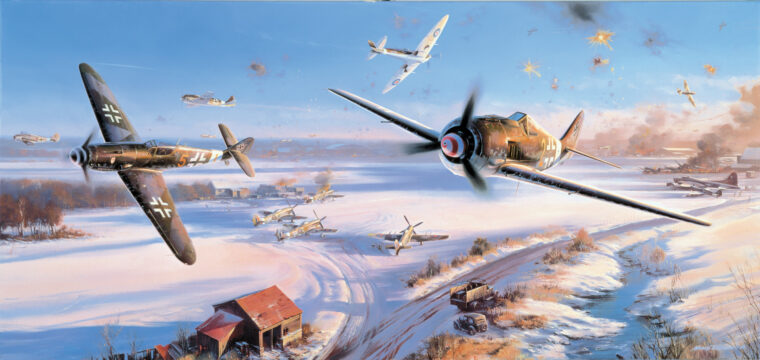
On July 28, 1943, Luftwaffe Oberleutnant Erwin Clausen shot down another two B-17 Flying Fortresses to add to the two he had shot down the previous day. Read more
weapons
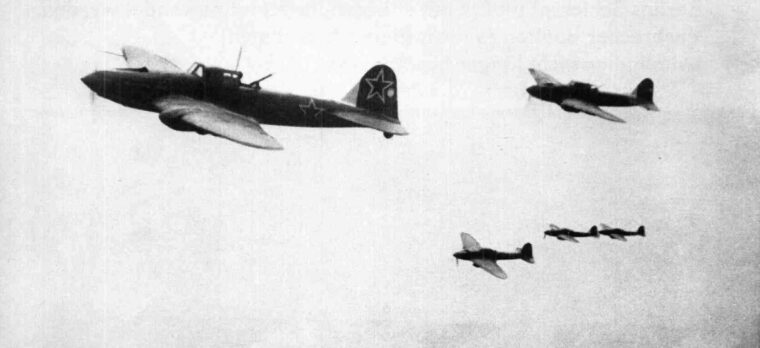
Vasily Emelianenko led an Ilyushin Il-2 Sturmovik, or “Storm Bird,” flight in late June 1942 against a German-held airfield near Artemovsk in eastern Ukraine, flying low up a deep ravine to avoid detection. Read more
weapons
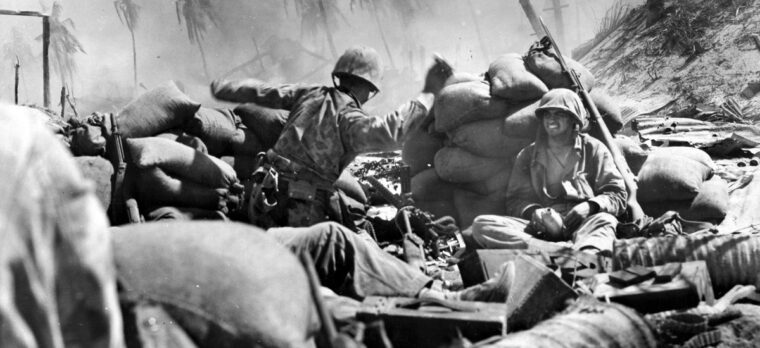
During the five-month Japanese siege of Russian-held Port Arthur during the Russo-Japanese War of 1904-1905 both sides employed hand grenades. Read more
weapons
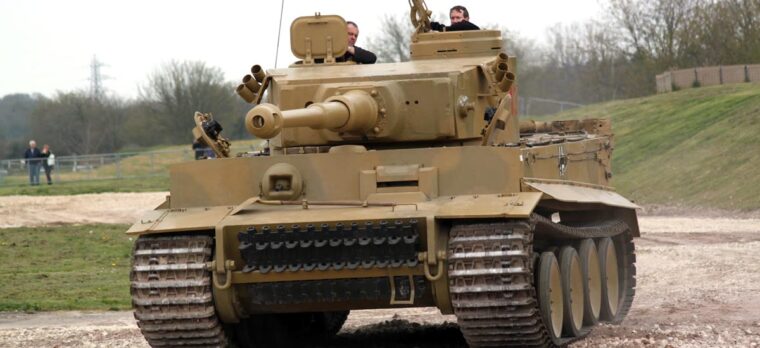
During Germany’s early string of victories between 1939 and 1941, Hitler informed the members of the nation’s aerospace industry that he had decided to impose new restrictions on aircraft research and development. Read more