Solomon Islands
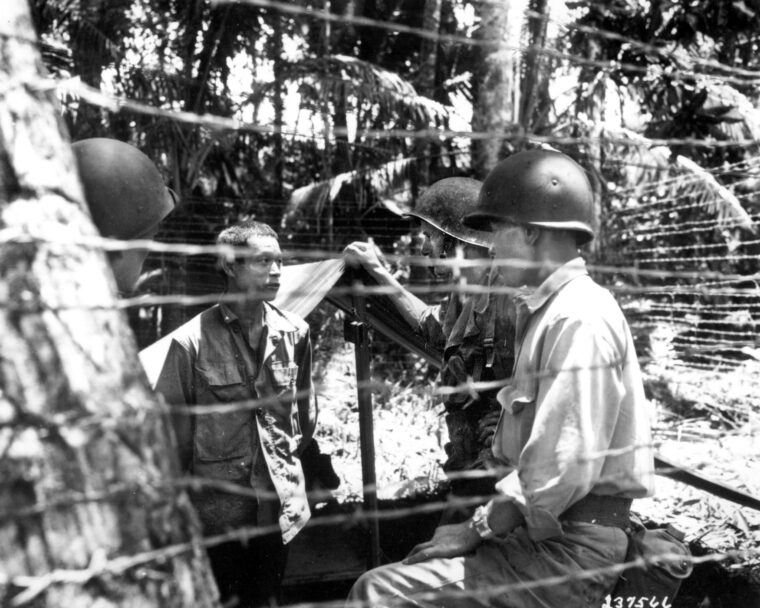
Speaking the Enemy’s Language
By Dr. Carl H. MarcouxAmerican soldiers of Japanese ancestry made remarkable contributions to the Allied victory during World War II. Read more
Solomon Islands
American soldiers of Japanese ancestry made remarkable contributions to the Allied victory during World War II. Read more
Solomon Islands
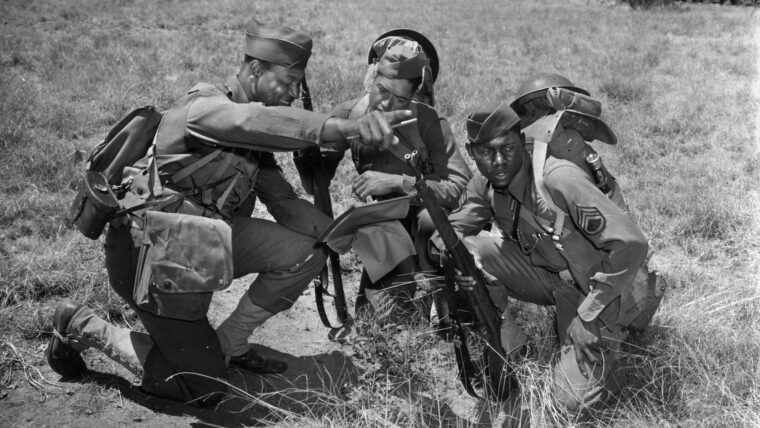
On August 2, 1945, two weeks prior to Japan’s surrender, the highest ranking Japanese officer captured during the war in the Pacific was taken on the island of Morotai, Dutch New Guinea. Read more
Solomon Islands
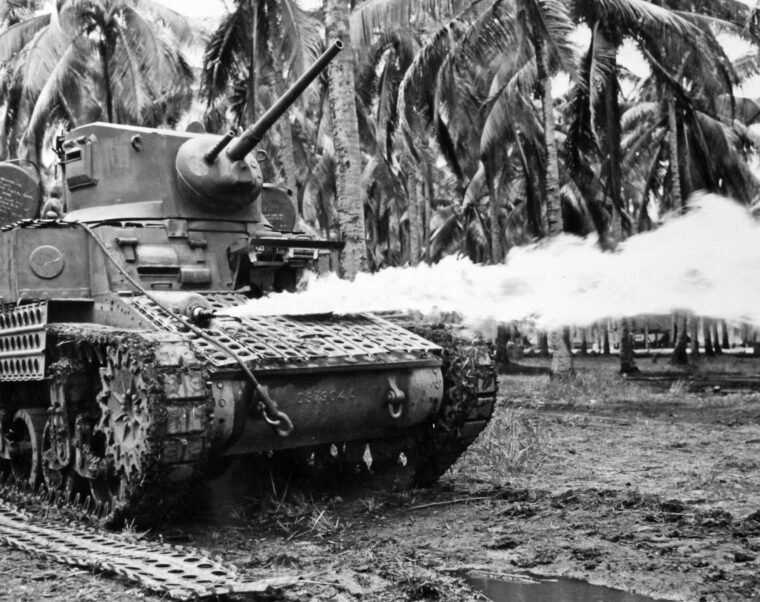
U.S. portable flamethrowers were first used in combat during the Guadalcanal campaign in January 1943. It quickly became apparent that the exposed flamethrower operator was vulnerable to Japanese small arms fire. Read more
Solomon Islands
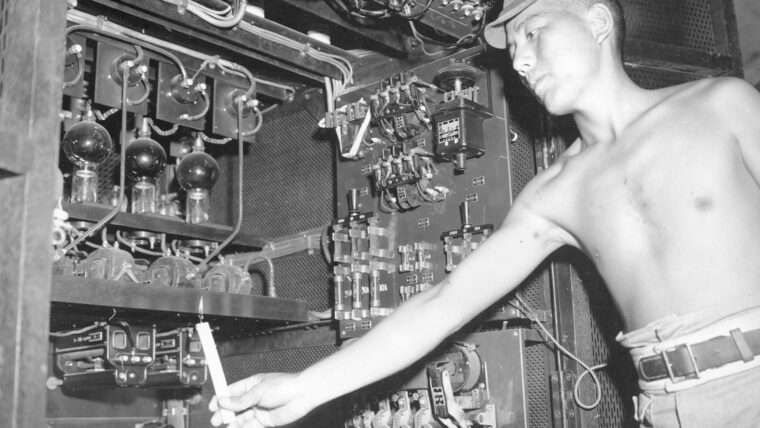
Marine Captain Frank Farrell stood in the open door of the Army Air Corps C-47 waiting for the “green light,” the signal to leap into space, on a mission that could mean life or death for hundreds, perhaps thousands, of people. Read more
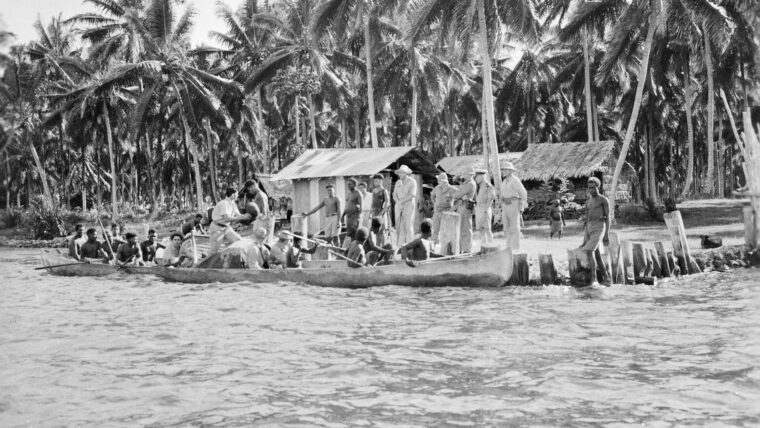
Solomon Islands
Two weeks after Pearl Harbor, coast watcher Cornelius Page, a plantation manager on Tabar Island 20 miles north of New Ireland in the South Pacific, reported by teleradio that Japanese planes were making reconnaissance flights over New Ireland and New Britain. Read more
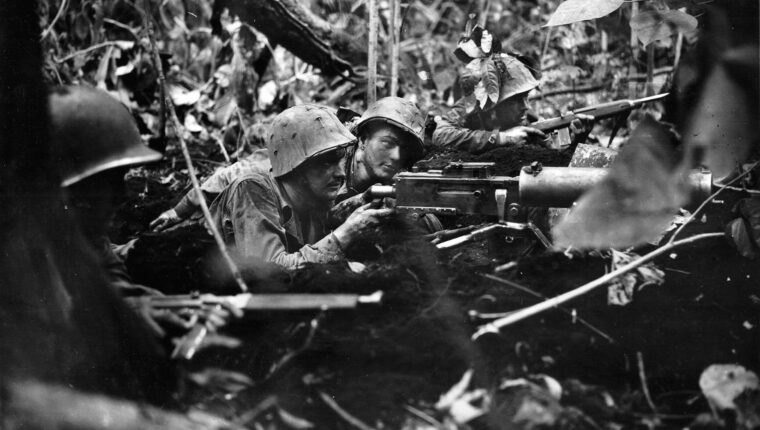
Solomon Islands
On the island of New Britain, at the north end of the Solomon chain, lay a major base that provided Japanese forces with the naval power, supplies, and reinforcements to control the sea lanes of the Southwest Pacific. Read more
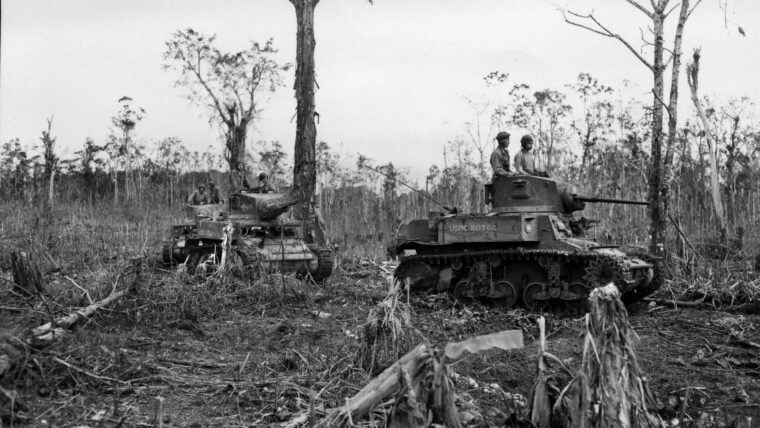
Solomon Islands
Vice Admiral William “Bull” Halsey, commander of the U.S. 3rd Fleet, did not want another protracted campaign like he had experienced while trying to take Munda in New Georgia. Read more
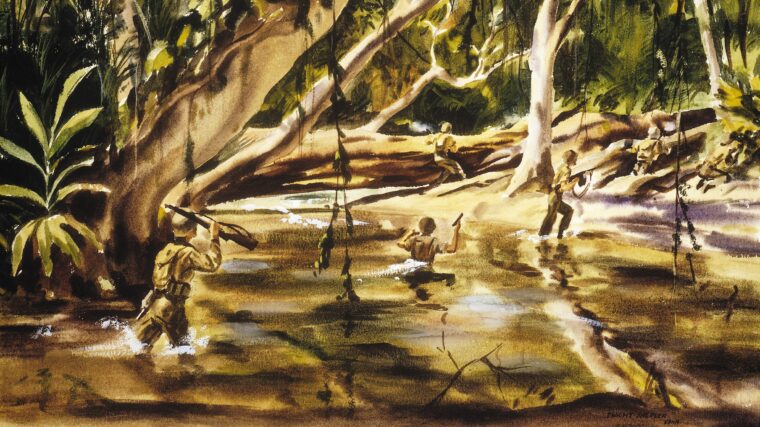
Solomon Islands
On August 6, 1942, the men of Maj. Gen. Alexander Vandegrift’s U.S. 1st Marine Division watched from the railings as their troopship, the USS George F. Read more
Solomon Islands
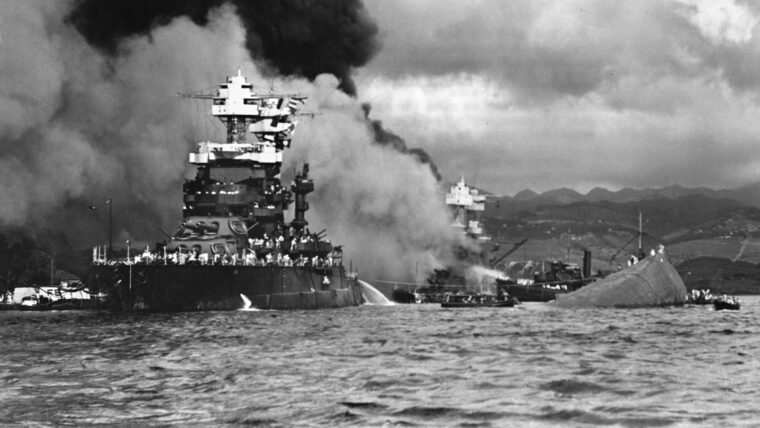
Commander Mitsuo Fuchida, strike leader for Operation Hawaii and 20-year veteran of the Imperial Japanese Navy (Kaigun), strapped himself into the observer’s seat as his Nakajima B5N2 “Kate” torpedo bomber, piloted by Lieutenant Mitsuo Matsuzaki, and lifted off from the carrier Akagi on the black morning of December 7, 1941. Read more
Solomon Islands
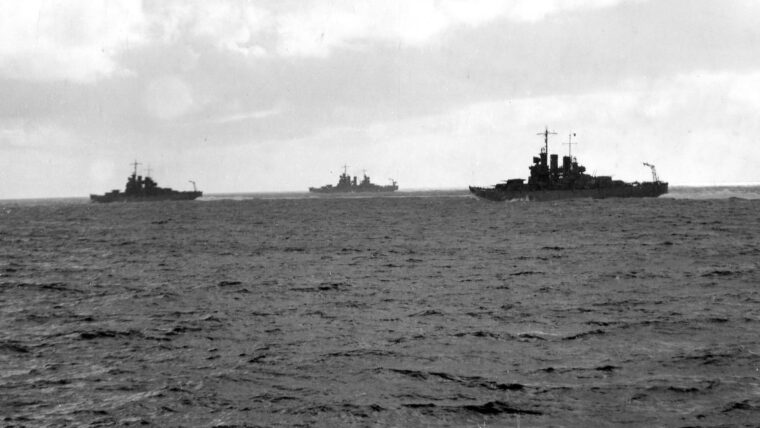
The island of Guadalcanal loomed in the distance as the warships of Task Force 36.1 approached the waters of Iron Bottom Sound on July 5, 1943. Read more
Solomon Islands
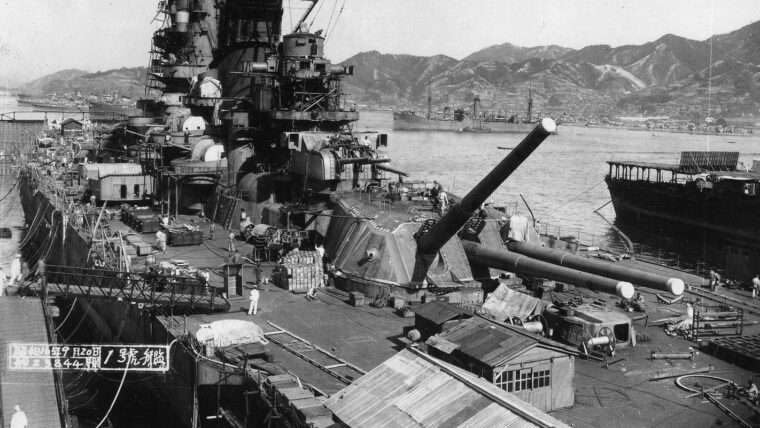
Special Sea Attack Force (SSAF) was an ordinary-sounding name for the pitifully tiny remnant of what was once the mighty Imperial Japanese Navy (IJN). Read more
Solomon Islands
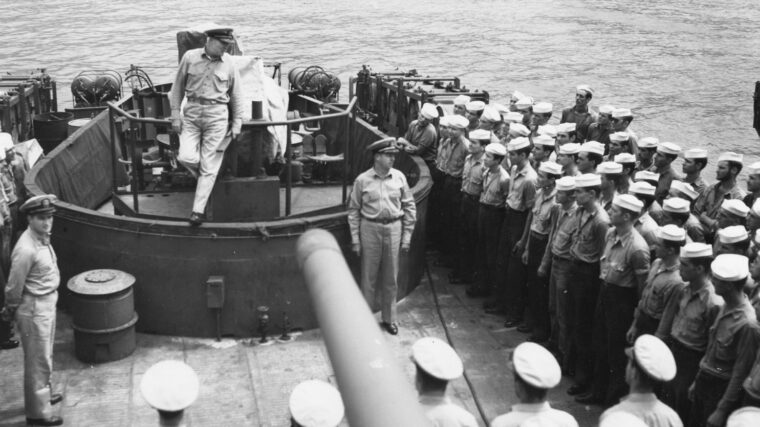
The first days of January 1943 found American forces winning the prolonged struggle for control of Guadalcanal in the South Pacific. Read more
Solomon Islands
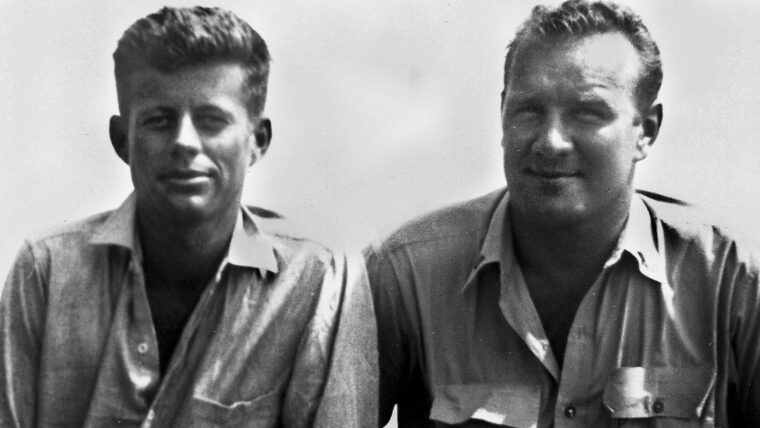
The name Leonard Jay Thom may not mean anything to a great many people today, and that is unfortunate. Read more
Solomon Islands
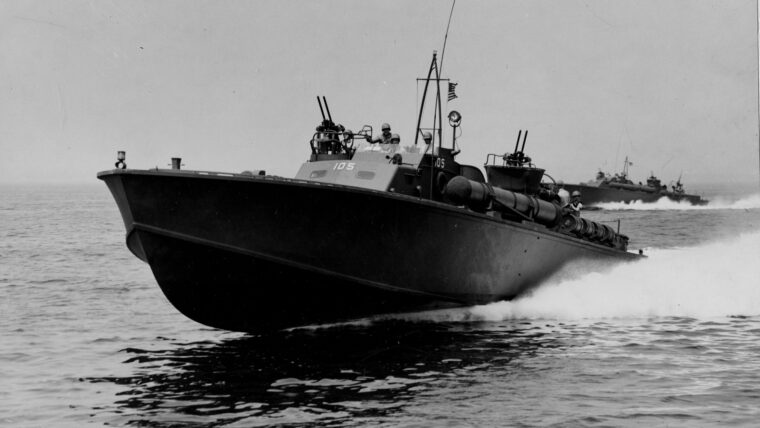
When the four members of the Japanese surrender delegation climbed aboard the deck of PT-375 on September 8, 1945, the boat’s skipper, Lieutenant Henry “Hank” Blake, directed the men to an open area on the forward deck where the Japanese could be closely watched for any signs of treachery. Read more
Solomon Islands
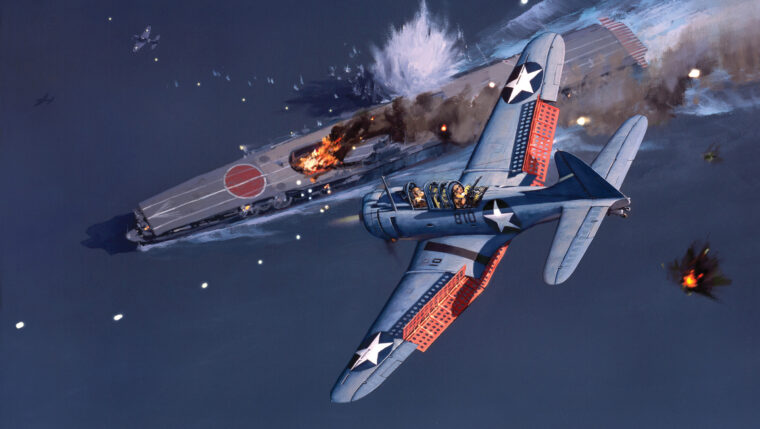
On August 7, 1942, Petty Officer 1st Class Saburo Sakai was piloting his Mitsubishi A6M2 “Zero” fighter in the skies over Sealark Channel in the Solomon Islands. Read more
Solomon Islands
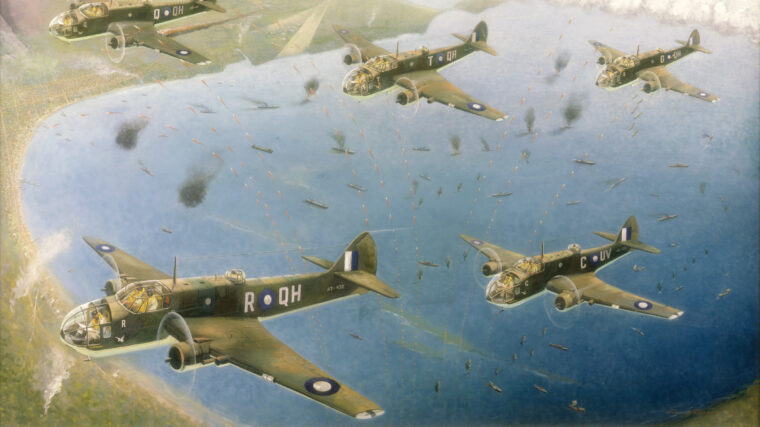
During early World War II operations in the Pacific, Geoff Fisken would become one of the most outstanding pilots of the RNZAF—the Royal New Zealand Air Force. Read more
Solomon Islands
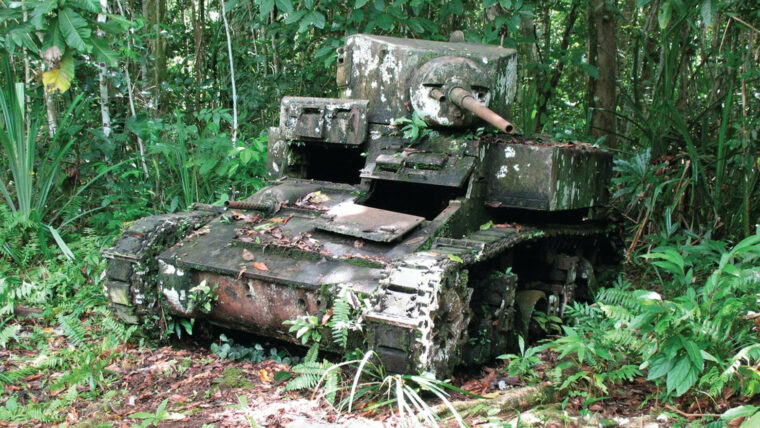
The downwind approach of my Boeing 737 into Honiara International Airport goes over Iron Bottom Sound, with Savo Island off in the distance. Read more
Solomon Islands
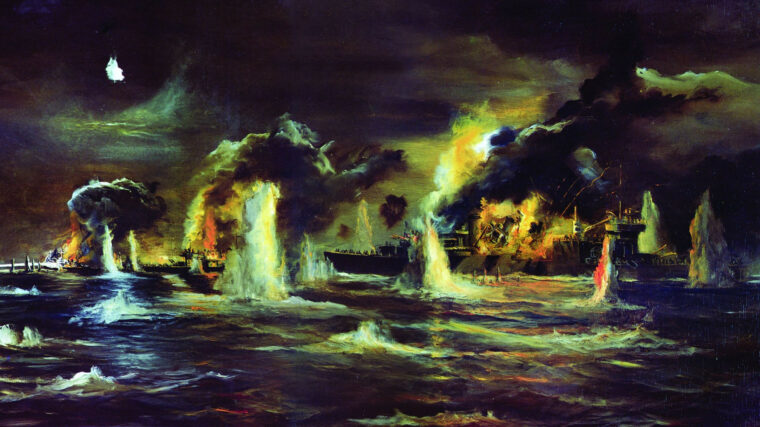
A United States naval task force bearing the U.S. 1st Marine Division arrived off Guadalcanal, in the eastern Solomon Islands, on the morning of August 7, 1942, and launched the first American offensive operation of World War II. Read more
Solomon Islands
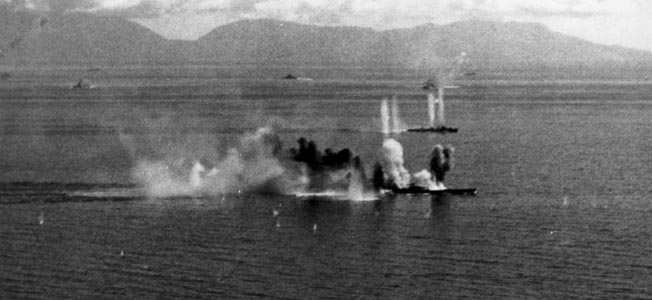
The Japanese superbattleship Musashi was steaming east along with a fleet of other battleships, cruisers, and destroyers on their way toward what was expected to be a climactic battle at Leyte Gulf. Read more
Solomon Islands
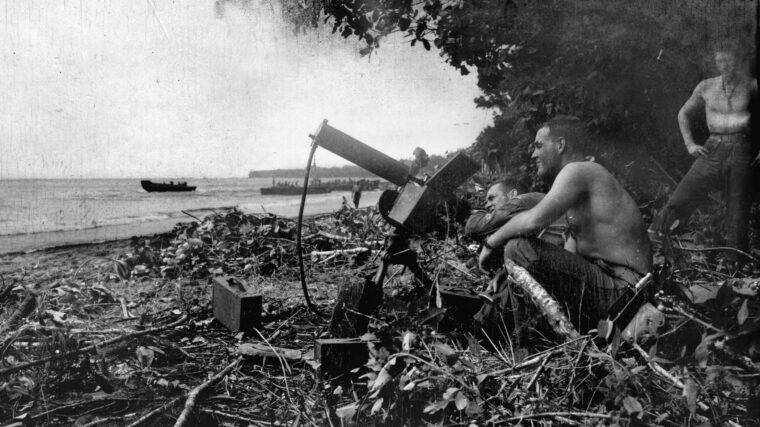
“Banzai! Banzai!” screamed the Japanese at the top of their lungs as they launched a ferocious night attack against Marines dug in on Guadalcanal. Read more